
Search Results
Keyword:nuclear supply chain
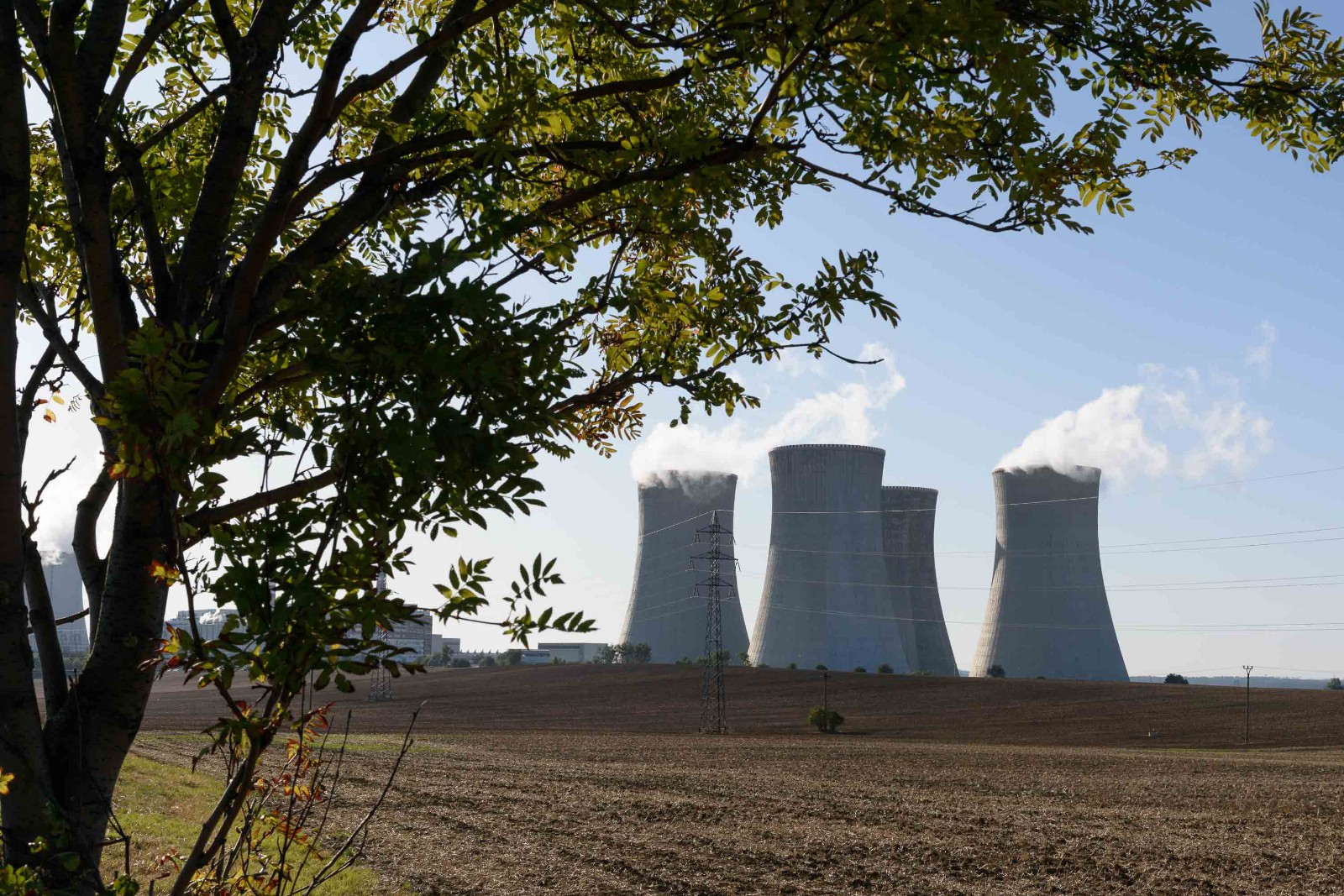
Czech Dukovany New Nuclear Project Scheduled to Break Ground in 2029
Preliminary work on the new nuclear power plant project at Dukovany, Czech Republic, continues to advance. According to information released by the Confederation of Industry and Transport of the Czech Republic (SP ČR), geological surveys at the project site have been completed, and the permitting process is underway with no major obstacles identified so far. Under the current schedule, main construction of the new nuclear power plant is set to begin in 2029. Development of the local supply chain is also progressing in parallel. To date, Czech domestic companies have secured 17 tendered supply packages, though the total contract value has not yet been disclosed. Doosan Škoda Power has joined the project, along with ČEZ Energetické projekty and Energoprojekt Praha, which have entered the relevant design, engineering, and supply chain segments.
2026-08-24
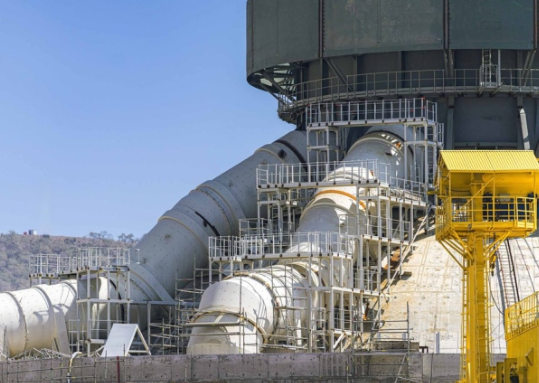
Akkuyu Nuclear Power Plant: Türkiye's Gateway to the Nuclear Supply Chain and a Platform for Long-Term Technology Acquisition
On August 15, Professor Şer Ergun, Head of the Nuclear Engineering Department at Hacettepe University, commented on the commissioning progress of the Akkuyu Nuclear Power Plant in Mersin Province, emphasizing the project's strategic and technical significance for Türkiye. She noted that the VVER-1200 technology used at Akkuyu is operational in multiple countries worldwide, and Türkiye is seizing this opportunity to operate modern reactor technology while accumulating nuclear knowledge and experience and strengthening international cooperation through collaboration with other VVER-1200 user countries. She also stressed that Turkish engineers should actively participate in similar projects. Ergun stated that Akkuyu's value should not be assessed solely from the perspective of power generation, but also from its contribution to the nuclear technology ecosystem. The project provides...
2026-08-16
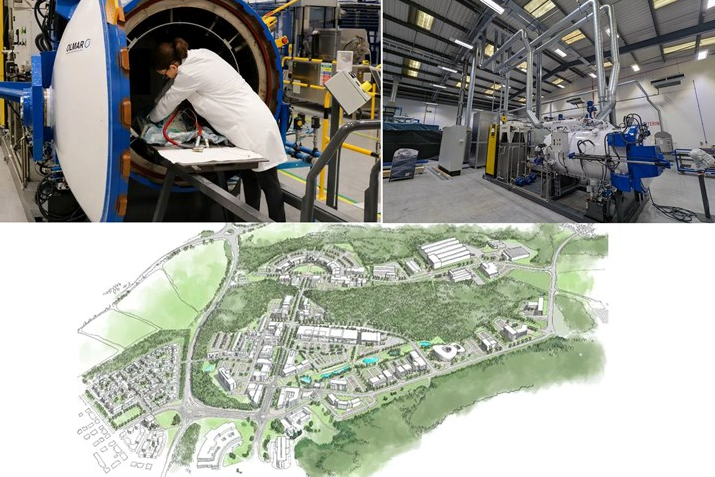
Lucideon Plans £500 Million UK CMC Manufacturing Facility to Strengthen Aerospace, Defense, and Nuclear Supply Chains
UK materials science consultancy Lucideon plans to build a manufacturing and R&D facility for ceramic matrix composites (CMCs) at Keele University Science Park, with total project investment expected to exceed £500 million over the next 7 to 10 years. The plan aims to address the UK's capability gap in high-temperature ceramics and industrial-scale CMC manufacturing, serving key industries such as aerospace, defense, and nuclear energy, while enhancing the UK's autonomy and competitiveness in the global advanced materials supply chain. Ceramic matrix composites, consisting of ceramic fibers reinforcing a ceramic matrix, can withstand ultra-high temperatures, thermal shock, and mechanical impact, while offering weight reduction advantages over metallic materials, driving growing demand in high-performance engines, thermal protection...
2026-08-16
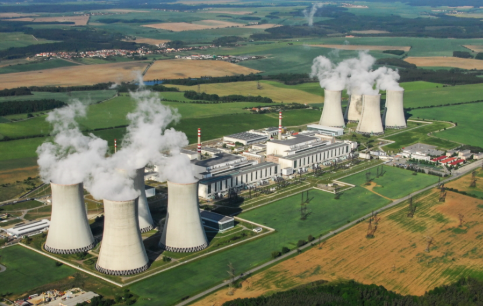
South Korea Designates SMR as National Strategic Technology, Tax Incentives to Drive New Investment in Nuclear Supply Chain
The South Korean government's inclusion of Small Modular Reactors (SMR) in its national strategic technology support scope signals that its energy and industrial policies are extending from traditional large-scale nuclear power plants to next-generation nuclear technologies. SMRs feature modular manufacturing, relatively shorter construction periods, and higher site flexibility, making them a key direction for South Korea in balancing energy security, low-carbon transition, and advanced manufacturing upgrades. This policy has gained support from South Korea's nuclear industry, with the key being that national strategic technology status typically entails tax credits and other incentives for corporate R&D, equipment investment, and related capital expenditures. For companies involved in nuclear equipment, castings and forgings, control systems, engineering design, and fuel-related businesses...
2026-08-10