
Search Results
Keyword:production
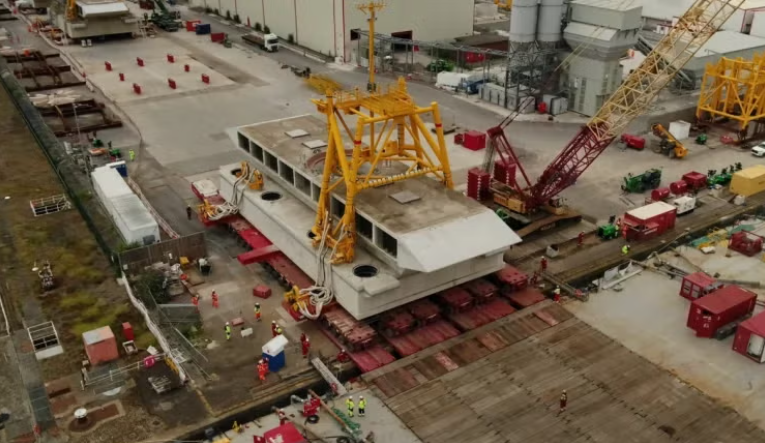
Planning permission granted for tunnel component production facility for Sizewell C nuclear power station in the UK
The Sizewell C nuclear power station project in the UK has successfully obtained planning permission to build a dedicated tunnel component production facility at Avonmouth in Bristol. The factory will be responsible for producing 38,000 precast concrete segments as well as tunnel head pieces for the three subsea tunnels of Sizewell C. All finished components will be transported by rail and water to the Sizewell C construction site in Suffolk, which directly supports the project's environmental commitment that at least 60% of construction materials will be transported by rail and sea. Subject to the relevant preconditions being met, the facility is expected to officially begin production in 2028....
2026-09-18
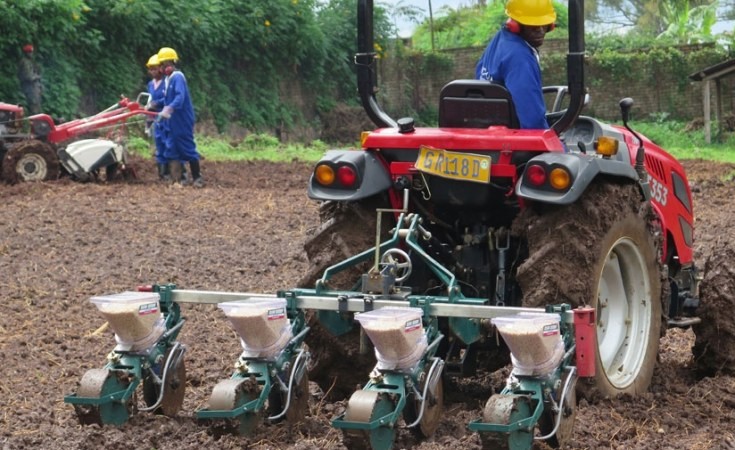
Rwanda Plans to Introduce Nuclear Technology to Boost Agricultural Production and Address Climate Change
Armand Zingiro, Minister of State in Rwanda's Ministry of Infrastructure, stated at the 70th General Conference of the International Atomic Energy Agency (IAEA) held in Vienna that the government is exploring the use of nuclear and isotope technologies to improve agricultural productivity, ensure food security, and enhance capacity to address climate change. The conference was held from September 14 to 18, and Zingiro led the Rwandan delegation to attend the meeting. Zingiro pointed out that Rwanda fully recognizes the enormous potential of nuclear and isotope technologies in the fields of agriculture and food security. The application of nuclear technology in agriculture is mainly reflected in improving crop yields, controlling...
2026-09-17
CNNC 404 Overcomes Krypton Isotope Technical Challenges, Multiple Krypton Isotope Thickness Sources Achieve "Fully Domestic Production"
It was learned from China National Nuclear Corporation (CNNC) that CNNC 404 Co., Ltd., a subsidiary of CNNC, has achieved a breakthrough in the field of radioisotope technology, marking China's leap from reliance on imports to fully domestic production of krypton isotope thickness sources. It is understood that krypton isotopes, as important radioisotopes, are widely used in industrial thickness measurement, instrument and meter calibration, tracer monitoring, and other fields, and are particularly indispensable in quality control for high-end manufacturing such as new energy batteries, specialty papermaking, and thin films. In this instance, CNNC 404 successfully developed multiple specifications of krypton isotope thickness source products with independent intellectual property rights, capable of matching the needs of different industrial thickness measurement application scenarios, which has provided solid support for the sustainable and high-quality development of China's high-end...
2026-09-17

Nusano Selected for U.S. Nuclear Energy Launch Platform Program to Advance Advanced Nuclear Fuel Production Line
Nusano, Inc., a physics company based in West Valley City, Utah, that has made breakthroughs in radioisotope and nuclear fuel production, has been selected by the U.S. Nuclear Reactor Innovation Center (NRIC) and the U.S. Department of Energy (DOE) to participate in the development of a HALEU (high-assay low-enriched uranium) nuclear fuel production line as part of the Nuclear Energy Launch Platform program. The program is a federal government initiative aimed at accelerating innovative nuclear technologies from concept to commercial deployment. Through this program, Nusano will receive authorization process support from the U.S. Department of Energy, expertise from national laboratories, infrastructure, technical resources, and project support, thereby accelerating the development of advanced nuclear technologies...
2026-09-15

Siemens Healthineers Invests $44 Million to Expand PET/CT Production Capacity
Siemens Healthineers announced that the company will make an investment of nearly $44 million at its PET detector center in Rockford, Tennessee, to increase production capacity for PET/CT equipment. This investment marks the completion of the company's construction project at the center, which is aimed at meeting growing demand for PET/CT technology and supporting new product lines launched in the U.S. and international markets. In the Rockford expansion project, approximately 40,000 square meters of building area were added, increasing the total campus footprint to 97,000 square meters, while 7,500 square meters of existing buildings were also renovated. The campus is Siemens Healthineers' only...
2026-09-15
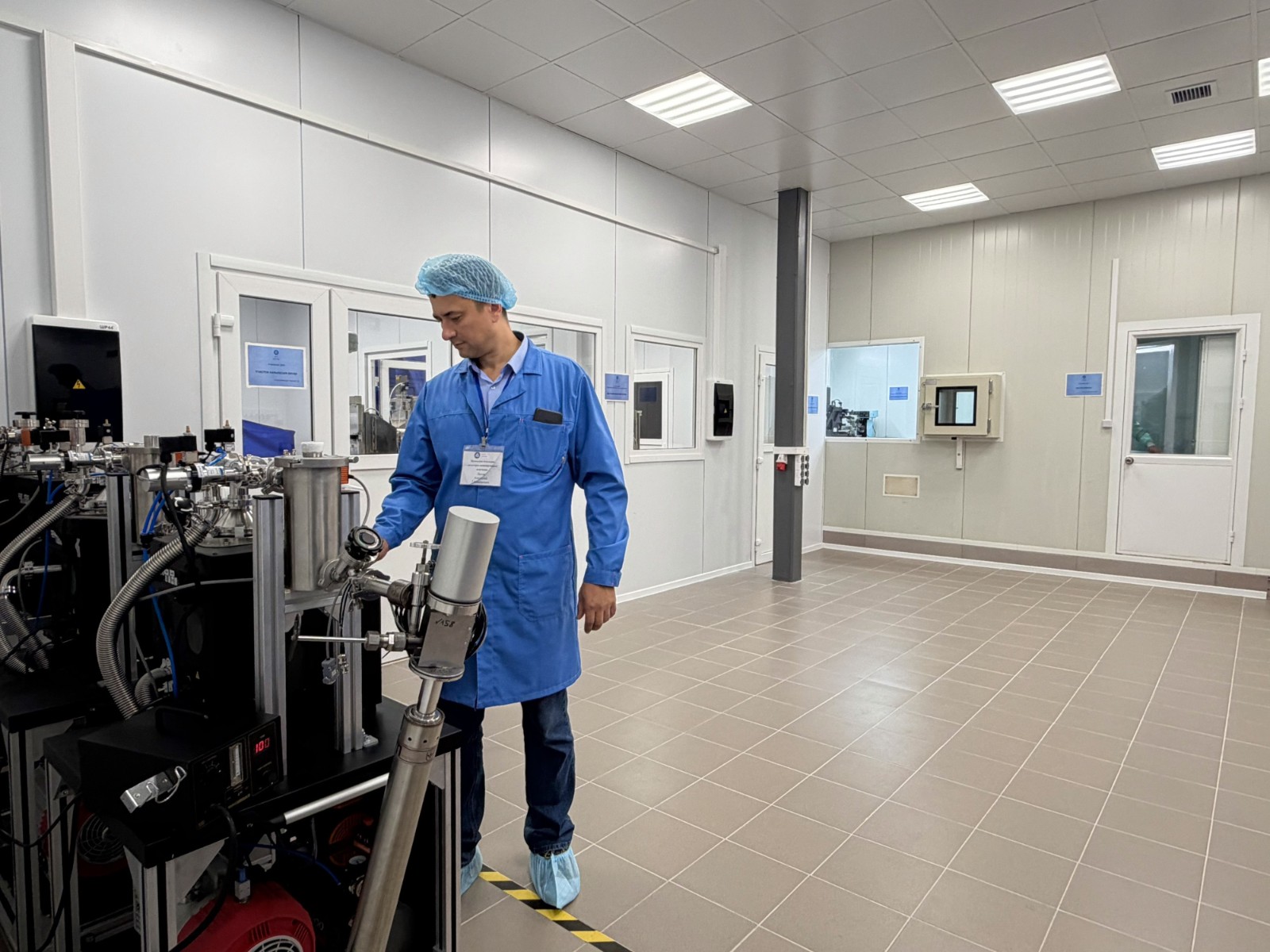
Rosatom Launches Full-Cycle Production of High-Purity Germanium Detectors
Rosatom announced on September 9 that its subsidiary enterprises have begun producing detectors made of high-purity germanium and have established a complete domestic technology chain in Russia, from deep purification of germanium raw materials and detector manufacturing to the assembly of spectrometers and measurement instruments. The final stage of this production chain is located at a new production facility of a plant under Rosatom's Automated Control Systems and Electrical Engineering Division. To meet the requirements for processing ultrapure materials, the facility has specially built a cleanroom compliant with ISO Class 8 standards to reduce contamination of germanium materials, improve product stability and extend equipment service life. High-purity germanium detectors are a key...
2026-09-10
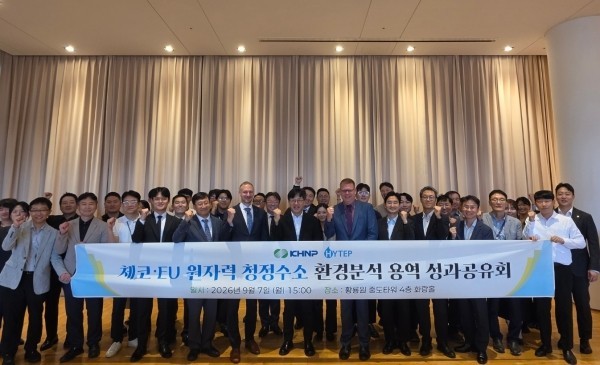
South Korean Companies Advance Nuclear Hydrogen Demonstration Project in Czech Republic
Korea Hydro & Nuclear Power (KHNP) announced on September 8 that it has completed a joint research review with the Czech Hydrogen Association (HYTEP) on the legal, institutional, and policy environment for nuclear hydrogen production in the Czech Republic and the European Union, and exchanged views on advancing a clean hydrogen production demonstration project in the Czech Republic. The two sides held a results-sharing meeting on September 7 at Hwangnyongwon in Gyeongju, South Korea, to review the final outcomes of the research. The study, launched in September 2025 and spanning approximately 11 months, primarily examined policy directions, laws and regulations, certification requirements, and market access conditions in the nuclear and hydrogen sectors in the Czech Republic and the EU, providing an institutional basis for the implementation of nuclear hydrogen production projects. Based on the research findings, KHNP plans to promote a clean hydrogen production demonstration project integrated with nuclear power in the Czech Republic.
2026-09-08
Russia masters production technology of ultra-pure germanium for gamma detectors
The Giredmet Research Institute, part of Rosatom, recently announced that its researchers have developed technology for producing high-purity germanium (HPGe) for gamma-ray detectors. This breakthrough is expected to replace imported crystals and promote the formation of a complete production cycle for detector equipment within Russia. According to reports, experts at Giredmet have designed and manufactured experimental equipment, and based on this, developed a process for preparing ultra-high-purity germanium single crystals. The purity of the germanium material reaches at least 7N, i.e., 99.99999%, equivalent to only one impurity atom per 10 million atoms of the primary material. The institute stated that the first batch of experimental samples has been obtained, verifying the effectiveness of the adopted deep germanium purification method in achieving the purity level required for detector applications.
2026-09-07
Russia Plans to Build Floating Nuclear Power Plant Production Facility Near Murmansk
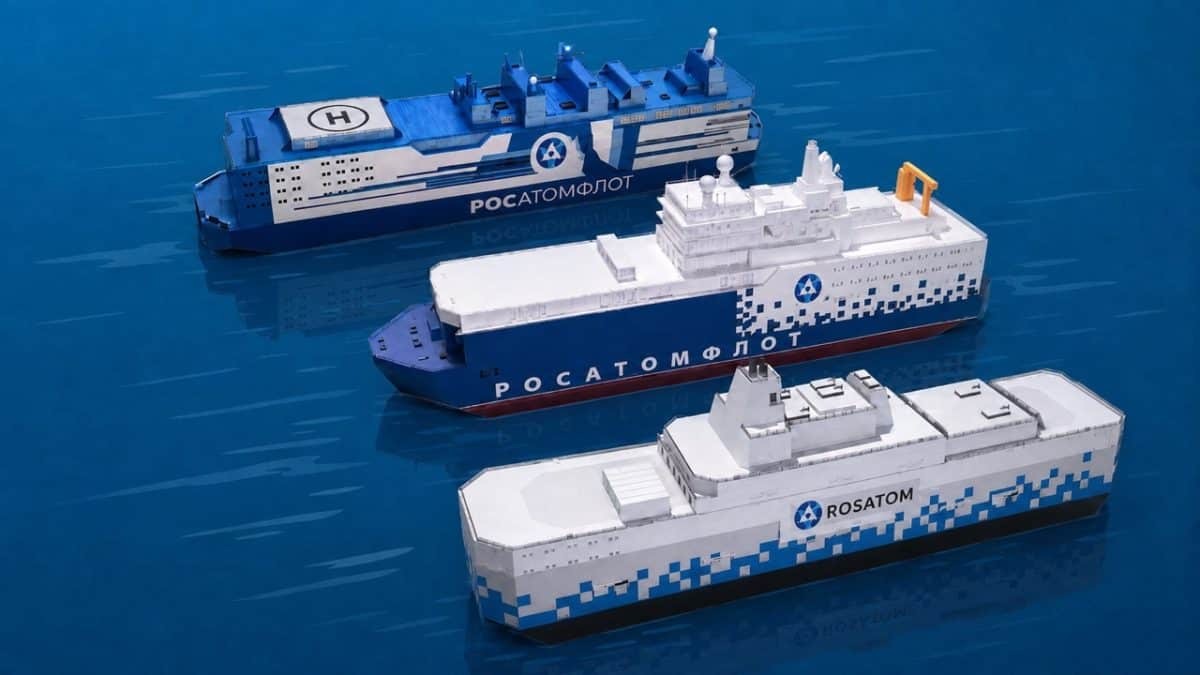
Rosatom is considering building its own production facility near Murmansk to complete the construction of floating nuclear power plants. The company believes that as related orders increase, the capacity of existing partners may struggle to meet future demand. Baltic Shipyard is one of Rosatom's key partners. The Akademik Lomonosov floating nuclear power plant and four Project 22220 Arktika-class nuclear-powered icebreakers were all built at this shipyard. Currently, the two sides continue to maintain close cooperation, with a significant portion of Baltic Shipyard's orders related to Rosatom projects. Russia...
2026-09-04
Russia's Kola NPP Launches Construction of Nuclear-Powered Hydrogen Production Pilot Complex
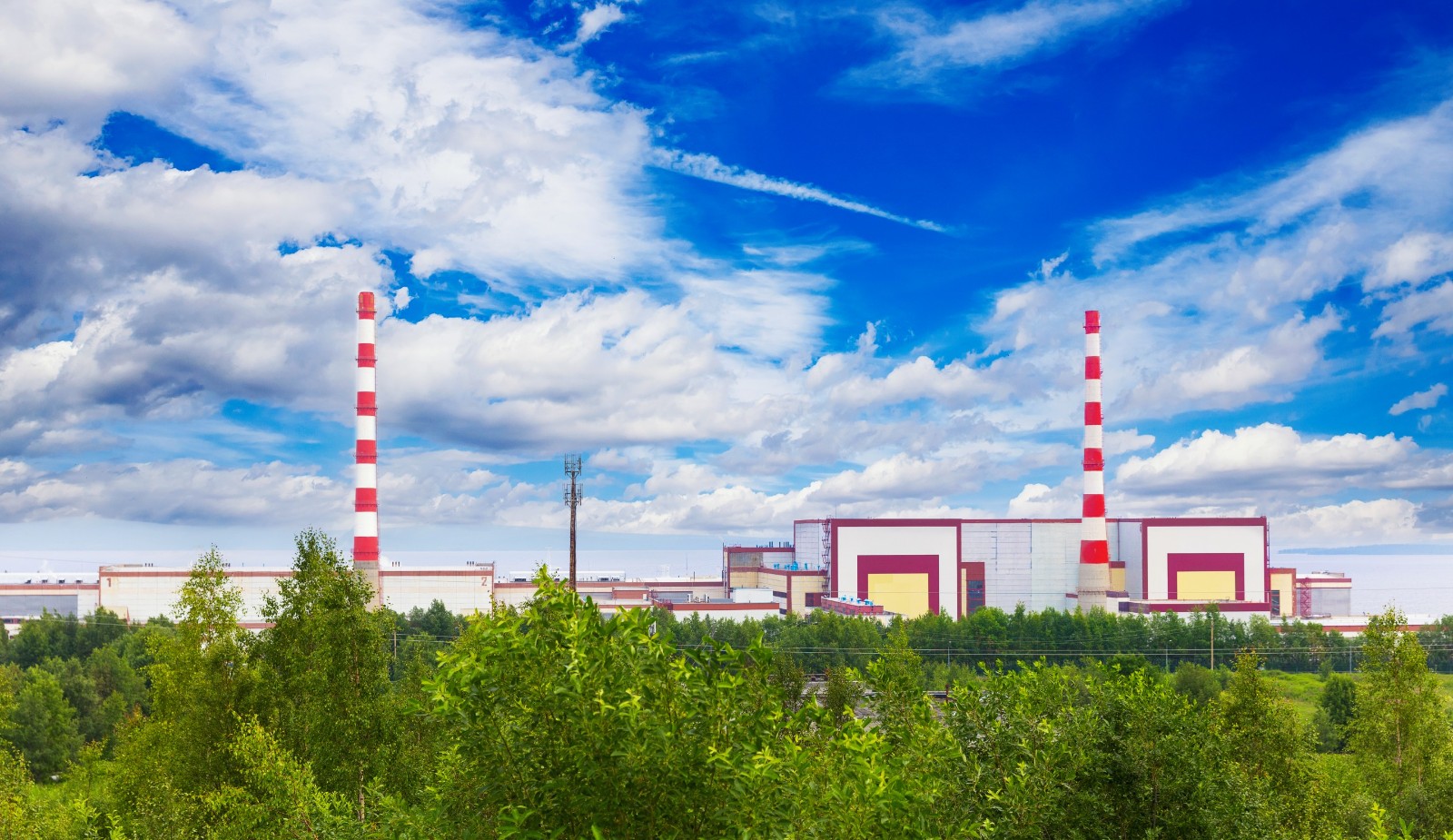
Kola NPP, a subsidiary of Rosatom, has commenced construction of a hydrogen production pilot test complex within its site, with the project scheduled for completion next year. The complex will be used to validate large-scale water electrolysis hydrogen production technology, as well as technical routes related to hydrogen handling, storage, and transportation. A key feature of the project is the use of low-carbon electricity supplied by the nuclear power plant to reduce the dependence of the hydrogen production process on hydrocarbon fuels. According to the design, the pilot test complex will have a hydrogen production capacity of 200 standard cubic meters per hour. The project will be implemented in two phases: the first phase will involve commissioning an electrolysis unit with a capacity of 50 standard cubic meters per hour and constructing hydrogen storage...
2026-09-03
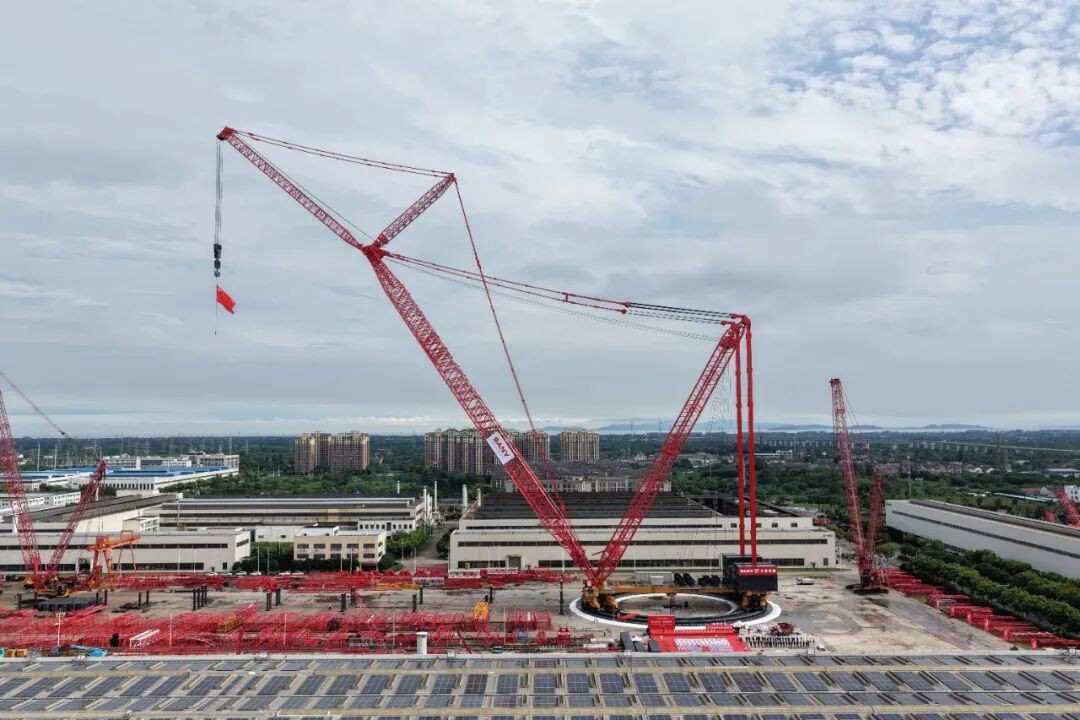
World's First 250,000 Tonne-Meter Ring Crane Rolls Off Production Line, Supporting Hualong One 2.0 Nuclear Power Construction
On August 31, the world's first 250,000 tonne-meter ring crane, jointly developed by SANY Heavy Lift and China Energy Engineering Group Guangdong Thermal Power & Litte Company, rolled off the production line at SANY's Huzhou Industrial Park in Zhejiang. Designed for the "one crane, two islands" construction requirements of Hualong One 2.0, the equipment can address the engineering challenge of covering module hoisting for two nuclear islands with a single unit, marking a key domestic localization breakthrough in China's ultra-large-tonnage nuclear power hoisting equipment. With the advancement of the Hualong One 2.0 "one crane, two islands" construction method, nuclear power projects have imposed higher requirements on the working radius, load capacity, and hoisting precision of heavy lifting equipment. In the past, related high-end equipment technology was long controlled by a few overseas companies. The 250,000 tonne-meter ring crane rolled off the production line this time has undergone seven years of technical research, achieving breakthroughs in structural design, manufacturing processes, and assembly control.
2026-09-02
CERN Finds Statistical Hints of Higgs Boson Pair Production
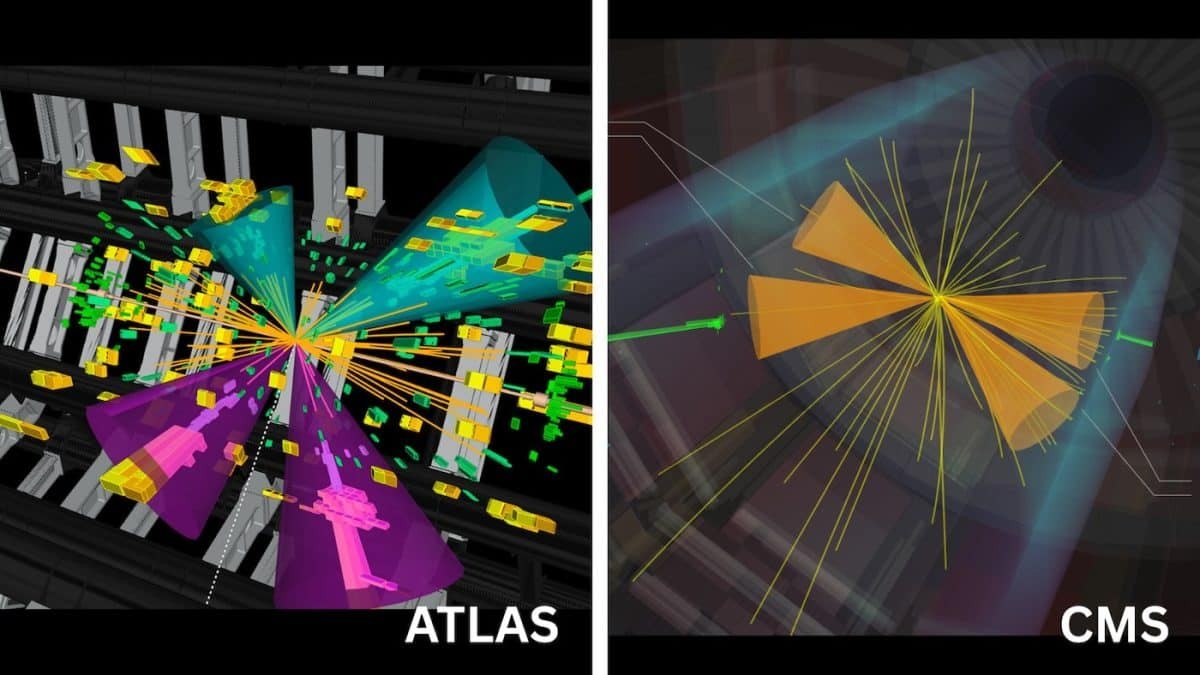
Physics teams at CERN have recently found statistical hints of Higgs boson pair production in data analysis from the Large Hadron Collider. Researchers analyzed millions of collision results over eight years at the collider, with the findings presented at the ICHEP conference and published as two preprints. The figure shows schematic diagrams of events involving the production of two Higgs bosons as observed by ATLAS (left) and CMS (right) CERN The Higgs boson was discovered in 2012, and since then physicists have continuously measured its interactions with other elementary particles to test the Standard Model's explanation of the origin of mass. However, the self-interaction of the Higgs boson has not yet been directly observed.
2026-09-02
South Korea's Uljin Pushes Forward with Nuclear Hydrogen Industrial Complex Development
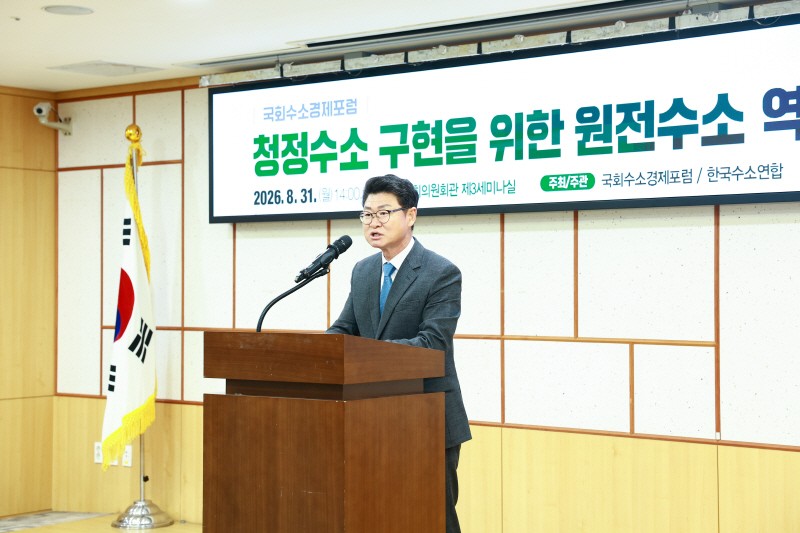
Uljin County in North Gyeongsang Province, South Korea, is seeking support from the National Assembly and the government to promote the construction of the Uljin Nuclear Hydrogen National Industrial Complex, with the goal of establishing the region as a clean hydrogen production hub through supporting policies such as stable power supply and hydrogen pipeline networks. On August 31, Uljin County Governor Hwang Ui-jo attended a nuclear hydrogen policy seminar held at the National Assembly Members' Office Building to present the progress of the Uljin Nuclear Hydrogen National Industrial Complex and the policy tasks required for developing the nuclear hydrogen industry. The seminar was hosted by the National Assembly Hydrogen Economy Forum, with participants from the National Assembly, government, local governments, industry, academia, and...
2026-09-02
NewHydrogen Files Third Patent Application for ThermoLoop Hydrogen Production Technology
NewHydrogen, Inc. recently announced that it has filed a third provisional patent application jointly with the University of California, Santa Barbara (UCSB) to protect developments related to its clean hydrogen production technology, ThermoLoop. The patent application is titled "Isothermal Chemical Looping Hydrogen Production." According to NewHydrogen, the application builds on two previous patents and covers the latest improvements to the ThermoLoop thermochemical water-splitting process, as well as novel material compositions discovered by the UCSB technical team. The process produces hydrogen by splitting water using thermal energy, combined with advanced solid-state materials and machine learning-driven materials discovery methods to improve efficiency and cost-effectiveness...
2026-09-02
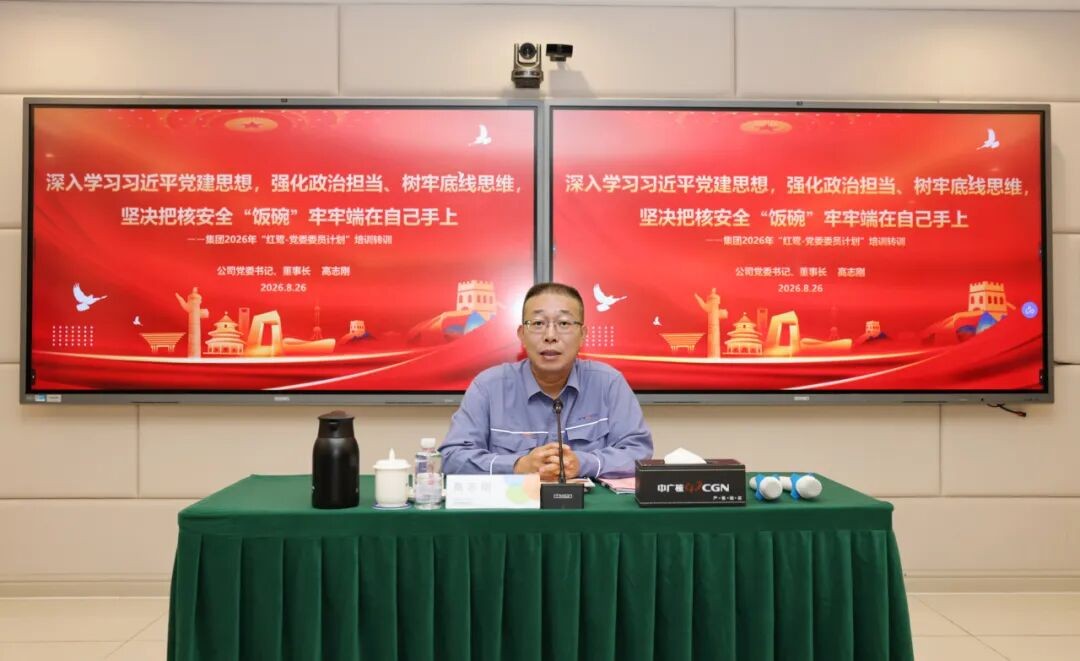
Fangchenggang Nuclear Power Holds Special Symposium on Nuclear Safety Management
Recently, Gao Zhigang, Secretary of the Party Committee and Chairman of Fangchenggang Nuclear Power, presided over a special symposium centered on the theme of "firmly holding the nuclear safety 'rice bowl' in our own hands," engaging in exchanges with departments including Operations Division I, Operations Division II, Nuclear Safety and Licensing Department, and Training Department, while also delivering relay training in accordance with the requirements of CGN's 2026 "Red Egret - Party Committee Member Plan" training program. At the symposium, department representatives shared work insights and best practices based on their job responsibilities and frontline work realities, focusing on role positioning, capability enhancement, value creation, and cognitive upgrading, while also offering suggestions on production safety management, risk prevention and control, and on-site execution. Gao Zhigang...
2026-09-01