
Search Results
Keyword:production
Indonesia Develops Cobalt-60 Gamma Irradiation Technology to Boost Biodiesel Production from Waste Cooking Oil
The Indonesian Nuclear Technology Polytechnic, under the National Research and Innovation Agency (BRIN), has recently successfully developed cobalt-60 (Co-60) gamma irradiation technology and applied it to increase biodiesel production from waste cooking oil. The study aims to explore more efficient pathways for renewable energy production while providing a new solution for the resource utilization of waste cooking oil. Dita Ariyanti, a lecturer at the Indonesian Nuclear Technology Polytechnic, stated that with continued growth in energy consumption and declining fossil fuel reserves, the need to develop alternative energy sources is becoming increasingly urgent. For Indonesia, rising energy demand and dependence on fossil fuels also pose challenges to greenhouse gas emission reduction. Waste cooking oil was previously mostly treated as household waste, and improper disposal could pollute the environment; converting it into biodiesel can reduce waste while obtaining renewable energy.
2026-08-19

Vivos Ships First Batches from U.S. IsoPet Production Facility, Receives AERB Approval to Build International Manufacturing Center in India
KENNEWICK, Wash. — Vivos Inc. recently announced two operational milestones: its in-house production facility in Richland, Washington, has begun delivering IsoPet® products to certified veterinary clinics in the United States; simultaneously, the company has received authorization from India's Atomic Energy Regulatory Board (AERB) to establish an international manufacturing center in India. This means Vivos will have a two-site production footprint spanning the U.S. and India. According to the company, the U.S. production facility, housed at the Applied Process Engineering Laboratory (APEL), will manufacture IsoPet® veterinary oncology products and RadioGel® human oncology products, and will serve as the center for subsequent process improvements and regulatory...
2026-08-19
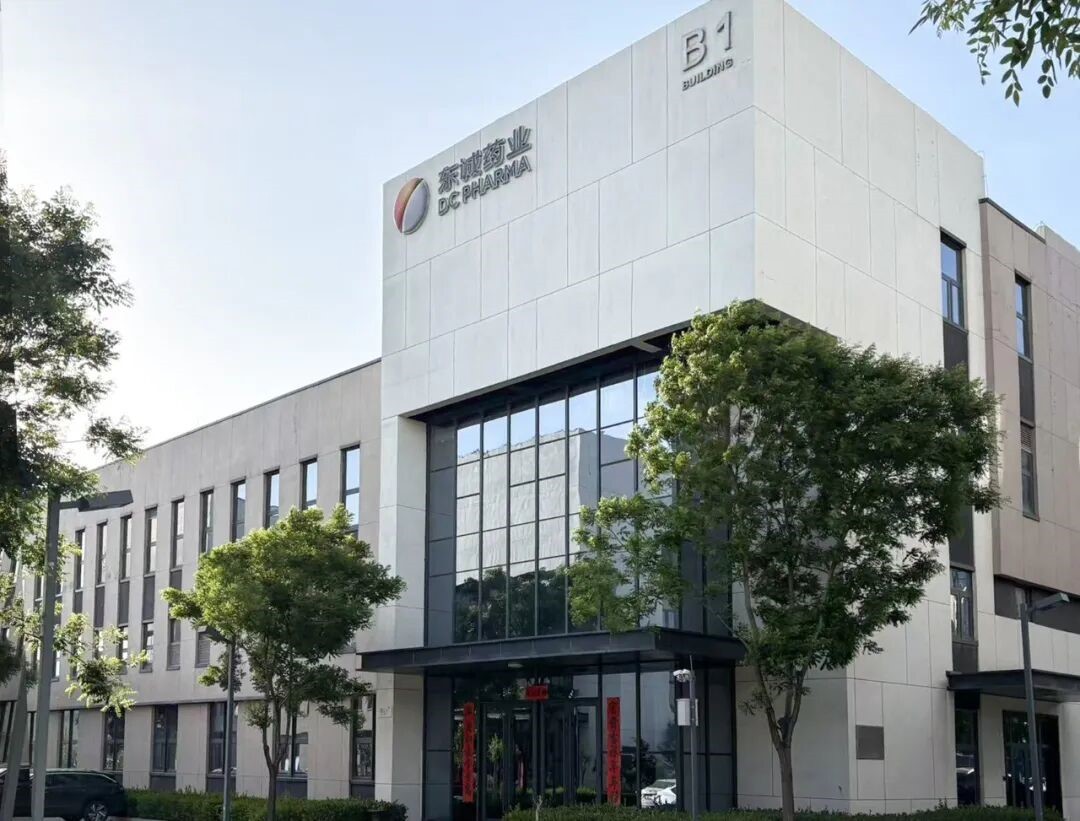
Dongcheng Pharmaceutical Adds New Radiopharmaceutical Production Center in Jinzhong, Shanxi
Recently, Shanxi Andike, a subsidiary of Dongcheng Andike, which is a wholly-owned subsidiary of Dongcheng Pharmaceutical, received the "Radiopharmaceutical Production License" issued by the Shanxi Provincial Drug Administration. This marks that the Jinzhong Radiopharmaceutical Production Center in Shanxi has met the requirements for commissioning, adding a new facility to Dongcheng Pharmaceutical's radiopharmaceutical production network. As one of China's leading nuclear medicine companies, the group adheres to a layout strategy of "networked short half-life and base-based long half-life" production, and has established a domestically leading radiopharmaceutical production and distribution network. To date, the group has put 33 radiopharmaceutical production centers into operation. As a heparin expert and radiopharmaceutical pioneer, Dongcheng Pharmaceutical will continue to deepen its presence in the nuclear medicine field, striving to build a comprehensive Dongcheng nuclear medicine ecosystem...
2026-08-18
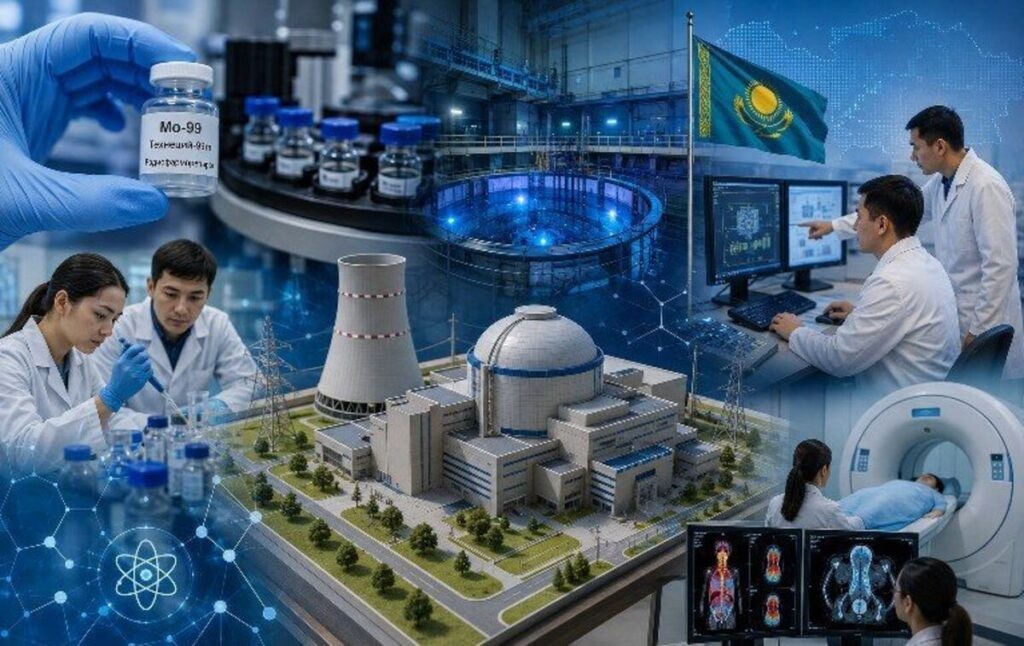
Kazakhstan's Institute of Nuclear Physics Plans to Expand Medical Radioisotope Production and Export
The Institute of Nuclear Physics (INP) of Kazakhstan is progressively expanding the applications of radioisotopes and radiation technologies, with related products already used in cancer diagnosis and treatment, industrial production, and scientific research. Institute Director Sayabek Sakhiyev stated that radioisotope and radiopharmaceutical production is one of the institute's key applied activities, covering the full chain from scientific research and research reactor operation to radiochemical technology development and medical applications. Currently, INP produces three main categories of radiopharmaceuticals: sodium iodide I-131 for thyroid disease treatment, Mo-99/Tc-99m related products for radionuclide diagnostics, and...
2026-08-18

Libya Plans to Restore Tajoura Research Reactor for Medical Isotope Production
The Libyan Atomic Energy Establishment recently proposed a plan to restore and restart the Tajoura nuclear research reactor for the production of medical radioisotopes. The establishment stated that this initiative aims to support the diagnosis and treatment of diseases and tumors, while reducing dependence on imports of relevant isotopes. Radioisotopes are essential materials in nuclear medicine, serving as tracers in medical imaging to help track organ function and detect certain diseases and tumors; some isotopes are also used in radiotherapy targeting specific tissues. According to the Libyan Atomic Energy Establishment, the Tajoura reactor has a rated thermal power of 10 megawatts and holds potential for producing various medical isotopes, including...
2026-08-18
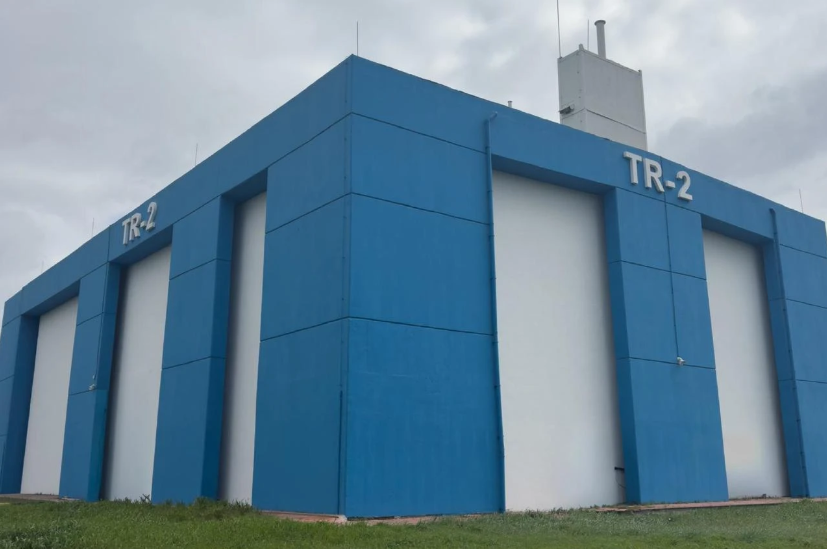
Turkey's TR-2 Research Reactor Receives Operating License
The Turkish Nuclear Regulatory Authority has issued an operating license for the TR-2 research reactor at the Istanbul campus of the Nuclear Energy Institute under the Turkish Energy, Nuclear and Mineral Research Agency (TENMAK). The license was issued pursuant to the Authority's Decision No. 2026-34/3 dated August 6, 2026. Following the review and evaluation of TENMAK's application documents, the Turkish Nuclear Regulatory Authority authorized the agency to carry out the activities required for the transition of the TR-2 research reactor from its current status to the operational phase. TR-2 is located at the Istanbul campus of TENMAK's Nuclear Energy Institute, with an approved thermal power of 5 megawatts. The facility is a research reactor and is not a nuclear facility primarily intended for power generation. According to...
2026-08-17
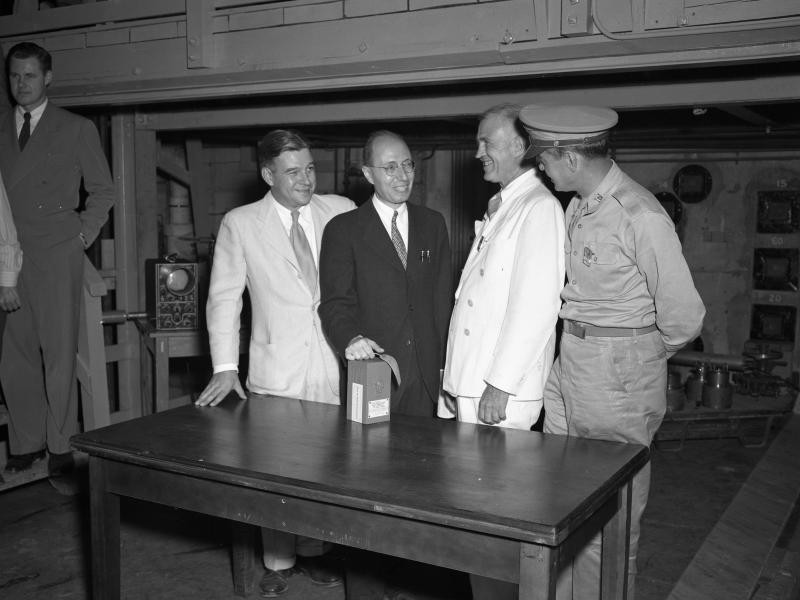
Oak Ridge National Laboratory marks 80 years of isotope research and production, with applications spanning medicine, industry, and scientific research
On August 2, 1946, the Clinton Laboratories in Oak Ridge, Tennessee, held the first formal ceremony to deliver reactor-produced radioactive isotopes. A shipment of carbon-14 was sent from there to the Barnard Free Skin and Cancer Hospital in St. Louis, Missouri. Over the past 80 years, this event has been regarded as the starting point of Oak Ridge National Laboratory's isotope research and production endeavors, and also marked the beginning of broader civilian applications for reactor-produced radioactive isotopes. After World War II, the U.S. scientific community began exploring peaceful uses of atomic energy, with radioactive isotopes becoming an important direction. As unstable variants of elements, radioactive isotopes release radiation during decay and can be used...
2026-08-15
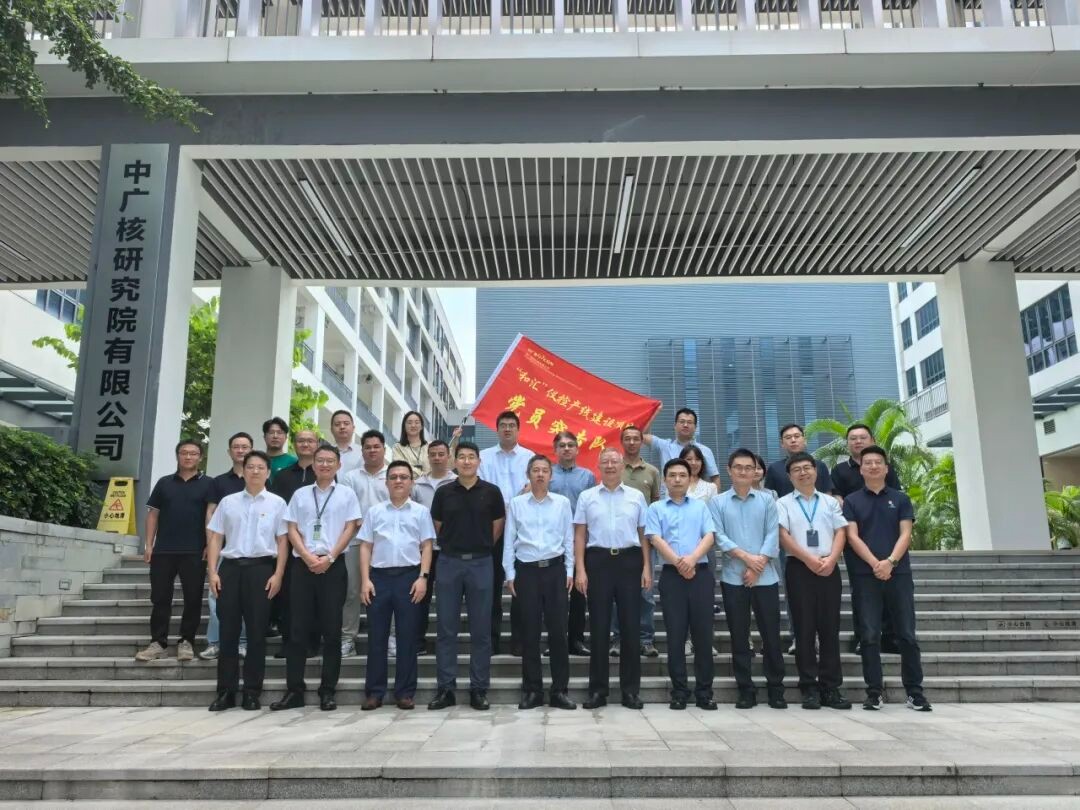
CGN Research Institute Launches "Hehui" I&C Production Line Construction to Advance Domestic Autonomy of High-End Nuclear Power Equipment
Recently, CGN Research Institute held the kickoff meeting for the Hehui I&C production line construction project in Shenzhen, marking new progress in infrastructure and capacity building for the Hehui brand. The project will serve the domestic autonomy of high-end nuclear power equipment, provide support for ensuring the construction progress of nuclear power projects and meeting the safe operation needs of operating units, and help enhance the resilience and competitiveness of China's nuclear power industry chain. The meeting clarified the overall project planning, construction objectives, key milestones, and responsibilities of all parties, established the project management system, and deployed near-term key tasks. The meeting required all parties involved in the construction to increase resource investment, strengthen safety and quality management, strictly enforce technical review, uphold integrity standards, and ensure the production line is commissioned on schedule with high quality...
2026-08-15
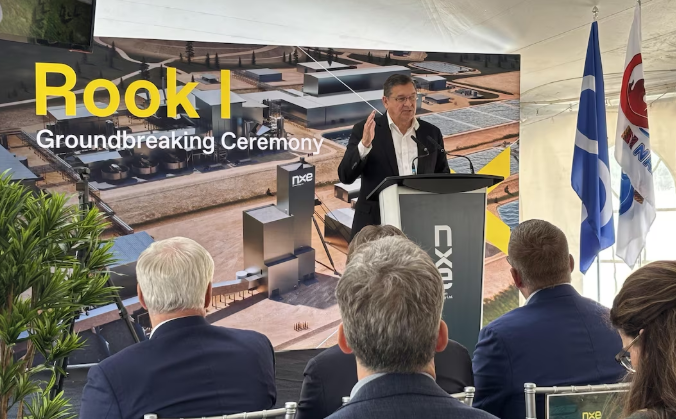
Canada's Rook 1 Uranium Mine Breaks Ground, Could Contribute One-Fifth of Global Uranium Production
The Rook 1 uranium mine project in northern Saskatchewan, Canada, has officially commenced construction. The project, advanced by NexGen Energy, is located south of the Athabasca Basin, approximately 130 kilometers north of La Loche. Saskatchewan Premier Scott Moe, former Canadian Prime Minister Stephen Harper, Secretary of State for Rural Development Buckley Belanger, and local Indigenous representatives attended the groundbreaking ceremony. The total project investment is approximately CAD 2.2 billion, with an expected construction period of four years. External infrastructure work has already begun, shaft sinking is planned for 2027, and the on-site runway will be expanded to 1,780 meters. Rook 1 is regarded as one of the world's largest uranium mine projects. NexGen estimates...
2026-08-14
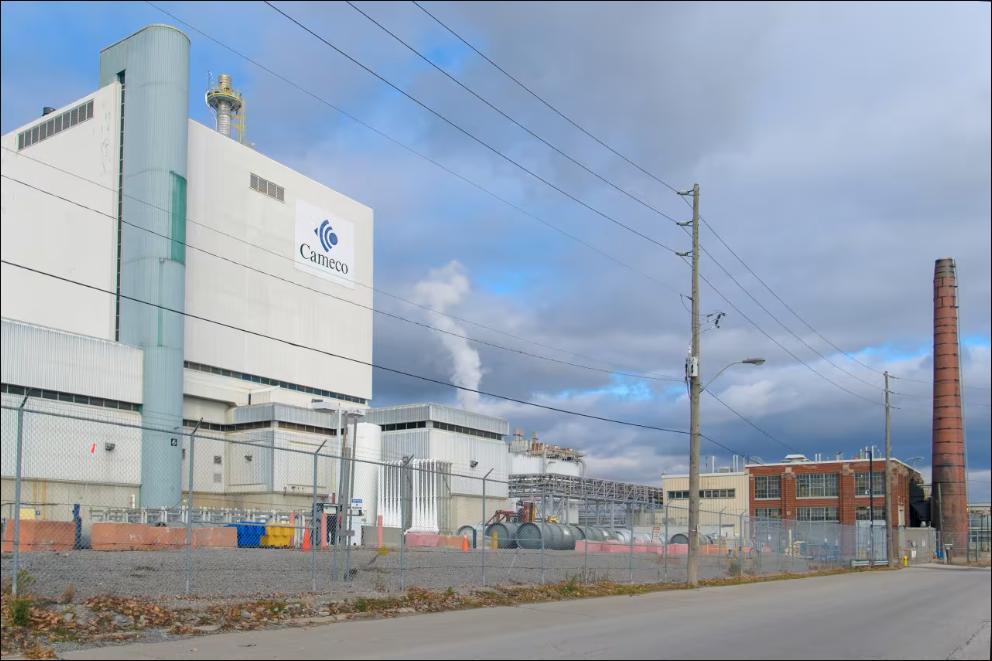
Cameco says it can ramp up core uranium asset production when demand recovers
Canadian uranium producer Cameco has said it is well positioned to respond to rising market demand, and will prioritize increasing output from its core assets if demand becomes clearer. Grant Isaac, Cameco's President and Chief Operating Officer, said on a company podcast discussing long-term strategy that Cameco remains committed to supply discipline, focusing on meeting customers' actual needs rather than setting overly ambitious growth expectations in the absence of confirmed demand. Isaac said the company is prepared to increase production from Tier 1 assets such as the McArthur River uranium mine and the Key Lake mill when market demand rises, lifting output from the current approximately 10 million to 11.5 million pounds of U3O8 to 25 million pounds.
2026-08-13
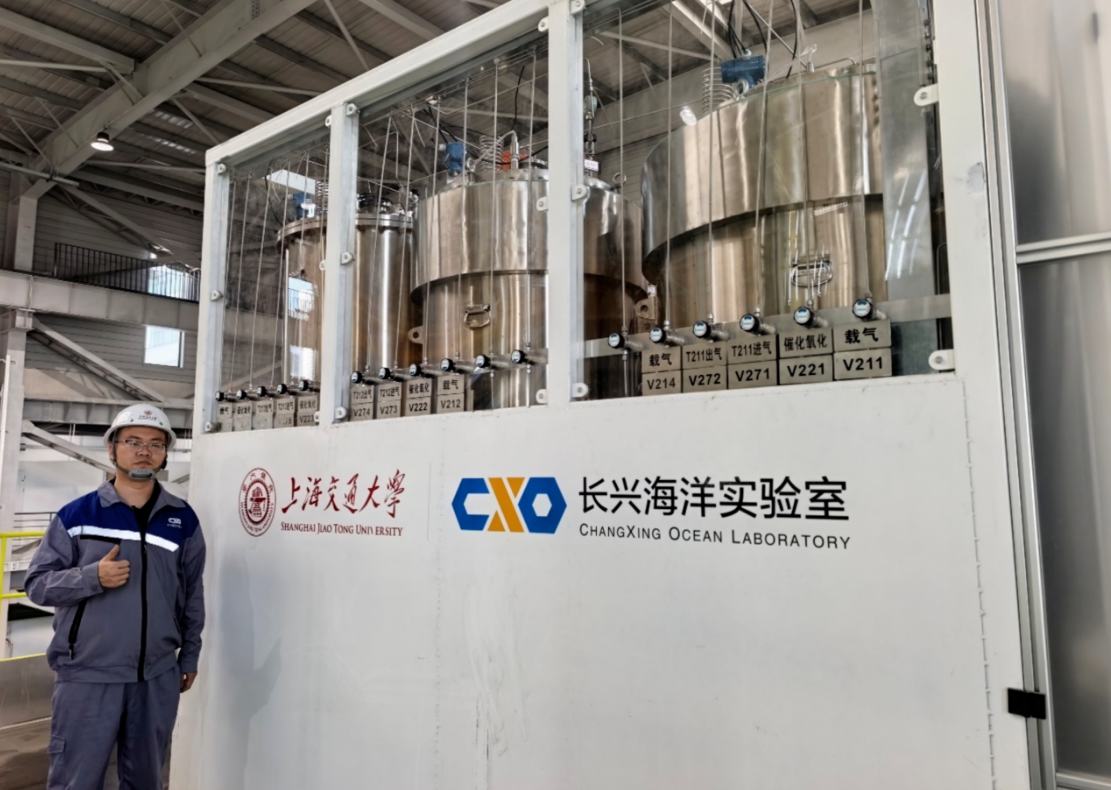
Full-Process Commissioning of Major Marine Isotope Separation Pilot Facility
Shanghai Jiao Tong University's Changxing Ocean Laboratory is dedicated to building a quasi-industrial research platform for high-end marine equipment. The Marine Isotope Separation Applied Research Center, focusing on the industrial context of isotope production, separation, and application, and supported by the ministerial-level Isotope Separation Science and Technology Center, conducts research and development of key isotope separation technologies and engineering equipment for Generation III reactors, Generation IV reactors, and fusion reactors, establishing an innovative platform integrating R&D, testing, validation, data, and technical services. Major research facility: Recently, the construction of the hundred-ton-per-year light water hydrogen isotope separation pilot platform has achieved phased results, with the system facility undergoing full-process commissioning. The platform adopts a self-developed water distillation coupled with cryogenic hydrogen isotope separation process, achieving large-scale efficient separation and enrichment of hydrogen isotopes from light water. The platform's outcomes hold broad engineering application value in fields such as pressurized water reactor wastewater treatment, deuterium-tritium isotope separation, fusion tritium plant operation, and heavy water/heavy hydrogen production. At 18:00 on August 4, 2026, at the Marine Isotope Separation Applied Research Center of Changxing Ocean Laboratory, the hundred-ton-per-year light water hydrogen isotope separation pilot facility was commissioned through its full process! The commissioning and operation of this pilot facility was undertaken by the Marine Isotope Separation Applied Research Center, with all departments coordinating collaboratively, making meticulous arrangements, and dedicating full efforts. During the operation, the team successively overcame multiple challenges including tight schedules, heavy workloads, and persistent high temperatures. This achievement not only fully validated the stability and reliability of the process platform but also demonstrated the researchers' responsibility and commitment in rising to challenges and persevering diligently. In the next phase, the project technical team will continue to deepen process optimization based on existing achievements, focus on advancing continuous and stable facility operation, accelerate engineering application, and provide strong support for breakthroughs in key core technologies in China's hydrogen isotope separation field.
2026-08-13
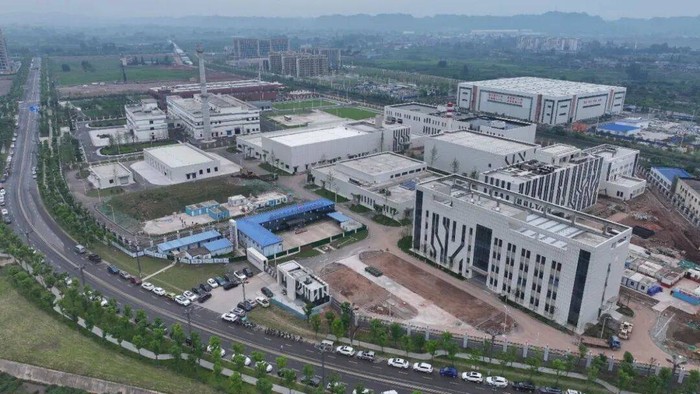
Leshan Accelerates Construction of Medical Isotope Production Base to Promote Domestic Substitution of "Anti-Cancer Nuclear Drugs"
On August 11, at the Leshan special press conference of "Myriad Scenes in Sichuan · Embarking on the '15th Five-Year Plan'", Leshan Mayor Zhao Yingchun stated that Leshan is accelerating the construction of the largest and most comprehensive medical isotope production base in China. Upon completion, the project will help break the foreign monopoly and import dependence on related products, promote the domestic substitution of anti-cancer nuclear drugs, and enable more patients to access domestically produced drugs with lower prices and better efficacy. Zhao Yingchun noted that during the "14th Five-Year Plan" period, Leshan has focused on building the "China Green Silicon Valley", a world-class tourist destination, and a major regional transportation and logistics hub in the province, continuously promoting high-quality development, with its economic output surpassing 250 billion yuan...
2026-08-12
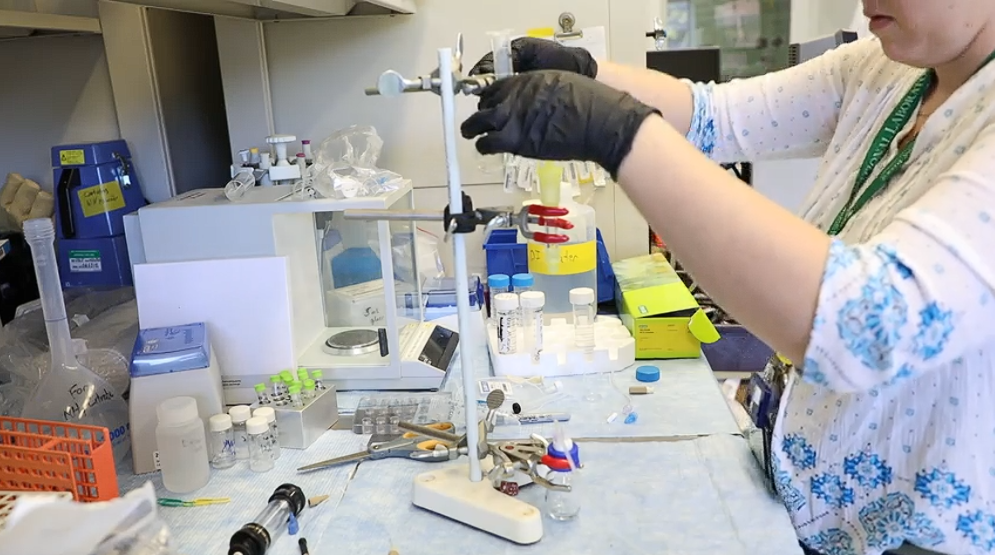
US Oak Ridge National Laboratory Restarts Tungsten-188/Rhenium-188 Generator Production to Support Targeted Cancer Therapy Research
The US Department of Energy's Oak Ridge National Laboratory (ORNL) recently restarted and upgraded its tungsten-188/rhenium-188 (W-188/Re-188) generator manufacturing operations to meet the demand for the rare medical isotope rhenium-188 in targeted cancer therapy research. The laboratory last manufactured such generators in 2011. Radiochemist Becca Hores demonstrated the assembly process of the W-188/Re-188 generator. Depending on radioactivity levels, these generators must be assembled in gloveboxes or hot cells. Image credit: Maggie Gregg/Oak Ridge National Laboratory, US Department of Energy. Rhenium-188 is produced by the radioactive decay of tungsten-188. ORNL irradiates tungsten-186 in the High Flux Isotope Reactor (HFIR) to produce tungsten-188...
2026-08-12
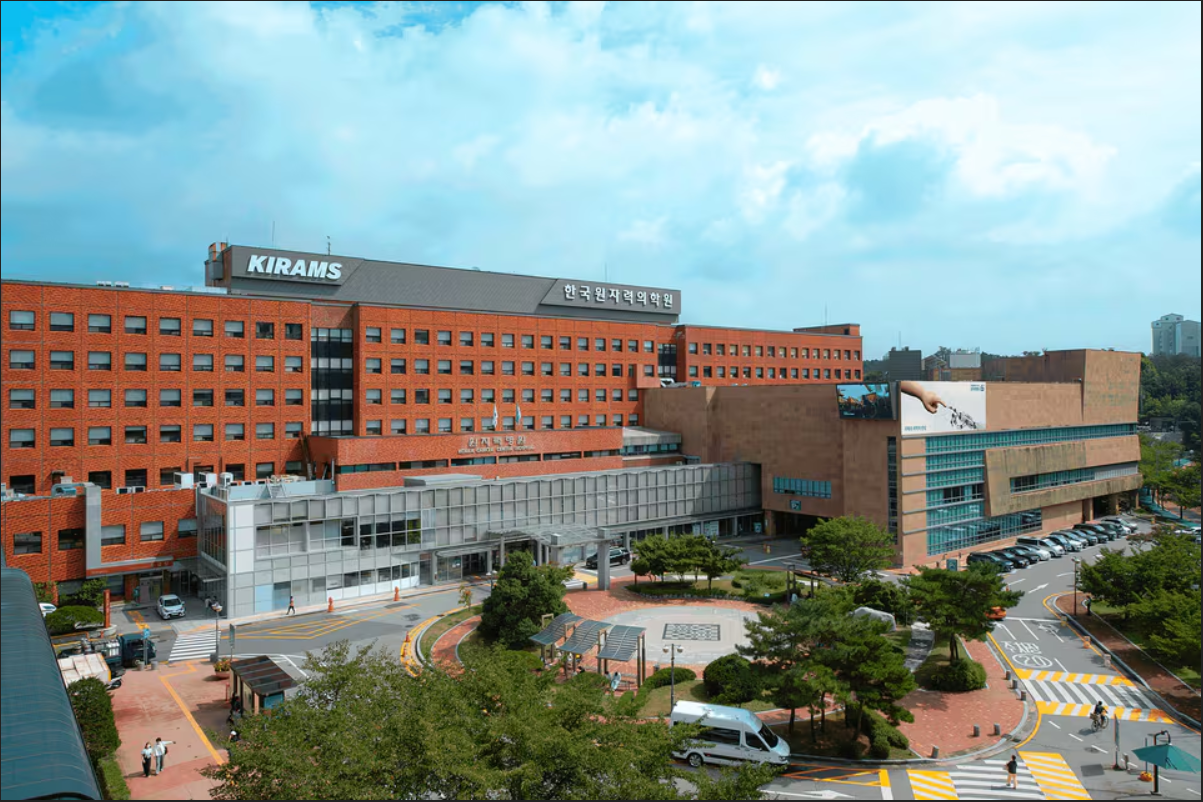
South Korea to Resume Actinium-225 Production Next Year to Ease Shortage of Raw Materials for Anti-Cancer Radiopharmaceuticals
South Korea's domestic production project for actinium-225 (Ac-225), a radioisotope used in next-generation cancer treatment, is expected to resume next year after being stalled for more than a year. Funding was secured in the first half of this year, and the Korea Institute of Radiological & Medical Sciences (KIRAMS) plans to complete facility construction and trial production before launching full-scale production in the second half of next year, aiming to alleviate the raw material shortage facing domestic clinical research and radiopharmaceutical development. KIRAMS is affiliated with the Ministry of Science and ICT. The institute received approval from the Nuclear Safety and Security Commission in May last year to produce Ac-225 using a cyclotron. The project first entered the review process in 2018 and took seven years to gain approval, with initial production originally planned by the end of last year. However, work on upgrading production facilities and procuring equipment was suspended after approximately 2 billion KRW in budget was not approved during parliamentary review.
2026-08-10
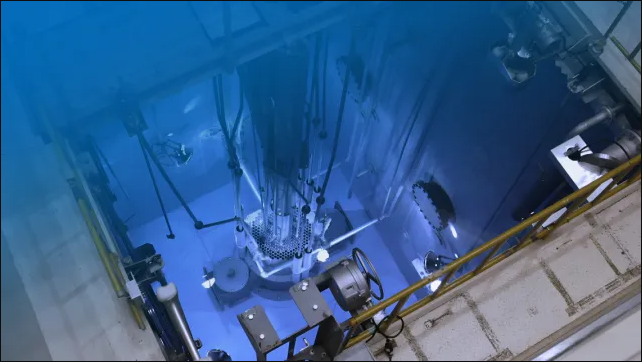
228 Research Reactors Worldwide in Operation, Supporting Medical Isotope Production and Neutron Science Innovation
According to the International Atomic Energy Agency on August 7, research reactors continue to drive innovation in science, medicine, and industry worldwide. Currently, 228 research reactors are in operation across 54 countries, with another 23 under construction or in the planning stage. Unlike nuclear reactors used for power generation, these reactors primarily produce neutrons to support medical, industrial, agricultural, geological, forensic, and nuclear science research. A research reactor pool photographed from above. (Photo: IAEA) In the medical field, research reactors are a vital source of medical radioisotopes. Among them, technetium-99m is widely used for diagnosing cancer and diseases of the heart, brain, and bones; a large number of medical diagnostic and therapeutic procedures worldwide rely on this isotope. Other radioisotopes such as iodine-131 are also used in the treatment of cancer and thyroid diseases. The IAEA states that radioisotopes produced by research reactors serve millions of patients globally and are an essential component of modern nuclear medicine systems.
2026-08-09