
Search Results
Keyword:prostate cancer
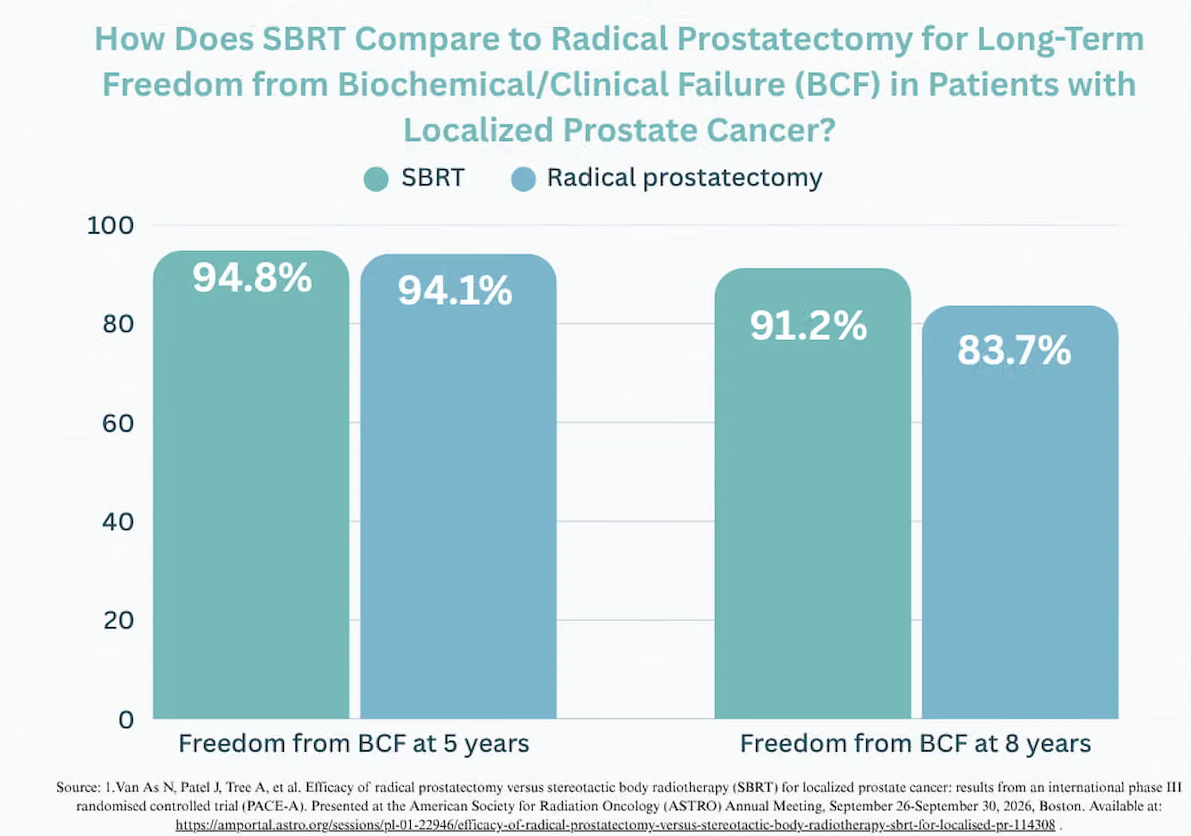
At the American Society for Radiation Oncology annual meeting, phase 3 clinical results were announced: SBRT radiotherapy for localized prostate cancer achieves long-term control rates comparable to radical prostatectomy and greatly reduces the risk of incontinence.
A latest phase 3 randomized controlled clinical study announced at the American Society for Radiation Oncology (ASTRO) annual meeting shows that for patients with localized prostate cancer (PCa), stereotactic body radiotherapy (SBRT) demonstrates excellent clinical application potential. Follow-up data show that SBRT is comparable to traditional radical prostatectomy in 8-year biochemical or clinical failure-free rates, and the incidence of urinary incontinence at 5 years after treatment is significantly reduced by nearly 40%. This phase 3 multicenter clinical trial...
2026-09-30

Prostate cancer becomes most common cancer among men in South Korea, Lu-177 PSMA therapy reaches cumulative 200 procedures
Prostate cancer incidence in South Korea has continued to rise, making it the most common cancer among men in the country. Meanwhile, a novel nuclear medicine treatment for metastatic prostate cancer—Lutetium-177 (Lu-177) prostate-specific membrane antigen (PSMA) radioligand therapy—is accumulating more clinical cases. Seoul St. Mary's Hospital Uro-Oncology Center stated on September 1 that since performing South Korea's first Lu-177 PSMA treatment on November 2, 2020, the center had administered a cumulative total of 200 such treatments to 84 patients with metastatic prostate cancer as of the 21st of last month. Metastatic castration-resistant prostate cancer refers to a state in which prostate cancer continues to progress despite androgen suppression therapy. As the disease advances, patients have fewer treatment options and a worse prognosis, making it essential to select appropriate treatment modalities and sequencing based on prior treatment history and physical condition.
2026-09-02

Former U.S. President Biden's Prostate Cancer Progress: Has Received Radiation Therapy and Hormone Therapy
The health condition of former U.S. President Joe Biden has recently drawn renewed attention. In an interview video, his son Hunter Biden stated that after Biden was diagnosed with prostate cancer, the cancer cells had metastasized, spreading to the bones and other parts of the body, and described the process as extremely painful. According to relevant information, Biden, now 83 years old, disclosed in May 2025 that he had been diagnosed with an aggressive form of prostate cancer, with cancer cells confirmed to have spread to the bones at that time. In October, a Biden spokesperson announced that he was undergoing radiation therapy and hormone therapy. Radiation therapy is one of the common nuclear technology medical applications in tumor treatment, primarily using ionizing radiation on tumor tissue to...
2026-08-10
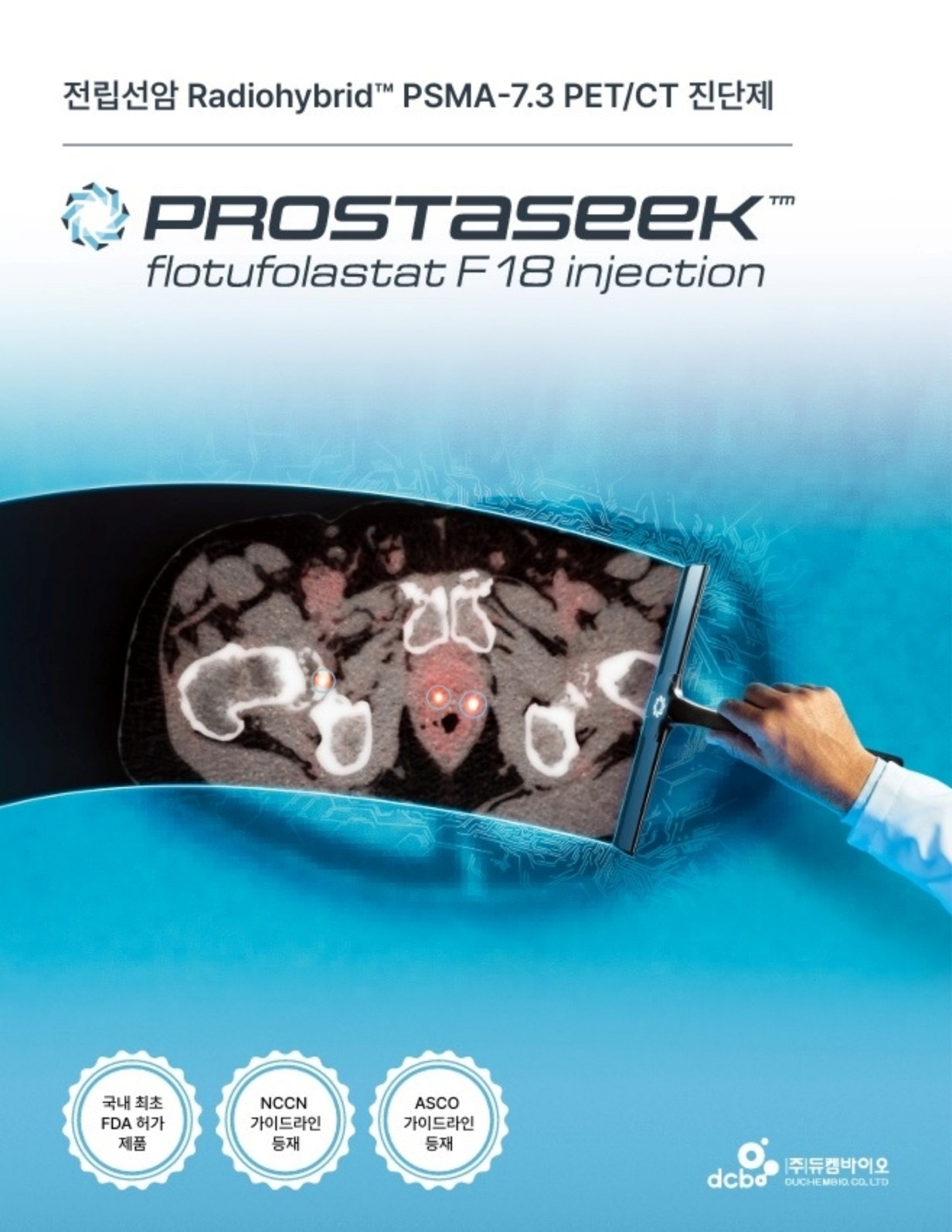
DuChemBio Completes Supply Chain for Prostate Cancer Radiopharmaceutical
DuChemBio, a Korean radiopharmaceutical company, announced on August 4 that it has completed the supply chain for ProstaSeek (active ingredient: 18F-plotupolastat), a radiopharmaceutical for prostate cancer diagnosis, in the Yeongnam and Honam regions. The drug targets prostate-specific membrane antigen (PSMA), and all tertiary general hospitals in both regions that perform PET-CT scans and provide prostate cancer diagnosis and treatment have been included in its supply scope. According to data from the National Cancer Registry of the Korean Ministry of Health and Welfare, new prostate cancer cases reached 22,640 in 2023, accounting for 7.8% of all cancer cases and ranking sixth in male cancer incidence; with the increasing adoption of PSMA-targeted therapy, the demand for precise diagnosis before prostate cancer treatment is also growing rapidly.
2026-08-04

US FDA Approves Pluvicto Expanded Indication for Treatment of PSMA-Positive Metastatic Hormone-Sensitive Prostate Cancer
On July 31, 2026, Novartis announced that the U.S. Food and Drug Administration (FDA) has approved Pluvicto® (lutetium Lu 177 vipivotide tetraxetan) in combination with an androgen receptor pathway inhibitor (ARPI) for the treatment of patients with prostate-specific membrane antigen (PSMA)-positive metastatic androgen pathway modulation-naive/sensitive prostate cancer. This disease is commonly referred to as metastatic hormone-sensitive prostate cancer (mHSPC). The approval is based on results from the Phase III PSMAddition trial. The study showed that compared with standard of care alone, namely ARPI combined with androgen deprivation therapy (ADT), Pluvicto plus standard of care reduced the risk of disease progression or death by...
2026-08-03