
Search Results
Keyword:proton accelerator
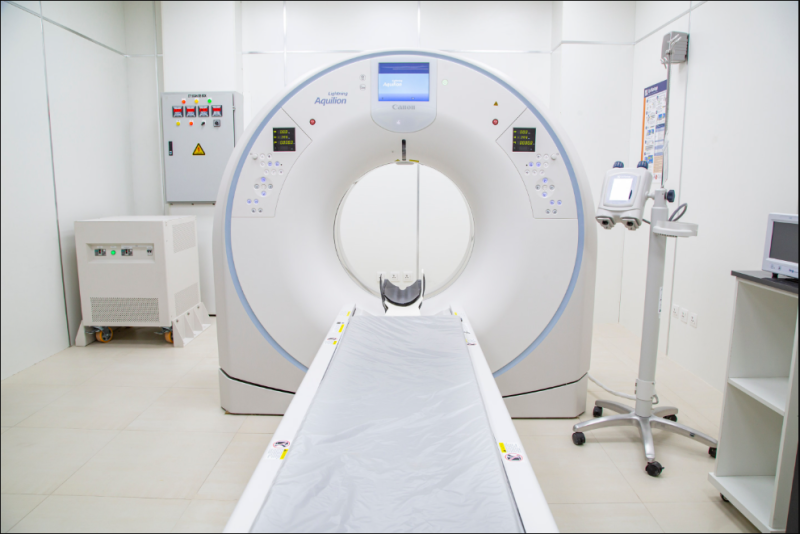
Blueprint for Proton Therapy Center in Southeastern Busan, South Korea Unveiled to Address Regional Gap in Cancer Treatment Resources
The blueprint for the proton therapy center at the Southeastern Regional Nuclear Medicine Center in Gijang-gun, Busan, South Korea, was recently unveiled. The project is expected to help bridge the gap in cancer treatment resources between the Seoul metropolitan area and non-capital regions, and to promote the application of proton accelerators in high-tech industries. According to information from Gijang-gun, Busan, and the Southeastern Regional Institute of Radiation Medicine on August 29, the Busan Institute of Science and Technology Higher Education recently published a service report titled "Establishment of Promotion Strategy and Implementation Plan for the Southeastern Proton Therapy Center," which includes the construction blueprint and feasibility analysis of the center. The Southeastern Regional Institute of Radiation Medicine is advancing related preparatory work in response to the research and development review by the Ministry of Science and ICT in the second half of this year...
2026-08-30
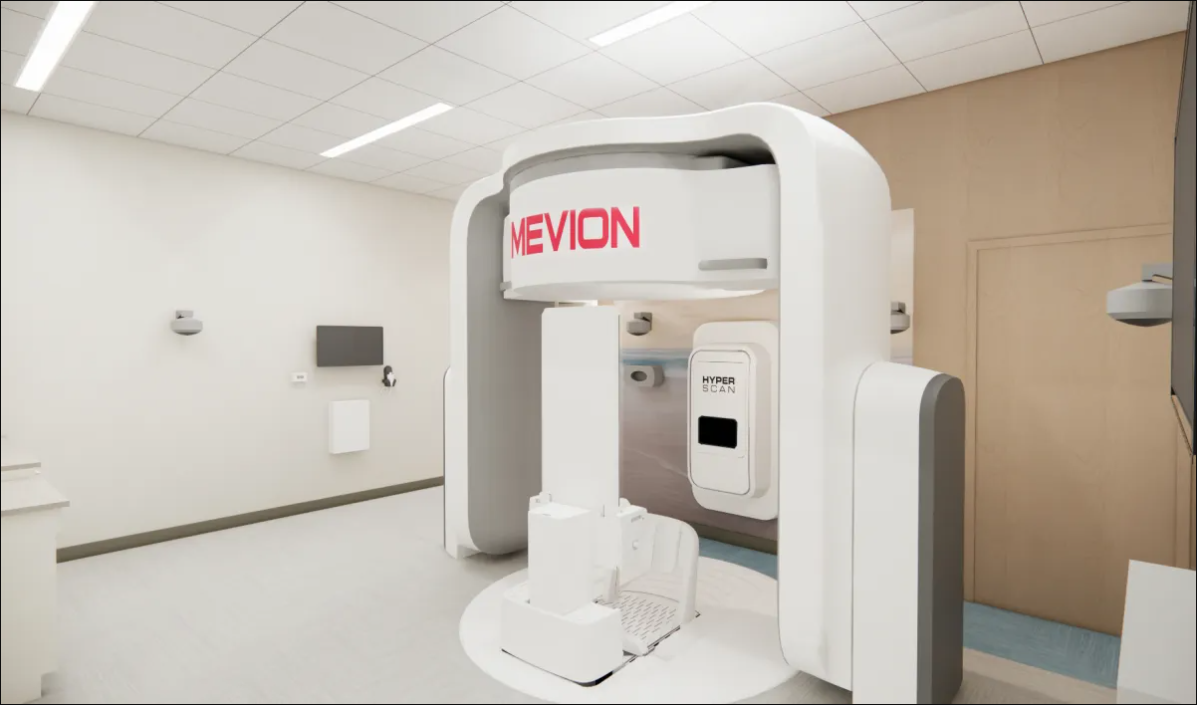
Auburn University Installs 200 MeV Superconducting Proton Accelerator to Build First University-Led Space Electronics Radiation Testing Facility in the U.S.
Auburn University's Applied Research Institute has announced the installation of a new 200 MeV superconducting proton accelerator, advancing the construction of the nation's first university-led proton testing facility dedicated to space electronics qualification. The system, a RAD-FX-200 superconducting synchrocyclotron manufactured and installed by Mevion Medical Systems, serves as the core component of Auburn University's new radiation-hardening facility. According to reports, the facility will help address gaps in U.S. space qualification testing capacity, providing radiation testing services for microelectronics to government agencies, aerospace, and defense-related industries. Systems such as satellites, missile defense interceptors, spacecraft, and launch vehicles rely on microelectronics, which may be affected by proton radiation in orbital environments. A single radiation-induced failure can cause system loss, and such failures are typically difficult to repair once in orbit...
2026-08-28
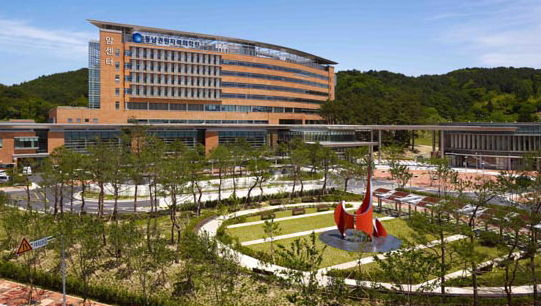
Busan Gijang Southeast Radiation Medical Science Industrial Complex Simultaneously Advances Proton and Heavy Ion Therapy Centers
Within the Southeast Atomic Energy Medical Institute (Southeast Atomic Energy Medical Institute) in Gijang-gun, Busan, the proton therapy center and heavy ion therapy center projects are being advanced simultaneously, expected to form an integrated cancer treatment hub, alleviate medical concentration in the capital region, and attract patients from other regions and overseas. Busan's first proton accelerator project can also be used for industrial purposes, benefiting regional high-tech industries and investment attraction. According to Busan City and the Busan Institute of Science and Technology Advancement (BISTEP) on August 2, the Southeast Proton Therapy Center construction project will officially break ground in the second half of this year; BISTEP recently completed a commissioned study on the establishment strategy and implementation plan for the Southeast Proton Therapy Center (executed by the Southeast Atomic Energy Medical Institute) (Southeast...
2026-08-03
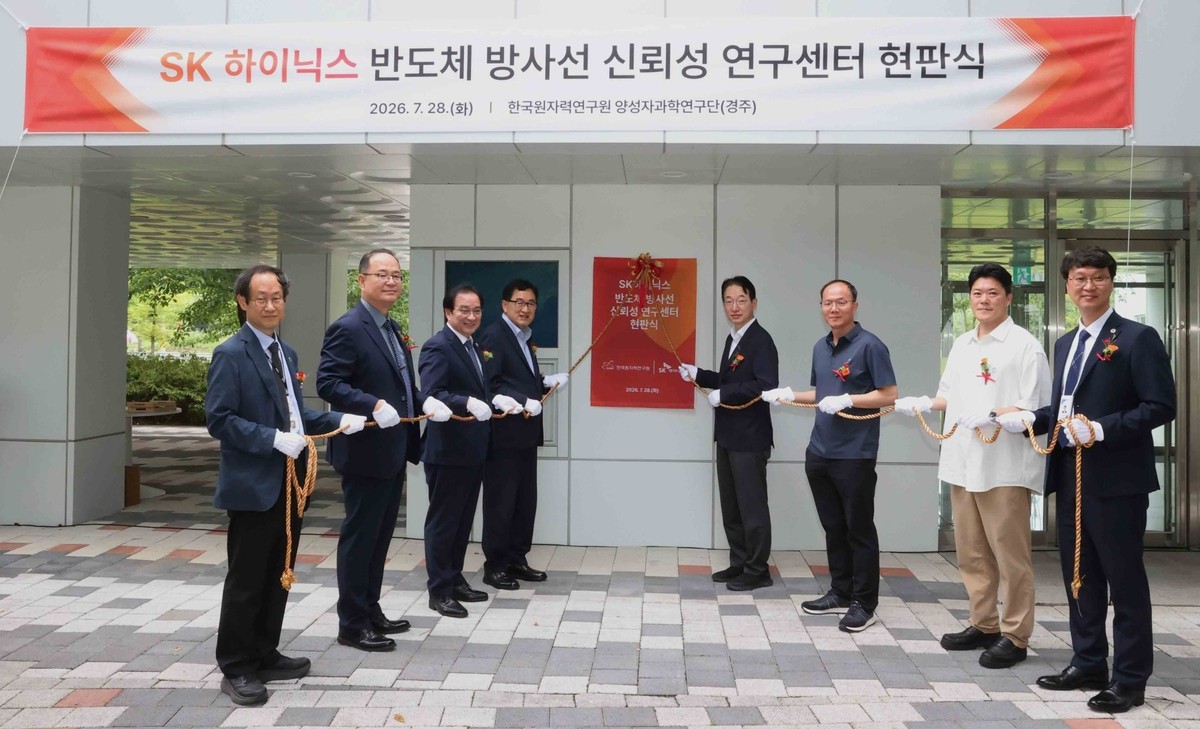
Korea Atomic Energy Research Institute and SK Hynix to Jointly Use Proton Accelerator and Other Facilities for Semiconductor Radiation Reliability Research
The Korea Atomic Energy Research Institute announced on July 29 that its Proton Science Research Group has signed a mutual cooperation agreement with SK Hynix to jointly utilize research facilities such as the proton accelerator to advance research on semiconductor radiation reliability. According to the agreement, the two parties will conduct joint research on proton beams and neutron beams generated by the proton accelerator and the HANARO research reactor, and explore methods to simulate real atmospheric and cosmic radiation environments using high-energy proton beams, gamma-ray beams, and neutron beams for radiation impact assessment of semiconductors and other products. In outer space and high-altitude aircraft flight environments, the shielding effect of the atmosphere and magnetic field against cosmic radiation is relatively weakened. After being exposed to cosmic radiation, semiconductors may experience malfunctions or damage. Therefore, semiconductors used in mobile devices such as automobiles and satellites need to have their radiation resistance verified before being put into use.
2026-07-29