
Search Results
Keyword:radiation
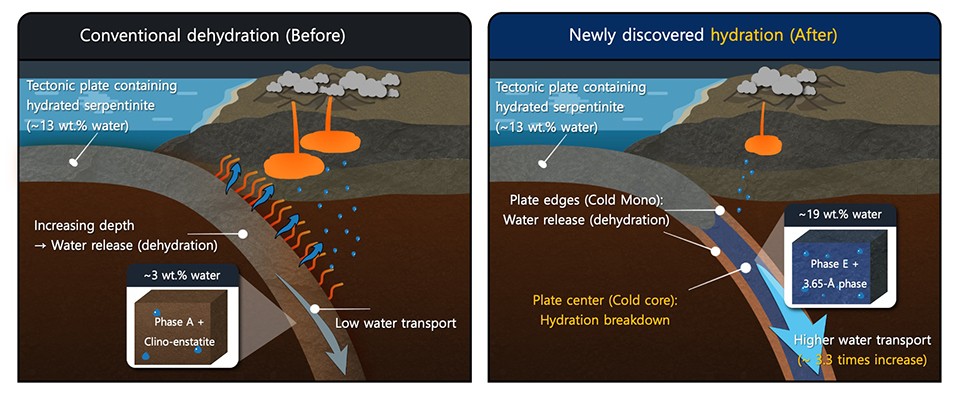
South Korean research team reveals that water storage capacity of cold subducting slabs has been underestimated using synchrotron radiation sources
A research team led by Professor Yongjae Lee of the Department of Earth System Sciences at Yonsei University in South Korea has recently found that in cold, rapidly descending tectonic subduction zones, crustal rocks may transport up to 1 trillion kilograms of water to the mantle each year—approximately twice the previous estimate. The findings have been published in Nature Communications. Subduction zones are regions where Earth's tectonic plates converge and one plate descends beneath another, often accompanied by volcanic and seismic activity. For a long time, the academic community has generally believed that serpentinite, a water-bearing rock, gradually dehydrates as it descends with the plate due to increasing pressure and temperature, and the released water further promotes melting of the overlying plate and is associated with the formation of volcanic arc chains.
2026-09-07
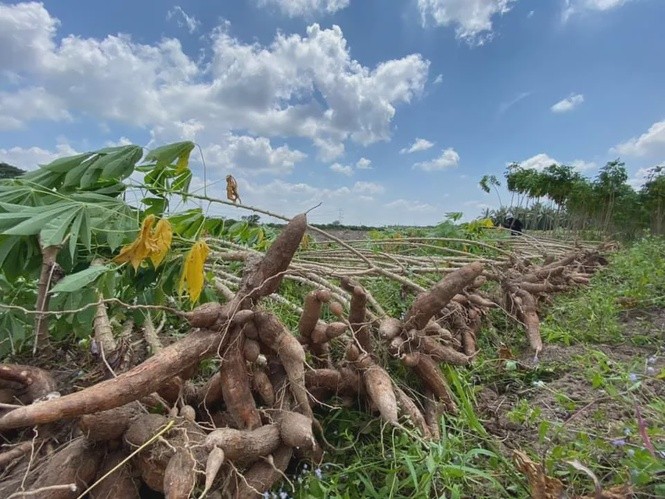
Malaysia Expands Nuclear Radiation Mutation Breeding Applications to Bolster Food Security and Industrial Inspection
Malaysia's nuclear technology applications are extending from traditional fields such as medicine and industry further into agricultural production and food security. Dr. Sukri, Senior Director of Project Management at the Malaysian Nuclear Agency, stated that through research and development using nuclear radiation mutation breeding technology, the agency has shortened the maturation period of cassava from the original 10 to 12 months down to 6 months. Sukri noted that this technological application helps reduce farmers' production costs, improve land use efficiency, and cultivate larger cassava varieties. In addition to cassava, the Malaysian Nuclear Agency, in collaboration with the Ministry of Agriculture and Food Security and the Department of Agriculture, has successfully developed two new rice varieties, NMR 151 and NMR 152. These new varieties feature higher yields and demonstrate strong resistance to diseases, extreme weather conditions such as prolonged drought, and flooding.
2026-09-07

South Korea's KNR System Develops Heavy-Duty Bipedal Robot for Nuclear Facility Decommissioning Applications
South Korean robotics company KNR System recently announced the completion of the lower-body development and basic locomotion verification for its large-scale industrial "super-humanoid" robot. The robot's leg structure can support loads of up to 3 tons and move at a speed of 3 to 4 kilometers per hour. The company plans to release the full model by the end of 2026 and has already initiated whole-body system integration work. KNR System is developing a super-humanoid robot design. Image source: KNR System According to reports, the newly developed robot legs stand approximately 2.9 meters tall, with a maximum load capacity of 3 tons and a dual-arm payload of 600 kilograms. Each side is equipped with 12 joints, utilizing 10,000 Nm-class high-output hydraulic rotary actuators...
2026-09-07
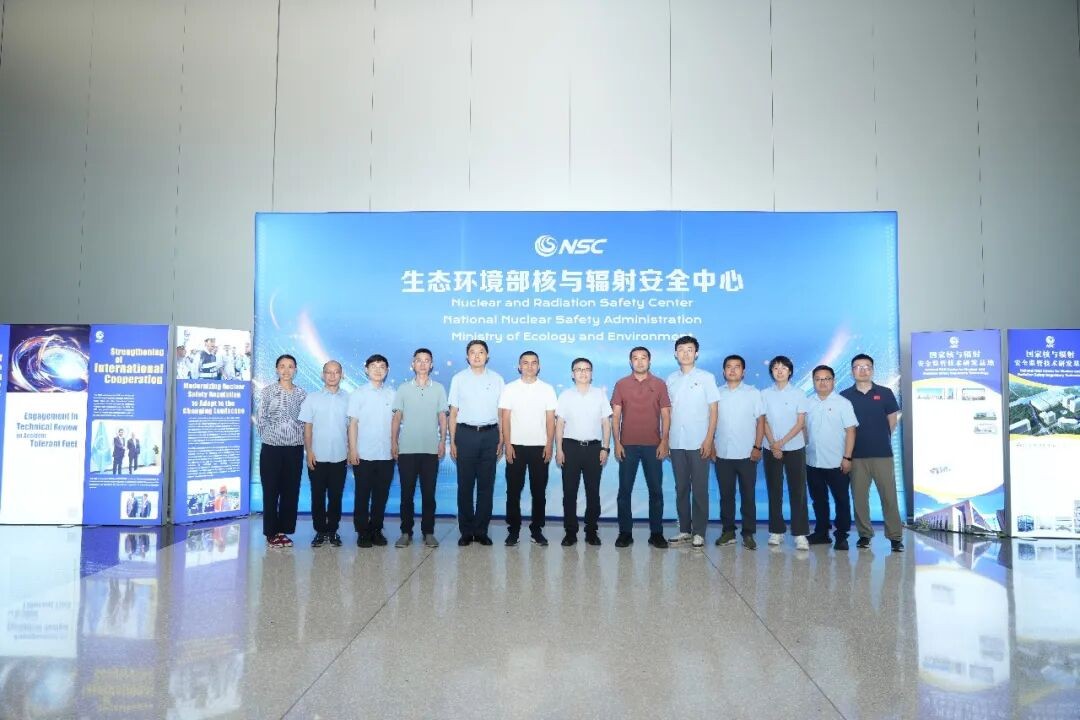
China and Uzbekistan Deepen Cooperation in Nuclear Safety Regulatory Training
Since the National Nuclear Safety Administration and the Industrial, Radiation and Nuclear Safety Committee of Uzbekistan signed a Memorandum of Understanding (MoU) on nuclear safety cooperation at the beginning of the year, the two sides have continued to deepen their cooperation in the field of nuclear and radiation safety regulation. As an important measure to implement the MoU, the Nuclear and Radiation Safety Center of the Ministry of Ecology and Environment has successively organized two special training sessions for Uzbek nuclear safety regulators and convened China-Uzbekistan technical exchange activities on nuclear safety regulation. In June, the first training session focused on China's regulatory oversight of civil nuclear safety equipment. Experts from the Nuclear and Radiation Safety Center and the Northeast Regional Office of Nuclear and Radiation Safety Supervision delivered a four-week special training program for Uzbek trainees based on regulatory practices, covering China's...
2026-09-05
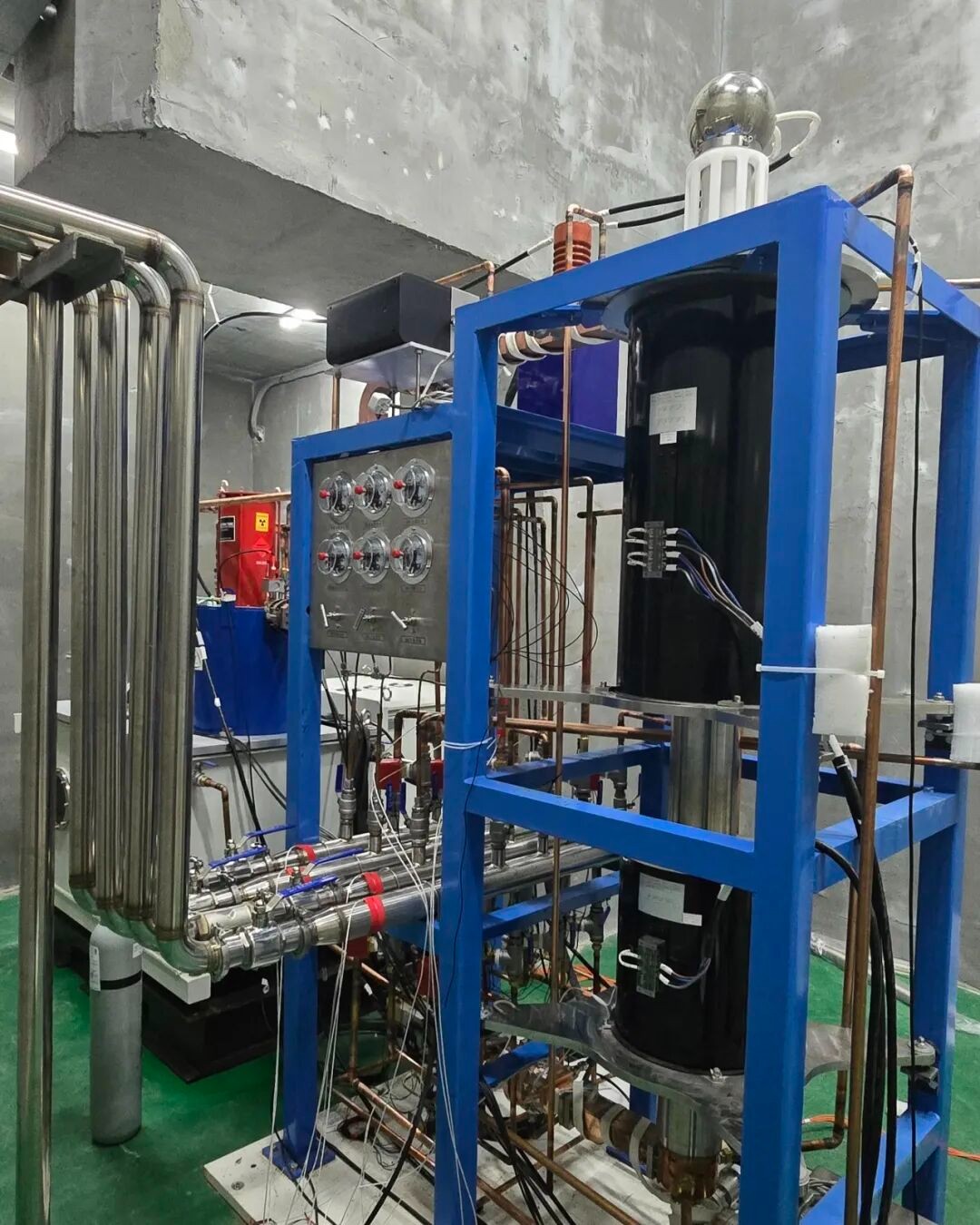
State Nuclear Uranium Industry Achieves 100% Localization of Electron Linear Accelerator Development
Recently, the first fully domestically produced 10 MeV/20 kW electron linear accelerator developed by the Technology Center of State Nuclear Uranium Industry (Nuclear Power Tongchuang) completed its 20 kW beam extraction test, with performance meeting design specifications. This marks a significant breakthrough for State Nuclear Uranium Industry in the field of electron accelerator development and elevates its capability in developing nuclear technology application equipment to a new level. Main unit of the 10MeV/20kW electron irradiation accelerator As a versatile high-energy electron linear accelerator, the 10MeV/20kW electron linear accelerator is widely used in multiple sectors of the national economy, including medical device sterilization, traditional Chinese medicine pest control, food preservation, and polymer material modification. During the current process of engineering application and industrial promotion, its core components such as klystrons, waveguide windows, and water loads have a relatively low localization rate, with some models still relying on imports, facing challenges such as long procurement cycles, high costs, and difficulties in spare parts support. The R&D team of State Nuclear Uranium Industry has focused on industry pain points, adhered to a problem-oriented approach, overcome difficulties, efficiently resolved various technical challenges, and successfully achieved 100% localization of this model of electron linear accelerator with significantly reduced overall machine costs, breaking the reliance on imported core components. As a key R&D project for differentiated layout in the nuclear technology industry, State Nuclear Uranium Industry will continue to improve its processes and standards systems, accelerate the application of research achievements in typical scenarios, bridge the chain from R&D to industrial application, and promote the steady development of the nuclear technology industry.
2026-09-05
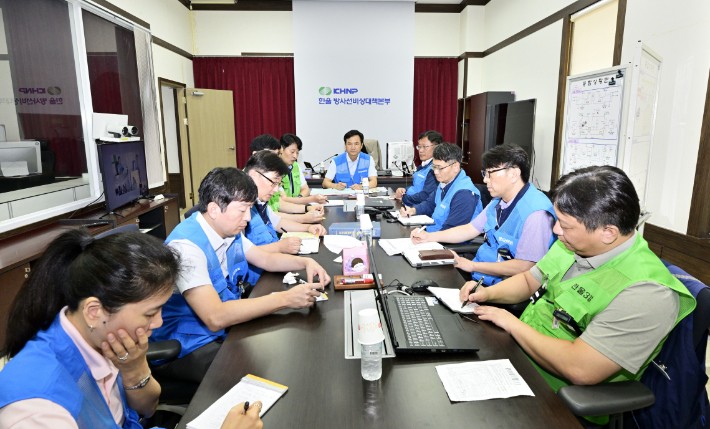
Radiation Emergency Drill Conducted at Unit 6 of South Korea's Hanul Nuclear Power Plant
Korea Hydro & Nuclear Power (KHNP) recently conducted a comprehensive radiation disaster prevention drill at Unit 6 of its Hanul Nuclear Power Plant to test the emergency response system and on-site handling capabilities under radiation emergency conditions. According to the Hanul Nuclear Power Plant, the drill was held on September 3, organized in accordance with the evaluation guidelines established by the Korea Institute of Nuclear Safety (KINS) and based on the National Radiation Emergency Plan. The drill scenario was not disclosed in advance, and the evaluation methods were also adjusted, with a focus on verifying the unit's response capabilities under actual emergency scenarios. During the drill, all emergency personnel of Unit 6 at Hanul Nuclear Power Plant participated in the response. The scenario simulated a casualty incident occurring within the controlled area, with medical rescue operations organized, and a 3.2 MW mobile generator was used to inspect the operational capability of emergency facilities.
2026-09-04
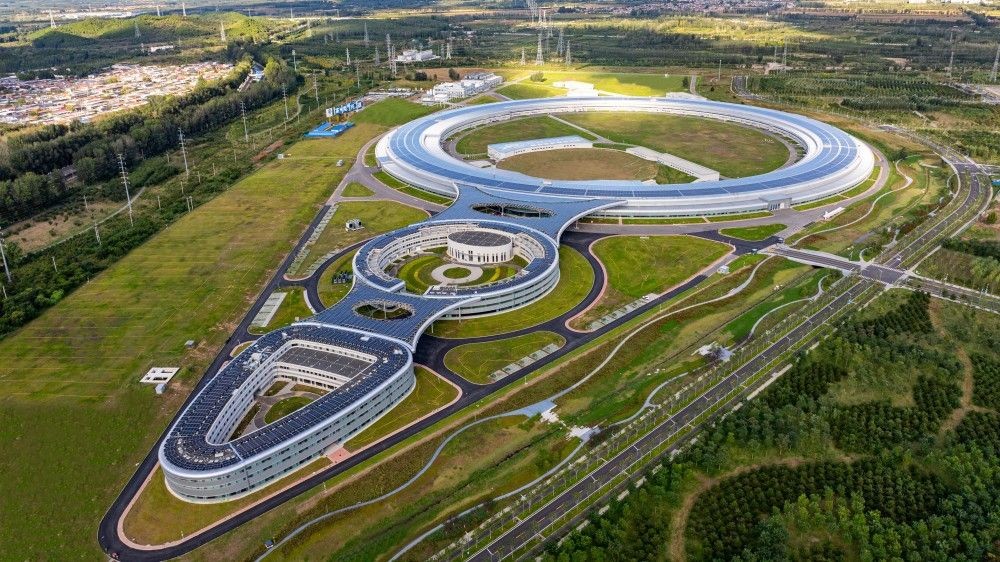
Beijing Synchrotron Radiation Facility to Resume Operations in Mid-September
The Beijing Synchrotron Radiation Facility (BSRF) User Office issued a notice on September 2 stating that the facility will conclude its summer maintenance and resume operations in mid-September 2026. The notice reminds users with experimental needs to promptly log in to the Chinese Academy of Sciences' Major Scientific and Technological Infrastructure Sharing Service Platform, or submit project proposals and beamtime reservation requests through the BSRF User Service System. The BSRF accepts project proposals and beamtime reservation requests year-round, and the specific application procedures can be found in the relevant attachments. Users encountering issues during the application or reservation process may contact the BSRF User Office or the corresponding beamline station contacts. Contact information for each beamline station has been provided along with the notice...
2026-09-03

West Physics Acquires U.S. Medical Physics Services Provider RTS, Expanding Nuclear Medicine and Radiation Safety Service Network
West Physics Consulting, LLC, a U.S. provider of medical and health physics consulting services, announced on September 2, 2026, that it has acquired Radiographic Testing Services, Inc. (RTS). Headquartered in Albany, New York, RTS primarily provides medical physics services covering nuclear medicine, diagnostic radiology, radiation oncology, and Certified Radiological Equipment Safety Officer (CRESO)-related services. West Physics stated that this acquisition will integrate the strengths of both companies in customer service, quality management, and technical capabilities. Upon completion of the transaction, the company will add a new office in Albany, New York, and further expand its presence in Albany, New York...
2026-09-03
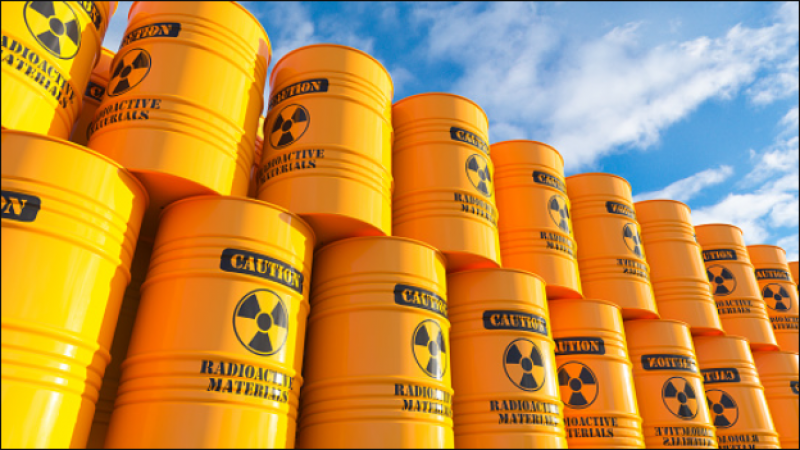
Belarusian Radioactive Waste Disposal Facility Site Selection May Be Determined by Year-End
Belarusian Energy Minister Denis Moroz recently stated that the site selection for Belarus's radioactive waste disposal facility is expected to be determined by the end of this year. The relevant announcement was made during events marking the 25th anniversary of the Belarusian Ministry of Energy. Moroz noted that Belarus began studying radioactive waste management issues before the final commissioning of its nuclear power plant. Following feasibility studies, Belarus decided to construct a radioactive waste disposal facility and established a dedicated Belarusian radioactive waste management organization to oversee the relevant work. Preliminary work on the disposal facility is currently underway. Moroz stated that radiation safety is of paramount importance to Belarus, and International Atomic Energy Agency (IAEA) documents have already...
2026-09-03

Institute of Nuclear Technology at Samarkand State University Introduces Radiation Monitoring Training Equipment
On August 24–25, 2026, experts from Doza Scientific Production Enterprise (NPP Doza) visited the Institute of Nuclear Technology at Samarkand State University named after Sharof Rashidov (SamSU) and completed the installation and commissioning of a demonstration model of the Fregat radiation monitoring system. The equipment has been integrated into the institute's teaching and research infrastructure and will be used for laboratory courses, student practical training, and related research work. Through this demonstration model, students and young professionals can gain exposure to modern technological solutions in the field of radiation monitoring, enhancing their understanding of the operation and application scenarios of relevant equipment. This installation...
2026-09-02
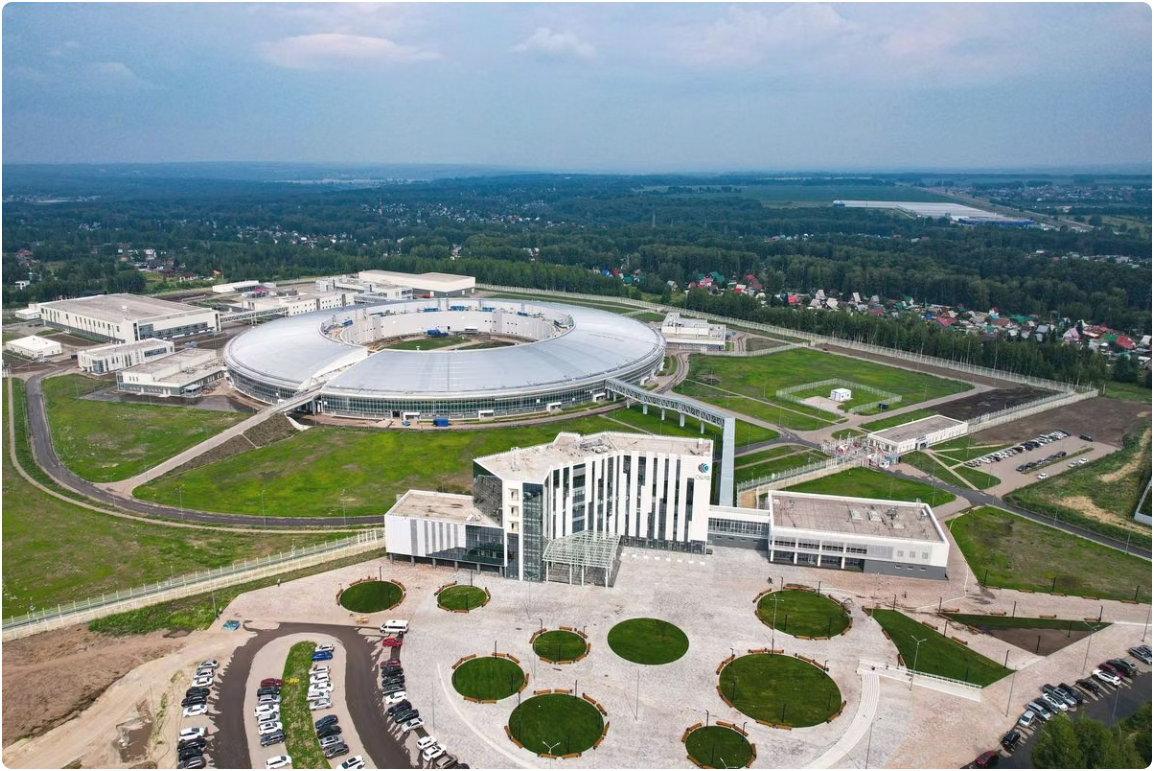
Russia's SKIF and China's HEPS Explore Building Joint Synchrotron Radiation Experimental Station
The Siberian Circular Photon Source (SKIF) synchrotron radiation facility in Russia is considering closer cooperation with China's High Energy Photon Source (HEPS), including exploring the construction of a joint experimental station. Yevgeny Levichev, Director of the SKIF Collective Use Center, stated that the Russian side plans to sign cooperation agreements with three synchrotron radiation facilities in China by the end of this year, including the Shanghai Synchrotron Radiation Facility, the Beijing High Energy Photon Source (HEPS), and a synchrotron radiation facility in Hefei. Among these, Russia is particularly interested in advancing joint projects with HEPS, potentially even establishing a joint experimental station. Levichev noted that the Russian and Chinese synchrotron radiation facilities are complementary in terms of energy range, which will facilitate joint experiments by researchers and improve the utilization efficiency of large-scale scientific facilities.
2026-09-02
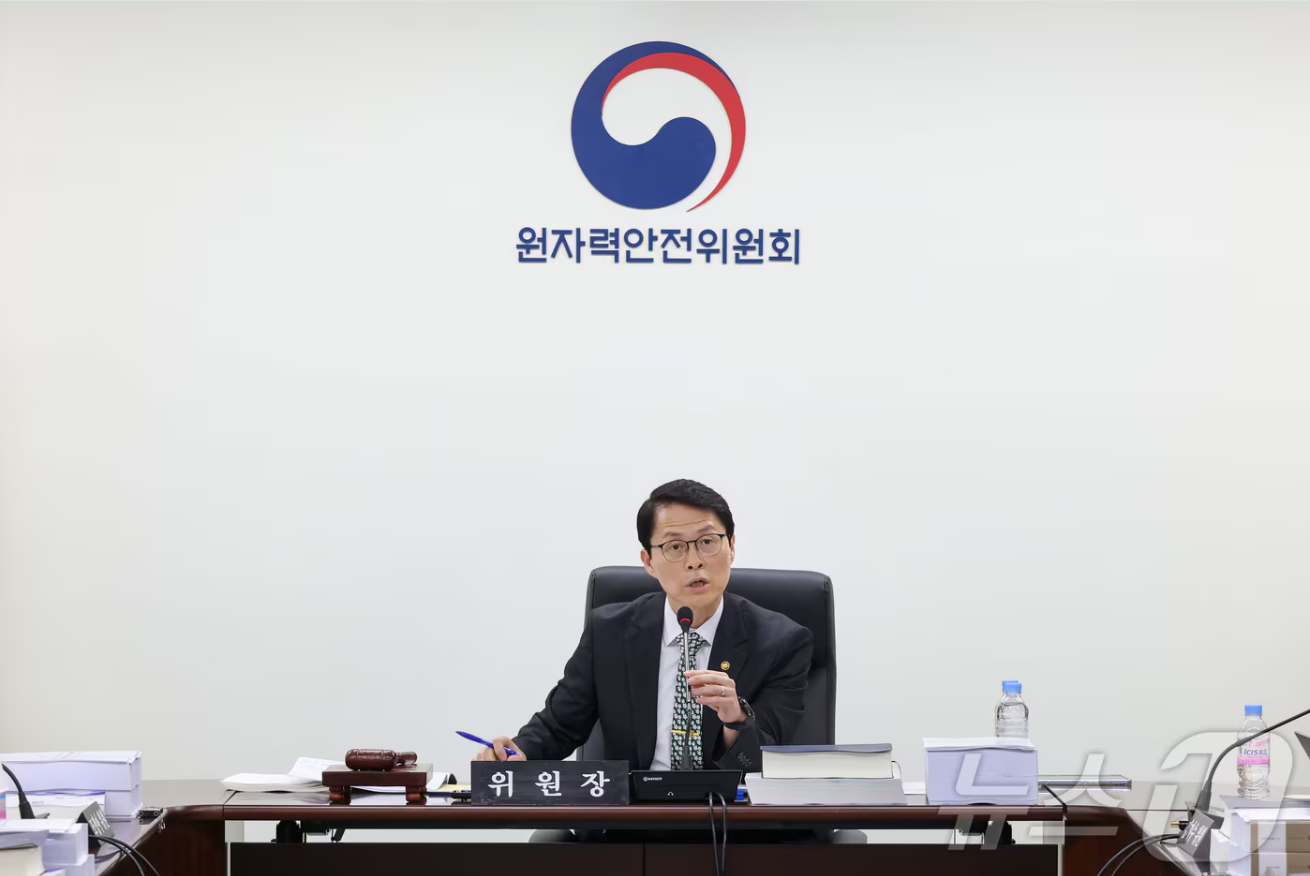
South Korea to Launch National Radiation Monitoring Center in 2027
The South Korean government reviewed and approved the "2027 Budget Plan" at a cabinet meeting on September 1. According to the budget arrangement, South Korea will launch the National Radiation Monitoring Center in 2027 to centrally collect and manage national environmental and marine radioactive information; simultaneously, it will expand the Nuclear Safety Information Sharing Center to strengthen direct communication with residents near nuclear power plants. The Nuclear Safety and Security Commission (NSSC) has allocated 1.4 billion KRW for the construction and operation of the National Radiation Monitoring Center. The project aims to strengthen the environmental radioactivity monitoring and analysis system to address regulatory demands arising from the expansion of domestic nuclear power utilization in South Korea and the increased operation and construction of nuclear facilities in neighboring countries. The National Radiation Monitoring Center is planned...
2026-09-01
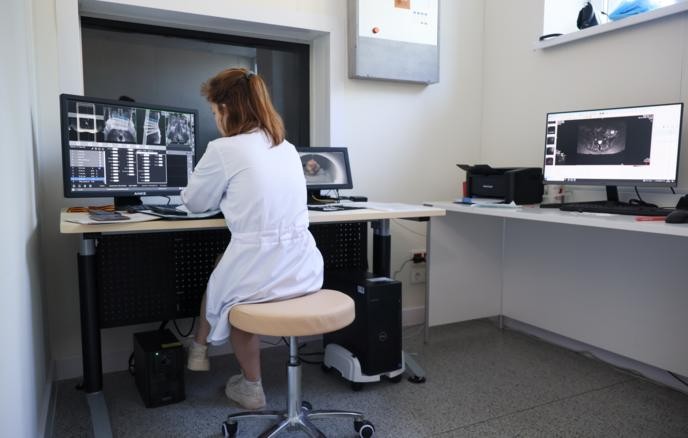
Russian scientists use 3D-printed tungsten grid to improve X-ray imaging quality, potentially reducing patient radiation exposure
The press service of the Russian Ministry of Education and Science recently stated that a Russian research team has used 3D printing technology to manufacture a tungsten-based anti-scatter grid for X-ray machines, with partition thickness only one-third that of similar products. The researchers believe this achievement could help reduce patient radiation exposure during X-ray examinations while maintaining medical image quality. During X-ray imaging, some rays scatter after passing through human tissue, creating background noise that weakens image contrast. Clinical equipment typically suppresses such interference through anti-scatter grids. Traditional anti-scatter grids are mostly made of lead, but lead has low mechanical strength and imposes high requirements on processing techniques, resulting in...
2026-09-01

Balakovo NPP Publishes 2025 Ecological Safety Report
Russia's Balakovo NPP released its 2025 ecological safety report on August 31, 2026. The report data show that the plant's operational activities comply with the requirements of sanitary, epidemiological, and environmental protection regulations. The report was presented in a roundtable format. Participants learned about the plant's ecological policy and the results of environmental monitoring studies, and exchanged views on relevant issues. Alexander Kurlov, head of the external radiation safety laboratory at Balakovo NPP, stated that before the plant's construction, the natural gamma background of the local area had to be measured and its upper and lower limits determined. Since the plant was put into operation, no exceedances of these limits have been recorded at the industrial site or in the surrounding areas.
2026-09-01

Northeast Regional Office of the Ministry of Ecology and Environment Conducts Research on Radiation Risk Prevention and Control in the Scrap Metal Recycling and Smelting Industry
To strengthen radiation risk prevention and control across the entire chain of the scrap metal recycling and smelting industry and guide young cadres to conduct research and tackle challenges at the grassroots level, the Northeast Regional Office of Nuclear and Radiation Safety Supervision of the Ministry of Ecology and Environment (hereinafter referred to as the Northeast Regional Office) recently conducted special research at scrap metal resource recycling and steel smelting enterprises as well as customs ports. This research comprehensively mapped out the sources of scrap metal recycling, supply destinations, and the current status of radioactive monitoring management in the processing and sorting stages; focused on verifying the effectiveness of radiation monitoring requirements implementation at steel smelting enterprises, and meticulously examined the monitoring point deployment and control measures at key stages such as raw material entry, production process connection, and product shipment; further clarified the import and export radioactive monitoring management procedures, coordination and linkage working mechanisms, and the response and handling of abnormal events; and conducted in-depth exchanges and discussions with relevant units on some issues identified during the research.
2026-09-01