
Search Results
Keyword:radiation
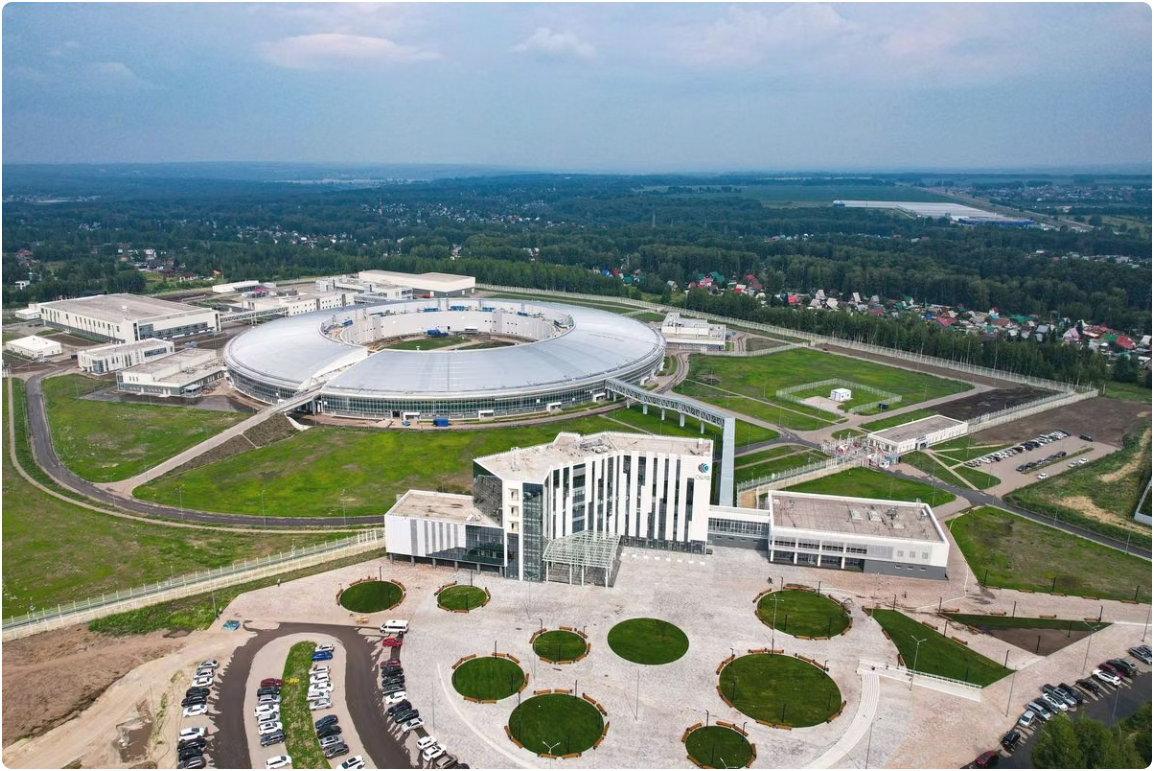
Russia's SKIF Synchrotron First Scientific User Competition Expected to Launch in Second Half of 2027
The competition to select the first research teams for the Siberian Circular Photon Source (SKIF) synchrotron in Russia is planned for the second half of 2027. Valery Bukhtiyarov, Director of the Boreskov Institute of Catalysis of the Siberian Branch of the Russian Academy of Sciences, stated at the Technoprom-2026 forum held in Novosibirsk that the first open competition will be launched in the second half of 2027. The institute is responsible for commissioning the construction of this large-scale scientific facility. Bukhtiyarov noted that SKIF is scheduled to receive synchrotron radiation and conduct its first experiments in the autumn. Construction of the facility was completed in June 2026, with an opening ceremony held in August 2026. Once operational, SKIF will use synchrotron radiation to help...
2026-08-27

Symposium on Marine Radiation Monitoring and Emergency Response Technology Exchange Successfully Held
To further enhance the technical support capability for marine radiation environment monitoring and promote scientific research innovation and practical application in marine radiation monitoring and emergency response, the National Marine Environmental Monitoring Center (hereinafter referred to as the Marine Center) recently conducted a technical exchange with the Jinan Zhongke Nuclear Technology Research Institute. The two sides engaged in comprehensive discussions on technology development, equipment application, data analysis, and standards development, focusing on the new situation and new requirements facing marine radiation environmental safety. The Marine Center systematically presented its operational system, technical capabilities, and practical experience in the field of marine radiation monitoring and emergency response. The Jinan Zhongke Nuclear Technology Research Institute highlighted its core...
2026-08-27
Finland Launches Its First IAEA International Assessment of Radiation Emergency Preparedness
Finland has recently launched its first international assessment of radiation emergency preparedness. At the invitation of Finland's Ministry of Economic Affairs and Employment, an international expert team assembled by the International Atomic Energy Agency began assessing Finland's preparedness for radiation emergency response on August 25, with the work continuing through September 1. The assessment is coordinated by the Radiation and Nuclear Safety Authority of Finland. This authority also serves as the IAEA contact point and participates in this review as one of the assessed entities. The coordination group designated by Finland's Ministry of Economic Affairs and Employment is chaired by Karim Peltonen from the Radiation and Nuclear Safety Authority of Finland. The assessment employs the IAEA's Emergency Preparedness Review mechanism,...
2026-08-26

Electron Beam Processing Can Reduce Poultry Pathogens, Study Shows Turkey Meat Quality Remains Well Preserved
A study on electron beam treatment of poultry meat products shows that electron beam irradiation has the potential to reduce the risk of foodborne pathogens in poultry while preserving meat quality as much as possible. The paper, titled "Effects of Electron Beam (eBeam) Treatment on the Texture and Sensory Attributes of Chicken and Turkey Meat Batters," was published in the journal Poultry Science. Electron beam is a non-thermal processing technology that uses high-energy electrons to cause irreversible damage to pathogen DNA or RNA, making it difficult for bacteria to replicate. Like X-rays and gamma rays, electron beam has been approved by the U.S. Food and Drug Administration for cold pasteurization that does not rely on heating. The research team used the electron beam irradiation facility at Texas A&M University...
2026-08-26
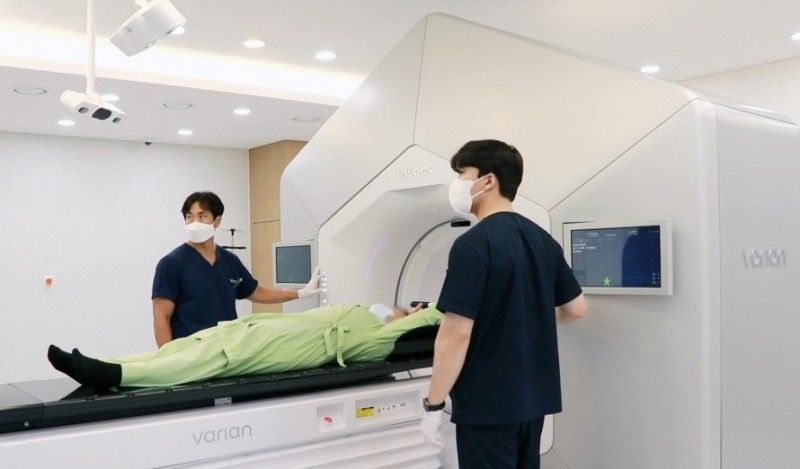
Korea's Gil Medical Center Expands Application of Markerless Surface-Guided Radiation Therapy
Gachon University Gil Medical Center in South Korea announced on August 26 that it is expanding the clinical application of markerless surface-guided radiation therapy (SGRT) to enhance the precision and comfort of radiation therapy for cancer patients. According to the hospital, the proportion of markerless SGRT in its radiation therapy procedures has increased from 28% in the first half of 2025 to 37% in the first half of 2026. This change indicates that this treatment-assistive technology, which reduces the burden of skin marking on patients, is gaining broader clinical adoption. Markerless SGRT is an advanced technique used for patient positioning and monitoring during radiation therapy. Unlike conventional methods, patients do not need to retain target line markings on their skin; the treatment system can assist in confirming patient positioning through surface guidance, enabling radiation to be delivered more accurately to the target area.
2026-08-26

Jamaica Launches Graduate Training Program in Radiation Protection and Safety, Poised to Become a Regional Center of Excellence in the Caribbean
Jamaica's newly established graduate training program in radiation protection and safety is being viewed as an important platform for enhancing nuclear technology safety capabilities in the Caribbean region. Chris Ardouin, an International Atomic Energy Agency expert and Senior Scientist and Technical Manager of Public Health and Forensic Science at the National Radiation Science Centre of New Zealand, stated that the program demonstrates Jamaica's potential to become a regional center of excellence for radiation protection and safety training. The six-month program, implemented as the first graduate education course in radiation protection and safety under the framework of the University of the West Indies' short-term academic resources, is currently training 12 professionals from seven CARICOM member states, with a focus on enhancing regional...
2026-08-26

IAEA Study: Five-Star Rating System Can Improve CT Imaging Safety and Reduce Unnecessary Radiation Exposure
A new study led by the International Atomic Energy Agency (IAEA) in collaboration with Massachusetts General Hospital and Harvard Medical School in Boston, USA, shows that a five-star rating system can help hospitals optimize image quality, reduce radiation dose, and decrease unnecessary patient radiation exposure in computed tomography (CT) examinations. The study has been published in the European Journal of Radiology. CT imaging uses X-rays to obtain detailed images of internal body structures and is an important tool in diagnosing a wide range of diseases. The study notes that CT image quality is closely related to radiation dose—higher doses typically reduce image noise and improve clarity, but do not always yield additional diagnostic value. How to minimize radiation exposure while ensuring diagnostic accuracy is key to optimizing CT examination protocols.
2026-08-26
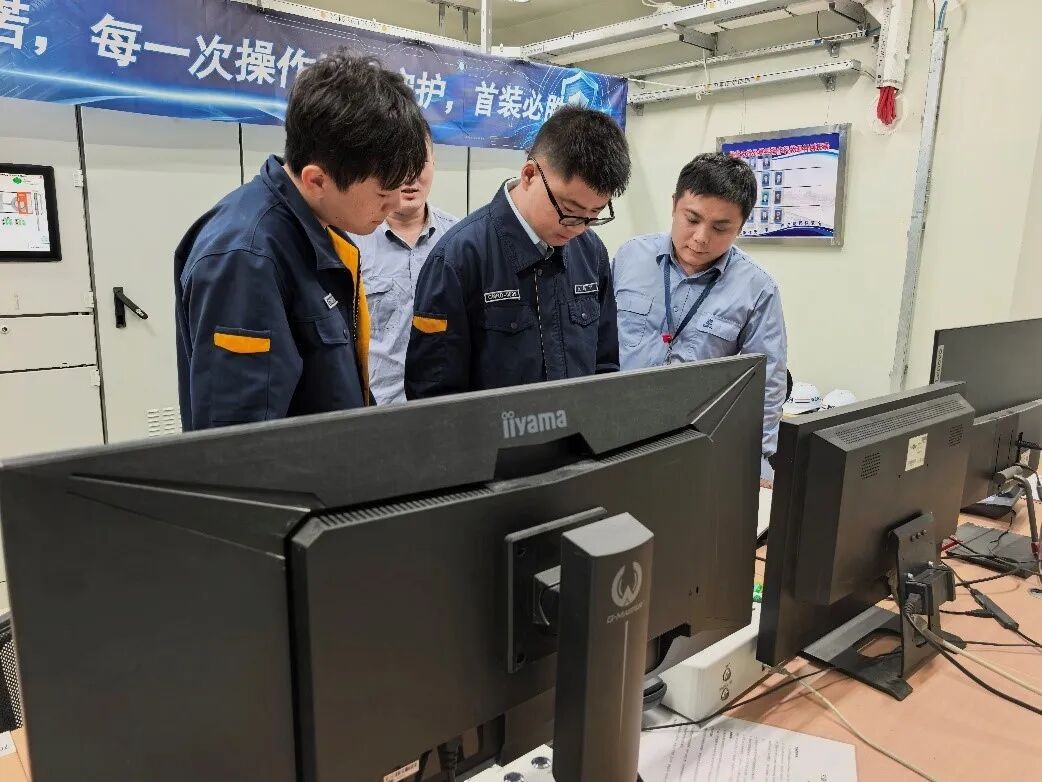
Ministry of Ecology and Environment North China Regional Office of Nuclear and Radiation Safety Supervision Conducts Supervision of First Fuel Loading at Tianwan Nuclear Power Plant Unit 7
Recently, the first fuel loading of Unit 7 at Tianwan Nuclear Power Plant was officially initiated, with the first fuel assembly successfully loaded into the reactor core, marking the unit's formal transition into the commissioning phase with nuclear operation. This unit is a key cooperative project witnessed by the heads of state of China and Russia via video link at its groundbreaking ceremony. This fuel loading marks a significant milestone achievement in the largest strategic cooperation project in China-Russia nuclear energy cooperation. As a core and critical procedure in nuclear power engineering, the first fuel loading serves as a comprehensive and holistic verification of the unit's engineering construction quality, system commissioning effectiveness, and safety control capabilities, and is of decisive significance to the subsequent safe and stable operation of the unit. The Ministry of Ecology and Environment North China Regional Office of Nuclear and Radiation Safety Supervision (hereinafter referred to as the North China Regional Office) has consistently upheld the nuclear safety regulatory work style of "rigorous, prudent, meticulous, and practical," closely focusing on the core and critical aspects of the first fuel loading, and implementing full-coverage, full-chain, and whole-process supervision and control over this fuel loading operation, effectively safeguarding the safety and quality defense line of the loading operation.
2026-08-26
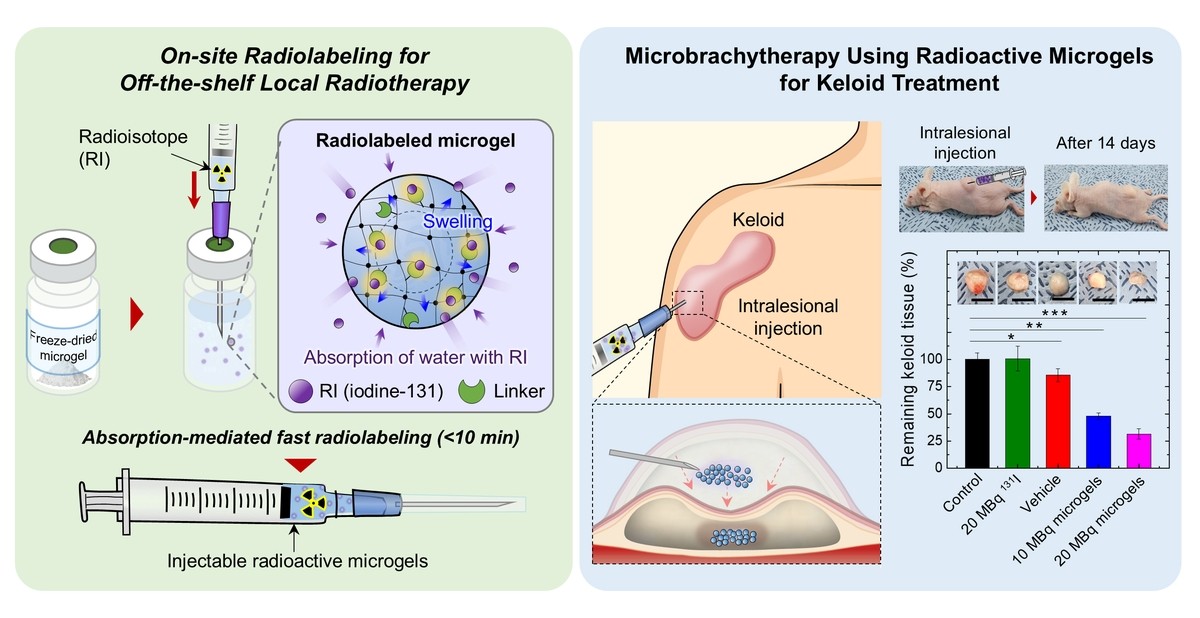
South Korean team develops biodegradable microgel for localized radiation therapy
Pusan National University announced on August 25 that a research team led by Professor Yang Seung-yun from the Department of Biomaterials Science, in collaboration with Professor Kim Hoon-soo from the Department of Dermatology and Professor Kim Geun-young from the Department of Nuclear Medicine at Pusan National University Hospital, as well as SNBIA Co., Ltd., has developed a precision localized radiation therapy technology based on biodegradable radioactive isotope materials for the treatment of refractory keloids that tend to recur after surgery. Conceptual diagram of precision treatment technology for refractory keloids. Provided by Pusan National University. Keloids are caused by abnormal proliferation of fibroblasts and excessive accumulation of collagen after skin injury. Existing treatment methods include surgery, steroid injections, laser therapy, etc., but...
2026-08-25

US Advanced Light Source Upgrade Advances, Soft X-ray Brightness to Increase at Least 100-Fold
Lawrence Berkeley National Laboratory in the US is advancing the Advanced Light Source (ALS) synchrotron upgrade project, planning to enhance soft X-ray experimental capabilities through next-generation light source technology, providing higher-precision data support for quantum materials, microelectronics, energy technologies, biological structure research, and AI-assisted scientific research. The project team is working toward the 2029 target. Since the Advanced Light Source began operation in 1993, it has long served research across soft X-ray, ultraviolet, infrared, and hard X-ray wavelength ranges. Researchers worldwide have used the facility's focused beams to observe molecular and material structures at the atomic scale, with results cited in over 18,000 papers...
2026-08-25

Russian Far Eastern Federal University Develops Ultrafast Ceramic Scintillators for Rapid Ionizing Radiation Detection
On August 21, 2026, scientists at the Russian Far Eastern Federal University, with support from the Russian Science Foundation, are developing ceramic materials for ultrafast detection of ionizing radiation. The results could be used in the future for medical diagnostics, baggage and cargo security screening, radiation monitoring, and scientific equipment requiring fast, precise radiation detection. The project, titled "Ultrafast Ceramic Scintillators for Ionizing Radiation Detection," is led by Anastasia Vonovskikh, a researcher at the Research and Education Center for Advanced Ceramic Materials, Department of Industrial Safety, Polytechnic Institute, Far Eastern Federal University. Scintillators are a class of materials that emit light when exposed to ionizing radiation. Detectors record these light signals to determine radiation intensity and energy. Currently, most related equipment uses single-crystal scintillators, but their production typically requires significant energy and resource inputs. The Far Eastern Federal University team proposes special ceramic materials as an alternative, aiming to improve detection speed and efficiency, making them more suitable for detecting trace amounts of radiation.
2026-08-25
Russia's SKIF "Microfocus" experimental station to conduct elemental and structural studies of ores
The Microfocus station, the first experimental station of the Siberian Circular Photon Source (SKIF) Phase 1, will be used to study the elemental composition and structural characteristics of samples in fields such as geology, geophysics, microelectronics, and materials science. The station is being created and integrated by Tomsk Polytechnic University and will in the future serve the exploration and development of hard-to-recover gold, platinum, rare earth elements, and oil reserves. According to reports, the first experiments at the Microfocus station will focus on ore sample studies. Such research is an important step in the development of new deposits, helping researchers more accurately assess deposit reserves, select more suitable extraction methods, and identify promising areas for subsequent exploration. The station employs...
2026-08-25
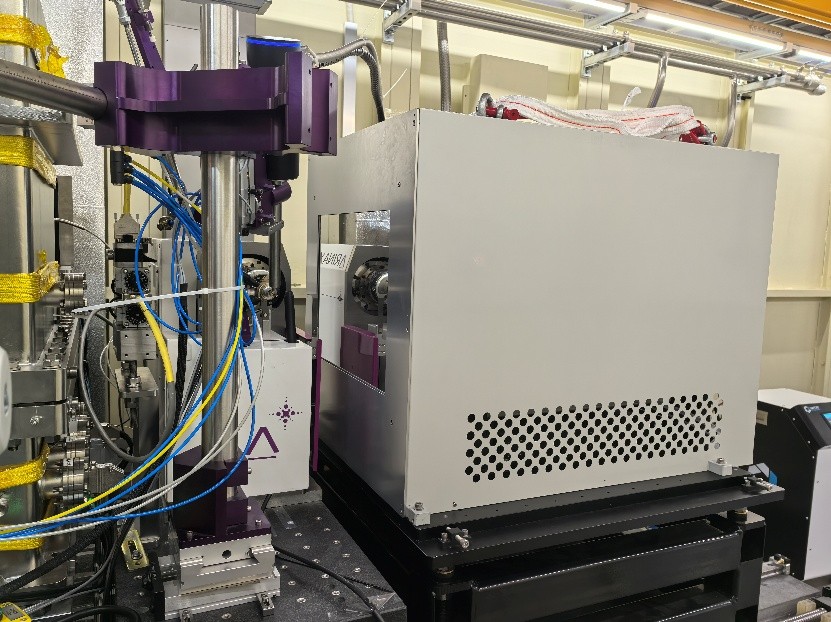
Large-area pixel detector independently developed by the Institute of High Energy Physics, Chinese Academy of Sciences completes long-term online operation validation
Recently, the 6-megapixel large-area two-dimensional pixel array detector independently developed by the detector R&D team of the High Energy Photon Source (HEPS) at the Institute of High Energy Physics, Chinese Academy of Sciences, completed long-term online operation validation. Since its deployment for trial operation at the HEPS Biological Macromolecular Microcrystal Diffraction Beamline in October 2025, it has supported nearly 90 research projects from over 50 research groups as of June 30, 2026. During the trial operation period, the detector accumulated more than 2,000 hours of operation with stable, uninterrupted performance. The beamline and detector teams conducted joint commissioning and optimization, verifying its operational stability and data reliability under complex working conditions. Leveraging the high-quality data collected by this detector, some...
2026-08-24
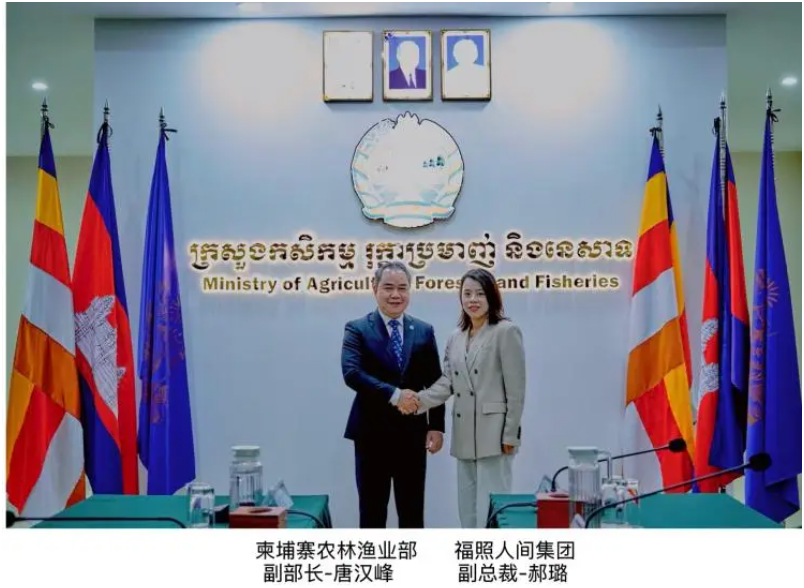
China and Cambodia Sign MOU on Agricultural Supply Chain Cooperation, with Irradiation Processing Technology Listed as a Key Focus
On August 10, Haikou Silk Road Social Science Research Institute and the Ministry of Agriculture, Forestry and Fisheries of the Kingdom of Cambodia signed the Memorandum of Understanding on Research Cooperation for the Stability and Development of the China-Cambodia Agricultural Supply Chain in Phnom Penh. According to the MOU, the industrial application of irradiation processing technology in the agricultural sector has been listed as one of the core cooperation directions for both sides. In this cooperation, the Joint Laboratory for R&D and Validation of Agricultural Product Irradiation Technology played a key supporting role. The joint laboratory was co-founded by Fuzhao Renjian Group and the Institute of Agro-Products Processing Science and Technology of the Chinese Academy of Agricultural Sciences, focusing on breeding, post-harvest loss reduction, agricultural product processing, and food safety, conducting irradiation technology R&D and validation, and promoting the application of relevant outcomes...
2026-08-24
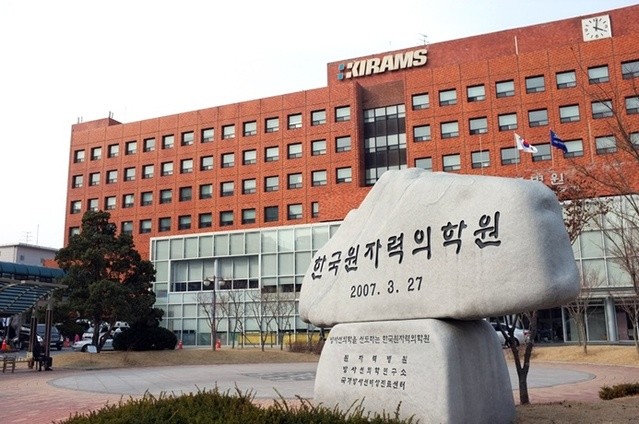
South Korea Clarifies Statutory Functions of KAERI Radiation Injury Treatment Hospital
The Korea Atomic Energy Research Institute (KAERI) announced on August 24 that the National Assembly had passed a partial amendment to the Act on the Promotion of Radiation and Radioisotope Utilization at its plenary session on August 20, incorporating the functions of a radiation injury treatment hospital, along with supporting research and technology development, into the institute's statutory scope of business. Under the amendment, relevant institutions will provide specialized medical services to individuals who have sustained radiation injuries or are at risk of such injuries. Radiation injury generally refers to health abnormalities in the human body resulting from excessive exposure to radiation. Such injuries may not manifest immediately after exposure; even when early symptoms appear only as skin redness, they can later progress to ulceration, necrosis, and affect the blood or bone marrow systems. Some individuals also require long-term follow-up to monitor for delayed health risks such as cancer.
2026-08-24