
Search Results
Keyword:radiation
China-led International Standard for Estimating RBE-Weighted Absorbed Dose from Acute Exposure Approved for Initiation
According to the International Organization for Standardization (ISO), the international standard ISO25600 "Estimation Method for RBE (Relative Biological Effectiveness)-Weighted Absorbed Dose from Acute Exposure," led by the China Institute of Atomic Energy, has been officially approved for initiation. This is a general methodology international standard led by China in the global field of nuclear and radiation emergency dose assessment. It can provide important support for the rapid estimation and evaluation of acute doses, decision-making on emergency protective actions, international notification and communication, as well as emergency training, exercises, and scientific research, helping to strengthen the scientific rigor and timeliness of global nuclear emergency response, and enhance response capability and standardization. Nuclear and radiation emergency response is a vital guarantee for the sustained and healthy development of the nuclear energy industry...
2026-08-31
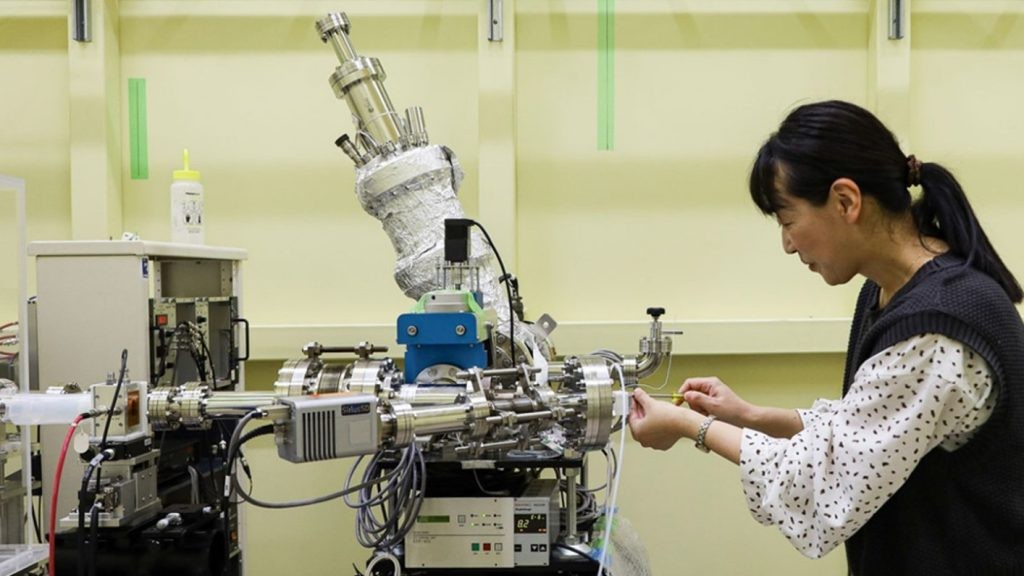
Japan's PF Launches Quantum Multi-Beam Experiments, Achieving Simultaneous Hard and Soft X-ray Measurements
The Photon Factory, a synchrotron radiation facility at the Institute of Materials Structure Science, High Energy Accelerator Research Organization (KEK) in Japan, has recently launched collaborative experiments on the development and research multi-purpose beamlines BL-11A and BL-11B, achieving simultaneous irradiation of the same sample with hard and soft X-rays at the same position. The research results will be published in the international academic journal *Review of Scientific Instruments*. The Photon Factory uses electrons moving at near-light speed to generate high-brightness X-rays, known as synchrotron radiation, for studying material structures and properties. Among these, hard X-rays are better suited for observing the internal structure of materials, while soft X-rays are ideal for analyzing material surfaces and electronic states. Previously, at synchrotron radiation facilities, the two types of X-rays typically had to...
2026-08-31
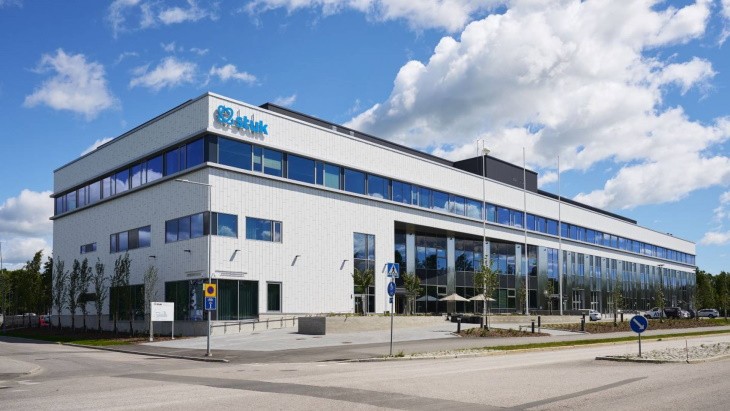
Finland's 2025 Environmental Radiation Monitoring Shows No Harmful Effects from Nuclear Power Plant Operations
The 2025 environmental radiation monitoring results released recently by the Radiation and Nuclear Safety Authority of Finland (STUK) show that radioactive substance levels in the Finnish environment generally remained low, and the operation of the Loviisa and Olkiluoto nuclear power plants has not caused harmful radiation impacts on the public or the environment. STUK continuously tracks Finland's radiation situation through its environmental radiation monitoring program. The monitoring includes continuous measurement of external radiation, as well as monitoring of radioactive substances in air, radioactive fallout, water bodies, food, and the human body, with the aim of promptly detecting changes in radiation levels and confirming the safety of the living environment. Finland's automatic external radiation monitoring network covers essentially the entire country. In 2025, 255 monitoring...
2026-08-31
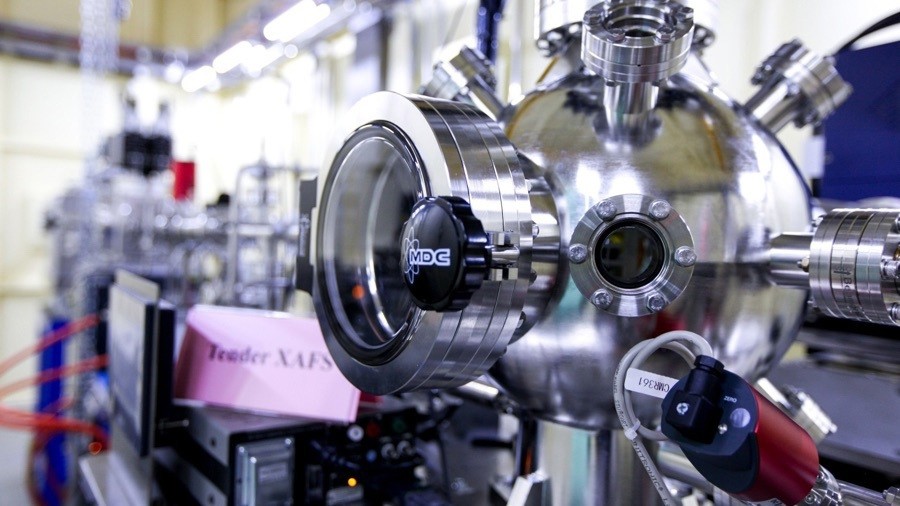
China's First Enterprise-Level Synchrotron Radiation Technology Application Research Platform Inaugurated in Shanghai
The Sinopec Shanghai Synchrotron Radiation Facility Energy and Chemical Science Laboratory, invested by Sinopec and jointly built with the Shanghai Advanced Research Institute of the Chinese Academy of Sciences, and based on the Shanghai Synchrotron Radiation Facility (SSRF) major scientific infrastructure, was recently inaugurated in Shanghai Zhangjiang Science City. This laboratory is the first enterprise-level synchrotron radiation technology application research platform in China. According to reports, the laboratory consists of three beamline stations and auxiliary laboratories, and will provide technical support and services for basic scientific research conducted by Sinopec and public users, with a focus on oil and gas exploration and development, petroleum refining and chemical engineering, and new energy and new materials. Once the platform is completed, it will help enhance the enterprise's capabilities in forward-looking and fundamental research, and provide scientific research support for cultivating new quality productive forces in China's energy and chemical industry.
2026-08-29
China Isotope & Radiation Plans to Invest RMB 400 Million in Zhejiang Nuclear Technology Application Industry Fund
China Isotope & Radiation Corporation announced on August 28 that its board of directors has approved entering into a partnership agreement with CNNC, CNNC Capital, CNNC Fund, National Industry Investment Fund, Zhejiang Venture Capital Guidance Fund, Jiaxing Changchuang Industrial Investment, and Haiyan County State-owned Capital Investment to jointly establish CNNC (Zhejiang) Nuclear Technology Application Industry Investment Fund Partnership (Limited Partnership). According to the announcement, the fund will be registered in Jiaxing City, Zhejiang Province, with partners intending to subscribe to a total capital contribution of RMB 3 billion. Among them, China Isotope & Radiation plans to contribute RMB 400 million from internal resources, accounting for 13.33% of the fund's total subscribed capital; CNNC Fund, as the general partner, plans to contribute RMB 30 million, accounting for 1%; the National...
2026-08-29
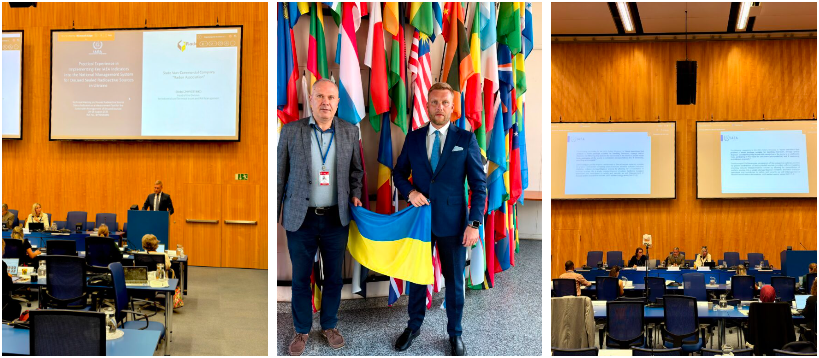
IAEA Technical Meeting on Indicators for the Management of Disused Ionizing Radiation Sources
From 24 to 28 August 2026, a technical meeting was held at the IAEA headquarters, focusing on indicators for the status of disused ionizing radiation sources and their application in sustainable management. The meeting emphasized how these indicators can serve as measurement tools to support countries in the long-term, safe, and traceable management of disused radiation sources. The Ukrainian delegation participated in the meeting, including Oleksii Zhyvotenko, Head of the Department for Production and Technical Issues and Radioactive Material Management at the "Radon" Association of the National Academy of Sciences of Ukraine, as well as representatives of the central nuclear power plant management. During the meeting, the Ukrainian side delivered a presentation on the practical experience of integrating key IAEA indicators into Ukraine's national management system for disused ionizing radiation sources.
2026-08-28
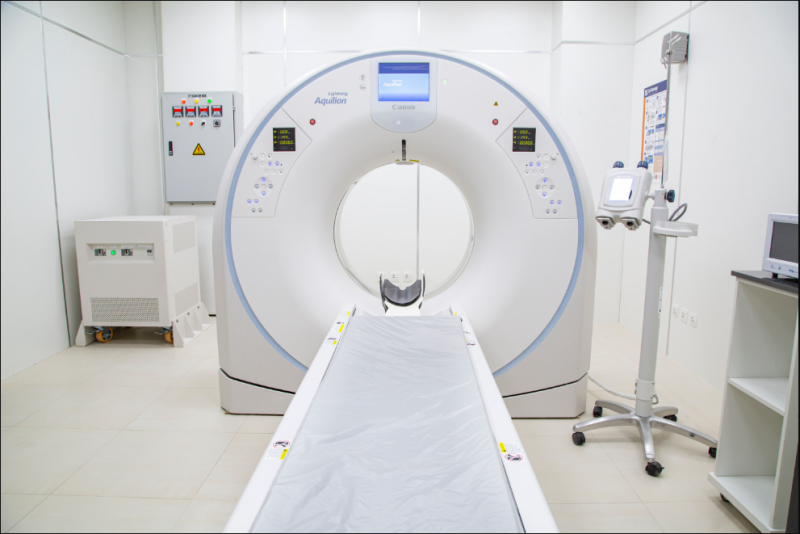
South Korea's Medical Radiation Examinations Exceed 430 Million Annually, with CT Scans Accounting for 67.1% of Radiation Dose
According to the "2025 National Medical Radiation Assessment Yearbook" released by the Korea Disease Control and Prevention Agency on August 28, South Koreans underwent a total of 431.59 million medical radiation examinations last year, averaging 8.4 examinations per person. Over the past five years, the number of medical radiation examinations in South Korea has continued to rise, with last year's figure increasing by 4.6% year-on-year and 29.6% compared to 2021. The report shows that the collective radiation dose from medical radiation examinations in South Korea increased from 136,804.73 person-sieverts in 2021 to 167,659.18 person-sieverts last year, an increase of 22.6%. On a per capita basis, the radiation dose rose from 2.64 millisieverts to 3.24 millisieverts. The Korea Disease Control and Prevention Agency stated that with advances in medical technology, an aging population, and growing demand for health checkups, the use of medical radiation examinations in public healthcare services continues to expand.
2026-08-28
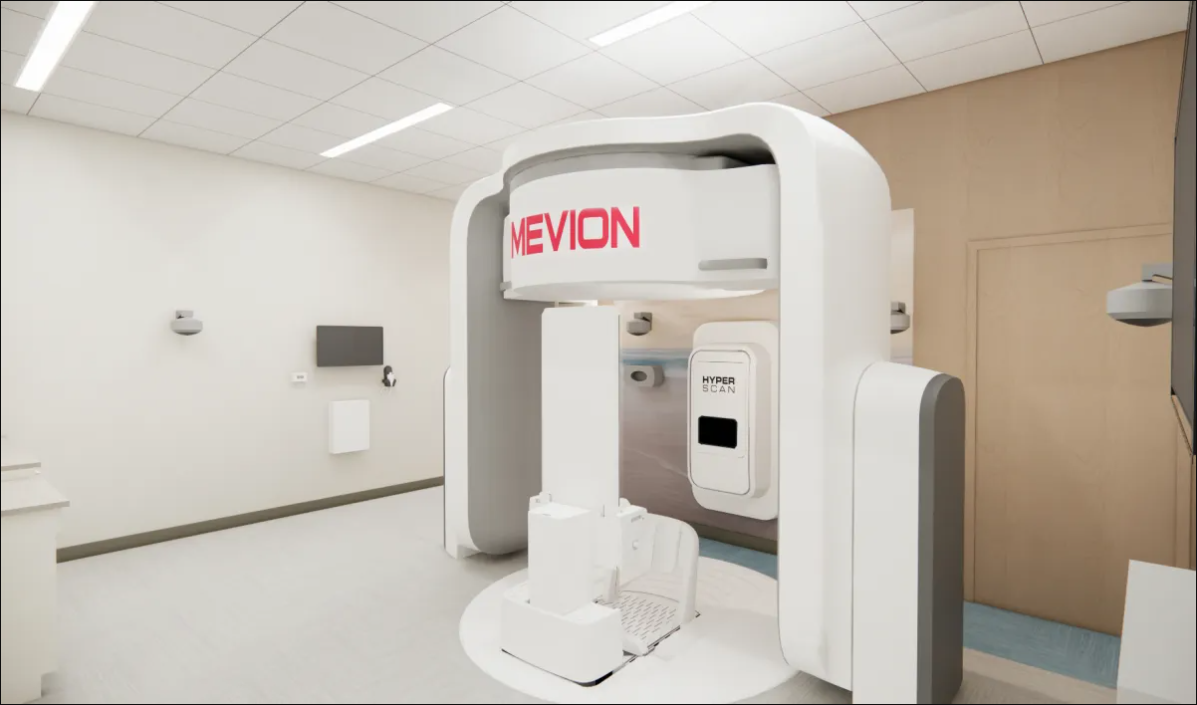
Auburn University Installs 200 MeV Superconducting Proton Accelerator to Build First University-Led Space Electronics Radiation Testing Facility in the U.S.
Auburn University's Applied Research Institute has announced the installation of a new 200 MeV superconducting proton accelerator, advancing the construction of the nation's first university-led proton testing facility dedicated to space electronics qualification. The system, a RAD-FX-200 superconducting synchrocyclotron manufactured and installed by Mevion Medical Systems, serves as the core component of Auburn University's new radiation-hardening facility. According to reports, the facility will help address gaps in U.S. space qualification testing capacity, providing radiation testing services for microelectronics to government agencies, aerospace, and defense-related industries. Systems such as satellites, missile defense interceptors, spacecraft, and launch vehicles rely on microelectronics, which may be affected by proton radiation in orbital environments. A single radiation-induced failure can cause system loss, and such failures are typically difficult to repair once in orbit...
2026-08-28
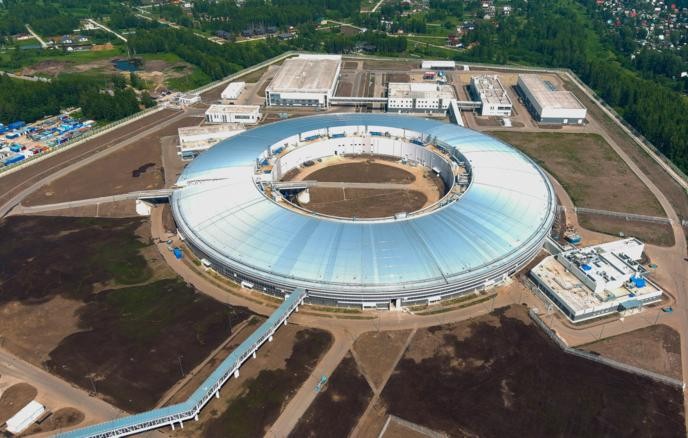
First Seven Experimental Stations of Russia's SKIF Synchrotron Planned for Commissioning in Summer 2027
The first seven scientific experimental stations at the Siberian Circular Photon Source (SKIF) shared center, located near Novosibirsk, Russia, are planned to begin beam testing in August 2027. According to the center's relevant official, all experimental station equipment has been fully installed, and experts are currently conducting commissioning work. Construction of the SKIF synchrotron was completed in June 2026. Once the project becomes operational, it will utilize synchrotron radiation to help researchers observe the internal structure of matter, obtaining high-precision data on material structure and behavior, which can serve fundamental research and related industrial R&D. As planned, the Budker Institute of Nuclear Physics of the Siberian Branch of the Russian Academy of Sciences will launch beam operation in the main storage ring in September...
2026-08-28
CNNC Fuyuan (Beijing) Technology Co., Ltd. officially established, focusing on accelerator and radiation technology equipment
On August 26, 2026, CNNC Fuyuan (Beijing) Technology Co., Ltd. (abbreviated as: CNNC Fuyuan) was officially established. CNNC Fuyuan is a joint venture between China Isotope & Radiation Corporation (CIRC) and CNNC Atomic Energy Institute Technology Co., Ltd., with nuclear technology equipment as its core business and radiation technology empowering industrial upgrading. Leveraging the Atomic Energy Institute's profound accumulation in accelerator technology over more than 70 years, as well as CIRC's market-oriented industrialization capabilities, the company builds a deeply integrated industry closed loop encompassing research, education, application, and utilization, strengthening and complementing the nuclear technology equipment industry chain. Looking ahead, CNNC Fuyuan will adhere to the dual-drive approach of independent innovation and achievement transformation, starting with accelerators, breaking through the boundaries of single products, and extending toward full-spectrum radiation technology,...
2026-08-28
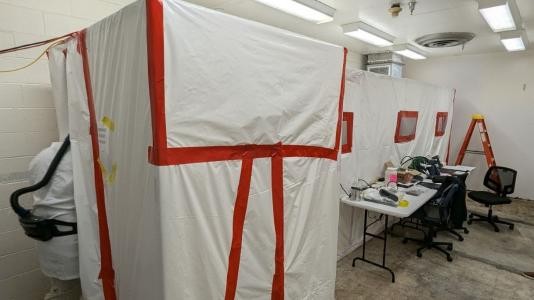
Argonne National Laboratory Measures Dust Resuspension Behavior in Radioactive Contamination Scenarios
Researchers at the U.S. Department of Energy's Argonne National Laboratory recently conducted field experiments to simulate the movement of dust particles on concrete surfaces under radioactive contamination scenarios, measuring the effects of pedestrian activity and vehicle traffic on dust dispersion. The study was published in the journal Health Physics and received support from the U.S. Department of Homeland Security Science and Technology Directorate and the Radiological/Nuclear Emergency Response and Recovery Research and Development Program. To control humidity and temperature and prevent dust generation, pedestrian tests were conducted inside a tent. In the image, researchers can be seen entering the tent on the left. Particle counters are placed on a white table, with their hoses extending into the tent to collect air samples. (Image courtesy of Ar...
2026-08-27
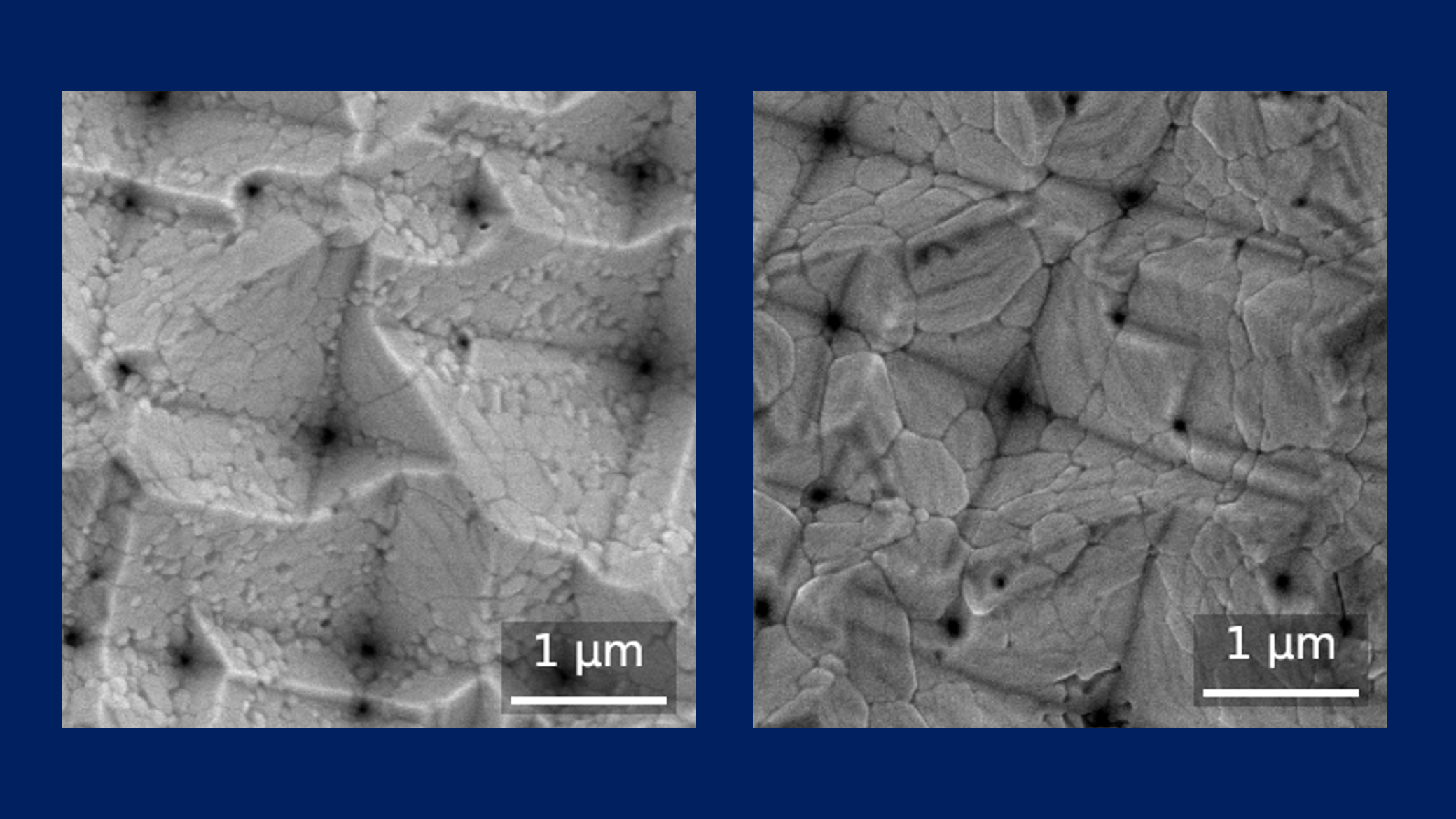
German BESSY II Research Reveals: Cesium Chloride Seed Layer Can Improve Quality of Perovskite-Silicon Tandem Solar Cells
A team from the Helmholtz-Zentrum Berlin (HZB) in Germany used the BESSY II synchrotron radiation facility to conduct nanoscale analysis of perovskite-silicon tandem solar cells fabricated by evaporation methods, and proposed a new approach to improve the quality of perovskite thin films. The study shows that introducing a thin cesium chloride (CsCl) seed layer between the two sub-cells promotes uniform growth of the perovskite layer while reducing undesirable lead iodide deposition at the interface. The research demonstrates that the cesium chloride seed layer improves the growth of the evaporated perovskite layer and reduces the formation of lead iodide. Scanning electron microscopy images show that the perovskite layer grown without a seed layer (left image) consists of extremely fine crystallites...
2026-08-27
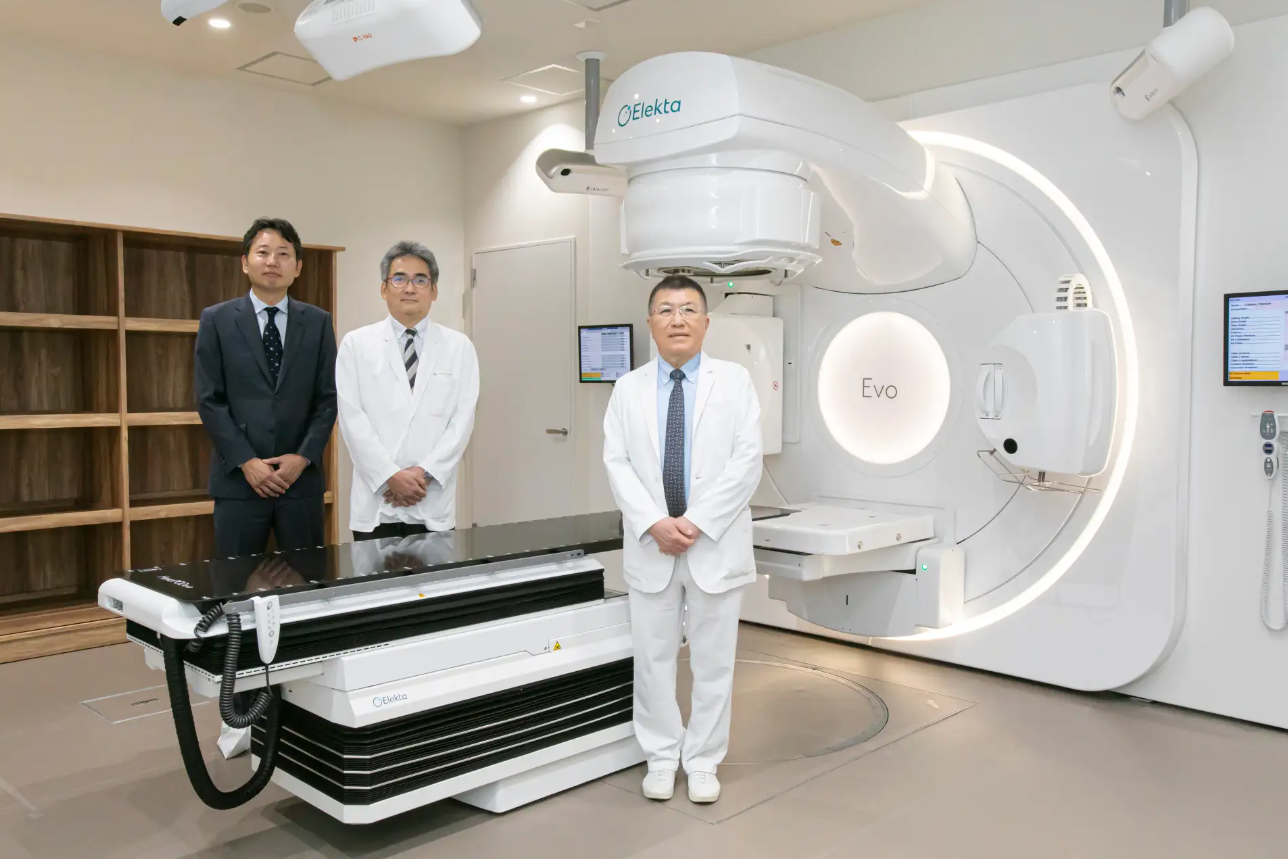
Hyogo Medical University Hospital to Launch Japan's First Elekta Evo Linear Accelerator System Treatments
Elekta K.K. announced on August 27 that its high-precision radiation therapy device, the Elekta Evo linear accelerator system, will be installed for the first time in Japan at Hyogo Medical University Hospital, with the first treatment scheduled to commence on September 24, 2026. This marks the entry of this next-generation radiation therapy system into clinical application in Japan. As the number of cancer patients increases, the demand for personalized and precise treatment in the field of radiation therapy continues to rise. The Elekta Evo is positioned as a next-generation radiation therapy system capable of covering both routine and more complex cancer treatment scenarios. The system is equipped with Iris, an AI-driven high-definition imaging technology, which enables clearer visualization of the positional relationships between organs in the patient's body...
2026-08-27
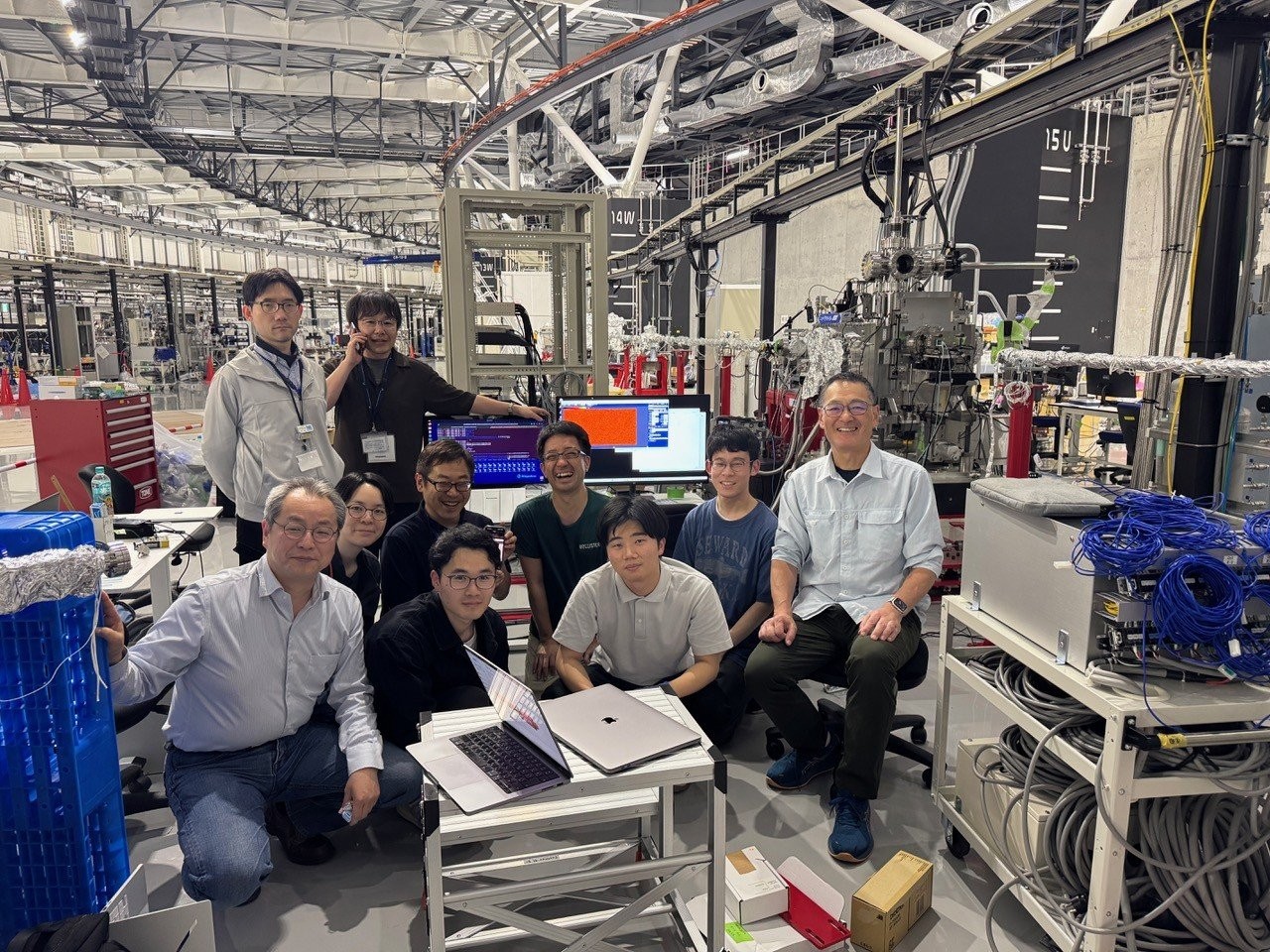
Tohoku University and Rigaku Establish Joint Research Institute for X-ray Metrology
Tohoku University and Rigaku Corporation, a subsidiary of Rigaku Holdings Group, recently announced that they established the "Rigaku-Tohoku University X-ray Metrology Co-Creation Research Institute Beyond The Limits" on August 1, 2026, and commenced joint research. The institute will operate for a period of three years, until July 31, 2029, with the possibility of extension based on research outcomes. According to the announcement, the new institute will focus on upgrading X-ray metrology technologies, establishing new measurement methods, and nurturing the next generation of researchers. As semiconductor devices continue to shrink in size while becoming increasingly multi-layered and multi-material in composition, manufacturing processes are growing more complex, driving rising demand for high-precision, non-destructive evaluation of materials and structures. Existing measurement methods face limitations in evaluating fine structures and precisely analyzing depth-direction structures, making the development of new approaches such as soft X-ray techniques an important direction.
2026-08-27
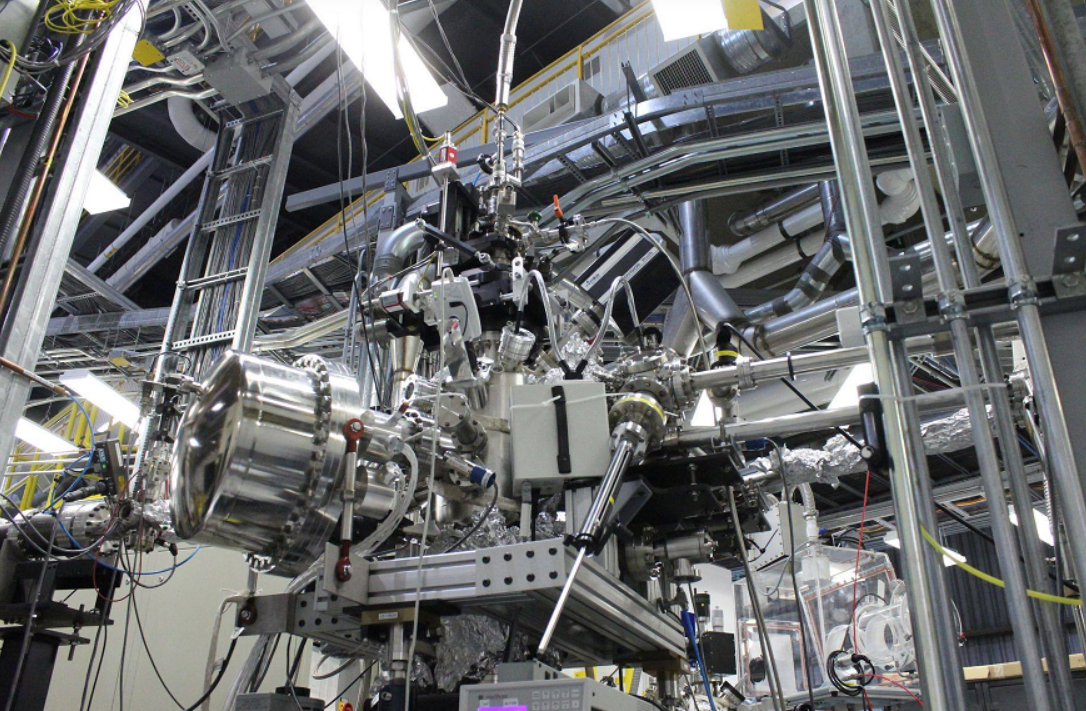
Canadian Light Source Synchrotron at University of Saskatchewan Receives $3 Million CAD in Upgrade Funding
On August 26, Innovation Saskatchewan announced that it will provide $3 million CAD in funding to the Canadian Light Source synchrotron at the University of Saskatchewan to support the installation of an advanced solid-state amplifier, advancing the facility's upgrade efforts. According to reports, this solid-state amplifier is a key component of the Canadian Light Source's core particle accelerator and will support the operation of its 22 synchrotron radiation beamlines. The upgrade is expected to enhance facility performance, operational reliability, and energy efficiency, further strengthening its capacity for cutting-edge scientific research. The Canadian Light Source is Canada's only synchrotron facility. Synchrotrons use electromagnetic fields and radiofrequency waves to accelerate electrons to near the speed of light, keeping them in a circular orbit; as electrons move, they generate high-brightness, highly focused synchrotron radiation beams, which are directed to different experimental beamlines to help researchers study material structures and properties at the atomic scale.
2026-08-27