
Search Results
Keyword:radiation
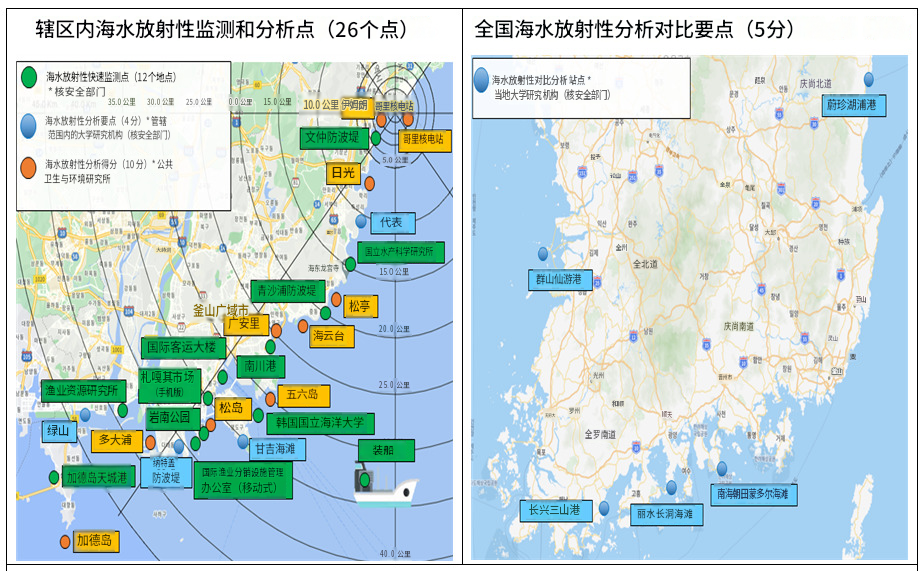
Busan, South Korea Reports No Abnormal Radiation Detected in Seawater and Seafood Three Years After Fukushima Discharge
Busan Metropolitan City stated on August 24 that since the discharge of contaminated water from the Fukushima nuclear power plant began in 2023, the city has continuously conducted radiation monitoring and analysis of coastal seawater and seafood. The results show that the safety conditions of Busan's waters and seafood remain stable with no abnormal changes detected. According to Busan Metropolitan City, seawater radioactivity testing is currently conducted at 26 coastal points. Among them, samples from 14 coastal locations including Haeundae, Gwangalli, Dadaepo, Songdo, and Songjeong are analyzed by the Busan Metropolitan City Institute of Health and Environment and local university research institutions. Test results show that the concentrations of relevant radionuclides are far below the World Health Organization drinking water standards, with cesium-134,...
2026-08-24
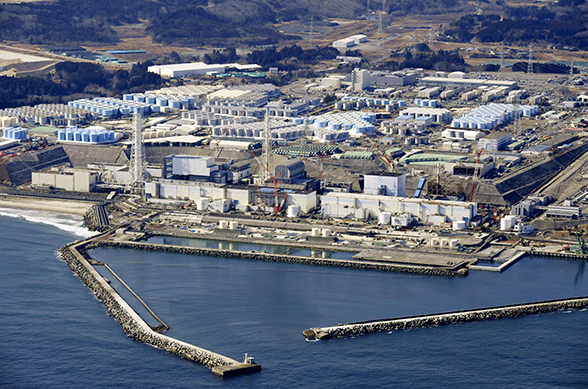
Collective Radiation Dose of Workers at Japan's Fukushima Daiichi Nuclear Power Station Ranks Highest Nationwide
Japanese nuclear power plant operators are required to submit radiation management reports to the Nuclear Regulation Authority (NRA) annually, detailing the exposure status of plant workers. According to the relevant 2025 reports, the collective radiation dose of workers at Tokyo Electric Power Company (TEPCO)'s Fukushima Daiichi Nuclear Power Station remains significantly higher than at other Japanese nuclear plants, indicating that the radiological impact from post-accident on-site decommissioning and management work is still ongoing. By collective dose per plant, Fukushima Daiichi recorded 20.97 person-sieverts, the highest in Japan. This figure is nine times the 2.22 person-sieverts reported at Kansai Electric Power's Takahama Nuclear Power Station...
2026-08-24
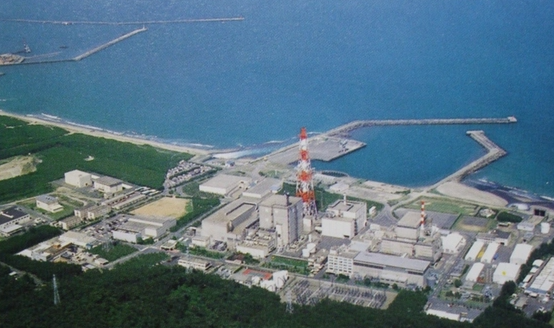
No abnormalities detected at multiple nuclear power plants after earthquake in Ibaraki Prefecture, Japan
At around 2 a.m. on August 23, an earthquake struck the southern part of Ibaraki Prefecture, Japan, with a maximum seismic intensity of 5-lower observed in parts of Ibaraki Prefecture, Tokyo Metropolis, Saitama Prefecture, and Chiba Prefecture. The Japanese government subsequently established a liaison office at the Crisis Management Center of the Prime Minister's Official Residence. Japanese Prime Minister Sanae Takaichi stated that relevant departments have been instructed to verify the damage situation and promptly release accurate information to the public. The earthquake posed no risk of tsunami. Japan Atomic Power Company (JAPC) stated that a seismic intensity of 3 was observed in the area where the Tokai Daini Nuclear Power Plant is located in Tokai Village, Ibaraki Prefecture. The unit is currently shut down, and as of now...
2026-08-24
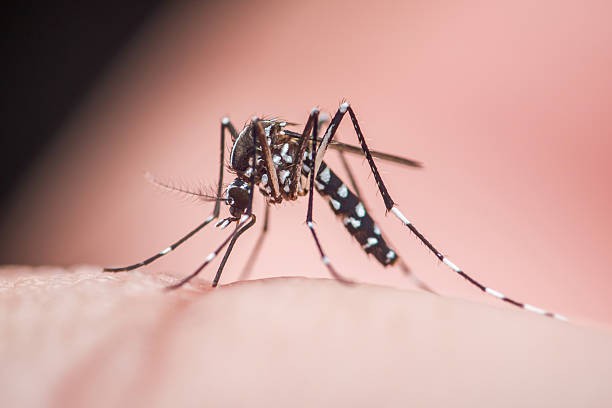
Brive in France Tests Sterile Insect Technique Using X-Ray Irradiation to Control Tiger Mosquitoes, Preliminary Results Show Nearly 60% Sterility Rate in Mosquito Eggs
The city of Brive-la-Gaillarde in the Nouvelle-Aquitaine region of France is using the Sterile Insect Technique (SIT) to control tiger mosquitoes. Since May 2025, the city has been working with the Montpellier-based company Terratis, releasing male mosquitoes that have been treated with X-ray irradiation and rendered incapable of reproduction, in order to reduce the tiger mosquito population. The core of this method is to allow sterile males to mate with wild females, causing the females to lay eggs that cannot hatch. Although it may appear that mosquitoes are still being released in active mosquito areas, the released individuals are males, which do not bite humans. As of October 31, 2025, Brive has deployed nearly 11 million sterile male mosquitoes across 58 release points covering more than 100 hectares, with a weekly release volume of approximately 400,000...
2026-08-23

Texas A&M University Develops Rio Red Grapefruit Through Radiation Mutagenesis, Now Accounting for About 75% of Texas Production
In 1984, researchers at Texas A&M University used radiation mutagenesis to develop the Rio Red grapefruit. Forty-two years later, this variety has become the dominant cultivar in Texas's grapefruit industry, accounting for approximately 75% of the state's total grapefruit production. The Rio Red grapefruit is distinguished by its vibrant pink flesh, as well as its greater cold tolerance and higher yields compared to other grapefruit varieties. These traits have facilitated its widespread adoption across Texas growing regions, gradually establishing it as a representative grapefruit variety in the local market. Grapefruit itself was not originally a product of artificial breeding. The earliest known grapefruit seedlings appeared in Barbados in the 18th century, resulting from a cross between the Jamaican sweet...
2026-08-22
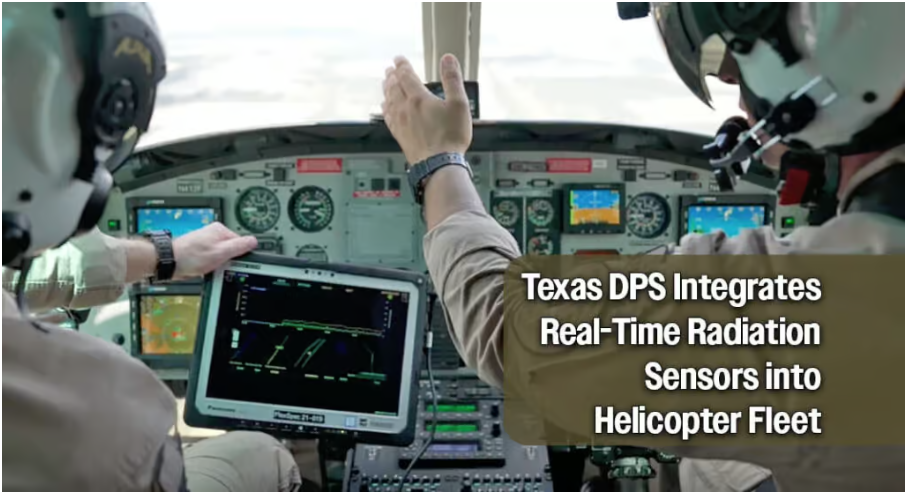
Texas Department of Public Safety Advances Airborne Radiation Detection Capabilities
The Texas Department of Public Safety recently highlighted an airborne radiation detection capability being advanced by its Aviation Operations Division. The program integrates specialized radiation detection sensors and real-time data transmission systems onto helicopters, enabling crew members to rapidly survey large areas from the air and relay relevant information to ground personnel in a timely manner, supporting homeland security and security operations for major public events. According to reports, this capability is implemented jointly by the Aviation Operations Division and the Radiation/Nuclear Unit of the Commercial Vehicle Enforcement Division. The equipment has already been used to support security operations for major events, including FIFA-related venues in Houston and Dallas, and will continue to serve...
2026-08-23
Uzbekistan Approves Radiation Accident Emergency Procedures for Nuclear Power Plants
Uzbekistan has approved radiation accident emergency procedures for nuclear power plants, specifying the handling procedures when nuclear power plants face the threat of or actually experience radiation accidents. The document was approved by the Industrial, Radiation and Nuclear Safety Committee under the Cabinet of Ministers, registered with the Ministry of Justice, and entered into force on August 20. The procedures apply to the siting, design, construction and operation stages of nuclear power plants, covering the conditions for activating emergency states, radiation dose rate criteria, operational information reporting processes, and requirements for emergency rescue organizations. According to the procedures, the emergency states of nuclear power plants are divided into two levels: emergency preparedness and emergency condition. When the former is activated, it generally means that the safe operation limits or conditions of the nuclear power plant have been exceeded, while the ionizing radiation dose rate has reached the corresponding threshold. If external natural or man-made events such as earthquakes, explosions, fires, or floods occur at the site and affect safety-related systems or safe operating conditions, an "emergency preparedness" state may also be declared.
2026-08-22
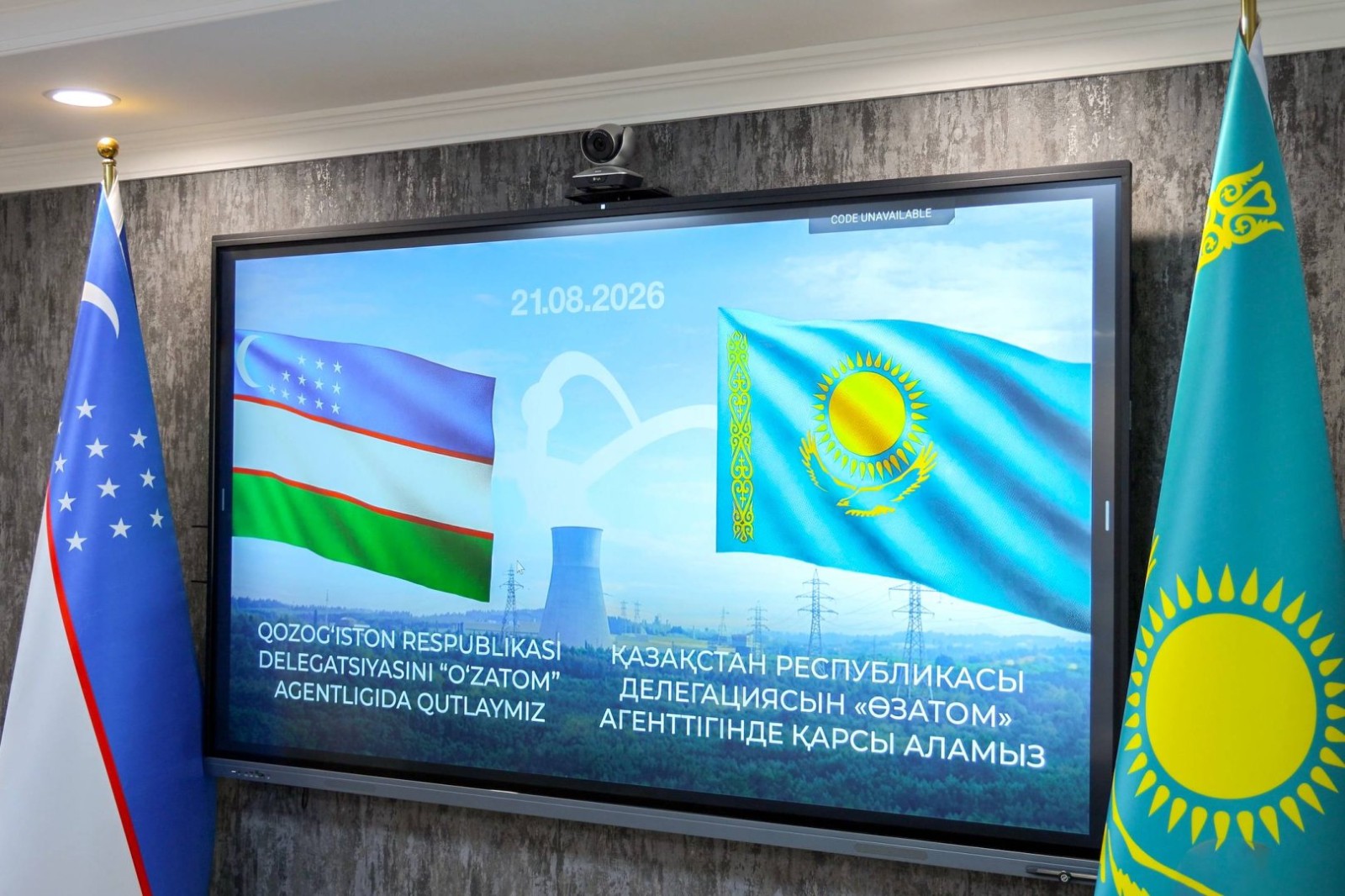
Uzbekistan and Kazakhstan Strengthen Nuclear Safety Cooperation Dialogue
Uzbekistan and Kazakhstan recently held working talks on nuclear safety, radiation safety, and environmental safety, during which the two sides exchanged views on technical and environmental issues related to the construction and future operation of Uzbekistan's nuclear power plant, and discussed strengthening cooperation on the peaceful use of nuclear energy in Central Asia. The talks were attended jointly by representatives of relevant Uzbek ministries and agencies and a Kazakh delegation. The Kazakh delegation was led by Mansur Oshurbayev, Deputy Minister of the Ministry of Ecology and Natural Resources of Kazakhstan. Uzbekistan's atomic energy agency...
2026-08-22
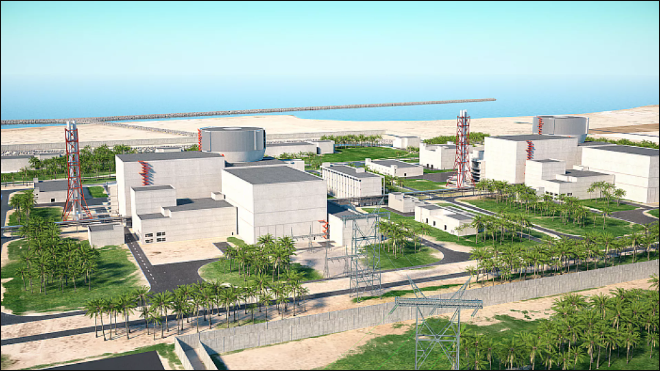
Automated Radiation Monitoring System to Be Built at Egypt's El Dabaa Nuclear Power Plant
On August 21, 2026, NPP Doza is advancing the construction project of an automated radiation monitoring system at Egypt's El Dabaa Nuclear Power Plant. The system will serve Egypt's first nuclear power plant and, as an important component of the plant's radiation safety infrastructure, will be used for continuous radiation monitoring of the plant site and surrounding areas. According to the project schedule, the construction of a complete automated radiation monitoring system for the four units of the El Dabaa Nuclear Power Plant typically takes two to three years, with work scope including technical solution development, technical documentation coordination, equipment manufacturing, staged testing, on-site deployment, and phased commissioning. NPP Doza...
2026-08-22
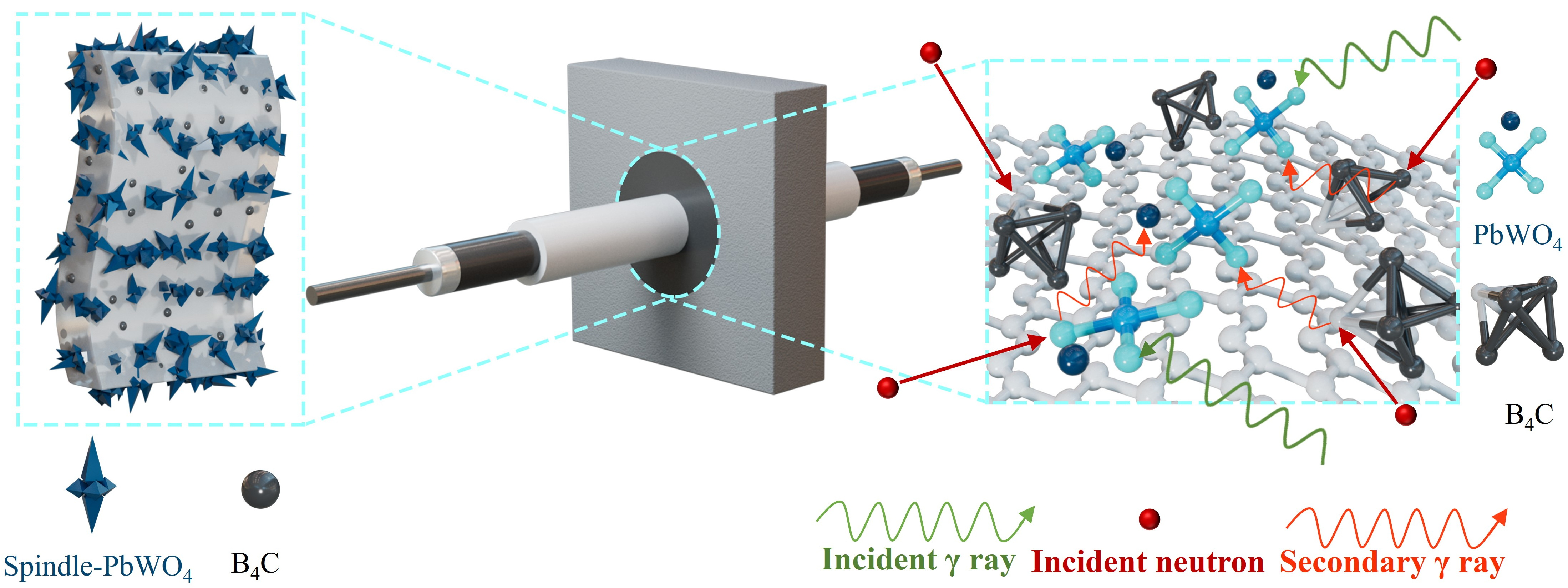
Progress in Tritium Containment and Radiation Protection Materials Research at the Institute of Plasma Physics, Chinese Academy of Sciences
Recently, Associate Researcher Huo Zhipeng of the Fusion Reactor Blanket and Safety Research Center at the Institute of Plasma Physics, Chinese Academy of Sciences, together with his supervised master's students Zhang Jie and Chen Zuoyang, developed a class of flexible PbWO4-B4C reinforced silicone rubber composites with dual functions of tritium safety containment and nuclear radiation protection. The related research results were published in Journal of Materials Research and Technology. Future fusion facilities require comprehensive performance from radiation protection materials in tritium safety containment systems, including airtight sealing, flexibility for easy assembly and disassembly, and radiation shielding capability, for penetration hole sealing, post-maintenance, and high-flux neutron and γ-ray radiation protection. The research...
2026-08-21
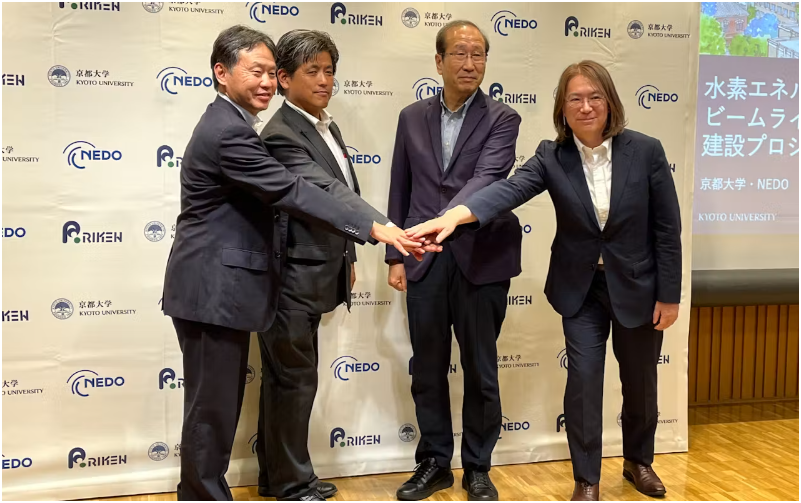
Kyoto University and NEDO to Build Dedicated Beamline for Hydrogen Energy Research at SPring-8-II
Kyoto University announced on August 20 that it will collaborate with the New Energy and Industrial Technology Development Organization (NEDO) to construct dedicated research equipment for the hydrogen energy field at the large synchrotron radiation facility SPring-8-II, located in Sayo Town, Hyogo Prefecture, Japan. SPring-8-II is scheduled to begin operation in fiscal year 2029. On the 20th, Hajime Kitagawa, Executive Director of Kyoto University (2nd from right), attended a press conference held by Kyoto City government officials. According to the plan, the two parties will install a dedicated beamline at the facility, focusing on hydrogen energy-related research such as fuel cells and hydrogen production via water electrolysis. The beamline will be used to analyze key materials including catalysts and electrolyte membranes in fuel cells and water electrolyzers, leveraging synchrotron radiation to observe material reaction processes and help researchers identify the main factors affecting performance and cost.
2026-08-21
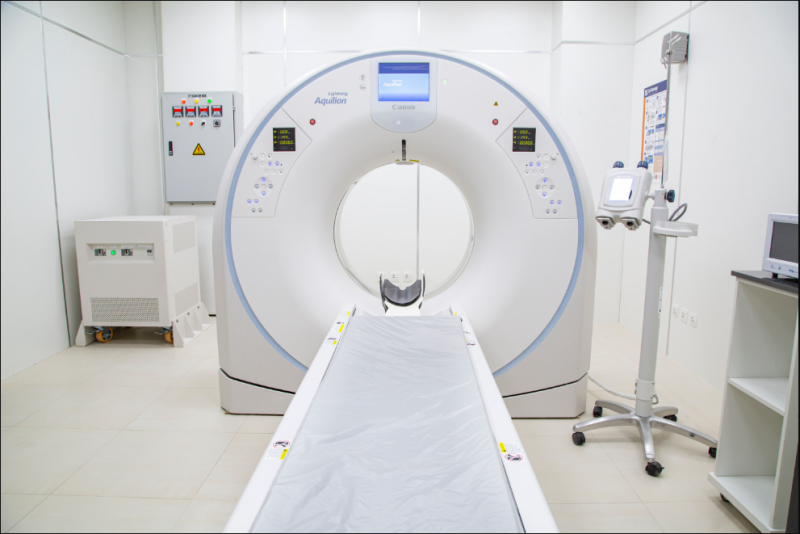
South Korea's National Assembly Passes Amendments on Radiation Disaster Response, Strengthening the Treatment System for Radiation Victims
The South Korean National Assembly held a plenary session on the 20th and passed two livelihood bills proposed by Rep. Yoon Jun-byeong, a member of the Parliamentary Agriculture, Food, Rural Affairs and Fisheries Committee. The bills concern the establishment of a radiation disaster response system and adjustments to the support system for surviving family members of national meritorious persons. Under the amendments passed, the Korea Atomic Energy Research Institute will be granted the qualification to operate as a specialized hospital for treating radiation victims. This arrangement aims to further improve the national medical safety net, enabling industrial radiation workers and victims of accidental radiation incidents to receive faster and more systematic treatment and rehabilitation support. Meanwhile, another amendment was also passed. This amendment, in accordance with the Constitutional Court's ruling of nonconformity, abolishes the provision that prioritized age as the sole criterion in the payment of survivor benefits to families of national meritorious persons of the same rank. After the relevant institutional adjustment, greater emphasis will be placed on safeguarding the rights of low-income households to reduce blind spots in welfare support.
2026-08-21
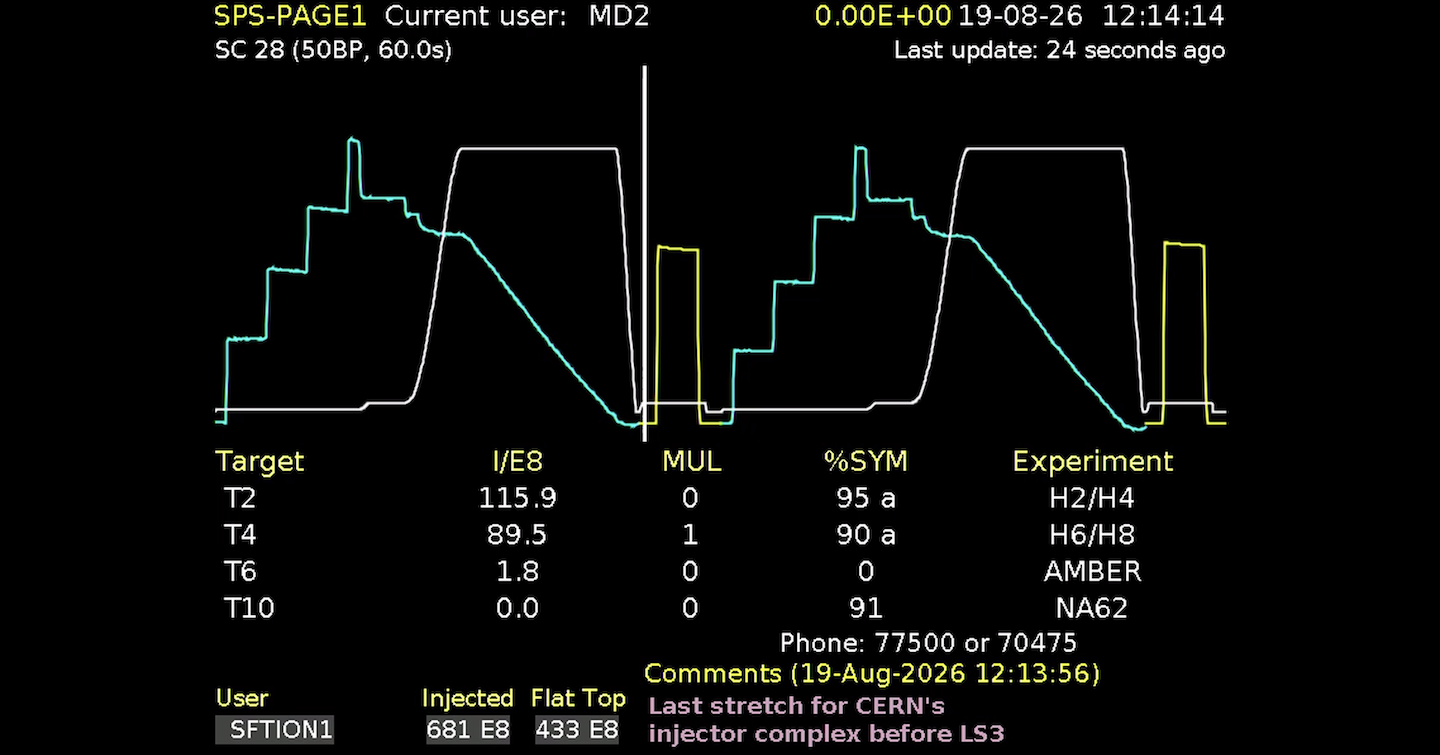
CERN Injector Complex Enters Final Beam Run Phase Before LS3
The CERN accelerator complex is entering its final operational phase before the third Long Shutdown (LS3). With the Large Hadron Collider (LHC) having already entered LS3, the injector complex and associated facilities will continue high-intensity beam operations until 6:00 a.m. on Monday, August 31, after which the operations team will hand over control to the LS3 coordination team, marking the formal transition of the entire accelerator complex into the shutdown maintenance phase. August 19, 2026, page one of the SPS. The third run of the injector complex is drawing to a close. (Image: CERN) During the final week-plus of operations, CERN will continue delivering proton and ion beams to physics experiments.
2026-08-21
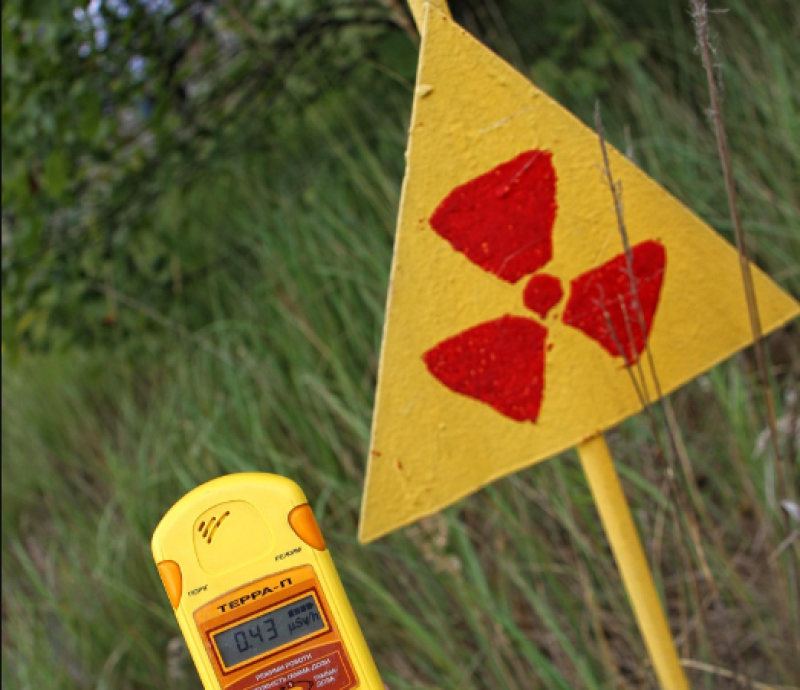
22 Atmospheric Radiation Automatic Monitoring Stations in Shaanxi Operate Stably, with National-Controlled Stations Achieving 99.9% Data Acquisition Rate
In recent years, Shaanxi Province has continuously strengthened the construction of its radiation environmental monitoring network. The 22 atmospheric radiation automatic monitoring stations across the province, including 12 national-controlled stations and 10 provincial-controlled stations, have maintained stable operation. These stations utilize high-pressure ionization chambers, ultra-high-flow aerosol samplers, gamma spectrometers, and other equipment to conduct continuous monitoring of atmospheric instantaneous gamma dose rates, aerosol samples, and gamma radionuclides. Relevant data are transmitted in real time to the system platform of the Shaanxi Provincial Nuclear and Radiation Safety Supervision Station. According to reports, Shaanxi has gradually established an automatic station operation and maintenance management system featuring strong organization, closed-loop responsibility, funding guarantees, standardized procedures, and digital-intelligent empowerment. In 2023, the 5-minute data acquisition rate of Shaanxi's 12 national-controlled stations reached 99.9%, ranking third nationwide.
2026-08-21
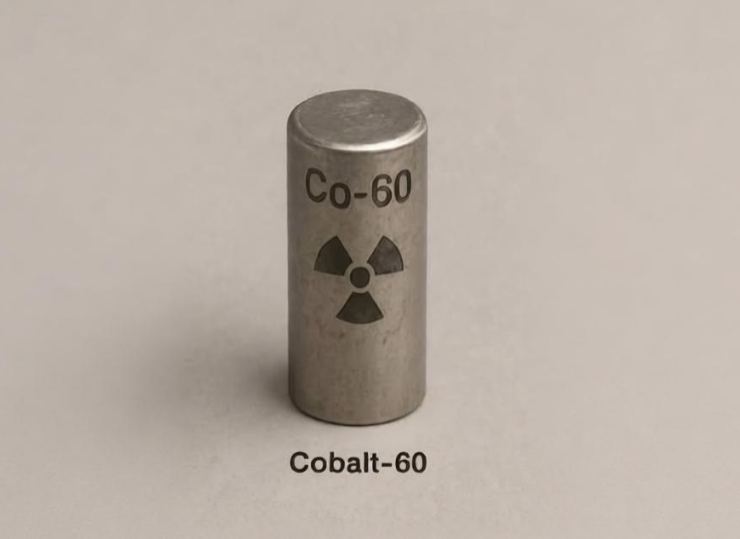
A Category IV Cobalt-60 (Co-60) radioactive source retired in Huangshi
Recently, under the coordinated deployment and on-site supervision of the Huangshi Municipal Ecological Environment Bureau in Hubei Province, a retired Category IV Cobalt-60 (Co-60) radioactive source was transported in a closed loop by a professionally qualified vehicle and safely delivered to the Hubei Provincial Urban Radioactive Waste Repository, where it was permanently sealed in a standardized manner. The collection and storage process for this waste source followed standard procedures with meticulous control, and no readings exceeding limits, equipment loosening, or other safety anomalies occurred throughout the entire transport process. It is understood that this Cobalt-60 radioactive source was originally the core component of a level gauge supporting an enterprise's kiln production line. As the production line was dismantled and scrapped, the related equipment ceased operation, increasing the safety management pressure of the idle radioactive source. Upon receiving the enterprise's disposal application, the Huangshi Municipal Ecological Environment Bureau...
2026-08-21