
Search Results
Keyword:radiation
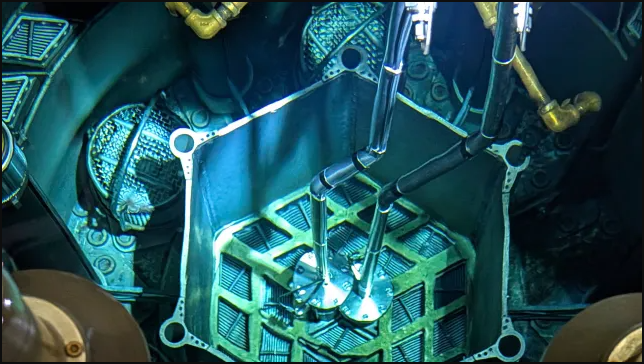
IAEA Launches New Project to Enhance Nuclear Fuel and Materials Testing Capabilities in Research Reactors
The International Atomic Energy Agency (IAEA) recently launched a four-year coordinated research project aimed at optimizing the experimental design of nuclear fuel and structural materials testing in research reactors, enhancing the safety, effectiveness, and efficiency of irradiation experiments. Top view showing a materials testing reactor core loaded with two in-core materials testing devices. (Photo: Y. Ostrovsky/MIT) With the continued advancement of new nuclear reactor technologies, growing interest in small modular reactors, and existing nuclear power plants seeking long-term operation, the demand for reliable testing of new nuclear fuels and structural materials is increasing. Before being put into use in nuclear reactors, these fuels and materials must be tested and qualified under harsh conditions such as radiation and high temperatures...
2026-08-21
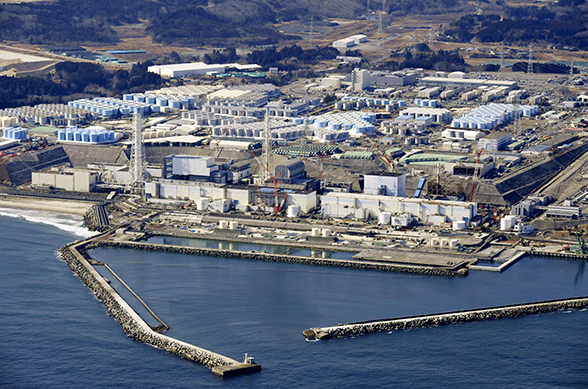
Fire alarm triggered for sixth time in August at Japan's Fukushima Daiichi Nuclear Power Station; fire department confirms no fire occurred
At approximately 3:54 a.m. on August 21, a fire alarm was triggered on the first floor of the access control building at the Fukushima Daiichi Nuclear Power Station. Tokyo Electric Power Company (TEPCO) stated that no open flames or smoke were found near the site; shortly after 5:00 a.m., the fire department confirmed that the alarm was not caused by a fire. Readings from radiation monitoring stations around the plant also showed no significant fluctuations. This was the sixth fire alarm at the Fukushima Daiichi Nuclear Power Station since the beginning of August. Previously, the maintenance building for Units 5 and 6 triggered a fire alarm on August 8; the emergency diesel generator room for the high-pressure core spray system of Unit 6 triggered a fire alarm on August 12; the main administration building triggered a fire alarm on August 13...
2026-08-21
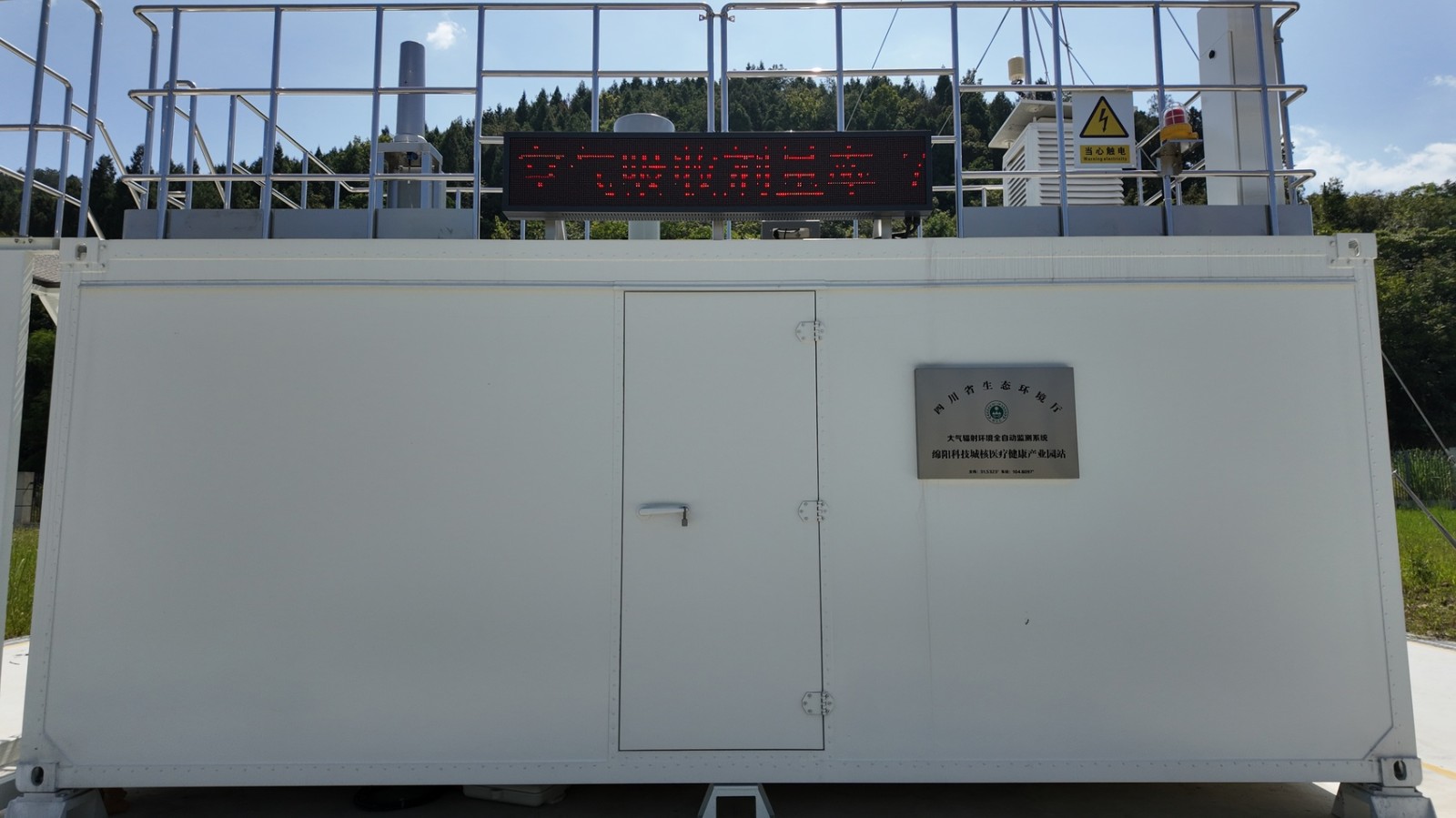
Automatic Radiation Environment Monitoring Station in Mianyang, Sichuan Put into Trial Operation, with Core Equipment and Systems Achieving Domestic Localization
Recently, the automatic radiation environment monitoring station located within the Nuclear Medical Health Industrial Park of the China (Mianyang) Science and Technology City was officially put into trial operation. As the first automatic radiation environment monitoring station in Sichuan Province to fully achieve domestic localization of core equipment and systems, it will provide radiation environment safety assurance for the development of the nuclear medical industry in the park through 24-hour uninterrupted automatic monitoring capabilities. At the automatic radiation environment monitoring station, operational data from equipment such as environmental γ dose rate monitors are updated in real time on monitoring screens. Compared with the previous approach that relied on manual on-site sampling and batch laboratory analysis, the automatic station enables continuous monitoring, reducing the time required to produce monitoring results from several days to the same day, thereby improving...
2026-08-20

Korean Research Team Reveals Mechanism Behind Neutron Irradiation-Induced Reliability Degradation in Ferroelectric AI Semiconductors
Jeonbuk National University announced on the 20th that a research team led by Professor Bae Hak-yeol from the Department of Electronic Engineering at its College of Engineering, in collaboration with Professor Kim Tae-wan's team at Seoul National University and Q-Beam Solution, a startup affiliated with the Korea Atomic Energy Research Institute, conducted a joint study analyzing the causes of performance degradation in next-generation ferroelectric memory and neuromorphic semiconductor devices under neutron irradiation. The findings have been published in the latest issue of ACS Applied Electronic Materials. Ferroelectric semiconductors, which can maintain their polarization state even after power is disconnected, are considered a key candidate for next-generation non-volatile memory and neuromorphic computing devices. Neuromorphic computing aims to simultaneously implement both memory and computation within a single device...
2026-08-20
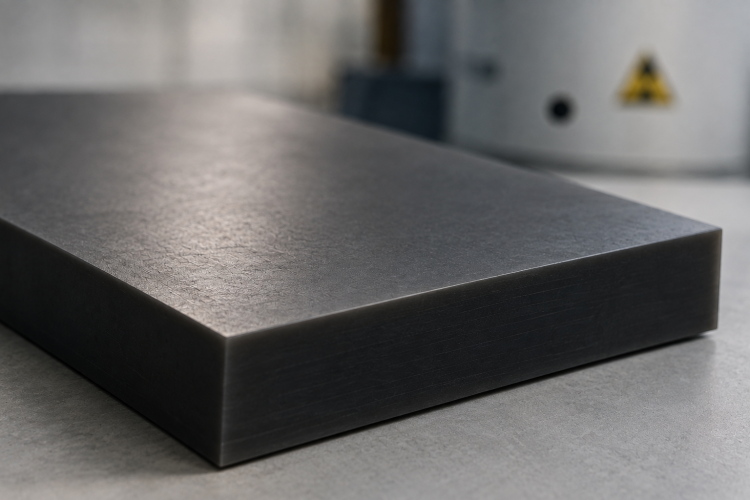
Russian enterprise develops borated polyethylene material for neutron radiation protection
A neutron radiation protection material developed by Russian company NPO Gelar has obtained relevant certification. The material, named Polikeramoplast-PB, is a borated polyethylene that resembles ordinary gray or black plastic sheets in appearance, but its protective performance derives from the combination of hydrogen and boron. According to reports, the hydrogen in the material effectively moderates fast neutrons, reducing the likelihood of subsequent secondary reactions, while the boron helps absorb moderated neutrons. In contrast, traditional heavy metal materials used for gamma-ray shielding are not suitable for standalone neutron protection, as heavy atomic nuclei have limited attenuation effects on neutrons. The material can be used in radiation therapy room protection systems and combined with lead...
2026-08-19
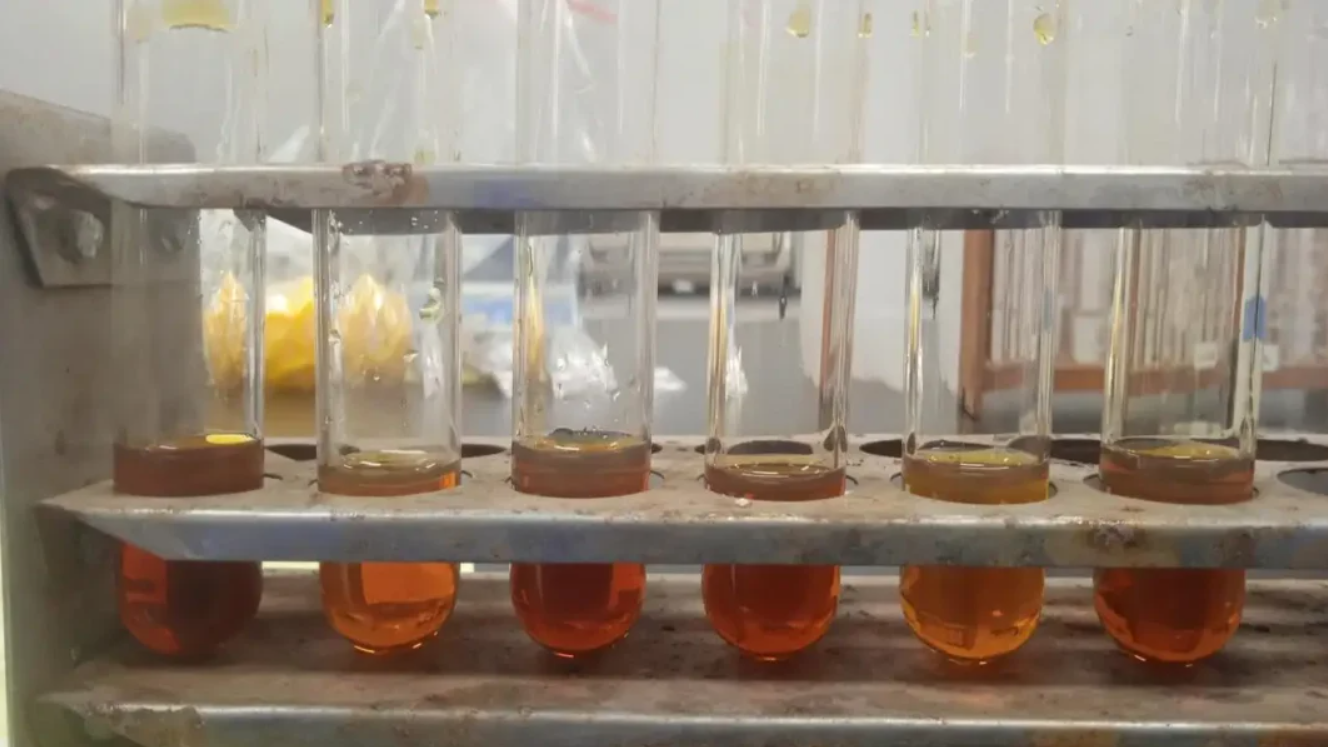
Indonesia Develops Cobalt-60 Gamma Irradiation Technology to Boost Biodiesel Production from Waste Cooking Oil
The Indonesian Nuclear Technology Polytechnic, under the National Research and Innovation Agency (BRIN), has recently successfully developed cobalt-60 (Co-60) gamma irradiation technology and applied it to increase biodiesel production from waste cooking oil. The study aims to explore more efficient pathways for renewable energy production while providing a new solution for the resource utilization of waste cooking oil. Dita Ariyanti, a lecturer at the Indonesian Nuclear Technology Polytechnic, stated that with continued growth in energy consumption and declining fossil fuel reserves, the need to develop alternative energy sources is becoming increasingly urgent. For Indonesia, rising energy demand and dependence on fossil fuels also pose challenges to greenhouse gas emission reduction. Waste cooking oil was previously mostly treated as household waste, and improper disposal could pollute the environment; converting it into biodiesel can reduce waste while obtaining renewable energy.
2026-08-19
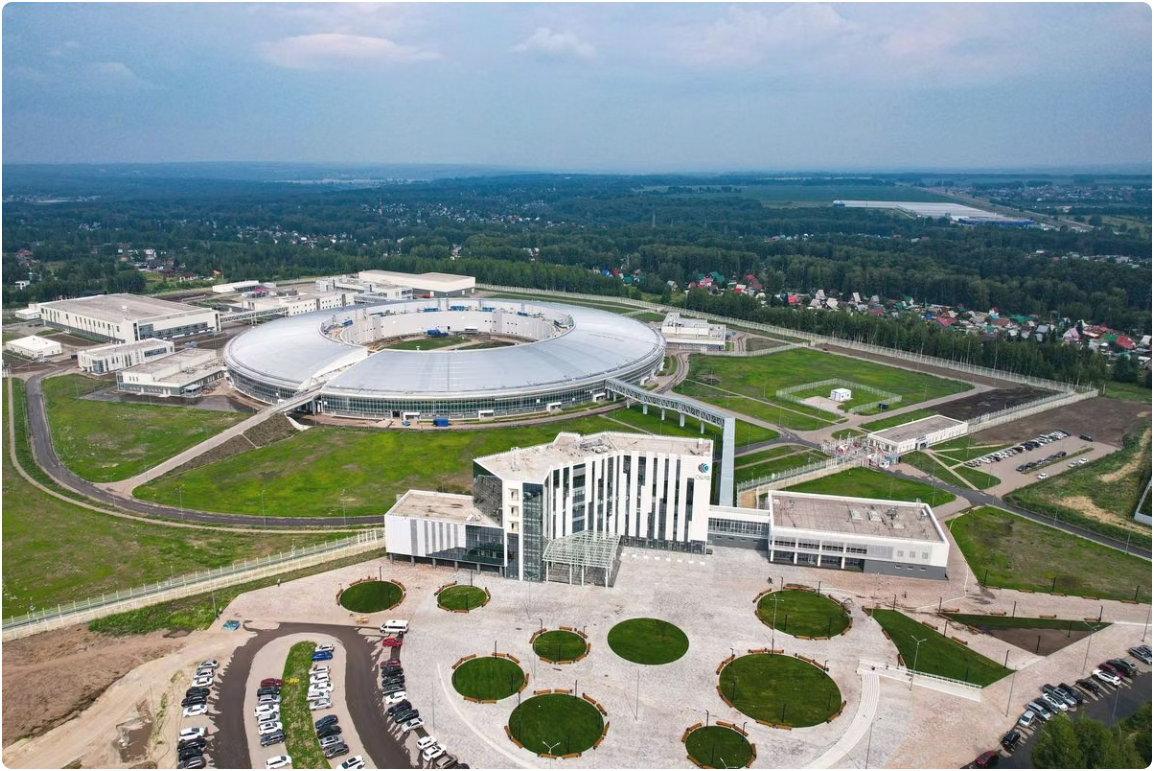
Dodza Completes Equipping of SKIF Shared Center with Automated Radiation Monitoring System
According to news dated August 13, Dodza Nuclear Power Plant has completed the work to equip the Siberian Circular Photon Source Shared Center (SKIF Shared Center) with an automated radiation monitoring system (ARMS). The system will be used for continuous monitoring of the radiation conditions inside the center. The project has been implemented in stages since 2024, covering the main facilities of the SKIF Shared Center, including the injector, storage ring building, and multiple experimental stations. The newly built system features more than 300 monitoring points, enabling continuous monitoring of the radiation environment during facility operation. Under the project arrangement, Dodza Nuclear Power Plant is responsible for equipment supply and supervision of installation and commissioning; equipment installation has also been completed at the experimental stations,...
2026-08-19
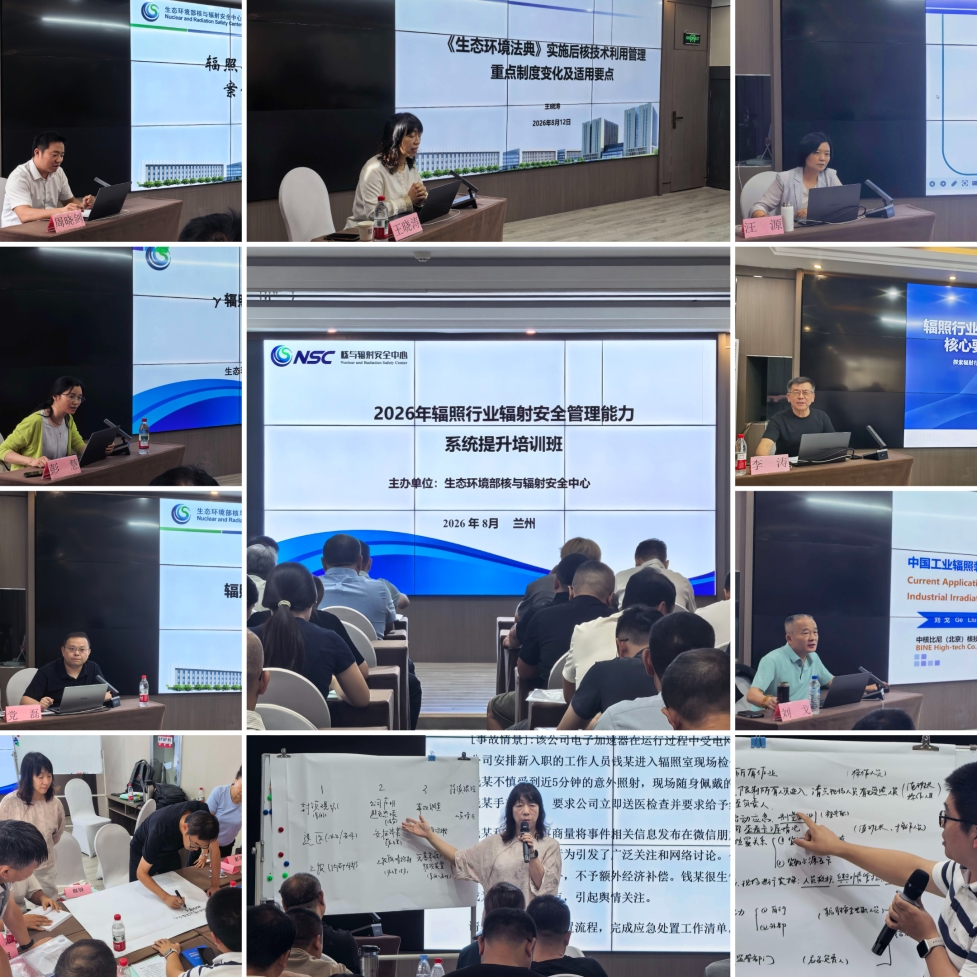
2026 Systematic Training Course on Radiation Safety Management Capability for the Irradiation Industry Successfully Held in Lanzhou
To thoroughly implement the Ecological Environment Code and continuously improve the standardized radiation safety management level of the irradiation industry, the 2026 Systematic Training Course on Radiation Safety Management Capability for the Irradiation Industry, hosted by the Nuclear and Radiation Safety Center of the Ministry of Ecology and Environment (hereinafter referred to as "the Center"), was successfully held in Lanzhou, Gansu Province, from August 11 to 13. More than 80 trainees from over 60 irradiation operation, design and manufacturing, and regulatory departments across the country gathered together to study laws, regulations, and standards and share safety experience. This training closely focused on the new regulatory situation of the irradiation industry and industrial development needs, emphasizing both professionalism and practicality. The courses systematically covered the development status and trends of industrial irradiation facilities,...
2026-08-18
Russian Segment of ISS Adjusts BTN-M2 Equipment Configuration, Continues Neutron and Gamma Radiation Observations
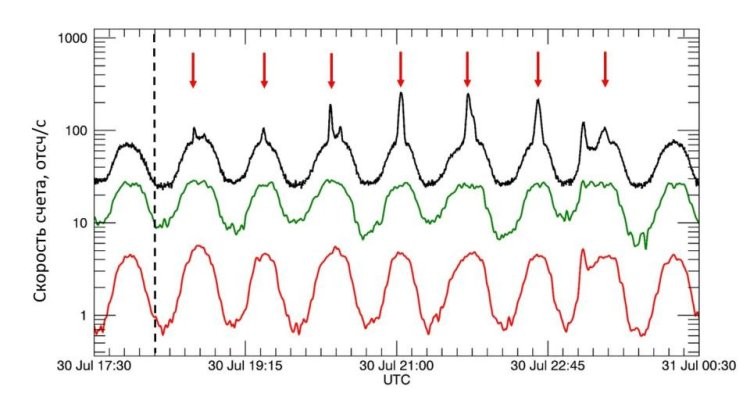
On August 13, 2026, during the ISS-75 expedition mission, Russian cosmonauts Pyotr Dubrov and Anna Kikina performed configuration adjustments to the BTN-M2 scientific equipment inside the Nauka module of the Russian Segment of the International Space Station. Figure 1. Profiles of gamma rays (energies below 500 keV, black curve), 511 keV photons from electron-positron annihilation (green curve), and high-energy neutrons (red curve) detected by the BTN-M2 instrument aboard the ISS on July 30–31, 2026. Red arrows indicate enhanced gamma-ray flux during the solar proton event (SPE) as the ISS passed over high-latitude regions of the Earth...
2026-08-18
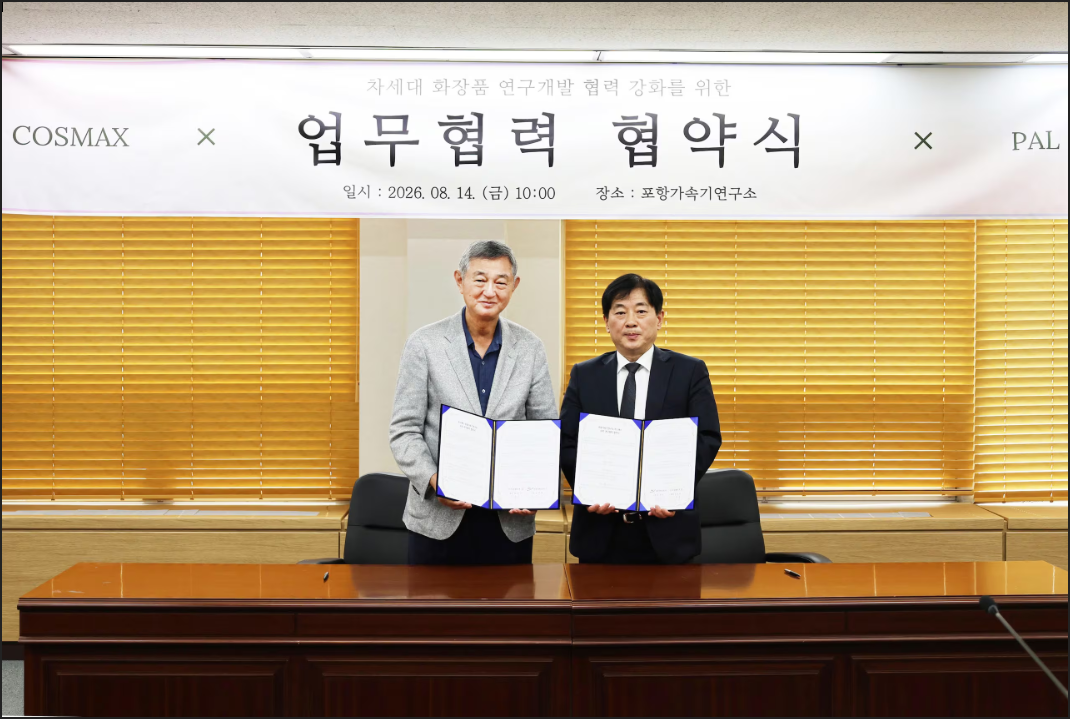
Korea's COSMAX Partners with Pohang Accelerator Laboratory to Use Synchrotron Radiation Accelerator for Cosmetics R&D
COSMAX, a global cosmetics ODM company, announced on the 18th that it has signed a memorandum of understanding with the Pohang Accelerator Laboratory (PAL) in Korea to conduct cosmetics R&D using advanced scientific and technological infrastructure such as the synchrotron radiation accelerator. At the MOU signing ceremony held at the Pohang Accelerator Laboratory, COSMAX Group Chairman Lee Kyung-soo (left) poses with PAL Director Kim Jae-young. / Photo provided by COSMAX. According to reports, the Pohang Synchrotron Radiation Accelerator (PLS-II) operated by the Pohang Accelerator Laboratory generates light more than 10 billion times brighter than sunlight, enabling atomic-scale analysis of nanoscale material structures. Currently, the facility has been used for microstructural research across multiple industrial fields, including new drugs, semiconductors, and new materials.
2026-08-18
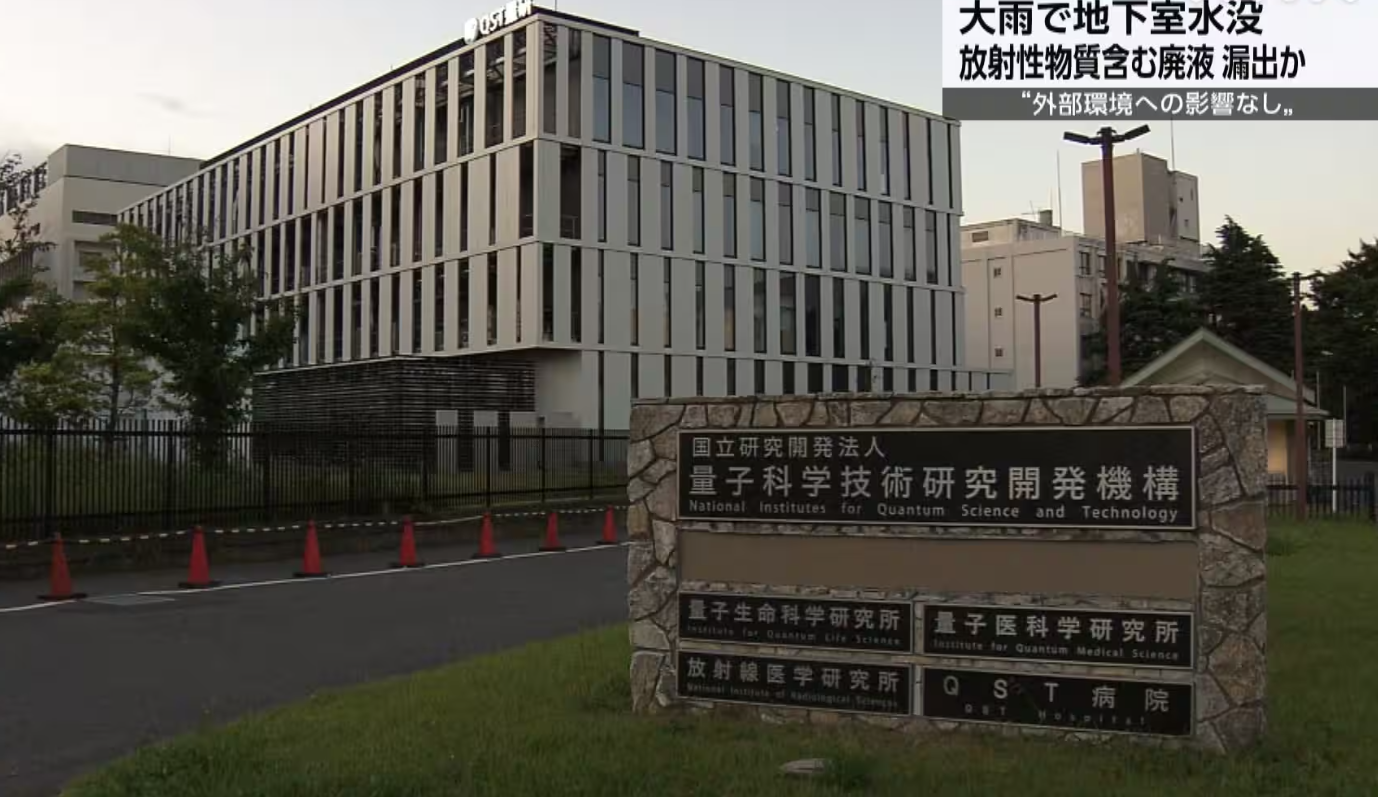
Radioactive liquid waste leak suspected at QST's underground facility in Chiba due to record rainfall
According to Japanese media reports, due to record-breaking rainfall in Chiba Prefecture, an underground facility of the National Institutes for Quantum Science and Technology (QST) in Chiba City was flooded, and radioactive liquid waste in underground storage tanks at the facility may have mixed with rainwater and leaked outdoors. QST stated that as of the 13th, an estimated 2,000 to 3,000 liters of liquid waste had accumulated in the relevant underground storage tanks. After investigating water bodies around the tanks, the institute confirmed that detected radioactive material concentrations were below standard values, and no environmental impact has been indicated so far. QST reported the incident to national and local governments the following day and plans to submit preventive measures to the Nuclear Regulation Authority of Japan.
2026-08-18
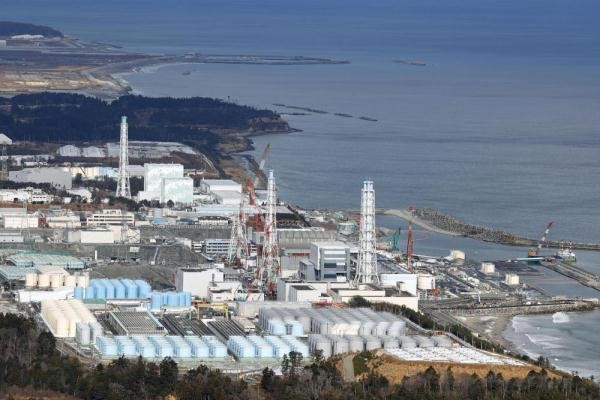
Fire alarm triggered for fifth time at Fukushima Daiichi Nuclear Power Station in August; no fire confirmed on site
At 7:14 a.m. on August 18, a fire alarm was triggered on the first basement floor of the turbine building of Unit 5 at the Fukushima Daiichi Nuclear Power Station. Tokyo Electric Power Company (TEPCO) stated that after fire department personnel arrived and conducted inspections, no fire was confirmed on site at 7:55 a.m. Readings from radiation monitoring stations around the plant showed no significant fluctuations. This was the fifth time a fire alarm had been triggered at the Fukushima Daiichi Nuclear Power Station since the beginning of August. Previously, related alarms had occurred on August 8 at the maintenance building for Units 5 and 6, on August 12 at the emergency diesel generator room for the high-pressure core spray system of Unit 6, on August 13 at the main administration building, and on August 15 at the southwest stairwell of the turbine building of Unit 5. After each of the above alarms was triggered, the fire department confirmed that no fire had occurred...
2026-08-18
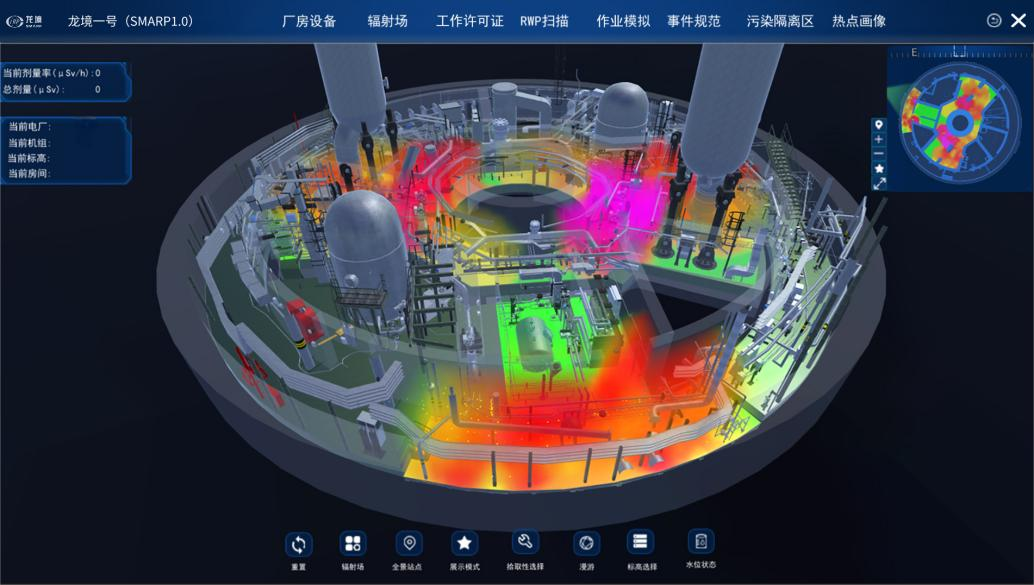
CIRP's "Dragon Realm" Series Advances Digital Upgrade of Radiation Protection for Nuclear Facilities
The Dragon Realm series is a digital radiation protection system product independently developed by CIRP (China Institute for Radiation Protection), refined over more than a decade of accumulation, based on the on-site radiation protection needs of nuclear facilities. It integrates radiation field visualization, real-time monitoring, and intelligent management and control, providing core technical support for the digital transformation of radiation protection in nuclear facilities. Dragon Realm One focuses on "seeing." It recreates the radiation environment of nuclear facilities in three-dimensional digital form, integrating scene roaming and operational simulation to make radiation risks perceivable and tangible, providing an intuitive basis for protection decision-making. Radiation field visualization: establishes a mapping relationship between dose rate and color in the radiation field, achieving 3D visualization of the radiation field. Simulation roaming: supports...
2026-08-18

South Korea's domestically developed lunar radiation detector to travel to the Moon aboard NASA commercial lunar lander
The Korea AeroSpace Administration (KASA) announced on August 17 that the Lunar Space Radiation Detector (LVRAD), independently developed by South Korea, will be mounted on a lander under NASA's Commercial Lunar Payload Services (CLPS) program to conduct observations of the radiation environment on the lunar south pole surface. The two sides signed the relevant implementation agreement on August 14. Under the agreement, KASA plans to complete the development of the flight model of the detector by next year and deliver the equipment to the United States in accordance with the NASA lunar lander mission schedule. NASA will be responsible for integrating the Korean-developed detector onto the commercial lunar lander and supporting its operation and data transmission on the lunar surface after launch. LVRAD consists of...
2026-08-17
Bac Ninh Province, Vietnam, Issues Plan for Peaceful Use of Atomic Energy
The People's Committee of Bac Ninh Province, Vietnam, recently issued Plan No. 299/KH-UBND, deploying the implementation of the province's strategy for the peaceful use of atomic energy through 2035, with a vision toward 2050. Signed by Mai Son, Standing Vice Chairman of the Bac Ninh Provincial People's Committee, the plan aims to implement national strategic tasks in line with local conditions, enhance management efficiency in the atomic energy sector, and promote atomic energy in serving socioeconomic development while ensuring radiation safety, nuclear safety, and nuclear security. Under the plan, Bac Ninh Province will focus on advancing research and applications of radiation technology and radioisotopes in fields such as healthcare, agriculture, natural resources and environment, and industry, while strengthening the safety management of radiation sources. Relevant applications will serve...
2026-08-15