
Search Results
Keyword:radionuclides
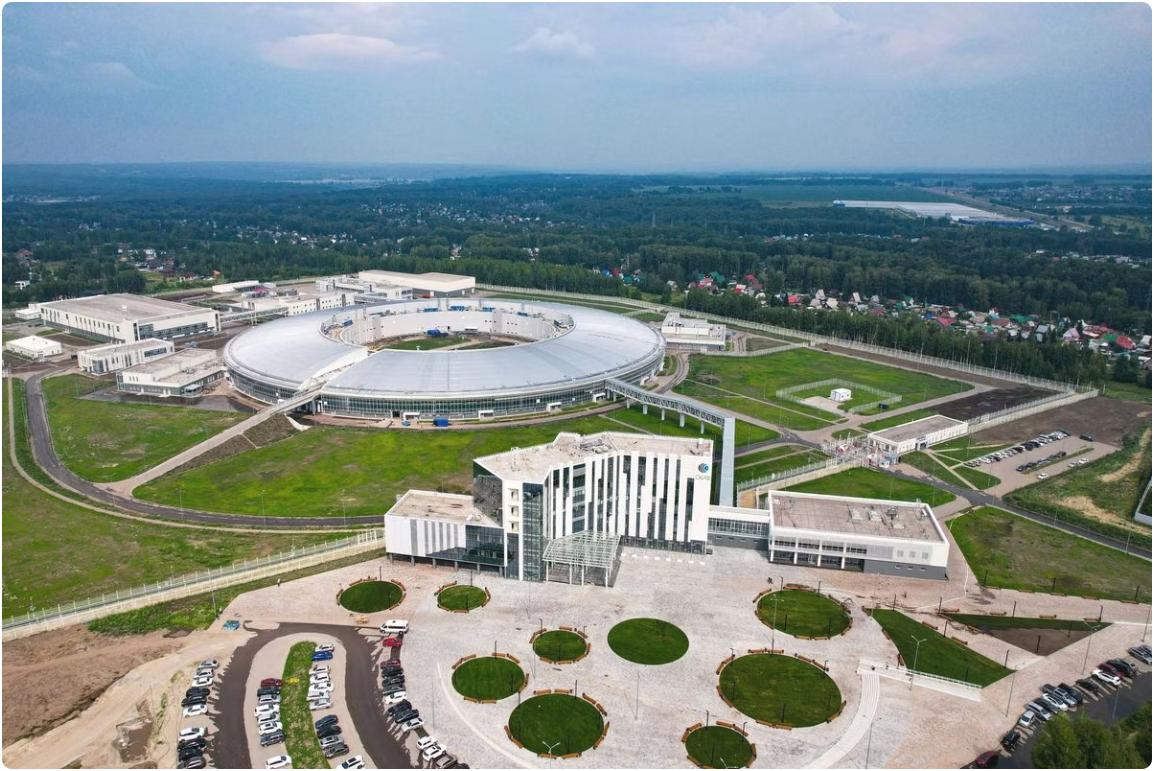
Russian Academician Says SKIF Synchrotron Light Source Will Not Produce Radionuclides, Safe and Controllable in Operation
Yevgeny Levichev, an academician of the Russian Academy of Sciences and director of the Collective Use Center of the Siberian Circular Photon Source (SKIF), recently stated that synchrotron light sources, including SKIF located near Novosibirsk, are electrophysical equipment with safe and controllable operation that poses no threat to personnel even in the event of a malfunction. Levichev said that unlike facilities such as nuclear power plants, synchrotron light sources do not generate isotopes or radionuclides in their systems. In the event of an anomaly, the beam is reset, and the facility's risk level is close to that of ordinary electrical equipment. According to reports, construction of the SKIF synchrotron was completed in June 2026, with an inauguration ceremony held in August. Once the facility is operational...
2026-09-01
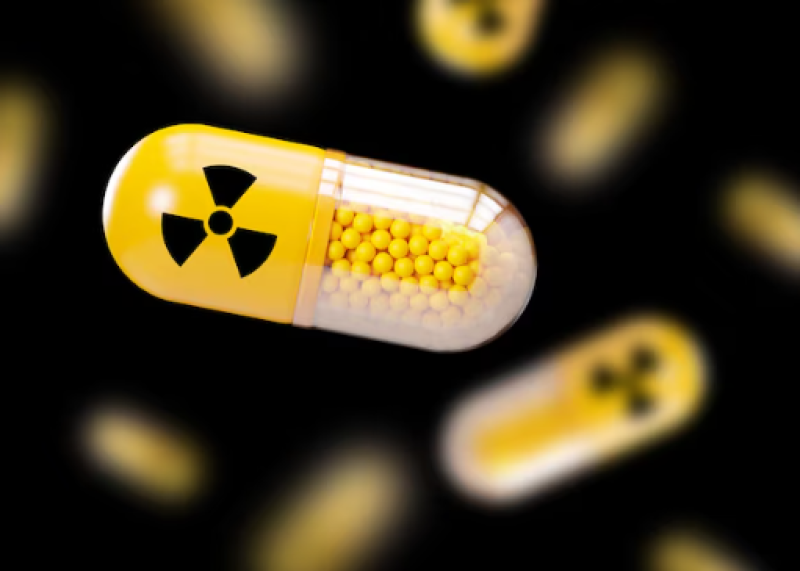
Russia Advances Radiopharmaceutical Development, Plans to Expand into Diagnostics and Treatment of Heart Disease and Other Conditions
Rosatom is developing radiopharmaceuticals for the diagnosis and treatment of neurodegenerative diseases, heart disease, and rheumatic conditions, further expanding the application of radionuclide technology in medicine. During the 13th International Technology Development Forum Technoprom-2026 held in Novosibirsk, Sergei Surov, Director of the Department of Radionuclide Products and Nuclear Medicine at Rosatom's Science Division, stated that the company is advancing the development of these drugs. Radiopharmaceuticals typically contain radioactive isotopes, i.e., radionuclides, and are currently used in medicine primarily for the diagnosis and treatment of various cancers. Surov noted that the new development directions mean...
2026-08-28
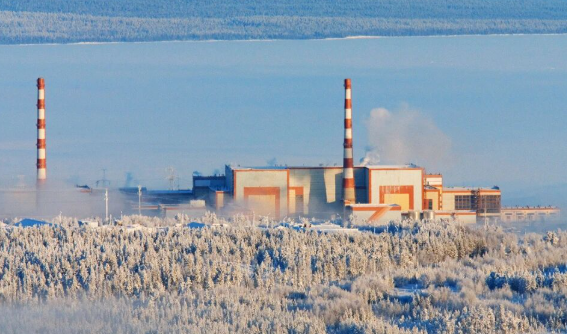
Long-term radiation environment at Kola NPP remains under control: gamma dose rates within natural background levels, 15 permanent observation stations operating since 1972
Long-term monitoring results from the external radiation monitoring group at Russia's Kola Nuclear Power Plant show that gamma radiation dose rates around the plant site have consistently remained within natural background radiation levels, with radionuclide concentrations matching background values, indicating a sound radiation environment with no differences from surrounding areas. The station's radiation safety department collects surface water samples from the discharge canal monthly, with monitoring coverage encompassing all elements including the atmosphere, snow cover, bottom sediments, food products, algae, berries, mushrooms, and caged fish. The monitoring architecture consists of two tiers: 15 permanent environmental observation stations have been in continuous operation since before the commissioning of the first reactor unit in 1972; 13 ASKRO automated radiation environment monitoring system stations provide real-time ground-level gamma dose rate data, which is transmitted directly to the Rosenergoatom crisis center and integrated into the national unified radiation monitoring network. Approximately 200,000 cubic meters of air are drawn weekly through air filtration units to capture radionuclides, with volumetric activity of radioactive iodine also measured. A mobile radiological laboratory performs on-site spectrometric analysis. Annually, about 1,200 environmental samples are collected from around the plant site and delivered to the Polyarnye Zori laboratory, where well water samples analyzed by Canberra spectrometers yield "zero nuclide" results, with samples retained for one year for potential re-analysis. Biological samples are processed using the ashing method, and instrument sensitivity is sometimes insufficient to even detect any signal from the plant's impact.
2026-08-14
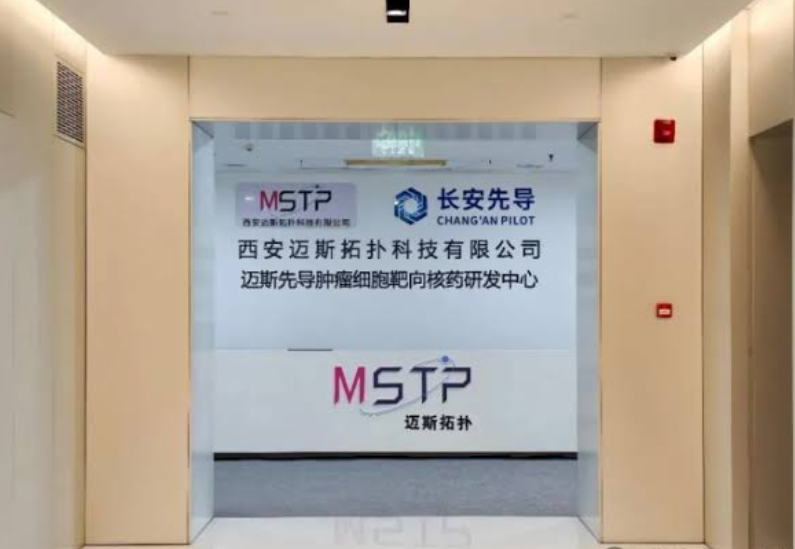
Maistop Completes Pre-A Round Financing to Advance Medical Radionuclide Industrialization via Electron Accelerator Method
August 12 news, Xi'an Maistop Technology Co., Ltd. recently completed its Pre-A round of financing, with investors including the Central Enterprise Strategic Emerging Fund and Guoxin Venture Capital Fund, both under China Reform Holdings Corporation. The proceeds from this round will primarily be used for site construction, equipment procurement, technology R&D, and daily operations. Founded in 2019, Maistop is a technology enterprise engaged in the R&D and production of medical radionuclides as well as nuclear medicine technical services. The company focuses on the preparation of medical radionuclides via the electron accelerator photonuclear reaction method, with core products including Actinium-225, Lead-212, Copper-67, and Molybdenum-99. Among these, Actinium-225 is a scarce radionuclide of significant interest in alpha-emitting nuclide targeted therapy, with relatively strong global clinical demand...
2026-08-13
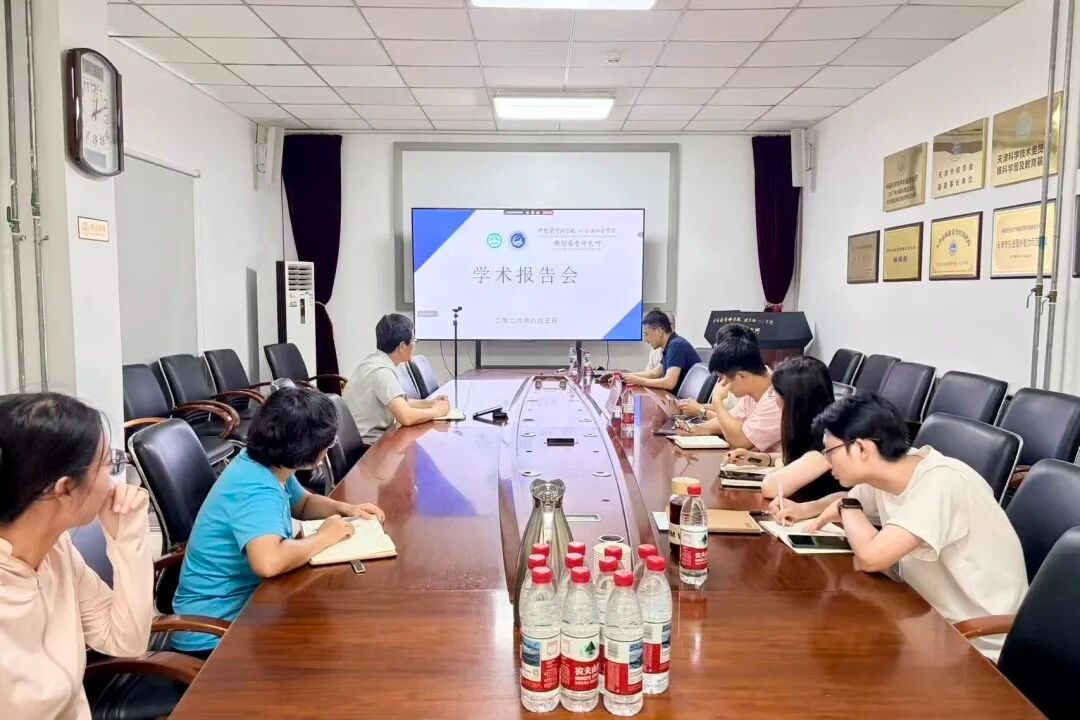
Institute of Radiation Medicine, Chinese Academy of Medical Sciences Hosts Academic Seminar on PSMA-Targeted Radiopharmaceuticals
On August 3, the Institute of Radiation Medicine, Chinese Academy of Medical Sciences held an academic seminar, inviting Professor Lin Guoxian from the BC Cancer Agency in Vancouver, Canada, to deliver a lecture titled "Development of Prostate-Specific Membrane Antigen-Targeted Radiopharmaceuticals for the Diagnosis and Treatment of Prostate Cancer." The seminar was held in a hybrid format, with some researchers and graduate students from the institute attending in person. Professor Lin Guoxian has long been engaged in the development of targeted radiopharmaceuticals for cancer diagnosis and therapy, having led or contributed to the publication of over 135 peer-reviewed journal articles, filed more than 30 patent applications related to radiopharmaceuticals, and completed clinical translation of 7 self-developed radiopharmaceuticals applied in...
2026-08-07
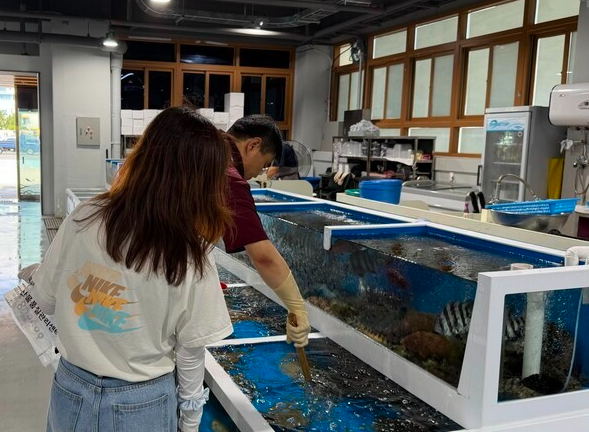
Pohang, South Korea, launches a special inspection for foodborne pathogens and radionuclides in summer seafood.
Pohang City in North Gyeongsang Province, South Korea, has recently launched a special safety inspection campaign for seafood during the summer season to address potential risks of foodborne illness associated with rising air and seawater temperatures. Ru
2026-07-27