
Search Results
Keyword:safety regulation

Vietnam Seeks French CEA Support to Restart Nuclear Power Program
On the morning of September 11 local time, To Lam, General Secretary of the Central Committee of the Communist Party of Vietnam and President of Vietnam, who is on an official visit to France, led a high-level Vietnamese delegation to visit the French Alternative Energies and Atomic Energy Commission (Commissariat à l'énergie atomique et aux énergies alternatives, CEA). During the visit, the CEA briefed To Lam and the high-level Vietnamese delegation on France's core technology development. The CEA focuses on research in strategic fields such as nuclear energy, semiconductors, quantum technology, and artificial intelligence. To Lam stated that Vietnam is restarting its national nuclear power program, including the Ninh Thuan nuclear power project and the nuclear science and technology research center...
2026-09-12
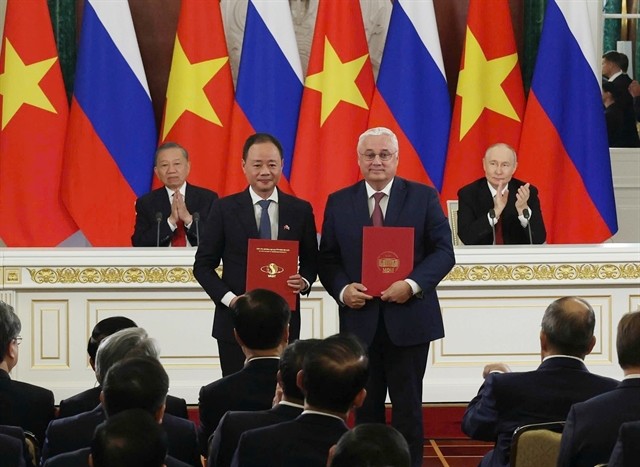
Vietnam and Russia Exchange Agreement on Nuclear Safety Regulation for Peaceful Uses of Atomic Energy
On September 9 local time, during the state visit to Russia by To Lam, General Secretary of the Communist Party of Vietnam Central Committee and President of Vietnam, multiple cooperation documents were exchanged in Moscow, witnessed jointly by To Lam and Russian President Vladimir Putin. Nuclear energy-related documents include the agreement between the Vietnam Agency for Radiation and Nuclear Safety (VARANS) and the Federal Environmental, Industrial and Nuclear Supervision Service of Russia (Rostekhnadzor) on radiation and nuclear safety management for the peaceful uses of atomic energy. The agreement covers activities in the peaceful uses of atomic energy...
2026-09-10
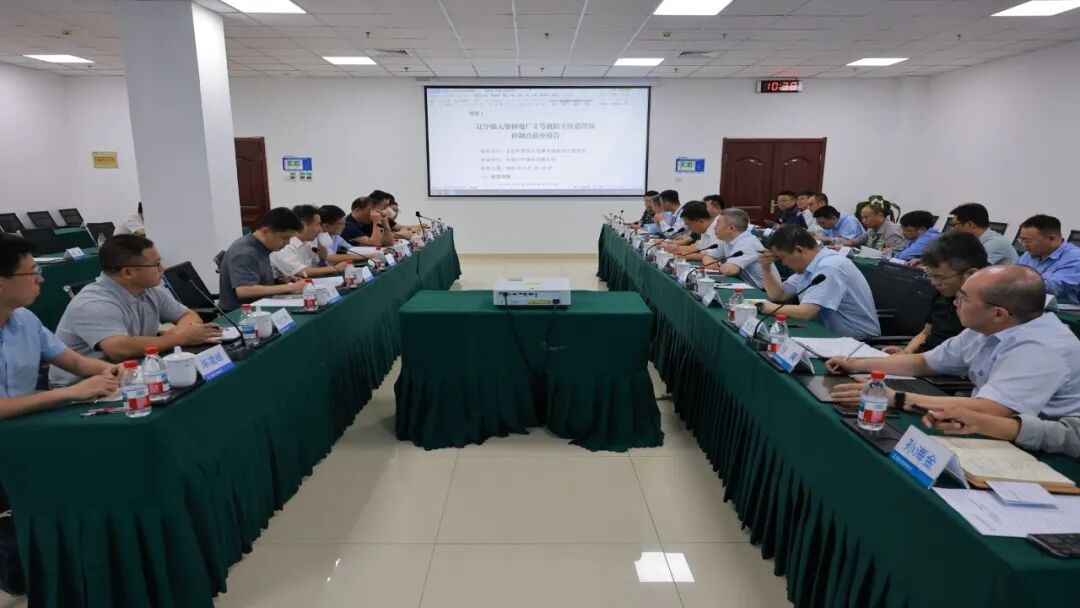
Release of the Main Piping Welding Control Point for Unit 2 of Xudabao Nuclear Power Plant
Recently, the Northeast Regional Office of Nuclear and Radiation Safety Supervision under the Ministry of Ecology and Environment (hereinafter referred to as the Northeast Office) organized an inspection team to conduct an inspection at the main piping welding control point for Unit 2 of Xudabao Nuclear Power Plant. Experts from the East China Regional Office of Nuclear and Radiation Safety Supervision, the South China Regional Office of Nuclear and Radiation Safety Supervision, the Nuclear and Radiation Safety Center, the China Machinery Productivity Promotion Center, the Shanghai Nuclear Safety Review Center, the Suzhou Nuclear Safety Center, and other organizations participated in the inspection. As a critical component of the reactor coolant pressure boundary, the welding quality of the main piping is directly related to the construction quality and operational safety of the nuclear power unit. In strict accordance with relevant procedural requirements, the inspection team conducted a comprehensive inspection covering the implementation of the operating organization's quality assurance program, quality control of important items and activities, and preparation for main piping welding through on-site inspections, document reviews, and personnel interviews...
2026-09-05
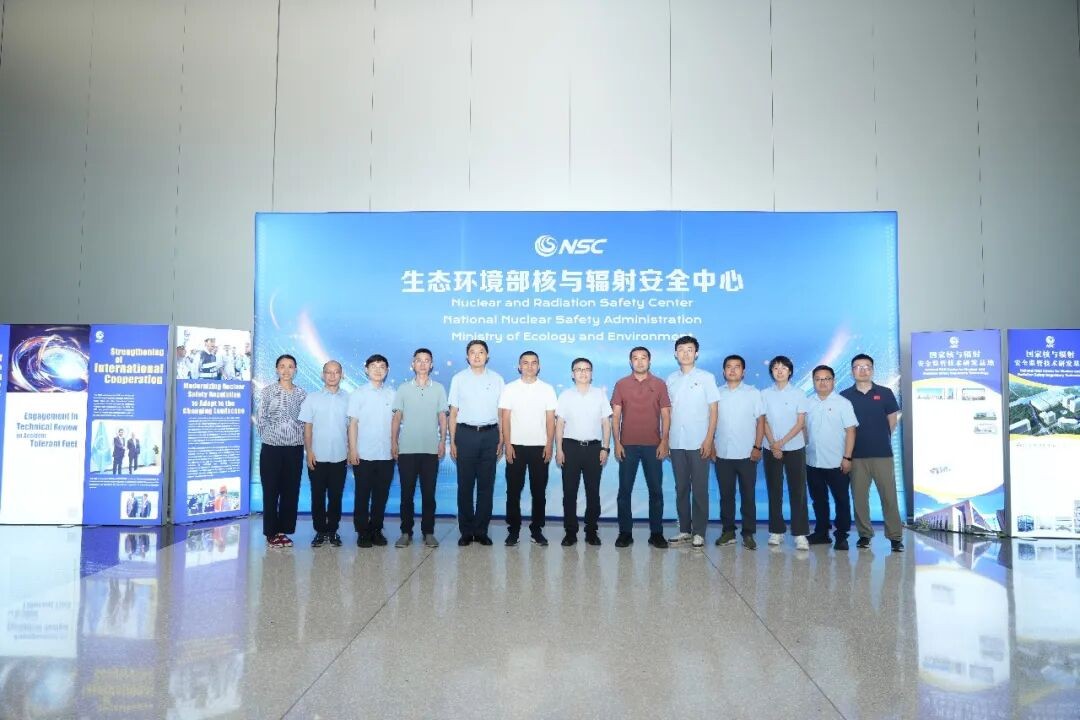
China and Uzbekistan Deepen Cooperation in Nuclear Safety Regulatory Training
Since the National Nuclear Safety Administration and the Industrial, Radiation and Nuclear Safety Committee of Uzbekistan signed a Memorandum of Understanding (MoU) on nuclear safety cooperation at the beginning of the year, the two sides have continued to deepen their cooperation in the field of nuclear and radiation safety regulation. As an important measure to implement the MoU, the Nuclear and Radiation Safety Center of the Ministry of Ecology and Environment has successively organized two special training sessions for Uzbek nuclear safety regulators and convened China-Uzbekistan technical exchange activities on nuclear safety regulation. In June, the first training session focused on China's regulatory oversight of civil nuclear safety equipment. Experts from the Nuclear and Radiation Safety Center and the Northeast Regional Office of Nuclear and Radiation Safety Supervision delivered a four-week special training program for Uzbek trainees based on regulatory practices, covering China's...
2026-09-05
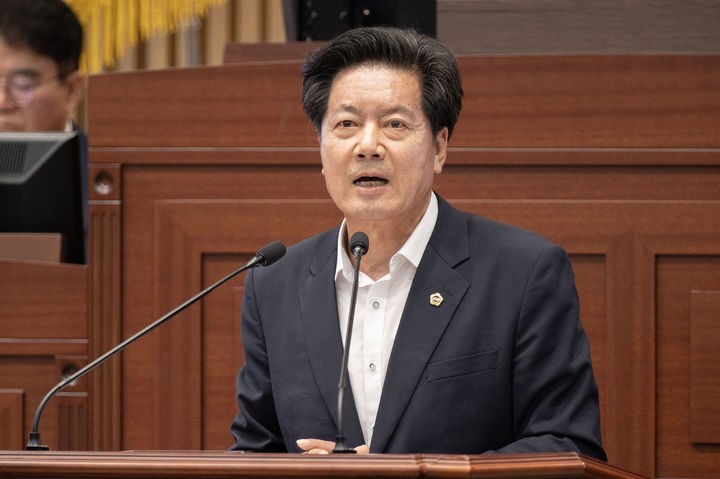
Gyeongsangbuk-do lawmakers demand stronger nuclear power plant accident notification and oversight
On September 3, Gyeongsangbuk-do lawmaker Kim Jae-jun spoke at the 365th provisional session of the Gyeongsangbuk-do Council, criticizing the delayed notification and inadequate response to the recent boric acid solution leak at Unit 6 of the Hanul Nuclear Power Plant, and calling for stronger resident safety protection mechanisms in areas with concentrated nuclear power plants. Kim stated that on August 3, a boric acid solution containing radioactive materials leaked from Unit 6 of the Hanul Nuclear Power Plant during spent fuel transfer, but local residents were not informed of the incident until approximately three weeks after it occurred. He argued that Korea Hydro & Nuclear Power (KHNP) failed to disclose information about the incident promptly and transparently, undermining residents' trust in nuclear safety management...
2026-09-04
The Fifth Meeting of 2026 on the Construction of the Nuclear Power Safety and Health Archive System Convened
Recently, the Working Group on the Construction of the Nuclear Power Safety and Health Archive System held its fifth promotion meeting of 2026 and thematic subgroup meetings. Representatives from all member units of the working group and relevant organizations attended the meetings. The meetings discussed the progress of informatization construction, computing resource allocation, data governance and sharing, and R&D of digital and intelligent applications for the nuclear power safety and health archive system. Live demonstrations were conducted on the functional implementation of the health archive information systems on both the regulatory side and across various corporate groups. The achievements in system construction were summarized on a phased basis, existing issues were reviewed, and near-term work tasks were deployed. The meetings noted that the construction of the nuclear power safety and health archive system is an important endeavor in promoting the transformation of nuclear safety management and regulatory mechanisms. At present, data governance has achieved initial results, the data verification mechanism has been effectively implemented, and the development of application scenarios is being steadily advanced, creating conditions for the continued improvement of the system. The meetings required that: first, continue to adhere to a goal-oriented and problem-oriented approach, focus on the fundamental functions of the system, concentrate efforts on further addressing shortcomings in a targeted manner, and steadily advance system construction; second, in light of pilot application results, promptly conduct reviews and summaries, comprehensively identify difficulties, bottlenecks, and weak links, and improve the system's operational effectiveness across the entire process; third, continue to coordinate and advance various tasks including data benchmarking and warehousing, frontline demand research, and scenario development and implementation, making every effort to ensure the high-quality completion of the nuclear power safety and health archive system, thereby contributing to the continuous improvement of the operational safety and construction quality of nuclear power plants in China.
2026-09-04
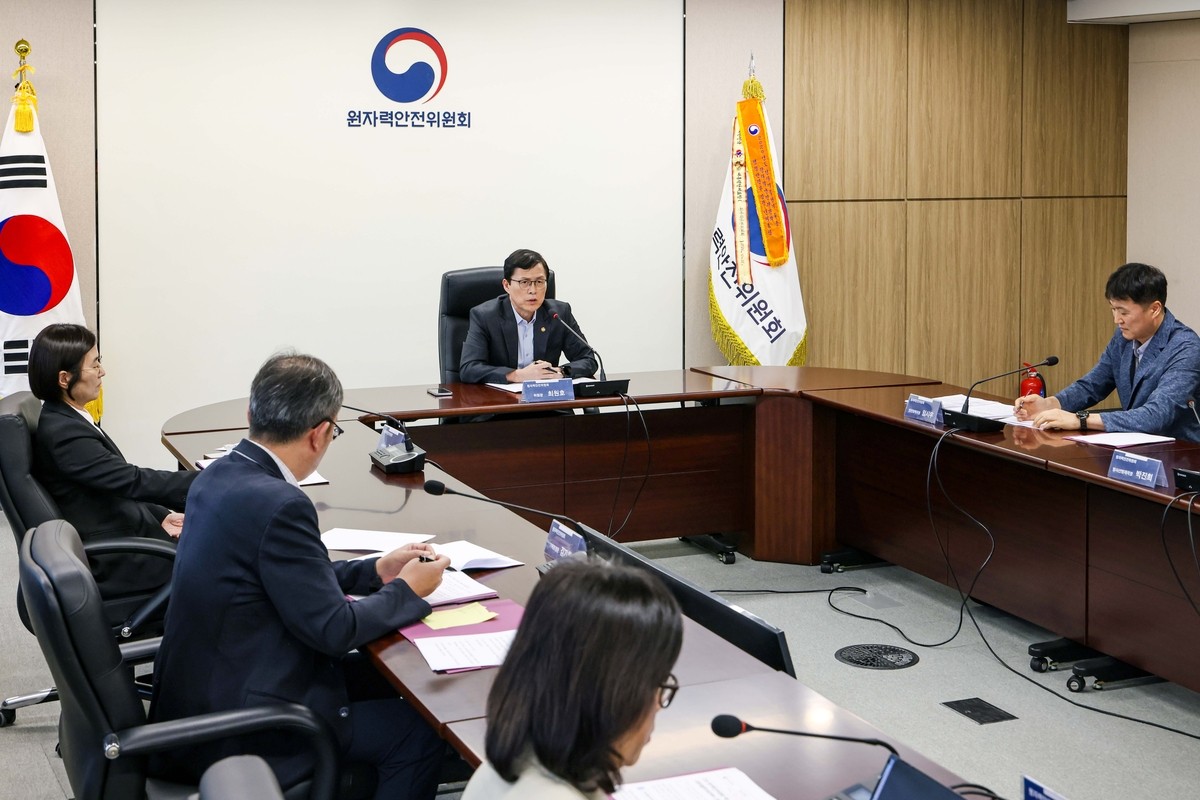
South Korea's Nuclear Safety Regulatory Budget for 2027 Rises to KRW 303 Billion
The Nuclear Safety and Security Commission (NSSC) of South Korea announced on September 1 that it has allocated KRW 303 billion for the 2027 budget, an increase of KRW 10.4 billion from this year. The new budget focuses on areas such as small modular reactor regulation, spent nuclear fuel safety, nuclear facility decommissioning review, environmental radiation monitoring, and nuclear safety information disclosure. Regarding small modular reactors, as non-light water reactor-type small modular reactor development projects aim to obtain licenses by the early 2030s, South Korea will invest KRW 8 billion in R&D to establish a new safety evaluation system. In addition, in line with the preliminary review system set to take effect in November this year, the government has allocated KRW 2.7 billion to conduct preliminary reviews of non-light water reactor-type small modular reactors expected to file applications next year. This system allows applicants to request regulatory review of reactor designs before formally submitting license applications.
2026-09-02
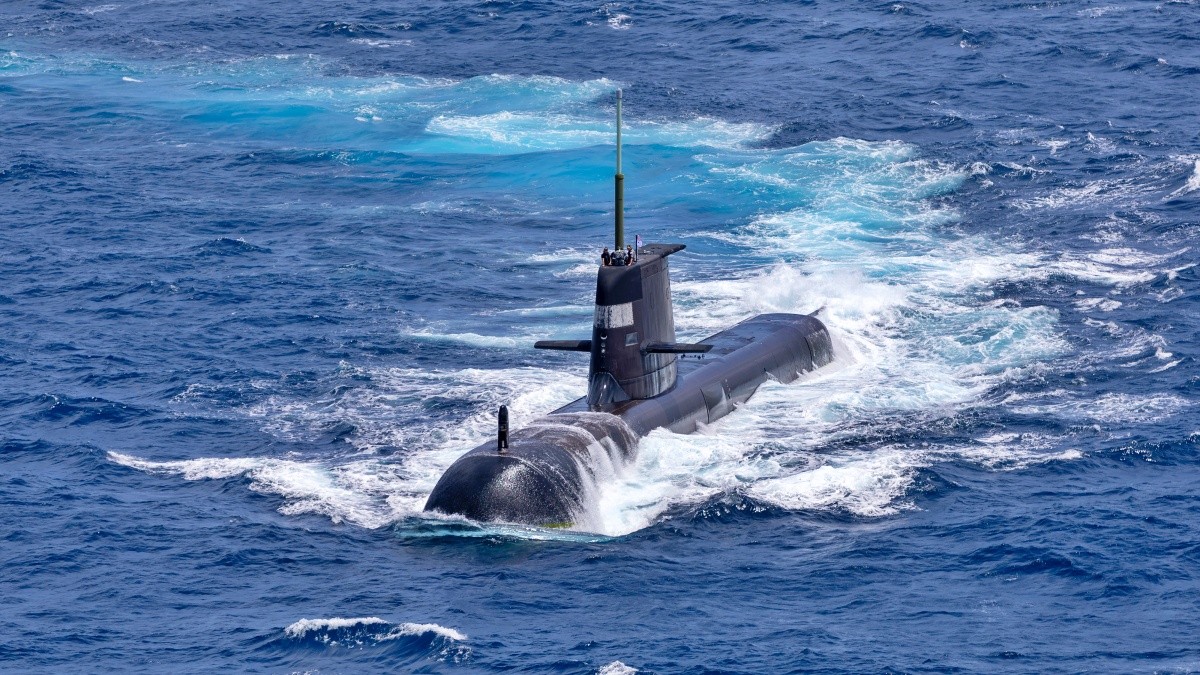
South Korean Lawmaker Proposes Special Act on Nuclear-Powered Submarines
Yoo Yong-won, a lawmaker from South Korea's People Power Party (PPP), proposed a draft of the Special Act on the Nuclear-Powered Submarine Project on August 27, aiming to establish a dedicated legal basis for introducing nuclear-powered submarines to South Korea. The South Korean government is currently advancing the nuclear-powered submarine project as a national strategic initiative. At a press conference held at the National Assembly that day, Yoo stated that the existing Defense Acquisition Program Act and Nuclear Safety Act have limitations in fully reflecting the unique characteristics of military nuclear propulsion systems, making it necessary to enact a special law. The draft proposes establishing a Nuclear-Powered Submarine Strategic Committee under the president's leadership to deliberate on major related matters...
2026-08-28
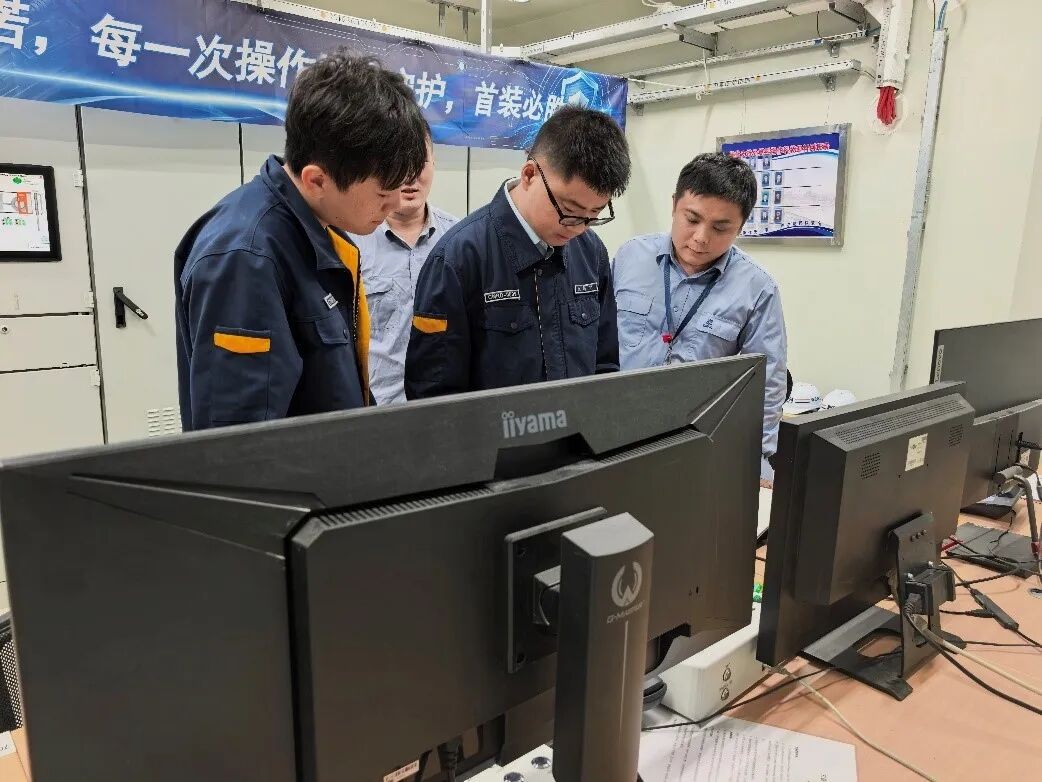
Ministry of Ecology and Environment North China Regional Office of Nuclear and Radiation Safety Supervision Conducts Supervision of First Fuel Loading at Tianwan Nuclear Power Plant Unit 7
Recently, the first fuel loading of Unit 7 at Tianwan Nuclear Power Plant was officially initiated, with the first fuel assembly successfully loaded into the reactor core, marking the unit's formal transition into the commissioning phase with nuclear operation. This unit is a key cooperative project witnessed by the heads of state of China and Russia via video link at its groundbreaking ceremony. This fuel loading marks a significant milestone achievement in the largest strategic cooperation project in China-Russia nuclear energy cooperation. As a core and critical procedure in nuclear power engineering, the first fuel loading serves as a comprehensive and holistic verification of the unit's engineering construction quality, system commissioning effectiveness, and safety control capabilities, and is of decisive significance to the subsequent safe and stable operation of the unit. The Ministry of Ecology and Environment North China Regional Office of Nuclear and Radiation Safety Supervision (hereinafter referred to as the North China Regional Office) has consistently upheld the nuclear safety regulatory work style of "rigorous, prudent, meticulous, and practical," closely focusing on the core and critical aspects of the first fuel loading, and implementing full-coverage, full-chain, and whole-process supervision and control over this fuel loading operation, effectively safeguarding the safety and quality defense line of the loading operation.
2026-08-26
Northeast Regional Office of the Ministry of Ecology and Environment Conducts Construction Quality Dialogue for Xudabao Nuclear Power Plant
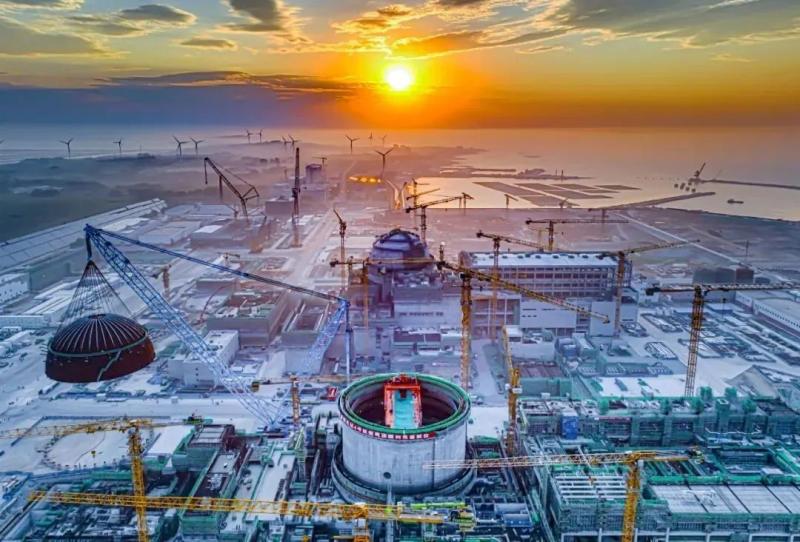
Recently, the Northeast Regional Office of Nuclear and Radiation Safety Supervision of the Ministry of Ecology and Environment (hereinafter referred to as the Northeast Office) held a construction quality dialogue with CNNC Liaoning Nuclear Power Co., Ltd. (hereinafter referred to as the Operating Unit) for the Xudabao Nuclear Power Plant, aiming to promote the implementation of nuclear safety responsibilities and ensure the effective operation of the quality assurance system. China National Nuclear Power Co., Ltd. and relevant construction participating units attended the event. The dialogue reviewed the Operating Unit's presentation on quality issues related to nuclear safety-related structures, systems, equipment, and design, systematically identified management shortcomings, analyzed root causes, and developed improvement measures. The Northeast Office pointed out that construction quality issues reflect that various units still have inadequacies in fulfilling nuclear safety responsibilities and quality assurance responsibilities, with insufficiently effective transmission of responsibility pressure. All units must deeply recognize that the Xudabao Nuclear Power Plant is at a critical stage with two reactor types and four units under simultaneous construction, where civil construction, installation, and commissioning tasks overlap, marking a high-risk period for construction quality. The primary nuclear safety responsibility of the Operating Unit must be firmly consolidated, and the corresponding nuclear safety responsibilities of all units must be reinforced.
2026-08-24

South Korea Amends Nuclear Safety Act to Clarify Safety Responsibilities of Nuclear Facility Operators
The National Assembly of South Korea passed a partial amendment to the Nuclear Safety Act at its 438th special session on August 20, marking the first time that nuclear-related business operators' primary responsibility for nuclear facility safety has been explicitly established at the legal level. This move signifies that South Korea's nuclear safety management system will further transition from a licensing and regulation-centered approach to a responsibility system aligned with the safety principles of the International Atomic Energy Agency (IAEA). The amendment was proposed by South Korean lawmaker Oh Se-hee. Prior to the revision, South Korea's Nuclear Safety Act primarily established safety standards and regulatory procedures around reactor construction and operating licenses, nuclear material use, and radioactive waste management facility operations, but lacked...
2026-08-21
Ukraine Approves Expansion of Buryakivka Radioactive Waste Disposal Facility
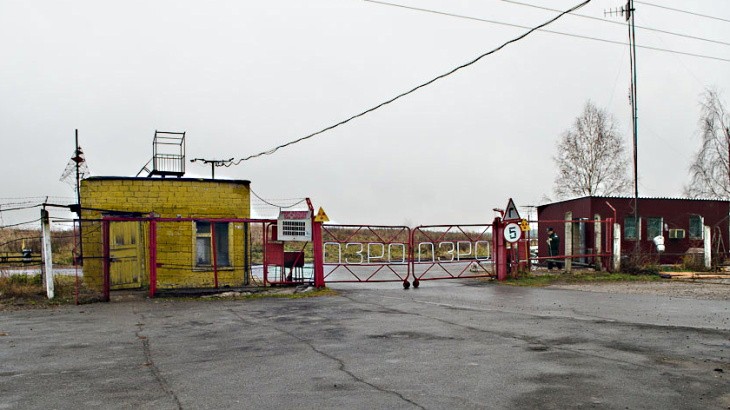
The State Nuclear Regulatory Inspectorate of Ukraine (SNRIU) has approved the construction of a new disposal facility at the Buryakivka radioactive waste disposal site for the disposal of low- and intermediate-level radioactive waste generated during the cleanup of the Chernobyl nuclear accident. The Buryakivka radioactive waste disposal facility is located within the Chernobyl Exclusion Zone and is one of Ukraine's key facilities for managing radioactive waste associated with the Chernobyl accident. Built as part of priority emergency measures following the accident, the facility was commissioned in 1987 and primarily receives low- and intermediate-level radioactive waste from the Chernobyl region. Currently, the facility is operated by the Central...
2026-08-20
Minister of Ecology and Environment Huang Runqiu Visits Zhejiang to Survey Ecological Environmental Protection and Nuclear Power Safety Regulation
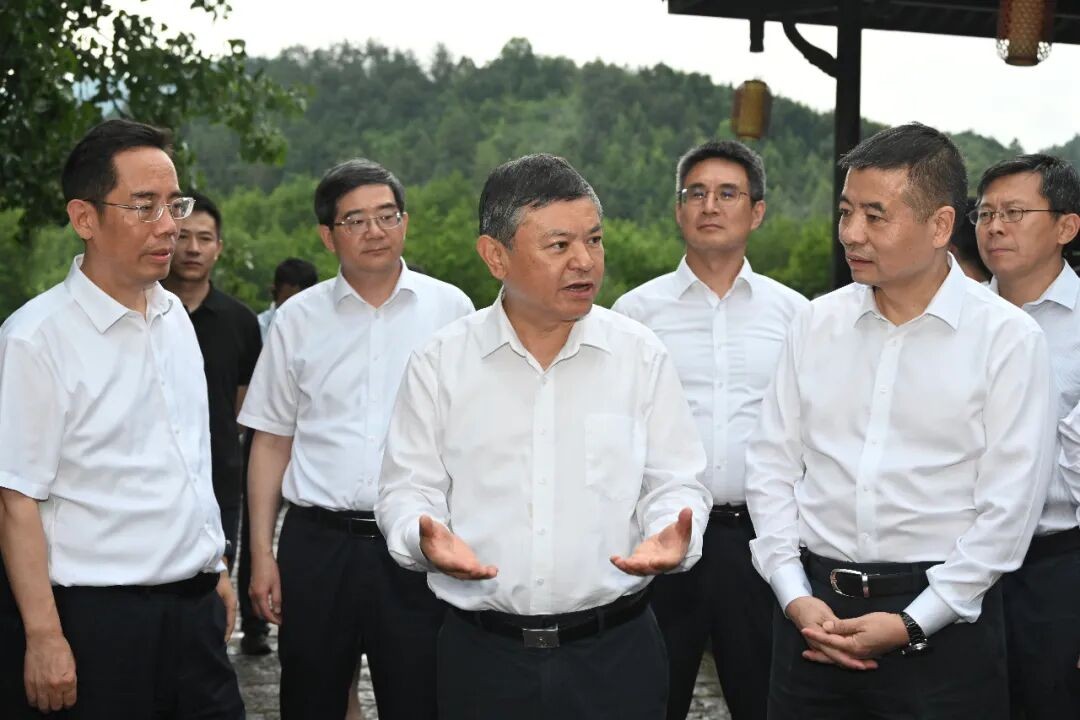
From August 14 to 15, Minister of Ecology and Environment Huang Runqiu visited Lishui, Taizhou, and Ningbo in Zhejiang Province to survey ecological environmental protection efforts. During his tenure in Zhejiang, General Secretary Xi Jinping visited Lishui multiple times and expressed high expectations for strengthening ecological environmental protection. Huang Runqiu visited Liandu District in Lishui to inspect on-site the outcomes of Oujiang River ecological environment governance, rural living environment improvement, and ecological protection efforts, and also toured the Ecological Product Value Realization Mechanism (Lishui) Exhibition Hall to gain in-depth understanding of local practical experience in advancing ecological product value accounting and exploring the "Two Mountains" transformation pathway. He stated that it is essential to thoroughly study and implement Xi Jinping Thought on Ecological Civilization, firmly establish and practice the concept that lucid waters and lush mountains are invaluable assets, adhere to ecological priority and green development, and effectively protect this beautiful landscape. It is necessary to fully leverage the role of demonstration models, deepen the application of the "Thousand Villages Demonstration, Ten Thousand Villages Improvement" experience, continuously improve the rural living environment, develop distinctive industries such as "ecology + cultural tourism" tailored to local conditions, and support rural ecological revitalization. It is also important to summarize and promote the "Two Mountains" transformation model, actively expand channels for realizing ecological product value, and continuously convert ecological advantages into development advantages. Actively, safely, and in an orderly manner developing nuclear power is an important measure for building a clean, low-carbon, safe, and efficient energy system and for achieving carbon peak and carbon neutrality. Huang Runqiu visited the Sanmen Nuclear Power Plant in Taizhou, going deep into the main control room of the operating unit and the nuclear island building of the unit under construction to learn in detail about the operation status and construction progress of the nuclear power units, and to express condolences to and meet with the on-site supervision personnel of the East China Regional Office of Nuclear and Radiation Safety Supervision. He emphasized the need to uphold the rational, coordinated, and balanced nuclear safety philosophy, place the assurance of nuclear safety at the highest priority, strengthen whole-process supervision of nuclear power plants, and consolidate the primary responsibility for nuclear safety. It is necessary to urge enterprises to strictly implement the requirements of nuclear safety regulations and standards, effectively ensure the safe operation of nuclear power units and controlled construction quality, enhance equipment stability and reliability, strengthen radiation environment monitoring at nuclear power plants, and safeguard the high-quality development of the nuclear power industry with high-level safety. Ensuring the construction quality of nuclear power units is crucial to improving the safety level of nuclear power plants. Huang Runqiu visited the nuclear island foundation area of the Jinqimen Nuclear Power Plant in Ningbo to survey the construction progress and engaged in on-site exchanges with nuclear safety supervision personnel. He emphasized the need to implement the spirit of General Secretary Xi Jinping's important speeches and instructions on nuclear safety work, always adhere to the principles of safety first and quality first, effectively operate the nuclear safety responsibility system and quality management system, and continuously strengthen experience feedback and safety improvements. It is necessary to continuously advance the development of nuclear safety culture, strengthen bottom-line thinking and extreme-scenario thinking, enhance natural disaster monitoring, early warning, and preventive response, and effectively build premium and safe projects to strongly support the sustainable development of China's nuclear power industry and its "going global" strategy. Relevant officials from Zhejiang Province participated in the survey. Principal officials from relevant departments and bureaus of the Ministry of Ecology and Environment participated in the survey. Officials from the Department of Ecology and Environment of Zhejiang Province and others participated in the survey.
2026-08-17
Korea Institute of Nuclear Safety to Host First Advanced Reactor Safety Technology Symposium
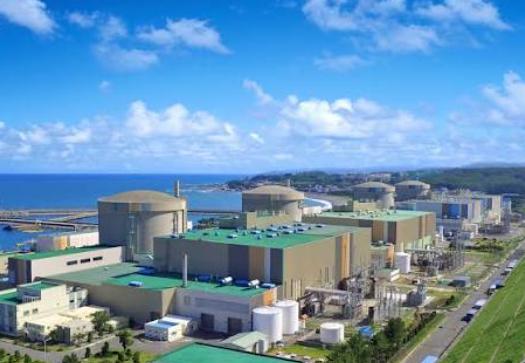
The Korea Institute of Nuclear Safety (KINS) announced that it will host the 1st Symposium on Advanced Reactor Safety Technology (SARST 2026) on September 1-2, 2026, at the Grand Ballroom on the first floor of the Commodore Hotel Busan. The event aims to facilitate exchanges on domestic and international advanced reactor technology trends and safety regulation issues, promoting technical communication and cooperation among regulatory bodies, developers, and research institutions. As the inaugural symposium, SARST is planned to be held annually thereafter. This year's conference will be divided into a plenary session and two technical sessions, covering topics such as the development of regulatory frameworks for advanced reactors, regulatory research progress, responses to standard design certification for innovative small modular reactors (i-SMR), and verification plans for related design features, among other subjects.
2026-08-16
South Korea's Two Ministries Sign MOU to Promote Regulatory Cooperation for Nuclear Power Exports
South Korea's Ministry of Trade, Industry and Energy (MOTIE) and the Nuclear Safety and Security Commission (NSSC) signed a memorandum of understanding on the successful overseas expansion of Korean-style nuclear power plants at the Korea Trade Insurance Corporation in Jongno-gu, Seoul on August 13, planning to strengthen regulatory coordination in the nuclear power export process and provide more systematic nuclear safety regulatory cooperation support to countries hosting potential projects. Under the agreement, the two sides will jointly support export target countries in establishing nuclear safety regulatory frameworks, improving licensing procedures and technical standards, and enhancing the professional capabilities of regulatory bodies, based on the regulatory cooperation needs raised by these countries. The South Korean government is promoting nuclear power plant exports with a focus on potential markets in Southeast Asia such as Vietnam, and the relevant countries are in the process of planning and...
2026-08-13