
Search Results
Keyword:2
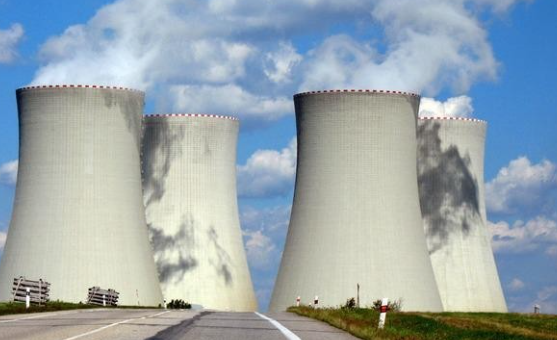
Morocco Conducts 18 Expert Missions with IAEA in 2025, Civil Nuclear Cooperation Expands to African Level
Morocco's cooperation with the International Atomic Energy Agency is shifting from mere technical assistance to more active participation in regional capacity building. In 2025, Moroccan experts completed 18 international expert missions under the IAEA Technical Cooperation framework, with the agency's assistance to Morocco reaching €1.17 million in the same year. This indicates that Morocco has established a certain foundation in nuclear science, nuclear technology applications, and regulatory capabilities, and is beginning to play a more significant role in Africa's nuclear technology cooperation network. The National Center for Energy, Nuclear Science and Nuclear Technology in Rabat was granted the status of IAEA Collaborating Centre in September 2024, with a cooperation cycle covering 2025 to...
2026-08-15
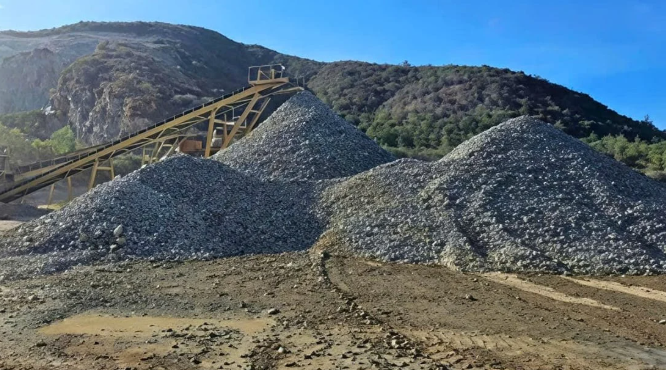
Khanh Hoa Province Approves Mineral Extraction Zone for Ninh Thuan 1/2 Nuclear Power Resettlement and Land Clearance
Recently, the People's Committee of Khanh Hoa Province issued Decision No. 2744/QD-UBND, approving the delineation of a Category IV mineral resource area in Phuoc Dinh Commune to support resettlement and land clearance works related to the construction of Ninh Thuan 1 and Ninh Thuan 2 nuclear power plants. This area falls under the category of mineral zones developed without auctioning mining rights, subject to the relevant provisions of the Law on Geology and Minerals, reflecting the local government's arrangement to provide resource assurance for supporting works of major energy projects. The approved area, designated as Zone No. 6-KĐGnhomIV, is located in Phuoc Dinh Commune with a total area of 65.04 hectares. Its boundaries are determined according to the VN-2000 coordinate system, using a central meridian of 108 degrees 15 minutes east longitude and a 3-degree projection zone, delineated through specific boundary points...
2026-08-15

Philippine Steel Plant in Davao Raided: Radioactive Isotopes Detected in Finished Rebar and Multiple Materials at the Facility
On August 14, Philippine authorities conducted a raid on Davao Mighty Steel Corp., a steel manufacturing plant located in Barangay Ilang, Bunawan District, Davao City. The operation followed an investigation launched by the National Bureau of Investigation (NBI) after receiving reports that the company was involved in the production and sale of substandard steel rebar, with the scope of the investigation subsequently expanding after radioactive isotopes were detected in commercially sold DMS rebar. The operation was led by the National Bureau of Investigation, with the participation of the Presidential Anti-Organized Crime Commission (PAOCC), and was supported by the Philippine Nuclear Research Institute (PNRI), the Philippine Air Force, the Philippine Coast Guard's Chemical, Biological, Radiological and Nuclear emergency response units, the Coast Guard Special Operations Group, and the Army's 10th Infantry Division.
2026-08-15
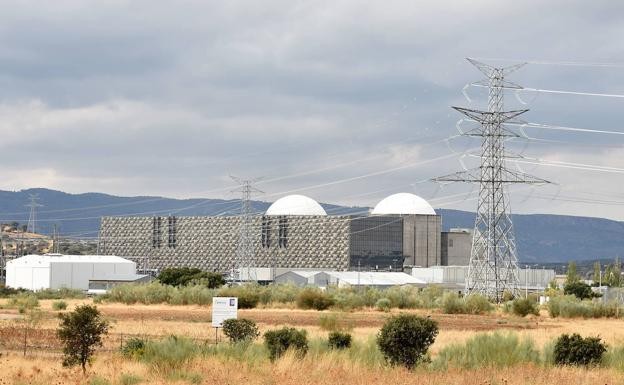
Spain Extends Almaraz Nuclear Power Plant Operation to June 2030
The Spanish government has issued an order in the official gazette extending the operation of the Almaraz nuclear power plant to June 2030. Under Spain's previously established nuclear phase-out schedule, the two units at Almaraz were originally slated to begin decommissioning in 2027 and 2028, respectively. The document indicates that this extension does not alter the decommissioning plans for Spain's other nuclear plants. Spain plans to gradually shut down its five domestic nuclear plants by 2035. However, some analysts believe that, influenced by actual decommissioning arrangements and power system demands, other nuclear plants may also receive life extensions in the future. In April of this year, a large-scale blackout occurred in Spain and Portugal, sparking external...
2026-08-15
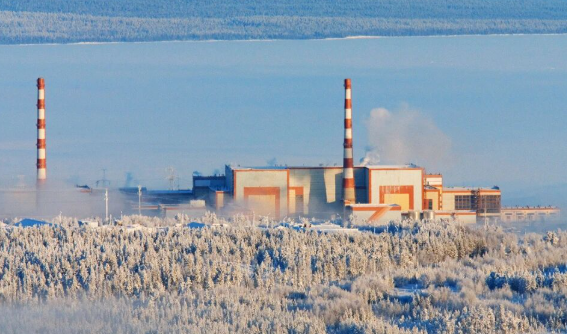
Long-term radiation environment at Kola NPP remains under control: gamma dose rates within natural background levels, 15 permanent observation stations operating since 1972
Long-term monitoring results from the external radiation monitoring group at Russia's Kola Nuclear Power Plant show that gamma radiation dose rates around the plant site have consistently remained within natural background radiation levels, with radionuclide concentrations matching background values, indicating a sound radiation environment with no differences from surrounding areas. The station's radiation safety department collects surface water samples from the discharge canal monthly, with monitoring coverage encompassing all elements including the atmosphere, snow cover, bottom sediments, food products, algae, berries, mushrooms, and caged fish. The monitoring architecture consists of two tiers: 15 permanent environmental observation stations have been in continuous operation since before the commissioning of the first reactor unit in 1972; 13 ASKRO automated radiation environment monitoring system stations provide real-time ground-level gamma dose rate data, which is transmitted directly to the Rosenergoatom crisis center and integrated into the national unified radiation monitoring network. Approximately 200,000 cubic meters of air are drawn weekly through air filtration units to capture radionuclides, with volumetric activity of radioactive iodine also measured. A mobile radiological laboratory performs on-site spectrometric analysis. Annually, about 1,200 environmental samples are collected from around the plant site and delivered to the Polyarnye Zori laboratory, where well water samples analyzed by Canberra spectrometers yield "zero nuclide" results, with samples retained for one year for potential re-analysis. Biological samples are processed using the ashing method, and instrument sensitivity is sometimes insufficient to even detect any signal from the plant's impact.
2026-08-14

Russia Plans to Build Small Nuclear Power Plant in Kyrgyzstan, Land-Based Icebreaker Reactor in Focus
Rosatom's plan to promote the construction of a small nuclear power plant in Kyrgyzstan is centered around discussions on the RITM-200N reactor design. With a power output of approximately 55 MW, this reactor is the land-based version of the RITM-200 reactor used in Russia's new generation of nuclear-powered icebreakers. Several Russian nuclear-powered icebreakers currently operate on the same technological platform, which serves as the primary basis for Russia to demonstrate its maturity and reliability. The project first entered public discussion in January 2022. At that time, Kyrgyzstan's energy authorities stated that if a nuclear power plant were to be built, its installed capacity should be no less than 300 MW, reflecting the country's practical concerns over power shortages and energy security...
2026-08-14
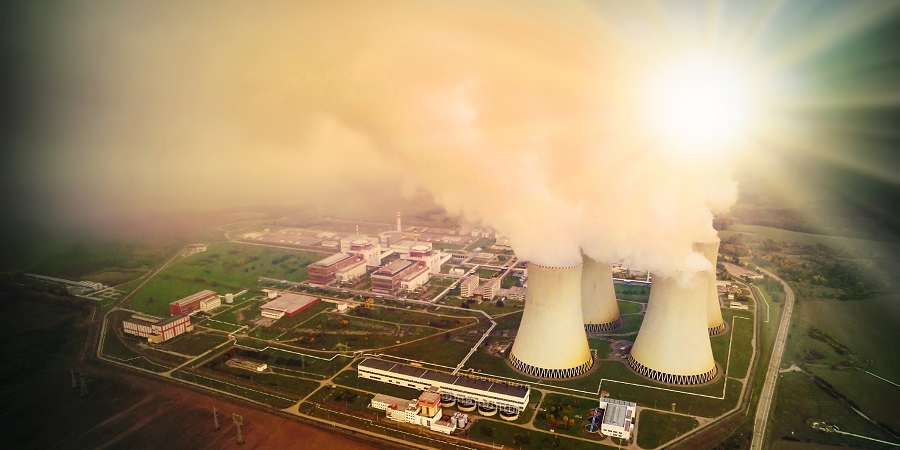
Polish Energy Ministry Moves PLN 3 Billion in First Nuclear Power Plant Construction Spending Out of 2026 Budget
The Polish Energy Ministry has deferred PLN 3 billion in spending earmarked for the construction of the country's first nuclear power plant. This change indicates that while the Polish nuclear power project remains a key component of the national energy strategy, it is facing adjustment pressures in budget execution, engineering preparation, and project milestone alignment during actual implementation. The core context behind Poland's construction of its first nuclear power plant is its long-standing reliance on coal-fired power generation, coupled with the dual constraints of EU emission reduction targets and energy security needs. Developing nuclear power is seen as an important pathway for Poland to reduce its share of fossil fuels, stabilize electricity supply, and decrease dependence on external energy sources. Therefore, changes to the relevant budget are not merely a fiscal arrangement...
2026-08-14
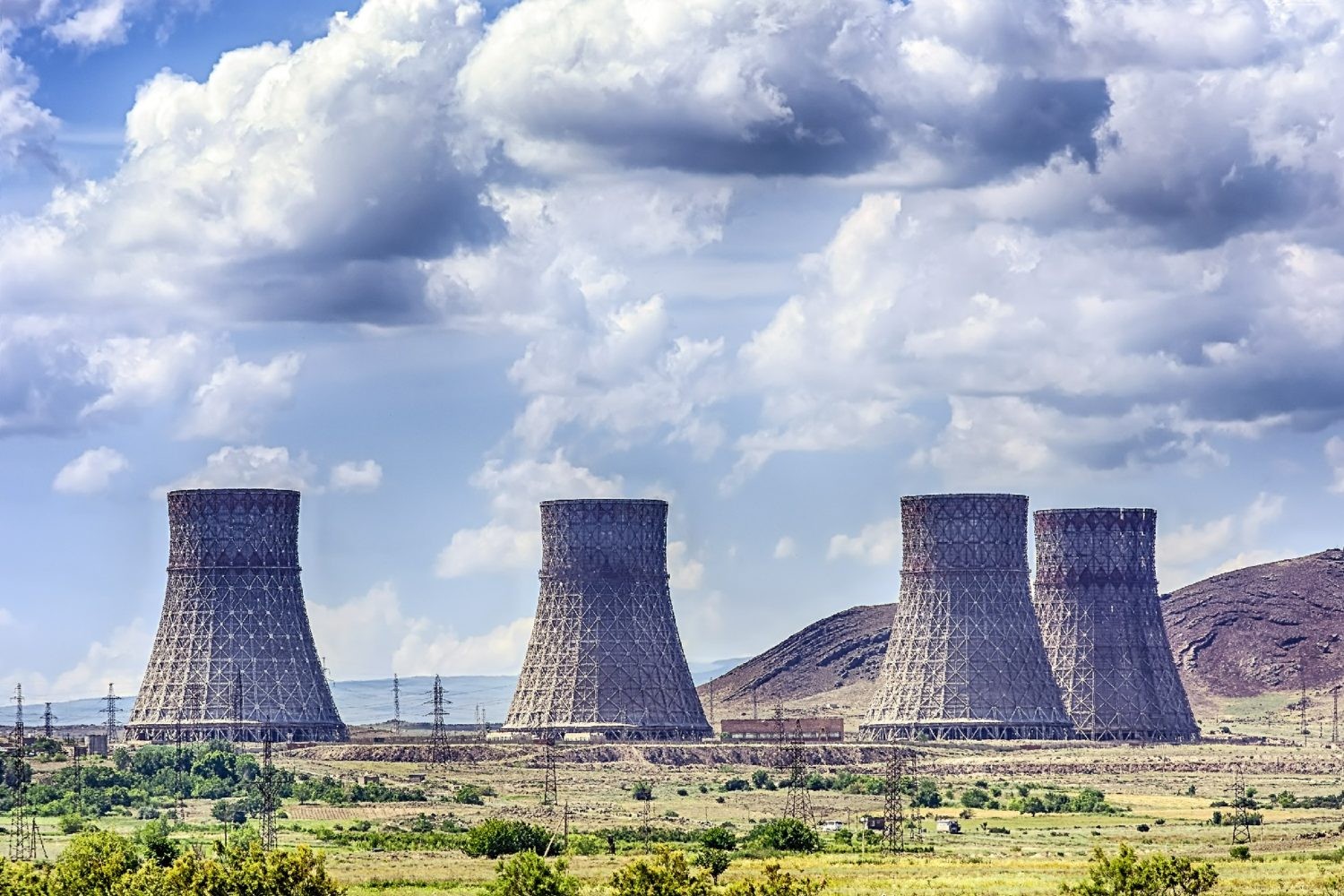
Armenia Responds to Claims of Metsamor NPP Closure: Operating License Valid Until 2036
In response to Azerbaijani President Ilham Aliyev's claims that the Metsamor Nuclear Power Plant is outdated and could pose a potential threat to the region, Arman Yeghoyan, a lawmaker from Armenia's ruling Civil Contract party, stated that the operating lifetime of a nuclear power plant is not unilaterally determined by the governments of neighboring countries. Yeghoyan noted that every nuclear power plant has an established operating period, and the Metsamor NPP is currently authorized to operate for a maximum term extending to 2036, information that has long been public. He also stated that the Armenian side has announced it is studying options for building a new nuclear power plant...
2026-08-14
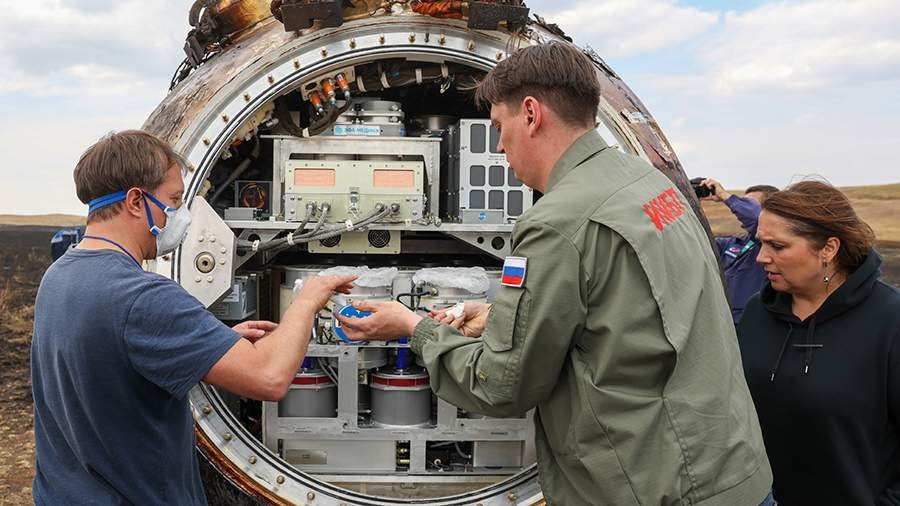
Russia's Bion-M 3 spacecraft planned for launch in 2030 to study effects of cosmic radiation on living organisms
Russia plans to launch the new Bion-M 3 spacecraft in 2030 to study the effects of cosmic radiation on living organisms under conditions similar to deep space. Vladimir Sychev, a senior official at the Institute of Biomedical Problems of the Russian Academy of Sciences, presented the plan at a meeting of the Presidium of the Russian Academy of Sciences' Space Council on August 4. Sychev stated that cosmic rays, solar proton events, and their effects on the human body are critical issues that must be understood when planning long-term interplanetary crewed missions. Participants have endorsed the draft scientific research program for the spacecraft's flight testing. According to the plan, Bion-M 3 will be placed into a polar orbit at an altitude of approximately 800 kilometers...
2026-08-14
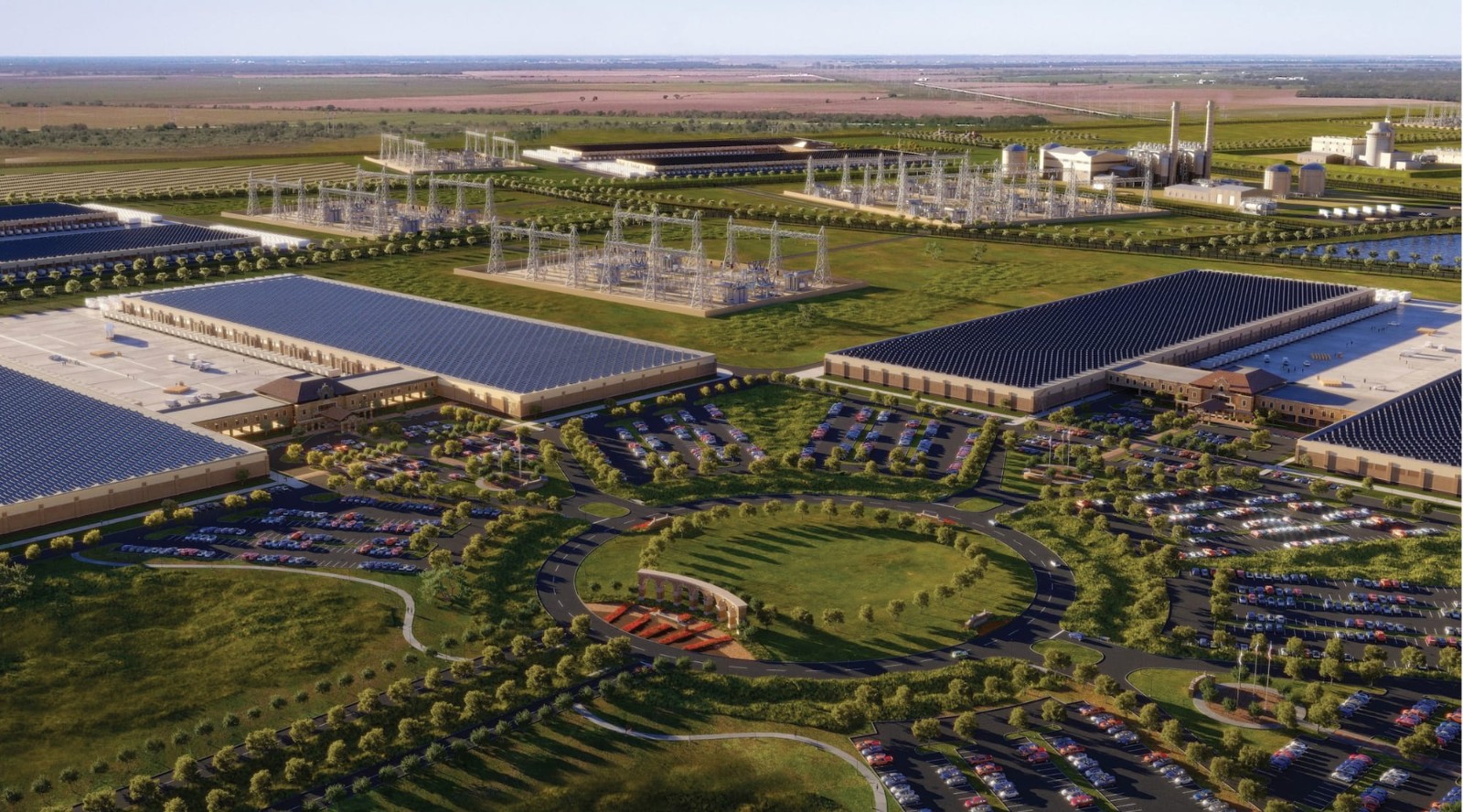
Fermi Signs 222 MW Data Center Lease Agreement with TensorWave
Fermi Inc. announced on August 10 that its subsidiary, Fermi Campus 1 LLC, has signed its first binding customer lease agreement with TensorWave TEX1, LLC, a subsidiary of AI cloud service provider TensorWave Inc. The agreement covers the initial phase of Fermi's Project Matador campus in Carson County, Texas, with a capacity of 222 megawatts. Under the agreement, Fermi will be responsible for the development, construction, and delivery of the data center facilities, with TensorWave taking occupancy in phases. The facility is planned to...
2026-08-14

Blue Energy and GVH Advance 2.5 GW Gas-Plus-Nuclear Project in Texas
Blue Energy and GE Vernova Hitachi Nuclear Energy (GVH) announced on August 13 that they have signed an agreement to launch the next phase of deploying a 2.5 GW gas-plus-nuclear power project in Texas, United States. The project is located in Victoria, Texas. Under the agreement, the two parties will advance project engineering, licensing applications, and safety analyses, with a final investment decision planned for 2027. The project is expected to utilize GE Vernova's 7HA.02 gas turbine and GVH's BWRX-300 small modular reactor...
2026-08-14
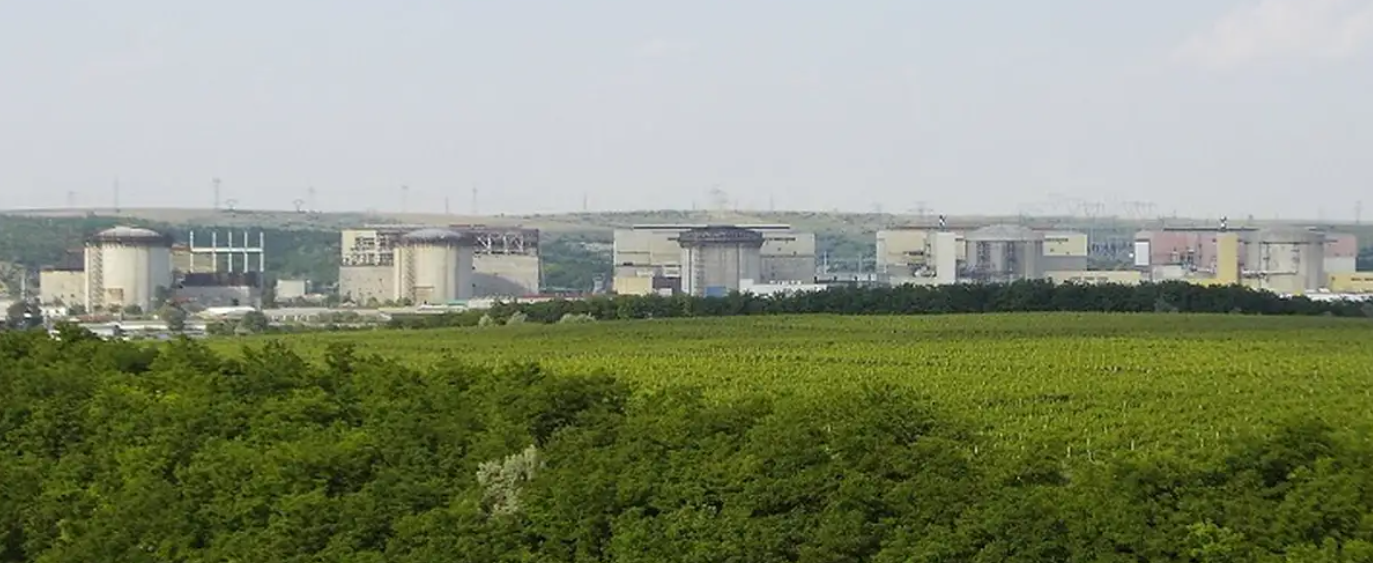
Unit 2 of Romania's Cernavodă Nuclear Power Plant shut down for at least 10 days due to falling Danube River water levels
Romeo Urjan, head of Romania's Cernavodă Nuclear Power Plant, said that due to the continuous decline of Danube River water levels, Unit 2 of the plant has been shut down since August 13 for at least 10 days. Romania's Ministry of Energy stated on August 12 that Unit 2 of the Cernavodă Nuclear Power Plant required a temporary shutdown. As planned, the shutdown operation began on the morning of August 13 and was completed before noon that day. Urjan stated that Danube River water levels are expected to continue declining over the next 10 days, so the plant currently has no plans to restart Unit 2. He emphasized that this shutdown is unrelated to nuclear safety issues or emergencies, with the main reason being...
2026-08-14
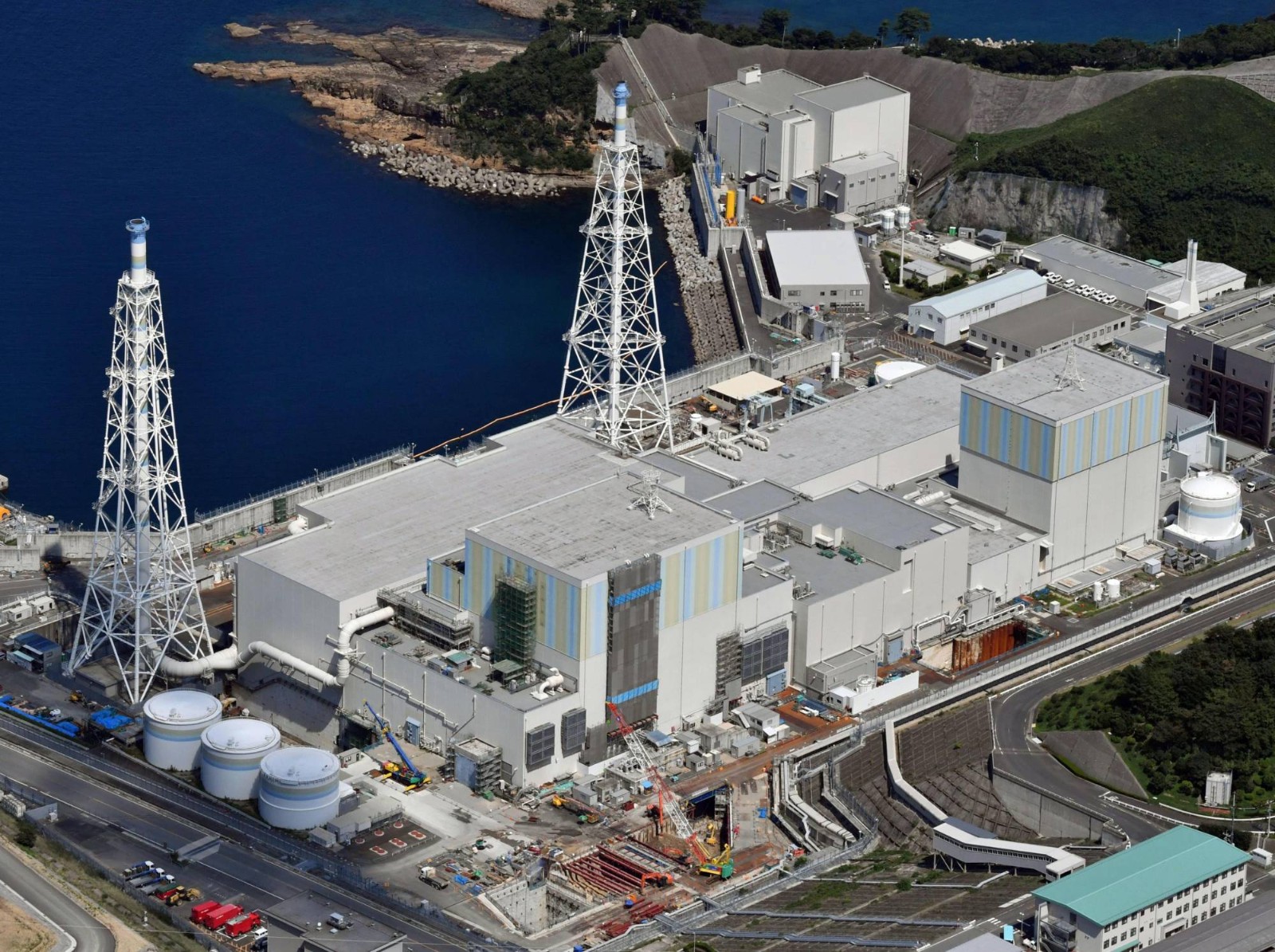
Shimane Nuclear Power Station Unit 2 restarted and reached criticality
Chugoku Electric Power Co. announced on August 13 that it started up the reactor of Unit 2 at the Shimane Nuclear Power Station at 10:00 that day, and the unit reached a critical state at 12:14. Unit 2 of the Shimane Nuclear Power Station is a boiling water reactor with a rated electrical output of 820,000 kilowatts. Criticality refers to the state in which nuclear fission reactions in the reactor core can be sustained, and is one of the key milestones in the unit restart process. According to the plan, the unit will resume power generation, i.e., synchronize the generator to the grid, on August 18, 2026, and is expected to resume commercial operation on September 16, 2026. Chugoku Electric Power Co. stated that it will continue to prioritize safety and steadily advance all subsequent procedures.
2026-08-13
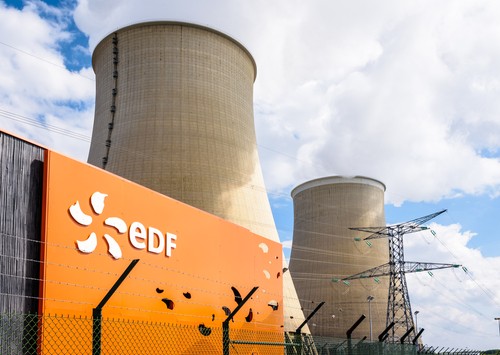
Heatwave and jellyfish influx into pump stations push French nuclear unit unavailability to 20.4%
The heatwave sweeping across multiple regions of France is impacting the country's electricity production. Several nuclear reactors operated by Électricité de France (EDF) have been shut down or derated due to environmental restrictions or external environmental factors, with the unavailability rate of affected units rising to 20.4% before 10:00 AM on August 12, marking a recent high. Of France's 57 nuclear reactors, 13 are currently affected. Among them, 8 units are fully shut down: Bugey Unit 3, Cattenom Unit 1, Chooz Units 1 and 2, Golfech Unit 2, and Gravelines Units 2, 3, and 4; another 5 units are operating below rated power, including Saint-Alban Unit 2, Tricastin Units 1 and 4...
2026-08-13
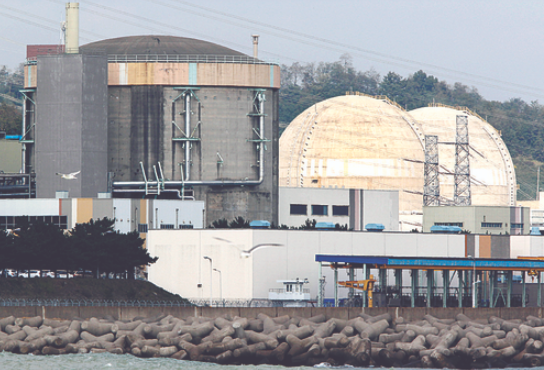
South Korea's Wolsong Nuclear Power Plant Units 2, 3, and 4 Pressure Tube Procurement Pushed for Preliminary Feasibility Study Exemption, Sparking Controversy
The lifetime extension issue for South Korea's Wolsong Nuclear Power Plant Units 2, 3, and 4 has not yet been finalized, yet the procurement of pressure tubes—the core equipment—is being pushed to be excluded from the preliminary feasibility study, triggering a direct confrontation between industry circles and environmental groups. The Korea Hydro & Nuclear Power labor union recently submitted a proposal to Democratic Party lawmaker Song Young-gil, requesting that the government grant a preliminary feasibility study exemption for the relevant procurement and initiate ordering at the earliest opportunity. Song subsequently forwarded the opinion to the Office for Government Policy Coordination. It is understood that the government is internally considering submitting the matter as an exemption case for deliberation at the September State Council meeting. Supporters argue that Wolsong Units 2, 3, and 4 are pressurized heavy water reactors, and pressure tubes are critical equipment determining unit operation, from order placement...
2026-08-13