
Search Results
Keyword:2
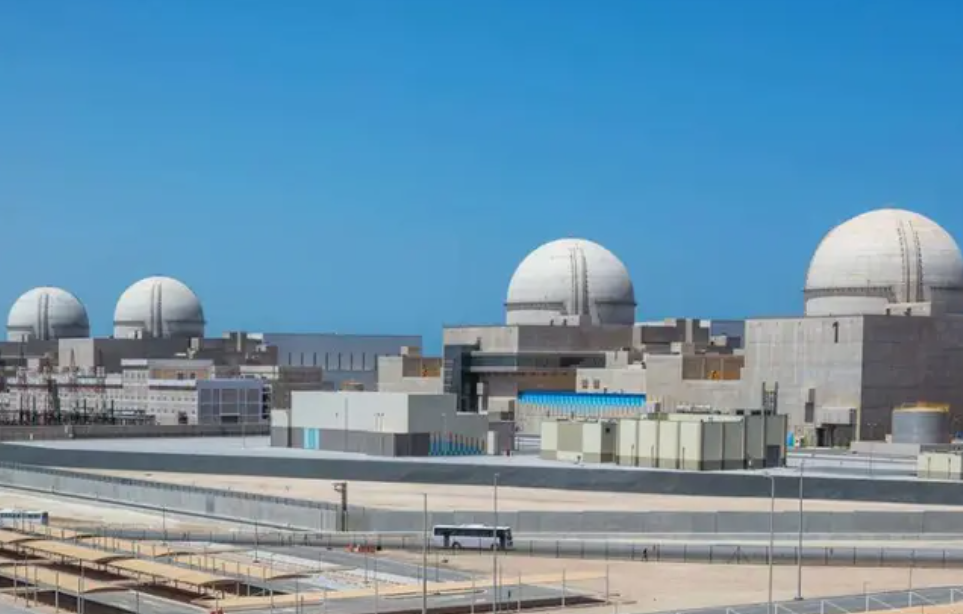
UAE Releases 2025 Annual Nuclear Regulatory Report, Highlighting Nuclear Safety and Peaceful Use Achievements
The UAE Federal Authority for Nuclear Regulation (FANR) has released its "2025 Annual Report," showcasing regulatory progress over the past year in nuclear safety, radiation protection, and nuclear non-proliferation. The report indicates that the UAE continues to advance its nuclear governance framework in line with the "We the UAE 2031" vision, enhancing regulatory efficiency while emphasizing that nuclear technology and nuclear materials must serve peaceful purposes. The report specifically highlights FANR's launch of a unified import and export system. This digital platform is designed to streamline the regulatory processes for the import and export of nuclear and radioactive materials, while strengthening regulatory transparency and traceability. The development of this system demonstrates that the UAE is focused not only on the safety of nuclear facilities themselves...
2026-08-13

Bhabha Atomic Research Centre (BARC) in India develops 72 improved crop varieties through radiation mutation technology
The integration of nuclear technology with agricultural production is demonstrating increasingly tangible value in Indian farmlands. Through radiation-induced mutation and hybrid breeding techniques, the Bhabha Atomic Research Centre in India has successively developed 72 improved crop varieties, covering peanuts, rice, mung beans, mustard, and other crops. India's Minister of State Jitendra Singh disclosed this progress in a written reply to Parliament, showing that the peaceful application of nuclear science has extended from laboratories to the frontlines of agricultural production. In terms of variety composition, peanut new varieties are the most numerous, reaching 17; rice has 10, mung beans and mustard 9 each, black gram 8, pigeon pea 5, sorghum 3, and cowpea, wheat, and soybean 2 each. Additionally...
2026-08-13
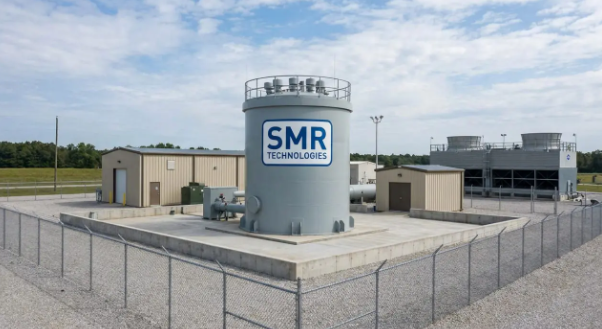
Türkiye Maps Out Small Modular Reactors, Targeting 5,000 MW Installed Capacity by 2050
Türkiye is positioning small modular reactors (SMRs) as a new breakthrough in its nuclear energy strategy. Under relevant plans, Türkiye aims to achieve approximately 5,000 MW of SMR installed capacity by 2050, a scale that would surpass the Akkuyu Nuclear Power Plant project. For Türkiye, which has long sought to reduce its external energy dependence, SMRs are seen as a strategic opportunity combining energy security, industrial upgrading, and technological competitiveness. Compared with traditional large-scale nuclear power plants, SMRs feature smaller installed capacity and more flexible deployment, typically ranging from 10 MW to 300 MW; micro modular reactors below 10 MW are even smaller and can be transported by truck. Reports note that such reactors can be deployed in...
2026-08-13

ASP Isotopes Plans Commercial Delivery of Multiple Stable Isotopes in Second Half of 2026
ASP Isotopes Inc. recently presented its expansion plans for isotope production, radiopharmaceuticals, and helium operations at Canaccord Genuity's 46th Annual Growth Conference. The company aims to begin commercial delivery of stable isotopes including silicon-28, carbon-14, and ytterbium-176 in the second half of 2026. Victor Petkov, the company's Chief Commercial Officer, stated that ASP Isotopes is leveraging its proprietary enrichment technology to serve electronics, nuclear medicine, and nuclear fuel-related markets. Currently, the company operates three production facilities in Pretoria, South Africa, primarily producing silicon-28 for semiconductor applications, as well as carbon-14 and ytterbium-176 for nuclear medicine-related uses. Regarding isotope supply...
2026-08-13
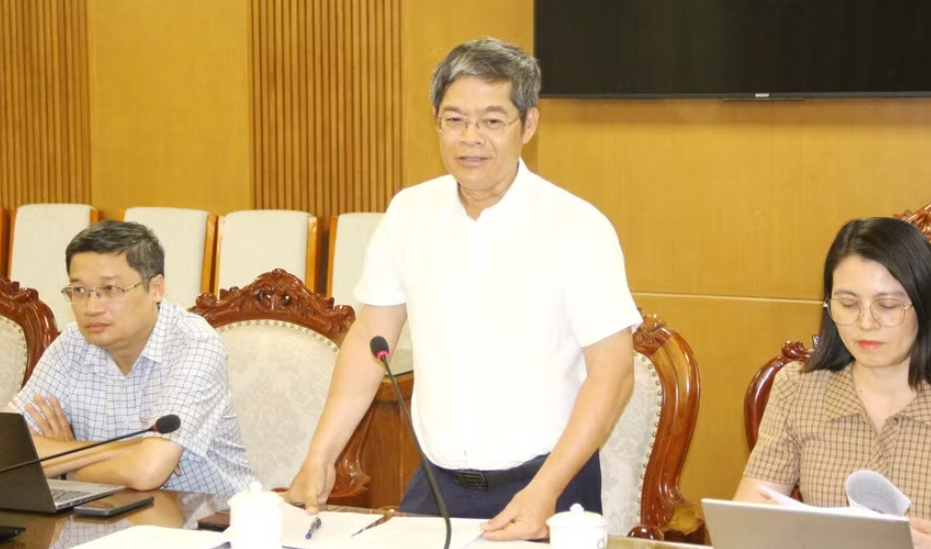
Vietnam accelerates nuclear power workforce training, Ninh Thuan 1 project targets commercial operation in 2037-2038
On the afternoon of August 12, Vietnam's Deputy Minister of Education and Training Pham Quang Hung held a working meeting with Vietnam Electricity (EVN) to focus on the implementation of human resource training plans in the nuclear power sector. EVN Deputy General Director Nguyen Tai Anh stated that the group has preliminarily identified 120 key positions required for nuclear power plant operation, as well as 320 core personnel who currently need training and reserve development. As Vietnam plans to build a workforce meeting nuclear power operation requirements by 2035, relevant training must be planned as early as possible and accelerated. The Ninh Thuan 1 Nuclear Power Project is Vietnam's first nuclear power project, with EVN as the investor. The project was suspended in 2016 due to national resource coordination needs, and was restarted at the end of 2024 in accordance with...
2026-08-13

American Society for Radiation Oncology Foundation to Award $2.4 Million in Grants to 14 Researchers
The American Society for Radiation Oncology (ASTRO) Foundation will award a total of $2.4 million in research grants to 14 scientists dedicated to advancing patient care in radiation medicine. ASTRO stated that the 2026 awards are the first annual grants issued since the society renamed its foundation to LightSpeed—ASTRO Foundation earlier this year. The rebranded foundation will focus on accelerating relevant research and strengthening workforce development in the field of radiation oncology. This round of funding is co-sponsored by the American Cancer Society, the American Association of Physicists in Medicine, the Breast Cancer Research Foundation, the LUNGevity Foundation, and the Prostate Cancer Foundation. ASTRO CEO Vive...
2026-08-13

U.S. Company Proposes Americium-241 Radioisotope Heating Solution for Spacesuits, Receives Early NASA Research Support
U.S.-based Zeno Power Systems has proposed a radioisotope heating concept for lunar extravehicular activities, planning to use Americium-241 (Am-241) to provide continuous passive warmth for astronauts during lunar nights and in permanently shadowed regions. The proposal has been selected for this year's NASA Innovative Advanced Concepts (NIAC) program, with the potential to receive up to $175,000 in early-stage research funding. The lunar surface environment is one of the key challenges for long-duration crewed missions. Data shows that lunar nights can last approximately two weeks, and extreme low temperatures will limit the duration of astronaut extravehicular activities in shadowed areas and at night. Even with new-generation spacesuits, their cold resistance remains limited...
2026-08-13
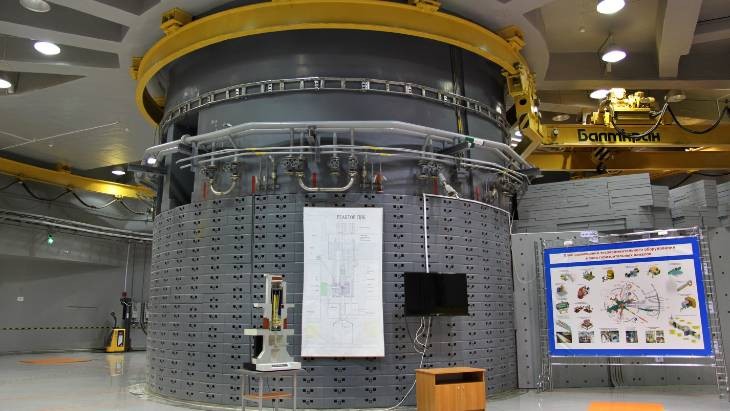
25 experimental stations of the PIK high-flux nuclear reactor at the Kurchatov Institute to be commissioned in December 2026
At a meeting of the Science and Education Committee, Mikhail Kovalchuk, Director of the National Research Centre "Kurchatov Institute," announced that 25 experimental stations of the PIK high-flux nuclear reactor at the Konstantinov Nuclear Physics Institute in Gatchina, Leningrad Oblast, Russia, will be commissioned in December 2026. According to reports, the project is being implemented pursuant to a presidential decree. Currently, construction of these 25 experimental stations is nearing completion, and the associated waveguide hall is planned to open in December of the same year. As a large-scale research facility, the PIK reactor will provide experimental conditions for related nuclear physics research once its experimental stations are commissioned...
2026-08-13
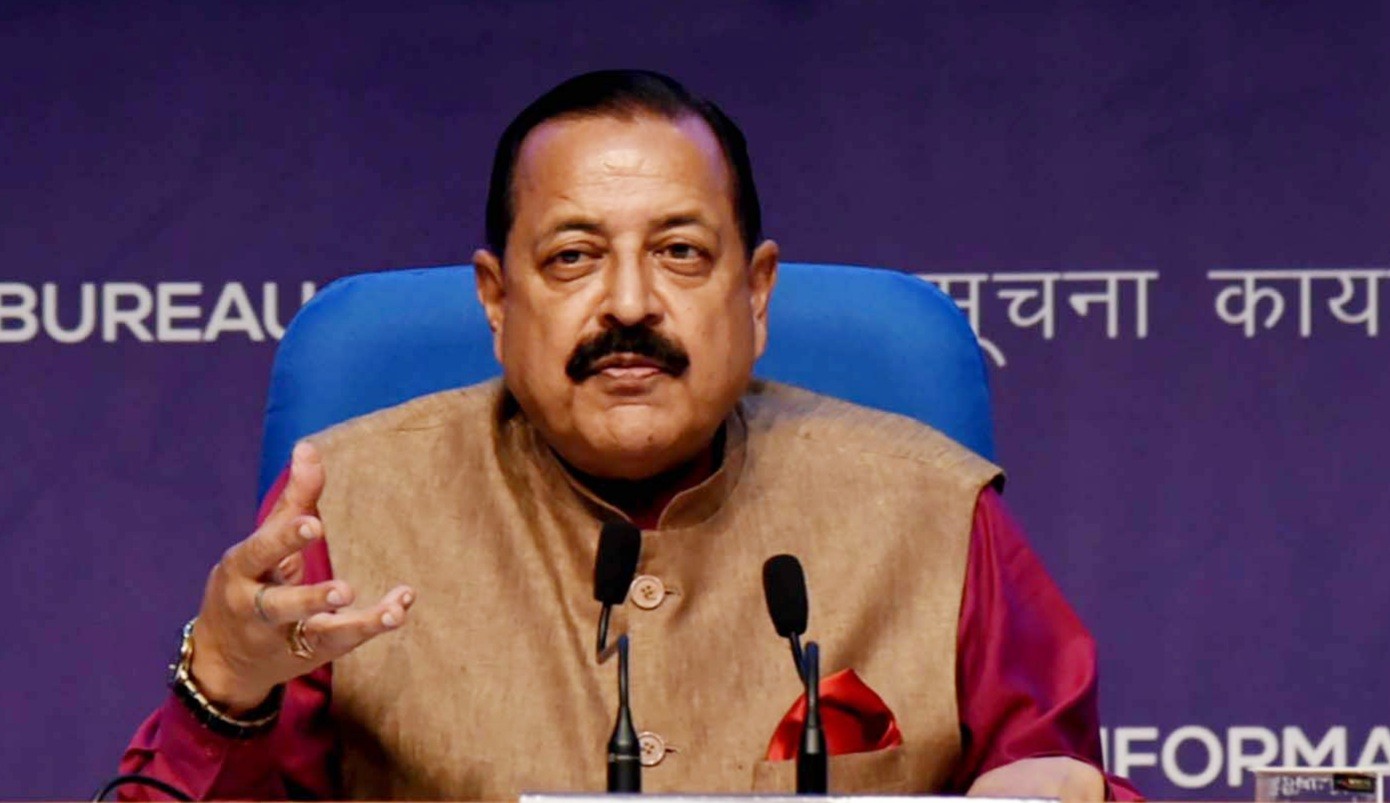
India plans to build at least five domestically designed small modular reactors by 2033, and reports on nuclear power plant safety assessments
In a written reply to the Lok Sabha on August 12, Jitendra Singh, India's Minister of State for Atomic Energy, stated that a key objective of the Indian government under its nuclear energy mission is to develop and operationalize at least five domestically designed small modular reactors by 2033. According to the briefing, the Bhabha Atomic Research Centre (BARC) is advancing the design and development of indigenous small modular reactor (SMR) technology, with projects including the 220 MWe Bharat Small Modular Reactor (BSMR-200) and the 55 MWe SMR-55 for power generation. BARC is also developing a High-Temperature Gas-Cooled Reactor (HTGCR) with a capacity of up to 5 MW, which can be coupled with suitable thermochemical cycles for hydrogen production. Singh stated that India...
2026-08-13
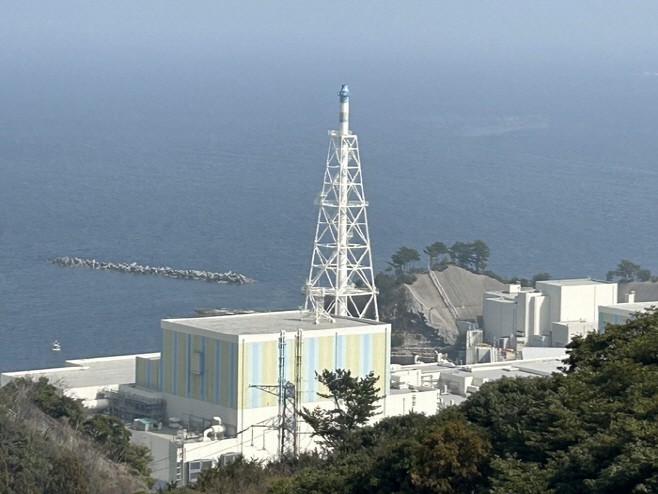
Shimane Nuclear Power Station Unit 2 completes containment vessel-related repairs, scheduled to resume commercial operation on the 16th of next month
The Shimane Nuclear Power Station Unit 2, located in Matsue City, Japan, is scheduled to resume commercial operation next month. Recently, part of the reactor containment vessel repair work at the unit was opened to the public, showcasing key construction steps before the resumption of operation. Unit 2 of the Shimane Nuclear Power Station resumed operation in December two years ago. Since February this year, the unit has been shut down for routine operational inspections. In accordance with relevant legal requirements, nuclear power units must undergo equipment disassembly inspections and replacement of related components within 13 months after the previous inspection is completed. On August 3, a dedicated crane was used on site to lift a cover weighing approximately 60 tons to the top of the reactor containment vessel. Workers completed the tightening of 120 bolts that day...
2026-08-13

South Korea Sets 2035 Commercialization Target for Small Modular Reactors
The Ministry of Science and ICT (MSIT) of South Korea announced on August 12 its "Seven Future Growth Engines SEED" promotion plan, designating small modular reactors, nuclear fusion, and next-generation renewable energy as key focus areas for the future clean energy sector. Among these, nuclear power-related content primarily centers on the commercialization of small modular reactors, research and development of non-light water reactor-type reactors, nuclear fuel supply security, and fusion demonstration power generation. According to the plan, South Korea will advance the development of light water reactor-type small modular reactors, targeting commercialization in Gijang County, Busan by 2035. The innovative small modular reactor (i-SMR) will undergo detailed design through public-private cooperation starting next year...
2026-08-13

New National Standard GB/T 18525.1-2026 — The Red Beans and Mung Beans You Eat May Have Been
Starting December 1, 2026, a new national standard concerning food safety on your dining table will officially take effect — Recently, the State Administration for Market Regulation and the Standardization Administration of China issued the 2026 No. 23 National Standard Announcement, among which the "Irradiation Technology for Agricultural Products — Part 1: Legumes and Their Products" (GB/T 18525.1-2026) is particularly noteworthy. This standard, led by the Institute of Food Science and Technology, Chinese Academy of Agricultural Sciences, will officially take effect on December 1, 2026, replacing the old standard (GB/T 18525.1-2001) that has been in use for over 20 years. When hearing the word "irradiation," many people's first reaction is: "Is it safe?" "Will food become radioactive after being irradiated..."
2026-08-13
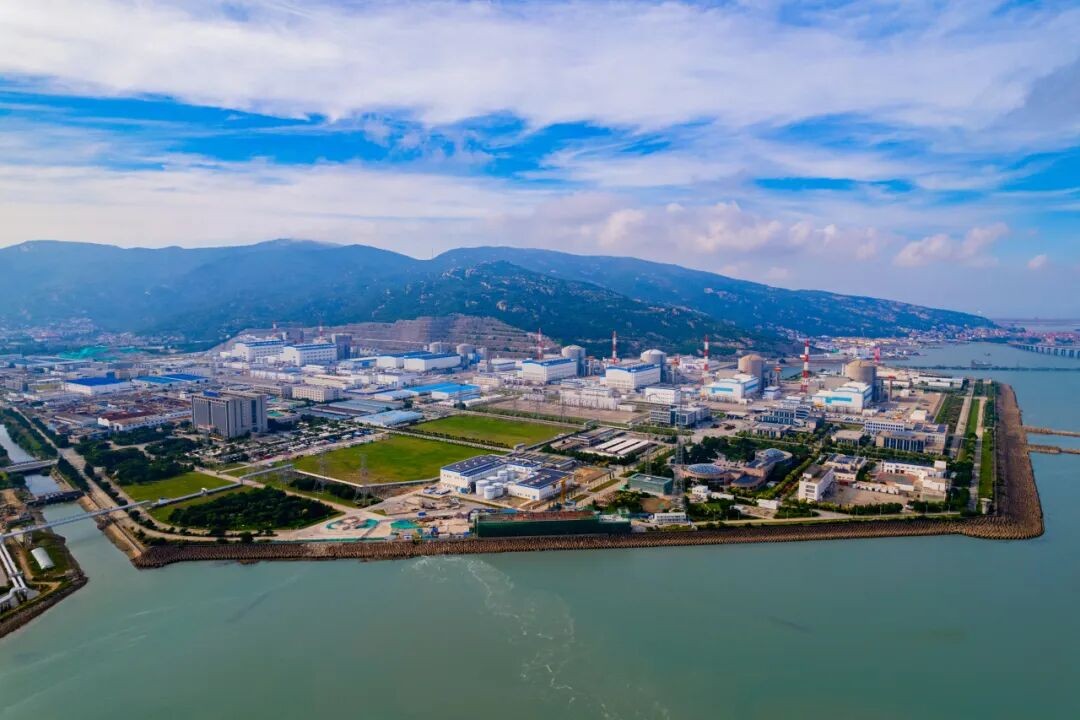
First Fuel Loading Officially Begins at Tianwan Nuclear Power Plant Unit 7
On August 12, as the first fuel assembly was precisely and safely loaded into its designated position in the reactor core, the first fuel loading officially began at Unit 7 of the Tianwan Nuclear Power Plant, which is invested and controlled by China National Nuclear Corporation (CNNC)'s China Nuclear Power. This marks a solid foundation for subsequent reactor criticality and commercial operation. First fuel loading is the core procedure of implanting the "energy heart" into a nuclear reactor. As a key milestone in the full lifecycle of nuclear power construction, it not only serves as a comprehensive test of the unit's years of engineering construction quality, system commissioning level, and safety management capability, but also represents the critical starting point for the unit's nuclear-powered operation. It is understood that this fuel loading is the first-ever loading for a VVER-1200 unit in China, requiring a total of 163 nuclear fuel assemblies to be loaded...
2026-08-12
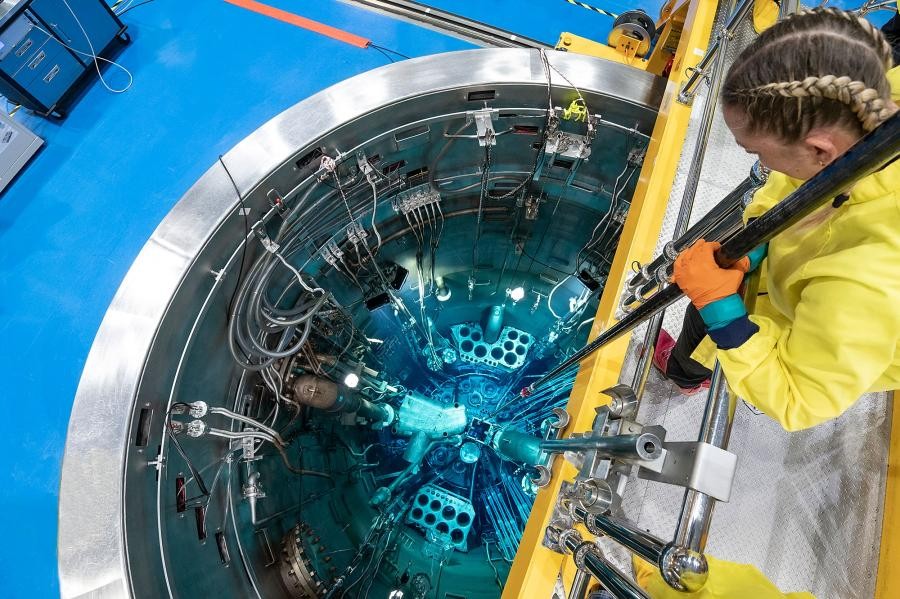
Australia's OPAL Multipurpose Reactor Marks 20 Years of Operation: Supporting Nuclear Medicine, Industrial Silicon Irradiation, and Neutron Science
The OPAL multipurpose reactor at the Lucas Heights campus of the Australian Nuclear Science and Technology Organisation (ANSTO), located south of Sydney, has marked the 20th anniversary of achieving first criticality. On August 12, 2006, OPAL achieved a self-sustaining controlled nuclear chain reaction, marking the facility's transition from the construction phase to the scientific operations phase. ANSTO stated that over the past 20 years, OPAL has become one of Australia's key nuclear science infrastructures, serving multiple fields including medicine, industry, and scientific research. OPAL is not a power reactor and is not used for electricity generation. According to available information, Australian federal law and relevant state and territory legislation prohibit the construction of nuclear power reactors, fuel fabrication, and waste disposal facilities. Unlike power reactors used for...
2026-08-12
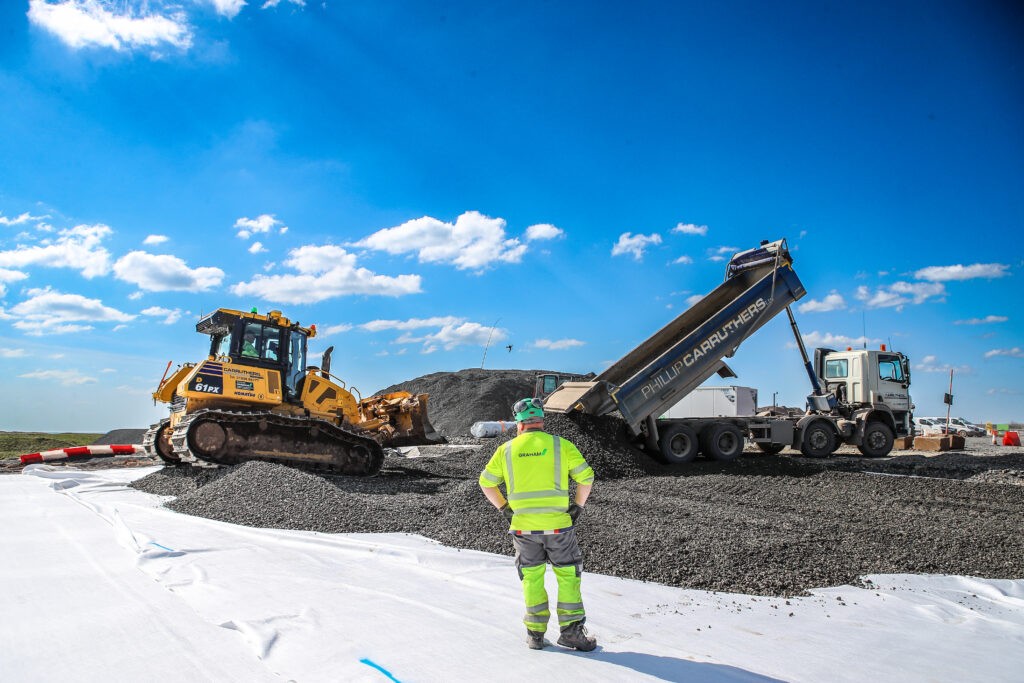
UK Low-Level Waste Repository Advances Capping Project, Rail-Transported Aggregate Exceeds 285,000 Tonnes
Nuclear Waste Services (NWS) is advancing capping-related works at the Low-Level Waste Repository on the west coast of Cumbria, UK, to strengthen long-term protection of existing disposal trenches and vaults. Since the repository began operations in 1959, it has supported the safe disposal of approximately 1 million cubic metres of low-level radioactive waste, making it a key facility in the UK's radioactive waste management system. NWS, part of the Nuclear Decommissioning Authority (NDA), is primarily responsible for consolidating the UK's radioactive waste management capabilities, providing management solutions for legacy wastes from civil and defence sectors as well as wastes arising from future new-build nuclear projects...
2026-08-12