
Search Results
Keyword:3
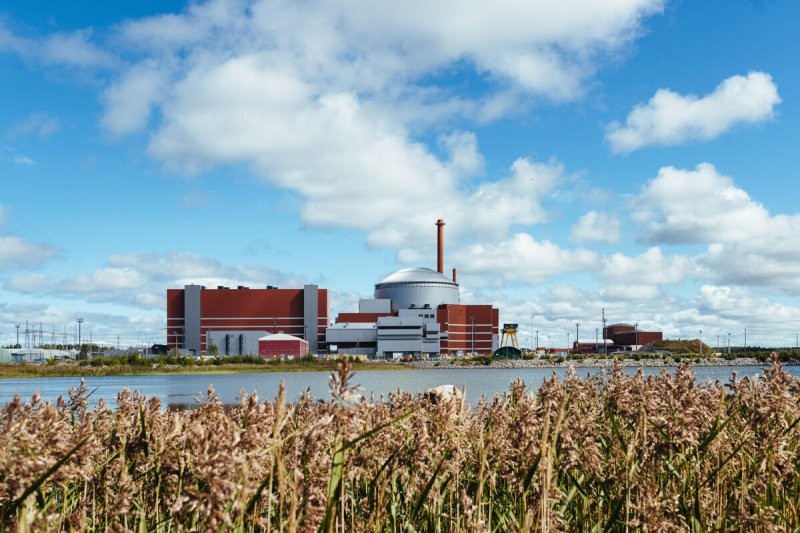
Unit 3 of Finland's Olkiluoto Nuclear Power Plant automatically disconnected from the grid due to a technical fault
On September 10, several hours before the start of a planned shutdown for maintenance, Unit 3 of Finland's Olkiluoto Nuclear Power Plant automatically disconnected from the grid due to a technical fault detected in the steam generator. The plant operator, Teollisuuden Voima Oyj (TVO), said that at the time of the incident, Unit 3 was gradually reducing power as planned and was already operating at extremely low power. The automatic disconnection occurred earlier than the originally scheduled grid disconnection for maintenance. TVO stated that all plant systems were operating normally and that the event had no impact on nuclear safety. The Olkiluoto Nuclear Power Plant is located on the Olkiluoto Peninsula along the coast of the Gulf of Bothnia in the Baltic Sea in Finland. The plant has three operating units, of which Unit 3...
2026-09-11
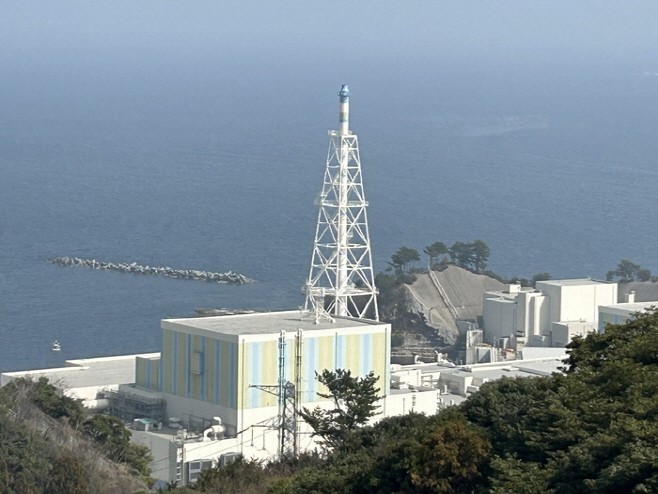
Safety review items for Shimane Nuclear Power Plant Unit 3 confirmed, operation planned for 2030
The Nuclear Regulation Authority (NRA) of Japan conducted a safety review of Shimane Nuclear Power Plant Unit 3 on September 10. This review is a necessary procedure before the unit can be put into operation. Chugoku Electric Power Company of Japan has been constructing Shimane Nuclear Power Plant Unit 3 since 2005 and has been undergoing NRA review since 2018. At the review meeting that day, Chugoku Electric Power Company gave explanations regarding earthquake, tsunami, and severe accident response measures for Unit 3. According to the meeting, all review items were confirmed on September 10. Next, Chugoku Electric Power Company will submit a revised document incorporating the relevant content discussed at previous review meetings. The NRA is expected to prepare a draft review report based on this...
2026-09-11
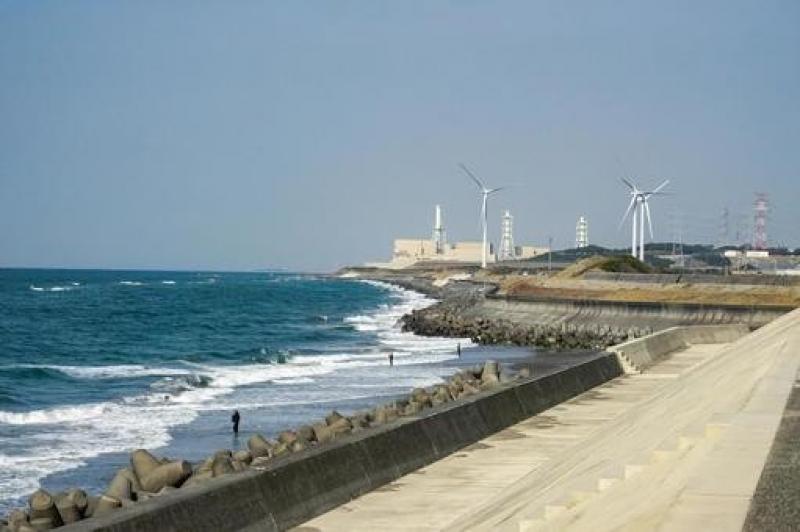
Chubu Electric Power considers withdrawing Hamaoka nuclear plant restart review application
Chubu Electric Power Company (CEPCO) is considering withdrawing its restart review application for Units 3 and 4 of the Hamaoka Nuclear Power Plant. The plant is located in Omaezaki City, Shizuoka Prefecture, Japan, and it was previously revealed that seismic design data related to the restart review was suspected of falsifying "design basis ground motion" data, making the ground motion amplitude in the submitted materials lower than originally expected. On the morning of the 11th, Chubu Electric Power announced that it had received a report submitted by an investigation committee composed of external lawyers. The committee was commissioned by Chubu Electric Power to investigate the causes and process of the seismic design data issue at the Hamaoka Nuclear Power Plant. Chubu Electric Power President Shingo Hayashi and others plan to hold a press...
2026-09-11

CGN's 33 in-operation nuclear power units achieve RMB-denominated pricing and settlement for operational period insurance
On September 10, the "CGN In-Service Nuclear Power Plant Operational Period Insurance Project Co-Insurance Agreement" was signed in Shenzhen. The agreement achieves RMB-denominated pricing and settlement for major types of nuclear power plant operational period insurance, changing the convention of China's nuclear insurance market's over thirty years of primarily relying on foreign currency transactions. Nuclear insurance is an important type of insurance for ensuring the safe and stable operation of nuclear power units. Due to the enormous insured amount of a single policy, it typically requires joint underwriting by hundreds of insurance companies both domestically and internationally, and is regarded by the insurance industry as one of the most special and complex types of insurance. Since China's first nuclear power plant operational insurance policy——the Daya Bay Nuclear Power Plant operational insurance policy——was issued in 1993, China's nuclear power industry has long followed mature foreign models...
2026-09-11

HD Hyundai Heavy Industries to Invest KRW 238.6 Billion in Dedicated Plant for Manufacturing Major SMR Equipment
HD Hyundai Heavy Industries announced on September 10 that it will invest KRW 238.6 billion to build a dedicated plant for manufacturing major equipment for small modular reactors (SMRs). The plant will be built on the site of HD Hyundai Heavy Industries' Ulsan Shipyard, with the goal of commencing operations in 2029. SMRs are regarded as one of the next-generation nuclear power technologies. Compared with conventional nuclear power units, SMRs have lower output power, and their major equipment can be configured in a modular manner, combining features such as stable power supply and reduced carbon emissions. As AI data centers requiring round-the-clock, large-scale power supply increase rapidly, SMRs are attracting more attention. According to projections by the Organisation for Economic Co-operation and Development (OECD), by 2050, the global SMR market is expected to grow to 150G...
2026-09-10

Rosatom and Petrovietnam to Build Additive Manufacturing Center Together
The Fuel Division of Rosatom and Petrovietnam signed an agreement to jointly advance a project to build an additive manufacturing center in Vietnam. The document exchange ceremony was held on September 9, 2026. Under the agreement, the two sides defined the scope of equipment and the delivery schedule required to establish a fully functional 3D printing center in Vietnam. The project is intended to introduce 3D printing equipment produced by the Fuel Division of Rosatom, using selective laser melting and direct laser deposition technologies for the manufacture of metal parts. At the same time, the agreement also includes arrangements for the delivery of related Russian equipment for heat treatment, turning, laboratory analysis, and other purposes. The Vietnamese side stated...
2026-09-10
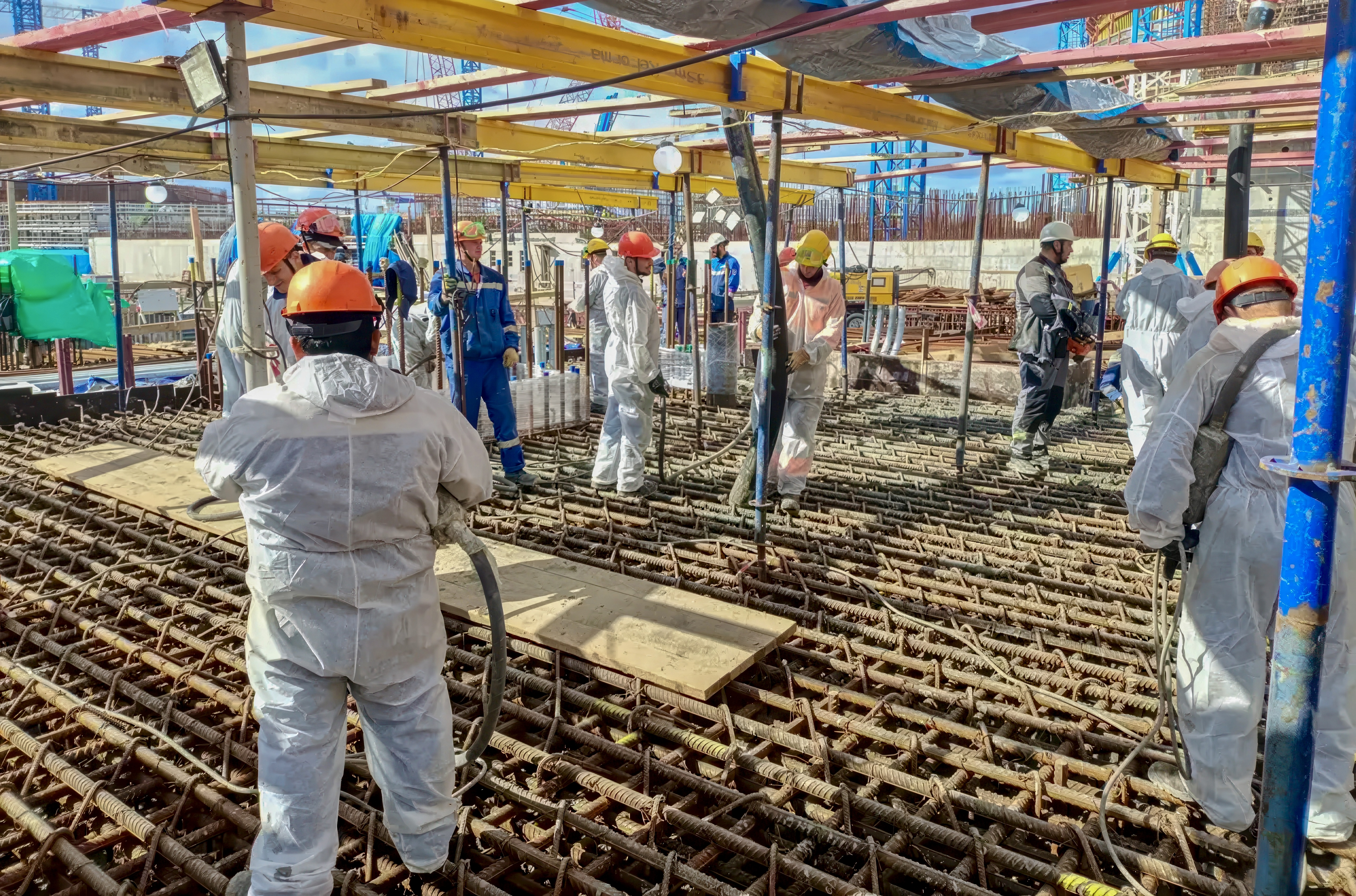
First concrete poured for turbine building foundation of Unit 3 VVER-1200 at Leningrad NPP Phase II
On September 9, 2026, concrete pouring began for the foundation of the turbine building of Unit 3 VVER-1200 at Leningrad NPP Phase II in Russia. Construction workers have completed the pouring of the central section of the future foundation, with concrete consumption approaching 5,000 cubic meters. This pour is the first stage of construction of the foundation structure for this building. According to the plan, the contractor will use nearly 5,000 tonnes of rebar and more than 20,000 cubic meters of high-strength concrete to build a monolithic foundation slab 2.5 meters high and more than 8,000 square meters in area. The related operations are currently being carried out simultaneously in 7 construction zones. Konstantin Khudyakov, head of the Leningrad NPP project at TITAN-2 Holding (TITAN-2), said that the foundation construction of the turbine building places high demands on concrete quality, pouring technology and curing conditions, especially in the first few days after pouring, when it is necessary to focus on controlling on-site temperature and humidity and preventing mechanical damage. After the concrete reaches design strength, the contractor will, together with the owner, use non-destructive testing methods to inspect the structure, including ultrasonic testing; at the same time, specimens made from the same batch of concrete will also be subjected to compressive tests on a hydraulic press to confirm that the foundation is capable of bearing the loads of walls, floors, piping and large operating equipment.
2026-09-10
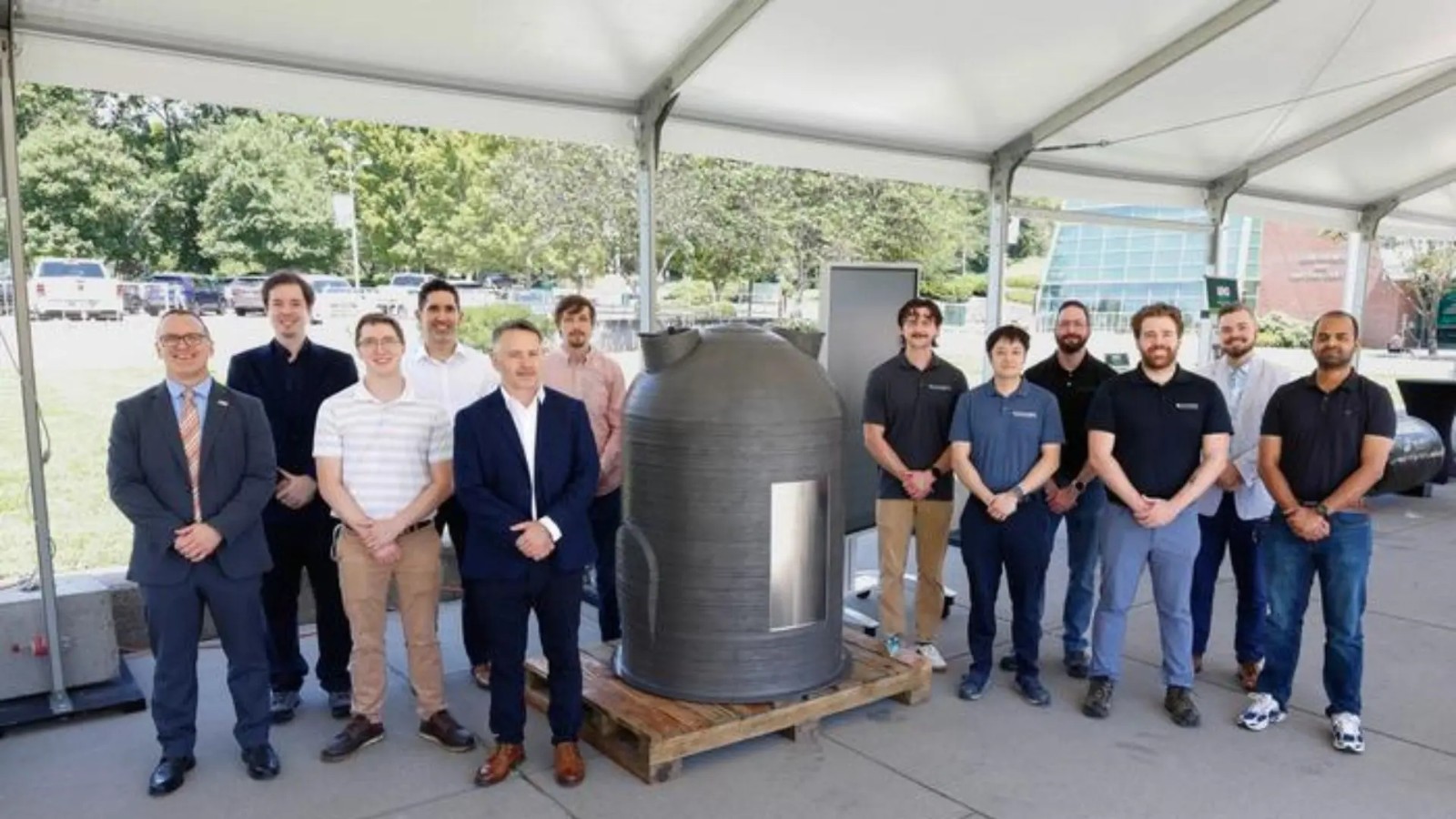
US Oak Ridge National Laboratory Advances 3D-Printed Nuclear Components Manufacturing and Certification
The US Oak Ridge National Laboratory (ORNL) is working with industry partners to advance the application of advanced manufacturing technologies, with a focus on heavy-duty 3D printing, AI-driven automated manufacturing, and digital qualification methods, to address issues such as unstable US industrial supply chains, shortages of skilled workers, and long lead times for large custom components. At an advanced manufacturing facility in Tennessee, ORNL demonstrated two large-scale 3D printing manufacturing cases for the nuclear energy sector. Among them, a three-arm robotic system called MedUSA printed a steel nuclear pressure vessel approximately 3 feet by 5 feet with complex dome geometry by guiding molten steel. Researchers said...
2026-09-10
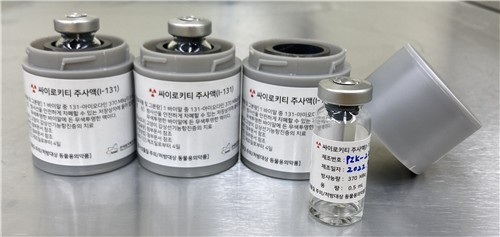
South Korea's First Animal Radiopharmaceutical Approved for the Treatment of Feline Hyperthyroidism
The Korea Atomic Energy Research Institute announced on September 10 that Thyrokitty Injection (I-131), a radiopharmaceutical for the treatment of feline hyperthyroidism developed by the research team led by Dr. Lim Jae-cheong, has obtained an animal drug manufacturing license issued by the Animal and Plant Quarantine Agency of South Korea. This is South Korea's first animal radiopharmaceutical to receive final product approval, marking the transition of related technologies that had previously been mainly at the R&D stage into clinical therapeutic application for pets. Feline hyperthyroidism is a relatively common endocrine disease in older cats, mainly characterized by excessive secretion of thyroid hormones. According to reports, approximately 10% of cats aged 10 and above may suffer from this disease. Traditional treatment methods typically require...
2026-09-10
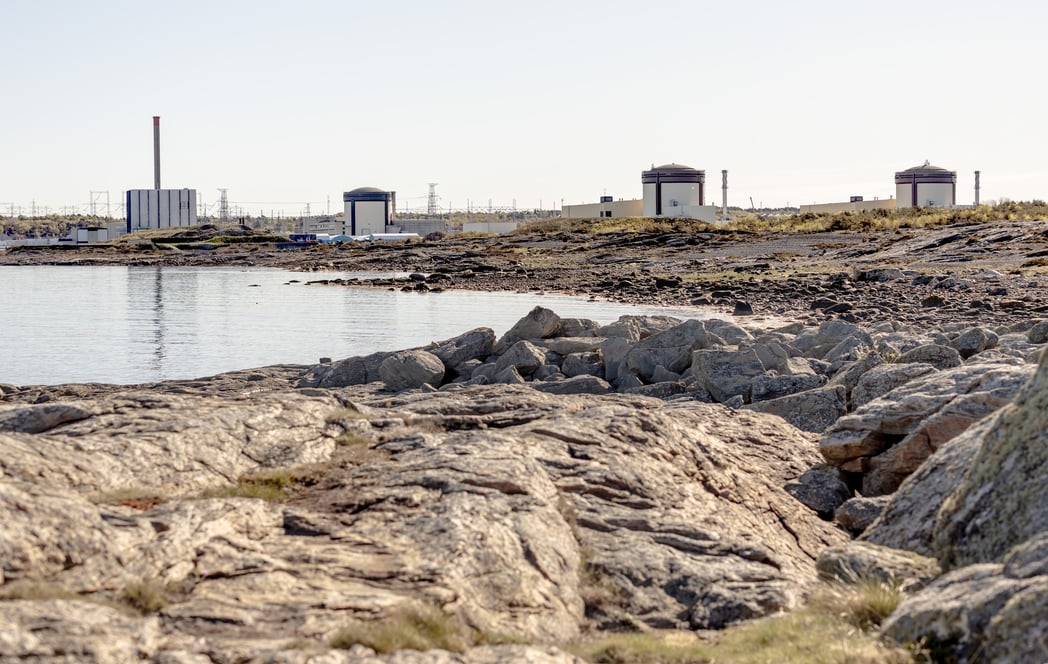
Planned outage at Sweden's Ringhals Unit 4 extended to November 30
The planned maintenance outage at Unit 4 of Sweden's Ringhals nuclear power plant will be extended to November 30 due to the need for additional cleaning work on site. During the planned maintenance outage at Ringhals Unit 3, inspectors discovered rubber residue in parts of the component cooling system. The rubber residue originated from leaking valves within the system. The cleaning work is a preventive measure aimed at avoiding reduced cooling performance or component damage. Sven-Anders Andersson stated that the valve replacement work had originally been scheduled for the coming years, but the rubber degradation exceeded expectations. He said: "We deeply regret the extended outage, but safety and equipment condition remain our top priorities."
2026-09-09
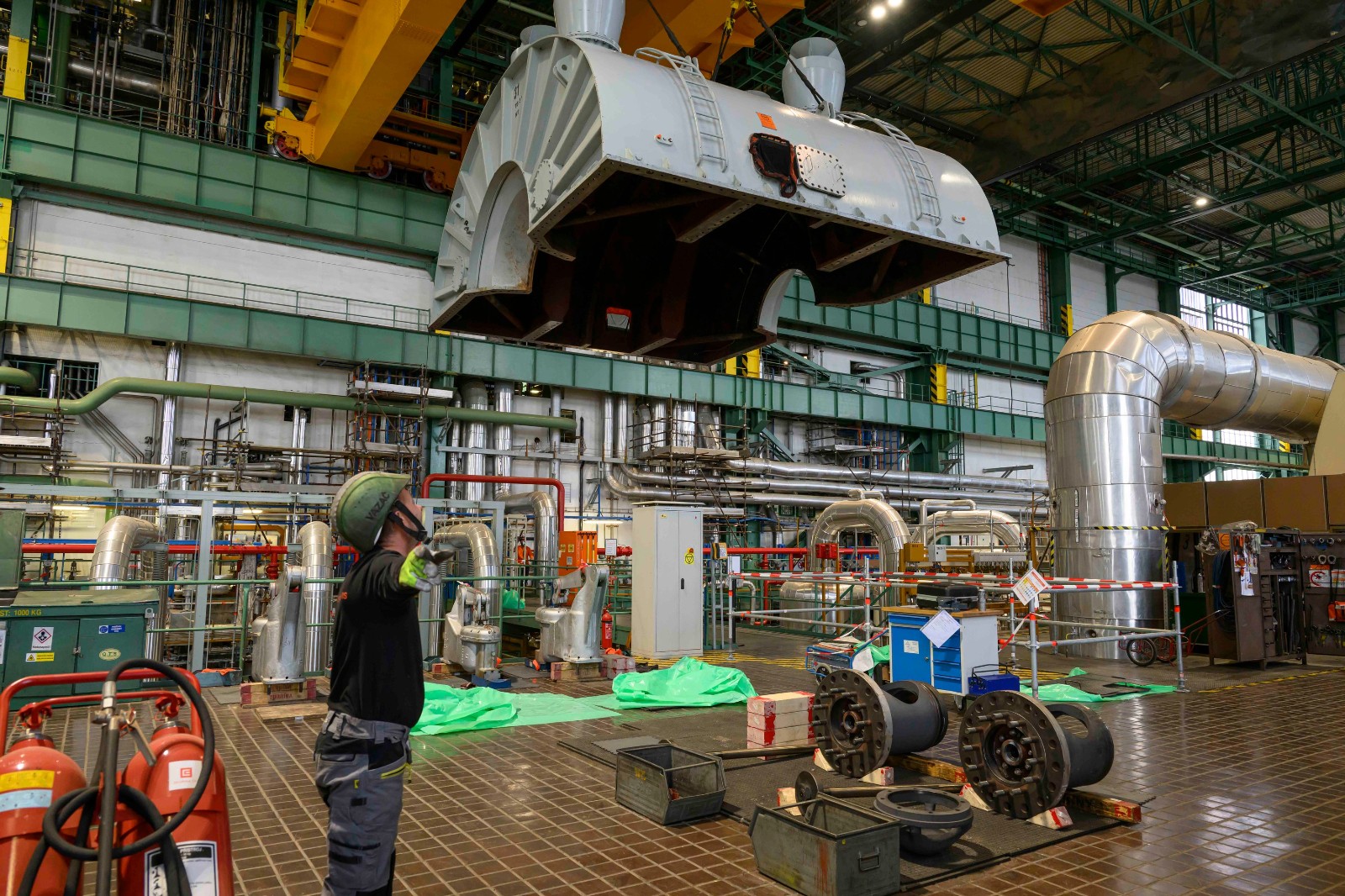
Long-term operation upgrades advanced during outage of Czech Dukovany Unit 3
On September 8, 2026, CEZ Group (CEZ) is utilizing the current outage maintenance window of Unit 3 at the Dukovany Nuclear Power Plant to carry out large-scale modernization of the turbine hall and secondary circuit. These systems are responsible for converting the thermal energy generated by the reactor into electricity and delivering it to the transmission grid. CEZ stated that during this outage, technicians will perform hundreds of inspections, repairs, maintenance activities, and modifications on secondary circuit equipment. In addition to routine inspections required by regulations and operating procedures, preventive maintenance, defect resolution, and equipment upgrades will also be carried out on site, creating conditions for the plant's goal of operating for up to 80 years. Roman Havlín, Director of the Dukovany Nuclear Power Plant, stated that while outage maintenance at nuclear power plants typically draws more attention to the reactor and primary circuit, the turbine hall equipment that ensures actual electricity generation is equally critical, and related equipment will also receive intensive maintenance during the outage.
2026-09-09
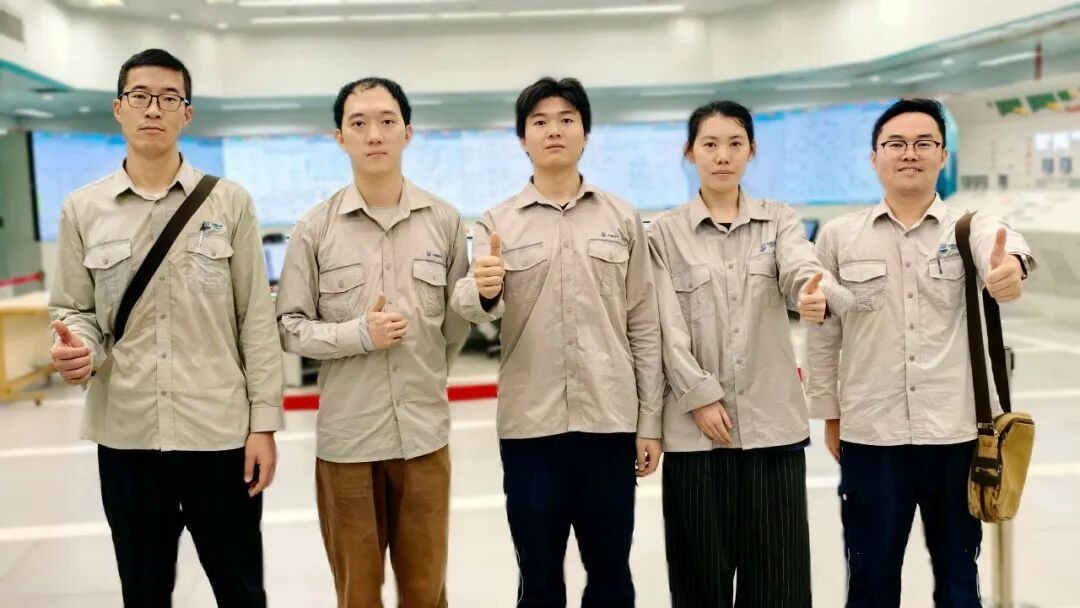
Pakistan Karachi Nuclear Power Plant Unit K-3 Connected to Grid After Major Overhaul
At 03:30 local time on September 7, 2026, Unit K-3 of the Karachi Nuclear Power Plant in Pakistan was successfully connected to the grid. Since the unit was disconnected from the grid on July 1, 2026 for this major overhaul, the Chinese and Pakistani teams have worked closely together to successfully complete all maintenance tasks. This overhaul involved heavy workloads and multiple critical points. The CNNC Overseas Operation and Maintenance team planned and deployed in advance, refined the overhaul plan, coordinated and allocated various resources, clarified responsibilities, implemented dynamic tracking and daily work reviews, and efficiently completed key tasks including the modification of the lower half heat shield of the low-pressure cylinder, preventive maintenance of UPS, maintenance of the containment spray pipeline, emergency repair of the emergency compressed air compressor, and technical guidance for turbine overhaul, eliminating equipment hazards and consolidating the foundation for safe unit operation...
2026-09-09
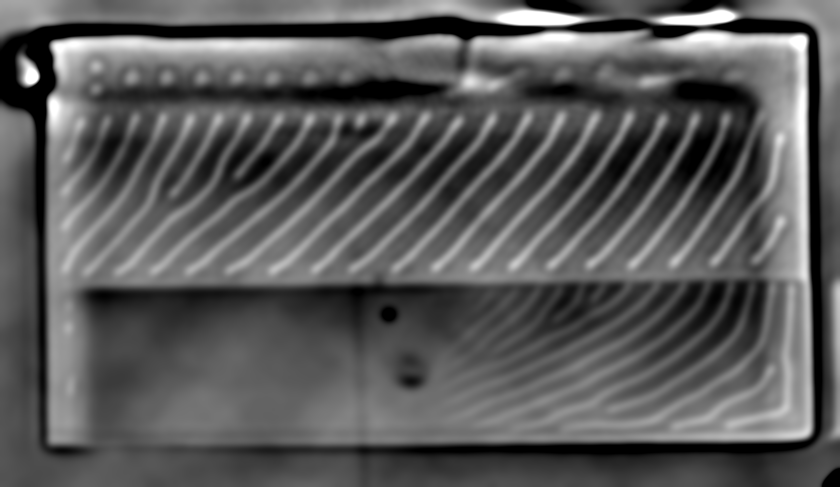
German BESSY II 3D Magnetic Field Experiments Reveal Mechanism of Weak Magnetic Field Control over Magnetic Textures
A team at the Helmholtz-Zentrum Berlin (HZB) in Germany has made progress in controlling magnetic textures in the magnetic material (Fe0.63Ni0.3Pd0.07)3P (abbreviated as FNPP) through 3D magnetic field experiments conducted at the BESSY II synchrotron facility. The research shows that a very small external in-plane magnetic field is sufficient to alter the magnetic stripe structure in this material, providing new experimental evidence for the development of functional magnetic materials for spintronics. FNPP is a magnetic material that exhibits complex magnetic structures at room temperature, making it a focus of spintronics research. Spintronics is considered promising for lower-energy data processing and novel data storage applications. However, to achieve practical applications, the key lies in...
2026-09-08
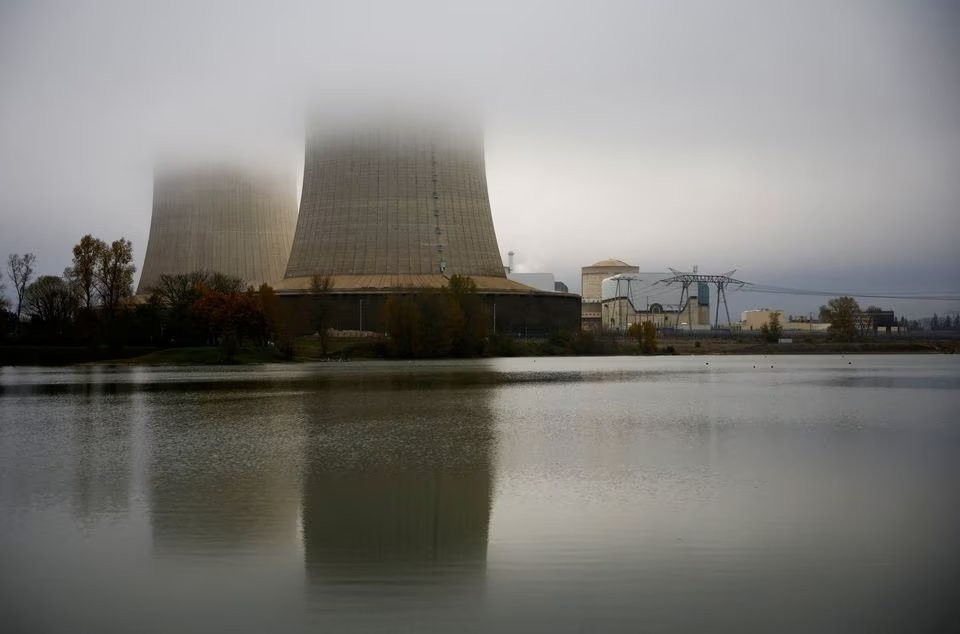
France to Invest €18 Million in Nuclear Fission Research Program
The French National Centre for Scientific Research (CNRS) recently announced the launch of a new scientific research program on nuclear fission. The program will run for six years, from 2026 to 2031, with a total funding of €18 million. Financed by the French government under the France 2030 initiative and coordinated by the French National Research Agency (ANR), the program aims to strengthen the scientific foundation required for the development of current and future nuclear fission technologies. Under the arrangement, approximately half of the funding will be allocated to human resources development, including doctoral and postdoctoral projects; the remaining funds will be directed toward research equipment and infrastructure, covering particle accelerators, experimental reactors, and radiochemistry laboratories, among others....
2026-09-08
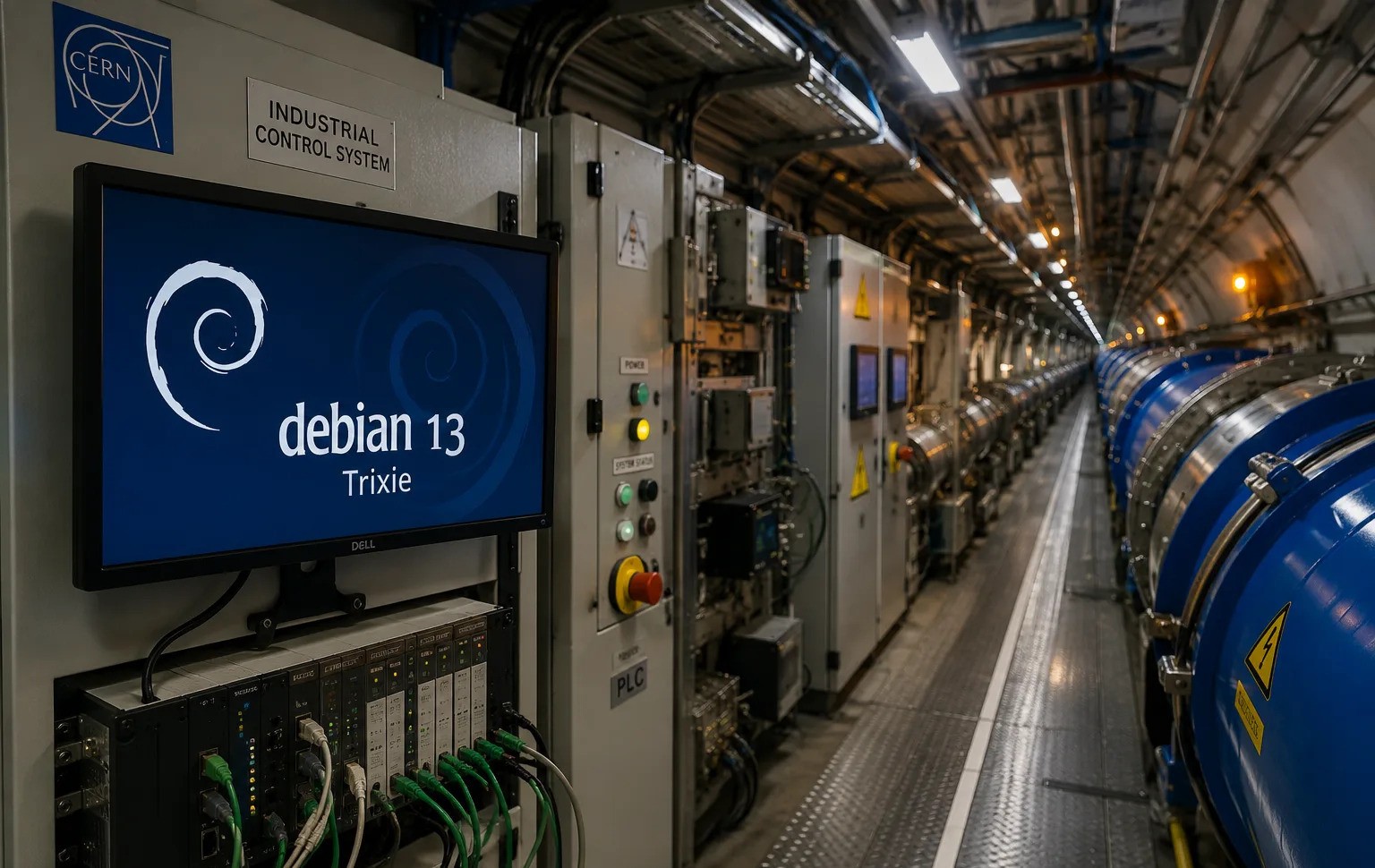
CERN Accelerator Control Systems to Migrate to Debian 13
Representatives from the European Organization for Nuclear Research (CERN) stated at the MiniDebConf conference that they plan to migrate over 2,200 industrial and embedded computers used to control their accelerator complex from RHEL to Debian 13 by the end of 2026. The systems involved include control computers for the Large Hadron Collider as well as several independent experimental facilities. CERN also clarified that this migration applies only to accelerator control-related equipment and will not affect data centers or experimental systems. Those data centers and experimental systems will continue to use RHEL/AlmaLinux. According to reports, CERN engineers had previously considered migrating the relevant systems to CentOS Stream, but...
2026-09-08