
Search Results
Keyword:BN
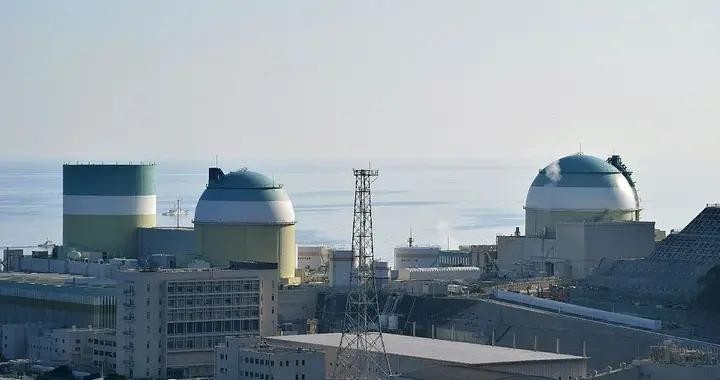
Ikata Nuclear Power Station Unit 3 in Japan briefly deviated from operational limits due to abnormal signals in protection system instrumentation
Shikoku Electric Power Co. reported on August 27 that abnormal signals from safety protection system instrumentation appeared in the central control room of Ikata Nuclear Power Station Unit 3, which was in normal operation, indicating that one channel of the overtemperature ΔT related instrumentation was unreliable. The operator determined at 22:10 on August 26 that the unit had deviated from the operational limits stipulated in the Reactor Facility Security Regulations. On-site confirmation showed that the unreliable signal originated from 1 of the 4 channels of the overtemperature ΔT protection function. Overtemperature ΔT is one of the reactor automatic trip elements, used to protect in-core fuel; its limit value is calculated based on parameters such as reactor power, pressurizer pressure, and...
2026-08-27
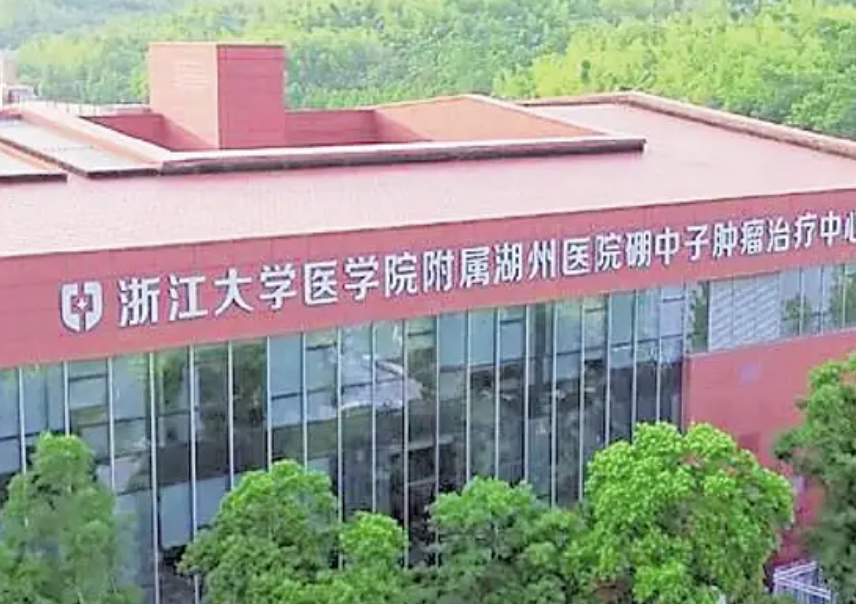
Huzhou, Zhejiang Launches Phase I "Drug-Device Combination" Clinical Trial for the Province's First BNCT System
Recently, the Boron Neutron Tumor Treatment Center at Huzhou Hospital Affiliated to Zhejiang University School of Medicine has drawn attention with the introduction of the province's first Boron Neutron Capture Therapy (BNCT) system. Previously, the system had already initiated a Phase I BNCT drug-device combination clinical trial. According to the system developer, Huapeng Neutron Technology (Hangzhou) Co., Ltd., BNCT is a radiotherapy technique combining drugs and devices, with its core lying in the coordinated use of boron-containing drugs and neutron irradiation. After entering the human body, the boron-containing drug can be absorbed by tumor cells; subsequent neutron beam irradiation triggers a localized reaction to achieve targeted radiotherapy against tumor cells. Unlike conventional radiotherapy, which typically employs fractionated irradiation over a longer treatment course, BNCT emphasizes selective targeting of tumor cells, aiming to reduce damage to surrounding healthy tissues and lower radiotherapy-related side effects such as hair loss and immunosuppression.
2026-08-27
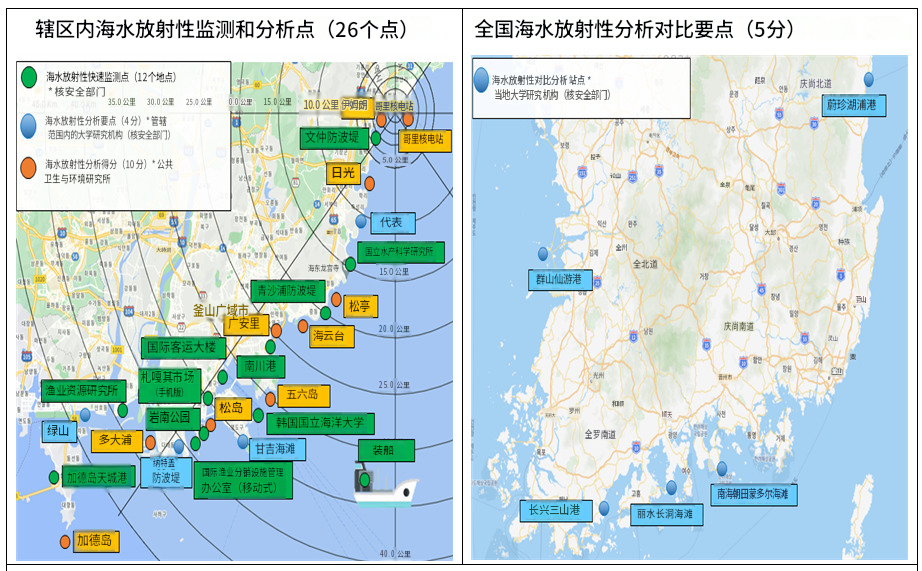
Busan, South Korea Reports No Abnormal Radiation Detected in Seawater and Seafood Three Years After Fukushima Discharge
Busan Metropolitan City stated on August 24 that since the discharge of contaminated water from the Fukushima nuclear power plant began in 2023, the city has continuously conducted radiation monitoring and analysis of coastal seawater and seafood. The results show that the safety conditions of Busan's waters and seafood remain stable with no abnormal changes detected. According to Busan Metropolitan City, seawater radioactivity testing is currently conducted at 26 coastal points. Among them, samples from 14 coastal locations including Haeundae, Gwangalli, Dadaepo, Songdo, and Songjeong are analyzed by the Busan Metropolitan City Institute of Health and Environment and local university research institutions. Test results show that the concentrations of relevant radionuclides are far below the World Health Organization drinking water standards, with cesium-134,...
2026-08-24
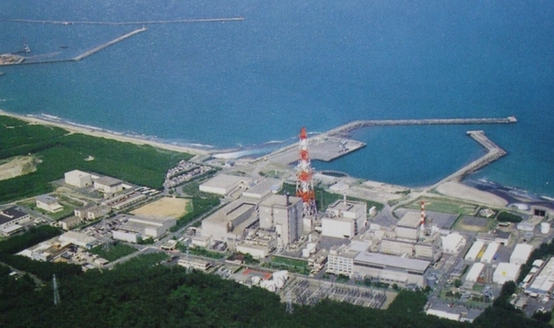
No abnormalities detected at multiple nuclear power plants after earthquake in Ibaraki Prefecture, Japan
At around 2 a.m. on August 23, an earthquake struck the southern part of Ibaraki Prefecture, Japan, with a maximum seismic intensity of 5-lower observed in parts of Ibaraki Prefecture, Tokyo Metropolis, Saitama Prefecture, and Chiba Prefecture. The Japanese government subsequently established a liaison office at the Crisis Management Center of the Prime Minister's Official Residence. Japanese Prime Minister Sanae Takaichi stated that relevant departments have been instructed to verify the damage situation and promptly release accurate information to the public. The earthquake posed no risk of tsunami. Japan Atomic Power Company (JAPC) stated that a seismic intensity of 3 was observed in the area where the Tokai Daini Nuclear Power Plant is located in Tokai Village, Ibaraki Prefecture. The unit is currently shut down, and as of now...
2026-08-24
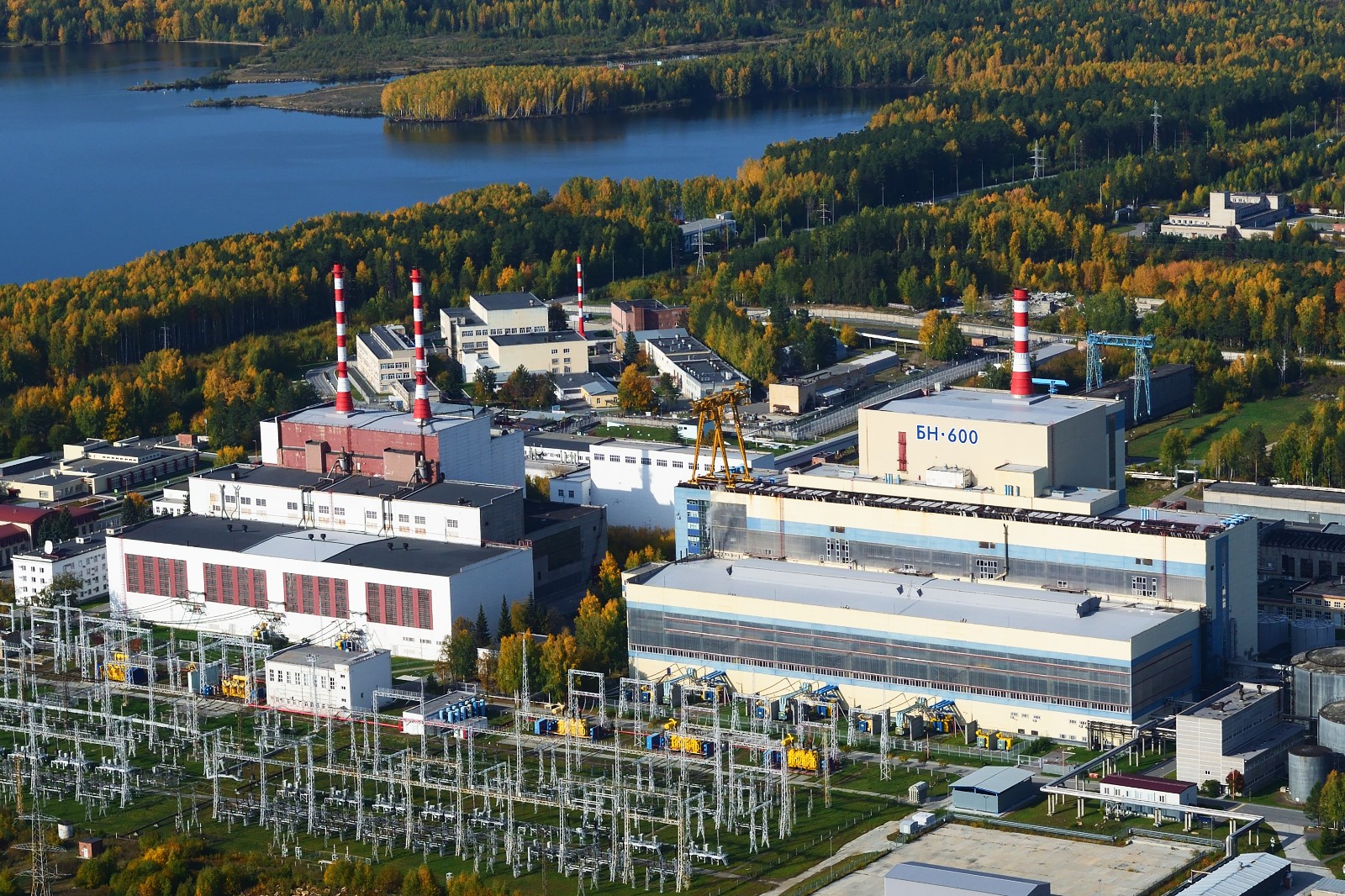
Unit 3 of Beloyarsk NPP begins scheduled maintenance and equipment modernization
Unit 3 of Russia's Beloyarsk NPP entered scheduled preventive maintenance on August 18. This outage maintenance will be used for fuel reloading, equipment maintenance, and preventive repairs, along with partial modernization efforts to maintain reliable unit operation and improve equipment performance. The unit features a BN-600 sodium-cooled fast neutron reactor. During the maintenance period, the plant will carry out major repairs on the BN-600 reactor facility and replace 9 guide tubes in the control and protection system. Such operations are uncommon and are typically performed approximately once every 10 years. According to the maintenance schedule, the plant will also repair the unloading lift device and conduct operational monitoring inspections of the reactor pressure vessel metal...
2026-08-19
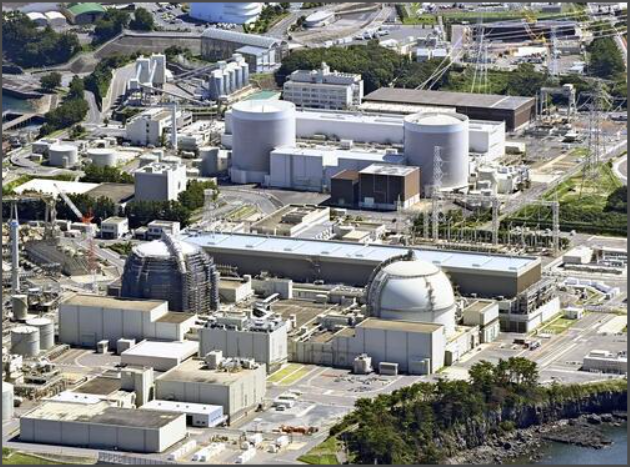
4.4-Magnitude Earthquake Hits Fukuoka Area; Kyushu Electric Says No Abnormalities at Genkai and Sendai Nuclear Plants
At around 6:37 a.m. on August 17, an earthquake struck the Fukuoka area of Fukuoka Prefecture, Japan, with a maximum seismic intensity of 4, a focal depth of approximately 10 kilometers, and a magnitude of 4.4. Kyushu Electric Power Co. (KEPCO) subsequently announced that the operational status of its Genkai and Sendai nuclear power plants was unaffected, with no abnormalities detected in the relevant units. According to Kyushu Electric Power, Unit 4 of the Genkai Nuclear Power Plant in Saga Prefecture continued normal operation, while Unit 3 was undergoing periodic inspection; Units 1 and 2 of the Sendai Nuclear Power Plant in Kagoshima Prefecture continued normal operation. The company stated that no impact on power supply had been confirmed. During the earthquake, Itoshima City in Fukuoka Prefecture...
2026-08-17

Anhui Juhe Haizhi Settles in Hefei, to Release Radiation-Related Maintenance Robots
Anhui Juhe Haizhi Technology Co., Ltd., jointly established by Jianghuai Laboratory, the Institute of Energy at Hefei Comprehensive National Science Center, Keda Silicon Valley, and Anhui Penggong Intelligent Equipment Technology Co., Ltd., has officially settled in Hefei. The company focuses on the industrialization of embodied intelligent equipment for extreme environments, with key deployments in high-risk operational scenarios such as nuclear radiation, deep sea, and specialty chemicals. Juhe Haizhi plans to release two embodied intelligent robots for extreme environments by the end of August 2026. Among them, the commercial fusion radiation-resistant maintenance robot is one of the key products to be released, providing unmanned intelligent maintenance solutions for nuclear radiation-related scenarios, with neutron target maintenance for Boron Neutron Capture Therapy (BNCT) devices being one of its core application scenarios...
2026-08-13

China's First Qualification for Radiation Health Testing and Evaluation of BNCT Equipment Approved
Recently, the Beijing Municipal Health Commission, in accordance with the "Administrative Measures for Radiation Health Technical Service Institutions" (Guoweiban ZhiJian Fa [2026] No. 1), organized experts to conduct on-site reviews of two qualification expansion applications submitted by the National Center for Occupational Safety and Health under the National Health Commission. The projects include performance testing and evaluation of Boron Neutron Capture Therapy (BNCT) equipment and thyroid iodine-131 testing. During the review process, the expert panel conducted a comprehensive examination of the center's management system, personnel allocation, instruments and equipment, and technical capabilities related to radiation health testing and evaluation through document review, technical inquiries, on-site practical operations, and simulated demonstrations...
2026-08-12
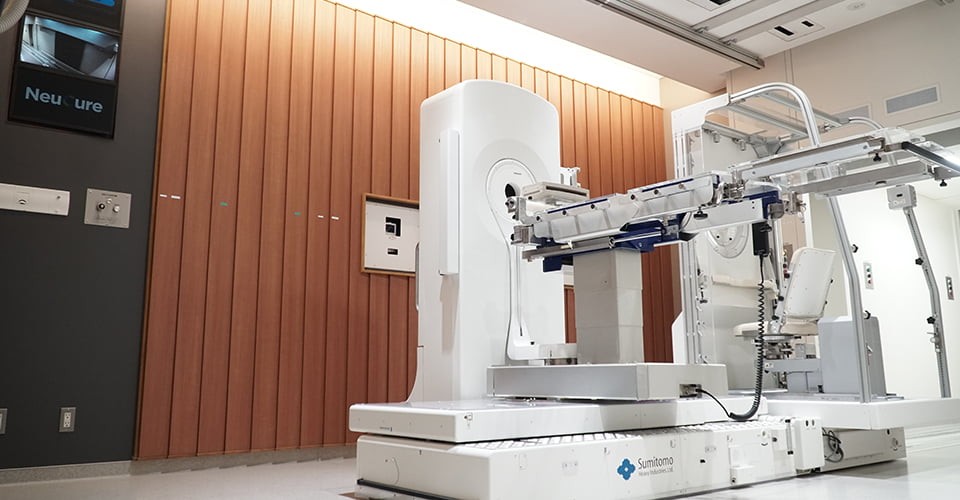
Fujita Health University in Japan Advances Research on Expanding BNCT Indications for Deep-Seated Cancers, to Conduct 18F-FBPA PET Exploratory Evaluation
On August 10, Stella Pharma Corporation of Japan announced that it is collaborating with Fujita Health University and other institutions to advance research and development aimed at expanding Boron Neutron Capture Therapy (BNCT) to deep-seated cancers. As part of this project, Stella Pharma will participate in an exploratory study on 18F-FBPA uptake capacity in deep-seated cancers conducted by Fujita Health University. The study will use 18F-FBPA PET to evaluate the tumor accumulation of boron drugs used in BNCT in deep-seated cancers, and based on the findings, explore the possibility of expanding BNCT indications in the future. The study plans to collect data from 50 cases, including pancreatic cancer, hepatocellular carcinoma, and biliary tract cancer, to accumulate foundational evidence needed for the development of BNCT for deep-seated cancers. BNC...
2026-08-11
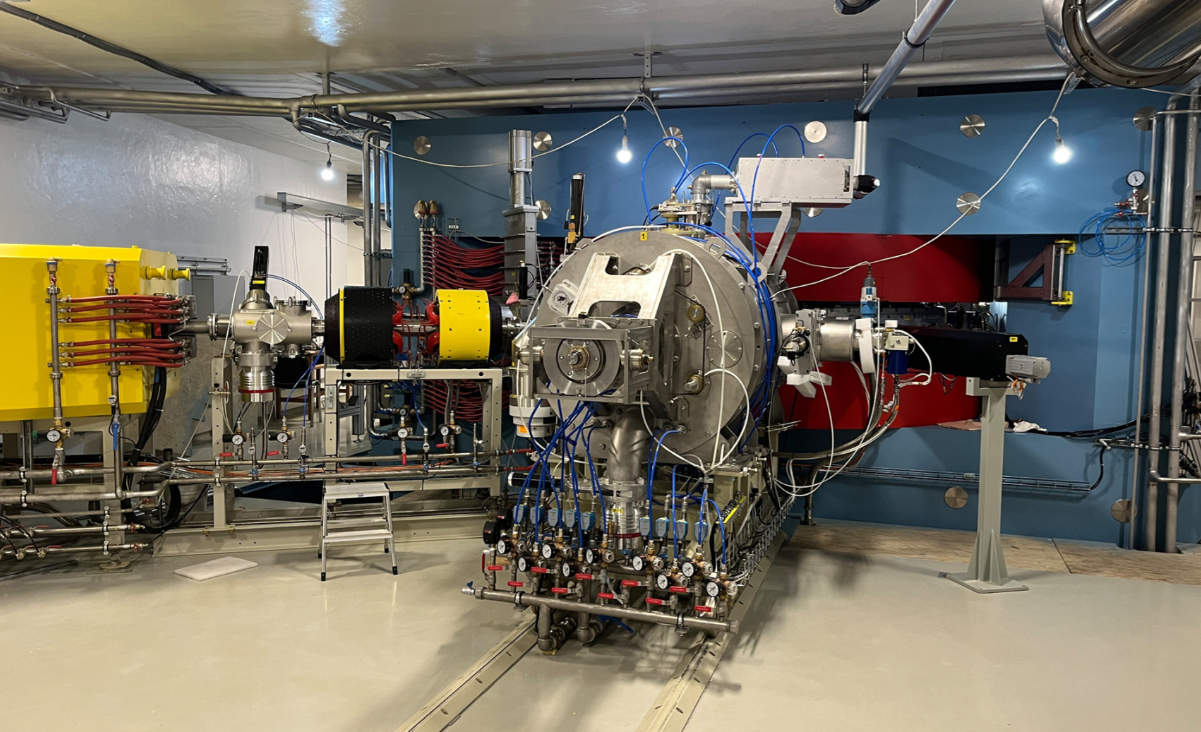
First Heavy Ion Beam Obtained at DC-140 Accelerator of the Joint Institute for Nuclear Research in Dubna, Russia
The Flerov Laboratory of Nuclear Reactions at the Joint Institute for Nuclear Research (JINR) in Dubna, Russia, has completed the construction of the DC-140 accelerator complex and obtained an accelerated heavy ion beam for the first time during commissioning on August 4. This achievement marks significant progress in the JINR applied technology development program and signifies that a new ion beam platform designed to meet scientific and industrial needs for decades to come has entered its critical commissioning phase. The DC-140 project was launched in 2020 to replace the existing U-200 and IC-100 cyclotron complex. The new facility is designed to address a wide range of fundamental and applied research needs, including solid-state physics, radiation materials science, material surface modification, and track membrane production...
2026-08-11
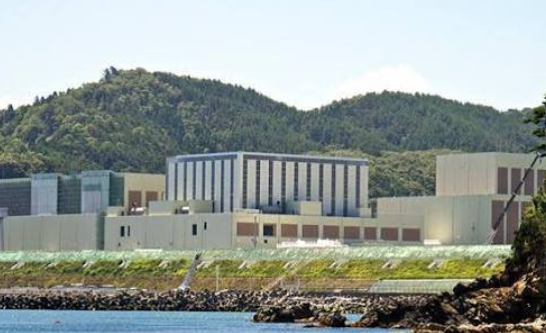
Radiation detector malfunction at Unit 2 of Japan's Onagawa Nuclear Power Plant causes hundreds of abnormal reading fluctuations
Tohoku Electric Power Company of Japan announced on August 6 that a detection equipment malfunction occurred at Unit 2 of the Onagawa Nuclear Power Plant, located in Onagawa Town and Ishinomaki City, Miyagi Prefecture. The issue involved detectors used to measure radiation levels in the main steam lines, which transport steam generated by the reactor to the turbine. Among the four detectors, one displayed readings in the central control room that surged and dropped sharply, repeating hundreds of times. Based on publicly available information, Tohoku Electric has classified this incident as a detector malfunction rather than an abnormal release of radioactive materials or a sudden change in reactor operating conditions. The company stated that the situation does not constitute a problem under security regulations, meaning that from...
2026-08-07