
Search Results
Keyword:CA
U.S. SuperCritical Materials Corp. Completes Independent Engineering Assessment of Seawater Uranium Extraction Platform
SuperCritical Materials Corp. announced on August 26 that Kellogg Brown & Root (KBR) has completed an independent engineering assessment of its seawater uranium extraction platform. The assessment covered the uranium extraction platform, deployment architecture, offshore operation plans, uranium recovery process, commercialization pathway, and key engineering conditions required for future large-scale deployment. The assessment reviewed SuperCritical Materials' conceptual production plan. Under this plan, the system would use approximately 10,000 metric tons of adsorbent and operate on a continuous 21-day deployment cycle, capable of supporting a uranium processing facility with an annual output of 1.85 million pounds of triuranium octoxide (U3O8)...
2026-08-27
France's n-Floating Floating Nuclear Power Project Receives Nearly One Million Euros in Funding
newcleo announced on August 26 that a consortium led by the company has been selected for a call for projects managed by Bpifrance, the French public investment bank, supporting the decarbonization of France's maritime sector. The consortium will advance research on a floating nuclear power solution called n-Floating, with the project receiving nearly one million euros in funding and an expected duration of approximately 18 months. The n-Floating project aims to validate the relevance and technical feasibility of a new floating nuclear power solution. Under the proposed concept, a non-self-propelled floating unit would carry multiple LFR-AS-200 reactors, each with an electrical output of 200 megawatts. LFR-AS-200 is one of the lead-cooled fast reactor technology lines developed by newcleo.
2026-08-27
Japan to Allocate Funds to Accelerate Preparations for Next-Generation Nuclear Reactor Reviews
The Nuclear Regulation Authority (NRA) of Japan has decided to include funding in its budget request for the next fiscal year to investigate the effectiveness of safety measures for next-generation nuclear reactors and to make advance preparations for future review work. The Japanese government is promoting the development of next-generation nuclear reactors, including innovative light-water reactors that enhance safety design based on existing light-water reactor technology. Since November last year, Kansai Electric Power Co. has been conducting geological surveys at the Mihama Nuclear Power Station in Fukui Prefecture as part of preliminary preparations for potentially replacing existing units with next-generation reactors in the future. It has been reported that the NRA plans to include in its budget request for the next fiscal year...
2026-08-27
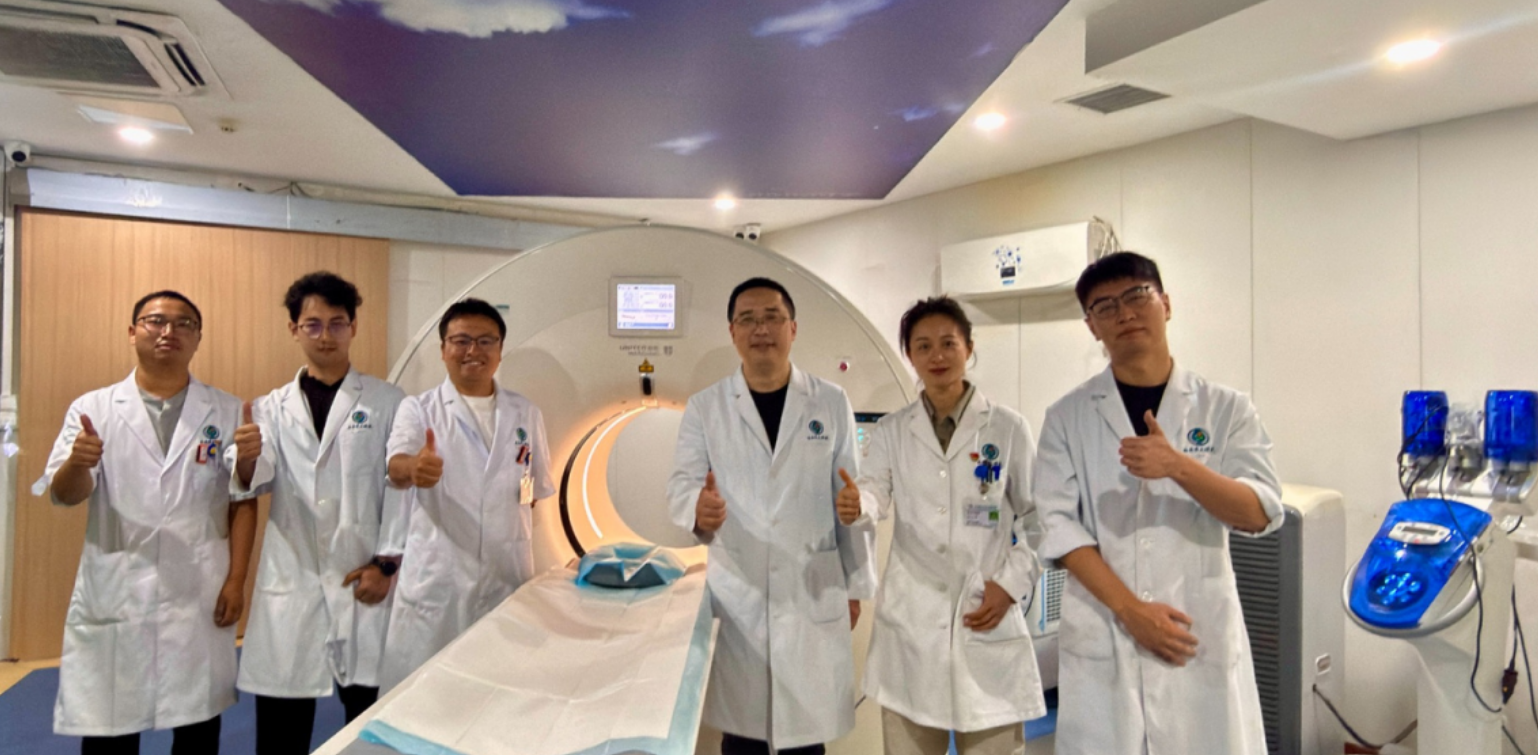
Department of Nuclear Medicine at the Affiliated Hospital of Southwest Medical University Completes Its First PET/CT-Guided Interventional Puncture Procedure
From August 21 to 22, Professor Sun Long from the PET Center of the First Affiliated Hospital of Xiamen University was invited to the Department of Nuclear Medicine at the Affiliated Hospital of Southwest Medical University for academic exchange, and on the following day provided on-site guidance for the hospital's first PET/CT-guided interventional puncture procedure. The successful completion of this procedure marks a new clinical practice milestone for the department in the field of interventional nuclear medicine. On August 21, Professor Sun Long delivered a special lecture titled "Exploration of Clinical Integrated Application of Diagnostic Nuclear Medicine and Interventional Nuclear Medicine Based on the PET Platform," focusing on how the PET platform extends from disease diagnosis and precise localization to interventional diagnosis and treatment. Drawing on clinical practice and typical cases, he introduced the application of interventional nuclear medicine in lesion...
2026-08-27
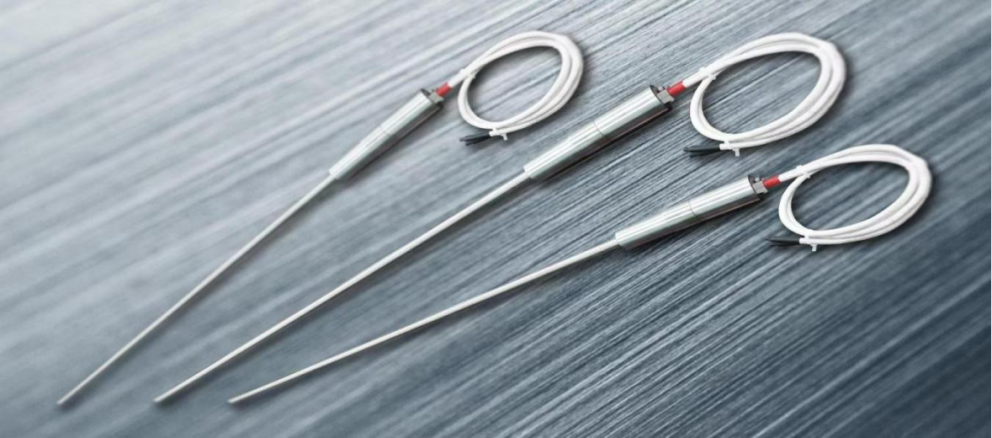
Hualong One Pressurizer Electric Heaters Achieve Coverage of Two Major Technical Routes
The pressurizer electric heater is an important safety-class component of the reactor coolant system (primary loop) in pressurized water reactor nuclear power plants, directly affecting unit pressure regulation and safe, stable operation. The localized pressurizer electric heater developed by Chuanyi Instrument Co., Ltd., a subsidiary of SINOMACH Instrumentation Group under SINOMACH Group, has been applied to China's self-developed Generation III nuclear power units such as "Hualong One." The photo shows the qualification prototype of the Hualong One pressurizer electric heater. With the batch construction of Hualong One units advancing, units adopting different technical routes have imposed new customized operating condition requirements on pressurizer electric heaters. In October 2019, Chuanyi Instrument, together with China General Nuclear Power Engineering Co., Ltd., initiated the development of the CGN-version Hualong One pressurizer electric heater...
2026-08-27
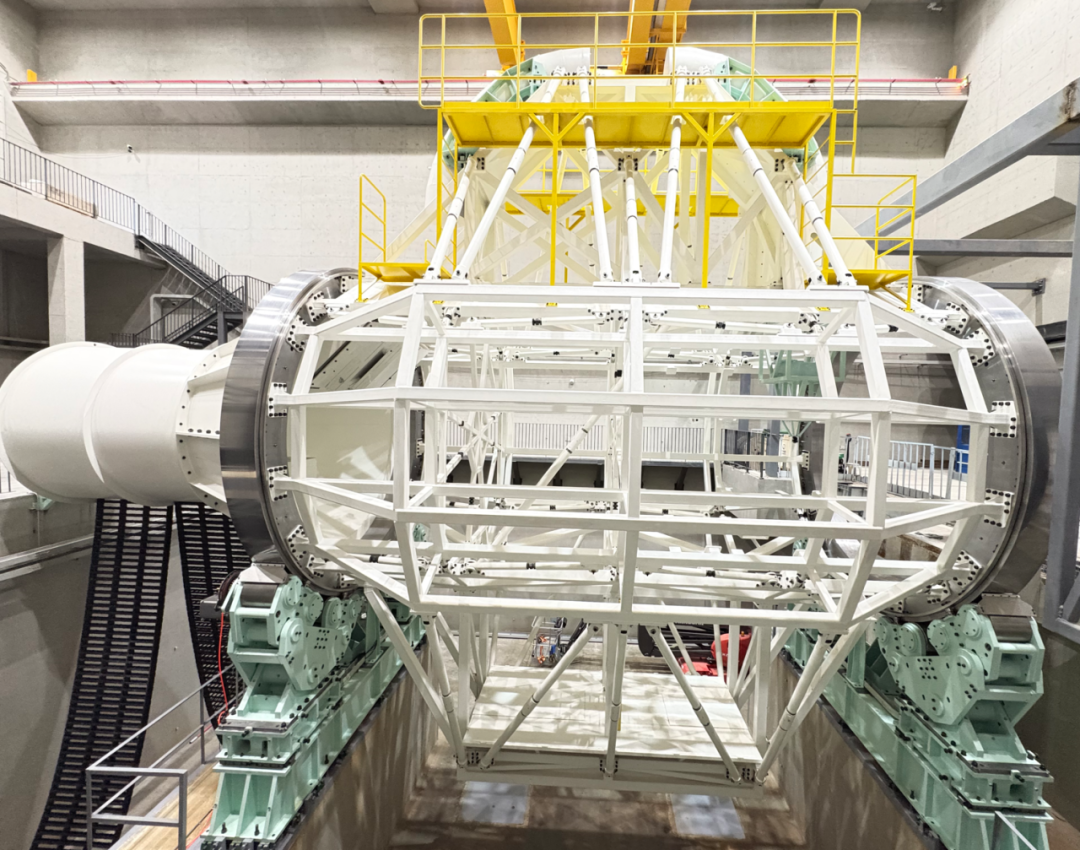
Lanzhou Taiji Completes Key Commissioning of First Domestic Multi-Ion Therapy Device HiTS400
The first domestically produced multi-ion therapy device HiTS400, independently developed by Lanzhou Taiji and installed at Shandong Cancer Hospital, recently completed phased joint commissioning. After one week of operational testing, all beam parameters of the device met or exceeded contractual requirements, laying the foundation for subsequent clinical registration work. According to reports, HiTS400 is a medical ion accelerator independently developed by Lanzhou Taiji with full intellectual property rights. It can stably deliver four ion species: C^6+, H^+, He^2+, and O^8+, and is equipped with multi-angle fixed treatment nozzles and a lightweight superconducting heavy-ion rotating gantry, integrating modulated scanning technology to advance the development and application of multi-ion combined therapy devices. On August 14, 2026, the device obtained an amendment to its Radiation Safety License from the Ministry of Ecology and Environment, granting qualification for commissioning and operation. In the early morning of August 20, the equipment achieved stable acceleration and precise extraction of carbon ion beams. Measured data show that the particle number after synchrotron acceleration reached 3.26E9 ppp, the terminal particle number reached 3.02E9 ppp, the extraction efficiency was 92%, and beam stability was no less than 95%.
2026-08-26
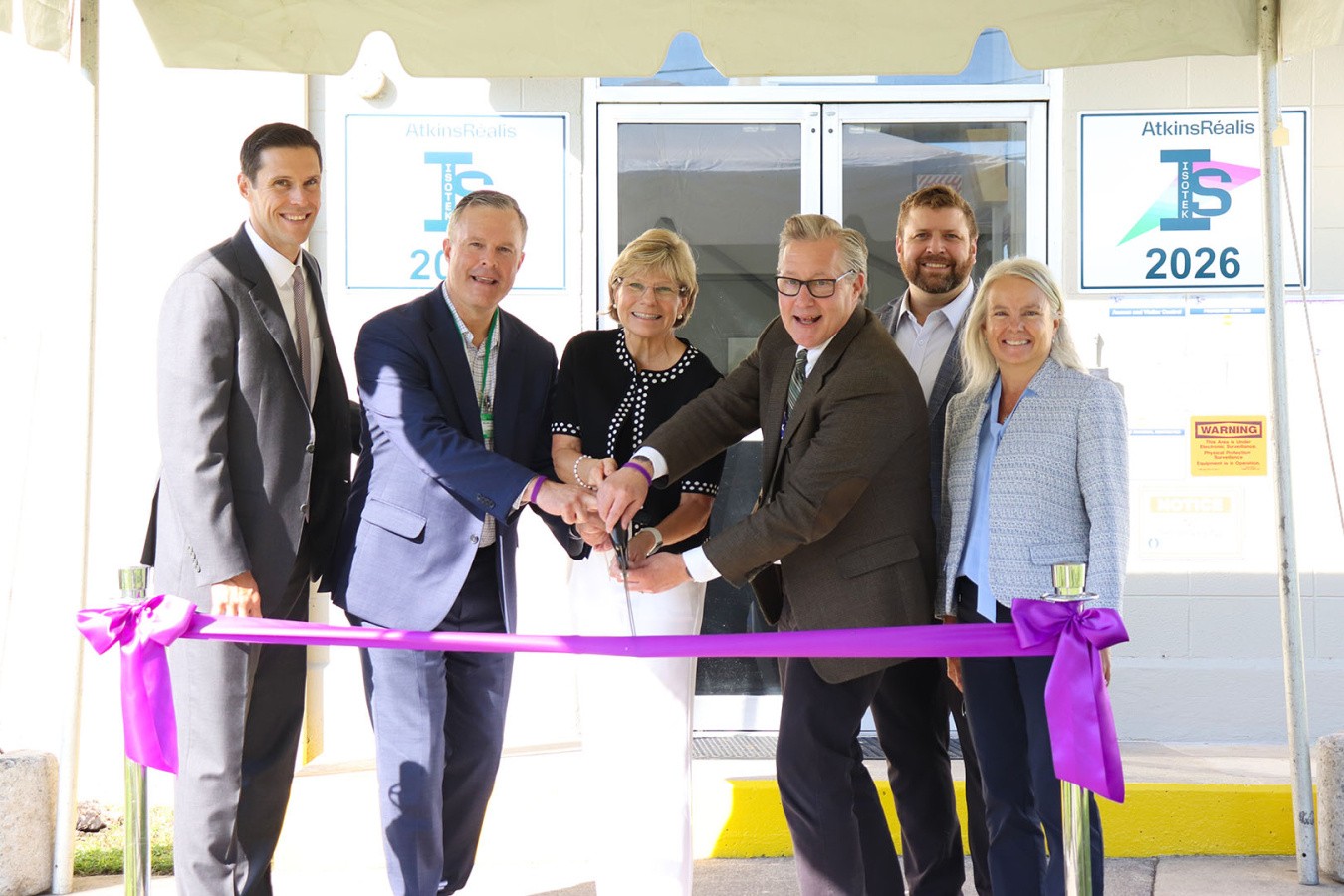
New Analytical Laboratory Completed at Oak Ridge to Support U-233 Cleanup and Medical Isotope Supply
The U.S. Department of Energy Oak Ridge Environmental Management Office (OREM) and its contractor Isotek Systems completed installation of a new analytical laboratory at Oak Ridge National Laboratory (ORNL) on August 25, 2026. The laboratory will support ORNL's highest-priority environmental cleanup project and accelerate delivery of critical medical isotope materials for cancer treatment research. Isotek Systems is responsible for removing the U.S. uranium-233 inventory stored at Oak Ridge National Laboratory. Uranium-233 was primarily developed in the 1950s and 1960s, initially intended for use as nuclear reactor fuel, but was later proven unsuitable as a commercial fuel source...
2026-08-26
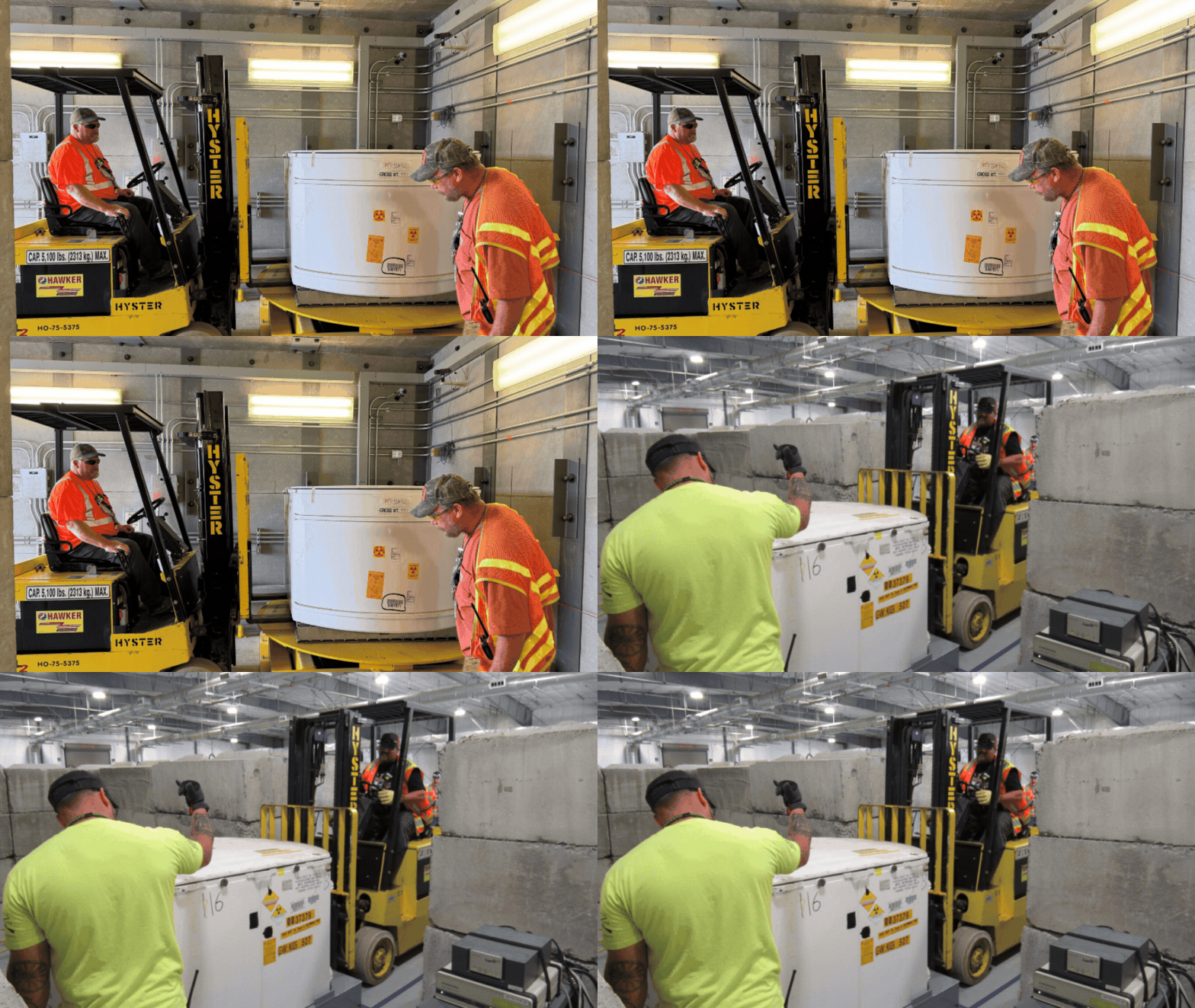
Hanford Site Resumes Certification Work for Permanent Disposal of Transuranic Waste
The U.S. Department of Energy Office of Environmental Management recently stated that its contractor, Central Plateau Cleanup Company, has resumed transuranic waste characterization and disposal certification work at the Hanford Site in Washington State, preparing for the future shipment of relevant waste to the Waste Isolation Pilot Plant near Carlsbad, New Mexico, for permanent disposal. The Hanford Site had suspended its transuranic waste treatment program in 2011 due to higher priorities for other cleanup tasks, and resumed related work in 2018. According to the plan, the site will resume shipping contact-handled transuranic waste to the Waste Isolation Pilot Plant by September 30, 2028. Hanford Site Office of the U.S. Department of Energy Office of Environmental Management...
2026-08-26
U.S. Research Reveals Diamond Melting Mechanism at High Pressure, Potentially Enhancing Inertial Confinement Fusion Performance
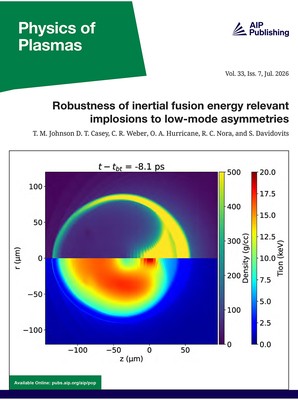
A research team at Lawrence Livermore National Laboratory (LLNL) in the U.S. recently published a study in Nature Physics reporting that the latest dynamic compression experiments have, for the first time, directly recorded atomic structural changes during diamond melting under extreme high pressure. The experiments showed that under high-pressure conditions, solid diamond can float in liquid metallic carbon, similar to ice floating on water. Diamond is not only a high-hardness carbon material but is also used as the fuel target capsule shell in inertial confinement fusion experiments. When intense lasers drive the capsule implosion, the compression and melting behavior of the diamond shell can affect whether the fusion fuel reaches the required high-temperature, high-pressure state. Meanwhile, the planetary science community has long focused on the high-pressure behavior of carbon in the deep interiors of ice giant planets...
2026-08-26
Bitumen Solidification Facility at Unit 2 of Japan's Ikata Nuclear Power Plant Returns to Normal
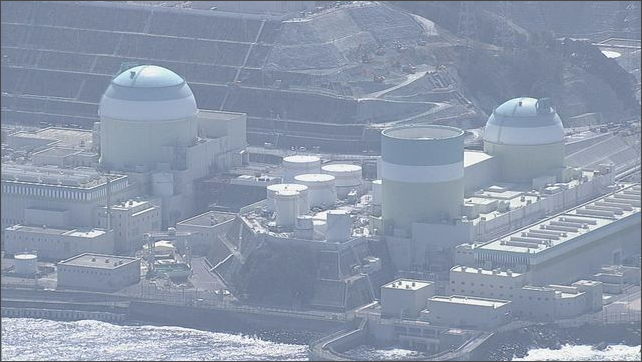
Shikoku Electric Power Co. reported on August 25, 2026, that the bitumen solidification facility at Unit 2 of Japan's Ikata Nuclear Power Plant, currently in a decommissioned state, had returned to normal operation at 10:45 a.m. that day. The gasket at the joint of the mixer top cover, where the earlier abnormality had been detected, had been replaced, and trial operation results showed no abnormalities. The incident occurred on April 28. On that day, when operators started the bitumen solidification facility in the controlled area of the reactor auxiliary building, they observed a steam-like phenomenon near the mixer thermometer, which subsequently disappeared on its own. Maintenance personnel later inspected and confirmed at 3:05 p.m. that the steam-like gas originated from inside the mixer and had escaped through the joint of the mixer top cover; at 5:06 p.m., the bitumen solidification facility was shut down.
2026-08-26
Tescan Launches MIRA XR Ultra-High-Resolution Scanning Electron Microscope for Materials Characterization and Failure Analysis Applications
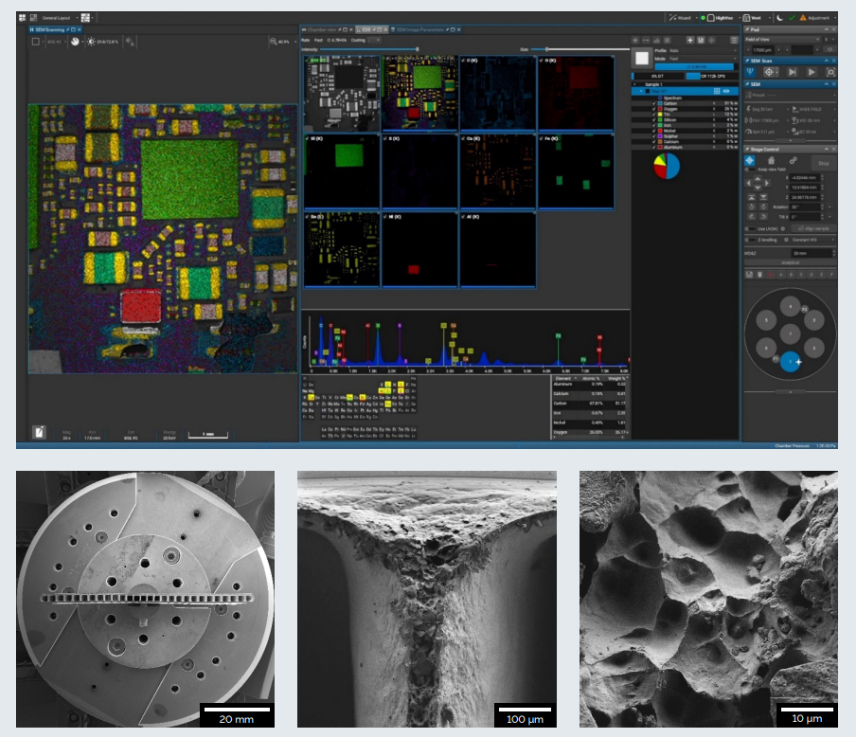
Tescan recently launched the MIRA XR ultra-high-resolution scanning electron microscope system, targeting materials characterization needs in fields such as battery technology, metallurgy, and advanced materials science. Positioned between the Tescan MIRA and Tescan CLARA, the system aims to deliver higher resolution, enhanced surface sensitivity, and a more streamlined workflow, serving applications including R&D laboratories, industrial quality control, and failure analysis. According to reports, the MIRA XR employs BrightBeam™ technology and a single high-efficiency axial detector to improve surface signal acquisition under field-free imaging conditions, making it suitable for beam-sensitive materials and magnetic samples while reducing the need for sample preparation steps such as surface coating. The system also features an aperture-free column design that minimizes manual aperture selection and adjustment steps, allowing operators to focus more on sample observation and data analysis.
2026-08-26
Lancaster University in the UK receives EPSRC funding to study antimatter production in intense laser pulses
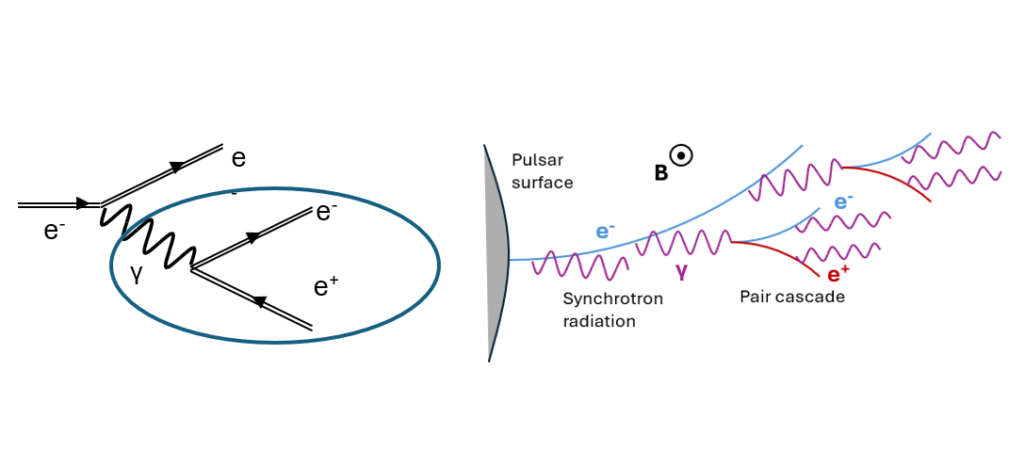
Christopher Arran, a lecturer at Lancaster University and the Cockcroft Institute in the UK, has recently been awarded a three-year New Investigator Award from the UK Engineering and Physical Sciences Research Council (EPSRC) to study electron-positron pair production in the extremely intense electromagnetic fields of high-power lasers. The research focuses on matter-antimatter production processes under intense laser pulse conditions. Similar interactions are believed to exist in extreme cosmic environments, such as near pulsars and black hole accretion disks. Previously, such interactions had only been measured at large particle accelerator facilities such as Stanford University and the European Organization for Nuclear Research (CERN), but the electric and magnetic field strengths used in those experiments were far weaker than the strong-field conditions achievable with current high-power lasers.
2026-08-26
IsoEnergy Signs Agreement with Kineepik Métis Local to Advance Uranium Exploration in Saskatchewan, Canada
On August 24, 2026, IsoEnergy Ltd. announced that it has signed an exploration agreement with Kineepik Métis Local Inc. to support its responsible uranium exploration activities in Saskatchewan, Canada. Under the agreement, the two parties will establish mechanisms for ongoing communication, information sharing, and collaboration around IsoEnergy's exploration activities in the relevant region. The agreement also provides that Kineepik community members and local businesses may participate in exploration-related work through business partnerships, employment opportunities, and training programs. Kineepik Métis Local Inc. represents Métis rights holders residing within the Kineepik use and occupancy area, including...
2026-08-26
U.S. Develops Hybrid Process Combining Electroforming and 3D Printing for Critical Component Manufacturing in Advanced Nuclear Reactors
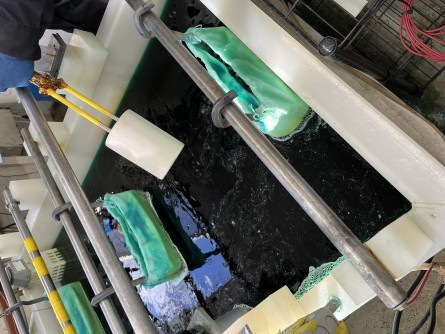
On August 24, local time, the U.S. Department of Energy's Oak Ridge National Laboratory (ORNL) announced that its scientists are collaborating with AJ Tuck Company (AJ Tuck) to develop a hybrid manufacturing process that combines 3D printing and electroforming to produce complex, leak-tight hot isostatic pressing canisters for powder metallurgy hot isostatic pressing processes. The process targets the manufacturing of critical metal components for advanced nuclear reactors and other energy and defense applications, with the goal of shortening production workflows and reducing reliance on traditional large-scale forging and casting supply chains. A hot isostatic pressing canister is a type of sealed container used to compact metal powders into high-performance metal components under high temperature and high pressure. Traditional hot...
2026-08-26

Electron Beam Processing Can Reduce Poultry Pathogens, Study Shows Turkey Meat Quality Remains Well Preserved
A study on electron beam treatment of poultry meat products shows that electron beam irradiation has the potential to reduce the risk of foodborne pathogens in poultry while preserving meat quality as much as possible. The paper, titled "Effects of Electron Beam (eBeam) Treatment on the Texture and Sensory Attributes of Chicken and Turkey Meat Batters," was published in the journal Poultry Science. Electron beam is a non-thermal processing technology that uses high-energy electrons to cause irreversible damage to pathogen DNA or RNA, making it difficult for bacteria to replicate. Like X-rays and gamma rays, electron beam has been approved by the U.S. Food and Drug Administration for cold pasteurization that does not rely on heating. The research team used the electron beam irradiation facility at Texas A&M University...
2026-08-26