
Search Results
Keyword:CA
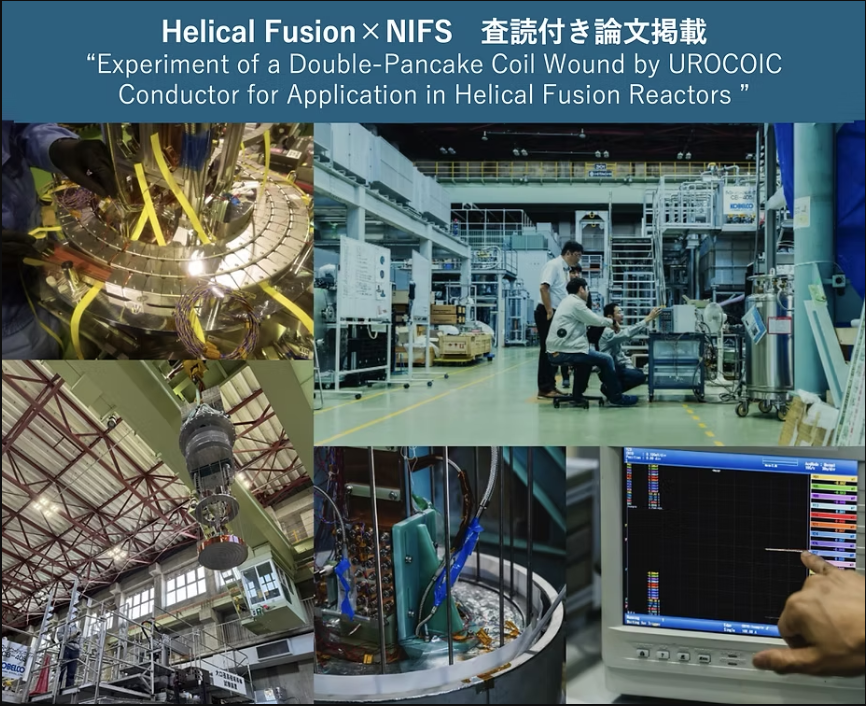
Japan's Helical Fusion Publishes Research Results on High-Temperature Superconducting Magnets
Helical Fusion recently announced that its joint research on high-temperature superconducting magnets with the National Institute for Fusion Science (NIFS) has passed peer review and been published in the Journal of Physics: Conference Series. The results, previously disclosed in a preliminary report, primarily validate the performance of high-temperature superconducting conductors for fusion reactor applications under strong magnetic fields and high currents. This study tested the UROCOIC high-temperature superconducting conductor independently developed by Helical Fusion. The research team fabricated the conductor into a double-pancake coil sample and used existing test equipment to simulate, as closely as possible, the magnetic field and current environment expected in future fusion reactors.
2026-08-26
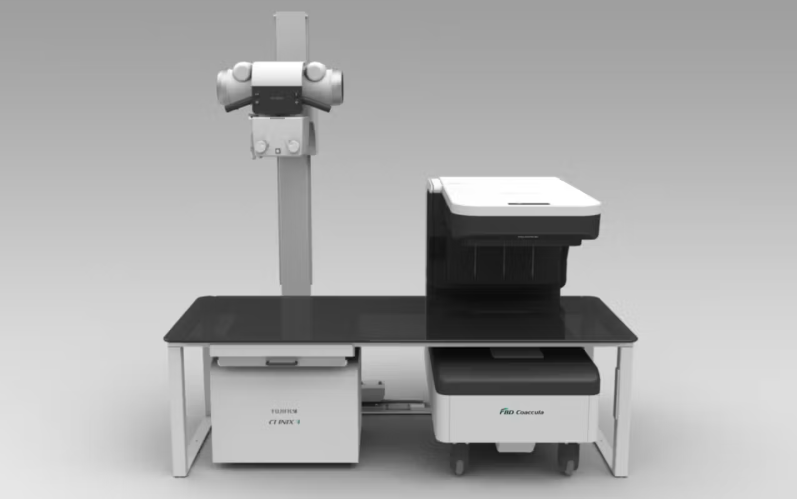
Fujifilm Launches New X-ray Bone Densitometer for Early Osteoporosis Screening
Fujifilm Corporation announced on August 26 that it has begun selling a new X-ray bone densitometry device designed to measure bone density in areas such as the lumbar spine and femur, supporting early detection of osteoporosis and fracture risk assessment. According to the company, the X-ray bone densitometer measures bone density using X-rays and is an important diagnostic tool for osteoporosis. The newly launched model is Fujifilm's first new device of this kind since 2018 and will be sold through its subsidiary Fujifilm Medical, with a price of approximately 20 million yen, varying depending on system configuration. The new device incorporates artificial intelligence technology, enhancing automated analysis functions. In the analysis of scanned images...
2026-08-26
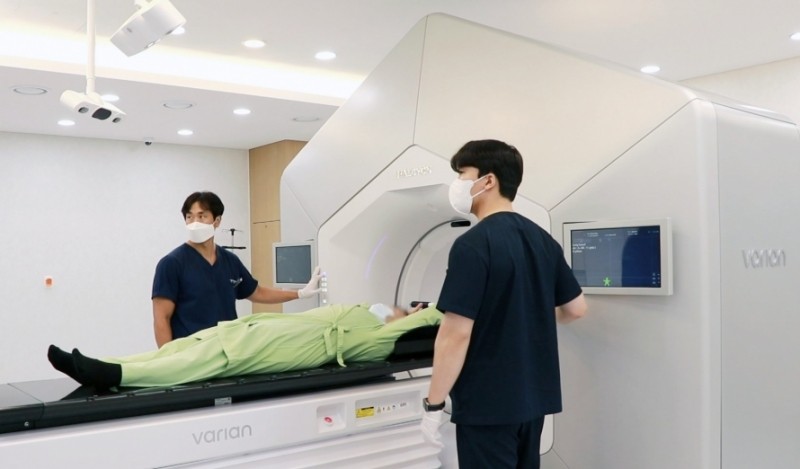
Korea's Gil Medical Center Expands Application of Markerless Surface-Guided Radiation Therapy
Gachon University Gil Medical Center in South Korea announced on August 26 that it is expanding the clinical application of markerless surface-guided radiation therapy (SGRT) to enhance the precision and comfort of radiation therapy for cancer patients. According to the hospital, the proportion of markerless SGRT in its radiation therapy procedures has increased from 28% in the first half of 2025 to 37% in the first half of 2026. This change indicates that this treatment-assistive technology, which reduces the burden of skin marking on patients, is gaining broader clinical adoption. Markerless SGRT is an advanced technique used for patient positioning and monitoring during radiation therapy. Unlike conventional methods, patients do not need to retain target line markings on their skin; the treatment system can assist in confirming patient positioning through surface guidance, enabling radiation to be delivered more accurately to the target area.
2026-08-26
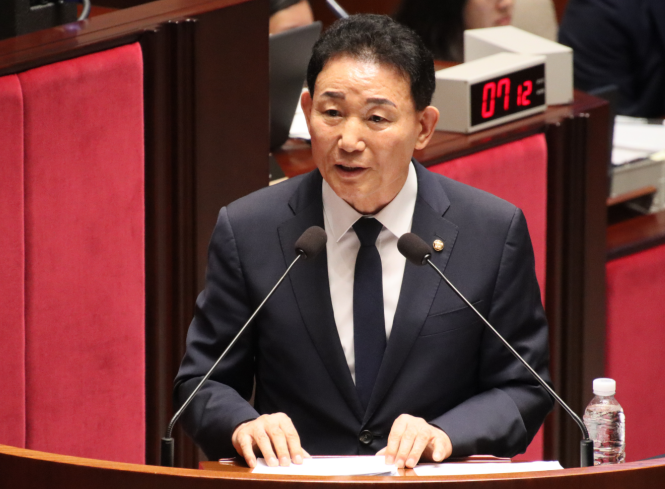
South Korean lawmaker calls for heavy ion therapy center in Daejeon to ease regional cancer treatment disparities
South Korean lawmaker Park Yong-gap recently called on the government to support the construction of a heavy ion therapy center in the central region of Daejeon, aiming to improve access to advanced radiation therapy for cancer patients outside the capital area and promote a balanced distribution of regional medical resources. Park stated that heavy ion therapy centers are often referred to as "dream cancer treatment centers." Compared with conventional radiation therapy, heavy ion therapy and proton therapy can target cancer cells more precisely while minimizing impact on surrounding normal tissues, making them advanced particle therapy technologies drawing attention in the current cancer treatment field. According to him, the relevant treatment centers currently in operation in South Korea are mainly concentrated in the capital area, including the heavy ion therapy center at Sinchon Severance Hospital of Yonsei University...
2026-08-26

Phase II of China Spallation Neutron Source in Dongguan expected to be completed by 2029
On August 26, a media delegation from the Guangdong-Hong Kong-Macao Greater Bay Area visited the China Spallation Neutron Source (CSNS) in Dongguan to learn about the operation of this major scientific facility and the progress of its Phase II project. The CSNS is China's first and the world's fourth pulsed spallation neutron source, often referred to as a "super microscope" for exploring the microscopic world. Since its opening in 2018, the facility has been operating in areas including basic research, research addressing major national needs, industrial innovation, and the integration of Hong Kong and Macao in science and technology innovation, and has become one of the key scientific research platforms in the Greater Bay Area. Tong Xin, Deputy Director of the Spallation Neutron Source Science Center, stated that the Phase II project of the CSNS is currently under construction, with a construction period from January 2024 to October 2029...
2026-08-26
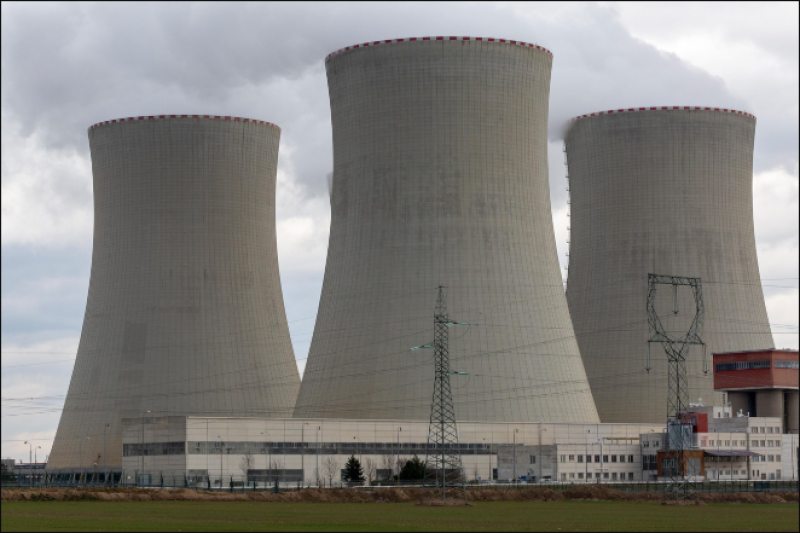
Ontario Allocates Funding for Community Consultation on Lambton Nuclear Power Proposal
The Government of Ontario will invest CAD 500,000 to conduct further consultation with the Corunna community in Lambton County, southwestern Ontario, regarding a new power generation project. The project is proposed for the site of the decommissioned Lambton coal-fired power station, where future energy options will be compared and discussed between nuclear and natural gas. Under the arrangement, these funds will support local municipalities, Indigenous communities, and affected residents in participating in the consultation. Ontario Energy Minister Stephen Lecce stated that the province favors the development of clean energy and high-output power generation...
2026-08-26

Jamaica Launches Graduate Training Program in Radiation Protection and Safety, Poised to Become a Regional Center of Excellence in the Caribbean
Jamaica's newly established graduate training program in radiation protection and safety is being viewed as an important platform for enhancing nuclear technology safety capabilities in the Caribbean region. Chris Ardouin, an International Atomic Energy Agency expert and Senior Scientist and Technical Manager of Public Health and Forensic Science at the National Radiation Science Centre of New Zealand, stated that the program demonstrates Jamaica's potential to become a regional center of excellence for radiation protection and safety training. The six-month program, implemented as the first graduate education course in radiation protection and safety under the framework of the University of the West Indies' short-term academic resources, is currently training 12 professionals from seven CARICOM member states, with a focus on enhancing regional...
2026-08-26

Two production lines at radiopharmaceutical plant in Russia's Kaluga Region enter trial production
Rosatom recently announced that two production lines at its modern radiopharmaceutical manufacturing facility in the Kaluga Region have entered trial production. The facility, built in accordance with the Eurasian Economic Union's international Good Manufacturing Practice (GMP) standards, is equipped with high-level production equipment and is designed to supply safe, quality-controlled radiopharmaceuticals to the market. According to reports, Rosatom's subsidiary enterprises currently produce more than ten registered diagnostic and therapeutic radiopharmaceuticals, involving isotopes such as iodine-123, iodine-131, technetium-99m, and samarium-153. The new plant's production plan is based on the demand for radioisotope products from Russian medical institutions through 2030. The company...
2026-08-26
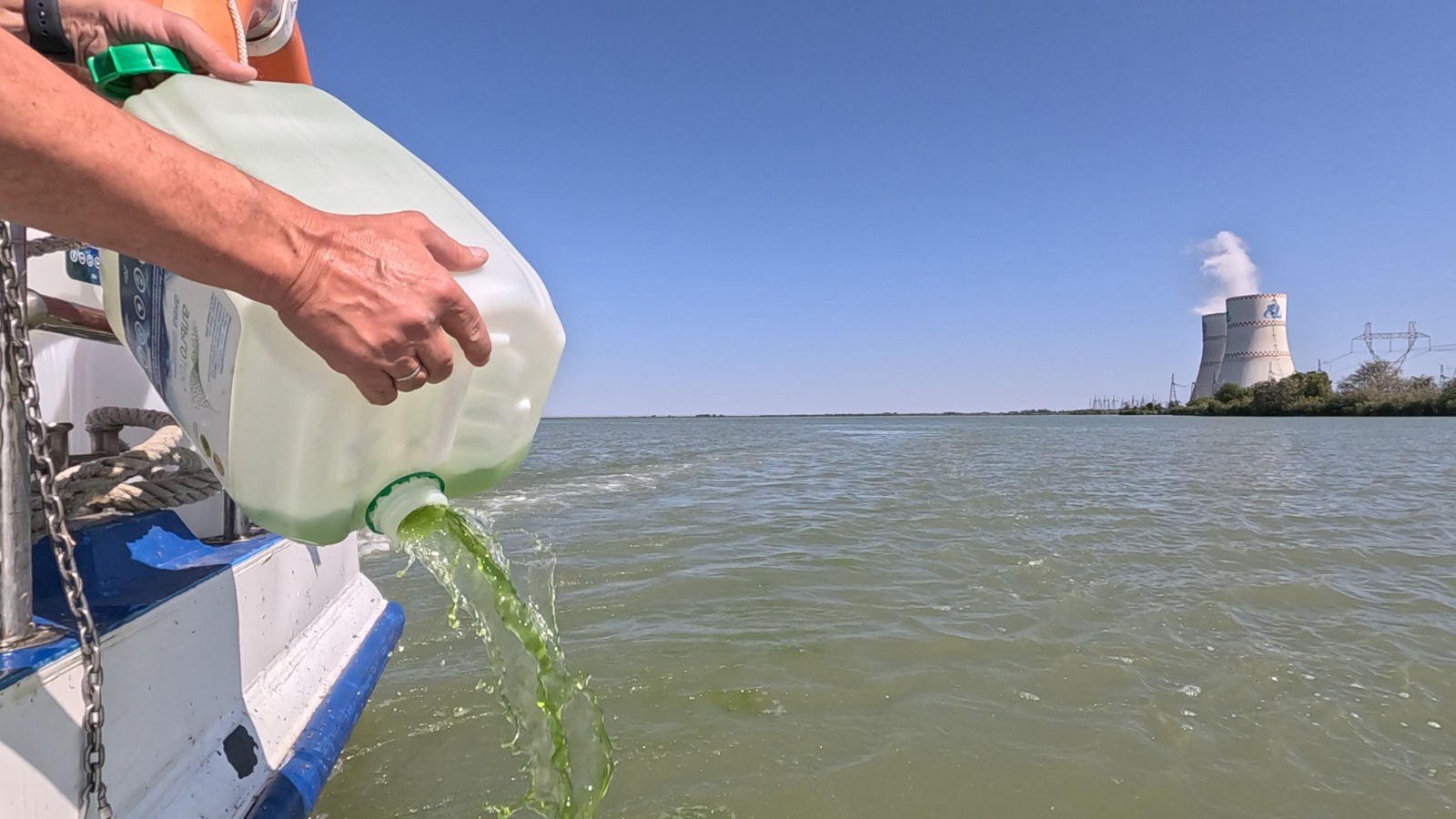
Russia's Rostov NPP Releases Chlorella into Cooling Pond to Strengthen Ecological Control
Russia's Rostov NPP recently carried out its annual ecological control operation at the plant's technical reservoir, releasing 3.6 tonnes of a bioactivator based on the planktonic algae chlorella into the water to suppress the risk of algal blooms and maintain the ecological balance of the cooling pond. Rostov NPP is part of Rosenergoatom, the power generation division of Russia's State Atomic Energy Corporation (Rosatom). The operation is part of the plant's long-standing algae management measures, primarily aimed at stabilizing water conditions under climate change and abnormally high temperatures, ensuring the smooth operation of related equipment. Chlorella acts as a natural biofilter, capable of suppressing...
2026-08-26
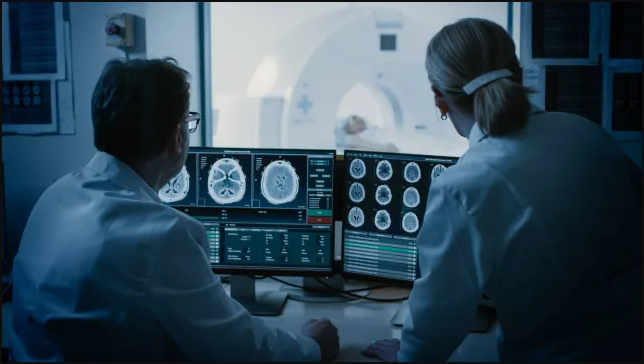
IAEA Study: Five-Star Rating System Can Improve CT Imaging Safety and Reduce Unnecessary Radiation Exposure
A new study led by the International Atomic Energy Agency (IAEA) in collaboration with Massachusetts General Hospital and Harvard Medical School in Boston, USA, shows that a five-star rating system can help hospitals optimize image quality, reduce radiation dose, and decrease unnecessary patient radiation exposure in computed tomography (CT) examinations. The study has been published in the European Journal of Radiology. CT imaging uses X-rays to obtain detailed images of internal body structures and is an important tool in diagnosing a wide range of diseases. The study notes that CT image quality is closely related to radiation dose—higher doses typically reduce image noise and improve clarity, but do not always yield additional diagnostic value. How to minimize radiation exposure while ensuring diagnostic accuracy is key to optimizing CT examination protocols.
2026-08-26
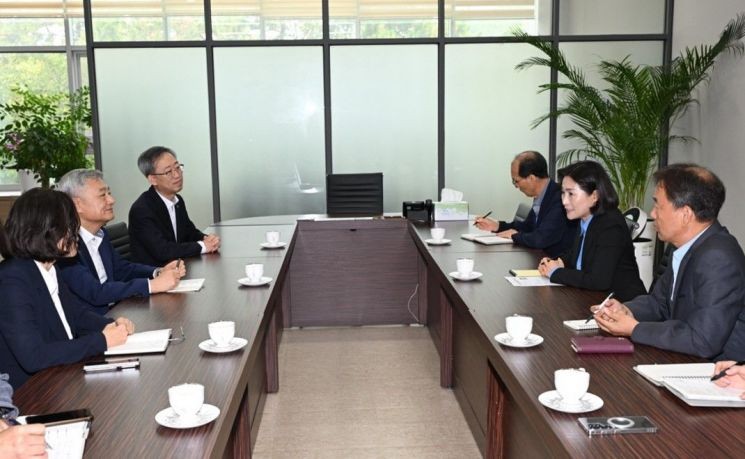
South Korea's Gijang County and KHNP Discuss Communication Issues with Residents near Kori Nuclear Power Plant
Gijang County, Busan, South Korea, said on August 25 that it held talks with Korea Hydro & Nuclear Power (KHNP) that day on pending issues related to the Kori Nuclear Power Plant, focusing on resident communication, allocation of co-prosperity support funds, dry cask storage facilities for spent fuel, and the small modular reactor project. According to Gijang County, KHNP President Kim Hoe-cheon visited the Gijang County government that day and met with County Governor Woo Sung-bin. Since taking office on March 18, Kim Hoe-cheon has been visiting nuclear power plant sites to understand local concerns, and this visit to Gijang County, the site of the Kori Nuclear Power Plant, is part of that ongoing communication effort...
2026-08-26
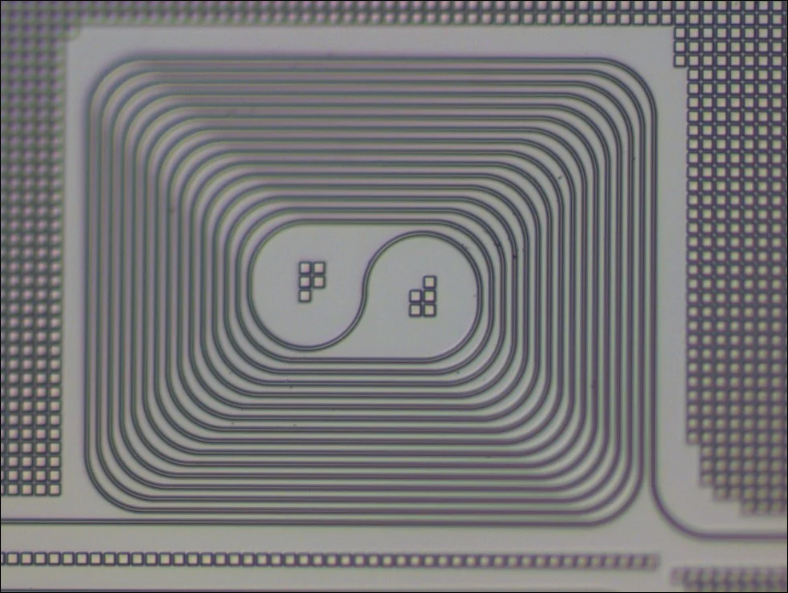
Singapore team develops deuterated silicon nitride waveguides for wafer-scale broadband light generation
A research team from the Singapore University of Technology and Design and the Institute of Microelectronics at the Agency for Science, Technology and Research (A*STAR) in Singapore has recently developed a low-loss deuterated silicon nitride waveguide capable of on-chip broadband light generation. By replacing hydrogen with its heavier isotope deuterium, the team fabricated silicon nitride waveguides at low temperatures, demonstrating potential for integration with CMOS-compatible semiconductor processes and wafer-scale mass production. The related paper, "Octave-spanning supercontinuum generation in wafer-scale low-loss deuterated silicon nitride waveguides," was published in *Optics Letters*. The study shows that this chip-scale waveguide can broaden infrared laser pulses to cover a spectral range from visible red light to deep infrared. Traditionally, silicon nitride thin films are grown from silane gas, and residual silicon-hydrogen bonds in the material absorb light in the telecommunications band, requiring high-temperature annealing that is incompatible with integrated electronic circuits.
2026-08-26
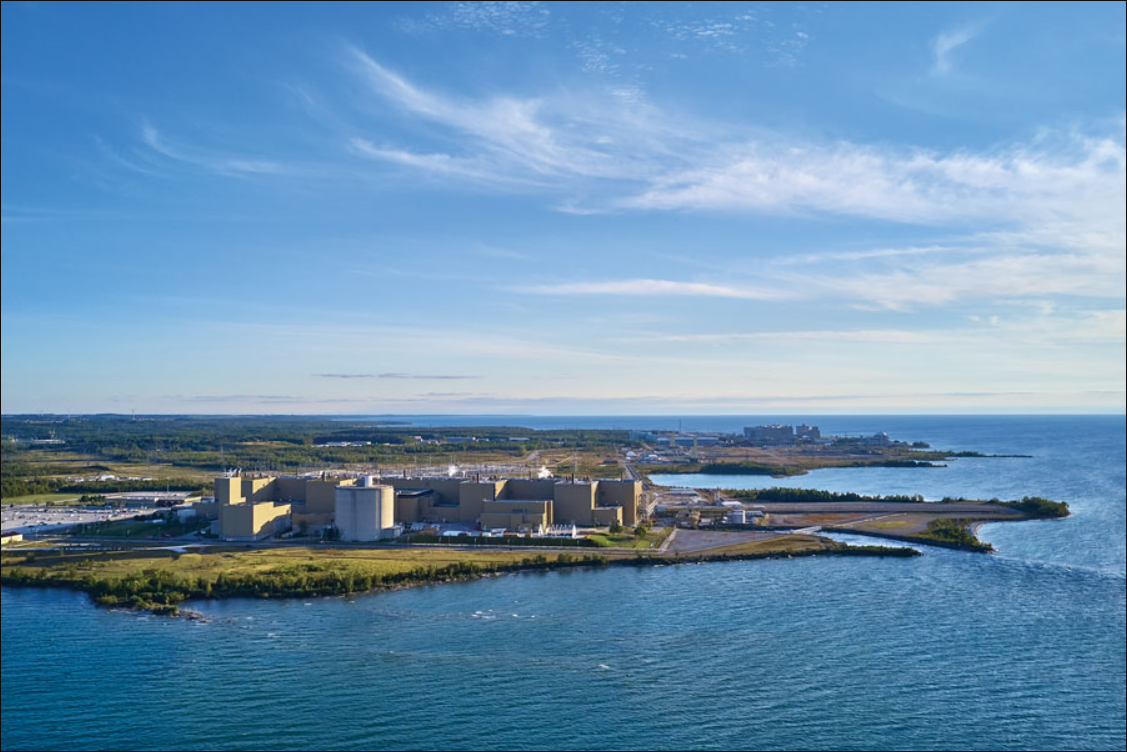
Canada Approves Power Uprate for Bruce A and B Nuclear Power Plants
The Canadian Nuclear Safety Commission (CNSC) announced on August 24 that it has decided to amend the licensing basis for the Bruce A and B nuclear power plants, approving an increase in the intermediate power operating levels of the two plants. The Bruce A and B nuclear power plants are located in Kincardine, Ontario, Canada, on the eastern shore of Lake Huron, and are operated by Bruce Power. Under the revised licensing basis, Bruce Power may increase the maximum operating power of the Bruce A plant to 95.5% of full power and the Bruce B plant to 96% of full power. Previously, the Bruce A plant was authorized to operate at a maximum power of...
2026-08-26

Westinghouse eVinci Microreactor Completes Zero-Power Criticality Testing
Westinghouse Electric Company announced on August 25 that its eVinci microreactor has completed zero-power criticality testing, validating relevant models and key assumptions in the core design. The test was completed at 10:39 a.m. Pacific Time on August 24, 2026, at the National Criticality Experiments Research Center (NCERC) at the Nevada National Security Site (NNSS). The center is operated under the U.S. National Nuclear Security Administration (NNSA). The test was conducted by Westinghouse Electric in collaboration with Los Alamos National Laboratory (LANL) and Idaho National Laboratory (INL). Zero-power criticality is typically used to verify that a reactor core can achieve a self-sustaining chain fission state at extremely low power levels, serving as a critical step in reactor physics testing and design validation...
2026-08-26
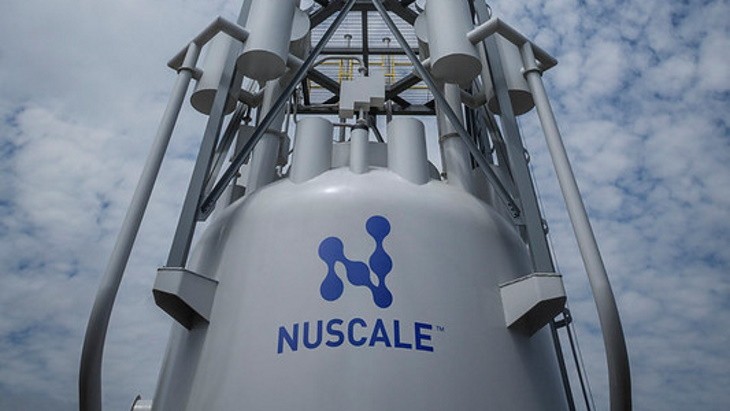
US NuScale Deploys Nuclear-Specific AI to Advance Small Modular Reactor Projects
NuScale Power Corporation announced on August 25 that it is deploying nuclear-specific artificial intelligence tools to support its engineering and knowledge management efforts, accelerating the development of its advanced small modular reactor projects. The initiative combines NuScale's technical expertise in advanced reactors, Nuclearn's AtomAssist nuclear AI platform, and NPX's experience in nuclear project delivery and AI implementation, aiming to establish specialized tools tailored for nuclear scenarios that help engineering teams retrieve, understand, and apply critical technical information more efficiently. As advanced...
2026-08-26