
Search Results
Keyword:CT

India's Tata Consulting Engineers Calls for Expanded Private Sector Participation in Nuclear Energy R&D
Amit Sharma, Managing Director and Chief Executive Officer of Tata Consulting Engineers (TCE), said that India's Department of Atomic Energy (DAE) should focus more on national strategic objectives and engage in deeper collaboration with the private sector in nuclear power generation-related fields. Sharma stated that TCE has partnered with India's nuclear program for over five decades. The DAE's original core mission was to serve national strategic needs rather than directly undertake power generation. He believes the DAE could draw on the experience of the Indian Space Research Organisation (ISRO) in promoting private sector development, allowing enterprises greater scope for participation in nuclear energy R&D.
2026-08-31
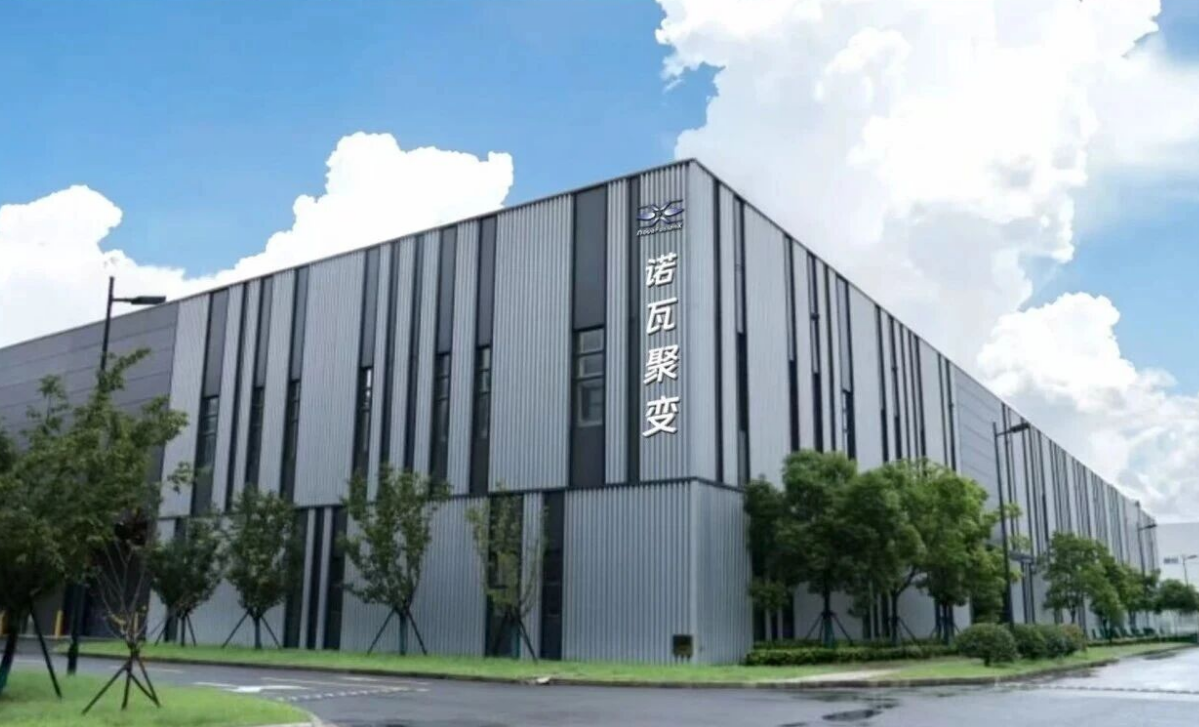
Nova Fusion Completes RMB 1.2 Billion Pre-A Series Financing
Nova Fusion Energy Technology (Shanghai) Co., Ltd. recently announced the completion of its Pre-A series financing totaling RMB 1.2 billion, comprising both the Pre-A round and Pre-A+ round. The company stated that within 16 months since its establishment, it has completed a RMB 500 million angel round, a RMB 700 million angel+ round, and this round of financing, bringing cumulative fundraising to RMB 2.4 billion with a post-investment valuation exceeding RMB 10 billion. In this round, Meituan Longzhu and Hillhouse Ventures continued their participation, while Lenovo Capital and Guozhong Capital joined as new strategic investors. The company stated that the funds from this round will primarily be used for new device construction, key technology iteration, industrial base preparation, and subsequent fusion energy output verification efforts. Nova Fusion focuses on field-reversed configuration (FRC) small...
2026-08-31
Japan nuclear waste, geological disposal, literature survey, Hitachiomiya City
Japan's Ministry of Economy, Trade and Industry (METI) is in the final stages of coordination regarding the site selection process for the final disposal of high-level radioactive waste, with plans to request Hitachiomiya City in Ibaraki Prefecture to conduct a literature survey. The literature survey is the first phase of Japan's screening process for selecting a final disposal site for high-level radioactive waste generated from nuclear power generation. It primarily relies on existing literature and materials to assess whether candidate areas have safety concerns such as volcanoes and active faults. Hitachiomiya City is located in the northwestern part of Ibaraki Prefecture, bordering Tochigi Prefecture, with a population of slightly over 35,000. The city does not face the sea, with the Kuji River and Naka River flowing through its territory. Forests account for approximately 60% of the city's total area, and agriculture and manufacturing are the main industries. In recent years, the city has been promoting tourism and emerging industries leveraging the natural environment, while also facing challenges such as population decline, aging, and fiscal pressure.
2026-08-31
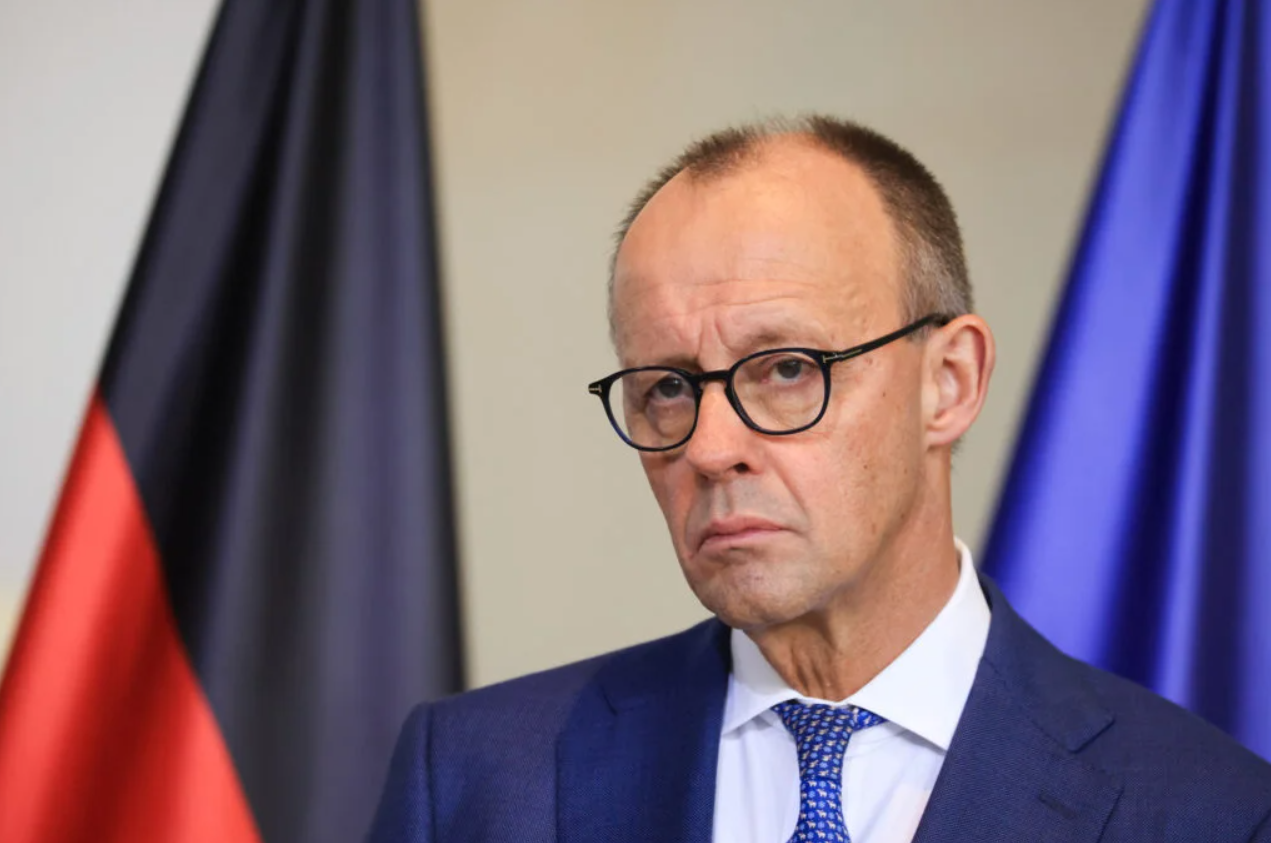
German Chancellor Links High Electricity Prices to Hasty Nuclear Phase-Out
German Chancellor Friedrich Merz stated that Germany's current high electricity prices are partly attributable to the hasty closure of nuclear power plants. He believes that Germany exited nuclear energy without adequate alternative solutions and now has to bear higher costs for subsequent energy supply arrangements. In an interview, Merz said that the closure of Germany's nuclear plants was not his responsibility, and "if it were up to me, I would not have done this." He noted that the decision has already been made, and the current government cannot change the established facts nor provide a legal guarantee for grid electricity prices over the next 15 years. Merz also mentioned that the impact of the Iran conflict is one of the factors driving up electricity prices. In terms of electricity...
2026-08-31
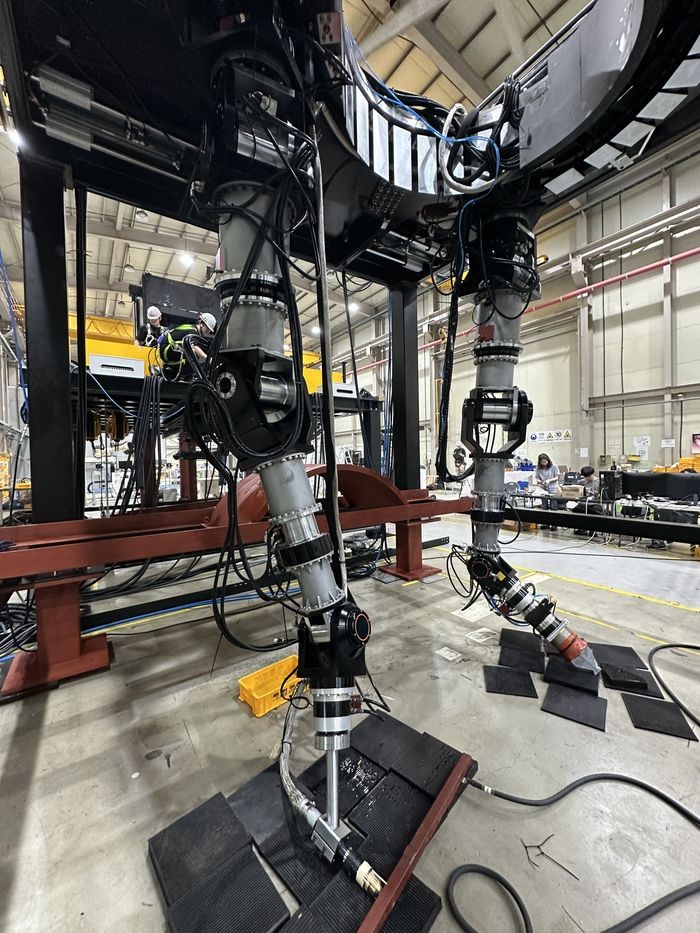
South Korea's KNR Systems Completes Development of Robotic System for PHWR Decommissioning
KNR Systems announced on August 31 that it has completed the development of a platform system for remote cutting and dismantling of radioactive structures in Pressurized Heavy Water Reactors (PHWR), with final delivery scheduled to commence in September this year. The system originates from a government-commissioned PHWR decommissioning demonstration project. The project, valued at approximately 2.8 billion KRW, was awarded in January last year, with a development period of about seven months. Upon delivery, the equipment will be installed at the Heavy Water Reactor Decommissioning Technology Center of the Korea Research Institute of Decommissioning (KRID) in Gyeongju, for use in PHWR decommissioning demonstrations. Compared with light water reactors, PHWRs have more complex internal structures and typically higher levels of radioactive contamination, making dismantling operations more challenging.
2026-08-31
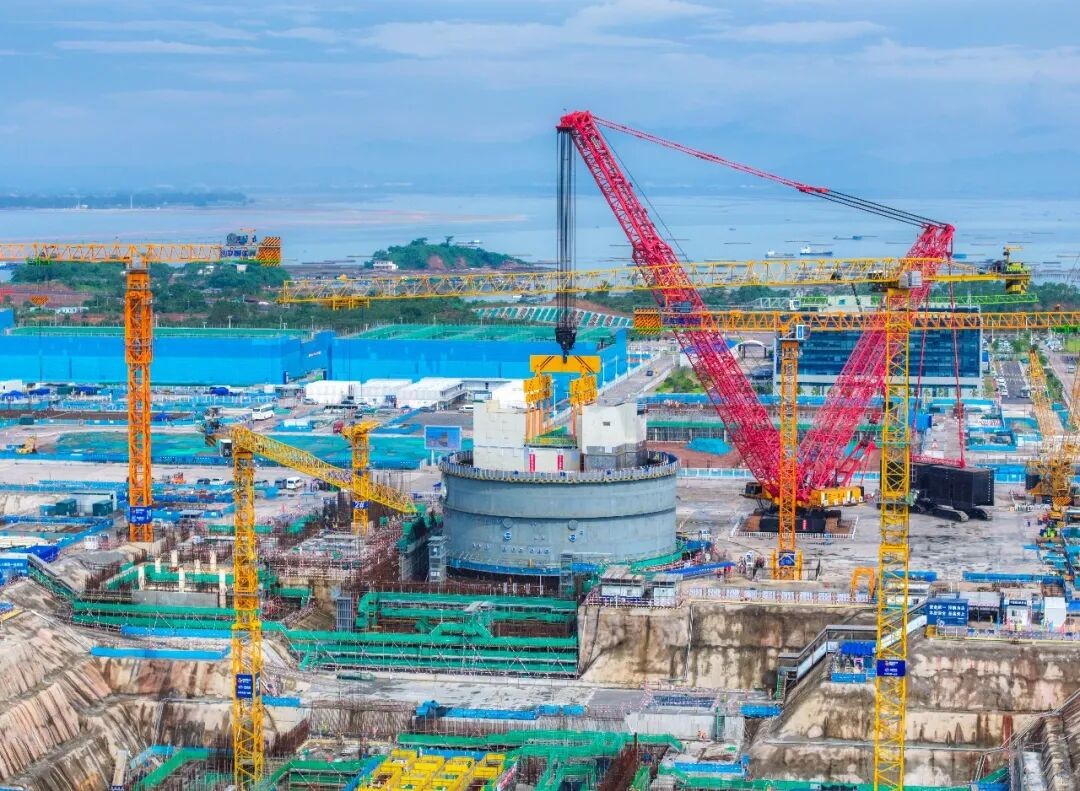
CA01 Module of Unit 1 at Guangxi Bailong Nuclear Power Plant Successfully Hoisted into Position in the Nuclear Island
On August 29, the CA01 module of Unit 1 at the Bailong Nuclear Power Plant of SPIC Guangxi Nuclear Power was precisely positioned, marking a new phase of parallel civil construction and installation in the nuclear island. ▲On August 29, the hoisting operation of the CA01 module of Unit 1 at the Guangxi Bailong Nuclear Power Plant of SPIC was proceeding in an orderly manner. The CA01 module is located in the reactor building of the nuclear island and serves as the installation room for main equipment such as the reactor pressure vessel, steam generators, and pressurizer. The module is T-shaped in overall form, with external dimensions of 28 meters in length, 29 meters in width, and 24 meters in height. It consists of 47 sub-modules, with a total lifting weight of approximately 1,167 tons, making it the largest and heaviest structural module in the nuclear island. The hoisting operation commenced at 8:07 a.m. and, after a series of maneuvers including lifting, hovering, slewing, lowering, and adjustment, was successfully positioned at 12:58 p.m., with the entire process being safe, controllable, stable, and orderly.
2026-08-31
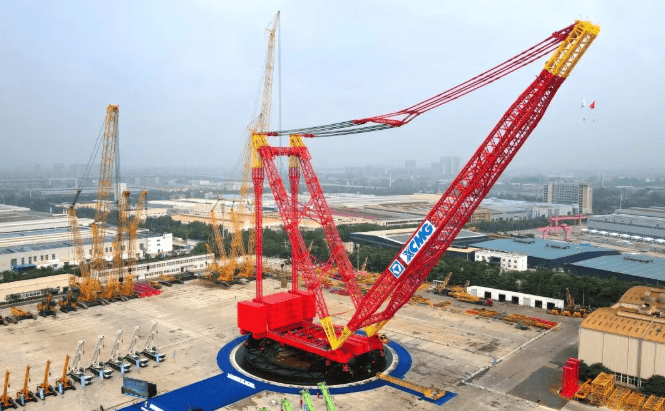
World's First 14,000-Ton-Class Ring Crane Rolls Off Production Line, Capable of Supporting Full-Module Lifting for HPR1000 2.0
Recently, XCMG's world's first 14,000-ton-class ring crane officially rolled off the production line. Su Zimeng, President of China Construction Machinery Association; Wang Guohua, Member of the Party Committee and Vice President of Sinopec Engineering (Group) Co., Ltd., as well as Party Secretary and General Manager of its Lifting and Transportation Company; and Yang Dongsheng, Chairman of XCMG Group and XCMG Machinery and Party Secretary, attended the launch ceremony. Xia Dechang, General Manager and Party Secretary of XCMG Crane Machinery Division, announced the successful rollout of the equipment. According to reports, the 14,000-ton-class ring crane was developed to meet the lifting needs of ultra-large and ultra-heavy equipment in major projects such as nuclear power, petrochemical, and marine engineering, with a focus on serving integrated lifting scenarios for large modules. The equipment achieves full-industry-chain...
2026-08-29
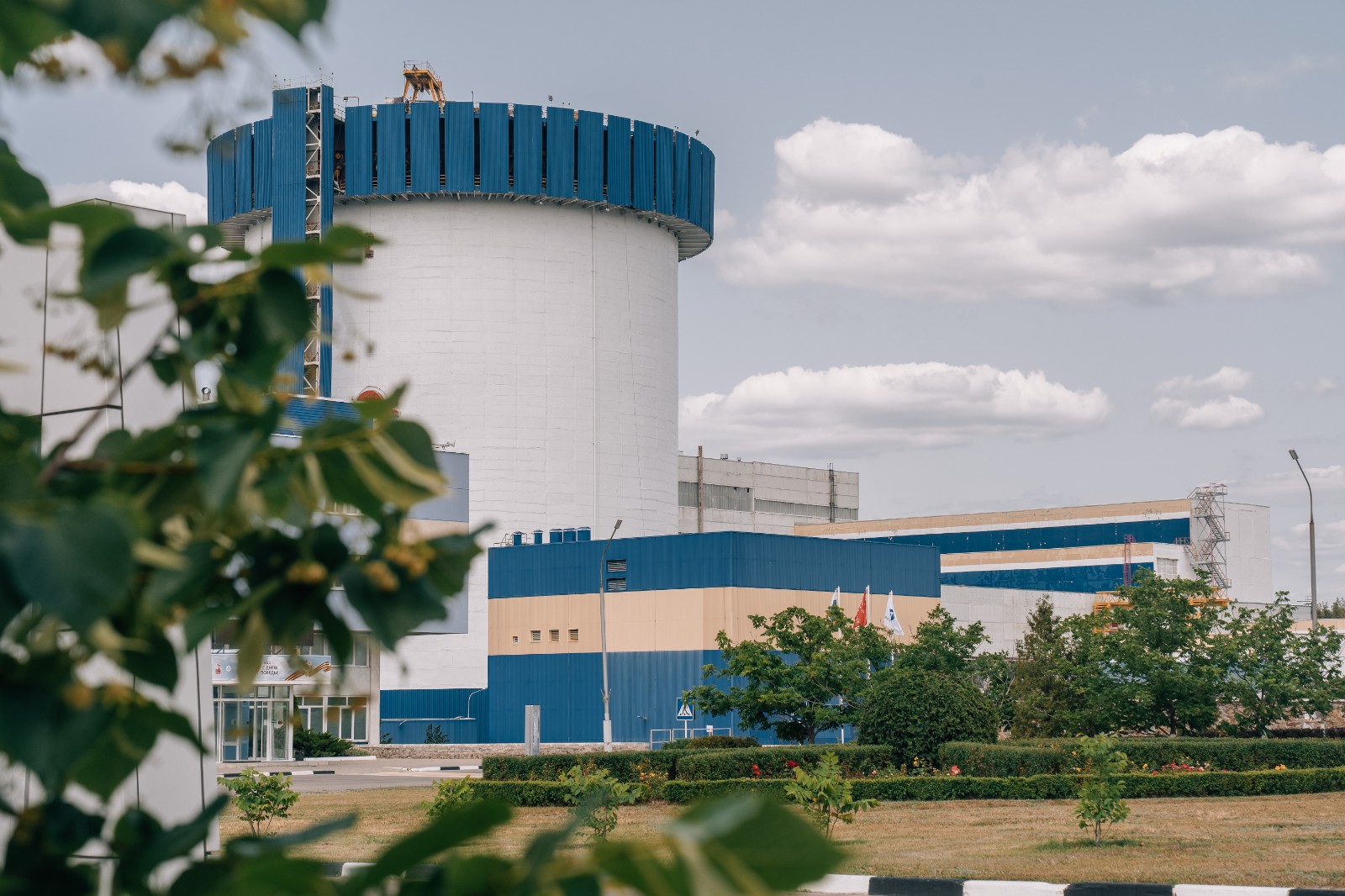
Unit 5 of Russia's Novovoronezh Nuclear Power Plant Enters Scheduled Maintenance
At 4:22 a.m. local time on August 28, Unit 5 of Russia's Novovoronezh Nuclear Power Plant was disconnected from the grid in accordance with the annual plan, entering scheduled preventive maintenance. The maintenance period is expected to last 35 days, after which the unit will be reconnected to the grid. Novovoronezh Nuclear Power Plant is a branch of Rosenergoatom, the Russian nuclear power plant operator, which is part of the Rosatom state corporation. During the maintenance period, the plant and the contractor Atomenergoremont will carry out minor, medium, and major repairs on main and auxiliary equipment, as well as implement modernization of some equipment. Key tasks of this maintenance include cleaning the turbine generator...
2026-08-29
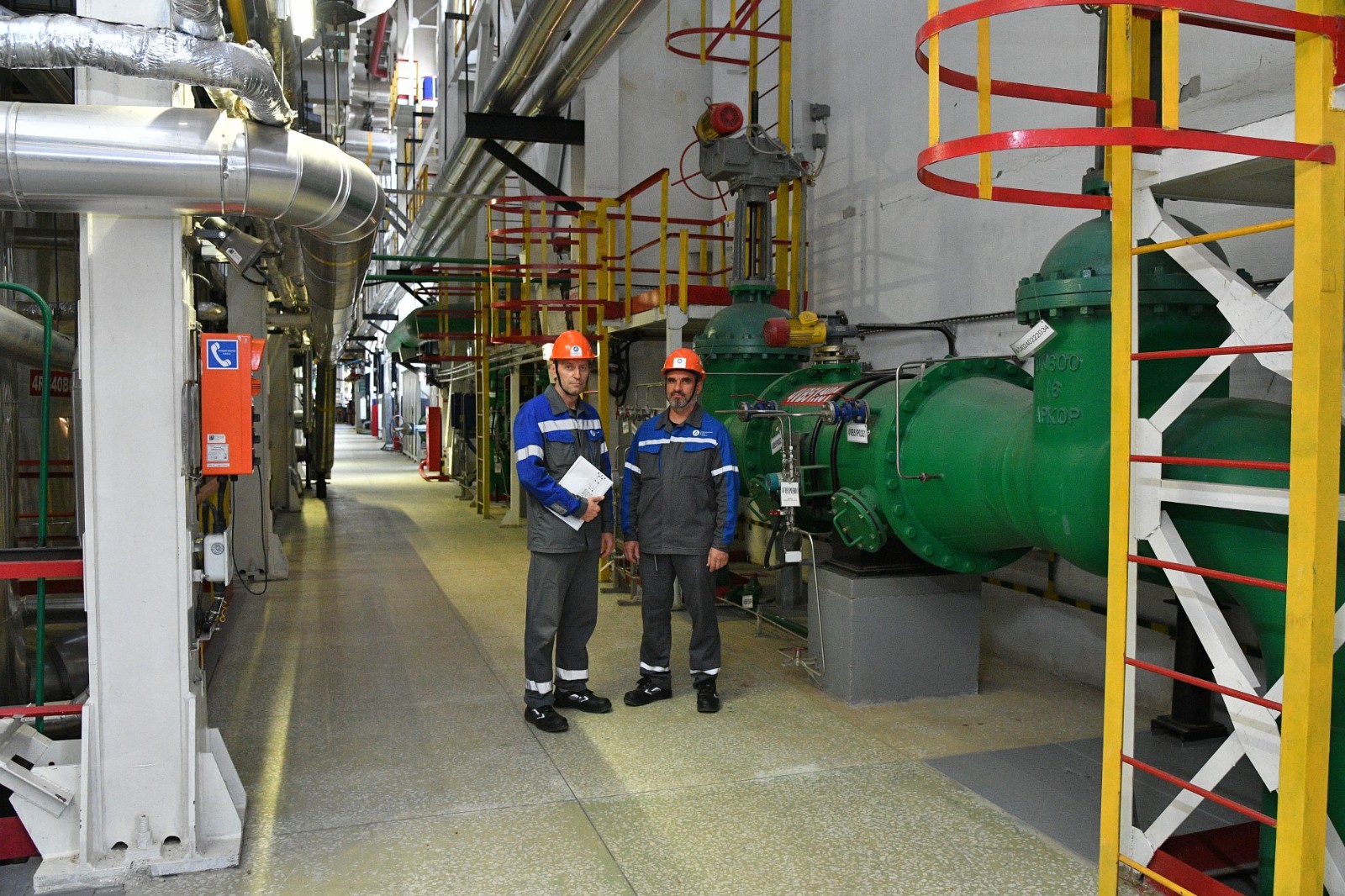
New tooling at Russia's Rostov NPP cuts filter maintenance time to two days
On August 28, local time, Russia's Rostov Nuclear Power Plant announced that its engineering and technical personnel have developed and put into operation a set of specialized tooling for the maintenance of filters in the ball-type pre-filter system (SShO) of the turbine hall, significantly reducing the time required for equipment maintenance preparation and overhaul. Rostov NPP is part of Rosenergoatom, the electric power division of Russia's State Atomic Energy Corporation (Rosatom). The filters targeted by this improvement weigh over one ton each and require crane assistance for movement, but the existing fixed cranes on site cannot directly cover the equipment locations. To address this issue, the maintenance preparation and implementation department...
2026-08-30
Russia Deepens Nuclear Power Plant Construction Cooperation in Asia and Africa in 2025
Rosatom recently released a report stating that in 2025, the company made progress in cooperation on the construction of large and small nuclear power plants in Asia and Africa, further consolidating its position as a global technology partner. The report noted that by the end of 2025, Rosatom's offerings to partner countries had expanded beyond the energy sector to encompass more comprehensive technological cooperation. Key achievements include advancing cooperation on large nuclear power plants and small modular reactor projects in Central Asia, Africa, and Southeast Asia, as well as expanding exports of non-energy products. In the non-energy sector, the report mentioned that Rosatom has opened an additive manufacturing center in Belarus and plans to...
2026-08-30
Russia Advances Construction of Fourth-Generation Nuclear Power Projects
Rosatom reports that it is one of the global leaders in the implementation of fourth-generation nuclear energy systems. According to the report, fourth-generation nuclear technologies are designed to minimize the risk of nuclear power accidents and reduce radioactive waste generation through a closed nuclear fuel cycle. As part of the relevant deployment, an innovative power unit featuring the BREST-OD-300 lead-cooled fast neutron reactor is under construction in Seversk, Tomsk Oblast, Russia. The project is regarded as a key component of Russia's efforts to advance the engineering application of fourth-generation nuclear power technologies. The report indicates that in 2025, the installation of the metal cladding for the central cavity of the BREST-OD-300 reactor was completed at the Seversk site, and the cladding for the surrounding cavities has also been installed in the designed positions. Meanwhile, the analytical simulator for the power unit has been put into operation.
2026-08-29
Nuclear energy accounts for about 19% of Russia's energy mix
A public report recently released by Rosatom shows that nuclear energy currently accounts for approximately 19% of the Russian Federation's energy mix. The report states that the total low-carbon electricity produced by Rosatom's enterprises has exceeded 220 billion kWh, including nuclear and wind energy. If all power generation enterprises under the group are included in the calculation, including nuclear power plants, thermal power plants, and wind farms, their total electricity generation accounts for about 20% of Russia's national electricity output. The report also mentions that the floating nuclear power plant in Pevek on the Chukotka Peninsula has been in operation for five years, with cumulative electricity generation reaching 1 billion kWh. This facility is currently the only operating floating nuclear power plant in the world....
2026-08-30
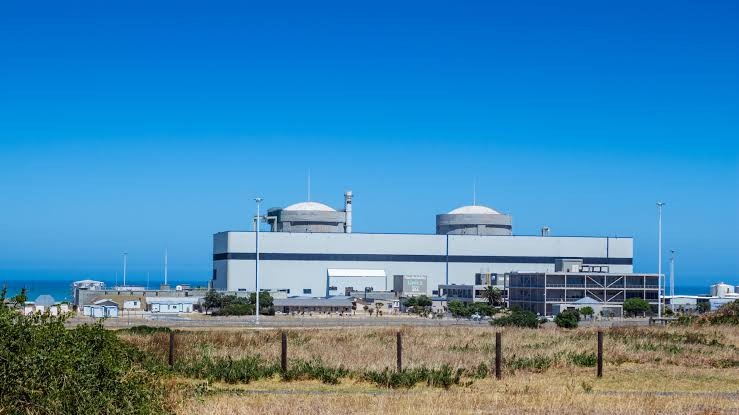
Unit 1 at South Africa's Koeberg Nuclear Power Station Automatically Shuts Down
South Africa's state-owned power utility Eskom has stated that Unit 1 at the Koeberg Nuclear Power Station automatically shut down after the reactor safety system was triggered. The cause of the incident is currently under investigation. According to Eskom, the unit's turbine has been taken offline, and there is no nuclear safety risk at the site. The company noted that prior to the earlier fish kill and their entry into the water intake area, the generating unit had been operating reliably. Koeberg Nuclear Power Station is located on South Africa's Atlantic coast, near Cape Town. Several days ago, large numbers of dead fish entered the station's water intake area, clogging the cooling pumps and triggering the safety system, after which the cooling pumps automatically shut down and Unit 1's power output was reduced. Unit 2 is currently in a planned maintenance outage.
2026-08-29
U.S. Deployable Energy Microreactor Selected for Two Nuclear Energy Demonstration Projects
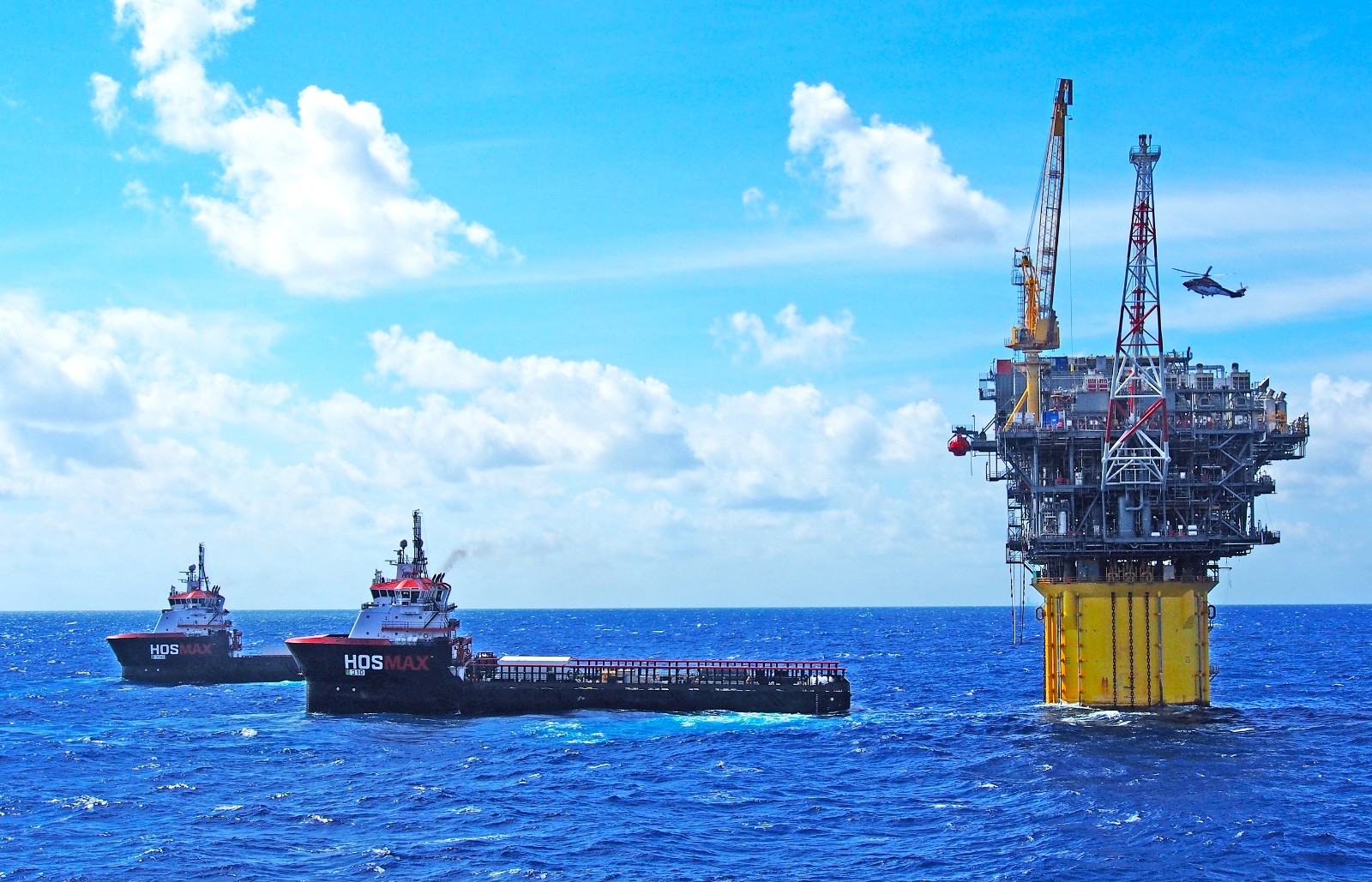
Deployable Energy announced on August 28 that its advanced deployable energy system has been selected for two upcoming demonstration projects under the National Reactor Innovation Center (NRIC): a full-power demonstration of the nuclear energy startup platform at Idaho National Laboratory (INL), and an offshore demonstration of the U.S. nuclear energy startup platform in collaboration with Hornbeck Offshore. Established in 2019, the National Reactor Innovation Center works primarily with industry and the U.S. national laboratory system to advance nuclear technologies from conceptual design through demonstration, validation, and commercial deployment. The two selected projects will continue Deployable Energy's prior collaboration with INL under the nuclear energy startup platform program, accumulating technical and operational data to support subsequent testing, validation, and regulatory engagement for advanced nuclear technologies.
2026-08-29
Japanese Nuclear Regulator Inspects Horonobe Geological Disposal Research Facility for High-Level Radioactive Waste
On August 28, Shinya Nagasaki and other members of Japan's Nuclear Regulation Authority (NRA) inspected an underground research facility in Horonobe Town, Japan. The facility, operated by the Japan Atomic Energy Agency (JAEA), conducts technical research on deep geological disposal of high-level radioactive waste. Geological disposal of high-level radioactive waste involves encapsulating the waste and burying it deep underground, achieving long-term isolation through engineered and natural geological barriers. During the inspection, Nagasaki and his delegation examined test facilities used to evaluate the corrosion resistance of iron containers. The tests simulate the environment of containers holding heat-generating radioactive waste after being buried underground...
2026-08-30