
Search Results
Keyword:CT
NMR Reveals Thermal Self-Organization in Resistive Switching of Organic Conductor by Japanese Team
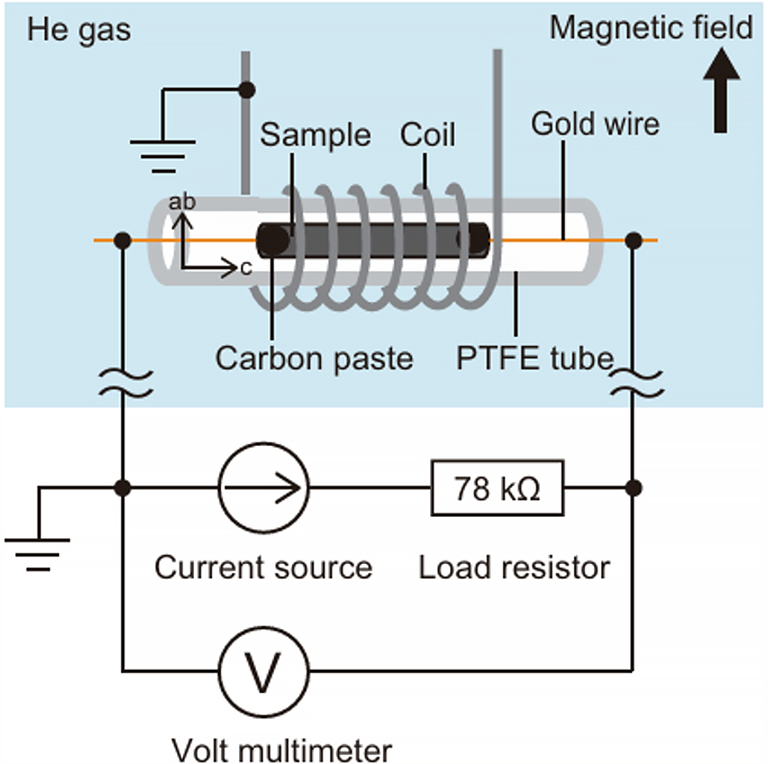
A joint research team from Tokyo University of Science, the National Institute for Materials Science, and RIKEN in Japan recently used bulk-sensitive ¹H-NMR measurements to reveal the internal electronic state of the organic conductor (d7-DMe-DCNQI)2Cu during resistive switching. The study found that, in the switching state, the material does not form a uniform new electronic phase, but rather a coexistence of metallic and insulating phases within the material. Schematic of bulk-crystal ¹H-NMR measurements Resistive switching refers to the phenomenon in which a material's resistance changes significantly under an applied current or voltage, and has attracted attention in research on correlated electron systems, memory devices, and neuromorphic devices. Previous studies have mostly...
2026-08-31
Two Projects of the National Natural Science Foundation of China Approved for the National Institute for Radiological Protection, China CDC
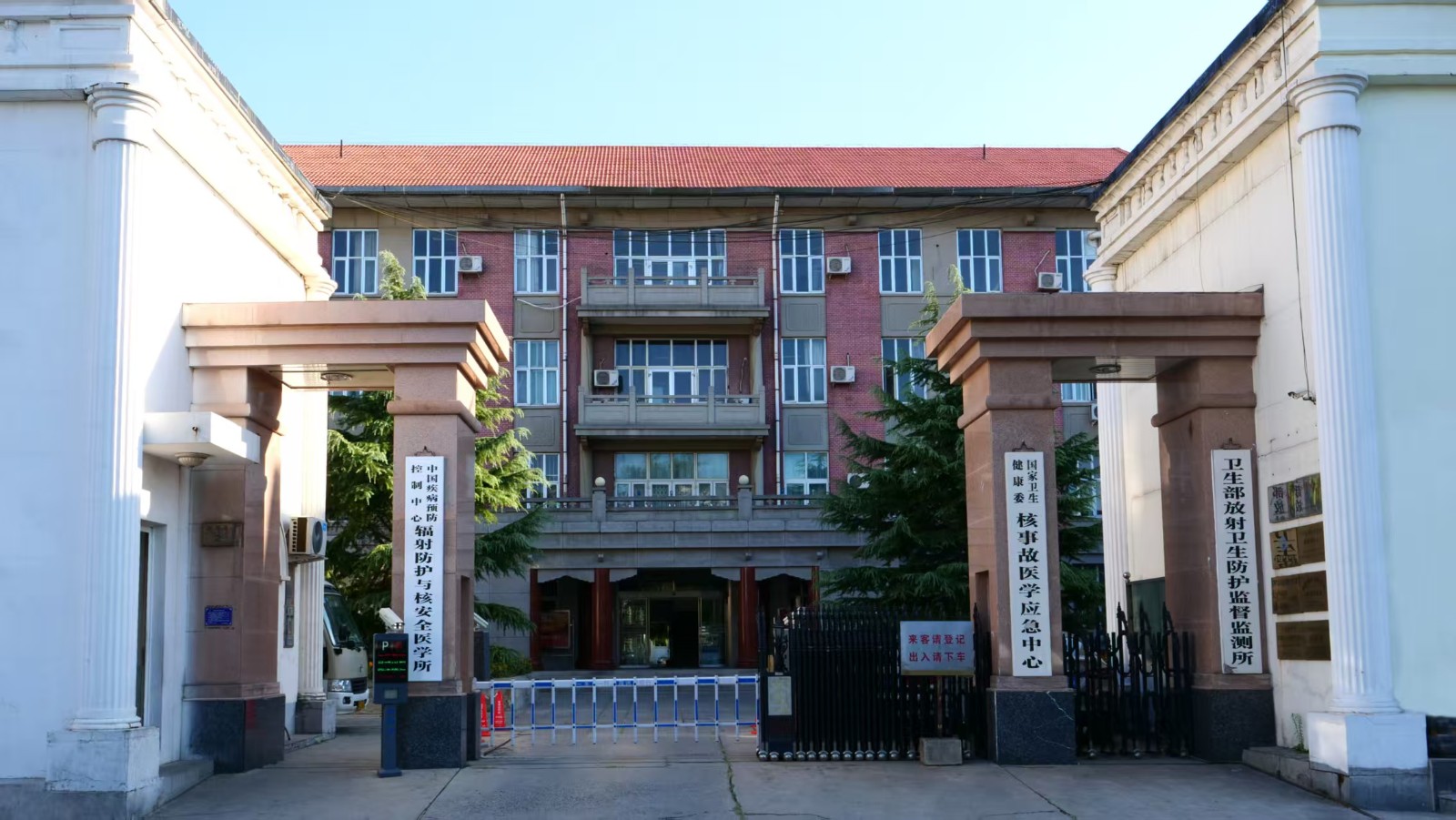
On August 26, the National Natural Science Foundation of China (NSFC) announced the review results of the centralized application projects for the fiscal year 2026. The National Institute for Radiological Protection, China CDC, was approved for two NSFC projects, with research directions covering radon exposure monitoring, radiological health, and screening of lung cancer-related biomarkers. Among the approved projects, the proposal titled "New Strategy for Radon Exposure Monitoring: Visualization and Mechanism Study of Adsorption-Detection Integrated Gold Nanoparticle Materials" submitted by Associate Researcher Song Yanchao received support from the Department of Mathematical and Physical Sciences; the proposal titled "Preliminary Study and Validation of Screening Lung Cancer-Related Biomarkers in Radon-Exposed Miners Based on Methylation Chips and RNA-seq" submitted by Assistant Researcher Zhang Pinhua received support from the Department of Health Sciences.
2026-08-31
Japanese Team Achieves Femtosecond Soft X-ray Hyperspectral Microscopy, Simultaneously Acquiring Spatial and Energy Information with Single Pulse
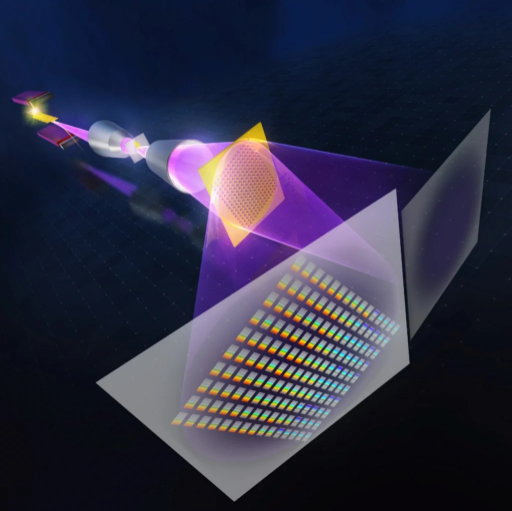
On August 21, the Japan Science and Technology Agency, RIKEN, and the University of Tokyo announced that a research team comprising Assistant Professor Yoko Takeo and Associate Professor Takashi Kimura from the Institute for Solid State Physics at the University of Tokyo, Assistant Professor Satoru Egawa from the Research Center for Advanced Science and Technology at the University of Tokyo, and Team Leader Makina Yabashi from the RIKEN SPring-8 Center, among others, successfully developed and implemented a femtosecond soft X-ray hyperspectral microscope. The findings were published on August 20 in the U.S. scientific journal *Optica*. This technology utilizes a single soft X-ray pulse from an X-ray free-electron laser (XFEL) to simultaneously acquire soft X-ray spectra transmitted through different positions of a sample, enabling...
2026-08-31
Japan Atomic Energy Agency discovers magnetic "strong-weak waves" in uranium semiconductor
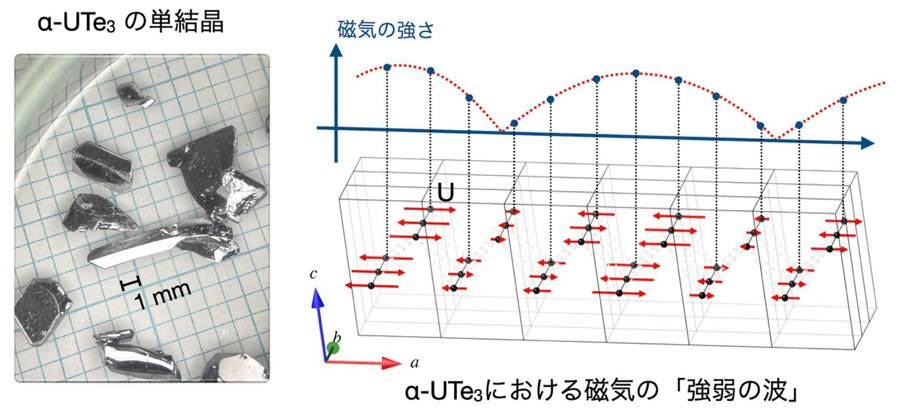
The Japan Atomic Energy Agency announced on August 21 that its research team has discovered a special magnetic structure in the layered uranium semiconductor α-UTe3 (α-uranium tritelluride): the magnetism of uranium atoms not only alternates in opposite directions, but its magnetization intensity also periodically strengthens and weakens depending on the crystal position, forming a state resembling “strong-weak waves.” α-UTe3 is composed of uranium and tellurium atoms and belongs to van der Waals layered materials, where atomic layers are stacked through weak interlayer forces. Using high-quality α-UTe3 single crystals, the research team analyzed its low-temperature magnetic structure through resistivity, specific heat, and magnetization measurements, as well as nuclear magnetic resonance and single-crystal neutron diffraction techniques...
2026-08-31
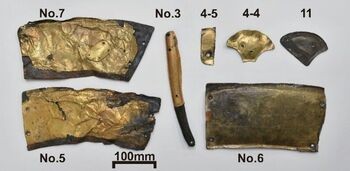
Japan's J-PARC Uses Negative Muon Non-Destructive Analysis to Reveal Gold-Rich Surface Structure of Nagoya Castle's Golden Shachi Scales
A joint research team comprising the High Energy Accelerator Research Organization (KEK), the J-PARC Center, the Nagoya Castle Research Center, and the National Museum of Nature and Science, among others, used the negative muon beam at the J-PARC Materials and Life Science Experimental Facility (MLF) to conduct non-destructive depth analysis on seven surviving scales of the golden shachi (ornamental dolphin-tiger fish) on Nagoya Castle's keep, confirming that five of the scales have a layered structure with high gold content within approximately 10 micrometers of the surface. The golden shachi on Nagoya Castle's keep was largely destroyed in the air raids of 1945, with some scales rescued and preserved to this day. Previously, researchers had examined these scales using X-ray fluorescence analysis, but the results showed that some scales with a bright golden appearance did not necessarily have a high average gold content.
2026-08-31
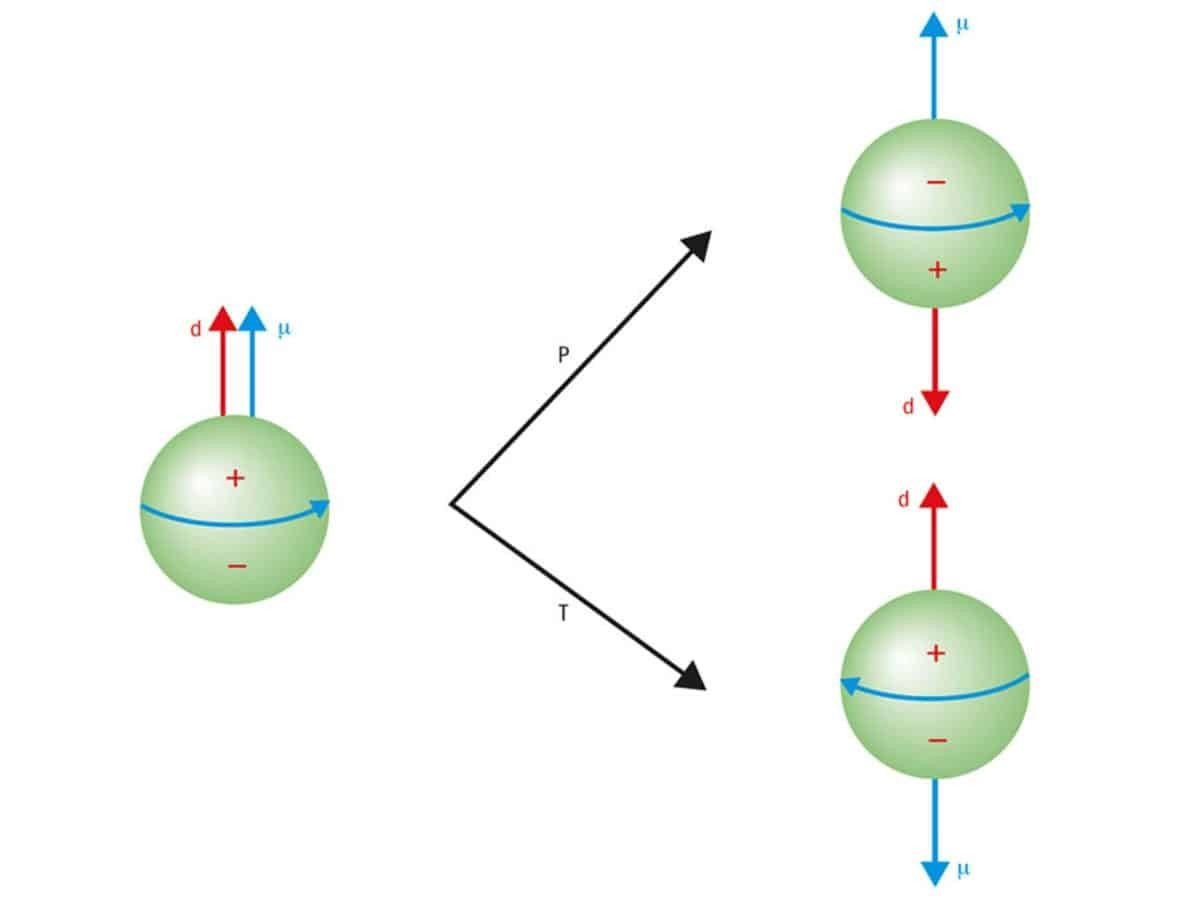
Russian Research Team Proposes New Method for Measuring Proton and Deuteron Electric Dipole Moments in a Single Storage Ring
Physicists from several Russian research institutions have proposed a new method for searching for the electric dipole moments of protons and deuterons, potentially enabling the study of both particle types in a single storage ring. The participating institutions include the Moscow Institute of Physics and Technology, the Institute for Nuclear Research of the Russian Academy of Sciences, the National Research Nuclear University MEPhI, and the Landau Institute for Theoretical Physics of the Russian Academy of Sciences. The research was published in the journal *Nuclear Science and Technology* and was supported by a grant from the Russian Science Foundation. The electric dipole moment reflects whether there is a tiny asymmetry between the internal charge distribution of a particle and its spin direction. According to Standard Model predictions, the electric dipole moments of the proton and deuteron are nonzero but extremely small, on the order of 10...
2026-08-31
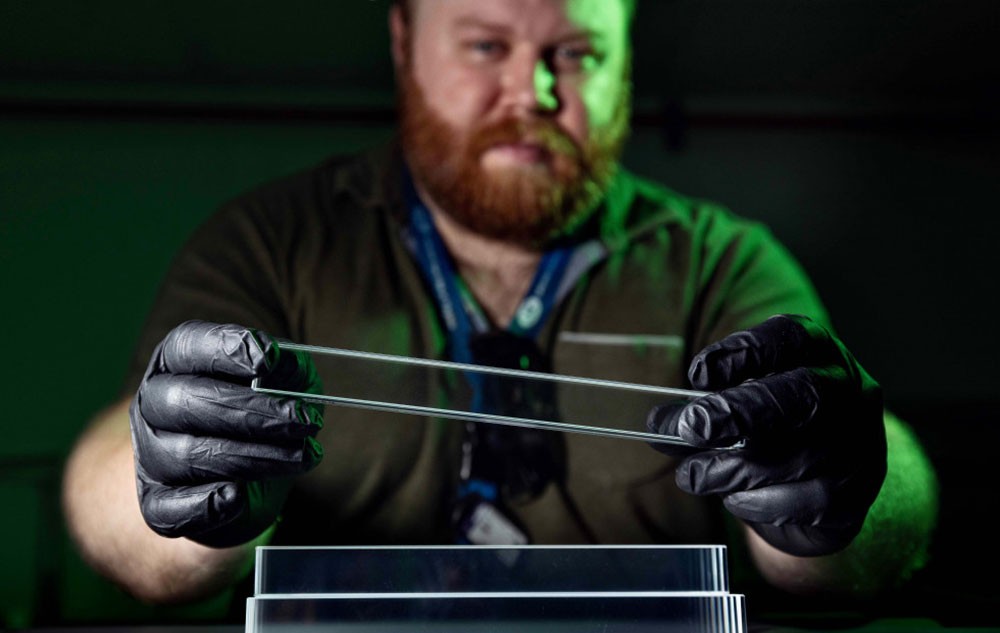
U.S. Electron-Ion Collider ePIC Detector Completes First Batch of Lead Tungstate Crystal Procurement and Acceptance
The U.S. Electron-Ion Collider (EIC) project recently achieved its first long-lead procurement milestone: 1,069 custom lead tungstate crystals for the new ePIC detector have been delivered, tested, and accepted. These crystals will be used in the Electron Endcap Electromagnetic Calorimeter (EEEMCAL) to help precisely measure the energy of scattered electrons during collisions. The EIC is being built by the U.S. Department of Energy's Brookhaven National Laboratory, in collaboration with the Thomas Jefferson National Accelerator Facility. The facility will circulate electron and ion beams in opposite directions, colliding them inside the ePIC detector. The ePIC detector records information about particles produced in the collisions, providing data for studying the fundamental constituents of visible matter...
2026-08-31
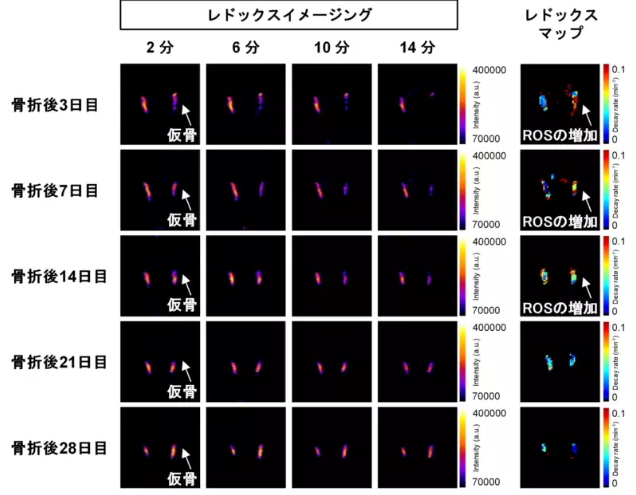
Japanese research team visualizes cellular metabolic changes during fracture healing using hyperpolarized MRI
August 21, 2026, Gifu Pharmaceutical University and Gifu University announced that a multi-institutional Japanese research team successfully visualized changes in the redox state of skeletal progenitor cells during fracture healing in living mice using hyperpolarized magnetic resonance imaging technology. The findings were published online on August 15, 2026, in the British academic journal *npj Imaging*. The study was led by Takuya Kubo, a graduate student in the Department of Pharmacology at Gifu Pharmaceutical University, Professor Eiichi Hinoi, and related research teams at Gifu University, in collaboration with the University of Tokyo, Osaka University, the Research Institute of National Rehabilitation Center for Persons with Disabilities, and other institutions. After a fracture occurs, a tissue called a...
2026-08-31
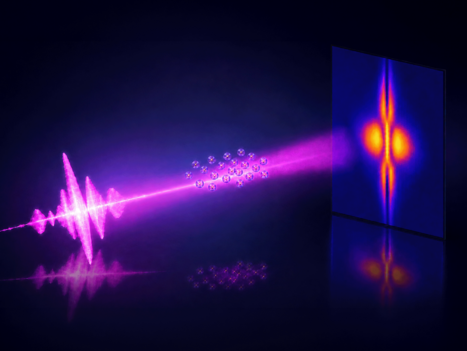
German Team Achieves Ultrafast Shaping of Extreme Ultraviolet Pulses Using High-Density Helium Gas
August 20, 2026, the international team led by researchers from the Max Planck Institute for Nuclear Physics (MPIK) in Heidelberg announced that they have utilized atomic gas as a rapidly switchable time-varying lens to control the beam shape and spectrum of intense high-frequency laser pulses. This achievement is expected to provide a new pathway for the fine control of extreme ultraviolet (XUV) and X-ray pulses, and may serve research directions such as improved spectroscopic methods, control of chemical reactions, and quantum computing. Extreme ultraviolet light can provide important tools for studying atomic-scale processes. With the development of free-electron lasers, researchers have been able to generate ultrashort, high-intensity XUV light pulses, but how to manipulate them like...
2026-08-31
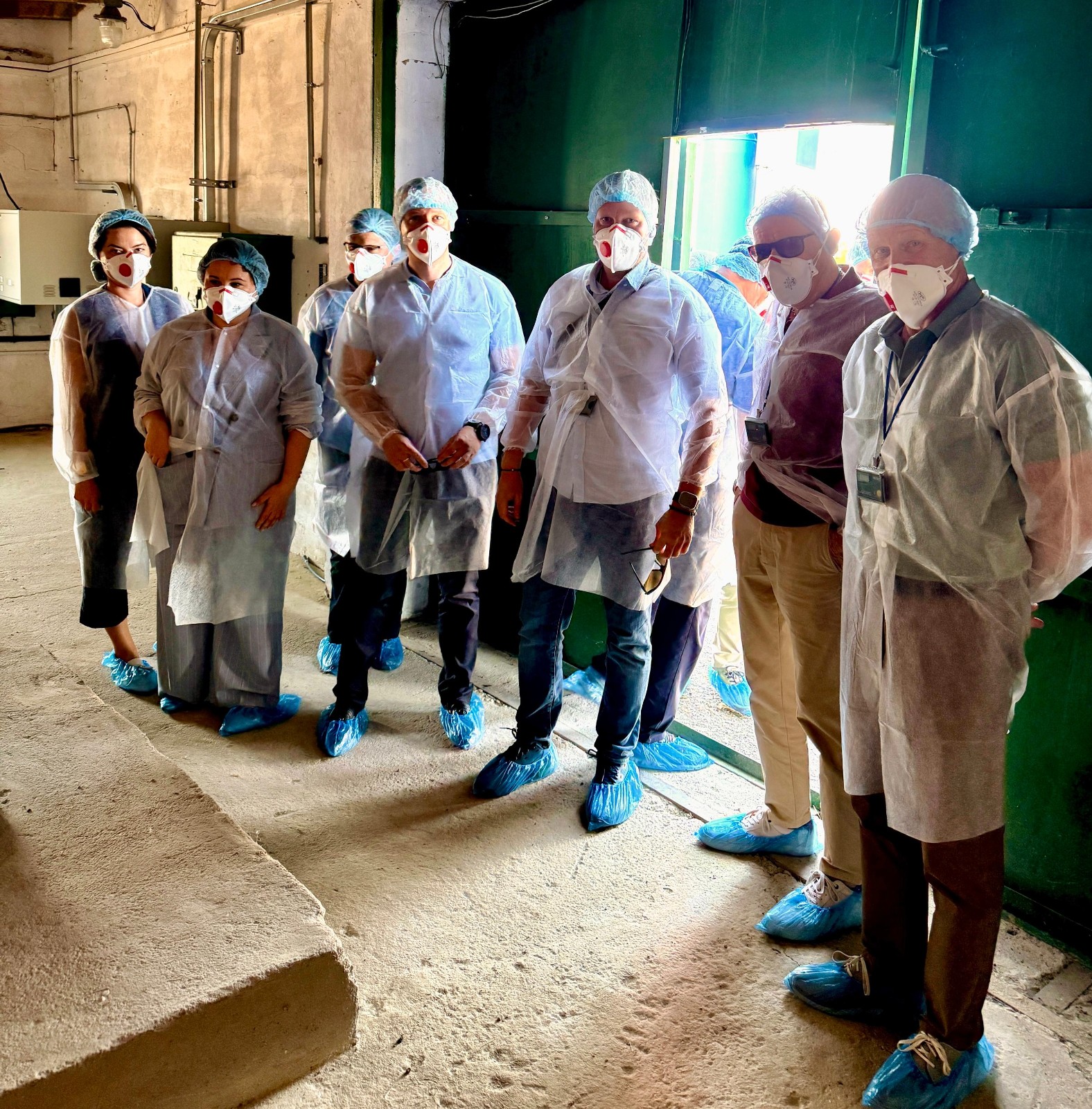
Ukraine Advances Modernization of Odesa Radioactive Waste Management System
The State Agency of Ukraine for Exclusion Zone Management (SAUEZM) recently organized a working meeting in Odesa to discuss the modernization of the radioactive waste management system and the implementation progress of related international technical assistance projects. The meeting was held at the Odesa Interregional Branch of the Ukrainian state-owned specialized enterprise "Association Radon," chaired by Oleksiy Budyk, Deputy Head of SAUEZM, with participation from the Joint Support Office (JSO), NT-Engineering LLC, and management and experts of Association Radon. The meeting covered two international technical assistance projects...
2026-08-31
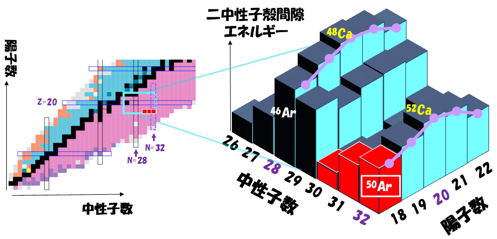
Japanese team achieves high-precision mass measurements of argon isotopes, revealing variations in the strength of the new magic number N=32
An international collaborative research team comprising RIKEN and the High Energy Accelerator Research Organization (KEK), among others, conducted high-precision mass measurements of short-lived argon isotopes far from the line of nuclear stability, using the superconducting RI beam generation and separation device BigRIPS at the RI Beam Factory (RIBF) of RIKEN Nishina Center for Accelerator-Based Science, as well as the CRISMASS system, a stationary slow radioactive isotope precision mass spectrometer jointly developed by the two institutions. The research team directly measured the mass of argon-50 (^50Ar, 18 protons, 32 neutrons) for the first time, and improved the mass measurement precision of argon-49 (^49Ar) by approximately 250-fold compared to previous measurements, providing insights into the energy of the two-neutron shell gap near the new magic number N=32. The results have been...
2026-08-31
Finland's 2025 Environmental Radiation Monitoring Shows No Harmful Effects from Nuclear Power Plant Operations
The 2025 environmental radiation monitoring results released recently by the Radiation and Nuclear Safety Authority of Finland (STUK) show that radioactive substance levels in the Finnish environment generally remained low, and the operation of the Loviisa and Olkiluoto nuclear power plants has not caused harmful radiation impacts on the public or the environment. STUK continuously tracks Finland's radiation situation through its environmental radiation monitoring program. The monitoring includes continuous measurement of external radiation, as well as monitoring of radioactive substances in air, radioactive fallout, water bodies, food, and the human body, with the aim of promptly detecting changes in radiation levels and confirming the safety of the living environment. Finland's automatic external radiation monitoring network covers essentially the entire country. In 2025, 255 monitoring...
2026-08-31
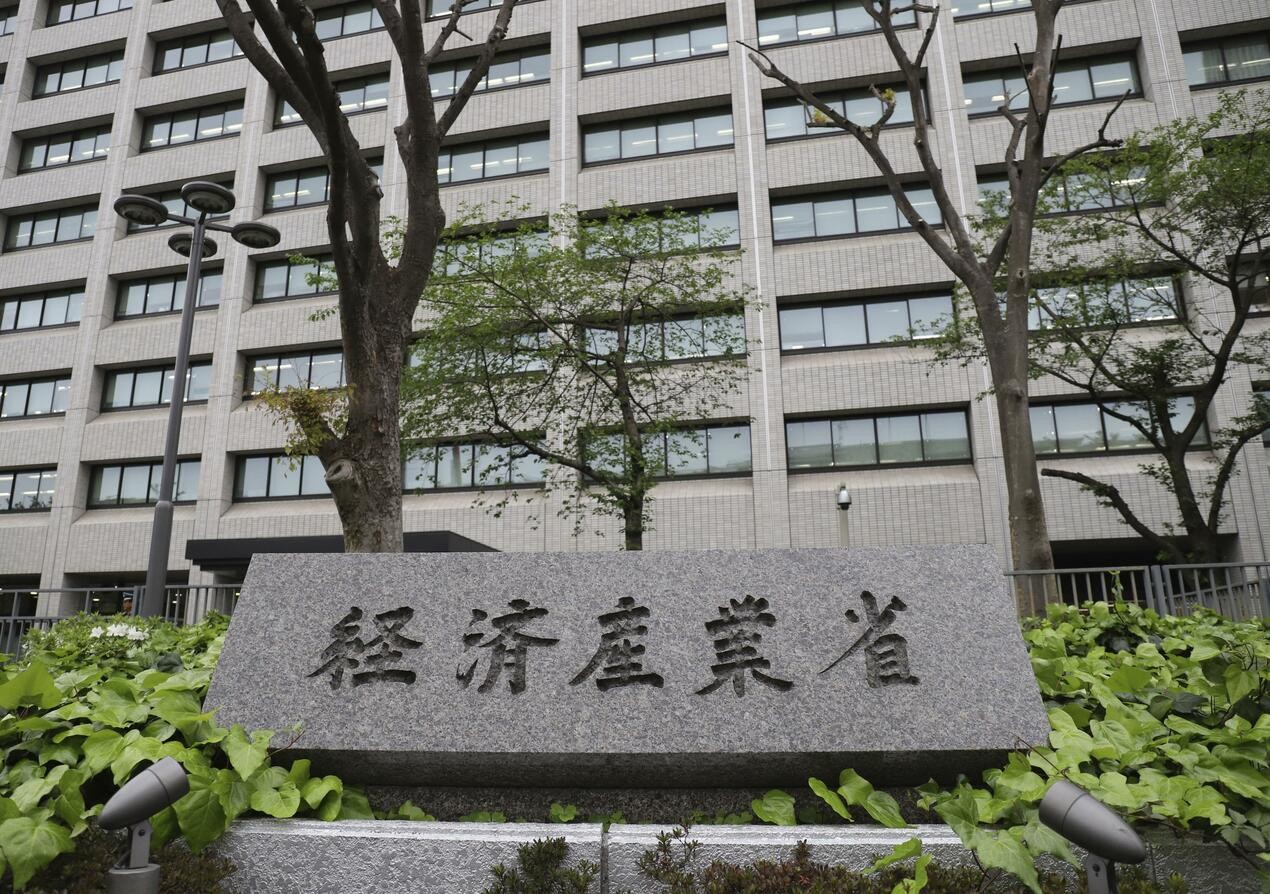
Japan Plans to Include Hitachiomiya, Ibaraki Prefecture, in Nuclear Waste Disposal Site Selection Survey
According to sources familiar with the matter on August 31, Japan's Ministry of Economy, Trade and Industry is considering conducting a preliminary survey in Hitachiomiya, Ibaraki Prefecture, to designate the city as one of the potential candidate sites for a final disposal facility for high-level radioactive waste. The relevant plan is expected to be submitted to the Hitachiomiya municipal government. If the local government accepts the plan, Hitachiomiya will become the fifth location in Japan to undergo such a preliminary survey. The site selection process for Japan's high-level radioactive waste disposal facility involves multiple stages, and the entire screening process typically takes several years. The proposed preliminary survey is an early step to determine whether the area meets the conditions for further evaluation...
2026-08-31

Construction of Radiotherapy Room at Sao San Tun Hospital in Taunggyi, Myanmar, Approximately 80% Complete
On August 30, 2026, the Chief Minister of Shan State, Myanmar, U Sai Tin Soe, accompanied by relevant officials, inspected the construction of the radiotherapy room at Sao San Tun Hospital in Taunggyi. The radiotherapy room is a single-story reinforced concrete building with a floor area of 95 feet × 52 feet, and the project is currently approximately 80% complete. During the inspection, officials from the building department reported on the project's construction progress, and the Chief Minister gave instructions on subsequent work and coordinated the necessary support. On the same day, the Chief Minister and his delegation also inspected the site for a planned five-story expansion building at the hospital and discussed related construction arrangements. Once completed, the radiotherapy room will be used to enhance the hospital's medical service capacity for radiotherapy-related care. ...
2026-08-31
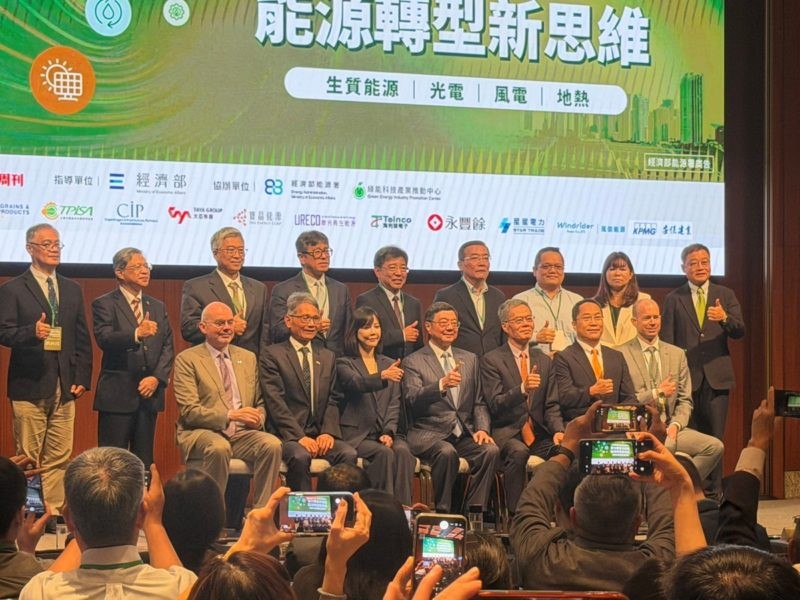
Taiwan plans to include small modular reactors and nuclear fusion in new energy exploration
Taiwan's administrative agency head Cho Jung-tai stated on August 26 that, in response to the rapid global development of energy technologies, Taiwan maintains an open attitude toward new nuclear energy technologies and has gradually invested in research and evaluation of directions such as small modular reactors (SMRs) and nuclear fusion. Relevant budgets have been included in discussions, and the central government's general budget for the next fiscal year also plans to allocate funds for engaging with and tracking global nuclear fusion technology progress. Cho Jung-tai stated at a new energy forum that day that, for Taiwan, energy types that have not yet entered large-scale commercial application or whose research and development technologies are still immature can all be regarded as targets for new energy exploration. In addition to technologies such as geothermal, small hydropower, and hydrogen energy, new nuclear energy has also been listed as a direction for future sustained observation and research...
2026-08-31