
Search Results
Keyword:CT
NRC Initiates Pre-Application Review of Terra Innovatum's SOLO Construction Permit Application
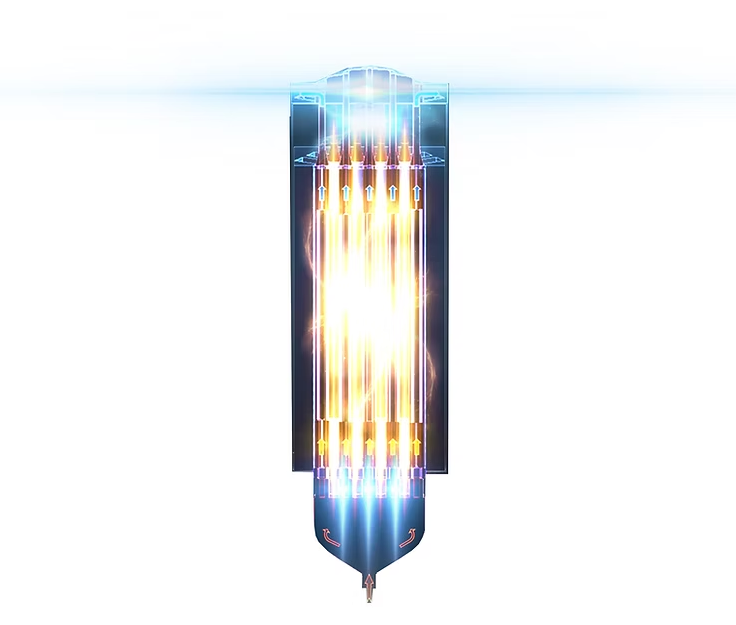
The U.S. Nuclear Regulatory Commission (NRC) has initiated the first phase of its readiness review of selected materials from the proposed construction permit application (CPA) for the SOLO micro modular reactor submitted by Terra Innovatum Global NV. This review is a limited-scope pre-application assessment designed to help the applicant identify potential information gaps, technical issues, or policy concerns early in the process. According to the schedule published by the NRC, Terra Innovatum requested a two-phase readiness review of its proposed construction permit application on July 20, 2026. The NRC subsequently developed a review plan, and the first phase began on August 10, 2026, through a kickoff meeting...
2026-08-20
Japan's regulator says steam leak at Mihama Nuclear Power Plant Unit 3 was "avoidable"
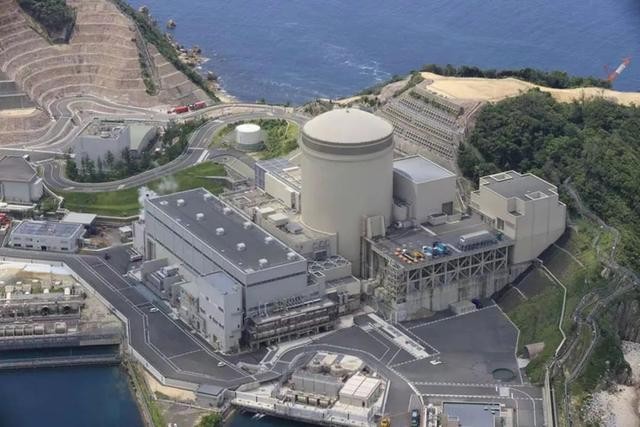
On August 19, Japan's Nuclear Regulation Authority (NRA) released the results of its nuclear regulatory inspections for the first quarter of the current fiscal year, determining that the steam leak incident at Mihama Nuclear Power Plant Unit 3, operated by Kansai Electric Power Co., in May this year was "foreseeable within a reasonable range" and that the associated losses "could have been avoided." The incident occurred in the high-pressure turbine area of Mihama Unit 3. A small hole approximately 8 centimeters long and 1 centimeter wide appeared in the metal cover atop the high-pressure turbine casing, causing a steam leak that forced a manual reactor shutdown. In its assessment, the NRA concluded that the event was foreseeable and could have been prevented through appropriate management or maintenance measures. However, since no pipe rupture or fire occurred between the onset of the steam leak and the reactor shutdown, the NRA rated the significance and severity of the incident at the lowest of four levels.
2026-08-20
Kansai Electric's Dry Cask Storage Project for Spent Fuel at Three Fukui Nuclear Plants Accelerates
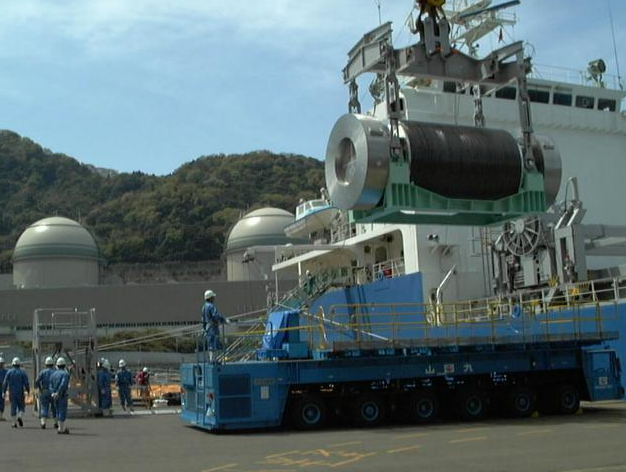
Kansai Electric Power Company (KEPCO) plans to construct dry cask storage facilities for spent fuel at the sites of its three nuclear power plants in Takahama, Oi, and Mihama in Fukui Prefecture, Japan, and the local approval process for the project has recently accelerated. According to local arrangements, in addition to regulatory review, the project requires prior consent from the Fukui Prefectural Government and the towns where the nuclear plants are located. The Nuclear Regulation Authority (NRA) of Japan has completed safety reviews of the dry cask storage facility plans for the Takahama and Mihama nuclear power plants, while the plan for the Oi plant remains under review. Takahama Town Mayor Hisakatsu Nishijima...
2026-08-20
Eight economic organizations in Hokkaido urge early restart of Tomari Nuclear Power Plant Unit 3 and electricity price reduction
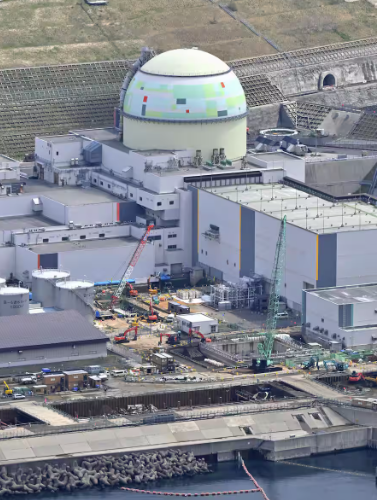
On August 19, eight economic organizations in Hokkaido, including the Hokkaido Economic Federation, submitted a request to Hokkaido Electric Power Company (HEPCO), urging the company to promote the early restart of Unit 3 at the Tomari Nuclear Power Plant and to reduce electricity prices as soon as possible after restart, while ensuring that safety measures are given priority. On the same day, Hiroshi Fujii, Chairman of the Hokkaido Economic Federation and Chairman of Hokkaido Electric Power Company, and Mitsuharu Yasuda, Chairman of the Hokkaido Chamber of Commerce and Industry and Chairman of Hokuyo Bank, along with other heads of economic organizations, visited HEPCO's headquarters in Sapporo and presented the request to HEPCO President Susumu Saito. The request states that the Tomari Nuclear Power Plant is of great significance for Hokkaido's economic growth and decarbonization efforts...
2026-08-20
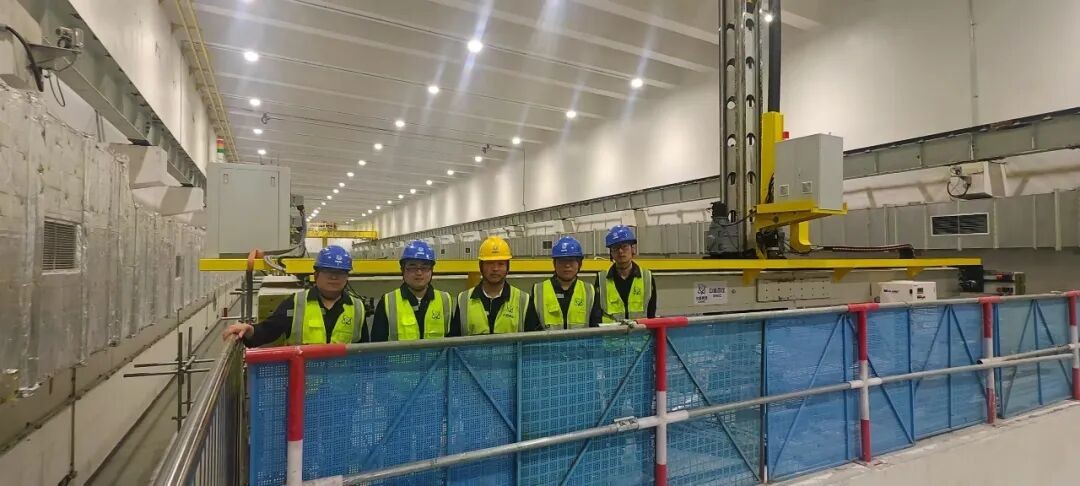
CNNC Xiyi Waste Barrel Storage Well Grinding Robot Completes On-Site Testing
Recently, the waste barrel storage well grinding robot developed by CNNC Xiyi officially completed on-site testing in the grinding project of the process BOP (three wastes) storage wells of Units 3 and 4 at Xudabao, marking a substantial breakthrough in the field of automated construction in confined deep-well spaces within the nuclear industry. Waste barrel storage wells feature great depth, small openings, high verticality requirements, and high dust concentrations. Traditional manual grinding requires multiple workers to take turns entering the confined space, resulting in long construction cycles and high risks. The grinding robot developed by CNNC Xiyi is equipped with an XYZ three-axis movement mechanism and a multi-degree-of-freedom motion system with R rotation and W width adjustment, covering a working width of 12 meters with a maximum grinding depth of 5 meters, applicable to the construction of standard waste barrel storage wells across various reactor types...
2026-08-20
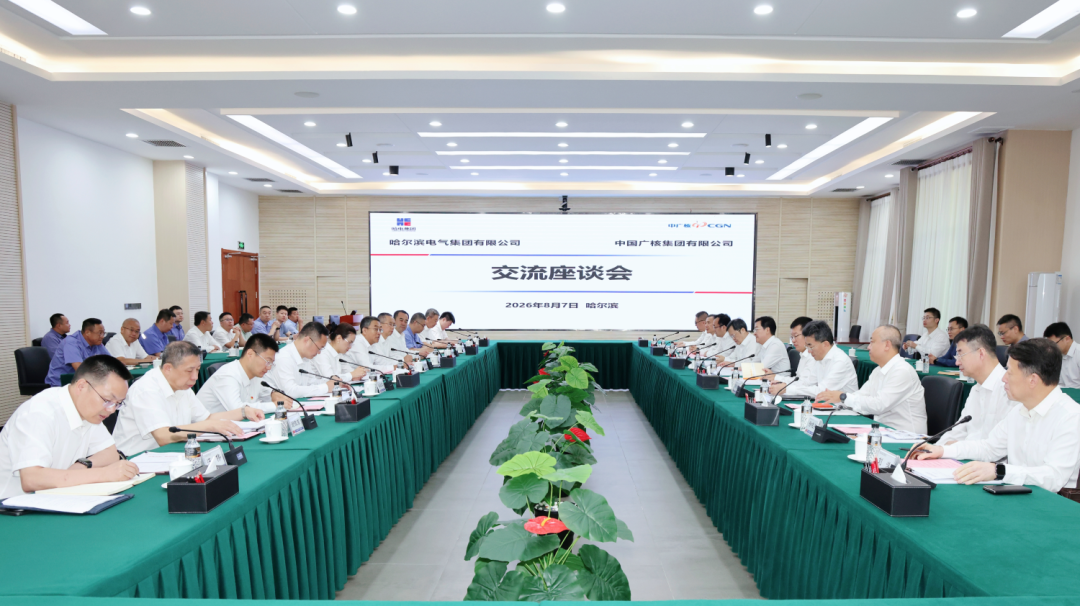
Harbin Electric Group and CGN Hold Talks to Deepen Cooperation on Digital Nuclear Power and Major Equipment Projects
Recently, Liu Qingyong, General Manager and Deputy Secretary of the Party Committee of Harbin Electric Group, warmly received Pang Songtao, Deputy Secretary of the Party Committee and General Manager of CGN, and his delegation. The two sides conducted in-depth exchanges on serving national strategies and deepening industrial cooperation. Liu Qingyong extended a warm welcome to Pang Songtao and his delegation, expressed gratitude for CGN's long-standing trust and support for Harbin Electric Group, and introduced the company's production and operation, industrial layout, and execution of key projects. He stated that Harbin Electric Group and CGN have maintained close cooperation and a solid foundation over the years in areas such as technological innovation, equipment development, and new energy. He expressed the hope that both sides, with the goal of serving the construction of an energy-strong nation, would continue to deepen strategic synergy...
2026-08-20
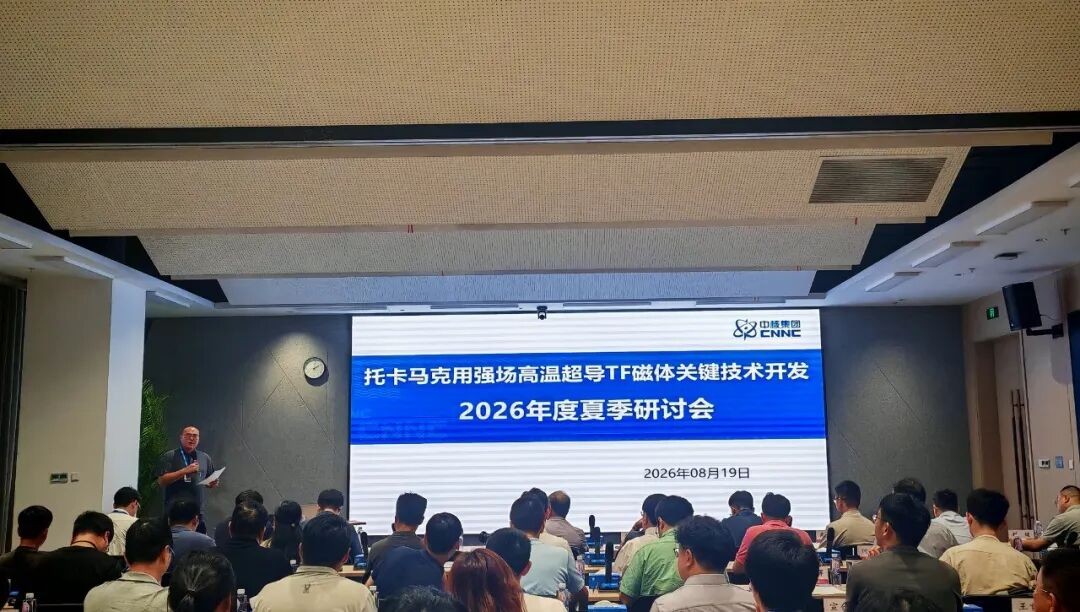
Summer Technical Symposium on High-Temperature Superconducting High-Field Magnets Successfully Held in Shanghai
On August 19, the Summer Technical Symposium on High-Temperature Superconducting High-Field Magnets was successfully held at the China Fusion Shanghai Headquarters. Yu Xuefeng, Deputy Secretary of the Party Committee and Deputy General Manager of China Fusion, and Xue Lei, Deputy Director of the Fusion Engineering Design Institute, attended the meeting. Xue Lei delivered an address on behalf of the Fusion Engineering Design Institute, extending a warm welcome to the experts present for their guidance. The symposium was moderated by Hu Xinbo, Director of the High-Temperature Superconducting Magnet R&D Department of the Fusion Engineering Design Institute. The symposium invited research institutions including the Technical Institute of Physics and Chemistry of the Chinese Academy of Sciences, Shanghai Advanced Research Institute of the Chinese Academy of Sciences, High Magnetic Field Science Center of the Hefei Institutes of Physical Science of the Chinese Academy of Sciences, Zhongshan Advanced Cryogenic Technology Research Institute, and Southwestern Institute of Physics of the Nuclear Industry, as well as universities...
2026-08-20
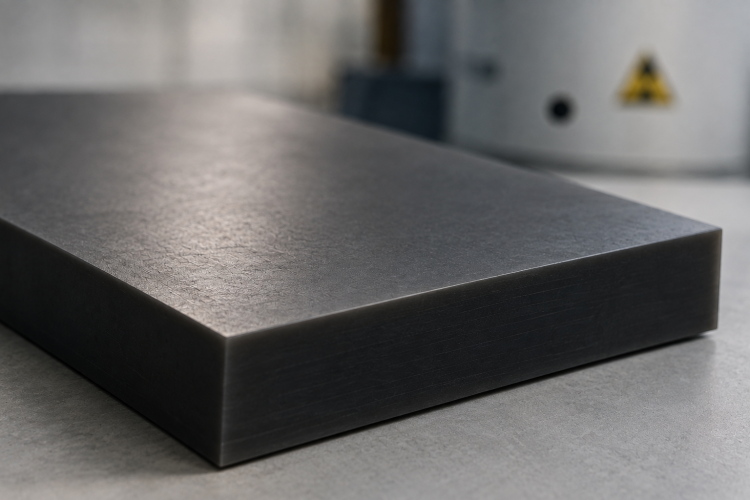
Russian enterprise develops borated polyethylene material for neutron radiation protection
A neutron radiation protection material developed by Russian company NPO Gelar has obtained relevant certification. The material, named Polikeramoplast-PB, is a borated polyethylene that resembles ordinary gray or black plastic sheets in appearance, but its protective performance derives from the combination of hydrogen and boron. According to reports, the hydrogen in the material effectively moderates fast neutrons, reducing the likelihood of subsequent secondary reactions, while the boron helps absorb moderated neutrons. In contrast, traditional heavy metal materials used for gamma-ray shielding are not suitable for standalone neutron protection, as heavy atomic nuclei have limited attenuation effects on neutrons. The material can be used in radiation therapy room protection systems and combined with lead...
2026-08-19

US Oak Ridge National Laboratory Advances Radioisotope Nuclear Battery Development
On August 17, 2026, the US Department of Energy's Oak Ridge National Laboratory stated that its nuclear battery program is advancing the development of radioisotope power systems to meet the demand for stable, long-life power sources in deep space exploration, long-term power supply in remote areas, and national security-related scenarios. NASA's Perseverance Mars rover poses with several of the 10 sample tubes it placed in a sample depot it established in a region of Jezero Crater called "Three Forks." The rover's radioisotope thermoelectric generator is powered by a nuclear battery. Image credit: NASA/JPL-Caltech/MSSS. Nuclear batteries generate electricity from the energy released by the decay of radioisotopes, making them suitable for environments such as the seafloor, remote deserts, and extraterrestrial surfaces where maintenance is difficult and continuous power supply is needed for years or even decades.
2026-08-19
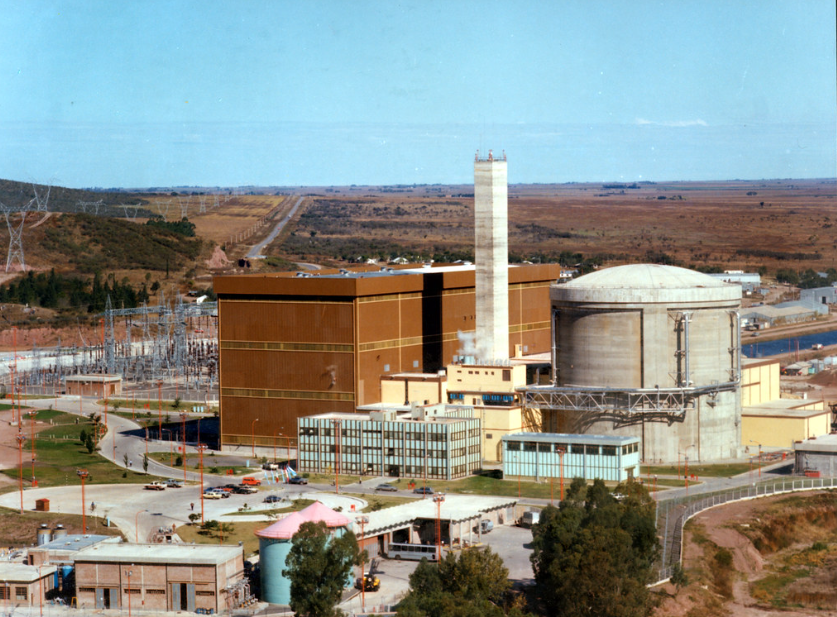
Embalse Nuclear Power Plant Life Extension Experience Boosts Argentina's Nuclear Power Service Exports
Argentina's Embalse Nuclear Power Plant life extension project has become an important technical foundation for the country's nuclear power service exports. Between 2015 and 2019, the Embalse Nuclear Power Plant underwent a large-scale refurbishment, with core work including reactor tube replacement, fuel channel replacement, steam generator renewal, and upgrade of the plant's computer control system, enabling the unit to operate for another 30 years. Nuclear power plant life extension is one of the most technically challenging projects in the energy sector, requiring the dismantling, inspection, assessment, and refurbishment of key equipment that has been in operation for decades, with stringent requirements for engineering precision, quality control, and project management capability. Through the Embalse Nuclear Power Plant project, Argentina has for the first time fully implemented this complex process.
2026-08-19
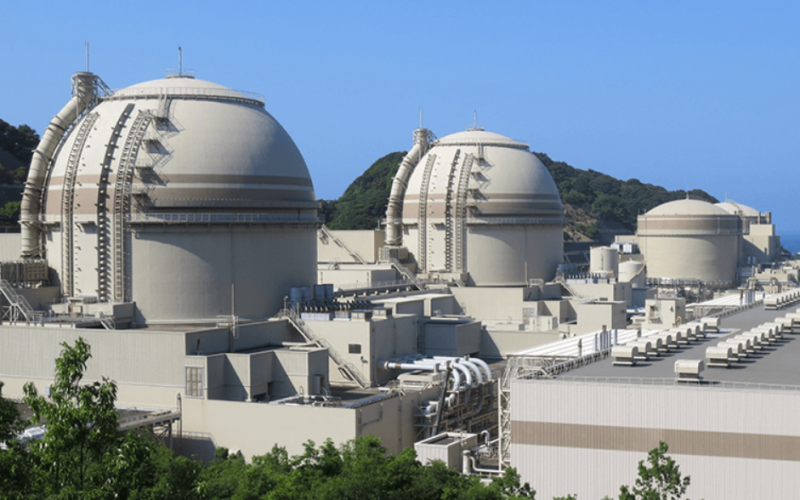
Investigation into Automatic Shutdown of Unit 3 at Japan's Ohi Nuclear Power Plant: Damage Found in Exciter Rotating Rectifier
Kansai Electric Power reported on August 19 that Unit 3 of the Ohi Nuclear Power Plant experienced an automatic generator trip triggered by a generator loss-of-field alarm at 23:56 on August 8, followed by an automatic reactor shutdown. At the time of the event, the unit was operating stably at rated thermal power. The company stated that the event caused no radiological impact on the environment. The loss-of-field alarm is used to indicate an abnormal state in the magnetic field generated inside the generator. Following the incident, Kansai Electric conducted on-site inspections of equipment related to generator magnetic field establishment, including the generator, exciter, and automatic voltage regulator (AVR). Among these, the exciter is used to establish the magnetic field for the generator...
2026-08-19
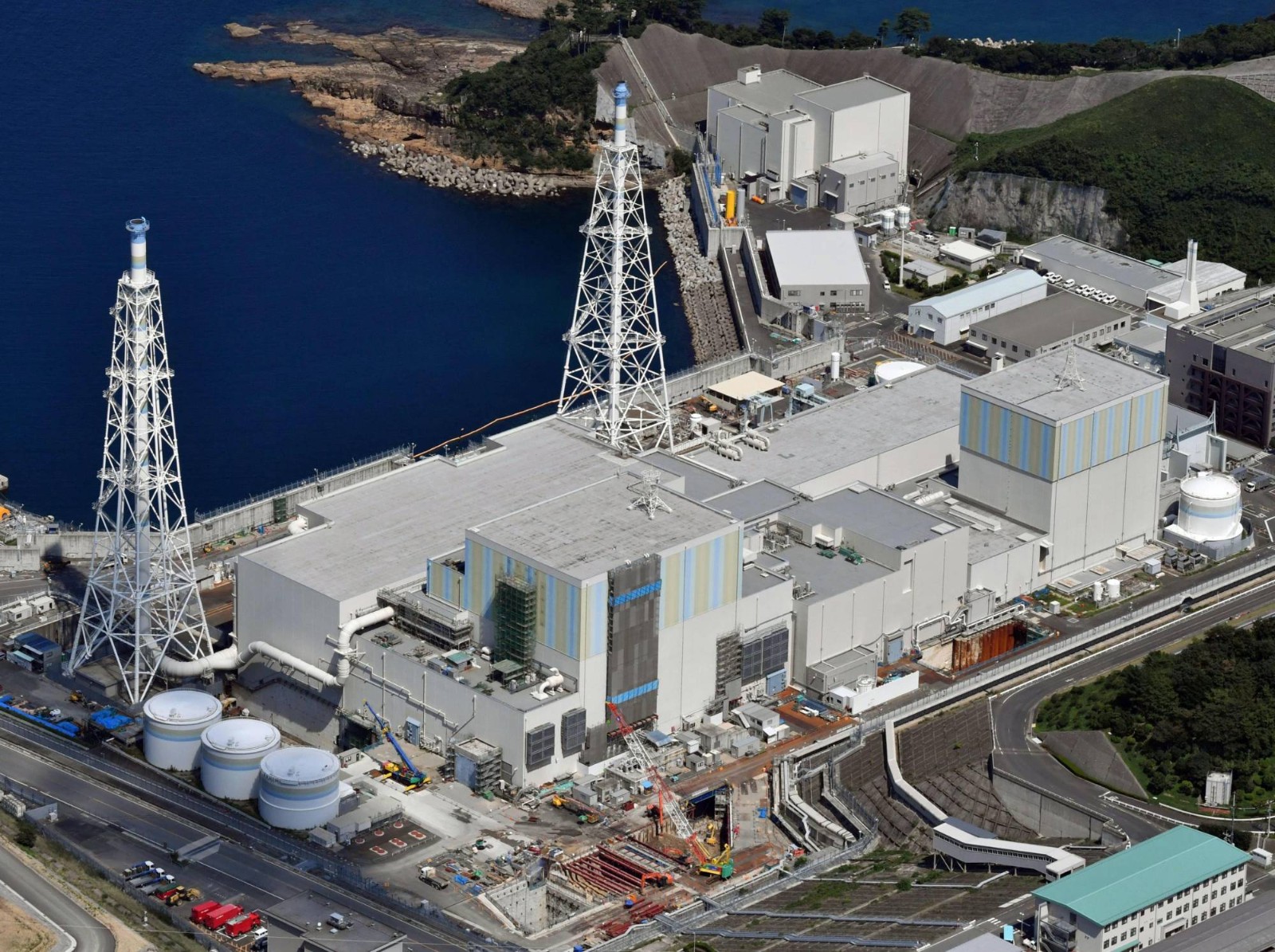
Shimane Nuclear Power Station Unit 2 Resumes Power Generation
Chugoku Electric Power Co. reported on August 19 that Unit 2 of the Shimane Nuclear Power Station resumed power generation at 2:00 p.m. that day through generator synchronization and began supplying electricity to the grid. Unit 2 of the Shimane Nuclear Power Station uses a boiling water reactor with a rated generating capacity of 820,000 kilowatts. Chugoku Electric Power Co. stated that it will prioritize safety, conduct comprehensive inspections of equipment operating conditions, and prepare for the unit to resume commercial operation as scheduled on September 16. ...
2026-08-19

Rajasthan Atomic Power Station Unit 2 Achieves First Full Year of Continuous Operation
Rajasthan Atomic Power Station Unit 2 (RAPS-2) achieved one full year of continuous operation on August 15, 2026. This marks the first time the unit has completed a full year of uninterrupted operation since it was commissioned, coinciding with India's 80th Independence Day. RAPS-2 is operated by the Nuclear Power Corporation of India Limited (NPCIL) and is one of the oldest pressurized heavy water reactor (PHWR) units still in operation by the company. This milestone of one full year of continuous operation is regarded as a significant reflection of the unit's operational management and equipment maintenance standards. Relevant information indicates that this operational record reflects the sustained commitment of Units 1 and 2 at the Rajasthan Atomic Power Station in safety culture, aging management, technical support, and operational organization, and also demonstrates the collaborative efforts of the on-site operations, maintenance, engineering, and support teams in ensuring stable unit operation.
2026-08-19
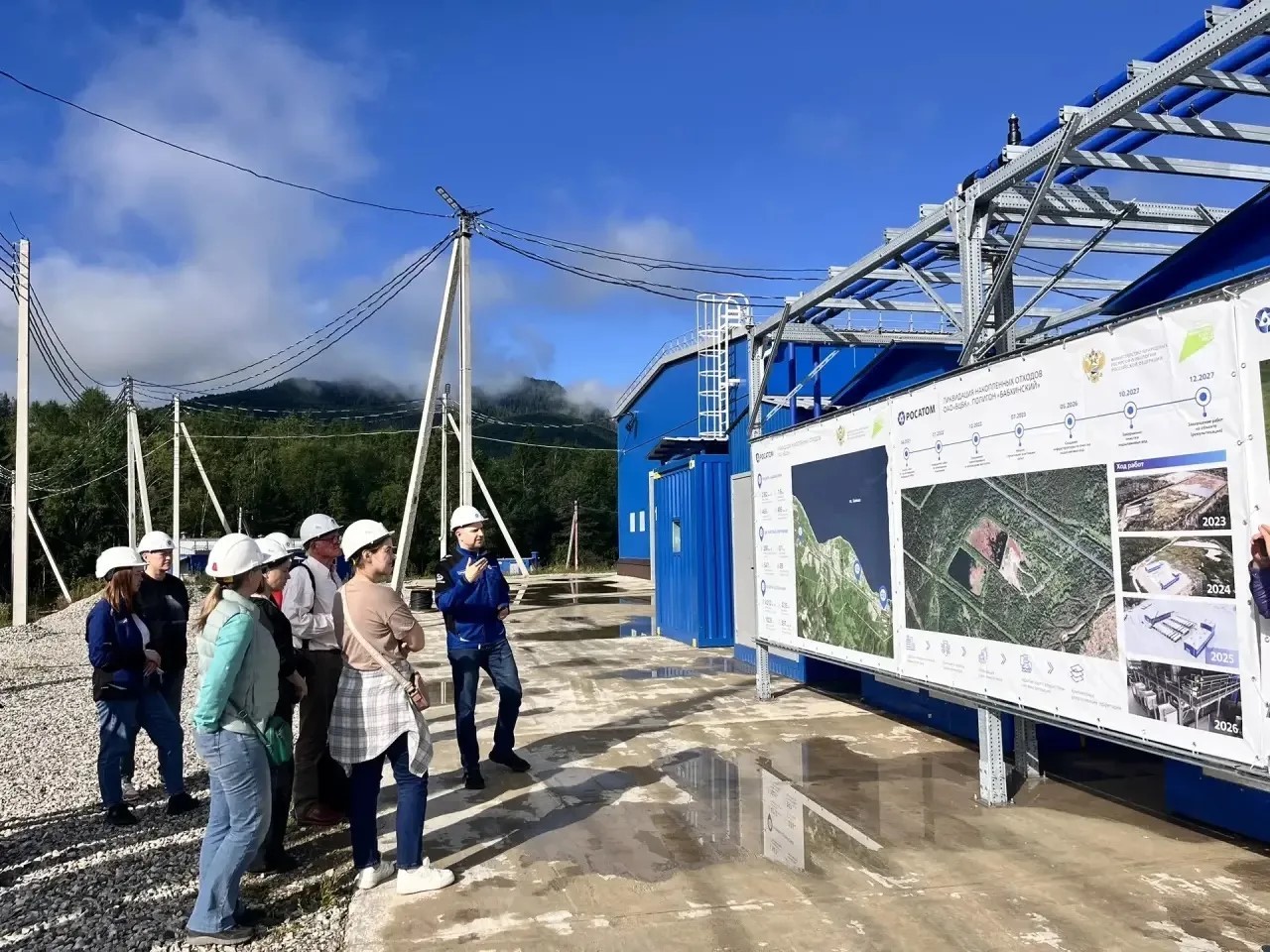
UNESCO Expert Mission Inspects Environmental Remediation Project at Former Baikal Pulp and Paper Mill in Russia
On August 19, 2026, a monitoring mission for the Lake Baikal World Heritage Site, comprising experts from UNESCO and the International Union for Conservation of Nature, inspected the cumulative environmental damage remediation work carried out by Federal Environmental Operator, a subsidiary of Rosatom, at the former Baikal Pulp and Paper Mill site. At the former plant area, the experts were briefed on progress in sludge treatment, alkaline wastewater treatment, and nature-based remediation technologies. The relevant projects primarily target historically accumulated pollution, with the goal of reducing the risk of pollutants entering Lake Baikal. During the visit, the infrastructure at the Babushinsky landfill and the former wastewater treatment plant had been completed and entered the commissioning phase. The...
2026-08-19
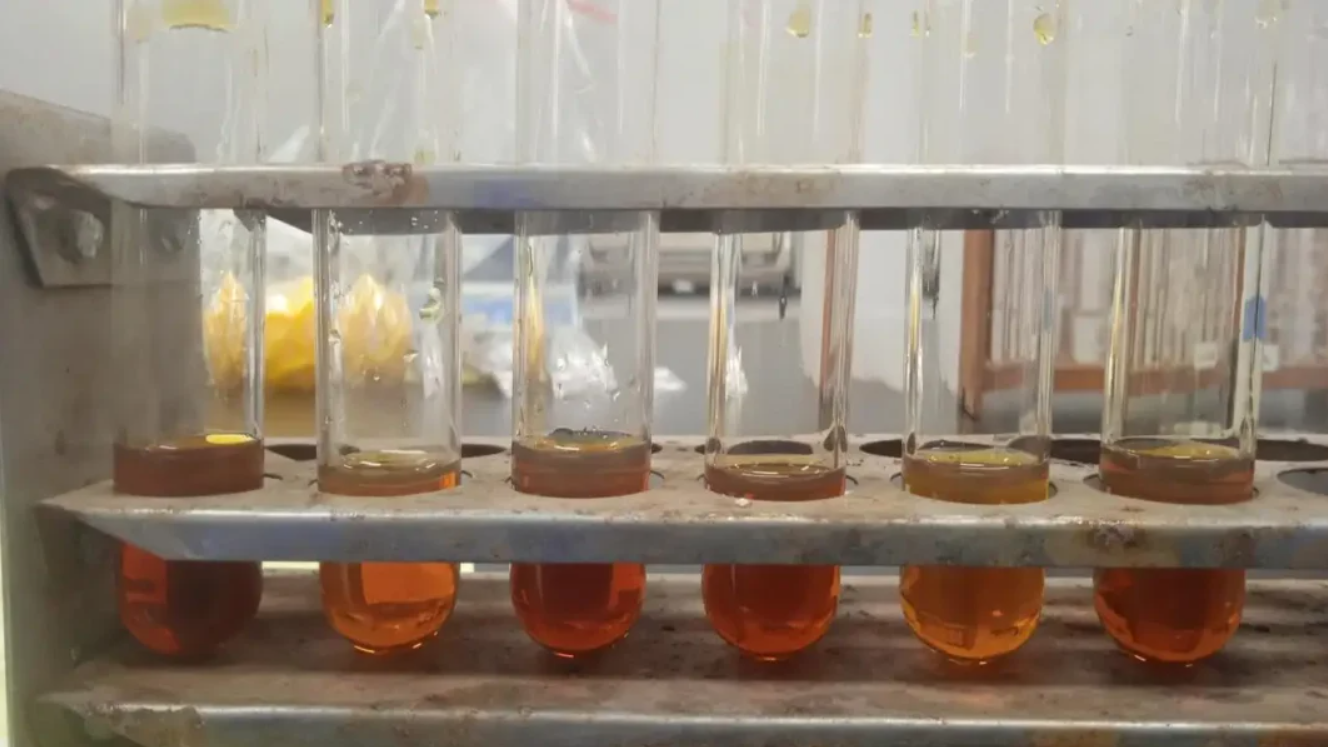
Indonesia Develops Cobalt-60 Gamma Irradiation Technology to Boost Biodiesel Production from Waste Cooking Oil
The Indonesian Nuclear Technology Polytechnic, under the National Research and Innovation Agency (BRIN), has recently successfully developed cobalt-60 (Co-60) gamma irradiation technology and applied it to increase biodiesel production from waste cooking oil. The study aims to explore more efficient pathways for renewable energy production while providing a new solution for the resource utilization of waste cooking oil. Dita Ariyanti, a lecturer at the Indonesian Nuclear Technology Polytechnic, stated that with continued growth in energy consumption and declining fossil fuel reserves, the need to develop alternative energy sources is becoming increasingly urgent. For Indonesia, rising energy demand and dependence on fossil fuels also pose challenges to greenhouse gas emission reduction. Waste cooking oil was previously mostly treated as household waste, and improper disposal could pollute the environment; converting it into biodiesel can reduce waste while obtaining renewable energy.
2026-08-19