
Search Results
Keyword:CT

SPIC Archives Management Project Selected for National Archives Administration AI Application Pilot
On July 29, the National Archives Administration issued the "Notice on Announcing AI Application Pilot Projects." The archives management AI application pilot project submitted by State Power Investment Corporation (SPIC) stood out from 253 pilot projects and was successfully selected, thanks to its solid digitalization foundation for archives, clear AI integration implementation roadmap, and distinctive application scenarios characteristic of central energy enterprises, becoming an important practical vehicle for digital transformation of archives in central enterprises. In April this year, to safely, steadily, and orderly promote the application of AI in the archives industry, the National Archives Administration issued the "Notice on Carrying Out AI Application Pilot Work," requiring pilot efforts in five aspects: computing power, models, data, scenarios, and security...
2026-08-10

U.S. Department of Energy Selects SHINE Technologies for Genesis Initiative, AI to Optimize Reprocessing of 95,000 Tons of Spent Nuclear Fuel
The U.S. Department of Energy has selected SHINE Technologies to participate in the Genesis mission, advancing the application of artificial intelligence in the nuclear industry. The core objective of the project is to develop an AI-assisted design system for engineers to plan more efficient spent fuel reprocessing facilities. The United States currently has approximately 95,000 tons of accumulated spent nuclear fuel, which has historically posed long-term storage and disposal challenges. The new approach seeks to recover still-valuable components from this material, reducing waste volume and improving resource utilization. The key to this project lies in transforming traditional engineering design methods. In the past, metrics such as throughput, final product quality, and waste volume in nuclear fuel reprocessing processes were typically evaluated separately...
2026-08-09
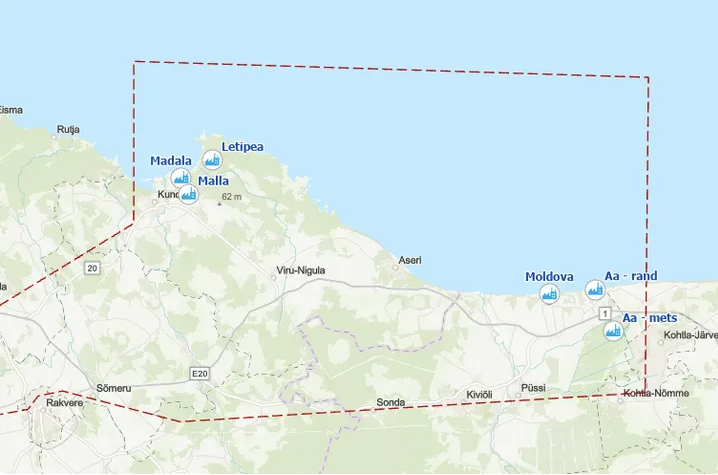
Estonia's Nuclear Power Plant Site Selection Enters New Phase, with All Six Candidate Locations on the Northern Coast
Estonia's special plan for building a nuclear power plant has entered a critical screening phase. Following the government's decision launched last spring, six potential sites have been identified, all located on Estonia's northern coast. Three of the sites are in Lääne-Viru County, and the other three are in Ida-Virumaa County, indicating that the northern coastal region has become a key focus area for nuclear power project development. The planning is being organized by Estonia's Ministry of Economic Affairs and Communications, with Fermi Energia AS being the company interested in the plan and its implementation. The two parties will introduce the candidate sites and the criteria for final site selection through public events in early August. Relevant information was already presented on Wednesday in Rakvere, indicating the project is moving from internal assessment toward public engagement.
2026-08-09
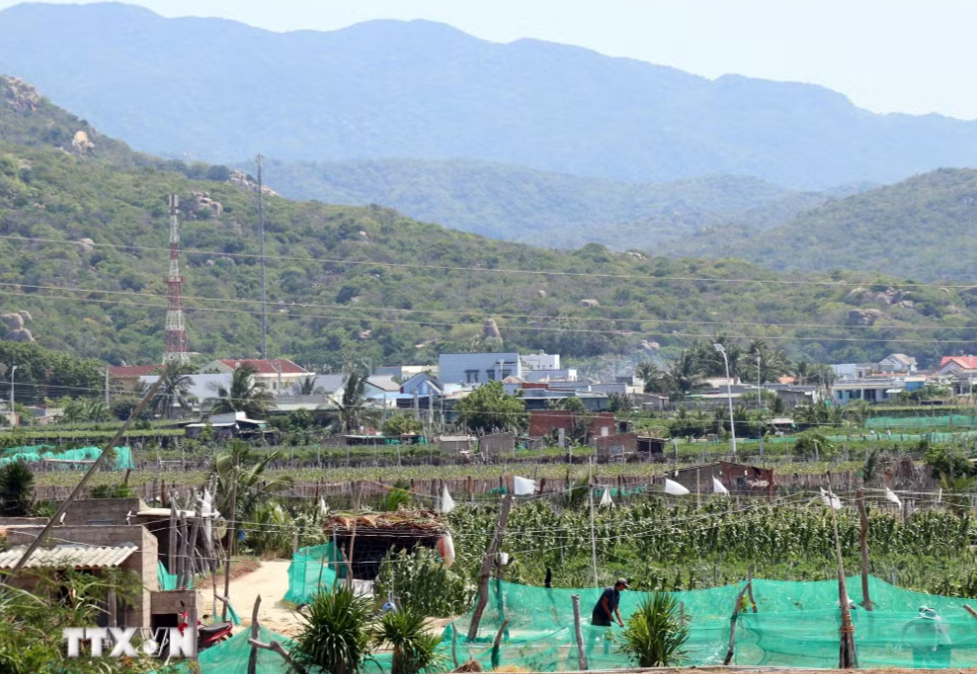
Land clearance obstacles hamper Vietnam's Ninh Thuan nuclear power project; Khanh Hoa province establishes task force to advance land handover
August 7, 2026, according to the Vietnam News Agency, Vietnam's Ninh Thuan 1 and Ninh Thuan 2 nuclear power plant projects are entering an accelerated construction phase, but land clearance, compensation, and resident resettlement remain the main bottlenecks affecting progress. In accordance with the requirements of the Vietnamese Prime Minister, Khanh Hoa province is responsible for advancing Component Projects 1 and 2 supporting the two nuclear power projects, namely land acquisition and site clearance, and resettlement work. Although the provincial government has repeatedly set clear land handover targets and timelines, in actual implementation, especially at the Ninh Thuan 1 nuclear power project located in Phuoc Dinh Commune, numerous complex issues continue to arise in planning, compensation, land ownership verification, and on-site handover, causing progress to fall short of expectations. The prominent contradictions of the Ninh Thuan 1 project...
2026-08-09
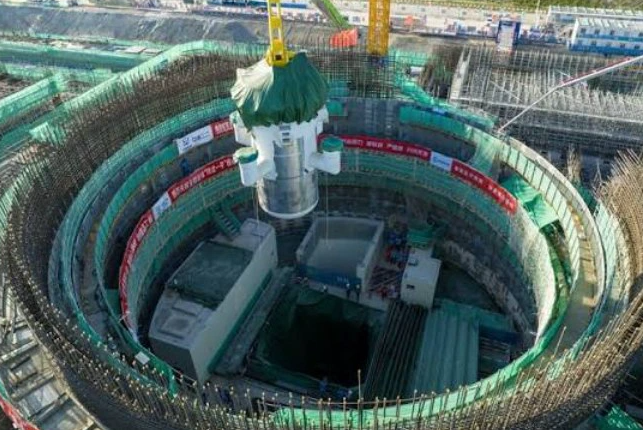
Russia Offers Brazil Nuclear Technology Cooperation and Small Modular Reactor Projects, Including Floating Nuclear Power Plants and Arctic/Antarctic Scientific Research
During his visit to Brazil, Nikolai Patrushev, aide to the Russian President and head of Russia's Maritime Board, proposed cooperation initiatives involving nuclear energy, scientific research, and maritime security to the Lula administration. This agenda indicates that Brazil continues to pursue a relatively autonomous diplomatic approach in its relations with major powers, while seeking to expand external cooperation space in areas such as energy transition, defense technology, and protection of maritime rights. In the nuclear energy sector, the Russian side focused on promoting small nuclear reactors and low-power nuclear technologies, including the Elena-M small nuclear power plant and floating offshore power generation units. The Russian side described these technologies as capable of long-term operation, relatively cost-effective...
2026-08-08

Russia Advances Rare Earth Extraction Technology Using Hyperaccumulator Plants, Plans Field Trials
August 7 news - Russian researchers have developed a technology for extracting rare earth metals using hyperaccumulator plants. The technology involves planting crops such as mustard, buckwheat, and sunflower at engineered landfill sites, allowing them to absorb metal elements from the soil and concentrate them in their biomass; after harvest, the plants are incinerated, and valuable elements are extracted from the ash. Mustard plantation. Photo: Pustovoit All-Russian Research Institute of Oil Crops. According to reports, under natural conditions in Russia, the relevant crops can be harvested two to three times per growing season. Estimates indicate that a single landfill site can yield up to 15 tons of rare earth metals annually. Currently, the laboratory has conducted tests using phosphogypsum waste from the Voskresensk and Balakovo areas, as well as loparite from the Lovozersky Mining and Processing Plant. The project plans to conduct field trials under real-world conditions this year, with pilot planting scheduled for next year.
2026-08-09

Kazakhstan Atomic Energy Agency and Nazarbayev University Sign Memorandum of Cooperation
On August 7, the head of Kazakhstan's atomic energy regulatory authority held formal talks with the President of Nazarbayev University, during which both parties exchanged views on the progress of existing cooperation and future directions for collaboration. During the talks, it was noted that representatives of Nazarbayev University have actively participated in the work of the agency's Scientific and Technical Committee, as well as in efforts to update forward-looking research in the nuclear energy field. Both sides agreed that research institutions and universities play a vital supporting role in the development of the nuclear energy industry, particularly in building research capacity and cultivating professional talent. Following the talks, the two parties signed a memorandum of cooperation. According to the document, the two sides will expand...
2026-08-08

Research Reactors Support Kazakhstan's Safe Nuclear Energy Development
Against the backdrop of growing demand for low-carbon electricity, nuclear energy is being regarded by many countries as a key energy option. Kazakhstan is also advancing its own nuclear energy development. Equally critical to the construction of nuclear power plants is the long-term research, testing, and validation of nuclear fuel, structural materials, reactor operating conditions, and safety systems. Research reactors and experimental facilities are precisely the core platforms undertaking such work. Unlike power reactors, which primarily target electricity generation, research reactors are closer to specialized nuclear science laboratories. Researchers can study the behavior of nuclear fuel and structural materials, simulate different reactor operating states, including off-normal conditions, test new technologies, and validate engineering solutions subsequently used in nuclear...
2026-08-09
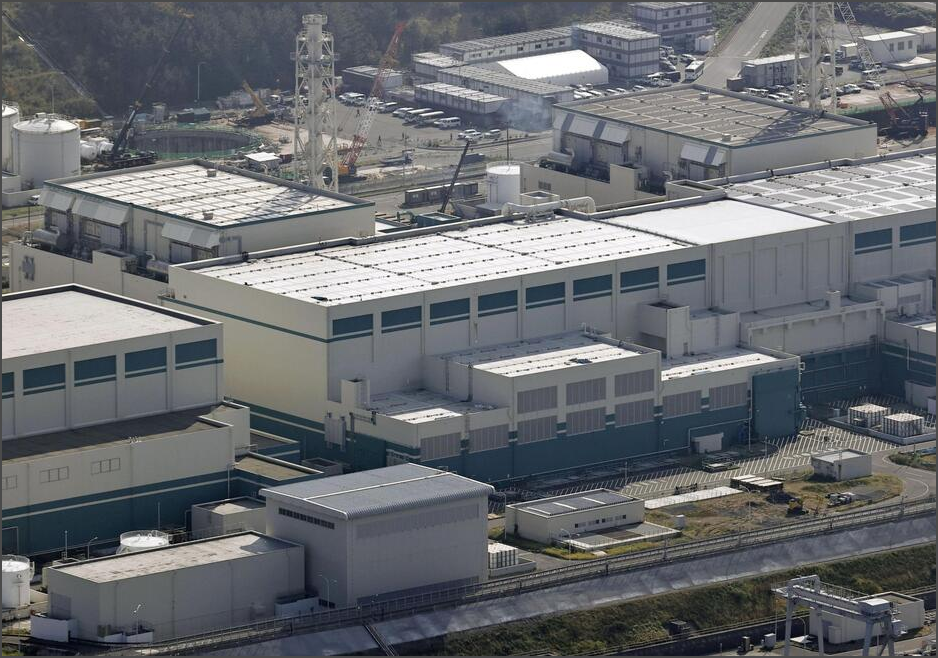
Another access control irregularity at Kashiwazaki-Kariwa Nuclear Power Station: exit gate fails to intercept unauthorized passage
Tokyo Electric Power Company (TEPCO) announced on August 7 that an irregularity related to access control occurred at the Kashiwazaki-Kariwa Nuclear Power Station. An operator improperly used his own ID card to allow a colleague who had left his ID card in the central control room to pass through the gate and exit. TEPCO stated that the access control system failed to display an error message at the time and was unable to prevent this unauthorized passage. According to disclosed information, the incident occurred during the exit process and involves management matters related to nuclear material protection. TEPCO has not yet publicly disclosed the specific date of the incident, the identities of the personnel involved, the detailed reasons why the system failed to trigger an alarm, or subsequent disciplinary actions and preventive measures. Kashiwazaki-Kariwa...
2026-08-08
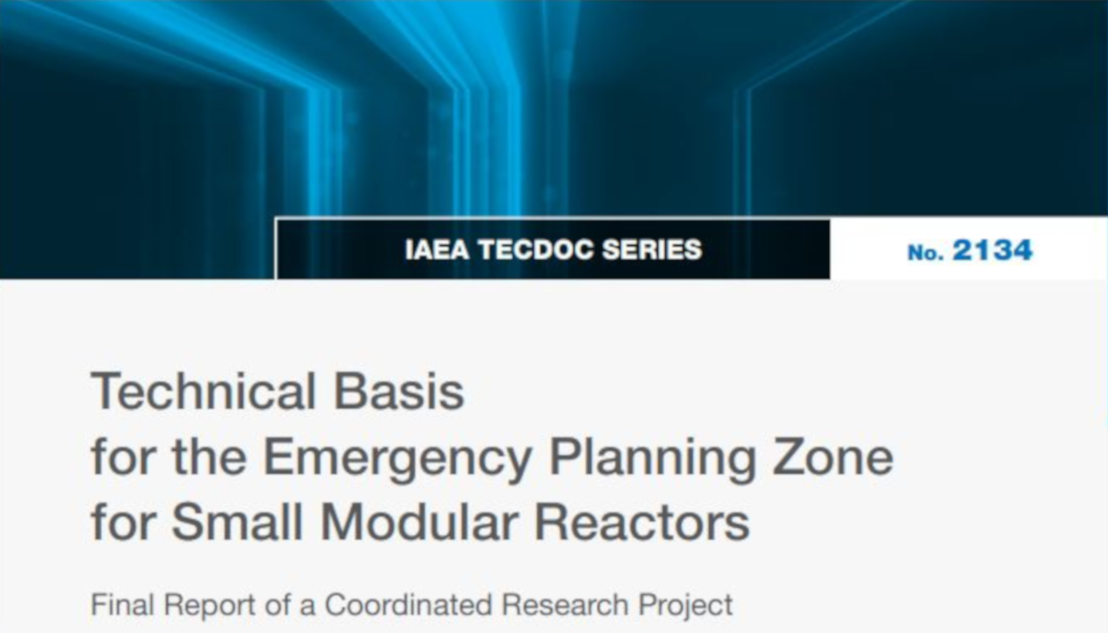
IAEA Publishes Technical Document on Emergency Planning Zones for Small Modular Reactors
The International Atomic Energy Agency (IAEA) recently released the technical document "Technical Basis for Emergency Planning Zones for Small Modular Reactors," designated as TECDOC-2134, published in Vienna in 2026. The document comprises 132 pages, includes 11 illustrations, is written in English, and is now available for download. This marks the first time the Agency has systematically documented, in publication form, the outcomes of a coordinated research project related to protective action planning zones in the deployment of small modular reactors. The document focuses on the technical basis for emergency preparedness and response for small modular reactors, with particular attention to determining the size of protective action planning zones. A protective action planning zone is an area surrounding a nuclear facility where protective measures are pre-planned in response to potential accidents...
2026-08-09
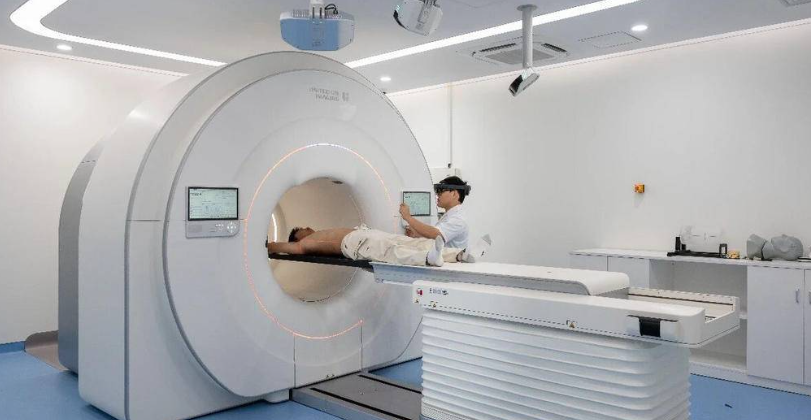
Jiangsu's First uLinac HalosTx Integrated Ring-Gantry CT Linac Enters Clinical Use
On August 7, the first uLinac HalosTx integrated ring-gantry CT linear accelerator in Jiangsu Province was officially put into clinical use at the Third Affiliated Hospital of Nanjing Medical University (Changzhou Second People's Hospital). The system integrates a diagnostic-grade CT scanner and a ring-gantry accelerator on a single platform, shifting regional tumor radiotherapy from the traditional step-by-step positioning approach to a same-platform real-time model. Radiotherapy is one of the important modalities for cancer treatment. In the conventional split-system radiotherapy workflow, patients typically need to be transported between the CT room and the treatment room, and treatment plans are mostly formulated based on static images acquired beforehand. In cases such as tumor regression or changes in patient weight, previous images may not fully reflect the actual condition on the day of treatment...
2026-08-08
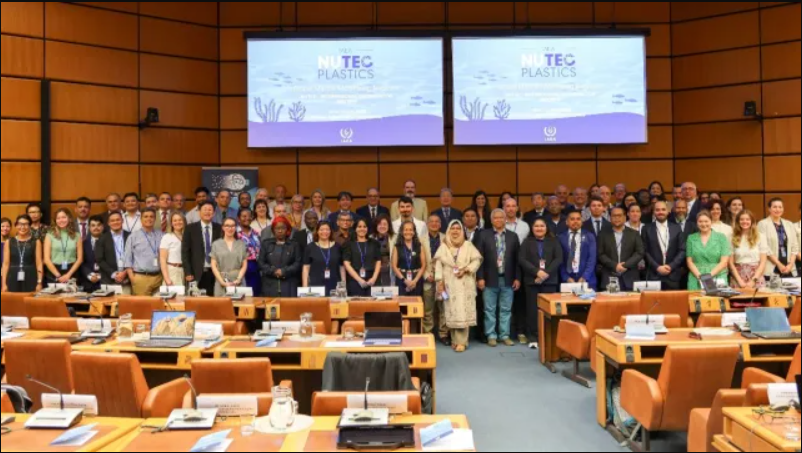
IAEA Launches Global Marine Microplastics Monitoring Platform
The International Atomic Energy Agency recently launched a global marine monitoring platform under the "Nuclear Techniques for Controlling Plastic Pollution" initiative, aiming to strengthen cooperation and data sharing among countries on the abundance, distribution, and trends of microplastics in marine and coastal areas. Scientific experts from 65 countries attended the platform launch event. The platform will serve as a repository of results from the network of marine monitoring laboratories supported by the initiative. Participating laboratories can enter monitoring data into the platform to compile global information on marine microplastic pollution; users can access relevant content after creating a free IAEA Nucleus account. Plastic pollution has become a global environmental issue. According to reports...
2026-08-09
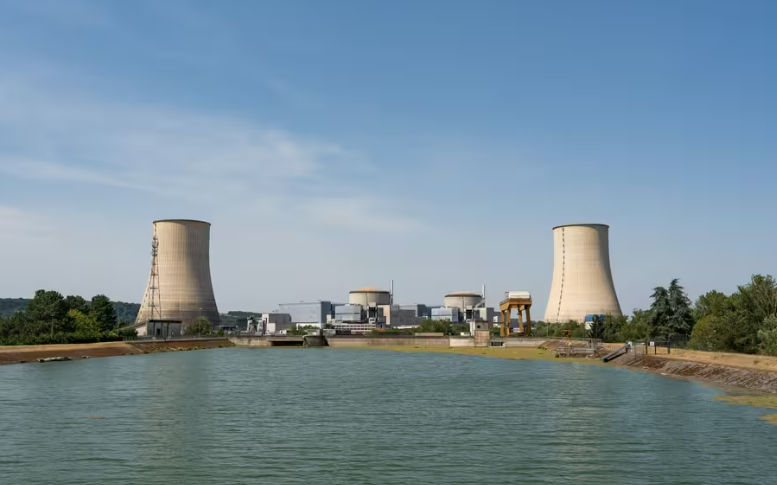
France's Golfech Nuclear Power Plant Reconnected to Grid After Shutdown Due to High Temperatures
French utility EDF (Électricité de France) announced that the Golfech nuclear power plant, located in the Tarn-et-Garonne department, has been reconnected to the grid. Unit 2 of the plant was restarted around noon on August 7, following a forced shutdown on July 29 due to high-temperature weather. At the time of the shutdown, Unit 1 was in the maintenance and refueling phase, making the interruption of Unit 2 more impactful on plant operations. The direct cause of the shutdown at Golfech was that the water temperature of the Garonne River reached regulatory limits. According to relevant regulations, when the daily average water temperature of the Garonne River exceeds 28 degrees Celsius, the plant must reduce reactor power or temporarily cease operations. Since the nuclear plant needs to draw water from the river for...
2026-08-08
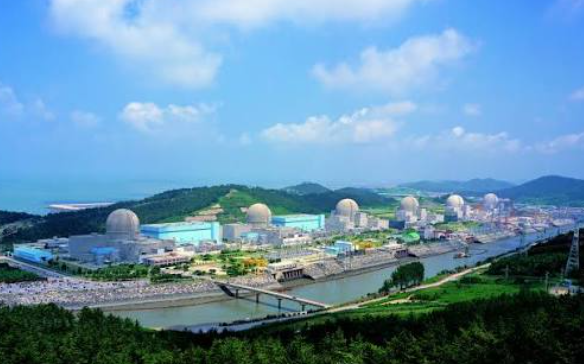
South Korea Plans to Upgrade National Radiation Monitoring System to Address Impacts of Overseas Nuclear Facility Accidents
South Korea's Nuclear Safety and Security Commission is pushing to strengthen the national radiation monitoring system, bringing radioactive contamination of the domestic environment caused by potential overseas nuclear facility accidents into institutionalized regulatory scope. According to partial amendments to the Enforcement Decree and Enforcement Rules of the Atomic Energy Safety Act pre-announced on August 7, South Korea will incorporate radioactive contamination surveys into existing radiation environment surveys and environmental radioactivity monitoring and evaluation operations, entrusting the Korea Institute of Nuclear Safety with the execution of related survey work. This institutional adjustment is a supporting measure following South Korea's revision of the Atomic Energy Safety Act in February this year, with the relevant law set to take effect on February 20, 2027. The core of the amendment lies in that when overseas...
2026-08-09
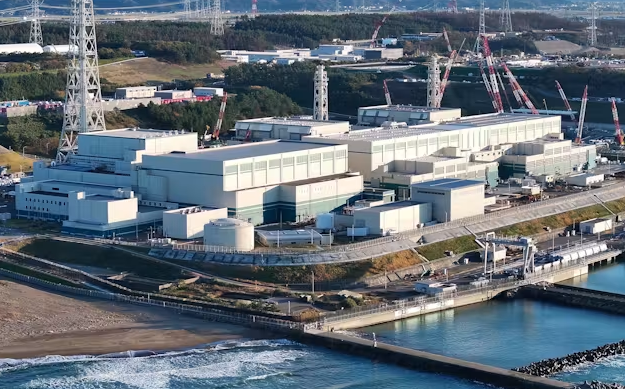
Rising Seawater Temperatures Prompt New Nuclear Safety Rules: TEPCO Sets Temporary Shutdown Criteria for Kashiwazaki-Kariwa Plant
Tokyo Electric Power Company Holdings announced on August 7 that it has established a set of self-determined criteria for evaluating whether to temporarily halt nuclear reactor operations at the Kashiwazaki-Kariwa Nuclear Power Plant in Niigata Prefecture, in response to rising seawater temperatures in the surrounding area. These criteria are not mandatory requirements directly imposed by external regulatory authorities, but rather proactive measures voluntarily implemented by TEPCO based on safe operational needs. According to the conditions announced by TEPCO, the company will consider temporarily shutting down the relevant nuclear facilities when the 7-day average seawater temperature in the waters surrounding the plant exceeds 31 degrees Celsius, when water temperatures above 34 degrees Celsius are observed, or when water temperatures above 33 degrees Celsius persist for 12 hours. These numerical thresholds indicate that seawater temperature has been incorporated as a key variable in nuclear power plant operational risk management.
2026-08-08