
Search Results
Keyword:EC
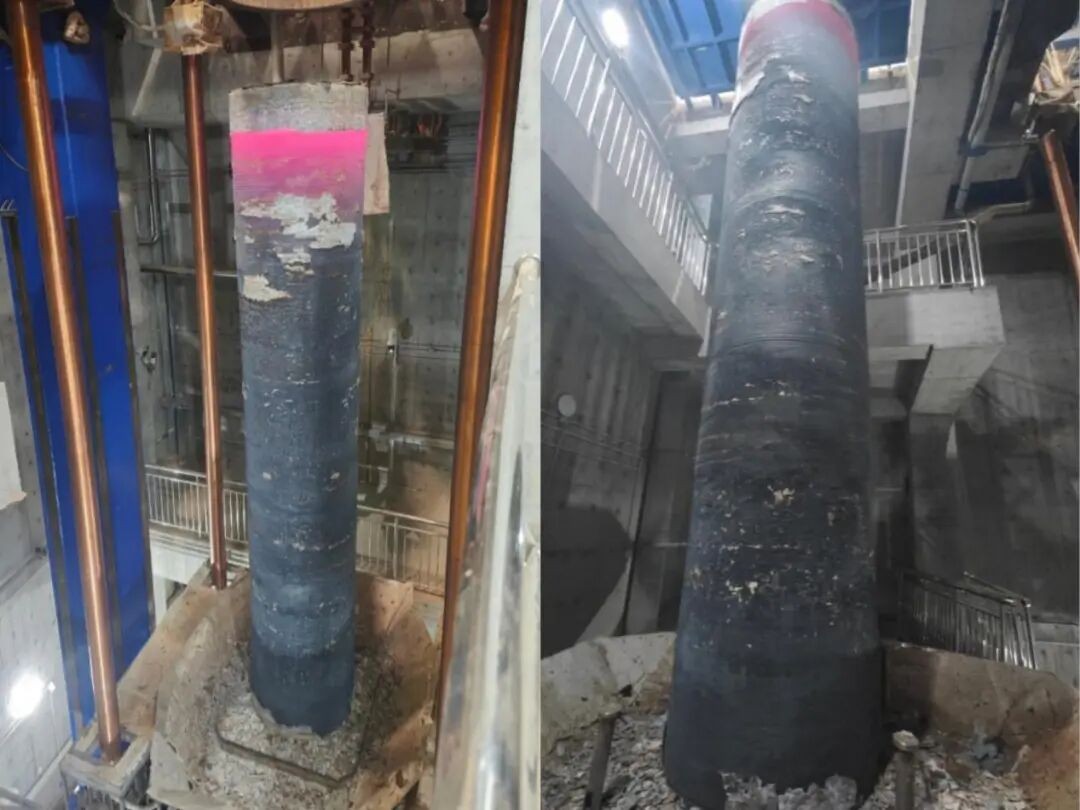
Manur Nuclear Power Produces Domestically Heaviest Slender Withdrawal-Type ESR Ingot
On August 30, 2026, the 60t withdrawal station of the 150-ton-class atmosphere-protected electroslag remelting (ESR) furnace at Yantai Taihai Manur Nuclear Power Equipment Co., Ltd. successfully produced a slender ESR ingot with a diameter of approximately 1270 mm and a weight of 61.2 tons, setting a new record for domestically manufactured special metallurgy equipment and consolidating the equipment foundation for the supply of high-end nuclear power forgings. The 61.2-ton slender withdrawal-type ESR ingot produced this time features a regular appearance and excellent surface quality. During the smelting process, equipment and operations including atmosphere protection, melt rate control, precise molten metal level control, fully automatic electrode exchange, and the complete withdrawal process remained stable and controllable. This ingot is currently the heaviest slender withdrawal-type ESR ingot produced in China, representing another critical leap in domestically manufactured large-tonnage withdrawal-type ESR equipment...
2026-08-31

China-led International Standard for Estimating RBE-Weighted Absorbed Dose from Acute Exposure Approved for Initiation
According to the International Organization for Standardization (ISO), the international standard ISO25600 "Estimation Method for RBE (Relative Biological Effectiveness)-Weighted Absorbed Dose from Acute Exposure," led by the China Institute of Atomic Energy, has been officially approved for initiation. This is a general methodology international standard led by China in the global field of nuclear and radiation emergency dose assessment. It can provide important support for the rapid estimation and evaluation of acute doses, decision-making on emergency protective actions, international notification and communication, as well as emergency training, exercises, and scientific research, helping to strengthen the scientific rigor and timeliness of global nuclear emergency response, and enhance response capability and standardization. Nuclear and radiation emergency response is a vital guarantee for the sustained and healthy development of the nuclear energy industry...
2026-08-31
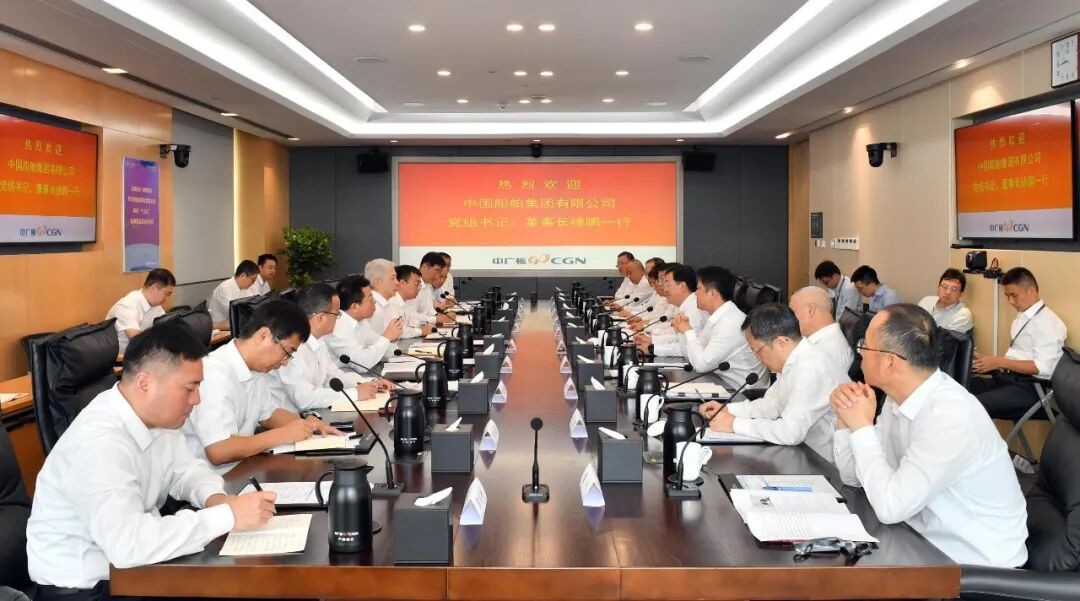
CGN and CSSC Deepen Cooperation in Nuclear Power and New Energy Sectors
On August 28, Pang Songtao, Deputy Secretary of the Party Committee and General Manager of China General Nuclear Power Group Co., Ltd. (CGN), met with Xu Peng and his delegation, Secretary of the Party Leadership Group and Chairman of China State Shipbuilding Corporation Limited (CSSC), at the CGN Tower. The two sides conducted in-depth exchanges on cooperation in areas such as nuclear power, new energy, industrial software, and technological innovation. Peng Yuanpu, Member of the Party Leadership Group and Deputy General Manager of CSSC, Ma Yunxiang, Assistant to the General Manager, Cai Zhen, Member of the Standing Committee of the Party Committee and Deputy General Manager of CGN, and Zhou Jianping, Member of the Party Committee of CGN, Vice President and General Counsel of CGN Power, attended the meeting. Pang Songtao extended a warm welcome to Xu Peng and his delegation. He noted that the cooperation between CGN and CSSC began with the Daya Bay Nuclear Power Plant and has spanned over four decades, with cooperation areas gradually expanding from nuclear power to environmental governance, new energy development, industrial software, and other fields, achieving fruitful results in areas such as nuclear emergency diesel generators and wind power equipment. Looking toward the “15th Five-Year Plan” period, he expressed the hope that both sides would further expand cooperation in new areas such as equipment manufacturing and technological innovation while consolidating the existing cooperation foundation, so as to better serve the national strategic agenda.
2026-08-31

Signed Article by Liu Mingsheng, Chairman and Party Secretary of State Power Investment Corporation (SPIC)
Seizing the High Ground of Future Energy, Accelerating the Pace of Green Transformation Liu Mingsheng, Chairman and Party Secretary of State Power Investment Corporation (SPIC) At present, a new round of technological revolution is converging historically with the green, low-carbon transformation of energy, and future industries are becoming a strategic battleground for reshaping the global competitive landscape. General Secretary Xi Jinping's series of important remarks on future industries, made from the strategic height of advancing the building of a strong nation and the great cause of national rejuvenation, provide important guidance for developing future industries, building a modern industrial system, and grasping the initiative in development. As the world's largest clean energy power generation enterprise, SPIC has always regarded the development of future industries as a strategic lever for safeguarding the nation's long-term energy security and winning the initiative in development...
2026-08-31

US Antares Selected for DOE Nuclear Energy Launch Pad Program
Antares has been selected for the U.S. Department of Energy (DOE) Nuclear Energy Launch Pad program. Led by the DOE Office of Nuclear Energy and the National Reactor Innovation Center (NRIC), the program aims to advance nuclear technologies from concept to commercial deployment. This selection further expands Antares' business footprint in Texas. Previously, the company was selected to deliver a microreactor to Joint Base San Antonio under the U.S. Air Force's Advanced Nuclear Power Facilities program. Antares CEO and co-founder Jordan Bramble stated that the reactor pilot program has accelerated the company's growth and...
2026-08-31
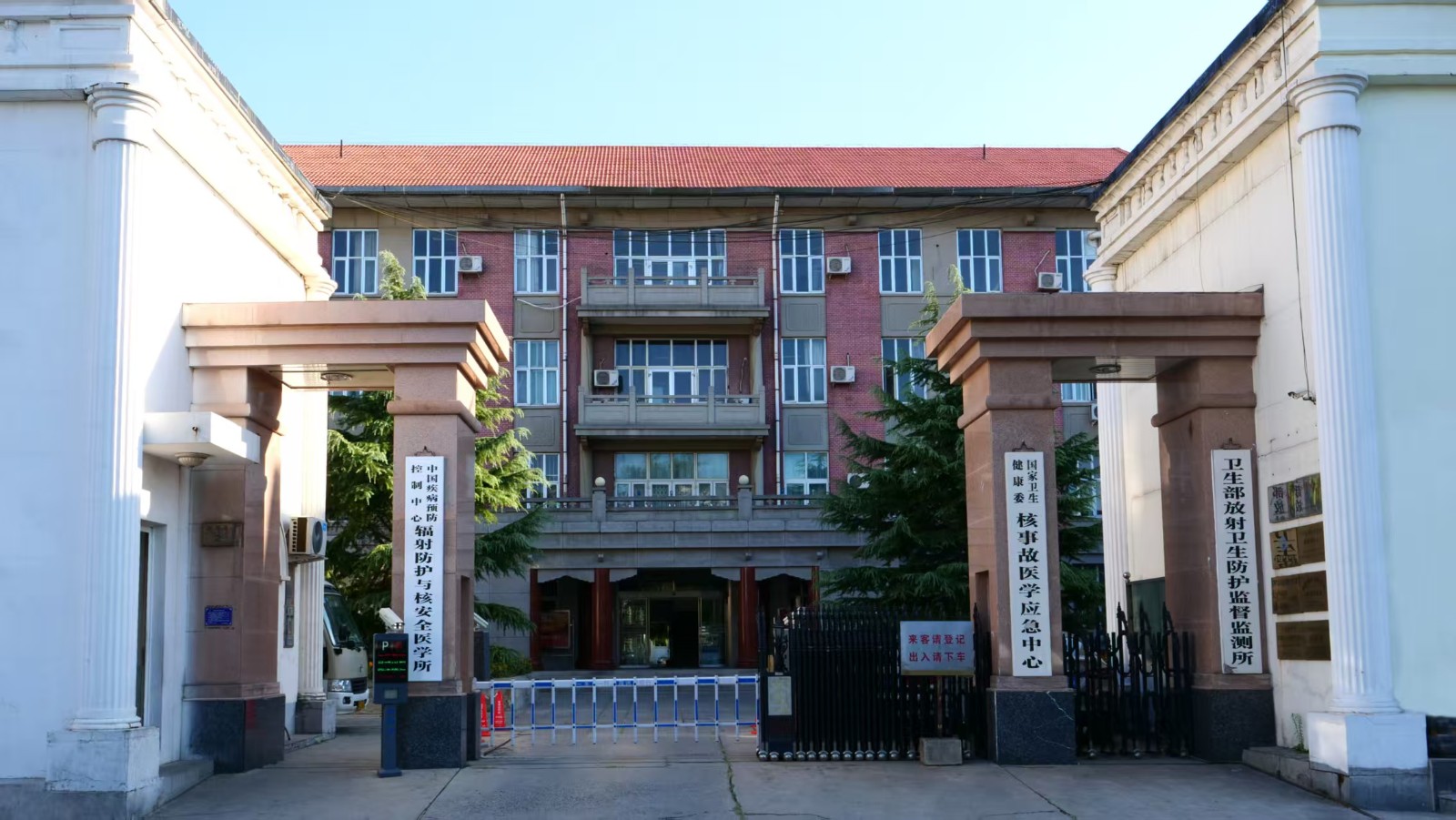
Two Projects of the National Natural Science Foundation of China Approved for the National Institute for Radiological Protection, China CDC
On August 26, the National Natural Science Foundation of China (NSFC) announced the review results of the centralized application projects for the fiscal year 2026. The National Institute for Radiological Protection, China CDC, was approved for two NSFC projects, with research directions covering radon exposure monitoring, radiological health, and screening of lung cancer-related biomarkers. Among the approved projects, the proposal titled "New Strategy for Radon Exposure Monitoring: Visualization and Mechanism Study of Adsorption-Detection Integrated Gold Nanoparticle Materials" submitted by Associate Researcher Song Yanchao received support from the Department of Mathematical and Physical Sciences; the proposal titled "Preliminary Study and Validation of Screening Lung Cancer-Related Biomarkers in Radon-Exposed Miners Based on Methylation Chips and RNA-seq" submitted by Assistant Researcher Zhang Pinhua received support from the Department of Health Sciences.
2026-08-31
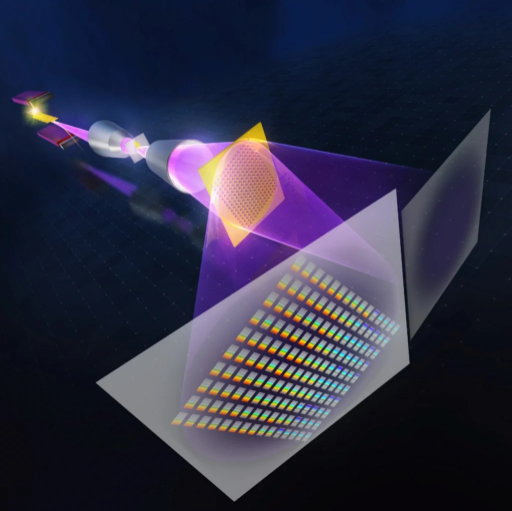
Japanese Team Achieves Femtosecond Soft X-ray Hyperspectral Microscopy, Simultaneously Acquiring Spatial and Energy Information with Single Pulse
On August 21, the Japan Science and Technology Agency, RIKEN, and the University of Tokyo announced that a research team comprising Assistant Professor Yoko Takeo and Associate Professor Takashi Kimura from the Institute for Solid State Physics at the University of Tokyo, Assistant Professor Satoru Egawa from the Research Center for Advanced Science and Technology at the University of Tokyo, and Team Leader Makina Yabashi from the RIKEN SPring-8 Center, among others, successfully developed and implemented a femtosecond soft X-ray hyperspectral microscope. The findings were published on August 20 in the U.S. scientific journal *Optica*. This technology utilizes a single soft X-ray pulse from an X-ray free-electron laser (XFEL) to simultaneously acquire soft X-ray spectra transmitted through different positions of a sample, enabling...
2026-08-31
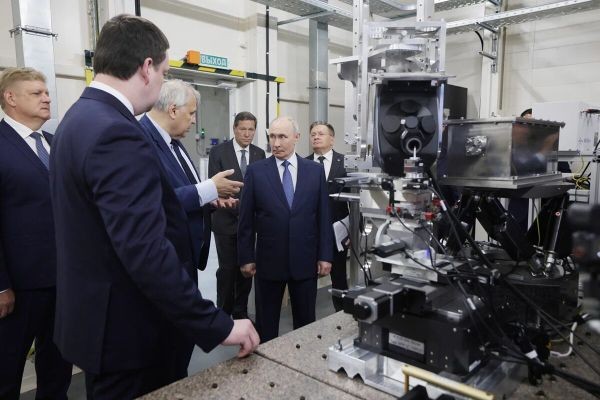
First experiments at Russia's SKIF microfocus station to target "invisible" gold deposits and extraterrestrial particle research
On August 19, 2026, the microfocus station, one of the first-stage experimental stations of the Russian SKIF Collective Use Center, announced its initial experimental directions. The station will utilize synchrotron radiation-based analytical techniques to study the elemental composition and structural characteristics of objects, serving fields such as geology, geophysics, microelectronics, and materials science. At the SKIF opening ceremony, Russian President Vladimir Putin inspected the microfocus station. According to the presentation, the station's first experiments will focus on the exploration and extraction of hard-to-recover gold, platinum, rare earth elements, and oil reserves. Ore sample research is a critical step in the development of new mineral deposits. By determining the elemental composition of rocks, researchers can...
2026-08-31
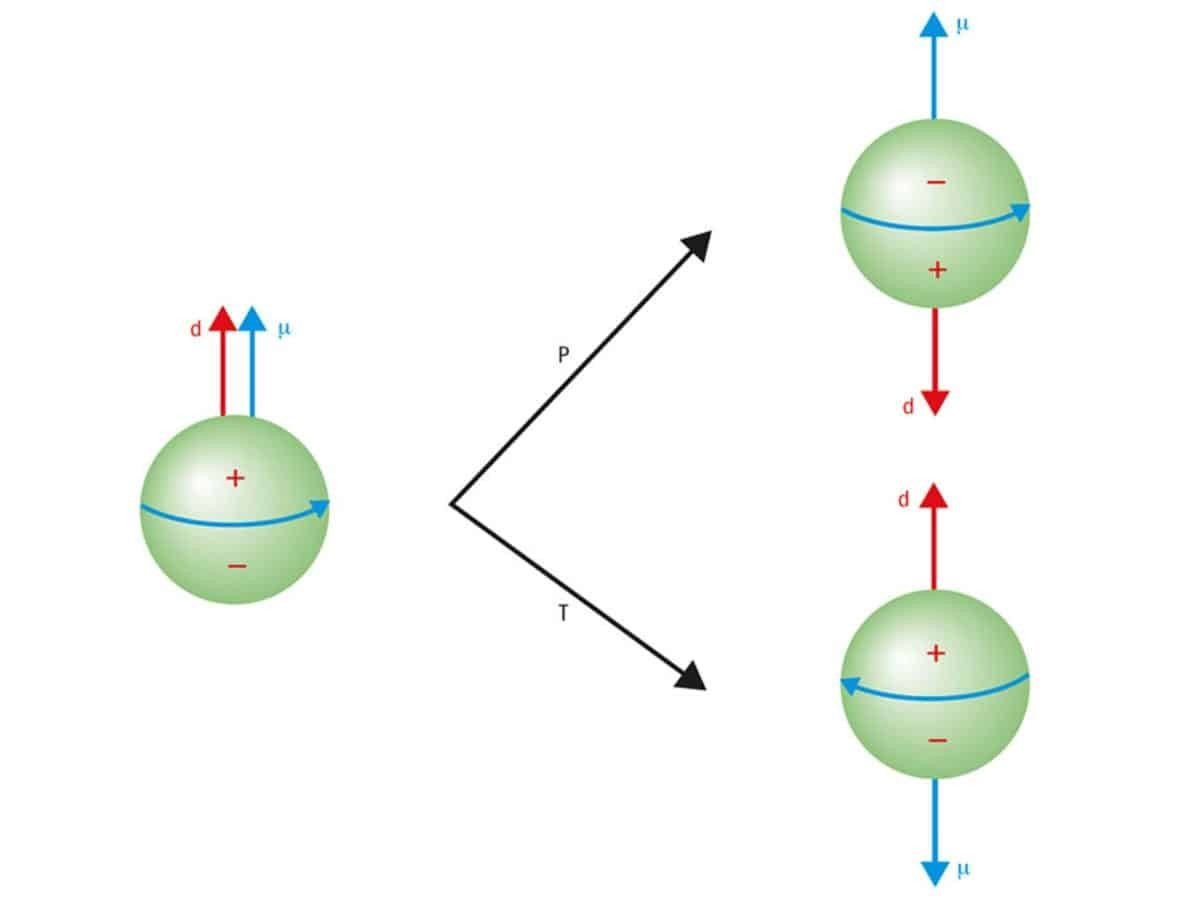
Russian Research Team Proposes New Method for Measuring Proton and Deuteron Electric Dipole Moments in a Single Storage Ring
Physicists from several Russian research institutions have proposed a new method for searching for the electric dipole moments of protons and deuterons, potentially enabling the study of both particle types in a single storage ring. The participating institutions include the Moscow Institute of Physics and Technology, the Institute for Nuclear Research of the Russian Academy of Sciences, the National Research Nuclear University MEPhI, and the Landau Institute for Theoretical Physics of the Russian Academy of Sciences. The research was published in the journal *Nuclear Science and Technology* and was supported by a grant from the Russian Science Foundation. The electric dipole moment reflects whether there is a tiny asymmetry between the internal charge distribution of a particle and its spin direction. According to Standard Model predictions, the electric dipole moments of the proton and deuteron are nonzero but extremely small, on the order of 10...
2026-08-31
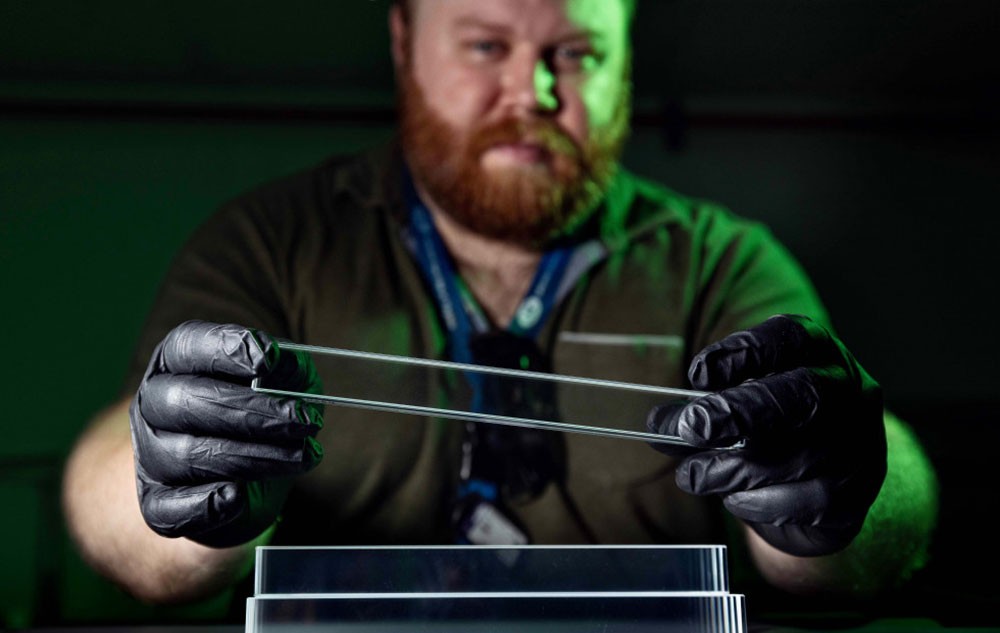
U.S. Electron-Ion Collider ePIC Detector Completes First Batch of Lead Tungstate Crystal Procurement and Acceptance
The U.S. Electron-Ion Collider (EIC) project recently achieved its first long-lead procurement milestone: 1,069 custom lead tungstate crystals for the new ePIC detector have been delivered, tested, and accepted. These crystals will be used in the Electron Endcap Electromagnetic Calorimeter (EEEMCAL) to help precisely measure the energy of scattered electrons during collisions. The EIC is being built by the U.S. Department of Energy's Brookhaven National Laboratory, in collaboration with the Thomas Jefferson National Accelerator Facility. The facility will circulate electron and ion beams in opposite directions, colliding them inside the ePIC detector. The ePIC detector records information about particles produced in the collisions, providing data for studying the fundamental constituents of visible matter...
2026-08-31
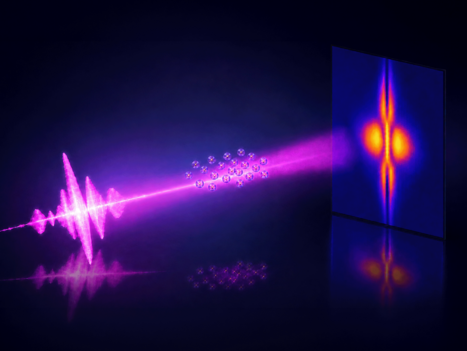
German Team Achieves Ultrafast Shaping of Extreme Ultraviolet Pulses Using High-Density Helium Gas
August 20, 2026, the international team led by researchers from the Max Planck Institute for Nuclear Physics (MPIK) in Heidelberg announced that they have utilized atomic gas as a rapidly switchable time-varying lens to control the beam shape and spectrum of intense high-frequency laser pulses. This achievement is expected to provide a new pathway for the fine control of extreme ultraviolet (XUV) and X-ray pulses, and may serve research directions such as improved spectroscopic methods, control of chemical reactions, and quantum computing. Extreme ultraviolet light can provide important tools for studying atomic-scale processes. With the development of free-electron lasers, researchers have been able to generate ultrashort, high-intensity XUV light pulses, but how to manipulate them like...
2026-08-31
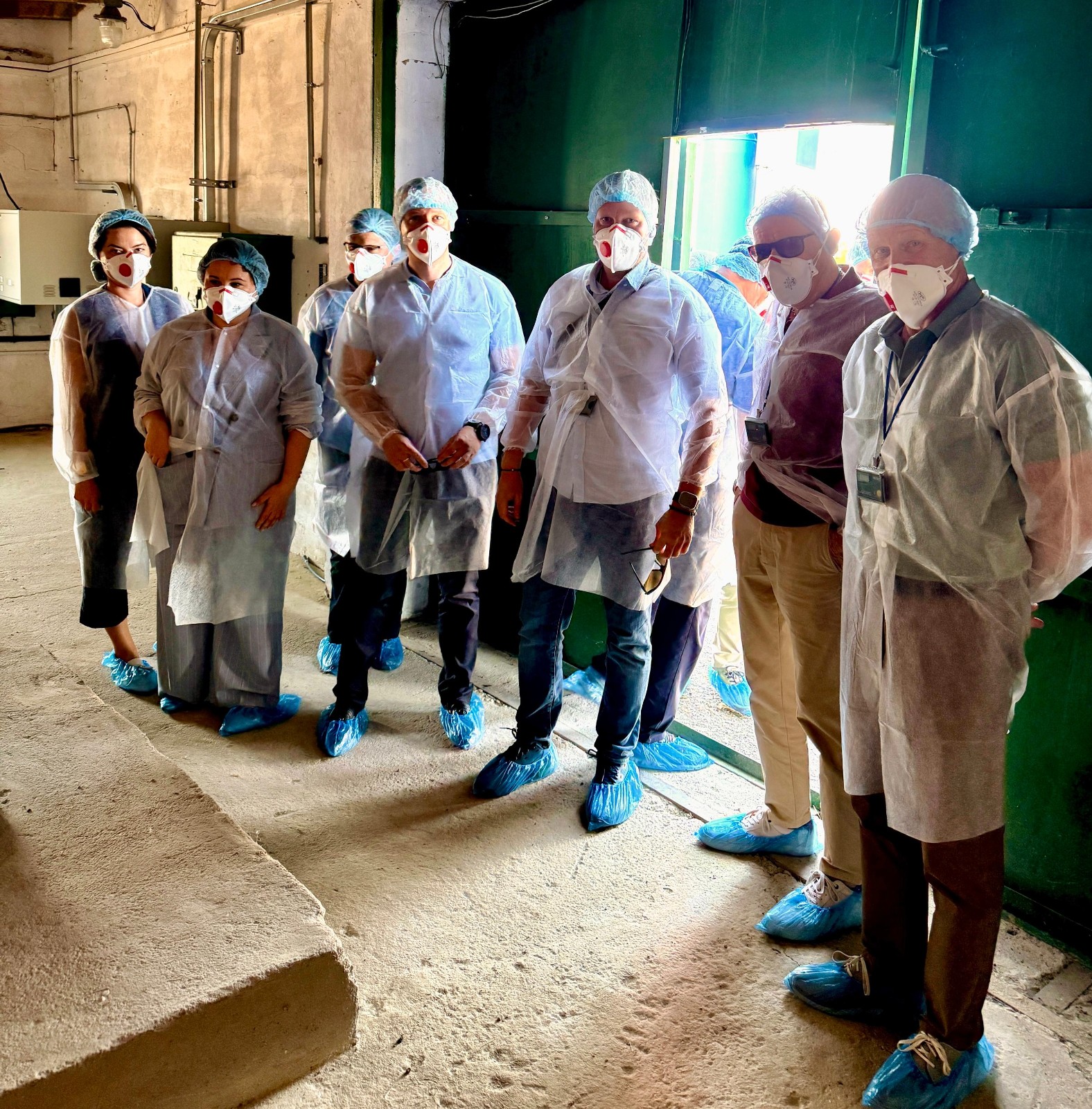
Ukraine Advances Modernization of Odesa Radioactive Waste Management System
The State Agency of Ukraine for Exclusion Zone Management (SAUEZM) recently organized a working meeting in Odesa to discuss the modernization of the radioactive waste management system and the implementation progress of related international technical assistance projects. The meeting was held at the Odesa Interregional Branch of the Ukrainian state-owned specialized enterprise "Association Radon," chaired by Oleksiy Budyk, Deputy Head of SAUEZM, with participation from the Joint Support Office (JSO), NT-Engineering LLC, and management and experts of Association Radon. The meeting covered two international technical assistance projects...
2026-08-31
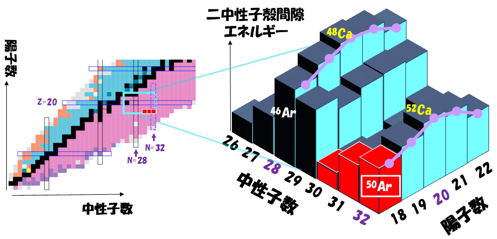
Japanese team achieves high-precision mass measurements of argon isotopes, revealing variations in the strength of the new magic number N=32
An international collaborative research team comprising RIKEN and the High Energy Accelerator Research Organization (KEK), among others, conducted high-precision mass measurements of short-lived argon isotopes far from the line of nuclear stability, using the superconducting RI beam generation and separation device BigRIPS at the RI Beam Factory (RIBF) of RIKEN Nishina Center for Accelerator-Based Science, as well as the CRISMASS system, a stationary slow radioactive isotope precision mass spectrometer jointly developed by the two institutions. The research team directly measured the mass of argon-50 (^50Ar, 18 protons, 32 neutrons) for the first time, and improved the mass measurement precision of argon-49 (^49Ar) by approximately 250-fold compared to previous measurements, providing insights into the energy of the two-neutron shell gap near the new magic number N=32. The results have been...
2026-08-31
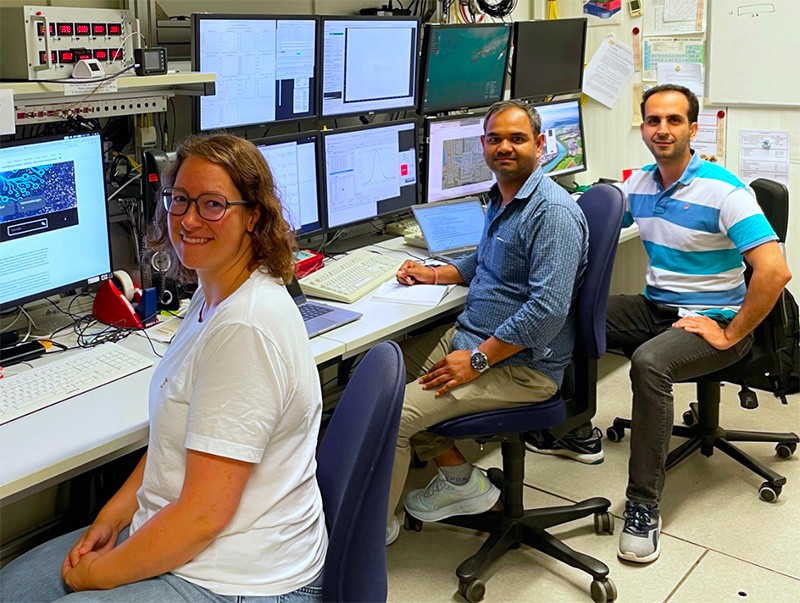
German Photon and Neutron Research Data Alliance Receives €8.3 Million in Second-Phase Funding
The German National Research Data Infrastructure consortium for photon and neutron experimental data (DAPHNE4NFDI) will enter its second funding phase, receiving initial funding of €8.3 million, with the funding period running until the end of 2028. Since 2021, the consortium has been working to improve the management of research data from photon and neutron experiments, making the data easier to find, access, and reuse over the long term. DAPHNE4NFDI is one of the disciplinary consortia under the German National Research Data Infrastructure (NFDI), with members including the German Electron Synchrotron (DESY), Kiel University (CAU), and other universities and research institutions. The funding decision is based on a recommendation from the German Research Foundation (DFG). Since January 2026...
2026-08-31
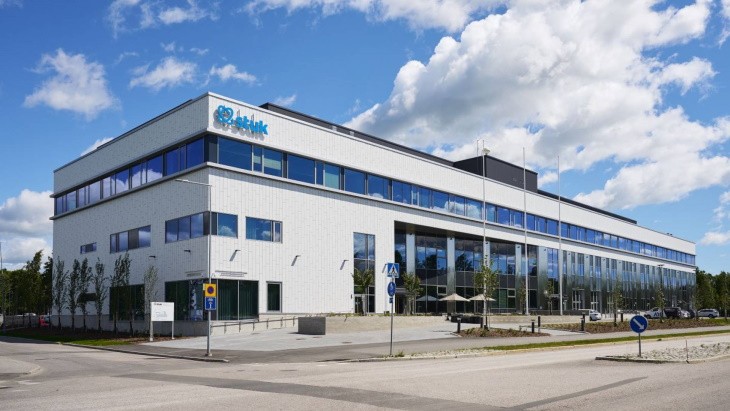
Finland's 2025 Environmental Radiation Monitoring Shows No Harmful Effects from Nuclear Power Plant Operations
The 2025 environmental radiation monitoring results released recently by the Radiation and Nuclear Safety Authority of Finland (STUK) show that radioactive substance levels in the Finnish environment generally remained low, and the operation of the Loviisa and Olkiluoto nuclear power plants has not caused harmful radiation impacts on the public or the environment. STUK continuously tracks Finland's radiation situation through its environmental radiation monitoring program. The monitoring includes continuous measurement of external radiation, as well as monitoring of radioactive substances in air, radioactive fallout, water bodies, food, and the human body, with the aim of promptly detecting changes in radiation levels and confirming the safety of the living environment. Finland's automatic external radiation monitoring network covers essentially the entire country. In 2025, 255 monitoring...
2026-08-31