
Search Results
Keyword:EDG
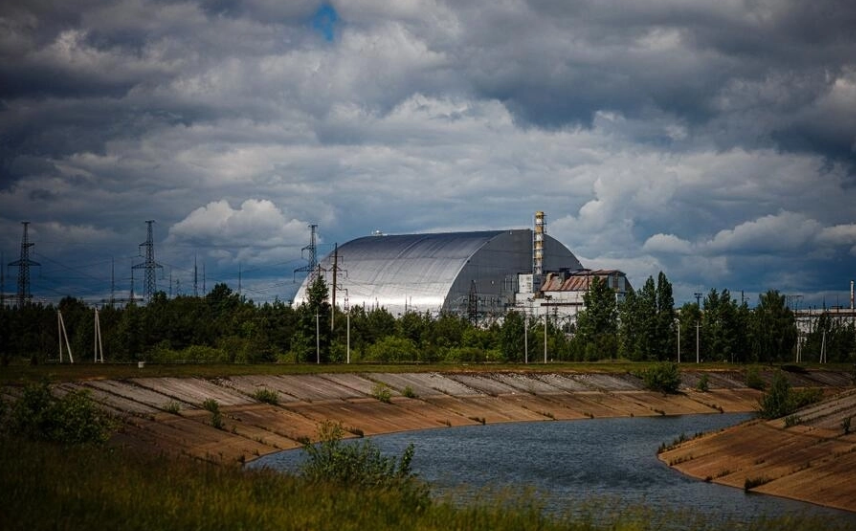
Germany pledges assistance in repairing the damaged reactor containment at the Chernobyl Nuclear Power Plant
German Environment Minister Carsten Schneider stated during his visit to Kyiv on August 18 that Germany will assist in repairing the containment structure above the damaged reactor at the Chernobyl Nuclear Power Plant. Schneider said the containment above the damaged reactor must be repaired. He also noted that this work involves high technical difficulty and complex organizational processes, requiring joint participation and coordinated efforts from the international community. According to the itinerary, Schneider plans to visit the Chernobyl Exclusion Zone during his trip to assess the current status of the relevant facilities and subsequent repair needs. The containment repair work at the Chernobyl Nuclear Power Plant involves multiple aspects including nuclear safety, radiation protection, and engineering construction, with further specific implementation arrangements still requiring additional consultation among all parties.
2026-08-19
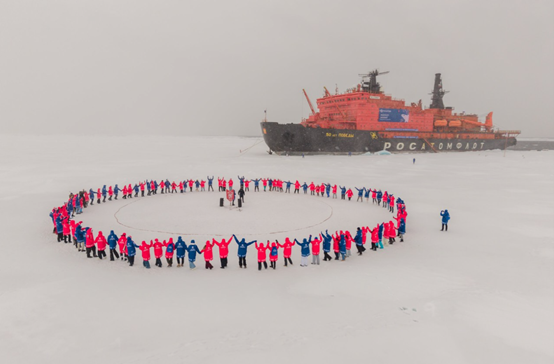
Icebreaker of Knowledge International Expedition Returned from North Pole
On August 13, the 7th international scientific and educational expedition of Rosatom, Icebreaker of Knowledge, returned to Murmansk. Over the course of ten days, 68 talented schoolchildren and college students from all federal districts of Russia and 22 countries around the world traveled aboard the nuclear icebreaker 50 Let Pobedy along the route Murmansk – North Pole – Franz Josef La...
2026-08-18

IAEA Expert Team Acknowledges Safety Progress of Philippine Research Reactor
The International Atomic Energy Agency (IAEA) conducted a follow-up Integrated Safety Assessment of Research Reactors (INSARR) mission to the Philippine Research Reactor-1 (PRR-1) Subcritical Assembly for Training, Education and Research (SATER) facility in Quezon City, approximately 10 kilometers northeast of Manila, Philippines, from August 10 to 12, 2026. The review was conducted at the request of the Philippine Nuclear Research Institute (PNRI) to examine the implementation status of safety recommendations made during the initial INSARR mission in 2023. The mission team consisted of two experts from Romania and the United States, along with one IAEA official. During the visit, they conducted an on-site inspection of the assembly facility, reviewed relevant documents, and engaged with the facility's management, operations, and technical staff...
2026-08-13
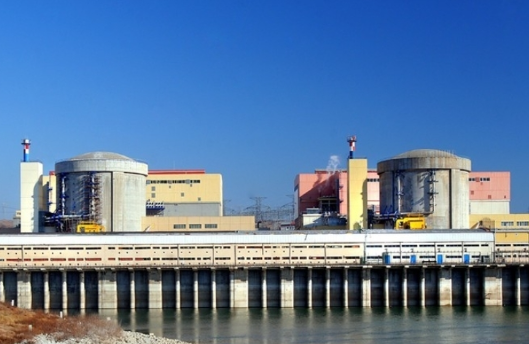
Romania Plans to Allocate 51 Million Lei for Danube Dredging to Ensure Operation of Cernavodă Nuclear Power Plant
The Romanian government will allocate 51 million lei for Danube River dredging works, an arrangement specifically highlighted as crucial to the Cernavodă Nuclear Power Plant. The Danube is not only an important shipping route for Romania but is also closely linked to the operation of energy infrastructure—river water depth, flow conditions, and water intake safety all affect the stable operation of coastal industrial and power facilities. The Cernavodă Nuclear Power Plant is a key asset in Romania's power system, and its operation requires stable water source conditions as cooling assurance. If the Danube experiences low water levels, sediment accumulation, or navigational obstructions, it could increase operational management pressure on the nuclear power plant and also affect the transport of fuel, equipment, and...
2026-08-11
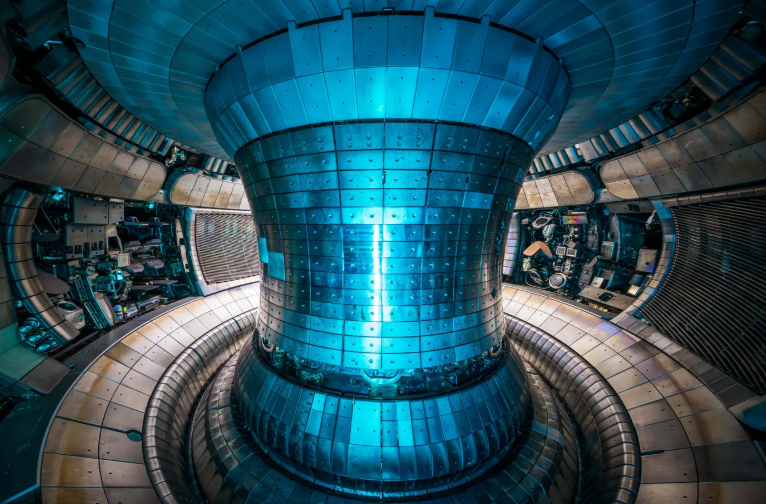
Two IPP studies reveal edge turbulence mechanisms in fusion plasmas from first principles
On August 10, 2026, two research teams at the Max Planck Institute for Plasma Physics (IPP) independently published findings that, for the first time, explain key phenomena in the extremely thin edge layer of fusion plasmas starting from fundamental physics equations. Both papers were published in Physical Review Letters, with one highlighted as an editor's suggestion. For stable operation of a fusion power plant, two requirements must be met simultaneously: on the one hand, the plasma at temperatures of around 100 million degrees Celsius must be effectively confined to achieve fusion ignition conditions; on the other hand, the generated heat must be distributed over a sufficiently large area to prevent damage to the device walls from excessive local heat loads. Whether this conflict can be resolved depends largely on a region only a few centimeters thick at the plasma edge.
2026-08-10
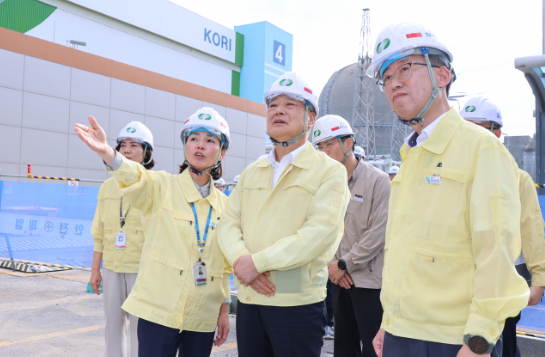
KHNP President Visits Kori Nuclear Power Plant, Pledges Stable Power Supply
Amid sustained heat waves driving up electricity demand, Kim Hoi-cheon, President of Korea Hydro & Nuclear Power (KHNP), recently conducted an on-site inspection at the Kori Nuclear Power Plant headquarters, focusing on the operational status of power generation facilities and frontline working conditions under high-temperature environments. The visit came as the South Korean government issued extreme heat warnings and strengthened its response posture, reflecting heightened attention to the stability of nuclear power as a baseload source in summer electricity supply. According to KHNP, Kim inspected work areas at the Kori plant that are vulnerable to high temperatures, reviewing employee health conditions, working environments, and the implementation of heat prevention and cooling measures. He also examined the operation of...
2026-08-10
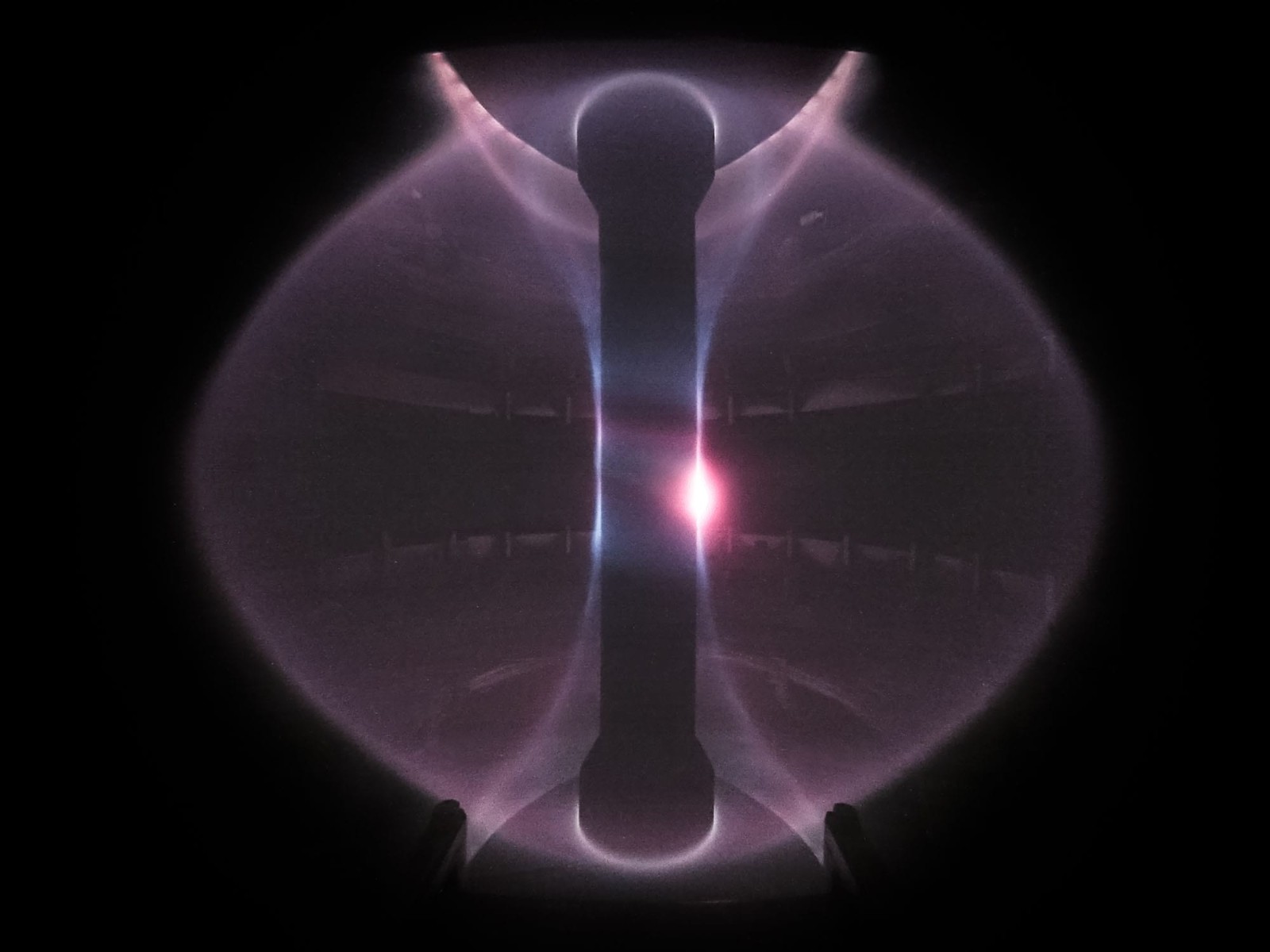
UK's MAST Upgrade sets plasma pressure record in fifth experimental campaign
The UK Atomic Energy Authority (UKAEA) has completed the fifth experimental campaign of its flagship fusion experiment, MAST Upgrade. The campaign, conducted between 2025 and 2026 at the Culham Campus in Oxfordshire, UK, produced over 1,100 plasma pulses and achieved the device's highest-ever plasma pressure while overcoming plasma instability issues. In fusion devices, hydrogen isotopes must be heated, compressed, and confined under extremely high temperatures and pressures. The higher the plasma density and temperature, the stronger the fusion reaction, and high-pressure plasmas are also closer to the operating conditions required for future commercial fusion power plants. UKAEA stated that this...
2026-08-07
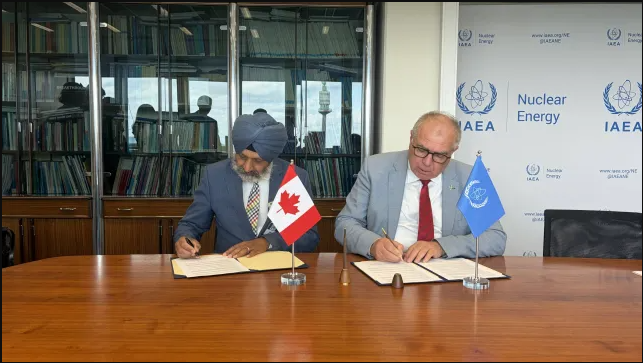
IAEA and University of Saskatchewan Sign Agreement to Strengthen Nuclear Talent Development
The International Atomic Energy Agency (IAEA) and the University of Saskatchewan recently signed a "Practical Arrangement" to enhance cooperation in nuclear knowledge management, nuclear energy education, research support, and talent development. The agreement was signed on July 24 at IAEA headquarters. Baljit Singh, Vice-President of the University of Saskatchewan, and Mikhail Chudakov, IAEA Deputy Director General and Head of the Department of Nuclear Energy, signed the "Practical Arrangement" on July 24 at IAEA headquarters. (Photo: IAEA) Under the agreement, the two parties will collaborate through training workshops, expert missions, and educational material development...
2026-07-30