
Search Results
Keyword:EU

Automatic Reactor Trip at Unit 3 of Shin-Kori Nuclear Power Plant During Commissioning
Unit 3 of the Shin-Kori nuclear power plant in Ulju, Ulsan, South Korea, is undergoing commissioning ahead of its planned commercial operation this year. The Nuclear Safety and Security Commission (NSSC) stated that it had received a report from Korea Hydro & Nuclear Power (KHNP) that the unit's reactor automatically tripped at approximately 20:56 on the 11th. Unit 3 of the Shin-Kori plant received its operating license from the NSSC in December last year and is currently in the power ascension testing phase. KHNP reported that during the commissioning test, when reactor power reached 80%, the unit experienced a loss of power transmission, and the reactor subsequently tripped automatically. The unit has been confirmed to remain in a safe shutdown condition...
2026-08-12
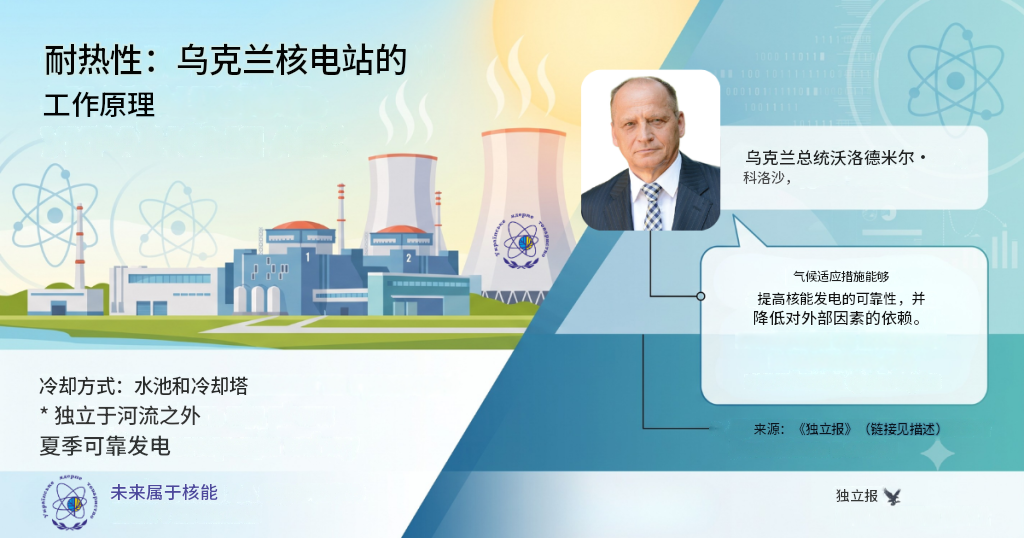
Europe's High Temperatures and Droughts Impact Nuclear Power Operations, Ukrainian Expert Says Climate Adaptation Tied to Energy Independence
Recent prolonged high temperatures, droughts, and falling river levels across Europe have put pressure on the operation of some nuclear power plants that rely on river water for cooling. Nuclear facilities in France, Hungary, Romania, and Slovenia have successively experienced power reductions or shutdowns, forcing some countries to ease supply pressure through electricity imports and adjusted consumption arrangements. Katie Huff, a professor of nuclear engineering at the University of Wisconsin-Madison, stated that the impact of climate change on nuclear power operations is mainly reflected in two aspects: first, droughts lower river levels, making it difficult for plants to obtain sufficient cooling water; second, when air and water temperatures are high, nuclear plants face stricter restrictions on discharging warm water into rivers to avoid further affecting the aquatic environment.
2026-08-11
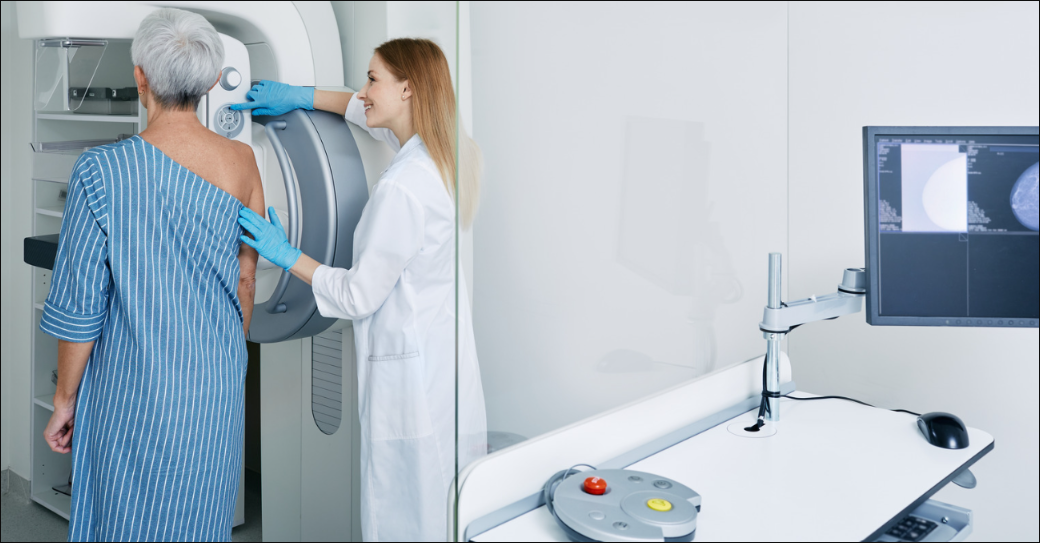
Curium Acquires Belgium's Abscint, Expanding HER2-Targeted Gallium-68 PET Oncology Radiopharmaceutical Diagnostics Pipeline
On August 10, 2026, radiopharmaceutical company Curium announced the completion of its acquisition of Abscint SA, a Belgian clinical-stage radiopharmaceutical company. The transaction grants Curium global development, manufacturing, and commercialization rights to ABS-011, further expanding its oncology PET radiopharmaceutical diagnostics portfolio. ABS-011 is an investigational gallium-68-labeled positron emission tomography (PET) radiopharmaceutical diagnostic tracer targeting human epidermal growth factor receptor 2 (HER2). HER2 is an important biological target in multiple cancers, including breast cancer and gastric cancer. Based on available information, ABS-011 is designed to enable whole-body quantitative imaging of HER2 expression, and following further clinical development and regulatory approval, has the potential to provide more comprehensive HER2 status information for patient characterization and clinical assessment.
2026-08-11
Argentine CNEA Expert Appointed Vice Chair of European Working Group on Nuclear Medicine Isotope Supply Security
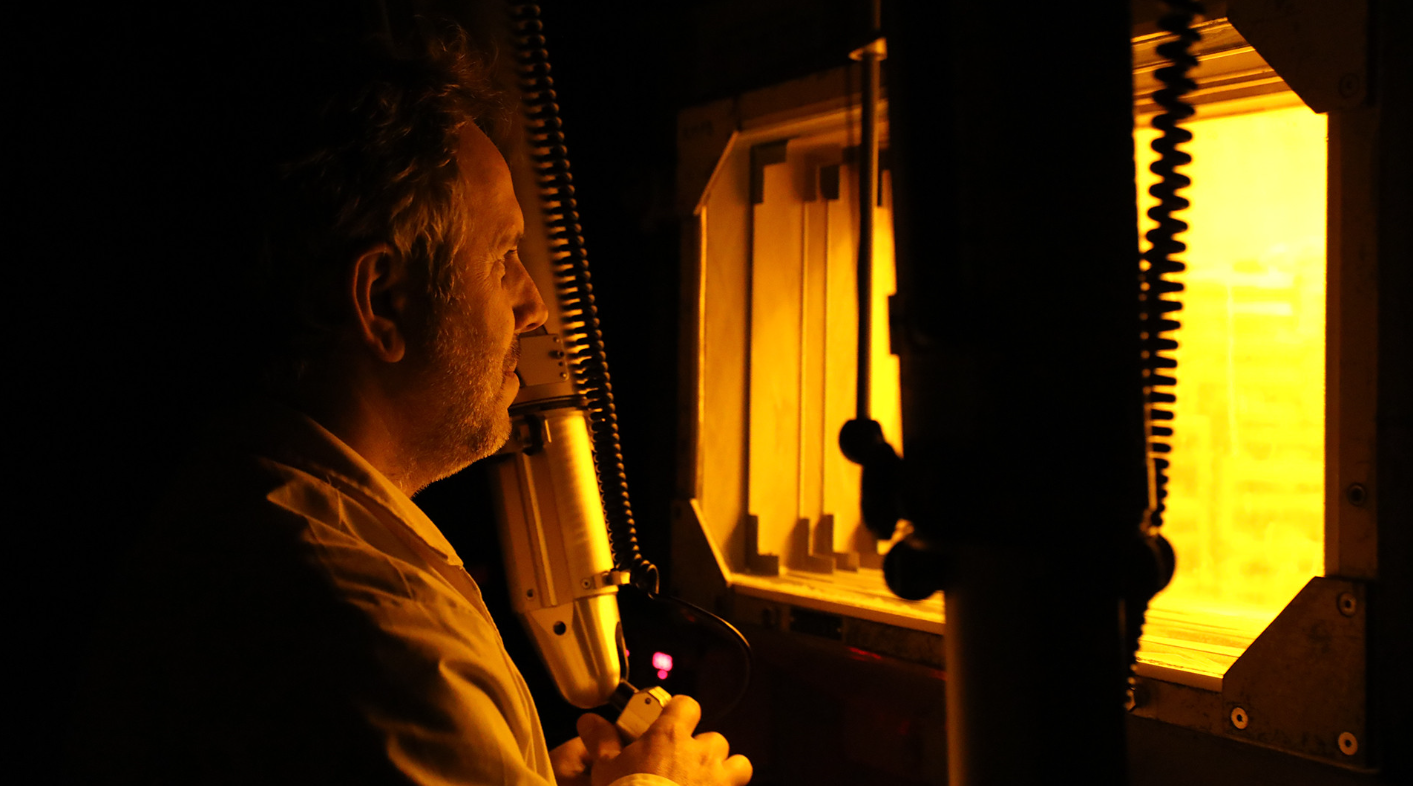
The Argentine National Atomic Energy Commission (CNEA) recently announced that Daniel Sestao, an engineer and the institution's radioisotope production manager, has been appointed Vice Chair of the Supply Security Working Group of the European Association of Nuclear Medicine. CNEA, which operates under the Nuclear Affairs Secretariat of Argentina's Ministry of Economy, views this appointment as recognition of its technical capabilities in nuclear medicine and its role in international collaboration. The Supply Security Working Group is composed of international experts and focuses on the continuity and sustainability of the medical radioisotope supply chain, covering strategic isotopes such as molybdenum-99, technetium-99m, and lutetium-177. These radioisotopes are widely used in the diagnosis and treatment of tumors and complex diseases, forming a critical component of the nuclear medicine system...
2026-08-11
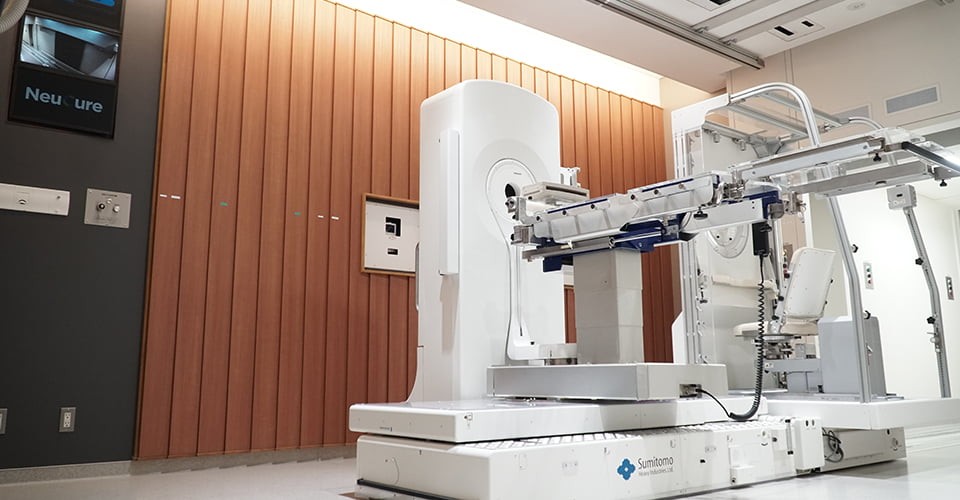
Fujita Health University in Japan Advances Research on Expanding BNCT Indications for Deep-Seated Cancers, to Conduct 18F-FBPA PET Exploratory Evaluation
On August 10, Stella Pharma Corporation of Japan announced that it is collaborating with Fujita Health University and other institutions to advance research and development aimed at expanding Boron Neutron Capture Therapy (BNCT) to deep-seated cancers. As part of this project, Stella Pharma will participate in an exploratory study on 18F-FBPA uptake capacity in deep-seated cancers conducted by Fujita Health University. The study will use 18F-FBPA PET to evaluate the tumor accumulation of boron drugs used in BNCT in deep-seated cancers, and based on the findings, explore the possibility of expanding BNCT indications in the future. The study plans to collect data from 50 cases, including pancreatic cancer, hepatocellular carcinoma, and biliary tract cancer, to accumulate foundational evidence needed for the development of BNCT for deep-seated cancers. BNC...
2026-08-11
Linn County, Iowa, rejects rezoning application for data center site near nuclear power plant
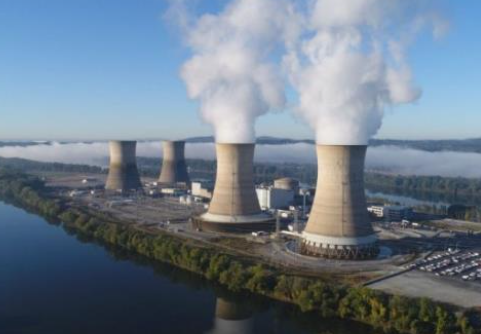
The Linn County Board of Supervisors in Iowa said Monday it will not proceed with amendments to the EU-2 zoning district. This decision means that large data centers will not be permitted to be built near nuclear facilities through this zoning rule for the time being. The current EU-2 zoning primarily allows for nuclear power generation facilities, nuclear waste storage facilities, and natural gas power generation facilities, and does not list large data centers as permitted uses. The zoning adjustment drew attention due to the potential restart of the Duane Arnold Energy Center near Palo. If the nuclear facility were to resume operations, it could provide a stable power source for energy-intensive data centers, prompting interest from data center companies in surrounding...
2026-08-11

International Team Measures Niobium-94 Neutron Reactions, Explaining Anomalous Molybdenum-94 Abundance in the Solar System
An international team of physicists has, for the first time, conducted a comprehensive study of the interactions between neutrons and the niobium-94 isotope. The findings have been published in Physical Review Letters. The study suggests that the elevated abundance of molybdenum-94 in the primordial material of the solar system can be explained by a series of neutron-involving nuclear reaction processes inside old stars, without requiring the introduction of previously unknown special formation mechanisms. The research was led by Alberto Mengoni, a researcher at the Italian National Institute for Nuclear Physics. The team conducted experiments using the n_TOF facility at CERN, focusing on tracking the interactions between neutrons and niobium-94 atoms. The n_TOF facility is used to...
2026-08-11

Jiangmen Neutrino Experiment Targets Mass Ordering Challenge; Wang Yifang Says Expected to Be Resolved Within 3 to 5 Years
On August 9, the 2026 International Congress of Basic Science opened in Beijing. Wang Yifang, academician of the Chinese Academy of Sciences and researcher at the Institute of High Energy Physics, Chinese Academy of Sciences, was awarded the Samuel C.C. Ting Physics Medal in recognition of his significant contributions to neutrino oscillation research, precise measurement of the mixing angle θ13, and the construction of the Jiangmen Underground Neutrino Observatory (JUNO). According to reports, the Basic Science Medal is established for scientists worldwide who have achieved groundbreaking results in basic sciences, covering three fields: mathematics, physics, and engineering. Wang Yifang's award-winning achievements include being the first to discover a new neutrino oscillation mode, first to precisely measure the mixing angle θ13, and leading the completion of the Jiangmen Neutrino Experiment...
2026-08-10

Grand Pharma's FAP-targeted diagnostic radiopharmaceutical GPN01530-2 receives FDA Fast Track designation
On August 9, 2026, Grand Pharmaceutical issued a voluntary announcement stating that its self-developed global innovative radionuclide drug conjugate GPN01530-2 has recently been granted Fast Track designation by the U.S. Food and Drug Administration (FDA) for the diagnosis of solid tumors. Previously, the product had already been approved by the FDA to conduct Phase I/II clinical studies for the diagnosis of solid tumors. GPN01530-2 is a small-molecule radionuclide drug conjugate (RDC) targeting fibroblast activation protein (FAP). Data shows that FAP is not expressed or is lowly expressed in normal tissues, but is highly expressed in tumor-associated fibroblasts within the tumor microenvironment of various cancers, and is considered a novel specific target in the field of tumor diagnosis and treatment...
2026-08-10

South Korea to Resume Actinium-225 Production Next Year to Ease Shortage of Raw Materials for Anti-Cancer Radiopharmaceuticals
South Korea's domestic production project for actinium-225 (Ac-225), a radioisotope used in next-generation cancer treatment, is expected to resume next year after being stalled for more than a year. Funding was secured in the first half of this year, and the Korea Institute of Radiological & Medical Sciences (KIRAMS) plans to complete facility construction and trial production before launching full-scale production in the second half of next year, aiming to alleviate the raw material shortage facing domestic clinical research and radiopharmaceutical development. KIRAMS is affiliated with the Ministry of Science and ICT. The institute received approval from the Nuclear Safety and Security Commission in May last year to produce Ac-225 using a cyclotron. The project first entered the review process in 2018 and took seven years to gain approval, with initial production originally planned by the end of last year. However, work on upgrading production facilities and procuring equipment was suspended after approximately 2 billion KRW in budget was not approved during parliamentary review.
2026-08-10
Ukraine's Radon Association Receives EU-Assisted Equipment to Enhance Operational Reliability of IASRM Radiation Monitoring System
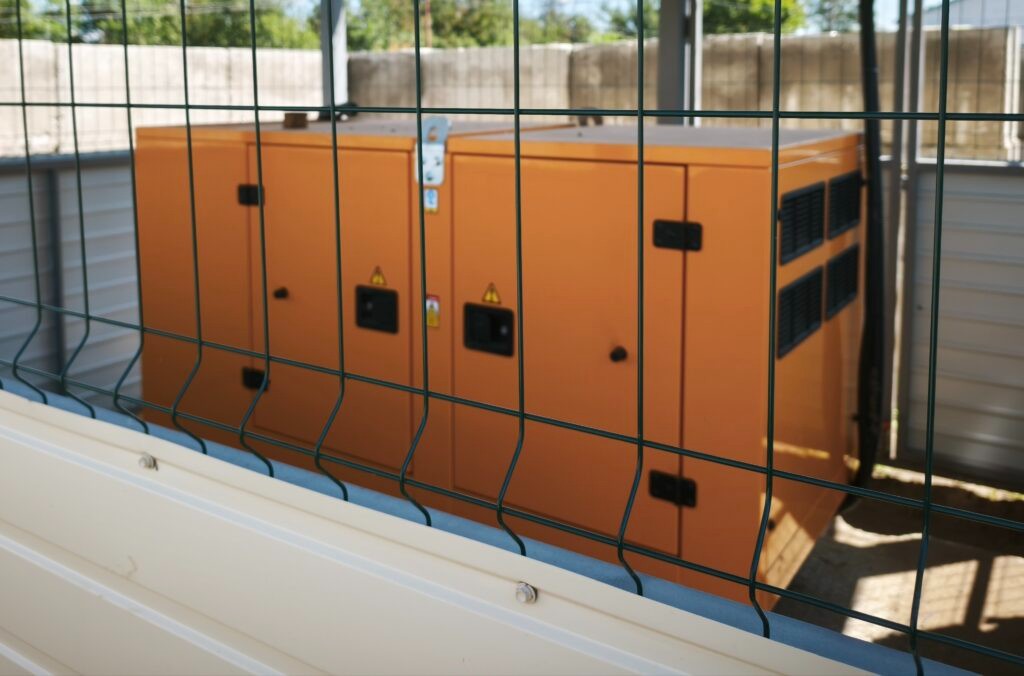
On August 4, 2026, the Ukrainian state non-profit company Radon Association received five modern support systems to enhance the uninterrupted operation capability of the Integrated Automated Radiation Monitoring System (IASRM). The project is financially supported by the European Union through the Science and Technology Center in Ukraine, pursuant to Agreement No. INSC/2023/442-610 signed on May 22, 2023. Under the contractual arrangements, the relevant equipment has been delivered to the regional branches of the Radon Association and the central production base branch, with installation completed at the designated facilities. The systems installed this time mainly include backup power supply equipment such as diesel generators, which can provide continuous power to IASRM equipment during main power interruptions or shutdowns, thereby ensuring the normal operation of the radiation monitoring system under abnormal power supply conditions.
2026-08-10
DNT "Radon Association" Receives EU Technical Assistance Equipment to Strengthen Radiation Dose Monitoring Capabilities
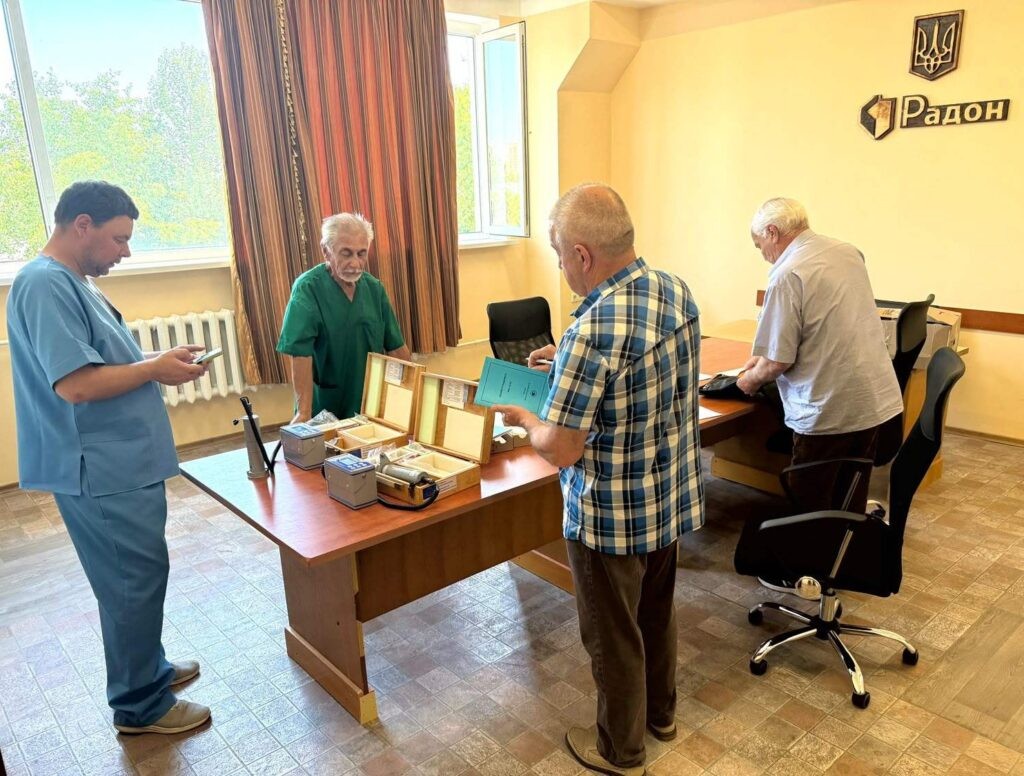
On August 4, 2026, under the framework of the EU International Technical Assistance Project, the DNT Radon Association received a batch of modern measurement equipment for radiation dose monitoring, aimed at enhancing radiation monitoring and dose control capabilities. The project is financially supported by the EU through the Science and Technology Center in Ukraine, pursuant to Donor Agreement No. 700001998 signed on June 24, 2024. In accordance with the contractual arrangements, the relevant measurement equipment has been delivered to the Association's interregional branches and central production base branches. Following delivery, the DNT Radon Association conducted acceptance testing of the supplied measurement equipment. The test results demonstrated that the equipment meets the requirements for its intended use. Concurrently, the Association also organized relevant personnel to undergo training in equipment operation and maintenance; upon completion of the training and knowledge assessment, the relevant experts were awarded certificates of completion.
2026-08-10
CMS completes high-pileup collision test, validating particle reconstruction algorithms for High-Luminosity LHC operation
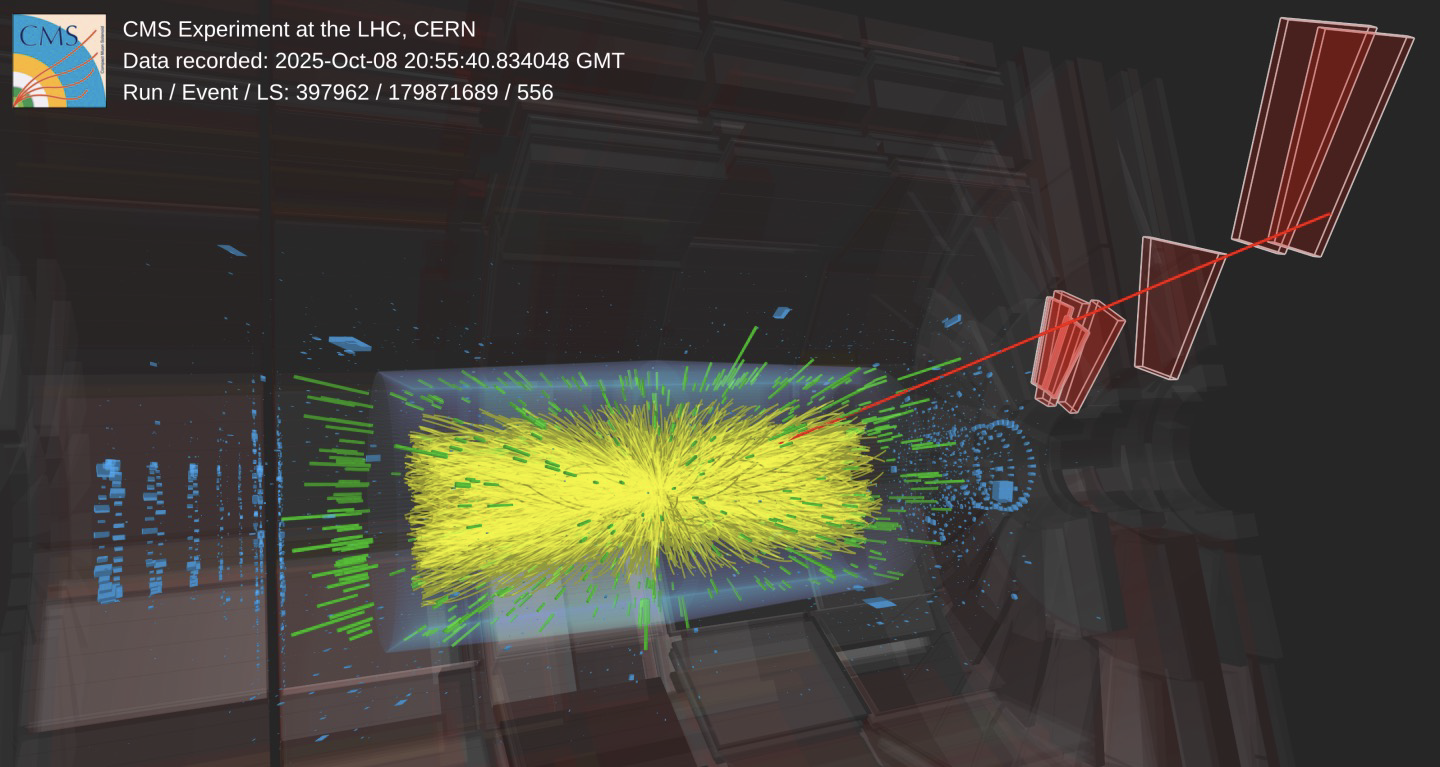
In 2025, the Large Hadron Collider (LHC) conducted a dedicated test over several days to simulate high-intensity collision conditions closer to those expected during future operation of the High-Luminosity Large Hadron Collider (HL-LHC). The Compact Muon Solenoid (CMS) experiment team used this opportunity to test whether existing particle tracking, identification, and reconstruction software, along with a new class of machine learning methods, can adapt to the more complex collision conditions of the HL-LHC era. During LHC operation, each crossing of proton beams produces multiple proton–proton collisions simultaneously, a phenomenon known as pileup. The current Run 3 features approximately 65 simultaneous interactions, while the HL-LHC is expected to reach 140 to 200. To...
2026-08-10

UAB startup LifeNuclear launches TheraGuide, a radiation safety guidance platform for radiopharmaceutical therapy
On August 7, LifeNuclear, a medical technology startup incubated by the University of Alabama at Birmingham (UAB), announced the launch of TheraGuide, a digital platform designed to help patients undergoing radiopharmaceutical cancer treatment understand and follow radiation safety guidance after discharge. Radiopharmaceutical therapy uses radioactive drugs to target cancer cells while minimizing damage to surrounding healthy tissue. As the therapy's applications expand, patients are typically required to read and follow complex written instructions after treatment, which can be difficult for some patients and caregivers to understand and execute. Dr. Remo George LifeNuclear was founded by UAB...
2026-08-08
Italian Neutrino Telescope Undersea Network Captures Fin Whale Songs
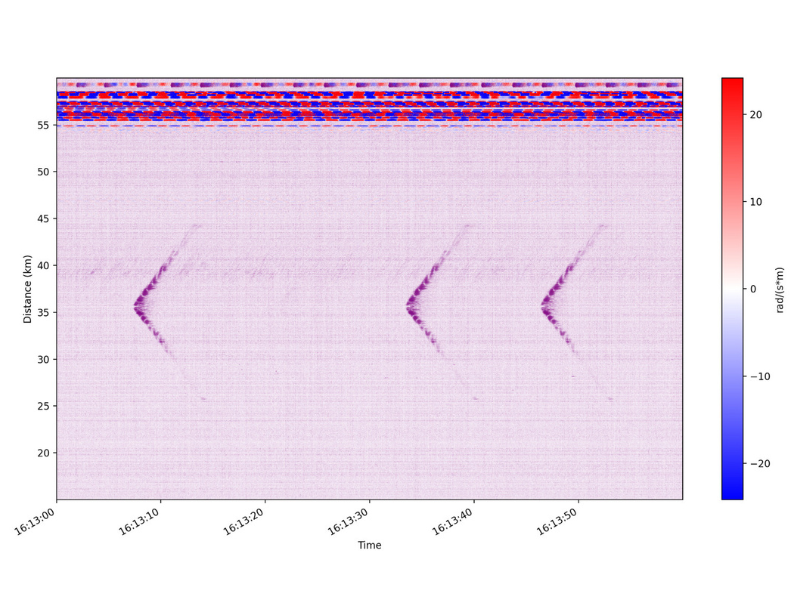
August 5 news, after months of silence, fin whale songs have once again been recorded in the southern Ionian Sea. This observation was jointly completed by multiple experiments connected to the underwater infrastructure of the Southern National Laboratory of the Italian National Institute for Nuclear Physics (LNS-INFN), involving three projects: ITINERIS, LOWNOISER, and VONGOLA. The related work was carried out with the participation of LNS-INFN and the Sicilian Center for Nuclear Physics and Structure of Matter (CSFNSM). The detection occurred in late winter. At that time, the eastern Mediterranean region was affected by strong anthropogenic noise from a long-term geophysical survey of offshore oil and gas resources, and only weeks had passed since the transit of Hurricane Harry. Researchers identified fin whale signals amid the complex acoustic background...
2026-08-09