
Search Results
Keyword:EU
228 Research Reactors Worldwide in Operation, Supporting Medical Isotope Production and Neutron Science Innovation
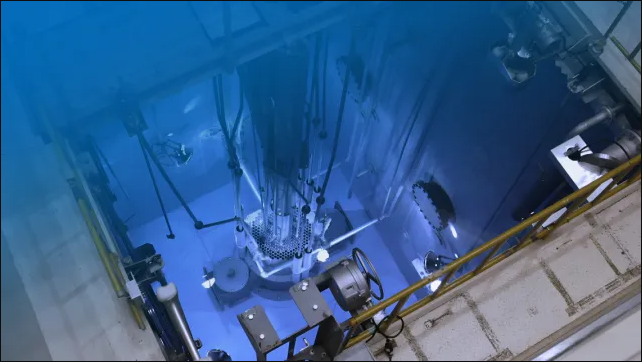
According to the International Atomic Energy Agency on August 7, research reactors continue to drive innovation in science, medicine, and industry worldwide. Currently, 228 research reactors are in operation across 54 countries, with another 23 under construction or in the planning stage. Unlike nuclear reactors used for power generation, these reactors primarily produce neutrons to support medical, industrial, agricultural, geological, forensic, and nuclear science research. A research reactor pool photographed from above. (Photo: IAEA) In the medical field, research reactors are a vital source of medical radioisotopes. Among them, technetium-99m is widely used for diagnosing cancer and diseases of the heart, brain, and bones; a large number of medical diagnostic and therapeutic procedures worldwide rely on this isotope. Other radioisotopes such as iodine-131 are also used in the treatment of cancer and thyroid diseases. The IAEA states that radioisotopes produced by research reactors serve millions of patients globally and are an essential component of modern nuclear medicine systems.
2026-08-09
China's First Homegrown Radiopharmaceutical Receives Dual FDA Breakthrough Therapy and Fast Track Designations
On August 6, Nuoyu Medical announced that the U.S. Food and Drug Administration (FDA) has officially granted Breakthrough Therapy Designation (BTD) and Fast Track Designation (FTD) to the company's independently developed 68Ga-NYM096. This marks the first product in China's original radiopharmaceutical field to receive FDA Breakthrough Therapy Designation, and the first to receive both FDA Breakthrough Therapy and Fast Track designations simultaneously, creating a milestone breakthrough in the radiopharmaceutical field. 68Ga-NYM096 is a small-molecule diagnostic radiopharmaceutical for renal cancer that specifically binds to CAIX, suitable for positron emission tomography (PET) imaging of suspected or confirmed metastatic clear cell renal cell carcinoma (c...
2026-08-08
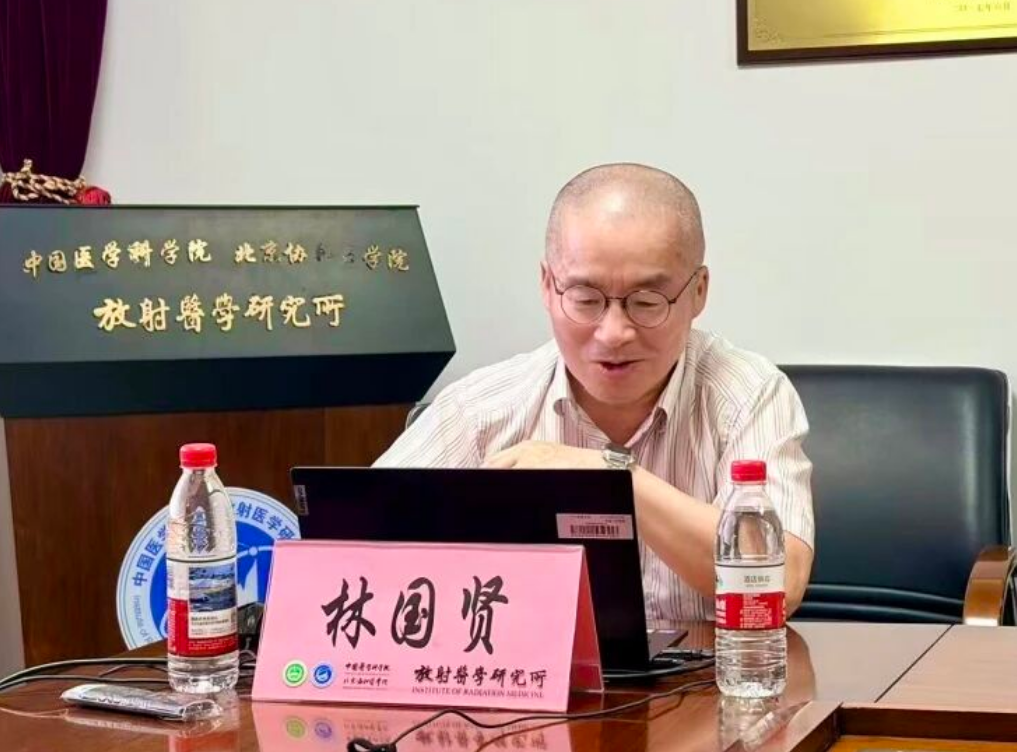
Professor Lin Guoxian from the BC Cancer Agency Delivers Academic Exchange at the Institute of Radiation Medicine, Chinese Academy of Medical Sciences
Lin Guoxian: Professor at the BC Cancer Agency, whose research focuses on the development of targeted radiopharmaceuticals for the diagnosis and treatment of various tumors. To date, he has led/participated in the publication of over 135 peer-reviewed journal articles, filed more than 30 patent applications related to radiopharmaceuticals, and completed the clinical translation of 7 self-developed radiopharmaceuticals for the diagnosis and treatment of multiple tumor types. During the seminar, Professor Lin Guoxian, based on his team's years of frontier exploration, systematically reviewed the research progress of nuclear drugs targeting PSMA for prostate cancer: first, the molecular design and clinical advantages of F-18 labeled PSMA-targeted PET imaging agents; second, the substantial improvement of tumor targeting of Lu-177 labeled therapeutic radiopharmaceuticals through rational optimization of molecular structures,...
2026-08-07
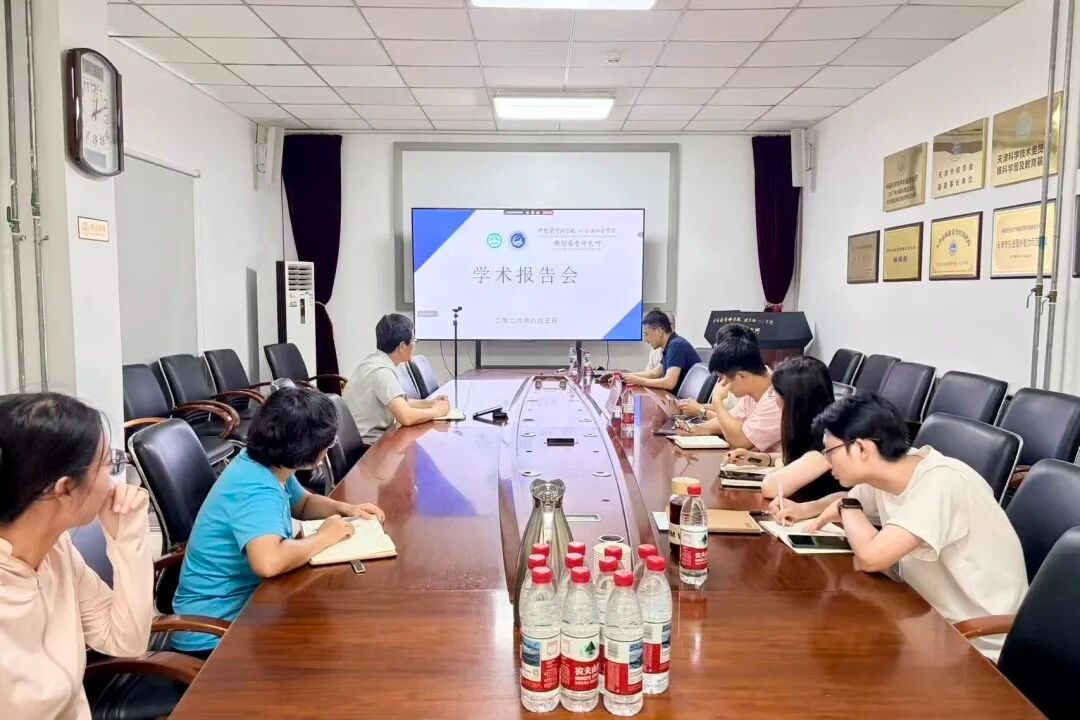
Institute of Radiation Medicine, Chinese Academy of Medical Sciences Hosts Academic Seminar on PSMA-Targeted Radiopharmaceuticals
On August 3, the Institute of Radiation Medicine, Chinese Academy of Medical Sciences held an academic seminar, inviting Professor Lin Guoxian from the BC Cancer Agency in Vancouver, Canada, to deliver a lecture titled "Development of Prostate-Specific Membrane Antigen-Targeted Radiopharmaceuticals for the Diagnosis and Treatment of Prostate Cancer." The seminar was held in a hybrid format, with some researchers and graduate students from the institute attending in person. Professor Lin Guoxian has long been engaged in the development of targeted radiopharmaceuticals for cancer diagnosis and therapy, having led or contributed to the publication of over 135 peer-reviewed journal articles, filed more than 30 patent applications related to radiopharmaceuticals, and completed clinical translation of 7 self-developed radiopharmaceuticals applied in...
2026-08-07

DUNE Integrates Artificial Intelligence into Neutrino Experiment to Enhance Particle Detection and Data Processing Capabilities
The team at the U.S. Fermi National Accelerator Laboratory is advancing the Deep Underground Neutrino Experiment (DUNE) by integrating artificial intelligence and machine learning tools into experiment design, detector operations, and data analysis workflows, aiming to improve neutrino interaction identification, event classification, and detector management capabilities. Located at the Long-Baseline Neutrino Facility, DUNE has begun installing structural components for its large neutrino detector modules. The experiment consists of a near detector and a far detector: the near detector is situated at Fermilab, while the far detector is located approximately one mile underground at the Sanford Underground Research Facility in South Dakota. Both detectors will employ liquid argon time projection chamber technology to record neutrino...
2026-08-07
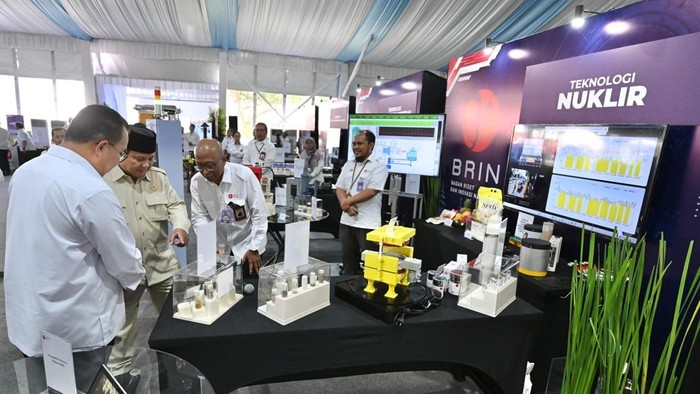
Indonesia's BRIN Showcases Nuclear Technology Research Progress, Covering Radiopharmaceuticals and Food Irradiation Applications
The National Research and Innovation Agency (BRIN) of Indonesia recently showcased its nuclear technology research achievements at the Presidential Palace in Jakarta. BRIN Head Arief Satria stated that the relevant technologies fall within the scope of peaceful uses of nuclear energy, with applications extending beyond energy to also cover food and health sectors. In the health sector, BRIN is developing radiopharmaceuticals for nuclear medicine. These drugs contain radioactive substances and can be used for cancer diagnosis and treatment. Arief stated that radiopharmaceutical research and development is of great significance for cancer detection and therapy. In the food sector, BRIN applies nuclear technology to food preservation, with a focus on irradiation treatment of export fruits. Arief explained that some importing countries re...
2026-08-07

X-Energy and Centrus Sign HALEU Supply Agreement, Accelerating U.S. Advanced Nuclear Fuel Supply Chain
X-Energy and Centrus Energy have signed a low-enriched uranium and high-assay low-enriched uranium supply agreement, marking a more concrete commercialization phase in fuel assurance for U.S. advanced nuclear reactors. Under the agreement, Centrus will provide uranium enrichment services at its American Centrifuge Plant in Pike County, Ohio, with the HALEU to be supplied to X-Energy's fuel subsidiary TRISO-X for the production of TRISO-coated particle fuel at its Oak Ridge, Tennessee fuel fabrication facility, serving the Xe-100 high-temperature gas-cooled small modular reactor. The significance of this agreement lies not only in the supply itself but also in its phased advance payment arrangement. X-Energy will support Centrus through advance payments...
2026-08-07
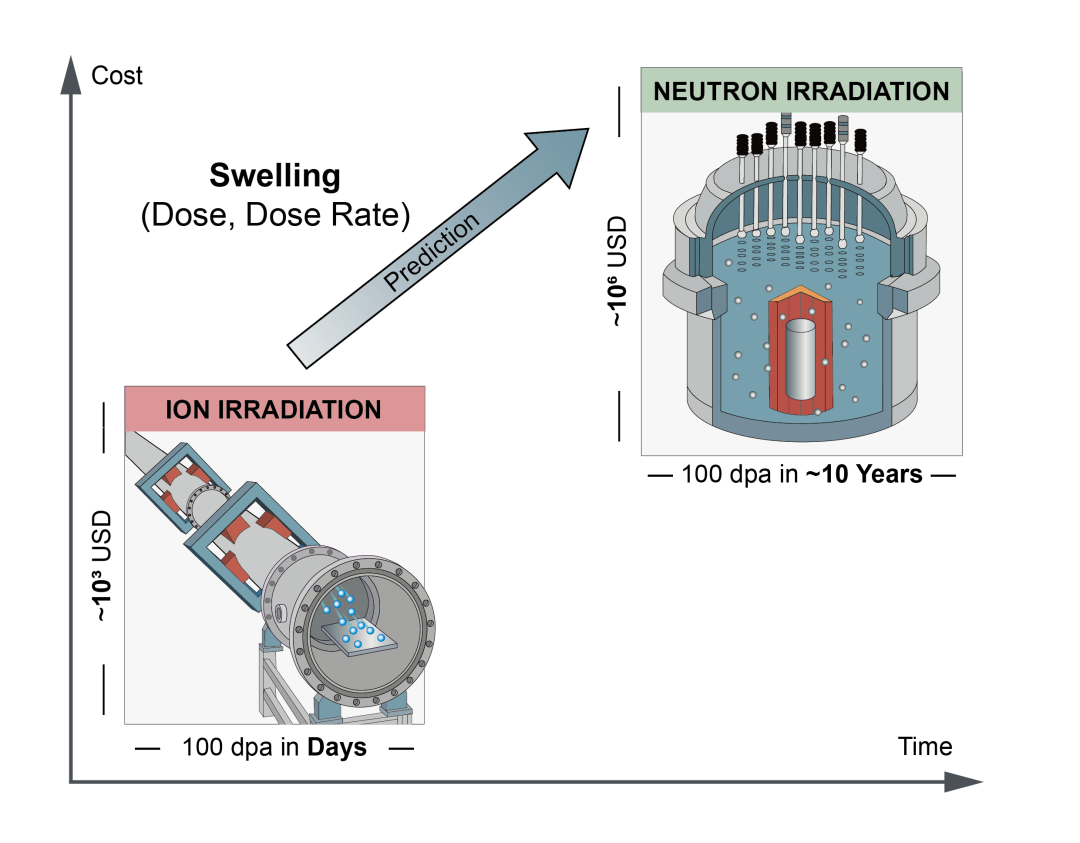
Basic research cracks an application challenge that has persisted for nearly half a century: quantitative prediction of neutron irradiation swelling via ion irradiation
Whether advanced nuclear energy systems can operate safely over the long term depends on the ability of structural materials to resist neutron irradiation damage. Neutrons create numerous atomic-scale defects in materials, which gradually aggregate into nanoscale cavities, ultimately causing material swelling, dimensional instability, and performance degradation. However, obtaining high-dose neutron irradiation data often requires years or even more than a decade, with high costs and post-irradiation sample radioactivity; in contrast, ion irradiation can simulate years of accumulated damage within days and is therefore widely adopted (approximately 95% of irradiation experimental data in existing literature come from ion irradiation). But the dose rate of ion irradiation is typically 3—4 orders of magnitude higher than that of neutron irradiation, making direct conversion between the two results difficult. Recently, the research team of Wang Chenxu and Wang Yugang from the Institute of Heavy Ion Physics, School of Physics, and the State Key Laboratory of Nuclear Physics and Nuclear Technology at Peking University, in collaboration with researchers from the University of Tennessee and other institutions, established a quantitative relationship between material swelling and irradiation dose and dose rate at fixed temperatures based on cluster dynamics simulations, theoretical derivations, and ion irradiation experiments, achieving prediction of neutron irradiation swelling using rapid ion irradiation and providing a new tool for rapid screening and lifetime evaluation of nuclear materials.
2026-08-07
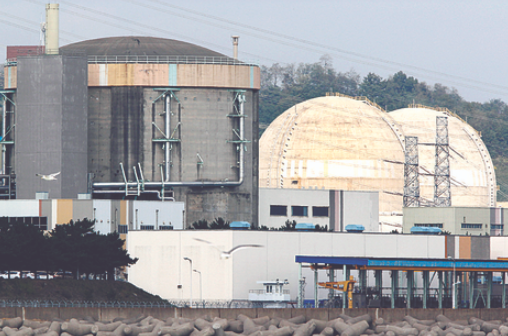
South Korea Advances First Domestic Commercial Production of Lu-177 Using Wolsong Heavy Water Reactors
Korea Hydro & Nuclear Power (KHNP) plans to use the heavy water reactors at the Wolsong Nuclear Power Plant to produce, for the first time domestically, the radioisotope lutetium-177 (Lu-177) for cancer treatment. Currently, South Korea relies entirely on imports for this material, which imposes cost pressures and supply instability on local radiopharmaceutical companies such as Cellbion and FutureChem. Industry experts generally believe that domestic production will help build a diversified supply chain and shorten transportation times. The primary goal of this plan is to achieve commercial production of Lu-177, with pilot production expected in 2028 and full-scale production commencing in 2031. Subsequently, KHNP will expand production to include cobalt...
2026-08-06

Japanese PET Study Suggests Late-Onset Psychosis May Be Linked to Neurodegenerative Pathology
A nuclear medicine imaging study conducted by a Japanese research team has shown that many adults who experience psychotic symptoms such as hallucinations and delusions for the first time after age 40 have abnormal protein deposits in the brain associated with Alzheimer's disease and other neurodegenerative disorders. The study included 37 patients with late-onset psychosis and 47 age-matched healthy controls. The researchers used the amyloid PET tracer ^11C-PiB and the tau protein PET tracer ^18F-florzolotau to assess the accumulation of β-amyloid and tau proteins in the participants' brains. The results showed that among patients with late-onset psychosis, β-amyloid positivity...
2026-08-06

First American Nuclear Company (FANCO) Receives DOE Funding to Accelerate Advanced Nuclear Reactor Development
First American Nuclear Company (FANCO) has received two Rapid Turnaround Experiment (RTE) awards from the U.S. Department of Energy's Office of Nuclear Energy, enabling the company to leverage specialized national laboratory research capabilities to support the development of its EAGL-1 small modular reactor. These awards were granted during the FY2026 RTE selection cycle, which evaluates proposals based on technical superiority, feasibility, and relevance to DOE's nuclear energy programs. The program provides researchers with free access to radiation testing, post-irradiation examination facilities, and technical expertise. FANCO-approved research projects include a study on the effects of extrusion temperature on FeCrAl-ODS alloys in liquid metal fast...
2026-08-06

Nuclea to Explore Building Nuclear Test Reactor in Utah to Advance Morpheus Microreactor Deployment
On August 5, Mangoceuticals announced that Nuclea Energy USA Inc., a wholly owned subsidiary of its merger partner, has signed a memorandum of understanding with the Utah Office of Energy Development to explore siting a nuclear test reactor at the Utah St. Rafael Energy Laboratory to advance the deployment of the Morpheus microreactor. Under the MOU, Nuclea USA and the Utah Office of Energy Development will collaborate on test reactor siting and support related communications and coordination with the U.S. Department of Energy and the U.S. Nuclear Regulatory Commission. The parties will also evaluate pathways for future deployment of Nuclea's technology in Utah. The collaboration is seen as a step in Nuclea's micro modular react...
2026-08-06
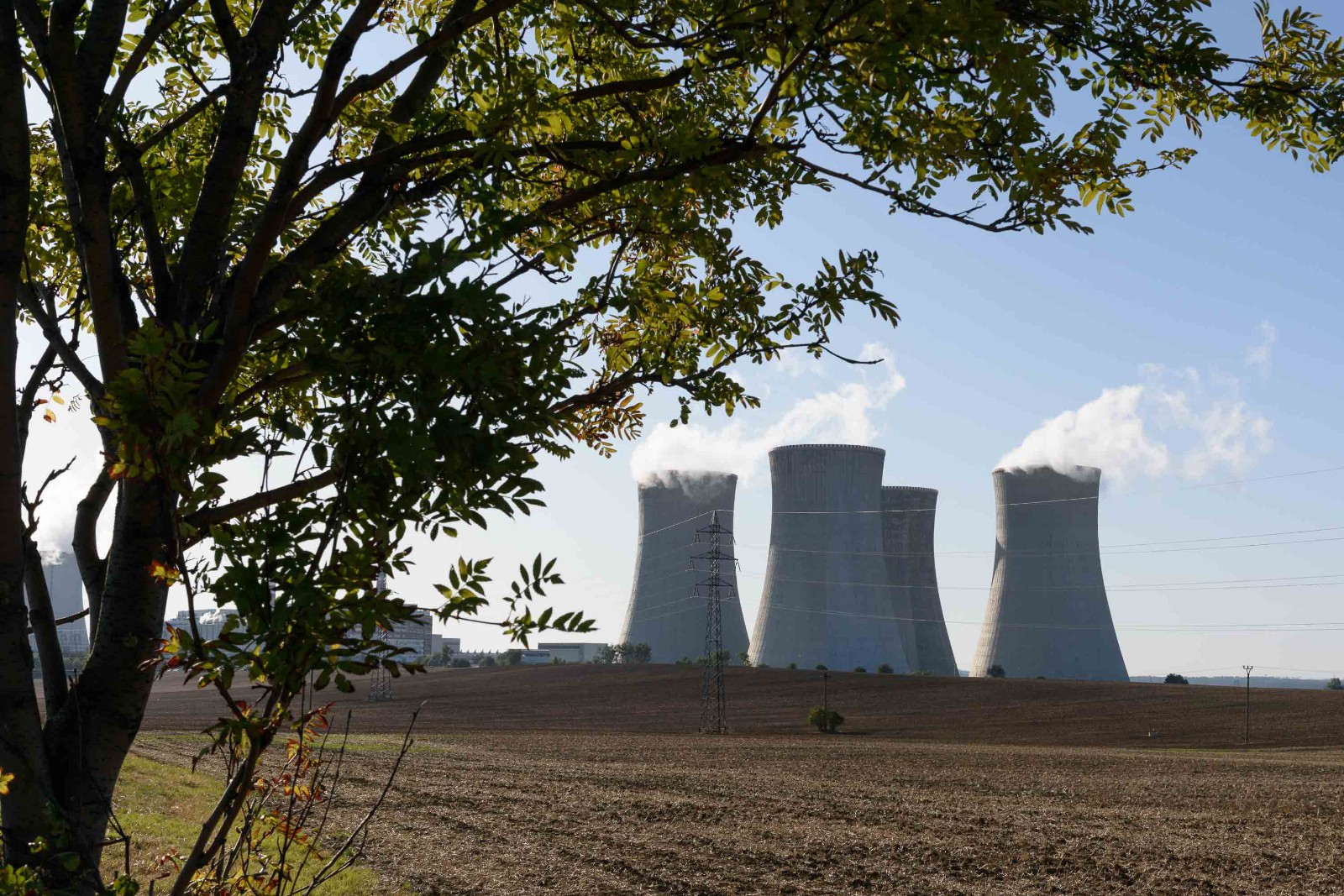
Czech nuclear safety officials say domestic nuclear power plants have sufficient cooling water for both existing and new units
Droughts across parts of Europe are affecting the operation of some nuclear power plants. Due to low water levels and flow rates in the Danube River, two reactors at Romania's Cernavodă Nuclear Power Plant have been shut down, and Hungary's Paks Nuclear Power Plant also faces the risk of a complete shutdown. Štěpán Kochánek, Chairman of the Czech State Office for Nuclear Safety (SÚJB), stated that plant operators should not be allowed to continue operating units at full power when cooling water is insufficient, and that related shutdown measures are conservative actions predefined in operating procedures. Kochánek explained that reactor shutdowns are not an unusually rare operation. Unit shutdown typically involves gradually reducing reactor power, inserting control rods, and bringing fission reactions to a minimal level or complete cessation. After shutdown, the reactor still requires cooling, but the demand for cooling water volume and capacity is significantly lower than during full-power operation. He noted that this process shares similarities with planned outages such as refueling overhauls and is a standardized procedure that operators should master.
2026-08-05
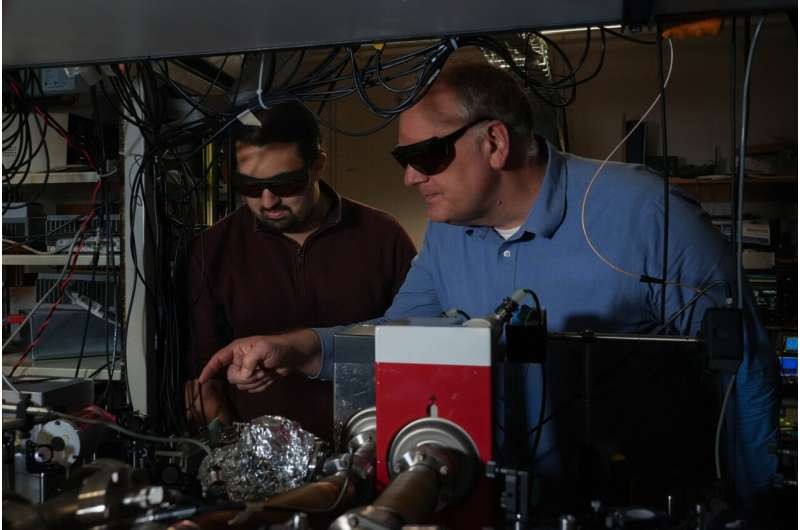
Colorado State University produces first ultracold neutral plasma with electron temperature below 1 kelvin
Researchers at Colorado State University have, for the first time, produced an ultracold neutral plasma by combining laser cooling techniques with strong magnetic fields. Measurements show that the electron temperature in this plasma is less than 1 kelvin above absolute zero, making it one of the lowest electron temperatures ever measured in a plasma. The research was published in Physics of Plasmas. The new method proposed in the paper helps test plasma theories under more controllable experimental conditions and improve computational models of plasma behavior in extreme environments. The researchers believe this achievement could contribute to future fusion energy...
2026-08-05
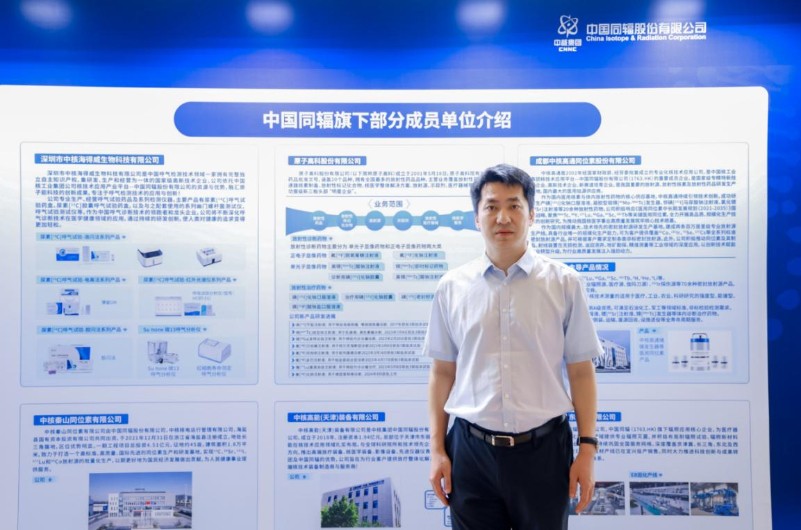
Zhang Yiming, Chairman of HTA: Tackling the "Last Mile" of Nuclear Pharmacy Network Delivery to Bring Domestic Radiopharmaceuticals to Patients in Western and County-Level Regions
On July 28, the 2026 Radiopharmaceutical Innovation and Development Conference was held in Taiyuan, Shanxi Province. Zhang Yiming, Party Committee Secretary and Chairman of HTA, told reporters that the company is restructuring its short half-life radiopharmaceutical delivery system through "regional layout + standardized logistics + grassroots empowerment," striving to ensure that cancer patients in western and county-level regions can access domestically produced radiopharmaceuticals within the drug's effective half-life window. Currently, multi-dimensional policy dividends are being continuously released, and China's radiopharmaceutical industry is entering a critical window of opportunity. Alpha nuclide drugs represent the future direction of therapeutic radiopharmaceuticals. Zhang Yiming introduced that HTA has already made early arrangements for drug research in this field, jointly conducting research on actinium-225 labeled...
2026-08-05