
Search Results
Keyword:FET

KHNP Hanul Nuclear Power Plant Conducts High-Intensity Comprehensive Drill to Address Safety Threats Including Earthquakes, Wildfires, and Drones
On the 14th, Korea Hydro & Nuclear Power (KHNP) Hanul Nuclear Power Plant conducted a high-intensity comprehensive emergency drill aimed at responding to compound disasters such as earthquakes, wildfires, and radioactive material leaks, as well as new safety challenges including information system failures and drone threats. The Hanul Nuclear Power Plant announced that it jointly held the "2026 Disaster Response Safety Korea Drill" with multiple relevant departments at Hanul Unit 1. The Safety Korea Drill is a nationwide comprehensive emergency exercise designed to establish a disaster management system and cross-departmental coordination mechanism involving South Korea's central ministries, local governments, and public institutions, ensuring efficient joint response capabilities during major emergencies. This drill was...
2026-09-14
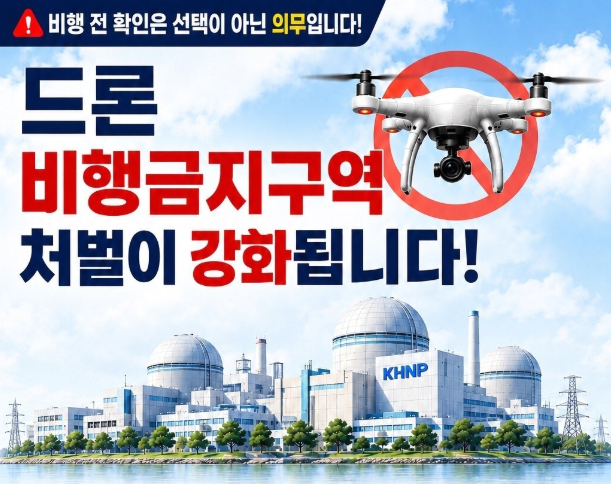
South Korea Strengthens Drone Control Around Nuclear Power Plants, Illegal Flights to Trigger Criminal Law
Korea Hydro & Nuclear Power (KHNP) stated on September 14 that it will further strengthen its response to unauthorized drone flights within no-fly zones around nuclear power plants. It is understood that under the revised Aviation Safety Act, the penalty for unauthorized operation of ultralight flying devices (drones, etc.) within no-fly zones has been significantly raised from the previous "fine of up to 3 million won (administrative fine)" to "imprisonment of up to 1 year or a fine of up to 10 million won." According to statistics from the Nuclear Safety and Security Commission of South Korea, from 2021 to August of last year, a total of 699 illegal drone incidents were detected near nuclear power plants across South Korea, of which 284 cases could not identify the operators...
2026-09-14

Korea Nuclear Safety Foundation Signs MRA with IEEE of the United States to Enhance International Credibility of Nuclear Power Equipment Performance Verification
The Korea Nuclear Safety Foundation (Chairman Kim Sung-jin) formally signed a Mutual Recognition Agreement (MRA) in the field of nuclear power equipment performance verification with the Institute of Electrical and Electronics Engineers, Incorporated (IEEE) on the 14th in Seongnam City, Gyeonggi Province. The core of this MRA lies in: both parties mutually recognizing that their respective performance verification certification systems possess equivalent levels of professional competence and quality management capability. Under the agreement, the Korea Nuclear Safety Foundation and IEEE will mutually confirm that each other's performance verification systems continuously maintain the same...
2026-09-14

Vietnam Seeks French CEA Support to Restart Nuclear Power Program
On the morning of September 11 local time, To Lam, General Secretary of the Central Committee of the Communist Party of Vietnam and President of Vietnam, who is on an official visit to France, led a high-level Vietnamese delegation to visit the French Alternative Energies and Atomic Energy Commission (Commissariat à l'énergie atomique et aux énergies alternatives, CEA). During the visit, the CEA briefed To Lam and the high-level Vietnamese delegation on France's core technology development. The CEA focuses on research in strategic fields such as nuclear energy, semiconductors, quantum technology, and artificial intelligence. To Lam stated that Vietnam is restarting its national nuclear power program, including the Ninh Thuan nuclear power project and the nuclear science and technology research center...
2026-09-12
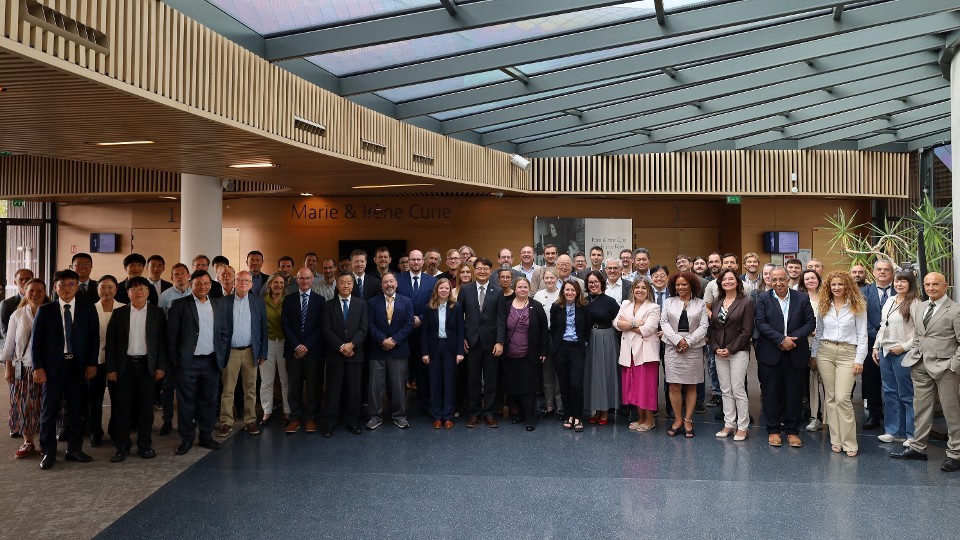
Paris, France workshop explores ATHENA thermal-hydraulics nuclear safety research cooperation framework
On September 10-11, 2026, dozens of researchers, experts and related professionals gathered in Paris, France to participate in the workshop on building the ATHENA framework, discussing collaborative mechanisms for thermal-hydraulics nuclear safety research. ATHENA stands for Advanced Thermal-Hydraulics Experiments for Nuclear Analysis and Safety Applications, and aims to establish a more coordinated and more sustainable thermal-hydraulics research framework. Participants believed that clarifying the framework's flexibility, applicable boundaries and advantages requires strengthened communication among all relevant parties to ensure that different research needs are...
2026-09-13
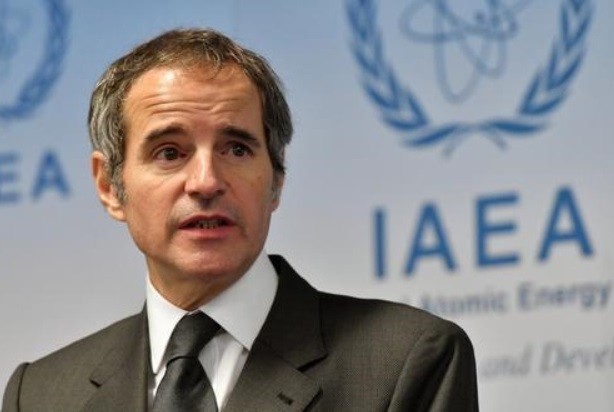
Rosatom Director General to hold talks with Grossi during IAEA General Conference
On September 11, Alexey Likhachev, Director General of the State Atomic Energy Corporation Rosatom (Rosatom), said that he plans to hold talks with Rafael Grossi, Director General of the International Atomic Energy Agency, during the IAEA General Conference. Likhachev said that the 70th IAEA General Conference will open in Vienna on Monday, and it is one of the important annual events in the international nuclear field. During the meeting, the Russian side plans to meet with Grossi and hopes to reach agreement on Grossi's visit to the Zaporizhzhia Nuclear Power Plant. Likhachev also said that the next rotation of IAEA experts stationed at the Zaporizhzhia Nuclear Power Plant is expected to take place...
2026-09-13
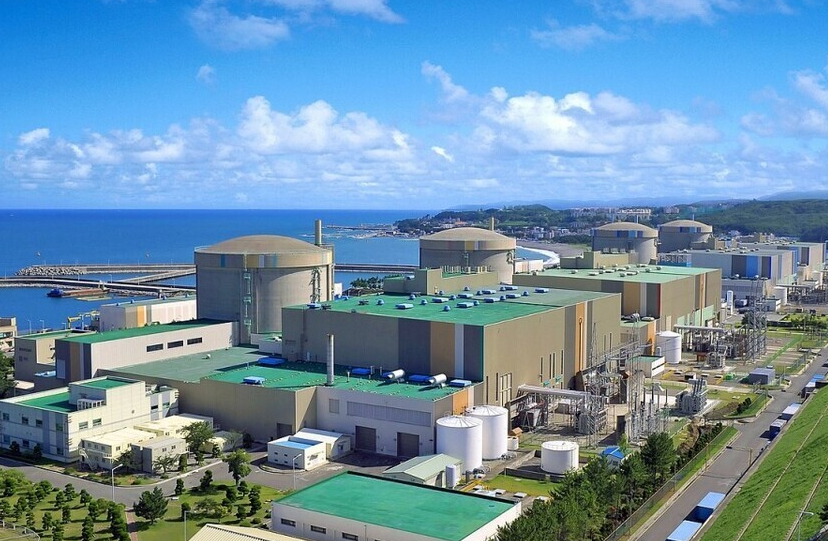
South Korea Conducts First Joint Radiation Emergency Exercise Involving Two Nuclear Power Plants Simultaneously
The Nuclear Safety and Security Commission (NSSC) of South Korea announced on September 10 that South Korea held the 2026 National Joint Radiation Disaster Prevention Exercise, simulating a radioactive material release accident at the Wolsong Nuclear Power Plant in Gyeongju, North Gyeongsang Province, and the simultaneous entry into a radiation emergency state at the Hanul Nuclear Power Plant in Uljin County, North Gyeongsang Province. Approximately 2,000 people participated in the exercise, including relevant South Korean central government departments, local governments, specialized agencies, relevant operating organizations, local organizations, and nearby residents. This exercise set up a compound disaster scenario of simultaneous radiation emergencies at multiple nuclear power plants for the first time. The exercise assumed that...
2026-09-12

South Korea to Reconsider Accident Management Plans for Four Units at Gori and Hanbit
On September 11, 2026, the Nuclear Safety and Security Commission of South Korea held its 14th meeting of 2026 to review the accident management plans and operating change license applications submitted by Korea Hydro & Nuclear Power (KHNP) for Gori Nuclear Power Plant Units 3 and 4 and Hanbit Nuclear Power Plant Units 1 and 2. The meeting failed to reach a final conclusion and decided to refer the relevant agenda items to the next meeting for continued deliberation. The accident management plan mainly includes the scope of nuclear power plant accident management, management facilities, management strategies, and training programs. For nuclear power units with long operating lives, approval of this plan is generally regarded as an important prerequisite for subsequent discussions on continued operation licenses....
2026-09-12
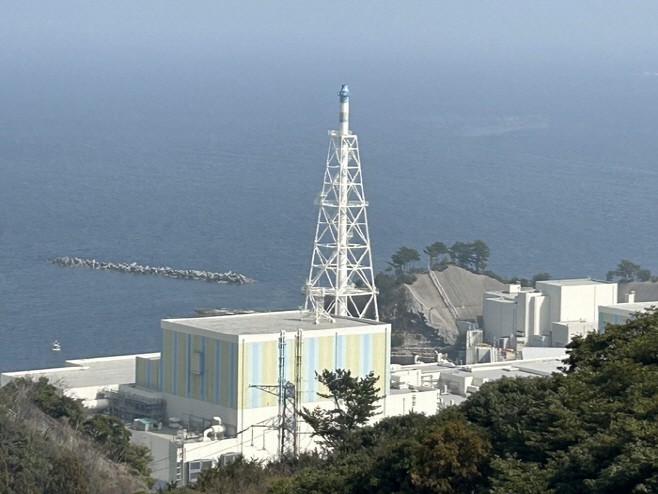
Safety review items for Shimane Nuclear Power Plant Unit 3 confirmed, operation planned for 2030
The Nuclear Regulation Authority (NRA) of Japan conducted a safety review of Shimane Nuclear Power Plant Unit 3 on September 10. This review is a necessary procedure before the unit can be put into operation. Chugoku Electric Power Company of Japan has been constructing Shimane Nuclear Power Plant Unit 3 since 2005 and has been undergoing NRA review since 2018. At the review meeting that day, Chugoku Electric Power Company gave explanations regarding earthquake, tsunami, and severe accident response measures for Unit 3. According to the meeting, all review items were confirmed on September 10. Next, Chugoku Electric Power Company will submit a revised document incorporating the relevant content discussed at previous review meetings. The NRA is expected to prepare a draft review report based on this...
2026-09-11

Director of the Division of Radiation, Transport and Waste Safety, Department of Nuclear Safety and Security, IAEA, Van den Howe, Visits the Nuclear and Radiation Safety Center of the Ministry of Ecology and Environment
On September 8, 2026, Ms. Hildegard Van den Howe, Director of the Division of Radiation, Transport and Waste Safety, Department of Nuclear Safety and Security, International Atomic Energy Agency (IAEA), visited the Nuclear and Radiation Safety Center of the Ministry of Ecology and Environment (hereinafter referred to as the Center). Chai Guohan, Director of the Center, and heads of relevant departments participated in the exchange activities. At present, cooperation between the Center and the IAEA is continuously deepening. Since being designated by the IAEA in May 2023 as the world's first Collaborating Center for Nuclear and Radiation Safety, the Center has, relying on this platform, successfully hosted high-level activities such as the Nuclear and Radiation Safety Leadership Workshop, the ANSN Regional Workshop, and multiple international training sessions, with the platform's clustering and radiation effects becoming increasingly prominent. The Center has always been a trusted partner of the IAEA.
2026-09-11
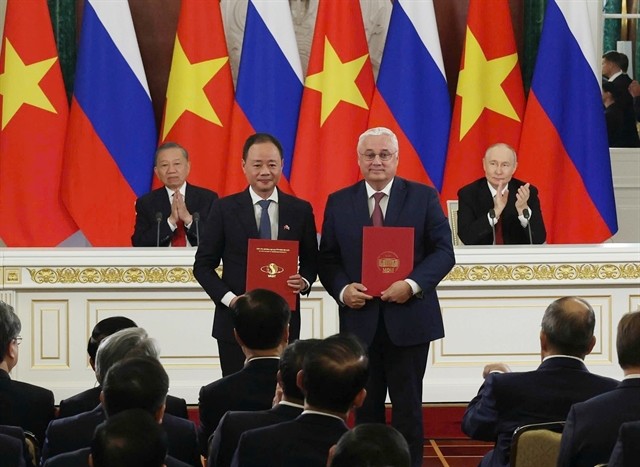
Vietnam and Russia Exchange Agreement on Nuclear Safety Regulation for Peaceful Uses of Atomic Energy
On September 9 local time, during the state visit to Russia by To Lam, General Secretary of the Communist Party of Vietnam Central Committee and President of Vietnam, multiple cooperation documents were exchanged in Moscow, witnessed jointly by To Lam and Russian President Vladimir Putin. Nuclear energy-related documents include the agreement between the Vietnam Agency for Radiation and Nuclear Safety (VARANS) and the Federal Environmental, Industrial and Nuclear Supervision Service of Russia (Rostekhnadzor) on radiation and nuclear safety management for the peaceful uses of atomic energy. The agreement covers activities in the peaceful uses of atomic energy...
2026-09-10
NRA Commissioner Inspects Radiation Management at Shimane Nuclear Power Station
Reiko Kanda, a Commissioner of the Nuclear Regulation Authority (NRA) of Japan, visited Matsue City, Shimane Prefecture, from September 7 to 8 to inspect radiation level management and on-site inspection work at the Shimane Nuclear Power Station. The NRA has a dedicated inspection team stationed at the Shimane Nuclear Power Station and conducts a related inspection once a year to confirm that resident inspectors can properly manage and monitor radiation levels. On September 8, the NRA inspected the emergency response center used by the nuclear power station in the event of a severe accident, focusing on confirming the inspectors' emergency response procedures. Reiko Kanda observed the inspection process on site. Reiko Kanda stated that the inspection work was carried out properly and that this inspection will serve as a reference for the NRA's future work.
2026-09-10
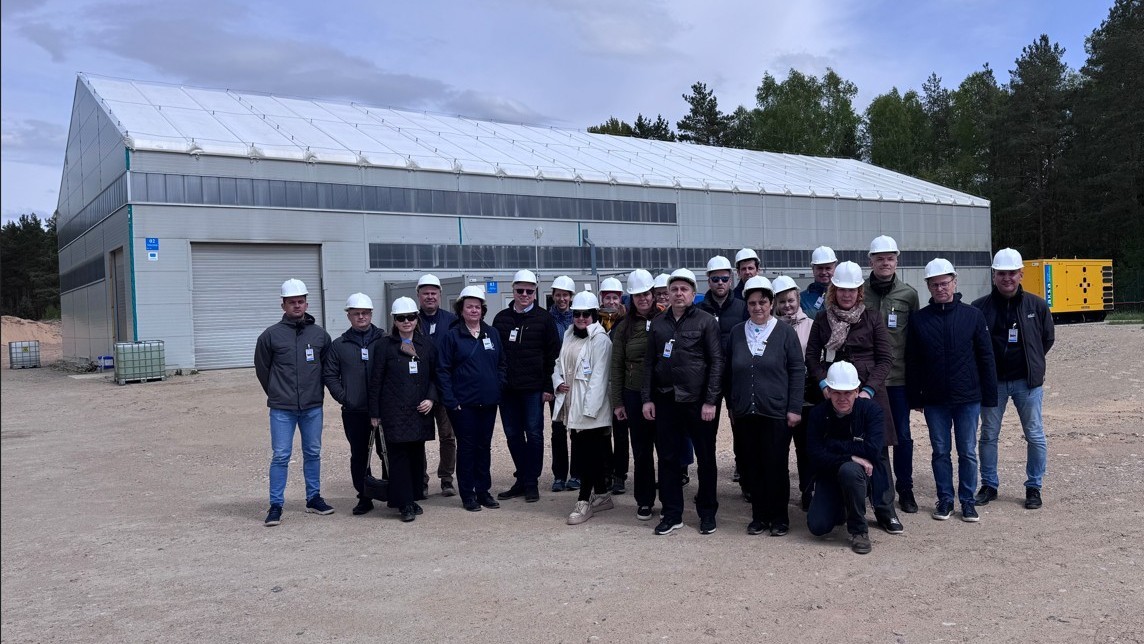
Europe and Central Asia Strengthen Regional Cooperation on Radioactive Waste Management
The International Atomic Energy Agency (IAEA) recently stated that over the past two years it has trained more than 200 experts in Europe and Central Asia, supporting relevant countries in enhancing their safe radioactive waste management capabilities and developing long-term management strategies tailored to their national circumstances. IAEA representatives visited storage and disposal facilities in Lithuania to observe successful radioactive waste management practices firsthand. (F. Dragolici/IAEA) Radioactive waste originates from the application of nuclear technology in energy, medicine, industry, research, and other fields. Under safety management requirements, countries are responsible for the full lifecycle of radioactive waste, covering generation, characterization, treatment, conditioning, storage, and final disposal in licensed disposal facilities.
2026-09-09
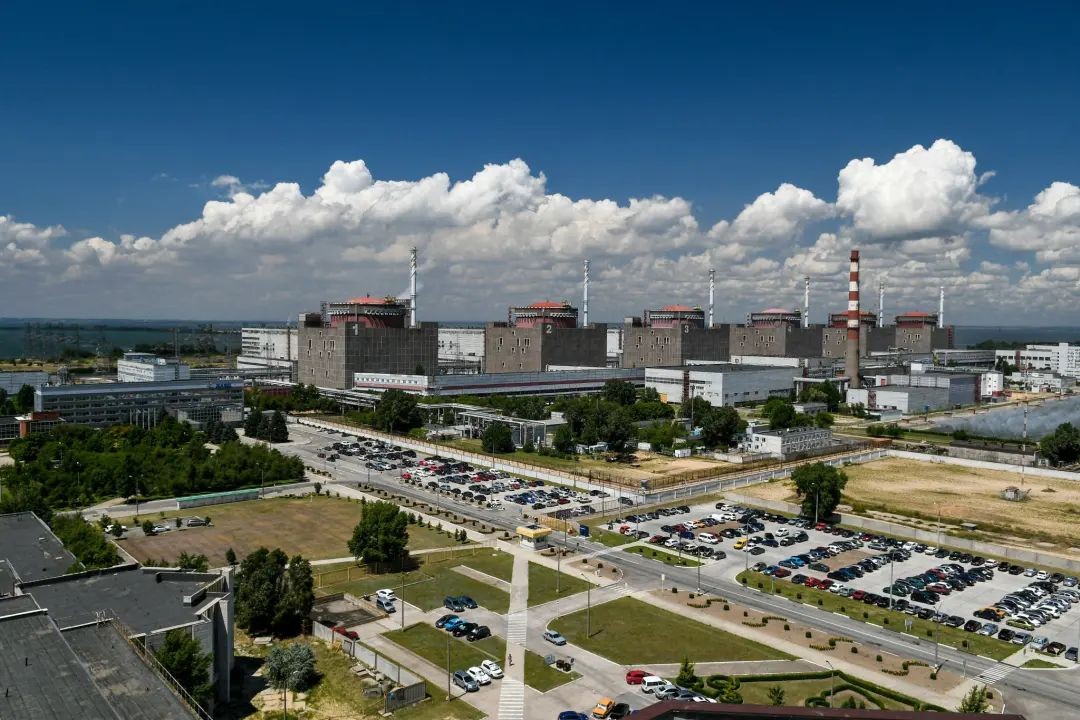
Ukraine's Zaporizhzhia Nuclear Power Plant says restoring second external power line is critical to nuclear safety
On September 7, the Zaporizhzhia Nuclear Power Plant stated that restoring and commissioning the second external power transmission line—the 750 kV Dniprovska line—is critical to improving the reliability of the plant's power supply and enhancing nuclear and radiation safety levels. The plant also proposed that a systematic supply of fuel for backup diesel generators needs to be ensured. The Zaporizhzhia Nuclear Power Plant stated that after the 330 kV Ferrospravnaya-1 transmission line restored external power supply, the radiation conditions at the plant and surrounding areas remained stable, within the range of natural background levels. The plant also stated that following the restoration of external power supply, the backup diesel generators have been switched to standby mode. In its statement, the plant said that the Ferrospravnaya-1...
2026-09-09
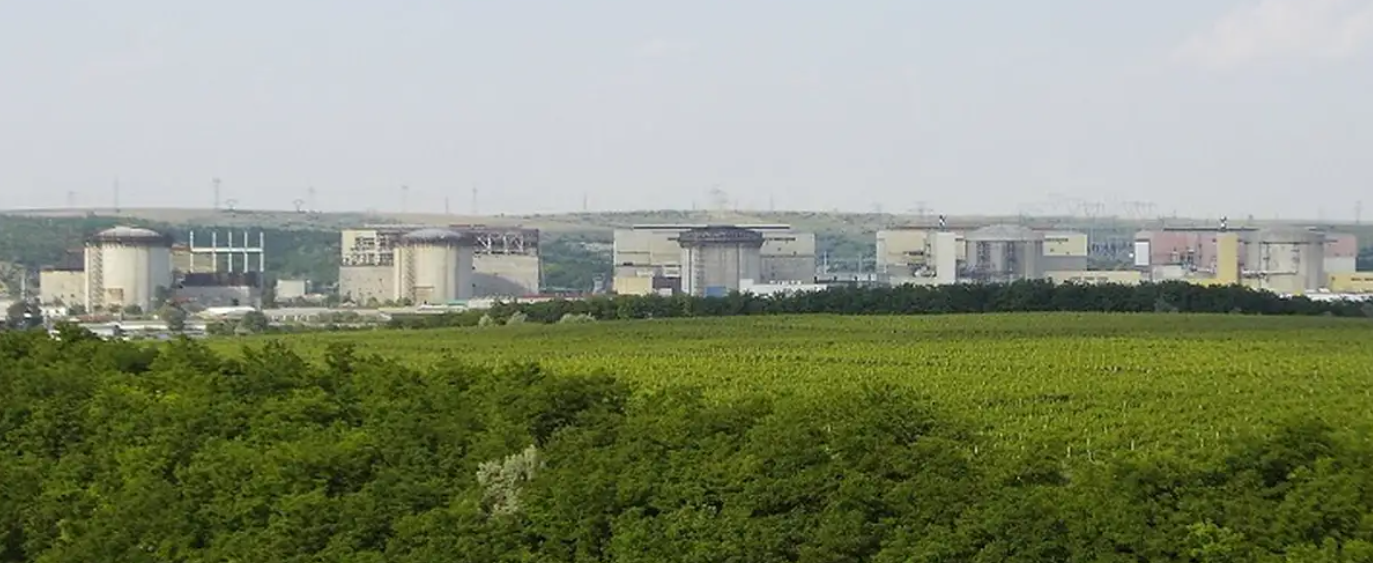
Romania's Cernavoda Nuclear Power Plant to Remain Offline Until at Least September 18 Due to Low Danube River Levels
On September 8, Romania's Cernavoda Nuclear Power Plant was expected to remain offline until at least September 18 due to low water levels in the Danube River. Emil Macovei, Technical Director of Nuclearelectrica, the operator of the Cernavoda plant, stated that over the next 10 days, the Danube's water volume would still be insufficient to support the restart of either of the plant's two units. Romania's Antena 3 television channel quoted him as saying that current hydrological conditions do not yet meet the requirements for unit operation. Cristian Busoi, Secretary of State at Romania's Ministry of Energy, said that predictions regarding the plant's restart timeline were "rather optimistic," and the ministry is currently unable to provide a definitive date for resuming operations. He confirmed that...
2026-09-09