
Search Results
Keyword:FET
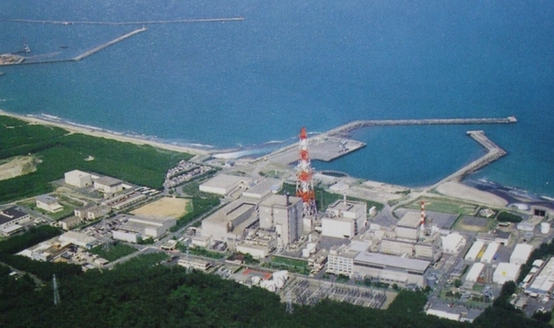
Further Delay in Completion of Safety Measures at Japan's Tokai Daini Nuclear Power Plant
Japan Atomic Power Company (JAPC) announced on August 28 that the safety measure works required for the restart of the Tokai Daini Nuclear Power Plant in Tokai Village, Ibaraki Prefecture, are now expected to be completed between October 2028 and March 2029 (the second half of fiscal 2028), delayed from the original target of December 2026. This marks the fourth postponement of the completion schedule for the plant's safety measures. One of the key projects among the safety measures at Tokai Daini is the construction of a seawall approximately 17 meters high to protect against tsunamis. In June 2023, defects including incomplete concrete filling and deformed rebar were discovered in the seawall's foundation works, and related construction was subsequently suspended. JAPC has since applied to the Nuclear Regulation Authority (NRA)...
2026-08-29
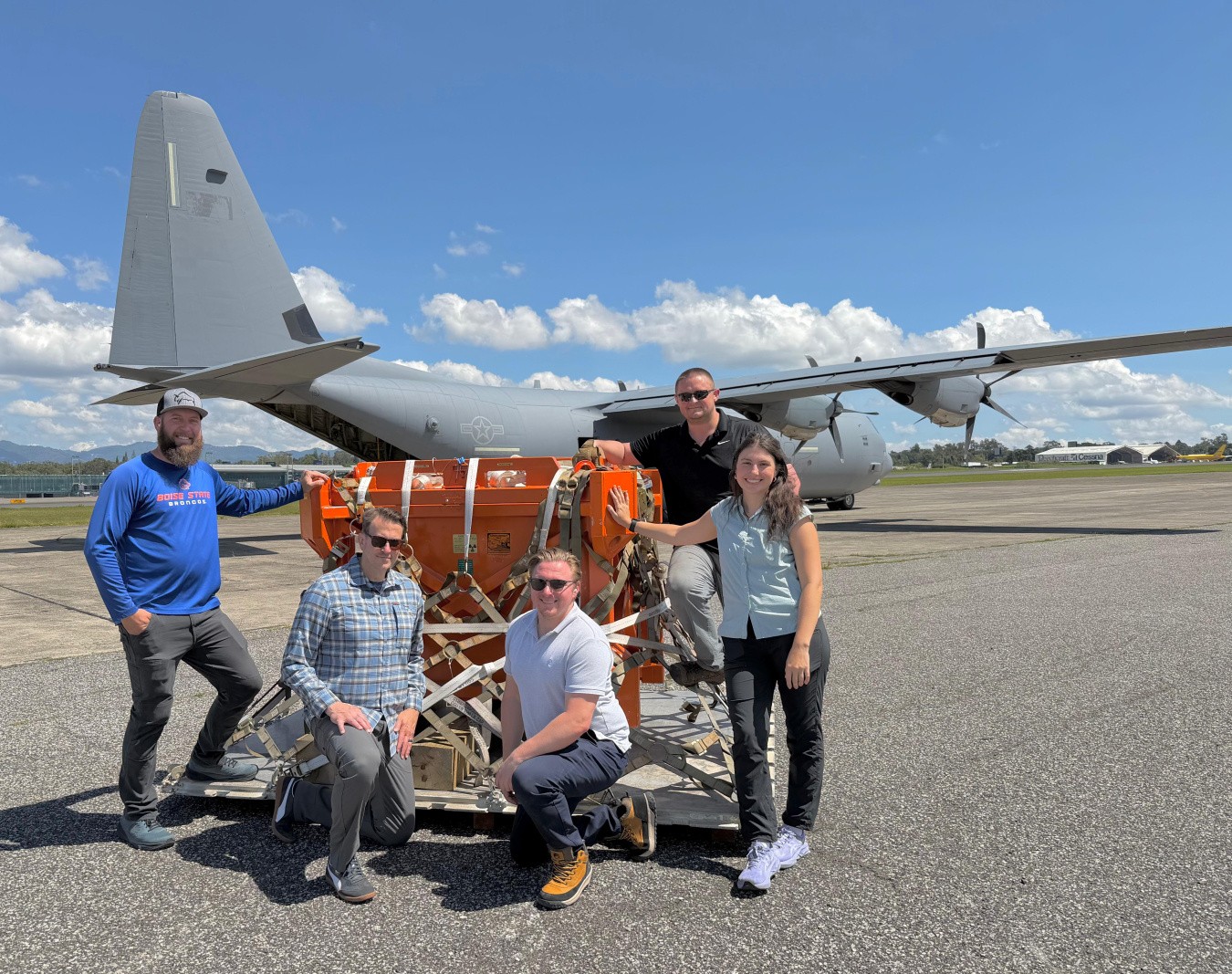
U.S. NNSA and DTRA Remove High-Risk Cobalt-60 Radioactive Source from Guatemala
The U.S. National Nuclear Security Administration (NNSA) announced on August 27 that, in cooperation with the U.S. Defense Threat Reduction Agency (DTRA), it has removed a high-risk cobalt-60 radioactive source from a facility in Guatemala and transported the associated components to a secure storage location in the United States. This operation aims to reduce security risks associated with radioactive materials and prevent high-activity radioactive substances from being illegally acquired or misused. According to reports, cobalt-60 can be used in medical equipment for cancer treatment, but high-activity radioactive sources, if improperly managed, may pose radiological safety hazards. In May of this year, an NNSA Los Alamos National Laboratory team, in cooperation with relevant Guatemalan agencies, worked on a decommissioned U.S.-manufactured cobalt-60 teletherapy...
2026-08-28
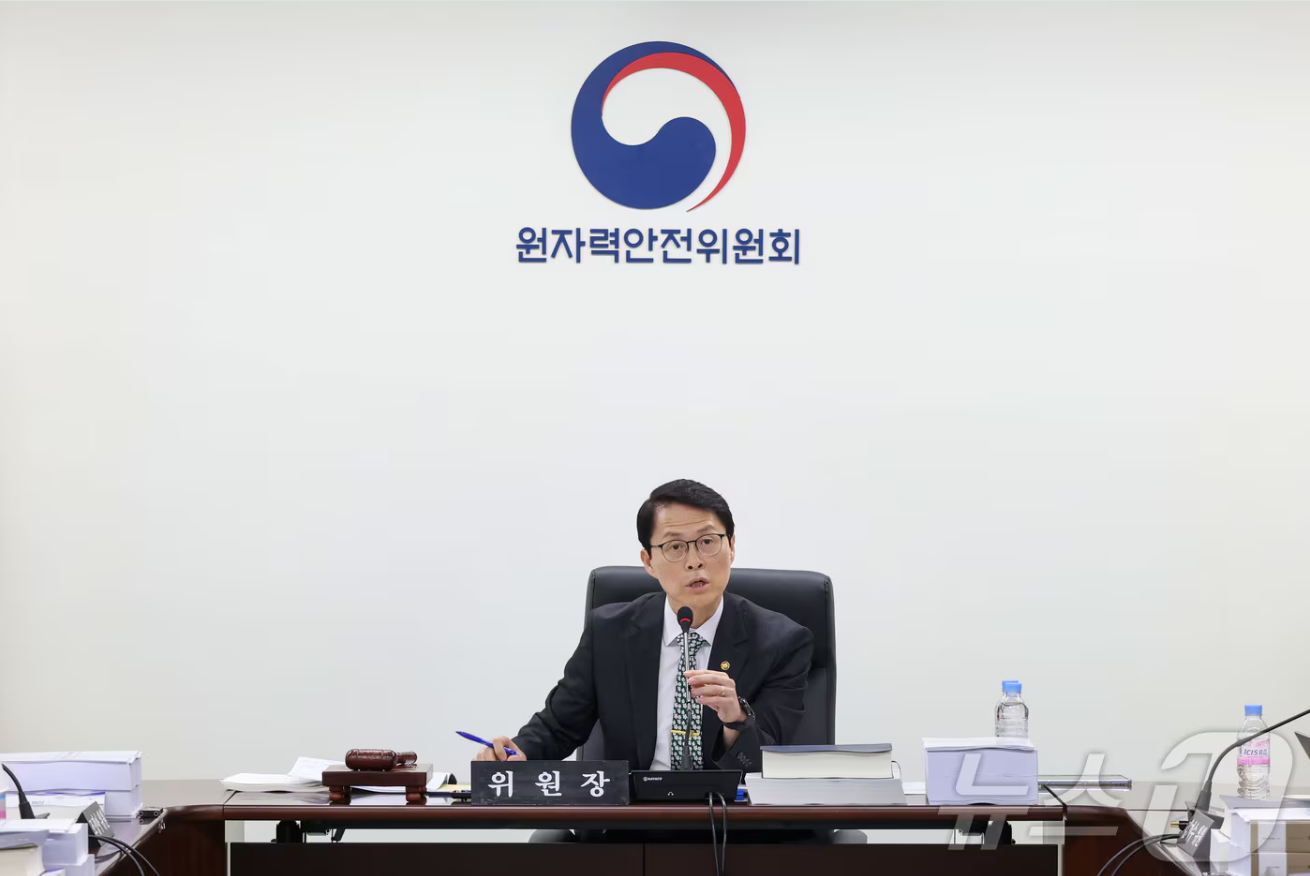
South Korea Launches Standard Design Approval Review for i-SMR
The Nuclear Safety and Security Commission (NSSC) of South Korea is set to initiate a safety review of the standard design approval application for the innovative Small Modular Reactor (i-SMR). This project is part of the small modular reactor research and development program led by the South Korean government. The NSSC stated on August 28 that, at its 13th meeting of 2026 held on August 27, the Korea Institute of Nuclear Safety (KINS) reported on the review plan for the i-SMR standard design approval application. KINS had previously conducted a suitability review of the standard design approval application documents submitted in February of this year and determined that the documents met the conditions for entering the safety review phase, thereby establishing a subsequent review plan. The standard design approval system is designed to...
2026-08-28

South Korean research team evaluates pipe rupture risk in nuclear power plants using probabilistic analysis
Researchers from Seoul National University of Science and Technology in South Korea have recently proposed a sensitivity analysis method based on probabilistic fracture mechanics to evaluate the rupture frequency of main coolant piping systems in nuclear power plants. This method can analyze the impact of uncertainties and modeling assumptions on prediction results, helping engineers distinguish extremely low-probability events from relatively more likely failure scenarios. In nuclear power plants, the main coolant piping system plays a critical role in maintaining structural integrity under normal reactor operating conditions. A pipe rupture could trigger a loss-of-coolant accident, and therefore this system has long been included in the key scope of nuclear power plant safety design and assessment.
2026-08-28
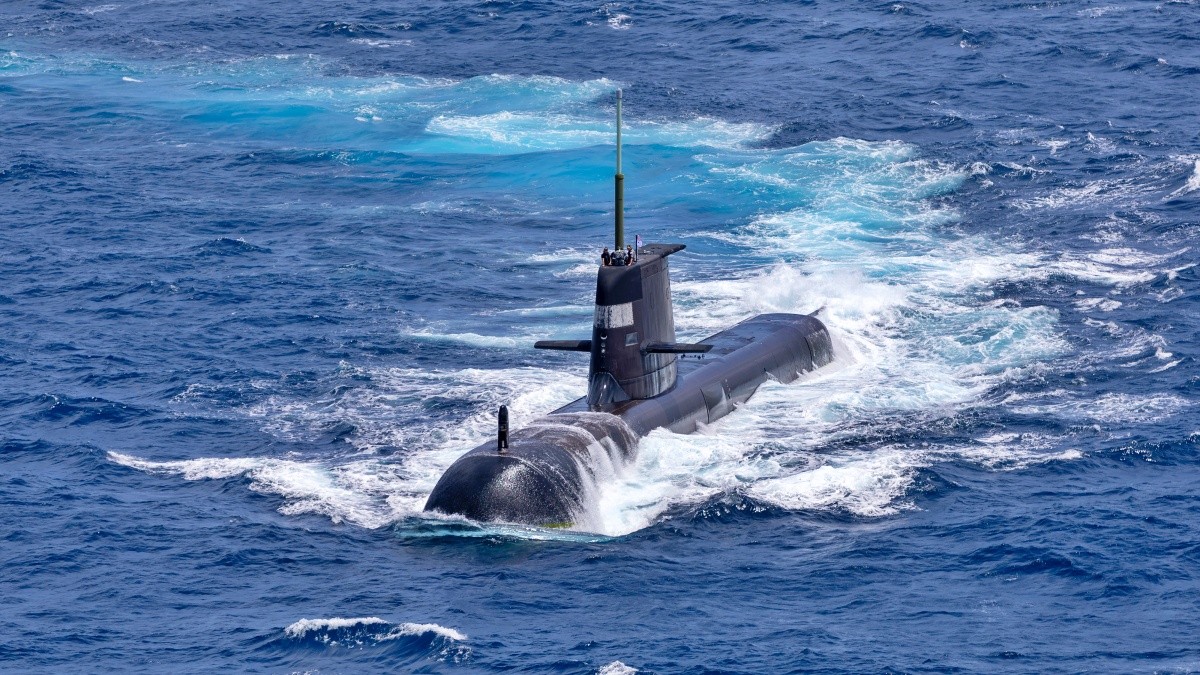
South Korean Lawmaker Proposes Special Act on Nuclear-Powered Submarines
Yoo Yong-won, a lawmaker from South Korea's People Power Party (PPP), proposed a draft of the Special Act on the Nuclear-Powered Submarine Project on August 27, aiming to establish a dedicated legal basis for introducing nuclear-powered submarines to South Korea. The South Korean government is currently advancing the nuclear-powered submarine project as a national strategic initiative. At a press conference held at the National Assembly that day, Yoo stated that the existing Defense Acquisition Program Act and Nuclear Safety Act have limitations in fully reflecting the unique characteristics of military nuclear propulsion systems, making it necessary to enact a special law. The draft proposes establishing a Nuclear-Powered Submarine Strategic Committee under the president's leadership to deliberate on major related matters...
2026-08-28

Safety-level DCS Response Time Testing for Unit 3 of Xudabao Nuclear Power Plant Successfully Completed
Recently, with the final test data confirmed to be accurate, the safety-level DCS (Digital Control System) response time testing for Unit 3 of Xudabao Nuclear Power Plant was successfully completed. All test results met the requirements, with no abnormal equipment actions throughout the entire process, providing reliable instrumentation and control assurance for the subsequent fuel loading and stable operation of the unit. The test lasted 14 days and covered 182 test cases, encompassing more than 1,500 functional tests for reactor trip and engineered safety features systems. As a critical step before fuel loading, the safety-level DCS response time test holds significant reference value for verifying the response performance of the unit's safety systems. To ensure the successful completion of the test, the instrumentation and control team adhered to the work philosophy of "comprehensive preparation, strong collaboration, experience feedback, and pragmatic execution," advancing all tasks in an orderly manner.
2026-08-27
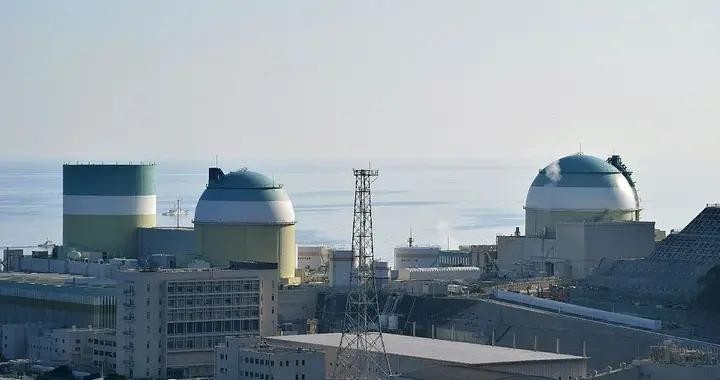
Ikata Nuclear Power Station Unit 3 in Japan briefly deviated from operational limits due to abnormal signals in protection system instrumentation
Shikoku Electric Power Co. reported on August 27 that abnormal signals from safety protection system instrumentation appeared in the central control room of Ikata Nuclear Power Station Unit 3, which was in normal operation, indicating that one channel of the overtemperature ΔT related instrumentation was unreliable. The operator determined at 22:10 on August 26 that the unit had deviated from the operational limits stipulated in the Reactor Facility Security Regulations. On-site confirmation showed that the unreliable signal originated from 1 of the 4 channels of the overtemperature ΔT protection function. Overtemperature ΔT is one of the reactor automatic trip elements, used to protect in-core fuel; its limit value is calculated based on parameters such as reactor power, pressurizer pressure, and...
2026-08-27
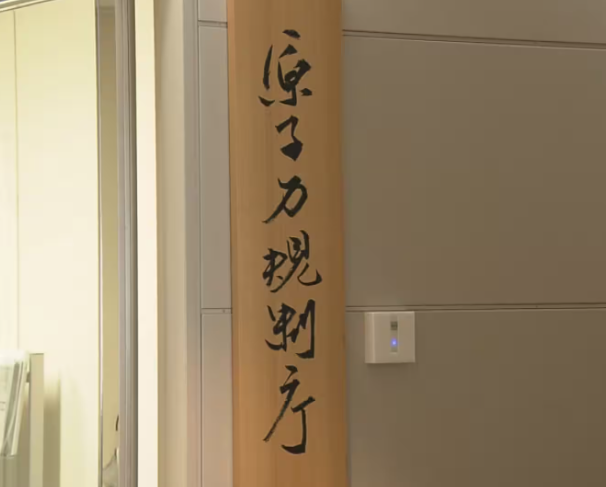
Japan to Allocate Funds to Accelerate Preparations for Next-Generation Nuclear Reactor Reviews
The Nuclear Regulation Authority (NRA) of Japan has decided to include funding in its budget request for the next fiscal year to investigate the effectiveness of safety measures for next-generation nuclear reactors and to make advance preparations for future review work. The Japanese government is promoting the development of next-generation nuclear reactors, including innovative light-water reactors that enhance safety design based on existing light-water reactor technology. Since November last year, Kansai Electric Power Co. has been conducting geological surveys at the Mihama Nuclear Power Station in Fukui Prefecture as part of preliminary preparations for potentially replacing existing units with next-generation reactors in the future. It has been reported that the NRA plans to include in its budget request for the next fiscal year...
2026-08-27

Electron Beam Processing Can Reduce Poultry Pathogens, Study Shows Turkey Meat Quality Remains Well Preserved
A study on electron beam treatment of poultry meat products shows that electron beam irradiation has the potential to reduce the risk of foodborne pathogens in poultry while preserving meat quality as much as possible. The paper, titled "Effects of Electron Beam (eBeam) Treatment on the Texture and Sensory Attributes of Chicken and Turkey Meat Batters," was published in the journal Poultry Science. Electron beam is a non-thermal processing technology that uses high-energy electrons to cause irreversible damage to pathogen DNA or RNA, making it difficult for bacteria to replicate. Like X-rays and gamma rays, electron beam has been approved by the U.S. Food and Drug Administration for cold pasteurization that does not rely on heating. The research team used the electron beam irradiation facility at Texas A&M University...
2026-08-26

Jamaica Launches Graduate Training Program in Radiation Protection and Safety, Poised to Become a Regional Center of Excellence in the Caribbean
Jamaica's newly established graduate training program in radiation protection and safety is being viewed as an important platform for enhancing nuclear technology safety capabilities in the Caribbean region. Chris Ardouin, an International Atomic Energy Agency expert and Senior Scientist and Technical Manager of Public Health and Forensic Science at the National Radiation Science Centre of New Zealand, stated that the program demonstrates Jamaica's potential to become a regional center of excellence for radiation protection and safety training. The six-month program, implemented as the first graduate education course in radiation protection and safety under the framework of the University of the West Indies' short-term academic resources, is currently training 12 professionals from seven CARICOM member states, with a focus on enhancing regional...
2026-08-26
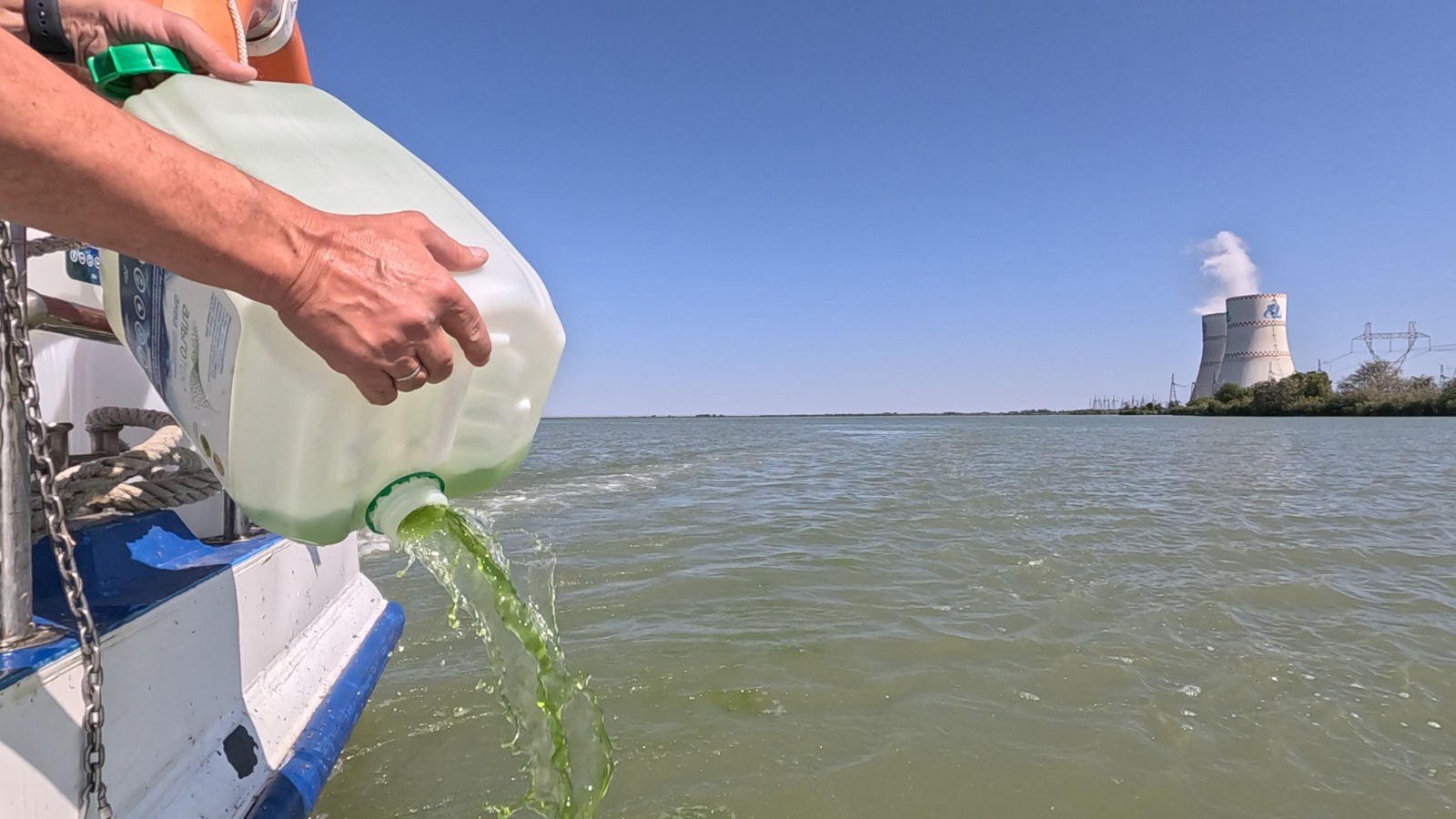
Russia's Rostov NPP Releases Chlorella into Cooling Pond to Strengthen Ecological Control
Russia's Rostov NPP recently carried out its annual ecological control operation at the plant's technical reservoir, releasing 3.6 tonnes of a bioactivator based on the planktonic algae chlorella into the water to suppress the risk of algal blooms and maintain the ecological balance of the cooling pond. Rostov NPP is part of Rosenergoatom, the power generation division of Russia's State Atomic Energy Corporation (Rosatom). The operation is part of the plant's long-standing algae management measures, primarily aimed at stabilizing water conditions under climate change and abnormally high temperatures, ensuring the smooth operation of related equipment. Chlorella acts as a natural biofilter, capable of suppressing...
2026-08-26

IAEA Study: Five-Star Rating System Can Improve CT Imaging Safety and Reduce Unnecessary Radiation Exposure
A new study led by the International Atomic Energy Agency (IAEA) in collaboration with Massachusetts General Hospital and Harvard Medical School in Boston, USA, shows that a five-star rating system can help hospitals optimize image quality, reduce radiation dose, and decrease unnecessary patient radiation exposure in computed tomography (CT) examinations. The study has been published in the European Journal of Radiology. CT imaging uses X-rays to obtain detailed images of internal body structures and is an important tool in diagnosing a wide range of diseases. The study notes that CT image quality is closely related to radiation dose—higher doses typically reduce image noise and improve clarity, but do not always yield additional diagnostic value. How to minimize radiation exposure while ensuring diagnostic accuracy is key to optimizing CT examination protocols.
2026-08-26
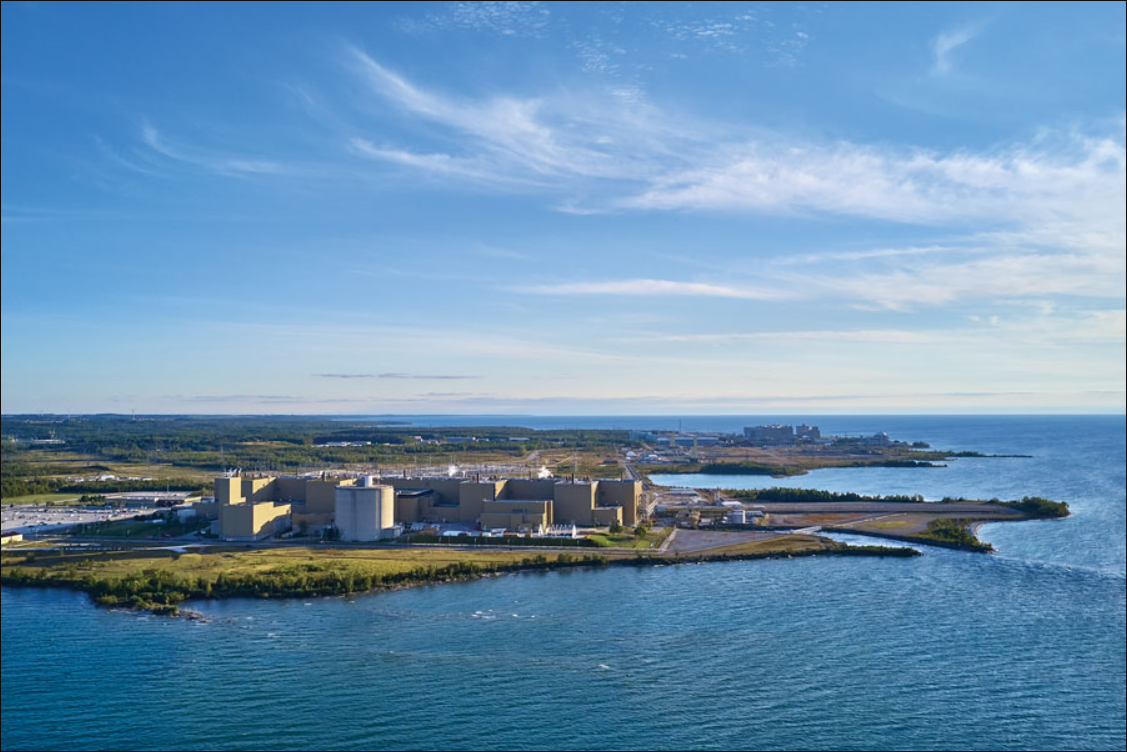
Canada Approves Power Uprate for Bruce A and B Nuclear Power Plants
The Canadian Nuclear Safety Commission (CNSC) announced on August 24 that it has decided to amend the licensing basis for the Bruce A and B nuclear power plants, approving an increase in the intermediate power operating levels of the two plants. The Bruce A and B nuclear power plants are located in Kincardine, Ontario, Canada, on the eastern shore of Lake Huron, and are operated by Bruce Power. Under the revised licensing basis, Bruce Power may increase the maximum operating power of the Bruce A plant to 95.5% of full power and the Bruce B plant to 96% of full power. Previously, the Bruce A plant was authorized to operate at a maximum power of...
2026-08-26
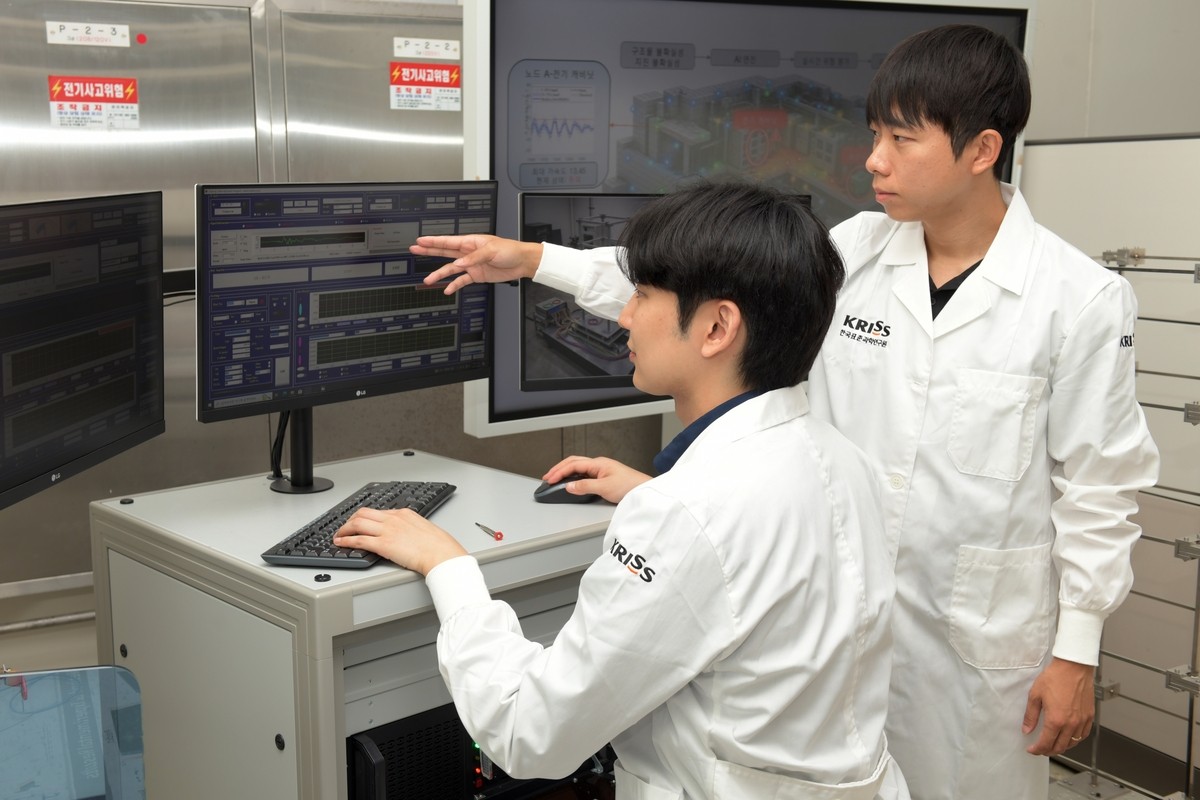
South Korea Develops AI Model for Prioritizing Post-Earthquake Inspections at Nuclear Facilities
A joint research team from the Korea Research Institute of Standards and Science (KRISS) and Ulsan National Institute of Science and Technology (UNIST) has developed a deep learning model that can assist nuclear facilities in rapidly identifying priority inspection areas after an earthquake. The model uses seismic wave signals collected from a single seismometer to predict in real time the vibration responses at multiple locations within a nuclear power plant and quantitatively ranks potential risks. The research was jointly conducted by the team of Jae-Beom Lee, senior researcher at KRISS, and Young-Ju Lee, professor at UNIST. The researchers stated that this technology can, without installing sensors at every critical location...
2026-08-26
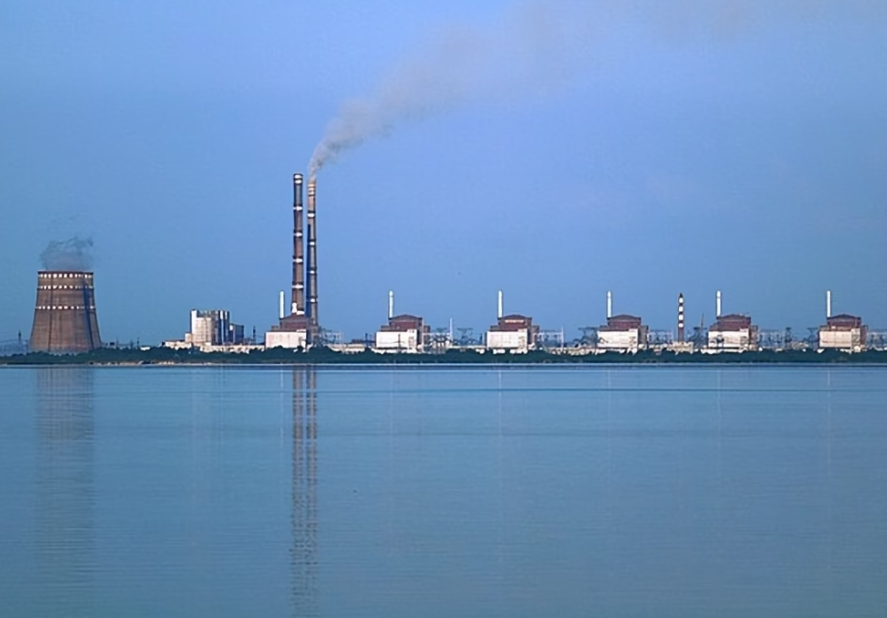
Zaporizhzhia Nuclear Power Plant Loses External Power for Six Days
On August 25 local time, the Zaporizhzhia Nuclear Power Plant (ZNPP) stated that it had lost external power since August 20 and had been relying on backup diesel generators to meet on-site electricity demand for six consecutive days. The plant's existing fuel reserves can still ensure operation, but difficulties in fuel resupply have not yet significantly eased. Yevgeniya Yashina, head of communications at ZNPP, stated that plant staff are monitoring nuclear safety parameters and the operation of backup diesel generator units around the clock. She noted that fuel transportation still faces difficulties due to shelling on roads leading to the plant; to improve the efficiency of existing reserve utilization, the plant has optimized the operation of diesel generators...
2026-08-26