
Search Results
Keyword:IC
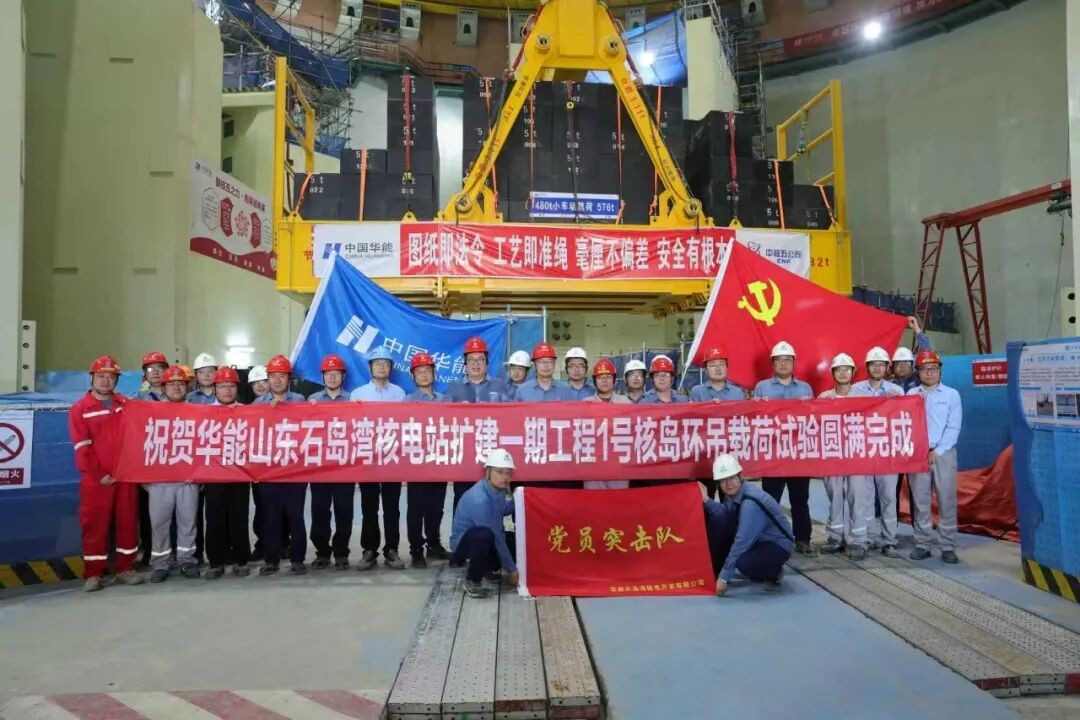
Polar Crane of Unit 1 of Shidao Bay Nuclear Power Expansion Phase I Project Officially Available
On August 12, the load test of the polar crane for Unit 1 of the Expansion Phase I Project was successfully completed, with all performance indicators fully meeting design requirements, marking that the polar crane is officially ready for use and creating favorable conditions for subsequent key tasks such as the introduction and positioning of main equipment in the nuclear island. The polar crane is the core lifting equipment in the reactor building, undertaking critical lifting and handling tasks throughout the entire lifecycle, including heavy equipment hoisting during the construction phase, refueling during shutdown and equipment maintenance during the operation phase, and equipment dismantling during the decommissioning phase. Its operational stability and reliability are directly related to the safety and quality of nuclear island installation. The success of this load test fully verified that all performance indicators of the equipment completely meet the standards for safe and reliable use...
2026-08-13

Completion of World's First Domestic CAP1000 50Hz Canned Motor Reactor Coolant Pump for Guangdong Lianjiang Nuclear Power Phase I
Recently, the world's first domestically manufactured CAP1000 50Hz canned motor reactor coolant pump for the Guangdong Lianjiang Nuclear Power Phase I project was successfully completed and ready for shipment. The completion of this equipment marks significant new progress in the independent development and localization of China's Generation III nuclear power core equipment. Harbin Electric Group provided the canned motor for this reactor coolant pump. The Guangdong Lianjiang Nuclear Power Phase I project plans to construct two domestically developed CAP1000 Generation III passive pressurized water reactor units, each with a single-unit capacity of 1.25 million kilowatts. The project is based on the independent CAP1000 Generation III passive nuclear power technology, adopts a seawater secondary circulation cooling scheme, promotes the coordinated development of nuclear power development and coastal ecological protection, and serves the green and low-carbon development needs of the Guangdong-Hong Kong-Macao Greater Bay Area. This...
2026-08-13
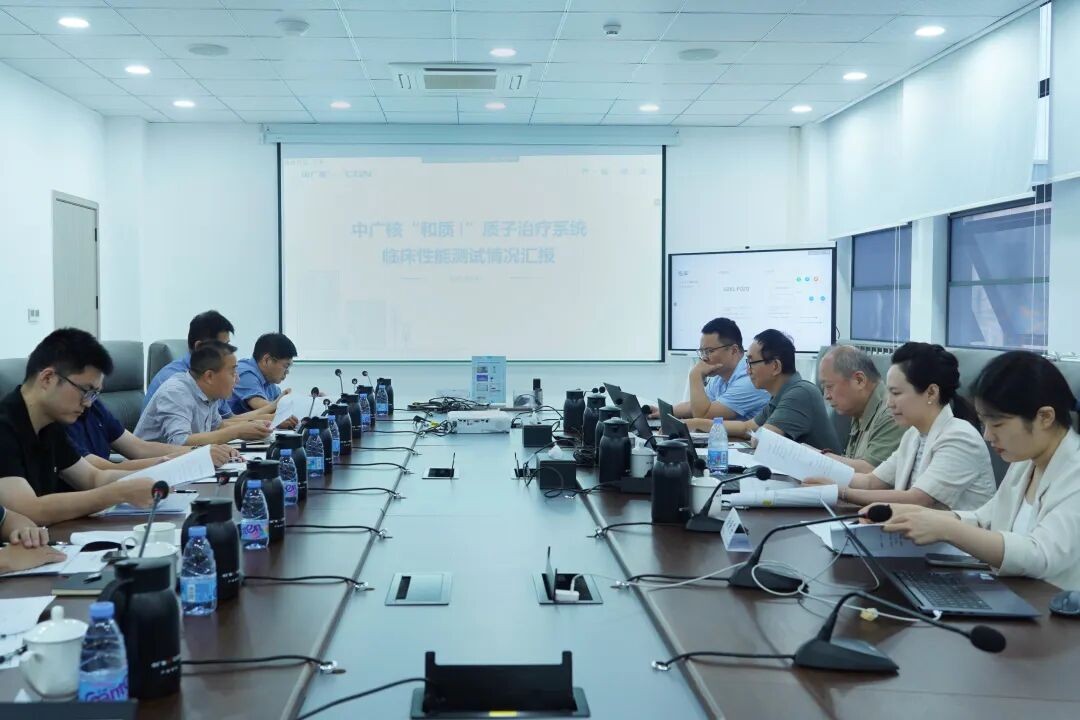
CGN Hezhi® Proton Therapy System Clinical Performance Successfully Passes Expert Review
On July 31, the expert review meeting for the clinical performance evaluation of the CGN Hezhi® Proton Therapy System was held at the CGN Proton Therapy Equipment Manufacturing Base. Clinical experts from Sun Yat-sen University Cancer Center, National Cancer Center/Cancer Hospital of Chinese Academy of Medical Sciences, Sichuan Cancer Hospital, National Cancer Center/Cancer Hospital of Chinese Academy of Medical Sciences Shenzhen Hospital, and Shandong First Medical University Affiliated Cancer Hospital attended the review meeting.▲Expert review of CGN Hezhi® Proton Therapy System clinical performanceAt the review meeting, the relevant person in charge of CGN Medical Technology Co., Ltd. (hereinafter referred to as the "Company") introduced that the comprehensive verification platform for the proton therapy system has achieved full-process independent controllability from design, procurement, production,...
2026-08-12

First Fuel Loading Officially Begins at Tianwan Nuclear Power Plant Unit 7
On August 12, as the first fuel assembly was precisely and safely loaded into its designated position in the reactor core, the first fuel loading officially began at Unit 7 of the Tianwan Nuclear Power Plant, which is invested and controlled by China National Nuclear Corporation (CNNC)'s China Nuclear Power. This marks a solid foundation for subsequent reactor criticality and commercial operation. First fuel loading is the core procedure of implanting the "energy heart" into a nuclear reactor. As a key milestone in the full lifecycle of nuclear power construction, it not only serves as a comprehensive test of the unit's years of engineering construction quality, system commissioning level, and safety management capability, but also represents the critical starting point for the unit's nuclear-powered operation. It is understood that this fuel loading is the first-ever loading for a VVER-1200 unit in China, requiring a total of 163 nuclear fuel assemblies to be loaded...
2026-08-12

China's First Qualification for Radiation Health Testing and Evaluation of BNCT Equipment Approved
Recently, the Beijing Municipal Health Commission, in accordance with the "Administrative Measures for Radiation Health Technical Service Institutions" (Guoweiban ZhiJian Fa [2026] No. 1), organized experts to conduct on-site reviews of two qualification expansion applications submitted by the National Center for Occupational Safety and Health under the National Health Commission. The projects include performance testing and evaluation of Boron Neutron Capture Therapy (BNCT) equipment and thyroid iodine-131 testing. During the review process, the expert panel conducted a comprehensive examination of the center's management system, personnel allocation, instruments and equipment, and technical capabilities related to radiation health testing and evaluation through document review, technical inquiries, on-site practical operations, and simulated demonstrations...
2026-08-12
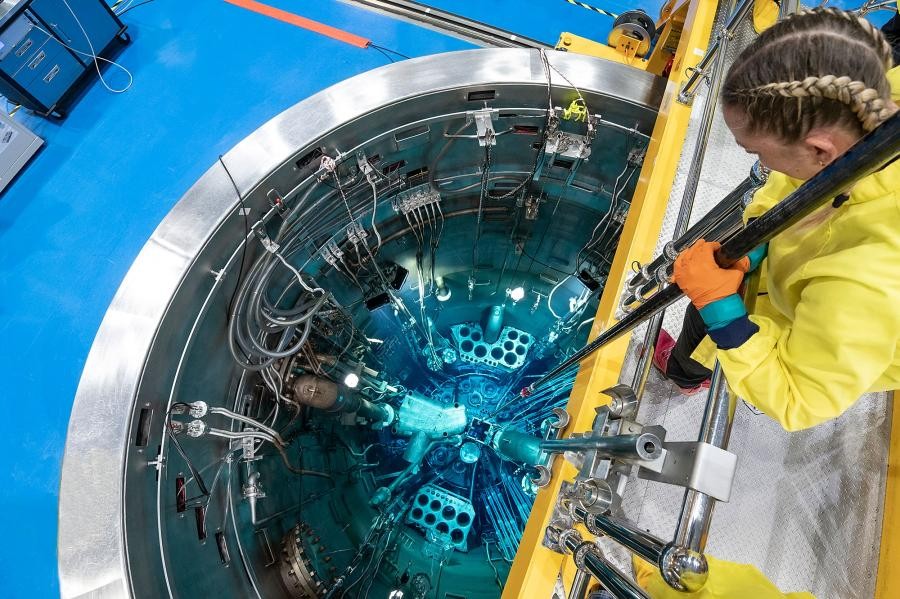
Australia's OPAL Multipurpose Reactor Marks 20 Years of Operation: Supporting Nuclear Medicine, Industrial Silicon Irradiation, and Neutron Science
The OPAL multipurpose reactor at the Lucas Heights campus of the Australian Nuclear Science and Technology Organisation (ANSTO), located south of Sydney, has marked the 20th anniversary of achieving first criticality. On August 12, 2006, OPAL achieved a self-sustaining controlled nuclear chain reaction, marking the facility's transition from the construction phase to the scientific operations phase. ANSTO stated that over the past 20 years, OPAL has become one of Australia's key nuclear science infrastructures, serving multiple fields including medicine, industry, and scientific research. OPAL is not a power reactor and is not used for electricity generation. According to available information, Australian federal law and relevant state and territory legislation prohibit the construction of nuclear power reactors, fuel fabrication, and waste disposal facilities. Unlike power reactors used for...
2026-08-12

UK Low-Level Waste Repository Advances Capping Project, Rail-Transported Aggregate Exceeds 285,000 Tonnes
Nuclear Waste Services (NWS) is advancing capping-related works at the Low-Level Waste Repository on the west coast of Cumbria, UK, to strengthen long-term protection of existing disposal trenches and vaults. Since the repository began operations in 1959, it has supported the safe disposal of approximately 1 million cubic metres of low-level radioactive waste, making it a key facility in the UK's radioactive waste management system. NWS, part of the Nuclear Decommissioning Authority (NDA), is primarily responsible for consolidating the UK's radioactive waste management capabilities, providing management solutions for legacy wastes from civil and defence sectors as well as wastes arising from future new-build nuclear projects...
2026-08-12
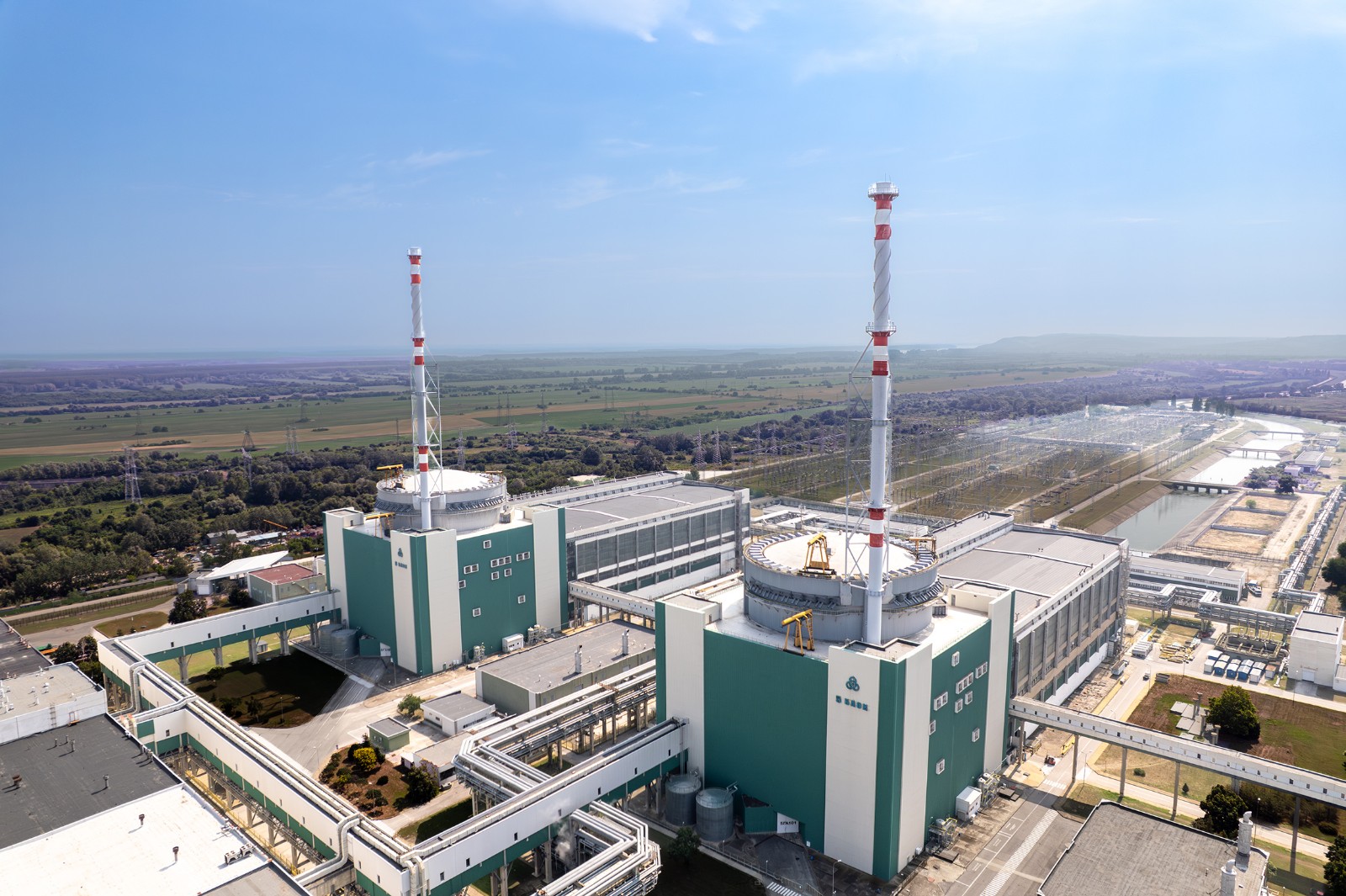
Two Units of Kozloduy NPP Operating at Full Capacity as Scheduled
As of 13:00 on August 11, 2026, the two units of Kozloduy Nuclear Power Plant continue to operate at full capacity in accordance with the power generation schedule. The plant's operating team maintains continuous watch to ensure the safe and stable operation of the relevant facilities. To guarantee the water volume required for the circulating pump station and the technical water cooling system, the plant has implemented technical and organizational measures under existing conditions to maintain the operation of the shore pump station. The technical condition of the relevant facilities requires ongoing attention, and operational parameters are being continuously monitored on site. To optimize water intake conditions, the plant needs to clean the riverbed between the Danube River and the shore pump station. The operation of the shore pumps is being monitored, with flow regulated by adjusting the blade angles; if necessary, further...
2026-08-12

TRISO-X and Oak Ridge National Laboratory Extend Advanced Nuclear Fuel R&D Collaboration
TRISO-X announced on August 11 that it has extended its Collaborative Research and Development Agreement with the U.S. Department of Energy's Oak Ridge National Laboratory (ORNL). The newly signed agreement has a term of 30 months and will continue to advance commercial-scale development of TRISO fuel, manufacturing process optimization, and technology transfer, building on the collaboration established since 2016. TRISO-X is a wholly-owned subsidiary of X-energy, primarily engaged in advanced nuclear fuel manufacturing. Under the agreement, TRISO-X will continue to operate its existing pilot-scale facilities at Oak Ridge National Laboratory, with a focus on transitioning TRISO fuel from laboratory R&D to commercial-scale manufacturing. The collaboration includes optimizing fuel...
2026-08-12
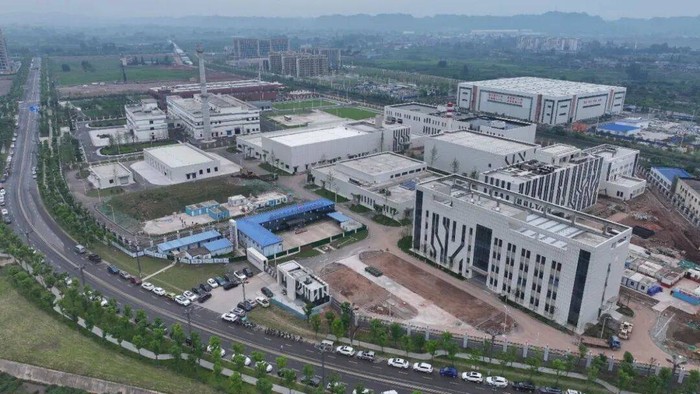
Leshan Accelerates Construction of Medical Isotope Production Base to Promote Domestic Substitution of "Anti-Cancer Nuclear Drugs"
On August 11, at the Leshan special press conference of "Myriad Scenes in Sichuan · Embarking on the '15th Five-Year Plan'", Leshan Mayor Zhao Yingchun stated that Leshan is accelerating the construction of the largest and most comprehensive medical isotope production base in China. Upon completion, the project will help break the foreign monopoly and import dependence on related products, promote the domestic substitution of anti-cancer nuclear drugs, and enable more patients to access domestically produced drugs with lower prices and better efficacy. Zhao Yingchun noted that during the "14th Five-Year Plan" period, Leshan has focused on building the "China Green Silicon Valley", a world-class tourist destination, and a major regional transportation and logistics hub in the province, continuously promoting high-quality development, with its economic output surpassing 250 billion yuan...
2026-08-12
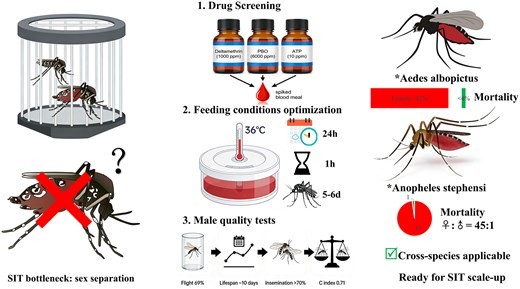
Chinese Team Proposes "Toxic Blood Meal" Pre-Treatment Approach to Boost Sterile Insect Technique for Mosquitoes
Chinese researchers have recently proposed a novel sex-sorting approach for the Sterile Insect Technique (SIT) in mosquitoes: adding a specific agent to the blood meal ingested by female mosquitoes, leveraging the biological difference that female mosquitoes feed on blood while males do not, to substantially reduce the number of females before release. The study was published in the June issue of the Journal of Medical Entomology. The Sterile Insect Technique is a pest population control method centered on radiation-induced sterility. Its basic process involves mass-rearing male target insects in the laboratory, sterilizing them through radiation exposure to render them reproductively incapable, and then releasing them into the field, where they mate with wild females to produce non-viable eggs, thereby suppressing target population growth. This technique has been incorporated into integrated pest management systems and is regarded as a relatively environmentally friendly pest control approach.
2026-08-12

Texas to Accelerate Opening of Sterile Fly Facility to Combat New World Screwworm Outbreak
The U.S. Department of Agriculture announced that, in response to the New World screwworm (NWS) outbreak already detected in Texas and New Mexico, the sterile fly facility at Moore Air Base in Edinburg, Texas, will open early next spring, approximately seven months ahead of the original schedule. Construction on the facility began in April of this year, and once completed, it will produce sterile flies to support outbreak control efforts using the Sterile Insect Technique (SIT). Under the plan, the facility will reach full operational capacity by the end of 2028, producing approximately 300 million sterile flies per week. The Sterile Insect Technique works by releasing sterilized flies into the environment to mate with wild screwworms, thereby interrupting the reproductive cycle and reducing the risk of continued parasite spread...
2026-08-12
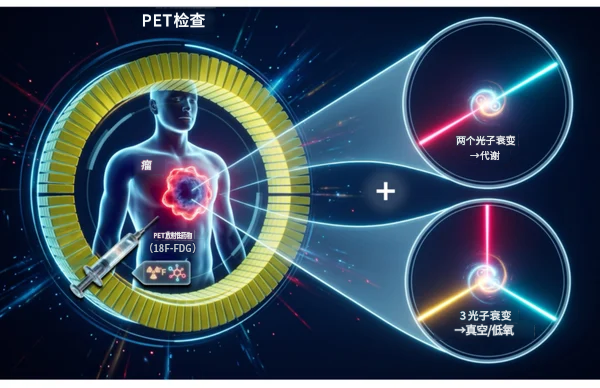
University of Tokyo and University of York Successfully Validate Positronium Ratio Imaging Principle for the First Time
A research team from the Graduate School of Engineering at the University of Tokyo and the University of York in the UK established a novel geometric imaging principle utilizing positron three-photon decay. Using a gamma-ray measurement system comprising scintillators and silicon photomultipliers (SiPMs), along with the existing PET radiopharmaceutical ^18F-FDG, they successfully visualized the positronium three-photon decay ratio for the first time, completing the proof-of-principle for Positronium Ratio Imaging (PRI). The findings were published in *Communications Physics*. Current clinical nuclear medicine PET examinations primarily utilize gamma rays generated from two-photon annihilation between positrons and electrons to visualize drug accumulation in the body. While this method provides quantitative information on metabolism or drug uptake, it offers limited insight into microenvironmental features such as tissue hypoxia, which are closely related to disease malignancy. In recent years, researchers have attempted to obtain additional tissue information through the average lifetime of positronium formed during positron annihilation, but this approach typically requires the introduction of special nuclides or agents, limiting its practical application.
2026-08-12
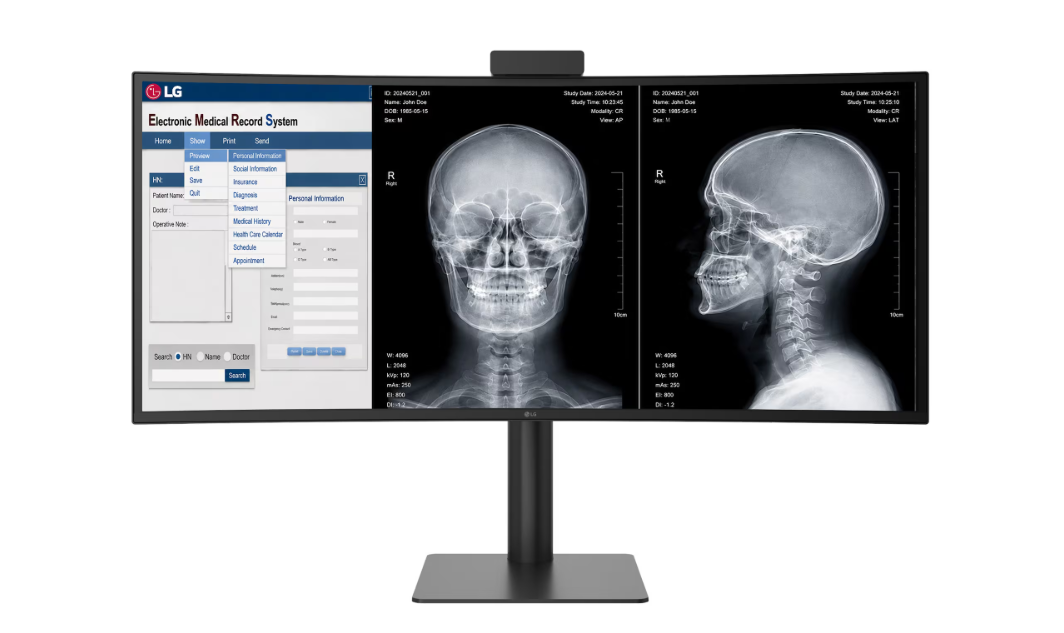
LG Electronics Launches FDA-Approved 40-Inch Diagnostic Monitor for B2B Medical Imaging Market
LG Electronics announced on August 12 that it has launched a new 40-inch diagnostic monitor, the 40HT513D, targeting the business-to-business (B2B) medical display market. The product has received approval from the U.S. Food and Drug Administration (FDA) and is primarily intended for medical image interpretation. According to the company, the 40HT513D features a curved IPS black panel with a 21:9 aspect ratio and a resolution of 5120×2160, delivering approximately 11 million pixels. LG Electronics stated that this design consolidates image reading tasks that previously required three 3-megapixel monitors into a single screen. Physicians can simultaneously view and compare current and historical images from X-ray, CT scans, and MRI scans on the same display...
2026-08-12
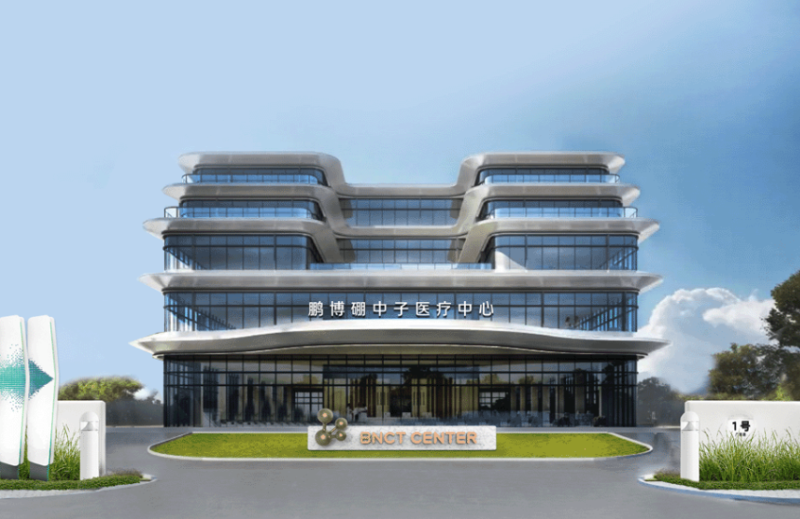
China Bio-Pharma: Enters Cooperation Agreement with Stella Pharma on Boron Neutron Therapy Drug
China Bio-Pharma Holdings Limited announced on August 12 that the company, Pengbo (Hainan) Boron Neutron Medical Technology Co., Ltd., and Japan's Stella Pharma Corporation signed a legally binding Master Cooperation Agreement on August 11, 2026, to jointly advance the development and commercialization of Steboronine in China. Steboronine is described in the announcement as the world's first approved boron neutron therapy drug, applied in Boron Neutron Capture Therapy (BNCT). Under the agreement, the cooperation between the two parties is divided into a development phase and a commercialization phase. During the development phase, the cooperation aims to leverage real-world data, real-world evidence, and real-world studies generated by the China Bio-Pharma Group to facilitate Stella Pharma in obtaining and maintaining, as soon as possible, marketing approval from China's National Medical Products Administration (NMPA) for Steboronine for the treatment of head and neck cancer; after Stella Pharma obtains marketing and manufacturing approval from the Japanese government for Steboronine for meningioma, the relevant China filings may also be extended to the meningioma indication.
2026-08-12