
Search Results
Keyword:Malaysia
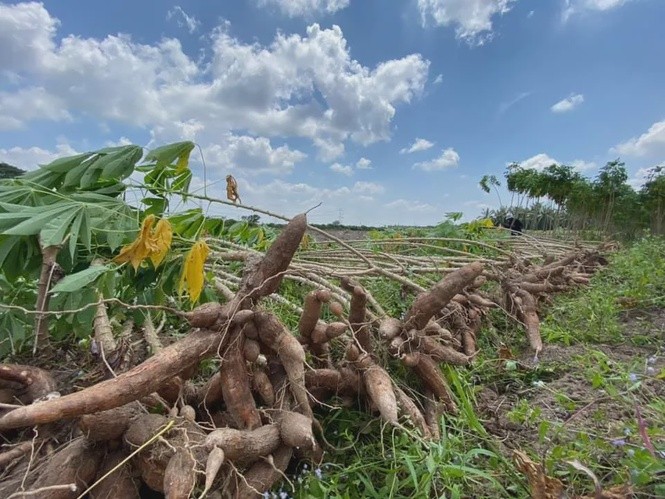
Malaysia Expands Nuclear Radiation Mutation Breeding Applications to Bolster Food Security and Industrial Inspection
Malaysia's nuclear technology applications are extending from traditional fields such as medicine and industry further into agricultural production and food security. Dr. Sukri, Senior Director of Project Management at the Malaysian Nuclear Agency, stated that through research and development using nuclear radiation mutation breeding technology, the agency has shortened the maturation period of cassava from the original 10 to 12 months down to 6 months. Sukri noted that this technological application helps reduce farmers' production costs, improve land use efficiency, and cultivate larger cassava varieties. In addition to cassava, the Malaysian Nuclear Agency, in collaboration with the Ministry of Agriculture and Food Security and the Department of Agriculture, has successfully developed two new rice varieties, NMR 151 and NMR 152. These new varieties feature higher yields and demonstrate strong resistance to diseases, extreme weather conditions such as prolonged drought, and flooding.
2026-09-07
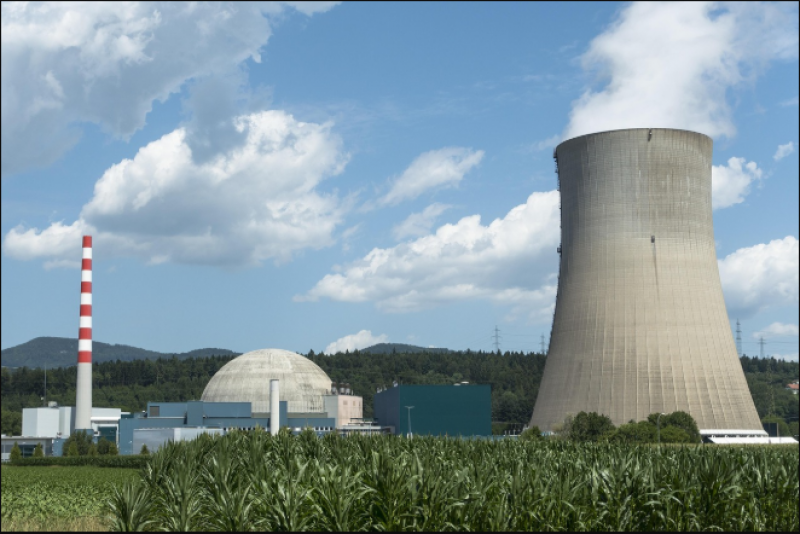
Malaysia Evaluates Inclusion of Nuclear Power in Long-Term Energy Mix
Malaysia is steadily paving the way for the future introduction of nuclear energy into its energy mix. Although such plans are unlikely to materialize in the short term, policy assessments, regulatory preparations, talent development, and business model discussions surrounding civilian nuclear energy have noticeably accelerated. The International Atomic Energy Agency (IAEA) recently held a national workshop in Malaysia to introduce a human resource development model for the nuclear sector, aimed at helping the country forecast future staffing needs and support workforce planning required for nuclear technology applications. In March this year, Malaysian Deputy Prime Minister and Minister of Energy Transition and Water Transformation Fadillah Yusof stated that Malaysia has conducted a comprehensive assessment of a potential nuclear energy program, covering policy formulation, regulatory...
2026-09-07
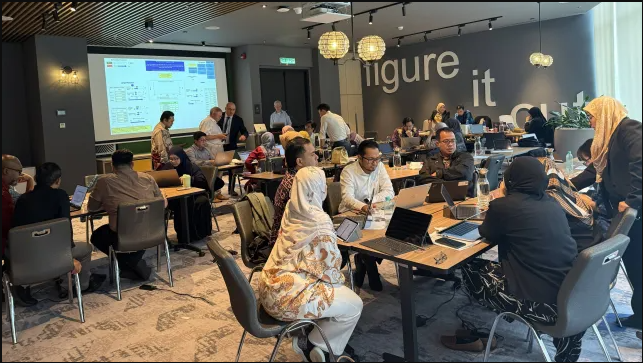
Malaysia Advances Nuclear Energy Workforce Planning Capacity Building
The International Atomic Energy Agency (IAEA) recently held a national workshop on nuclear energy human resource planning in Malaysia to help the country enhance its workforce forecasting and capacity building for existing and future nuclear applications. The workshop was held from 17 to 21 August 2026 over five days, with participants from MyPOWER Corporation, the Malaysian Nuclear Agency, regulatory bodies, national utilities, and academic and training institutions. The five-day workshop was held in Malaysia from 17 to 21 August 2026, with participants including representatives from MyPOWER Corp...
2026-08-27
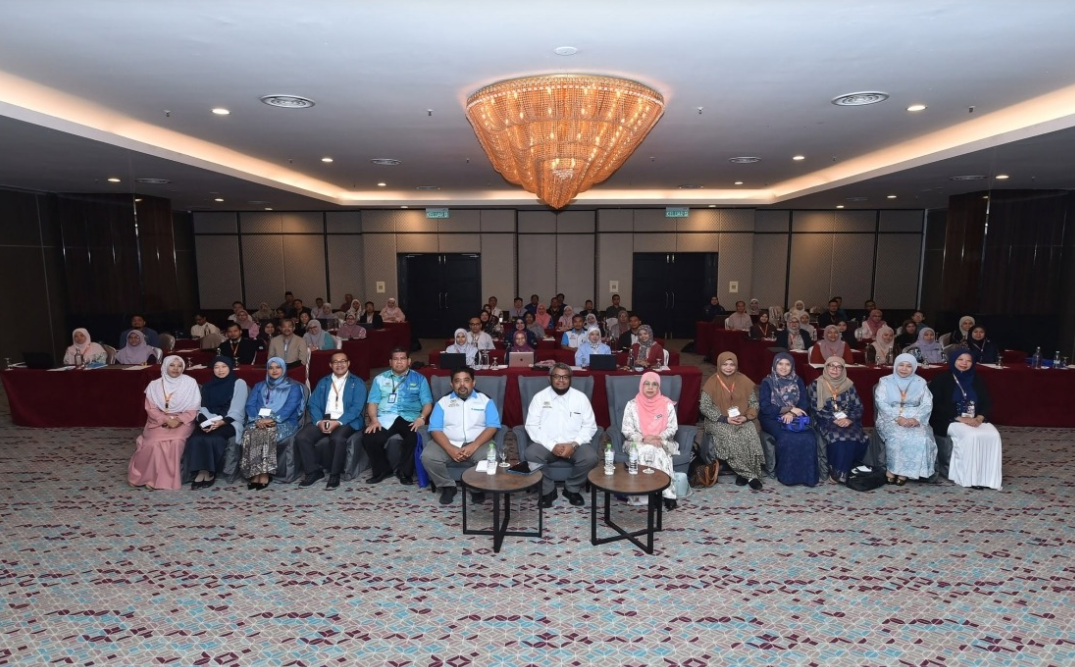
Malaysian Nuclear Agency Strengthens Scientific Writing Training to Promote Dissemination of Nuclear Technology Research Outcomes
On August 18, the Malaysian Nuclear Agency stated that it will continue to enhance the scientific writing and publishing capabilities of its professionals and technical staff, driving research outcomes out of the laboratory to serve society and national development in a broader manner. Dr. Muhamad Rawi Mohamed Zin, Director General of the Malaysian Nuclear Agency, said at the opening of the 2026 Scientific Writing and Publishing Seminar and Workshop that scientific publications are a key indicator of whether research outcomes can promote knowledge advancement, solve practical problems, and create value for national development. High-quality publishing not only helps demonstrate research impact but also enables scientific outcomes to be shared, understood, and applied by a wider audience. This seminar...
2026-08-19
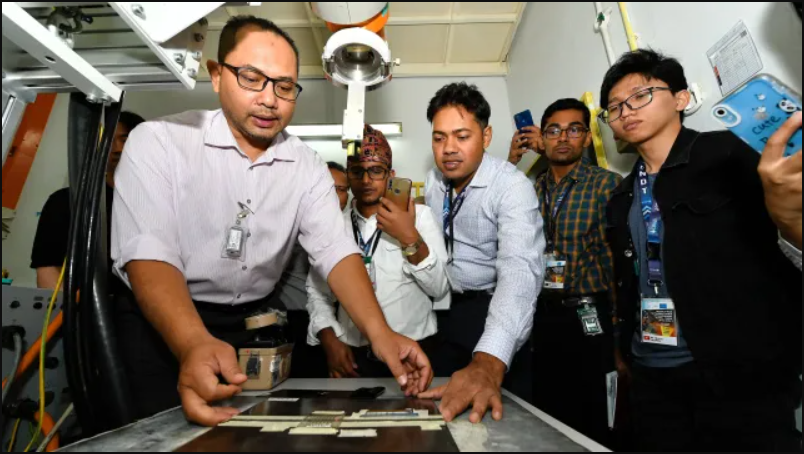
Malaysia's Non-Destructive Testing Capabilities Gain International Recognition, Exporting Training and Technical Services to Asia-Pacific Region
August 7, 2026 - After more than four decades of collaboration with the International Atomic Energy Agency, Malaysia has progressively established a comprehensive non-destructive testing system, evolving from an early reliance on foreign testing services to becoming an influential provider of NDT services and training in the Asia-Pacific region. Trainees participate in a trainer training course in Malaysia to obtain certification in non-destructive testing radiography. (Photo: Nuklear Malaysia) Non-destructive testing is primarily used to assess the integrity of materials and components in industrial facilities and infrastructure, enabling the detection and characterization of defects without damaging the inspected object. This technology is widely applied in industrial quality control, playing a significant role in enhancing facility safety...
2026-08-12

Wang Min, Deputy Director of the China International Nuclear Fusion Energy Program Execution Center, Led a Delegation to Thailand and Malaysia to Attend China-Thailand and China-Malaysia Bilateral Science and Technology Cooperation Consultations on Nuclear Fusion
To fully implement the spirit of China's Belt and Road Initiative, implement the Memorandum of Understanding between China and Thailand on jointly strengthening nuclear fusion exchange and cooperation, and advance research and development cooperation in the field of nuclear fusion between China and Thailand and between China and Malaysia, the China-Thailand and China-Malaysia bilateral science and technology cooperation consultations on nuclear fusion were held in Bangkok and Kuala Lumpur respectively from July 27 to 30. Wang Min, Deputy Director of the Nuclear Fusion Center, led a delegation to attend the meetings. At the China-Thailand consultation, the two sides engaged in in-depth discussions on their respective national fusion research and development progress, how to implement the newly signed Memorandum of Understanding on jointly strengthening nuclear fusion exchange and cooperation, and matters such as jointly conducting fusion physics experimental research, personnel exchange visits, and talent cultivation based on the TT-1 tokamak device donated by China.
2026-08-03
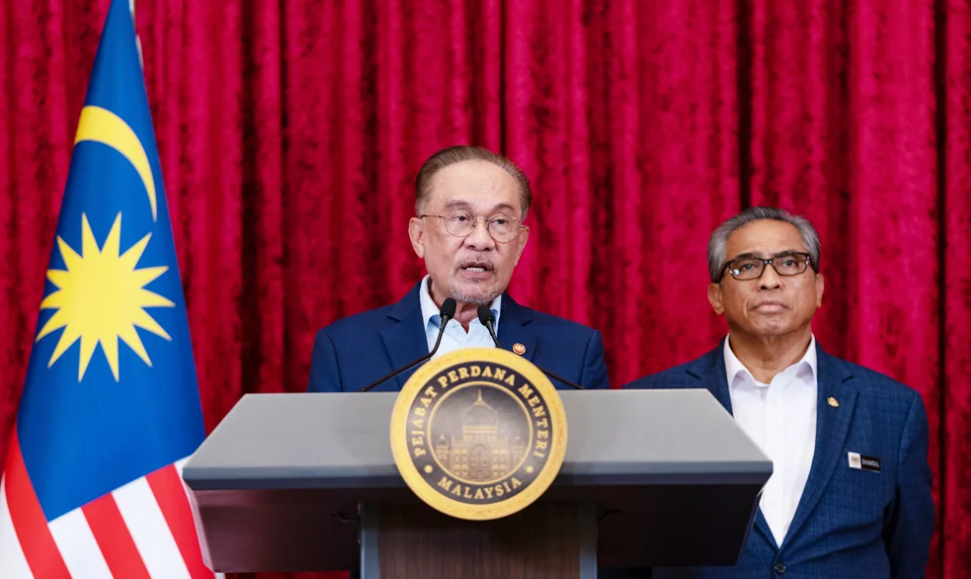
Malaysia Calls on ASEAN to Prioritize Nuclear Energy for Regional Energy Transition
Malaysian Prime Minister Anwar Ibrahim called on ASEAN countries at a regional energy conference not to overlook nuclear energy in the process of energy transition. He pointed out that as the region seeks stable, economical, and reliable energy supplies, nuclear energy deserves greater attention. Currently, although ASEAN member states are actively developing renewable energy sources such as solar and wind power, the focus on nuclear energy is notably insufficient, which is considered a regret. Malaysia has sufficient management experience and technical capabilities to explore options that can contribute to common energy goals. Prime Minister Anwar emphasized that nuclear energy can play a key role in supporting the objectives of the ASEAN Plan of Action for Energy Cooperation, especially in...
2026-07-30