
Search Results
Keyword:NI
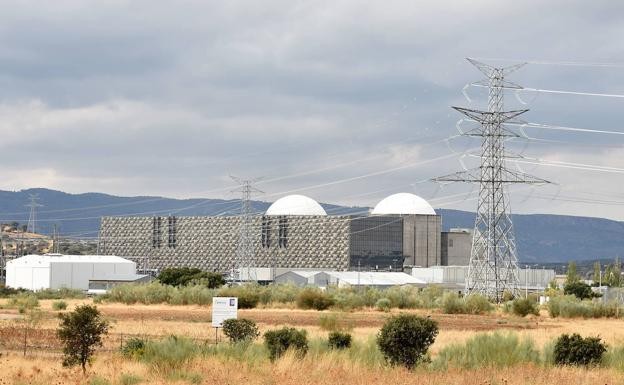
Spain Extends Almaraz Nuclear Power Plant Operation to June 2030
The Spanish government has issued an order in the official gazette extending the operation of the Almaraz nuclear power plant to June 2030. Under Spain's previously established nuclear phase-out schedule, the two units at Almaraz were originally slated to begin decommissioning in 2027 and 2028, respectively. The document indicates that this extension does not alter the decommissioning plans for Spain's other nuclear plants. Spain plans to gradually shut down its five domestic nuclear plants by 2035. However, some analysts believe that, influenced by actual decommissioning arrangements and power system demands, other nuclear plants may also receive life extensions in the future. In April of this year, a large-scale blackout occurred in Spain and Portugal, sparking external...
2026-08-15
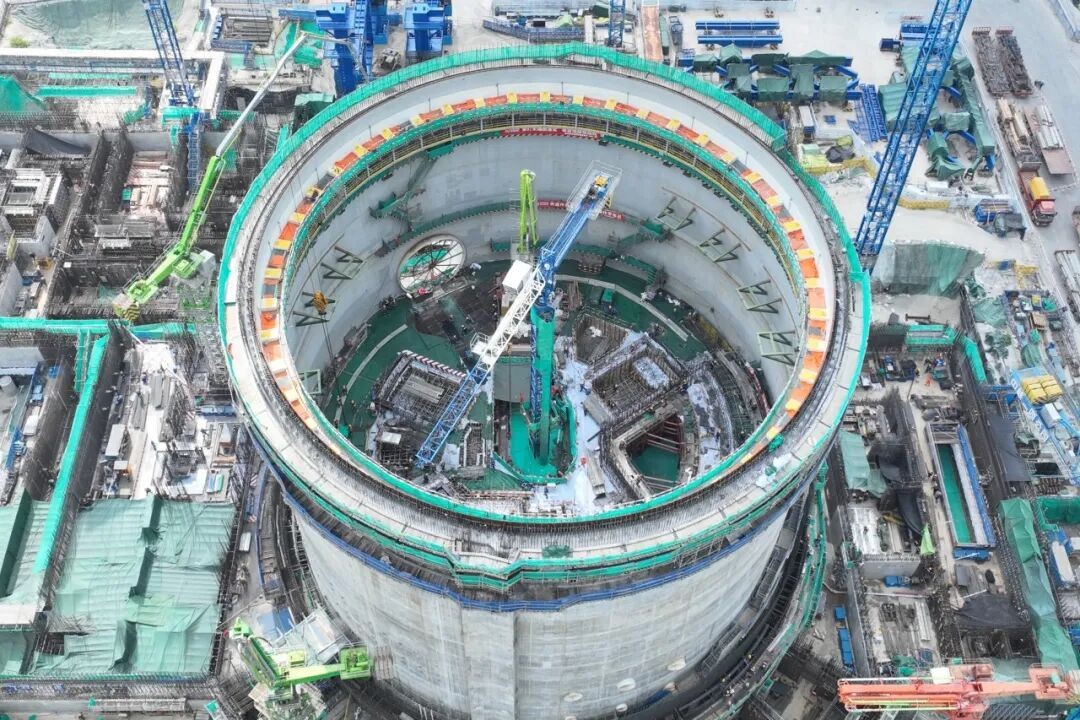
Concrete Placement of the 16.5m Slab in the Reactor Building of Unit 4 at Zhangzhou Nuclear Power Plant Successfully Completed
At 21:58 on August 13, the concrete placement of the 16.5m slab in the internal structure of the reactor building of Unit 4 at Zhangzhou Nuclear Power Plant was successfully completed, with safety and quality under control throughout the process, laying a solid foundation for subsequent key path milestones such as crane availability and inner dome lifting. As the core load-bearing structure within the reactor building, the 16.5m slab of the internal structure serves as the critical support platform for the introduction, positioning, and installation of subsequent large-scale core equipment. The engineering structure features key challenges including large construction volume, staggered elevation differences, modular structural rebar installation, and high-precision installation of owner-supplied items, imposing extremely high requirements on overall construction organization, safety, and quality control. The total concrete volume placed this time was 2,297 cubic meters, with a continuous placement duration of 30.5 hours.
2026-08-15

CGN Medical and West China Hospital of Sichuan University Sign Proton Therapy Innovation Technology Cooperation Agreement
On August 14, the 32nd China International Medical Instruments and Equipment Exhibition & Technology Exchange Conference (China-Hospeq 2026) opened at the China National Convention Center in Beijing. CGN Medical was invited to exhibit under the theme of "Precision Radiotherapy · Nuclear Medicine Empowerment," showcasing achievements in the healthcare sector including the Hezhi® proton therapy system and the Hejia® germanium-gallium generator. The exhibits covered radiotherapy solutions, new medical isotopes, SiPM chips for molecular imaging, radiation protection, and medical device sterilization. On the first day of the exhibition, representatives from relevant departments and institutions visited the CGN Medical booth, learning about CGN's product layout and technological progress in the nuclear medicine field, and showing interest in its efforts in the domestic substitution of high-end medical equipment...
2026-08-15
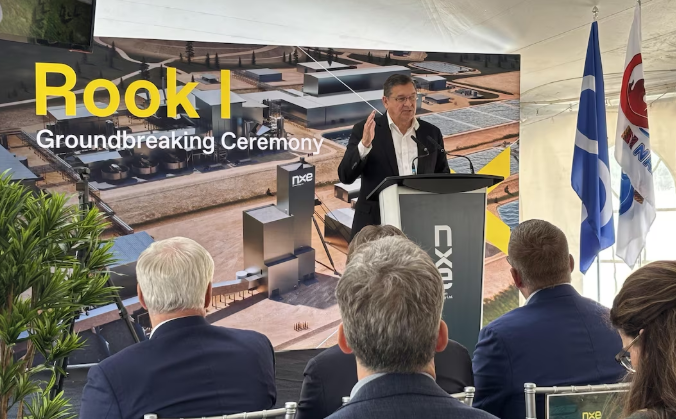
Canada's Rook 1 Uranium Mine Breaks Ground, Could Contribute One-Fifth of Global Uranium Production
The Rook 1 uranium mine project in northern Saskatchewan, Canada, has officially commenced construction. The project, advanced by NexGen Energy, is located south of the Athabasca Basin, approximately 130 kilometers north of La Loche. Saskatchewan Premier Scott Moe, former Canadian Prime Minister Stephen Harper, Secretary of State for Rural Development Buckley Belanger, and local Indigenous representatives attended the groundbreaking ceremony. The total project investment is approximately CAD 2.2 billion, with an expected construction period of four years. External infrastructure work has already begun, shaft sinking is planned for 2027, and the on-site runway will be expanded to 1,780 meters. Rook 1 is regarded as one of the world's largest uranium mine projects. NexGen estimates...
2026-08-14
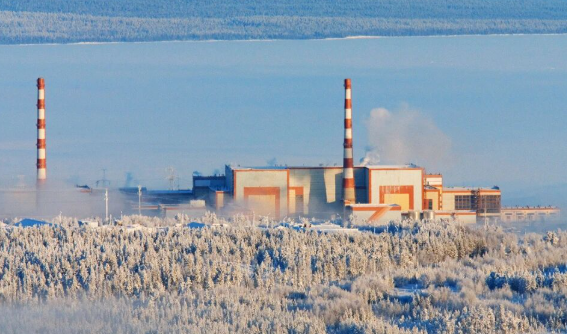
Long-term radiation environment at Kola NPP remains under control: gamma dose rates within natural background levels, 15 permanent observation stations operating since 1972
Long-term monitoring results from the external radiation monitoring group at Russia's Kola Nuclear Power Plant show that gamma radiation dose rates around the plant site have consistently remained within natural background radiation levels, with radionuclide concentrations matching background values, indicating a sound radiation environment with no differences from surrounding areas. The station's radiation safety department collects surface water samples from the discharge canal monthly, with monitoring coverage encompassing all elements including the atmosphere, snow cover, bottom sediments, food products, algae, berries, mushrooms, and caged fish. The monitoring architecture consists of two tiers: 15 permanent environmental observation stations have been in continuous operation since before the commissioning of the first reactor unit in 1972; 13 ASKRO automated radiation environment monitoring system stations provide real-time ground-level gamma dose rate data, which is transmitted directly to the Rosenergoatom crisis center and integrated into the national unified radiation monitoring network. Approximately 200,000 cubic meters of air are drawn weekly through air filtration units to capture radionuclides, with volumetric activity of radioactive iodine also measured. A mobile radiological laboratory performs on-site spectrometric analysis. Annually, about 1,200 environmental samples are collected from around the plant site and delivered to the Polyarnye Zori laboratory, where well water samples analyzed by Canberra spectrometers yield "zero nuclide" results, with samples retained for one year for potential re-analysis. Biological samples are processed using the ashing method, and instrument sensitivity is sometimes insufficient to even detect any signal from the plant's impact.
2026-08-14
Polish Energy Ministry Moves PLN 3 Billion in First Nuclear Power Plant Construction Spending Out of 2026 Budget
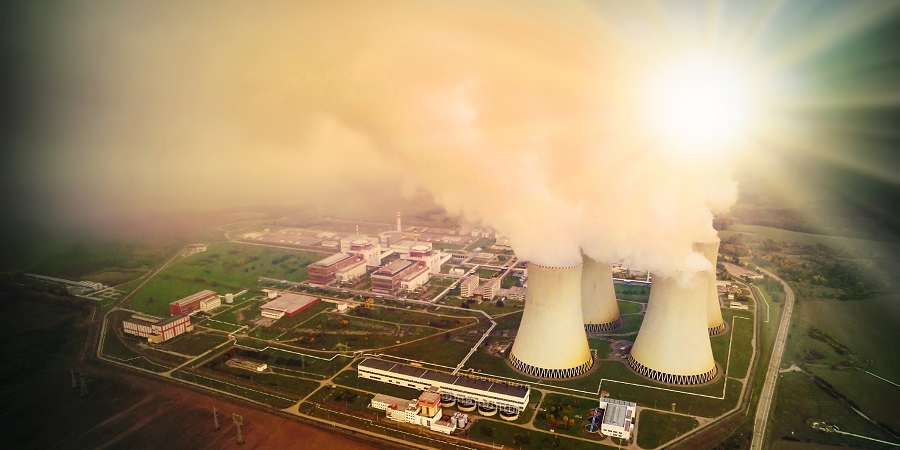
The Polish Energy Ministry has deferred PLN 3 billion in spending earmarked for the construction of the country's first nuclear power plant. This change indicates that while the Polish nuclear power project remains a key component of the national energy strategy, it is facing adjustment pressures in budget execution, engineering preparation, and project milestone alignment during actual implementation. The core context behind Poland's construction of its first nuclear power plant is its long-standing reliance on coal-fired power generation, coupled with the dual constraints of EU emission reduction targets and energy security needs. Developing nuclear power is seen as an important pathway for Poland to reduce its share of fossil fuels, stabilize electricity supply, and decrease dependence on external energy sources. Therefore, changes to the relevant budget are not merely a fiscal arrangement...
2026-08-14
Indian Government Approves INR 133.55 Billion Equity Funding for 6 Nuclear Power Projects Under Construction
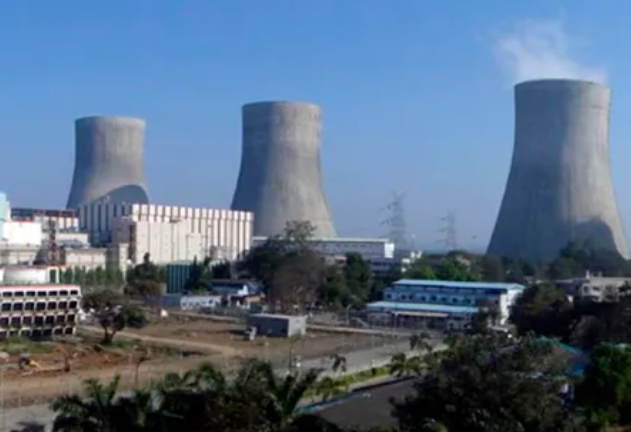
To advance nuclear power construction and meet growing electricity demand, the Indian central government has approved equity funding of INR 133.55 billion (approximately RMB 13.355 billion) for six nuclear power projects under construction, with all funds fully disbursed. This information was disclosed by Dr. Jitendra Singh, Minister of State for Atomic Energy, in a written reply to the Rajya Sabha. Singh noted that multiple technical, supply chain, and global situation factors have caused project delays: significant design modifications required under new safety standards following the Fukushima nuclear accident in Japan; delays in supply of critical equipment; and the impact of the COVID-19 pandemic on construction progress. In addition, disrupted equipment supplies from Russia, financial difficulties faced by contractors after the pandemic, complex geological conditions, and a shortage of skilled workers have also slowed project momentum. The Russia-Ukraine conflict and ongoing geopolitical tensions in West Asia have further affected supply chains.
2026-08-14
Finland's Olkiluoto 3 nuclear reactor reduces output by 450 MW due to fault
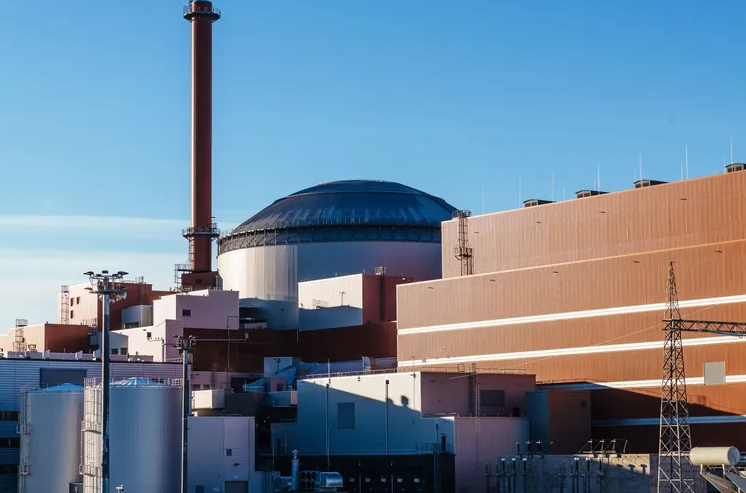
Finland's largest nuclear reactor, Olkiluoto 3 (OL3), is currently operating at a reduced power level of approximately 300 MW. The unit's normal net power output is around 1,600 MW, and its generation accounts for about 14% of Finland's total electricity demand. According to Teollisuuden Voima (TVO), as reported by Tekniikka & Talous, the power reduction is due to a fault in one of the reactor-side circulation pumps. The damaged circulation pump has been repaired and is under monitoring, and the power level of Unit 3 is expected to return to normal on August 18. The circulation pump's function is to circulate cooling water through the reactor core. Meanwhile, Olkiluoto 2 has also been operating at a reduced power level of approximately 155 MW since mid-July...
2026-08-14
Finnish family-owned company Halton Group secures major order for UK's Sizewell C nuclear power project
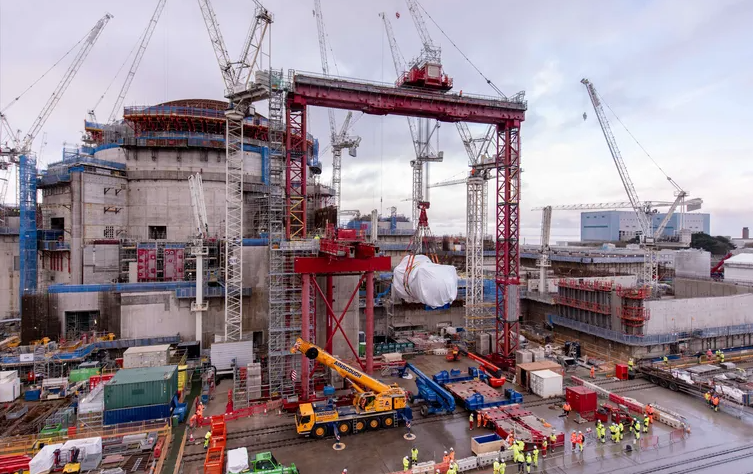
Finnish family-owned company Halton Group has secured a significant order for the UK's Sizewell C nuclear power project, and will supply related equipment or systems for the construction of this large-scale nuclear power plant. The project has an installed capacity of 3.2 gigawatts, with the order value reaching the tens of millions of euros level. For an industrial company from Finland, this is not only a major breakthrough in a single project, but also demonstrates its competitiveness in the supply chain of high-demand energy infrastructure. Sizewell C is one of the key projects advancing the UK's new generation of nuclear power construction. Against the backdrop of Europe's energy structure adjustment and rising demand for low-carbon electricity, large-scale nuclear power plants have once again become an option for multiple countries to ensure power security and meet emission reduction targets.
2026-08-14
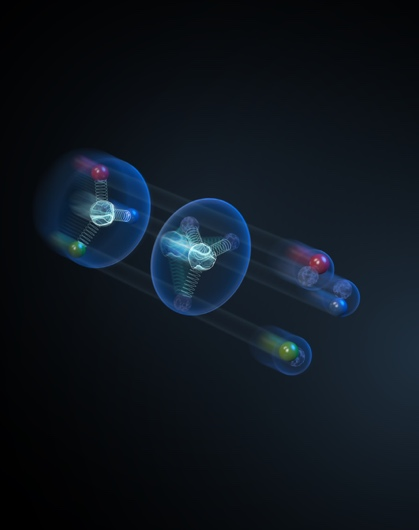
USTC Team Participates in STAR Experiment, Discovering Possible "Y"-Shaped Gluon Junction Inside Nucleons
The University of Science and Technology of China, together with Kent State University and Brookhaven National Laboratory, played a leading role in the STAR international collaboration. Through precise measurements of net baryon number and net charge in high-energy nucleus-nucleus collision experiments, they discovered an exotic structure inside nucleons that may overturn fundamental understanding of nucleon internal structure. In the early morning of August 14, the results were published online in the journal Science under the title "Tracking the baryon number with nuclear collisions." Nucleons are the fundamental particles that make up the material world, carrying more than 99% of the mass of the visible matter in the universe. Understanding the internal structure of nucleons is of paramount importance for understanding the fundamental constituents and fundamental interactions of the material world.
2026-08-14
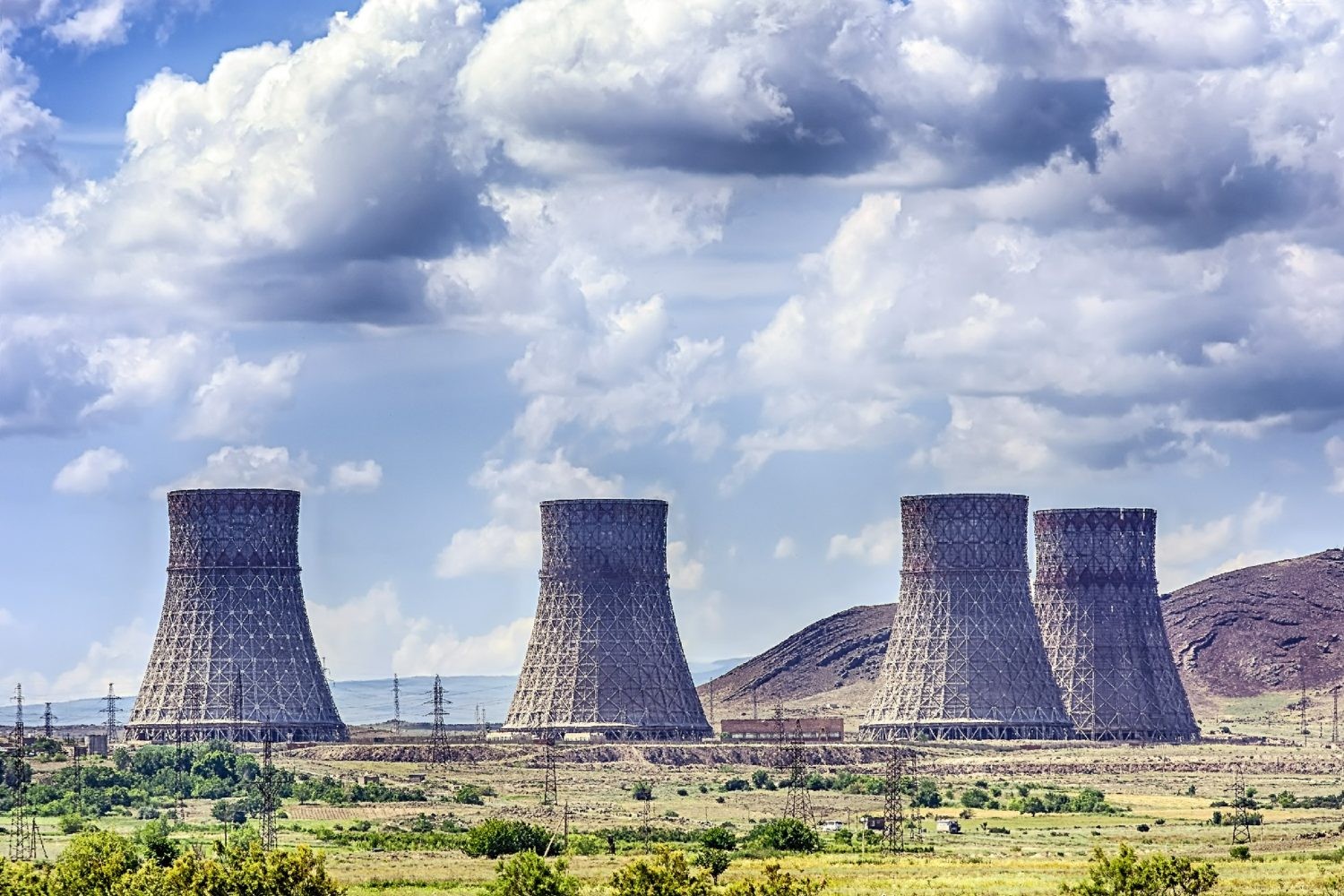
Armenia Responds to Claims of Metsamor NPP Closure: Operating License Valid Until 2036
In response to Azerbaijani President Ilham Aliyev's claims that the Metsamor Nuclear Power Plant is outdated and could pose a potential threat to the region, Arman Yeghoyan, a lawmaker from Armenia's ruling Civil Contract party, stated that the operating lifetime of a nuclear power plant is not unilaterally determined by the governments of neighboring countries. Yeghoyan noted that every nuclear power plant has an established operating period, and the Metsamor NPP is currently authorized to operate for a maximum term extending to 2036, information that has long been public. He also stated that the Armenian side has announced it is studying options for building a new nuclear power plant...
2026-08-14
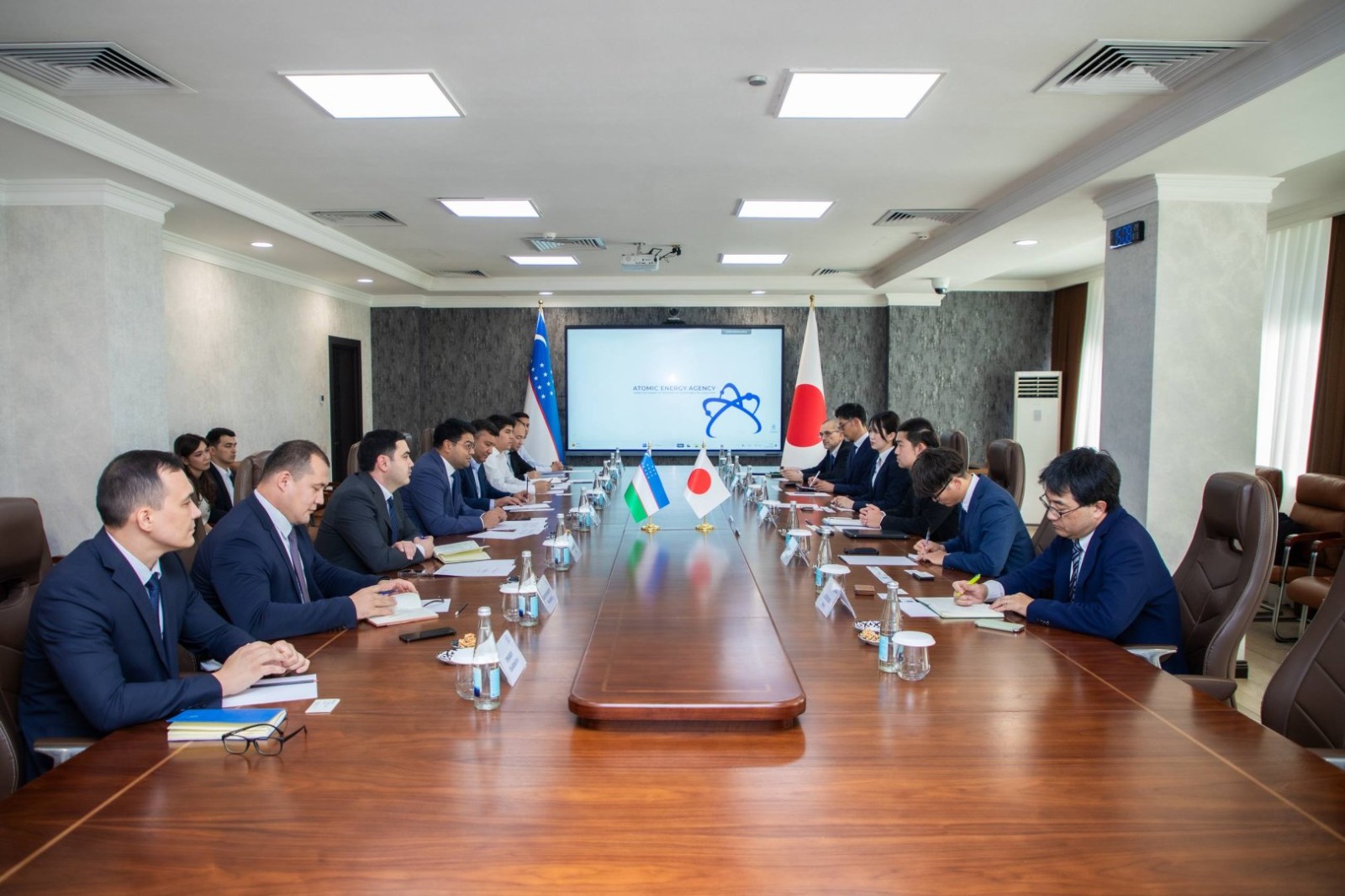
Uzbekistan and Japan Discuss Expanding Cooperation in Peaceful Uses of Nuclear Energy
The Atomic Energy Agency of Uzbekistan recently held talks with a Japanese delegation, with both sides exchanging views on expanding cooperation in the peaceful uses of nuclear energy, focusing on nuclear technology, joint projects in related industries, and energy security cooperation. The Japanese delegation comprised representatives from Japan's Ministry of Economy, Trade and Industry (METI), the Japan Organization for Metals and Energy Security (JOGMEC), and ITOCHU Corporation, led by Abe Yoshimitsu, Deputy Director of the Nuclear Energy International Cooperation Office at METI. During the talks, both sides explored possibilities for advancing cooperation in nuclear technology applications, collaboration in related industries, and experience exchange. The Japanese side expressed its willingness to continue dialogue with Uzbekistan in the peaceful uses of nuclear energy on the basis of mutual respect and common interests, and to promote practical cooperation. The Atomic Energy Agency of Uzbekistan (Uzatom) stated that it would continue to expand international cooperation with countries and organizations possessing experience in the peaceful application of nuclear technology. Uzbekistan and Japan already have a foundation for cooperation in the nuclear energy and uranium resource sectors. ITOCHU Corporation previously signed a uranium concentrate supply agreement with Navoi Mining and Metallurgy Combinat, and JOGMEC has also been involved in the development of uranium deposits in Uzbekistan. In December 2025, during Uzbek President Shavkat Mirziyoyev's visit to Japan, both sides confirmed directions for expanding cooperation, including the export of critical minerals and the introduction of advanced technologies. The current talks continue the momentum of bilateral cooperation in the energy and resource sectors.
2026-08-14

Russian Scientists Develop Bioluminescent Bacterial Bioassay for Screening Safe Low-Dose Radiation Levels in Animals
Russian researchers have developed a rapid bioassay method based on bioluminescent bacteria that can be used to assess safe dose ranges of ionizing radiation for animals, providing an early screening tool for low-dose radiation applications in livestock farming. The study involved researchers from the Institute of Biophysics of the Siberian Branch of the Russian Academy of Sciences, Siberian Federal University, and Krasnoyarsk State Agrarian University. The research team noted that low-dose ionizing radiation ranging from tens to hundreds of milligrays (mGy) may activate a series of physiological processes in animals, including metabolism, growth, and biomass accumulation; however, if the dose exceeds the safe range, it may cause physiological...
2026-08-14
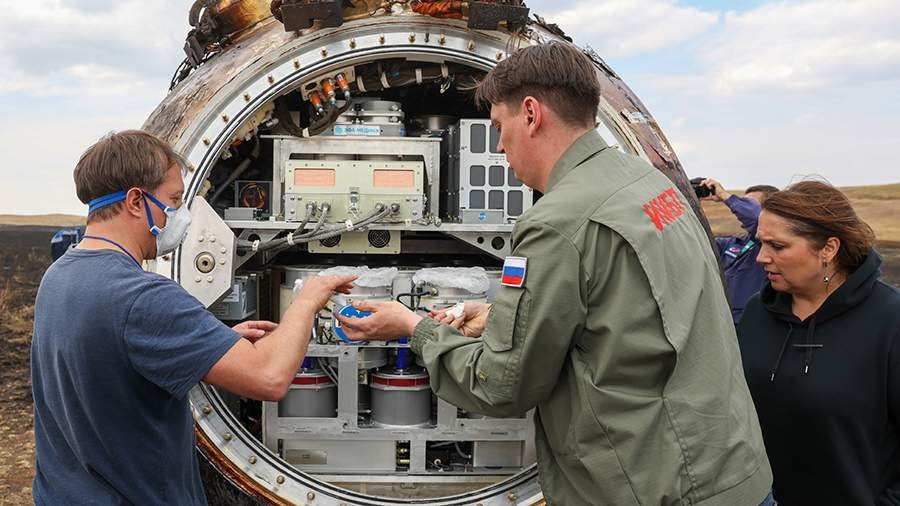
Russia's Bion-M 3 spacecraft planned for launch in 2030 to study effects of cosmic radiation on living organisms
Russia plans to launch the new Bion-M 3 spacecraft in 2030 to study the effects of cosmic radiation on living organisms under conditions similar to deep space. Vladimir Sychev, a senior official at the Institute of Biomedical Problems of the Russian Academy of Sciences, presented the plan at a meeting of the Presidium of the Russian Academy of Sciences' Space Council on August 4. Sychev stated that cosmic rays, solar proton events, and their effects on the human body are critical issues that must be understood when planning long-term interplanetary crewed missions. Participants have endorsed the draft scientific research program for the spacecraft's flight testing. According to the plan, Bion-M 3 will be placed into a polar orbit at an altitude of approximately 800 kilometers...
2026-08-14
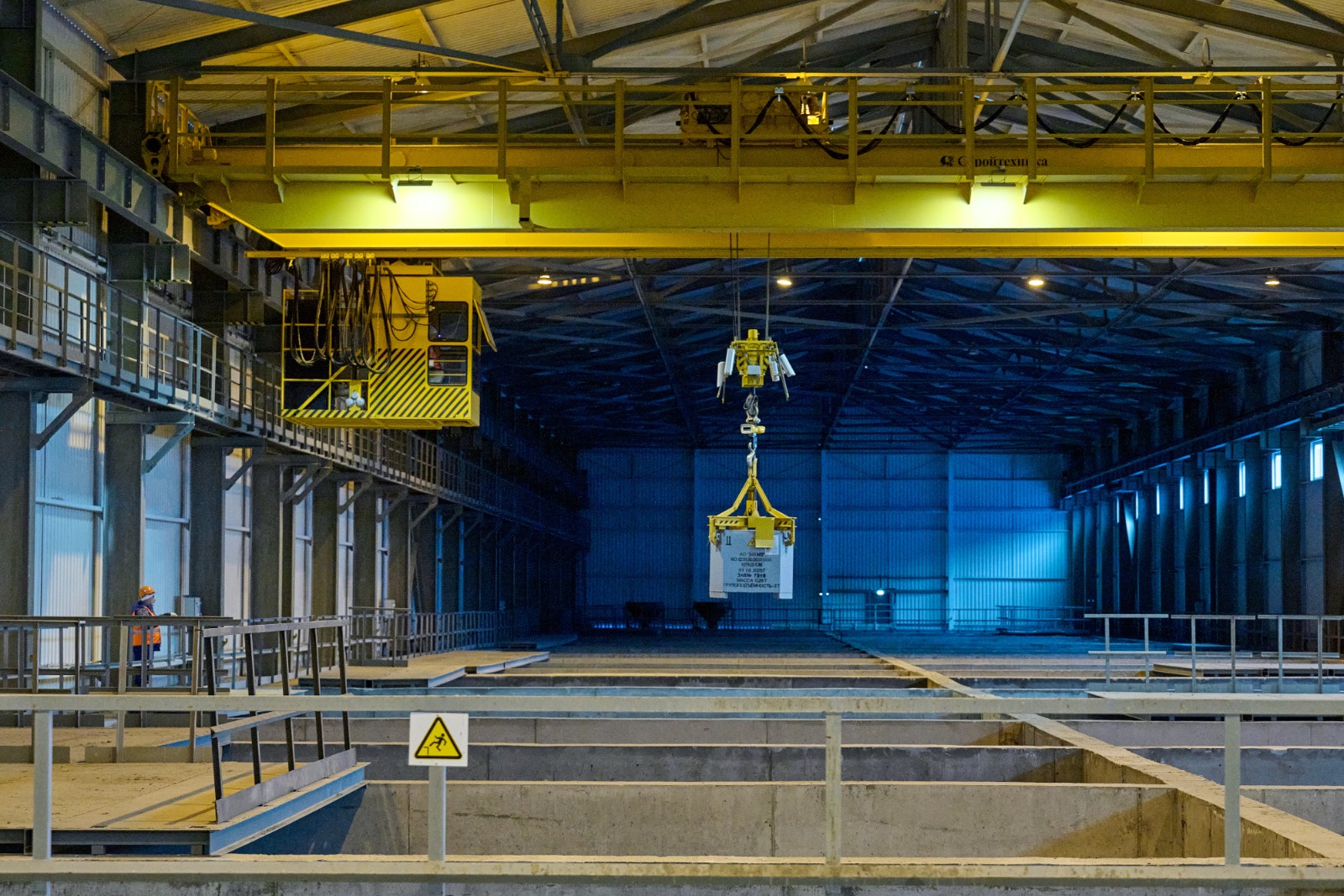
Rosatom and Lomonosov Moscow State University to Co-Host Seminar on Radioactive Waste Safety Barriers
From October 19 to 22, 2026, Lomonosov Moscow State University will host a scientific and technical seminar on the creation and monitoring of safety barriers at its sports complex. The event is jointly organized by Lomonosov Moscow State University, the Russian National Operator for Radioactive Waste Management (FSUE NO RAO), a subsidiary of Rosatom, and the Pilot Demonstration Center for Decommissioning of Uranium-Graphite Nuclear Reactors (JSC PDC UGR). The seminar focuses on the development of technologies for the creation, reconstruction, and control of engineered safety barriers. Topics include the evolution of design concepts for engineered safety barriers, selection and justification of barriers for special radioactive waste disposal and storage facilities, patterns of clay barrier material transformation and their role in safety justification for long-term radioactive waste disposal, incoming inspection of clay barrier materials during nuclear facility decommissioning, and surveys of completed barriers using various geophysical methods. Experts will also exchange views on new technologies and materials required for safety barrier construction.
2026-08-14