
Search Results
Keyword:NI
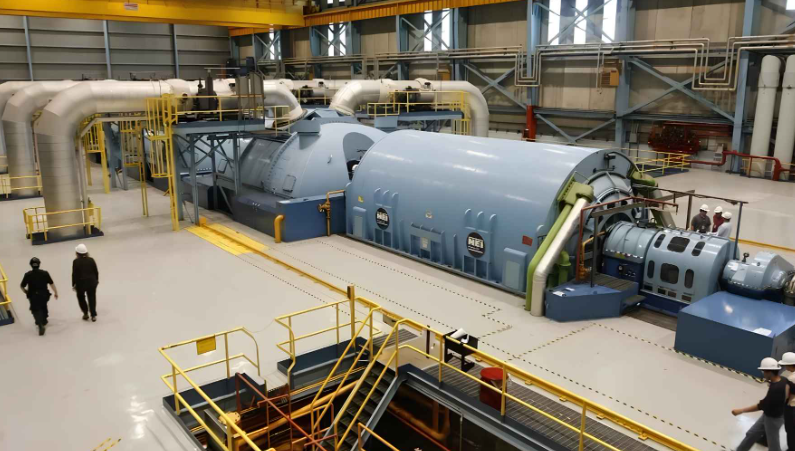
Canadian laboratory validates molten salt separation process with real spent fuel, extracting nearly 90% of plutonium in 24 hours
A chemical experiment in Canada involving real commercial reactor spent fuel has achieved noteworthy progress. Canadian Nuclear Laboratories, in shielded hot cells at Chalk River, used irradiated spent fuel from CANDU reactors to validate the first phase of Moltex Energy's waste-to-stable-salt process. The experiment showed that within 24 hours, 89.4% of the plutonium was transferred into the molten salt; by 60 hours, this proportion rose to 94.3%. Meanwhile, the vast majority of uranium remained outside the salt phase, indicating that the process exhibits strong selectivity in separating target elements. This process, named WATSS, is not a plutonium purification route but rather a group separation technology. In addition to large quantities of uranium, spent fuel contains fission products as well as transuranic elements such as plutonium and americium, the latter being a significant source of long-term radiological risk. WATSS uses high-temperature chloride molten salt and specific reducing metals to convert transuranic oxides into salt-soluble forms, while most uranium oxides remain solid. In this experiment, researchers used niobium as the reducing metal; after 24 hours, only 0.05% of uranium entered the salt, dropping to 0.02% after 60 hours, demonstrating that it does not carry large amounts of uranium into the molten salt system.
2026-08-09
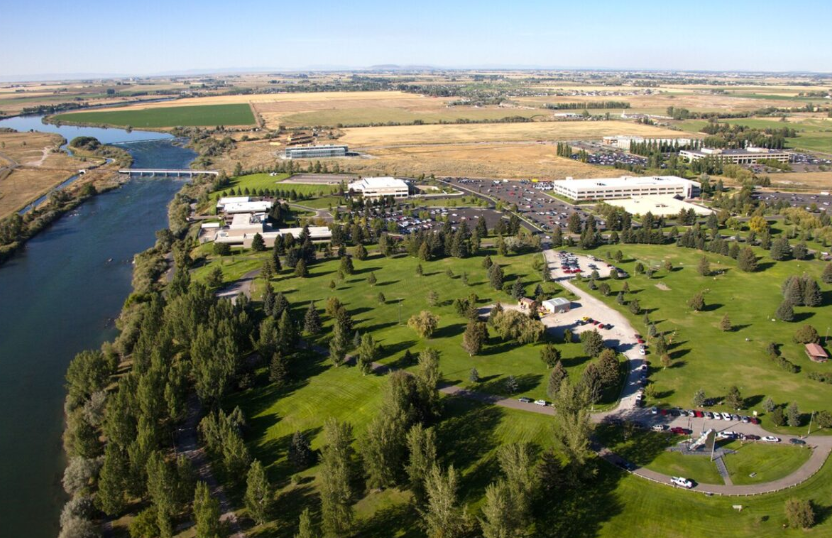
Three Los Angeles Companies Race in Portable Nuclear Power Sector
Southern California is emerging as a key testing ground for portable nuclear power technology. Three companies from the Los Angeles area—Valar Atomics in El Segundo, Antares Nuclear in Torrance, and Radiant Industries, also based in El Segundo—have joined federally backed pilot projects for portable nuclear power plants. These small-scale nuclear generating units are designed for rapid transport, deployment, and activation, with target scenarios including remote disaster zones, military bases, off-grid facilities, and even future deep-space missions. The reactors from Valar Atomics and Antares Nuclear achieved self-sustaining nuclear reactions before the July 4 government deadline, demonstrating their potential for rapid deployment...
2026-08-09
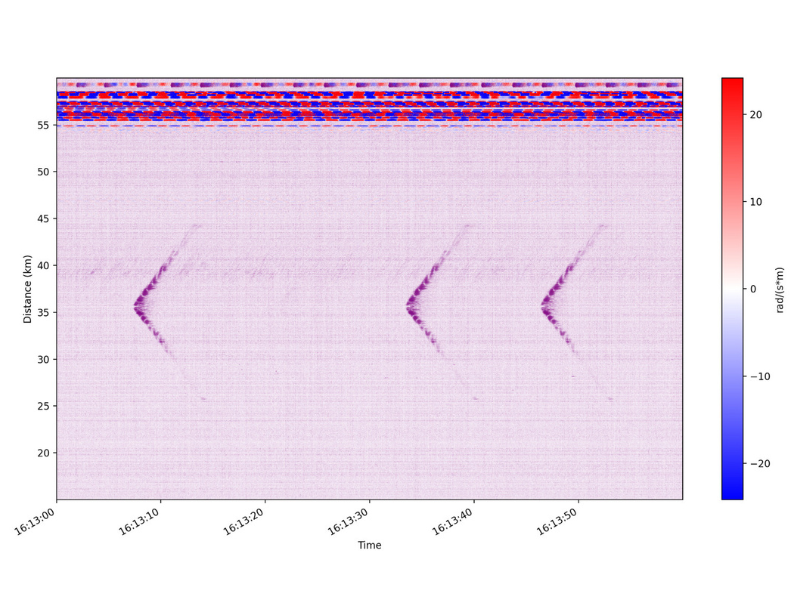
Italian Neutrino Telescope Undersea Network Captures Fin Whale Songs
August 5 news, after months of silence, fin whale songs have once again been recorded in the southern Ionian Sea. This observation was jointly completed by multiple experiments connected to the underwater infrastructure of the Southern National Laboratory of the Italian National Institute for Nuclear Physics (LNS-INFN), involving three projects: ITINERIS, LOWNOISER, and VONGOLA. The related work was carried out with the participation of LNS-INFN and the Sicilian Center for Nuclear Physics and Structure of Matter (CSFNSM). The detection occurred in late winter. At that time, the eastern Mediterranean region was affected by strong anthropogenic noise from a long-term geophysical survey of offshore oil and gas resources, and only weeks had passed since the transit of Hurricane Harry. Researchers identified fin whale signals amid the complex acoustic background...
2026-08-09
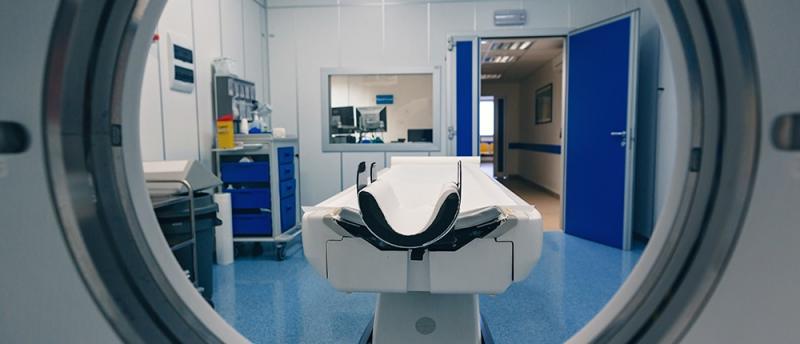
DXA Screening Among U.S. Medicare Population Declines 35% Over Nearly Two Decades
A new study shows that between 2005 and 2023, the rate of dual-energy X-ray absorptiometry (DXA) examinations among U.S. Medicare beneficiaries declined significantly, by 35%. DXA is commonly used for bone density testing and osteoporosis-related screening, and the findings suggest that disparities in screening access across different populations are widening. Researchers analyzed claims data from more than 5 million Medicare beneficiaries. The results showed that DXA utilization fell from 7,255 exams per 100,000 beneficiaries in 2005 to 4,690 per 100,000 beneficiaries in 2023. The study was published in Osteoporosis International. The decline was not uniform across populations...
2026-08-08
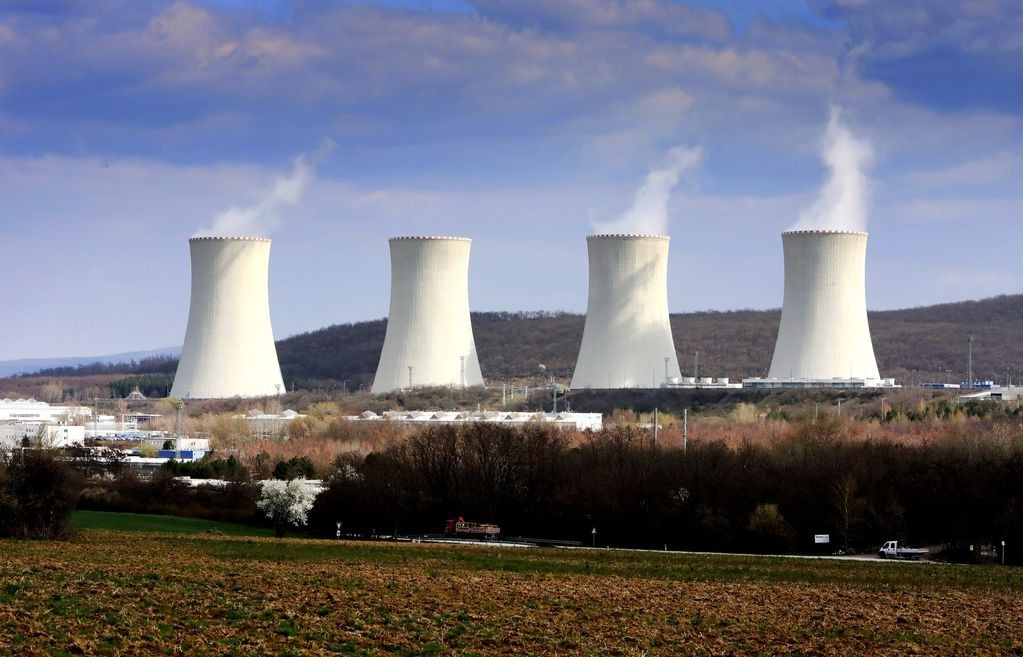
Unit 4 of Slovakia's Mochovce Nuclear Power Plant Reaches First Criticality
Slovenské Elektrárne stated that Unit 4 of the Mochovce Nuclear Power Plant reached first reactor criticality at 22:10 local time on August 6, and achieved minimum controllable power at 22:31. This is a key milestone in the pre-commissioning work of the unit, indicating that the reactor is ready for subsequent testing. First criticality refers to the first time the nuclear fuel in the core achieves a self-sustaining fission chain reaction. Slovenské Elektrárne stated that first criticality and reaching minimum controllable power are important steps in the commissioning process of a nuclear power plant, used to confirm the unit's readiness to enter the next phase of testing...
2026-08-08
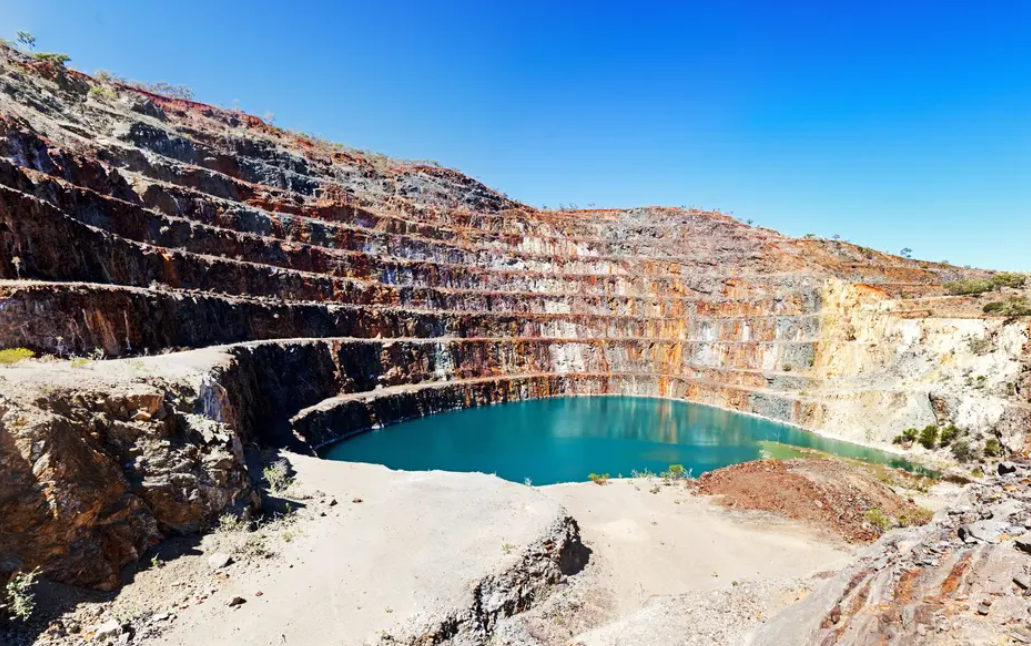
Eagle Nuclear Energy Advances 47-Hole Pre-Feasibility Drilling at Aurora Uranium Project
Against the backdrop of rebuilding a domestic U.S. uranium supply chain, newly listed Eagle Nuclear Energy Corp. has entered the industry spotlight with what it claims to be the largest conventional measured+indicated uranium resource in the country. Its flagship Aurora uranium project, located on the Oregon-Nevada border, contains 32.75 million pounds of indicated resources and 4.98 million pounds of inferred resources under S-K 1300 standards. The company has submitted permit applications for a pre-feasibility drilling program comprising 47 holes totaling approximately 27,000 feet, with work slated to begin upon federal and state approvals and pre-feasibility study completion targeted for the second half of 2027. On the technical front, the company recently added Yukuskokon Professional Services and expanded its collaboration with BBA USA and SLR I...
2026-08-08
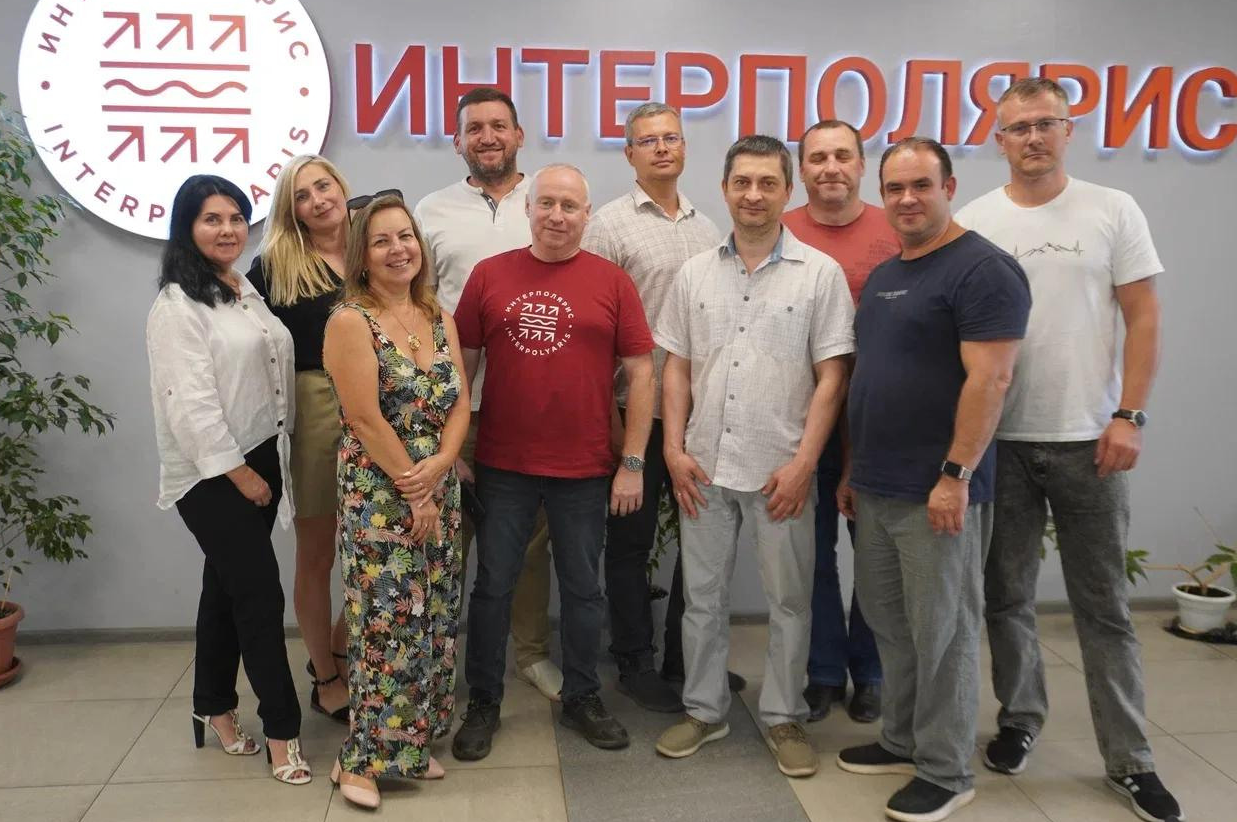
Russian Company InterPolaris Completes Testing of Heat Exchangers and Mechanical Filters for Nuclear-Powered Icebreakers
Russian company InterPolaris has achieved a significant milestone in the manufacturing project of equipment for nuclear-powered icebreakers, successfully completing tests on two shell-and-tube heat exchangers and two mechanical filters. These units are designed for the specific operating environment of nuclear-powered icebreakers, and passing the tests means the products meet design requirements in terms of strength, sealing, stability, and long-term service capability. The shell-and-tube heat exchangers that passed verification are primarily used to heat water containing decontamination solutions using heating steam. Although this is a common heat exchange process in principle, in the icebreaker application scenario, the equipment must meet requirements far exceeding ordinary industrial standards. This horizontally arranged equipment is designed with consideration for continuous operation under prolonged ship listing conditions, with fixed structures capable of withstanding loads from various directions, and is required to maintain stable parameters and reliable sealing under complex sea conditions and operating regimes.
2026-08-09
Thorium Atomics Initiates Pre-Application Regulatory Engagement with U.S. Regulators for Tesseract TGR Reactor
On August 7, Thorium Atomics announced that it has initiated pre-application regulatory engagement with the U.S. Nuclear Regulatory Commission (NRC) for its Tesseract TGR advanced reactor project. Prior to this, the company submitted a letter of intent to the NRC outlining the technical and licensing discussions it plans to conduct with regulators in the future. Thorium Atomics submitted the letter of intent on June 23, 2026. The NRC subsequently responded by letter on July 24, 2026, confirming the assignment of project number 99902174 for the Tesseract TGR project and designating a project manager from the Office of Advanced Reactors to coordinate pre-application activities. This number will be used for the administrative management and tracking of future correspondence, meetings, submissions...
2026-08-08
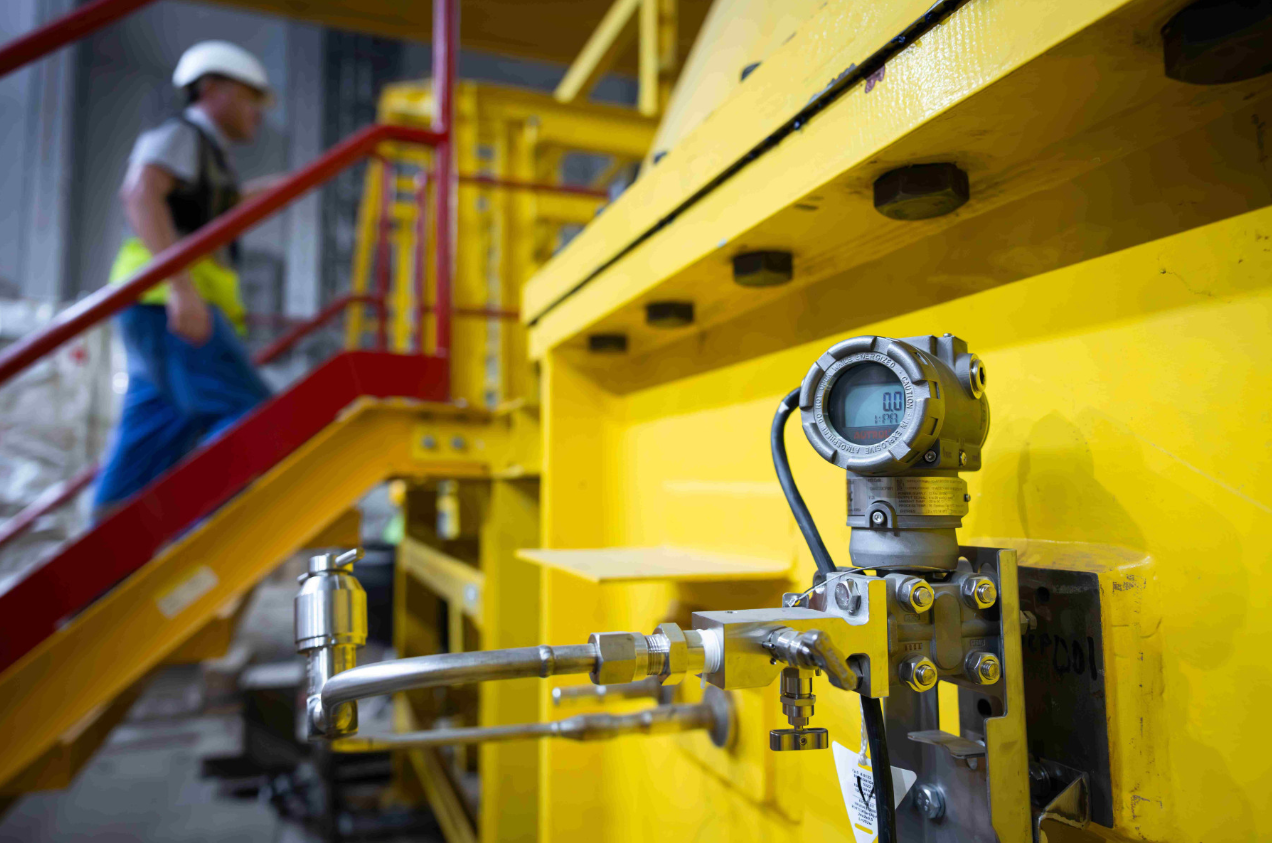
Vacuum test of the turbine condenser at Unit 1 of Akkuyu NPP successfully completed
The vacuum test of the turbine condenser at Unit 1 of Turkey's Akkuyu NPP, built by Rosatom, has been completed. The operation confirmed that the main systems of the turbine unit are ready for the next stage of commissioning. During the test, technicians established the required negative pressure in the condenser, checked the tightness of the vacuum system and the thermomechanical condition of the turbine, while monitoring parameters such as condenser vacuum, steam pressure, bearing temperatures, and thermal expansion of the casing and rotor. During the turning gear rotation of the turbine, the proper operation of the flow path (blades) was confirmed. Systems involved in the operation included: start-up boiler house boilers, vacuum system, bearing lubrication system, hydraulic jacking oil system, main turning gear, steam supply and extraction systems, as well as the equipment thermomechanical condition monitoring system.
2026-08-08
228 Research Reactors Worldwide in Operation, Supporting Medical Isotope Production and Neutron Science Innovation
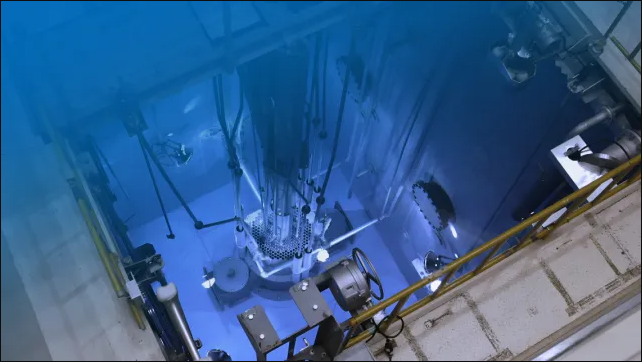
According to the International Atomic Energy Agency on August 7, research reactors continue to drive innovation in science, medicine, and industry worldwide. Currently, 228 research reactors are in operation across 54 countries, with another 23 under construction or in the planning stage. Unlike nuclear reactors used for power generation, these reactors primarily produce neutrons to support medical, industrial, agricultural, geological, forensic, and nuclear science research. A research reactor pool photographed from above. (Photo: IAEA) In the medical field, research reactors are a vital source of medical radioisotopes. Among them, technetium-99m is widely used for diagnosing cancer and diseases of the heart, brain, and bones; a large number of medical diagnostic and therapeutic procedures worldwide rely on this isotope. Other radioisotopes such as iodine-131 are also used in the treatment of cancer and thyroid diseases. The IAEA states that radioisotopes produced by research reactors serve millions of patients globally and are an essential component of modern nuclear medicine systems.
2026-08-09

Indian Parliamentary Committee Emphasizes Urgency of Accelerating Uranium Mining Projects
On August 7, 2026, the Indian Parliamentary Committee on Public Undertakings noted in its report on nuclear power expansion progress that India's uranium mining project expansion needs to be accelerated. DAE has committed UCIL to doubling production by 2036 through enhancing existing capacity and new projects in Jharkhand, Rajasthan, and Chhattisgarh, but the committee considers this timeline too late—NPCIL's installed capacity will surge significantly over the next decade, and delays in mining clusters would prolong the strategic vulnerability period of imported fuel. Currently, PHWR units of approximately 25 GWe require about 5,400 tonnes of U3O8 annually, with UCIL able to meet only about 30% of that demand; accelerated domestic production and diversified supply are needed to reduce import dependence. The committee supports UCIL forming a joint venture with NTPC to acquire equity stakes in overseas uranium assets...
2026-08-08

Cancer Cryoablation Treatments at Southeast Region Nuclear Medicine Center in Korea Exceed 100 Cases
The Southeast Region Nuclear Medicine Center announced on August 8 that since introducing cancer cryoablation in 2024, the center has completed over 100 related procedures, providing treatment to a total of 104 cancer patients. Cryoablation is a minimally invasive tumor treatment method. During the procedure, doctors insert a thin treatment needle precisely into the tumor site under CT or ultrasound imaging guidance, freezing the lesion at ultra-low temperatures of minus 40 degrees Celsius or lower to cause cancer cell necrosis. As the low-temperature freezing itself has a certain anesthetic effect, this technique helps reduce patient pain, minimize damage to surrounding normal tissues, and promote faster postoperative recovery. According to the center, among the patients treated so far, there are 58 cases of liver cancer and liver metastases, 17 cases of primary lung cancer, recurrent lung cancer, and lung metastases, and 29 cases of renal cancer. Among them, 8 patients underwent treatment for two lesions simultaneously in a single procedure. Liver...
2026-08-08
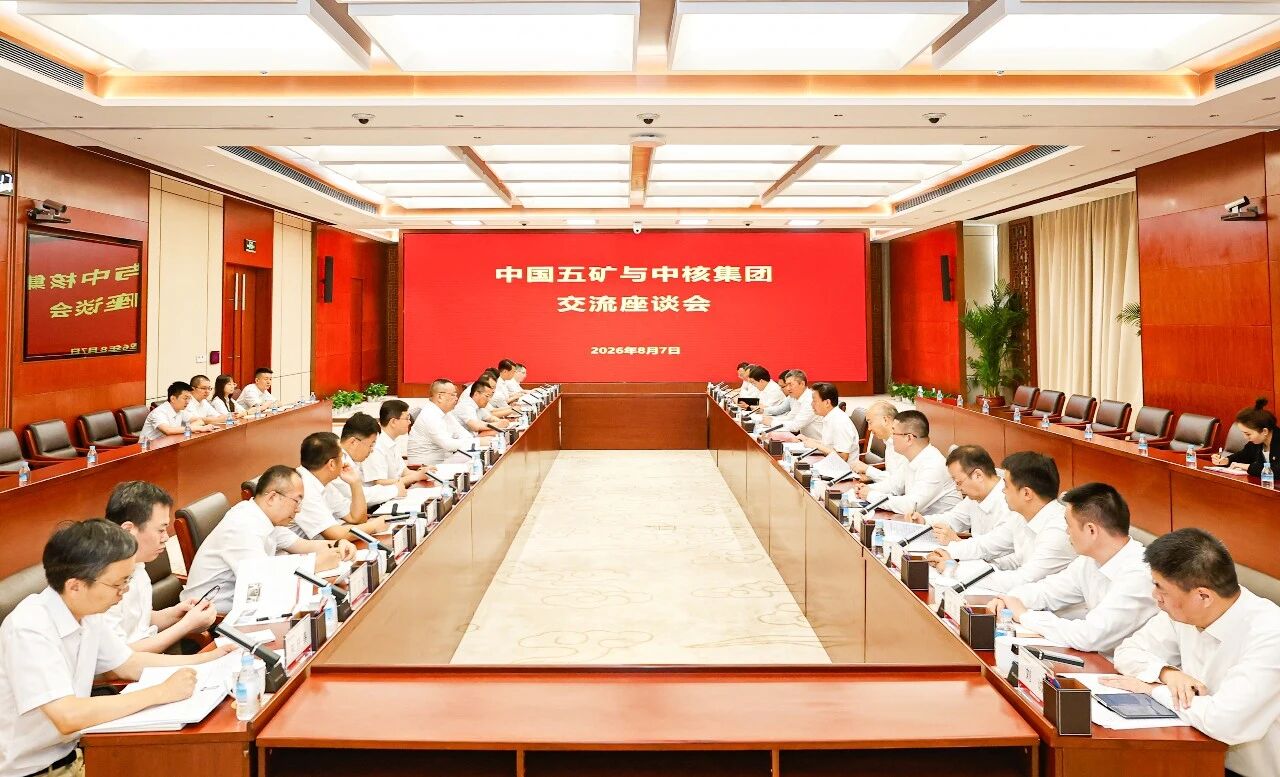
CNNC Delegation Visits Chen Dexin, Party Secretary and Chairman of China Minmetals
On August 7, Shen Yanfeng, Party Secretary and Chairman of CNNC, led a delegation to China Minmetals Corporation to meet with Chen Dexin, Party Secretary and Chairman of China Minmetals, where both parties exchanged views on further strengthening strategic cooperation. Wang Jiezhi, Deputy Party Secretary and Director of China Minmetals, Wang Xingquan, Party Member and Vice President, Liu Jianping, Deputy Party Secretary and Director of CNNC, and Chen Junli, Party Member and Vice President, attended the meeting. Chen Dexin welcomed the visit of Shen Yanfeng and his delegation, and introduced the business segments of China Minmetals. He stated that since the signing of the strategic cooperation agreement between China Minmetals and CNNC, fruitful cooperation results have been achieved in multiple fields, including uranium resource development, overseas nuclear power construction, and scientific research project breakthroughs...
2026-08-08
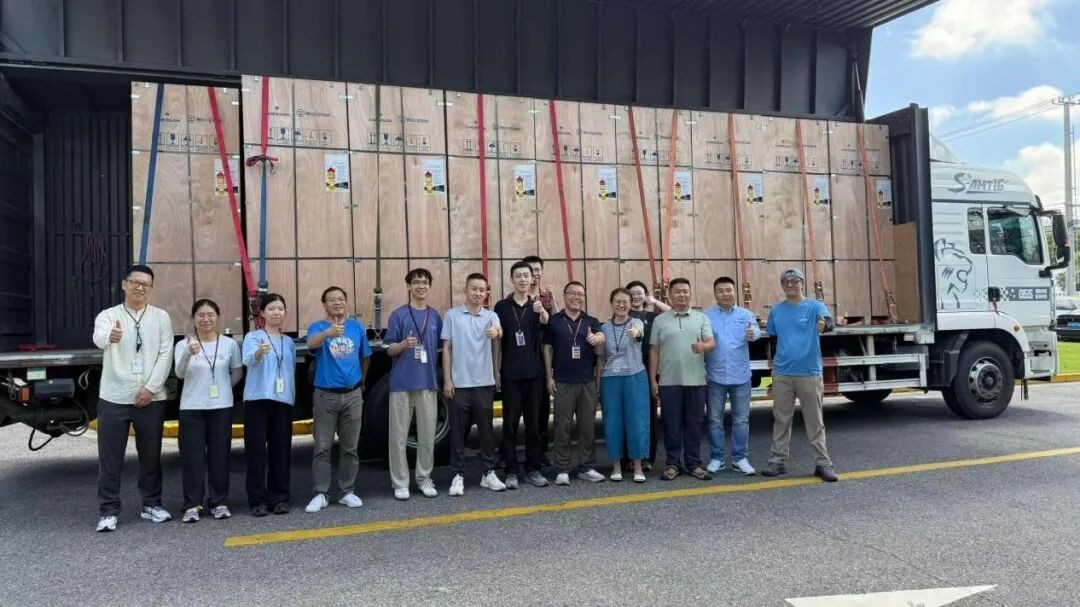
First Batch of Non-Safety-Class Main Instrumentation and Control Cabinets for Unit 1 of Xudabao Nuclear Power Plant Successfully Arrived
Recently, the non-safety-class main instrumentation and control (I&C) cabinets for Unit 1 of Xudabao Nuclear Power Plant arrived smoothly and were delivered to the plant site. The main I&C cabinets are core critical equipment for unit control and operation management at nuclear power plants, undertaking full-process functions such as data acquisition, logic calculation, process control, interlock protection, and operation monitoring. They can be regarded as the "central brain" ensuring the safe, controllable, and stable operation of nuclear power units. This equipment features high technical precision, strong integration, and stringent safety classification requirements, offering advantages such as high control accuracy, fast response speed, strong operational stability, and excellent fault tolerance, thereby ensuring safe, stable, and efficient unit operation. To ensure the equipment arrived on schedule, Liaoning Nuclear Power proactively took the lead, coordinated precisely, and efficiently linked the efforts of the general contractor, equipment manufacturer, and design institute, breaking through the collaborative chain across solution optimization, manufacturing, and factory acceptance testing, overcoming difficulties and advancing efficiently. By the end of July, all preparatory work was completed ahead of schedule, and the equipment arrived on time, laying a solid foundation for subsequent project milestones.
2026-08-08
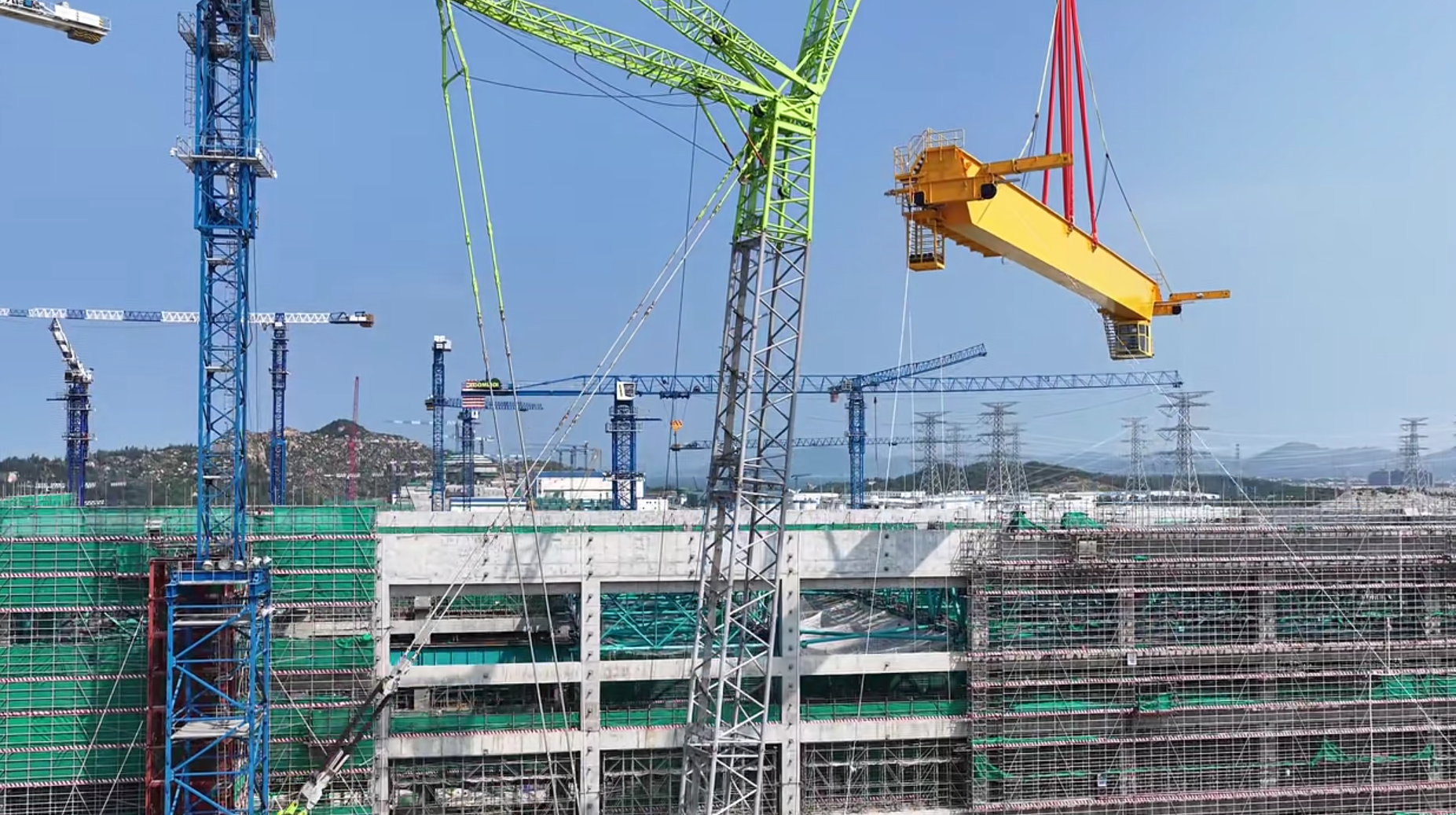
First Main Girder of Main Crane B Hoisted into Place in Conventional Island of Lufeng Nuclear Power Plant Unit 1
The first main girder of Main Crane B, the first main crane in the conventional island of Lufeng Nuclear Power Plant Unit 1, began lifting at 8:45 on August 7, 2026, and was positioned at 11:31. This marks the official commencement of main crane hoisting work in Conventional Island Unit 1; all hoisting work for Main Cranes A/B is expected to be completed by August 10. The main building of Conventional Island Unit 1 of Lufeng Nuclear Power Plant Unit 1 is equipped with two main cranes, designated Main Crane A and Main Crane B, arranged on the same level with a lifting capacity of 240t/40t each. These are critical lifting equipment for the nuclear power plant, primarily used during the construction phase for hoisting major conventional island equipment such as steam turbines, generators, condensers, moisture separator reheaters, and condensate pumps, as well as other installation work including piping and valves. During the operational phase of the nuclear power plant, they are used for maintenance of the turbine-generator unit and other in-plant items during overhaul periods.
2026-08-07