
Search Results
Keyword:NI
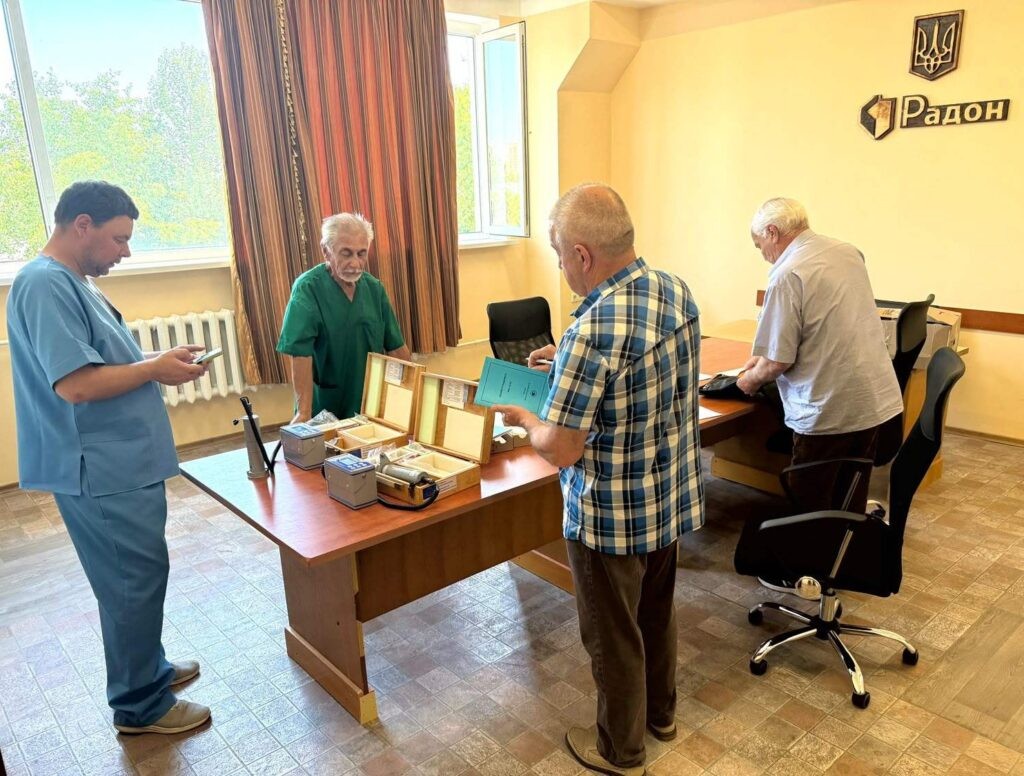
DNT "Radon Association" Receives EU Technical Assistance Equipment to Strengthen Radiation Dose Monitoring Capabilities
On August 4, 2026, under the framework of the EU International Technical Assistance Project, the DNT Radon Association received a batch of modern measurement equipment for radiation dose monitoring, aimed at enhancing radiation monitoring and dose control capabilities. The project is financially supported by the EU through the Science and Technology Center in Ukraine, pursuant to Donor Agreement No. 700001998 signed on June 24, 2024. In accordance with the contractual arrangements, the relevant measurement equipment has been delivered to the Association's interregional branches and central production base branches. Following delivery, the DNT Radon Association conducted acceptance testing of the supplied measurement equipment. The test results demonstrated that the equipment meets the requirements for its intended use. Concurrently, the Association also organized relevant personnel to undergo training in equipment operation and maintenance; upon completion of the training and knowledge assessment, the relevant experts were awarded certificates of completion.
2026-08-10

LLNL Research in the U.S. Reveals New Mechanisms of Laser Polarization Effects in NIF Inertial Confinement Fusion Experiments
Researchers at Lawrence Livermore National Laboratory (LLNL) have recently discovered in studies related to the National Ignition Facility (NIF) that the polarization state of lasers may influence the cross-beam energy transfer (CBET) process in inertial confinement fusion experiments and could help reduce backscatter and the risk of damage to optical components. The related paper, titled "Effects of Laser Polarization on Cross-Beam Energy Transfer in Inertial Confinement Fusion," was recently published as a featured article in the journal Physics of Plasmas. NIF experiments demand extremely high precision in laser control. The facility's 192 laser beams must be focused to a width of a few millimeters and enter the target area through holes approximately 3 millimeters in diameter located at the top or bottom of a gold hohlraum. The hohlraum is about 2 centimeters in diameter. After the lasers enter the plasma, different beams cross each other and undergo energy transfer, a process known as cross-beam energy transfer. When designing NIF inertial confinement fusion experiments, scientists carefully tune the laser wavelengths to use CBET to balance energy distribution and improve implosion symmetry.
2026-08-10
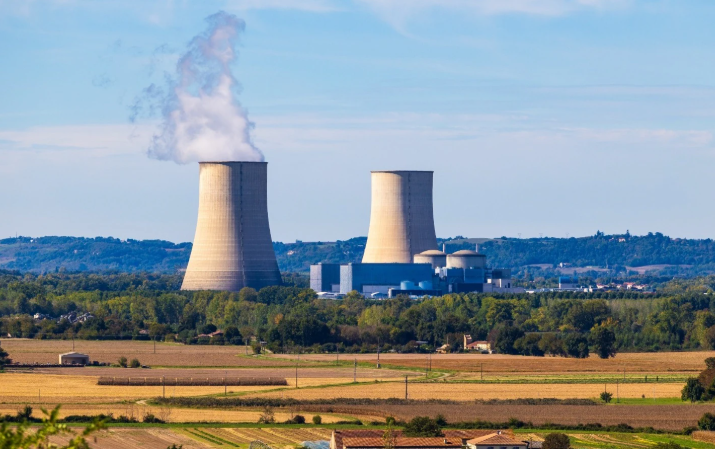
After only 4 days of restart, Unit 2 of France's Golfech Nuclear Power Plant shut down again due to Garonne River water temperature approaching limit
On the evening of August 8, French utility EDF (Électricité de France) once again shut down Unit 2 of the Golfech Nuclear Power Plant, just four days after the unit had been restarted. The direct cause of this shutdown was that the water temperature of the Garonne River was expected to reach 28°C on August 9, hitting the local operational limit. Since Unit 1 had already been taken offline for maintenance and fuel replacement, the closure of Unit 2 left both reactors at the Golfech plant simultaneously out of service, with the station temporarily ceasing power generation. Located in the Tarn-et-Garonne department of France, the Golfech Nuclear Power Plant was commissioned between 1991 and 1994, and features two 1,300 MW pressurized water reactor units. It draws cooling water from the Garonne River and dissipates heat through natural-draft cooling towers. According to EDF dat...
2026-08-10
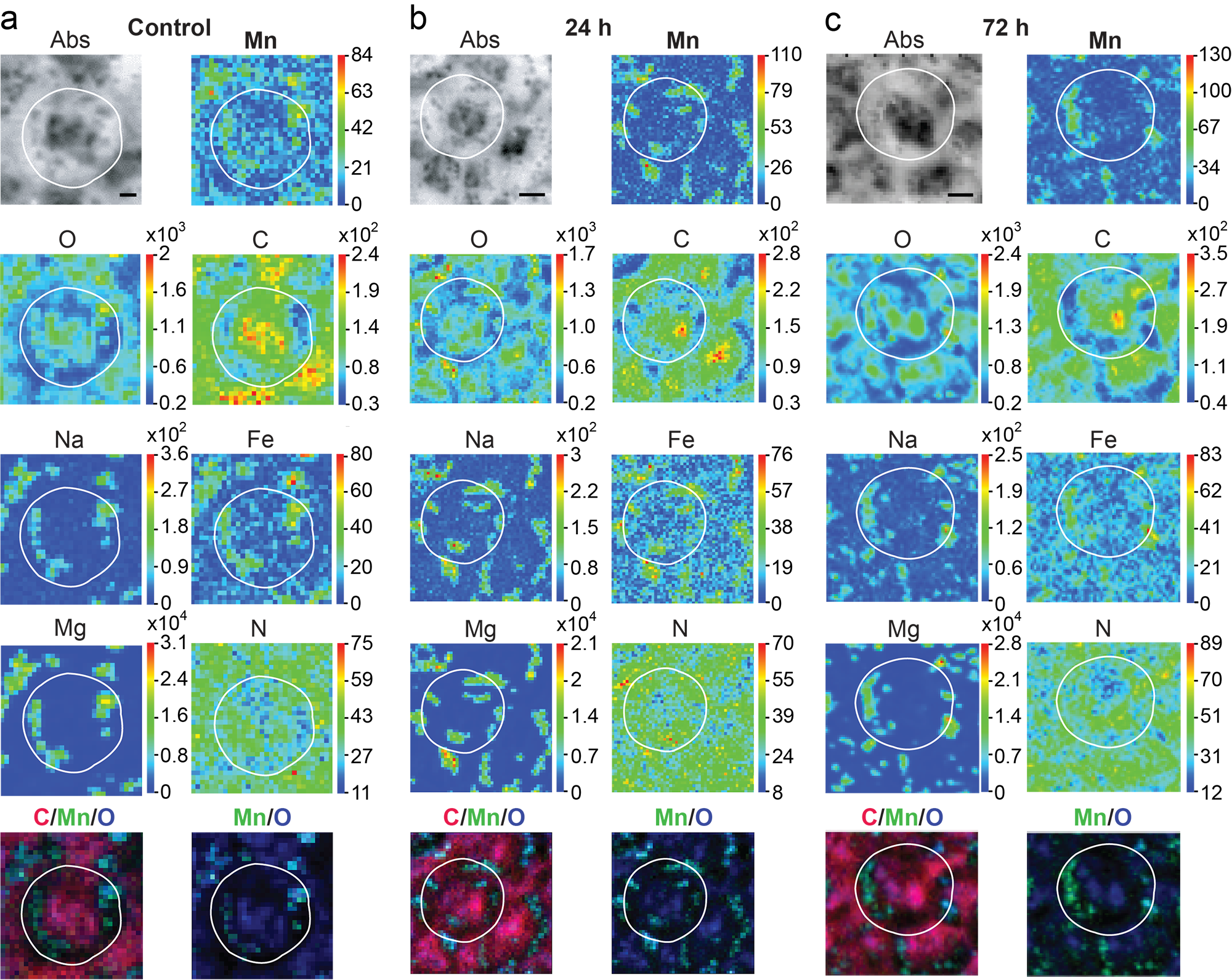
Synchrotron radiation reveals mechanism of acidophilic microalga PM01 tolerating high-concentration manganese
Researchers have used synchrotron radiation techniques to reveal the key mechanism by which an acidophilic green microalga survives in high-concentration manganese environments. The research subject is the acidophilic alga C. acidophila PM01, originally isolated from an acid mine drainage pond, which can survive at manganese concentrations up to 50 mM (approximately 2.75 g/L), making it one of the most manganese-tolerant microalgae reported to date. Manganese is a nutrient element required by organisms, but during processes such as mining, ore processing, and electrolytic manganese production, high concentrations of manganese can enter water bodies and cause pollution. In particular, manganese removal is difficult in acidic waters. Some microorganisms can adapt to such extreme environments, but their tolerance mechanisms still require fine analytical tools to elucidate...
2026-08-10
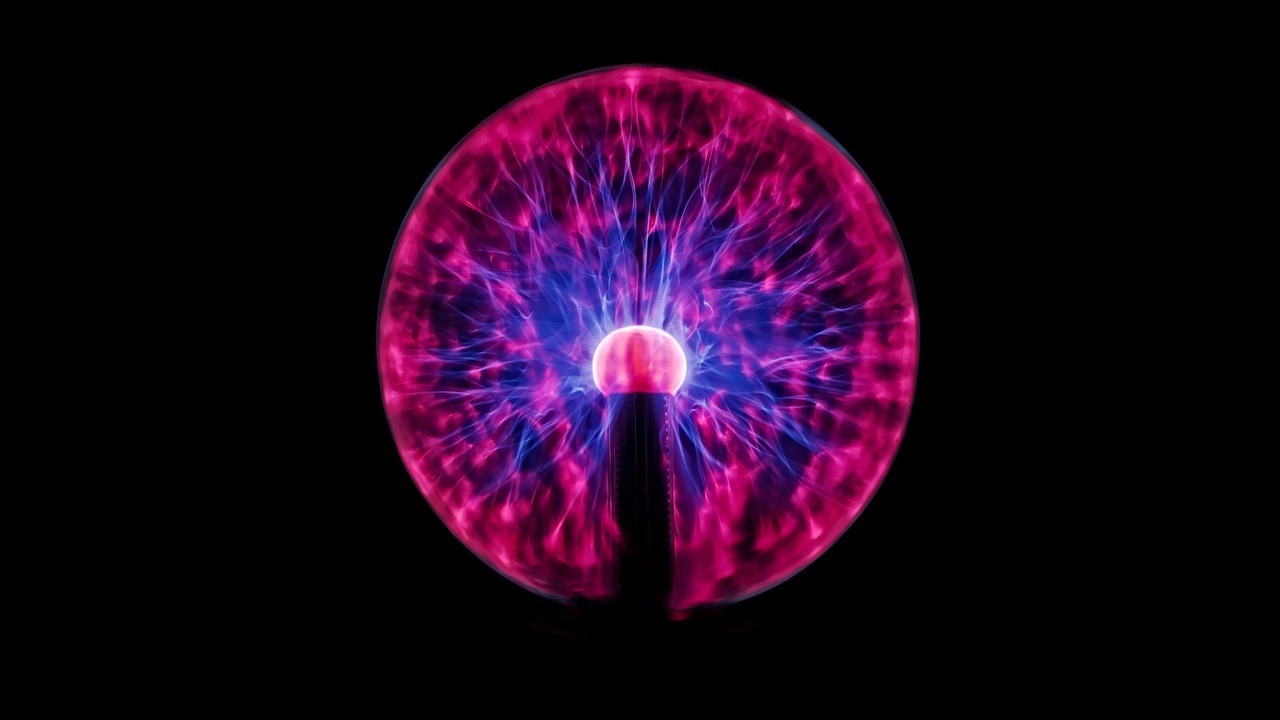
Russian University Proposes Rapid Simulation Method for Plasma Ion Parameters
Researchers from the HSE University and the Moscow Institute of Physics and Technology have developed a simple analytical method for calculating the behavior of heavy ions in helium under strong electric fields. The findings have been published in Physica Scripta. Plasma is a gas composed of charged particles such as electrons, negative ions, and positive ions, typically quasi-neutral and highly conductive. In addition to fluorescent lamps and welding arcs, plasma also exists in controlled nuclear fusion devices such as tokamaks. Atmospheric plasma jets can also be used for wound disinfection, work surface cleaning, and improving crop seed performance. In plasma jet research, scientists...
2026-08-10

DR Congo Government Responds to Research Allegations of "Uranium" in Cobalt Products, Announces Re-Testing and IAEA Consultations
The government of the Democratic Republic of the Congo (DRC) has recently responded to a study suggesting that its cobalt products may contain traces of uranium. The study, published in the journal *Nature Communications* on July 30, 2026, reported the presence of uranium traces in some exported cobalt hydroxide products from the DRC. As cobalt is a critical raw material in the global new energy battery supply chain, this claim quickly drew external attention to mineral product safety, environmental risks, and supply chain credibility. In an official statement released on August 7 by the Ministry of Communication and Media, the DRC government stated that the allegations should be understood within a scientific and geological context. The government emphasized that the natural co-occurrence of uranium in copper-cobalt deposits in Lualaba Province and Haut-Katanga Province is a geological phenomenon known for over a century, and is neither abnormal nor the result of artificial addition or deliberate manipulation. The government also noted that, under relevant International Atomic Energy Agency standards, if uranium exists only in trace amounts in ores or cobalt concentrates and is not specifically processed for uranium extraction, it should generally not be regarded as nuclear material.
2026-08-10
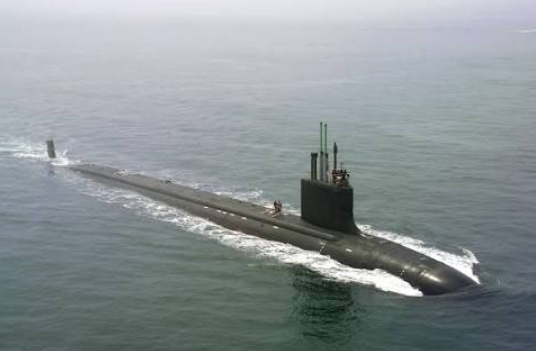
U.S. Enhances Virginia-Class Nuclear Submarines
The recent U.S. efforts to enhance and reposition the Virginia-class nuclear submarines have focused primarily on expanding the platform's own capabilities. Certain batches of Virginia-class submarines are being reclassified from attack submarines (SSN) toward cruise missile submarines (SSGN), with the addition of the Virginia Payload Module (VPM) extending the hull and adding large-diameter vertical launch tubes, increasing the per-boat Tomahawk cruise missile payload from 12 to approximately 40, while also accommodating Conventional Prompt Strike hypersonic missiles and unmanned underwater vehicles. This modification directly fills the firepower gap left by the retiring Ohio-class SSGNs, positioning this submarine class as a covert, long-range conventional precision-strike node at sea. As nuclear-powered submarines, the Virgini...
2026-08-10
Radiation Environment Monitoring Technical Center of the Ministry of Ecology and Environment Visits Tibet to Conduct Research and Assistance on Radiation Environment Monitoring Capacity
Recently, in accordance with the work deployment of the Nuclear Facility Safety Supervision Department of the Ministry of Ecology and Environment (MEE), a team led by relevant officials from the Radiation Environment Monitoring Technical Center of the MEE visited the Radiation Environment Supervision Station of the Tibet Autonomous Region (hereinafter referred to as the Tibet Station) to conduct research, assistance, and technical guidance on radiation environment monitoring capacity. The working group was dispatched in batches to key cities including Lhasa, Nagqu, Shigatse, and Ngari, and systematically reviewed the current status of radiation monitoring capacity in the Tibet Autonomous Region through thematic seminars, on-site inspections, and hands-on training sessions. They conducted on-site assessments of the operation and maintenance challenges of the national-controlled radiation environment air automatic monitoring stations in Tibet, benchmarked against actual needs, identified shortcomings in capacity building, and implemented targeted measures to resolve bottlenecks in network operation. At the research symposium...
2026-08-10

South Korea Advances K-Moonshot Initiative, Nuclear Fusion and SMR Spacecraft Listed as Key Missions
The South Korean government is accelerating the K-Moonshot initiative, seeking to tackle critical technologies that are difficult to break through via traditional research pathways through a national-level R&D organizational approach. Among these, nuclear fusion and small modular reactor (SMR) spacecraft have been included in 12 key missions, alongside new drug development, quantum technology, and artificial intelligence, all under the government's coordinated promotion. On August 10, Vice Minister Goo Hyuk-chae of the Ministry of Science and ICT (MSIT) met with the heads of the 12 mission projects and representatives of related institutions at the K-Moonshot Project Support Office in Sejong City to discuss next-stage implementation arrangements. The meeting focused on detailing...
2026-08-10

Installation of Passive Heat Removal System Completed for Unit 1 of Turkey's Akkuyu Nuclear Power Plant
Rosatom recently announced that the installation of the Passive Heat Removal System (PHRS) for Unit 1 of Turkey's Akkuyu Nuclear Power Plant has been completed. This means the unit is now equipped with a critical safety system and is ready for the commissioning phase. According to reports, the installed equipment includes approximately 90 components such as heat exchangers, guide vanes, air ducts, and electromagnetic devices, which were installed in stages in the reactor building dome area. The Passive Heat Removal System is one of the key safety systems of a nuclear power unit, designed to remove residual heat from the reactor core under specific operating conditions. The system consists of four independent channels, each corresponding to one steam generator...
2026-08-10
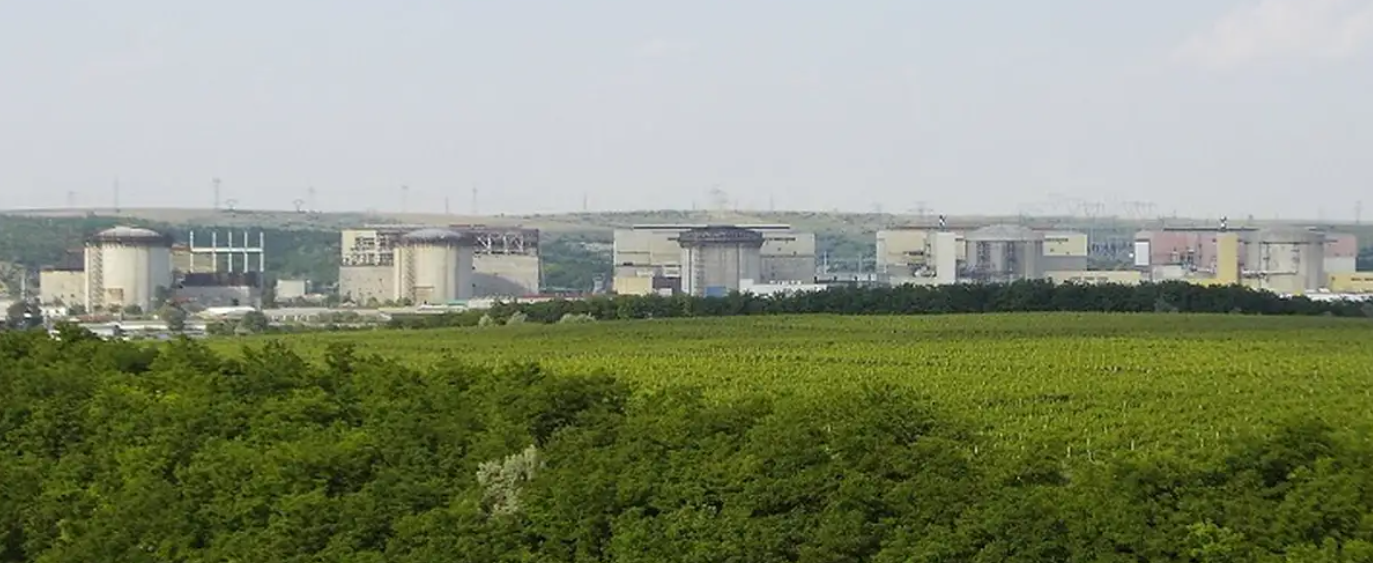
Unit 2 of Romania's Cernavoda Nuclear Power Plant to Operate for at Least 9 More Days
Unit 2 of Romania's Cernavoda Nuclear Power Plant is expected to continue operating for at least 9 more days. Romania's Acting Minister of Defense and Transport, Radu Miruță, stated that after blasting operations and the removal of underwater obstacles in the Danube River, the water level in the Cernavoda area rose by 4 centimeters over the past 24 hours. The previous day, the water level in the area had dropped by 3 centimeters. Recently, due to persistent drought, the Danube River's water level has fallen to historic lows, putting pressure on the plant's water intake and reactor cooling. To increase water supply in the river section near the Cernavoda Nuclear Power Plant, Romania last week implemented unconventional engineering measures, including blasting a rock formation in the Danube and sinking barges loaded with cargo to alter...
2026-08-10
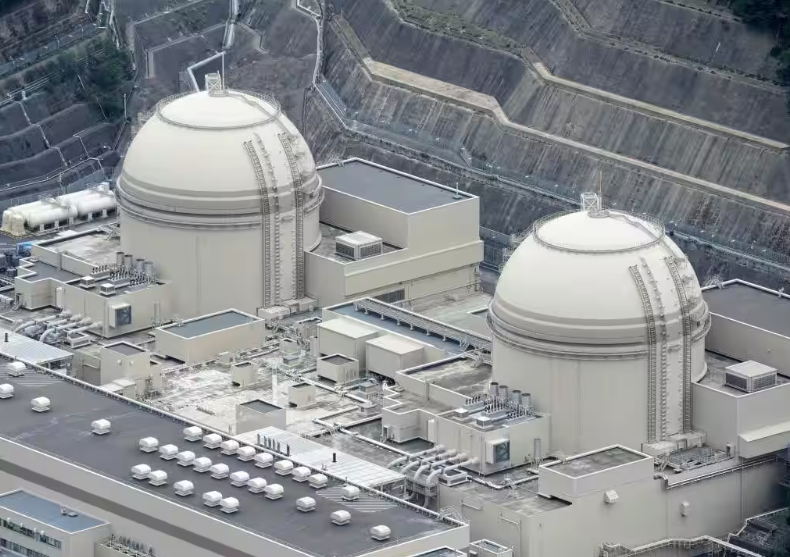
Unit 3 of Japan's Ohi Nuclear Power Plant Automatically Shuts Down
Kansai Electric Power Co. announced in the early hours of the 9th that Unit 3 of the Ohi Nuclear Power Plant, located in Ohi Town, Fukui Prefecture, Japan, automatically shut down during operation. The unit has a generating capacity of 1.18 million kilowatts. According to Kansai Electric Power, at around 23:56 on the 8th, an alarm was triggered at the unit, indicating that the generator had lost the conditions required to produce a magnetic field. Subsequently, the generator automatically stopped operating, and the reactor also automatically shut down. Preliminary information suggests that the anomaly may involve the exciter, a device used to establish the magnetic field for the generator. Kansai Electric Power stated that no radioactive material leakage occurred as a result of this incident, and there was no radiological impact on nearby personnel or the environment. The cause of the malfunction...
2026-08-10

SPIC Archives Management Project Selected for National Archives Administration AI Application Pilot
On July 29, the National Archives Administration issued the "Notice on Announcing AI Application Pilot Projects." The archives management AI application pilot project submitted by State Power Investment Corporation (SPIC) stood out from 253 pilot projects and was successfully selected, thanks to its solid digitalization foundation for archives, clear AI integration implementation roadmap, and distinctive application scenarios characteristic of central energy enterprises, becoming an important practical vehicle for digital transformation of archives in central enterprises. In April this year, to safely, steadily, and orderly promote the application of AI in the archives industry, the National Archives Administration issued the "Notice on Carrying Out AI Application Pilot Work," requiring pilot efforts in five aspects: computing power, models, data, scenarios, and security...
2026-08-10

First Concrete Pour (FCD) Successfully Completed for the Conventional Island of Unit 2 at Guangxi Bailong Nuclear Power Plant
At 10:06 on August 9, after 38 hours and 46 minutes of continuous effort, the First Concrete Pour (FCD) for the conventional island of Unit 2 at the SPIC Guangxi Bailong Nuclear Power Plant was successfully completed, marking the full commencement of the main construction phase for the conventional island. The basement floor slab of the conventional island of Unit 2 adopts an integral raft foundation, divided into 9 construction zones using the sequence method. This concrete pour covered Zone 1, starting at 19:20 on August 7, with a cumulative pour of 1,732 cubic meters of concrete, conducted safely and orderly throughout the process. Since July, Typhoon Maysak directly struck Fangchenggang, bringing successive storms, followed by days of high temperatures at the Bailong nuclear site, posing significant challenges to on-site construction. In response...
2026-08-10
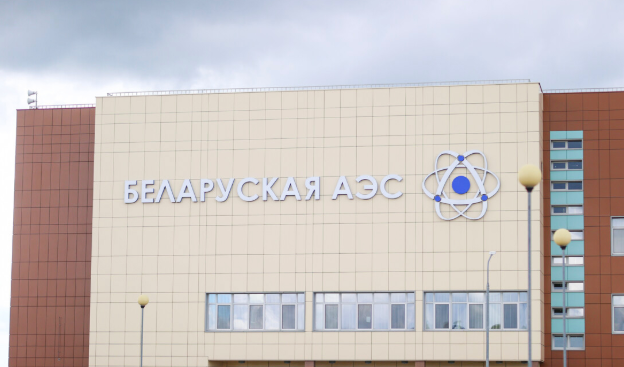
Belarus Plans Nuclear Expansion: BelAES Unit 3 and Second NPP in Mogilev Region to Advance in Parallel
Belarusian Energy Minister Denis Moroz recently stated that nuclear energy has become a strategic energy direction for Belarus, bearing on national energy security, economic growth, and technological sovereignty. Since the Belarusian Nuclear Power Plant was commissioned, it has helped the country reduce its dependence on imported natural gas, cumulatively replacing approximately 14.5 billion cubic meters of natural gas and saving over $600 million in budget funds. After assessing the multiplier effect of nuclear power on the economy, Belarus has decided to continue advancing its nuclear energy development. Moroz stated that the country has made a principled decision: on the one hand, to build a third unit at the Belarusian Nuclear Power Plant (BelAES) in Ostrovets, and on the other hand, to simultaneously study the plan for constructing a second nuclear power plant.
2026-08-09