
Search Results
Keyword:NIA

Canada's Devonian Integrates HPLC-MS, NMR, and Cell-Based Potency Assays into Thykamine Quality Control Platform
Devonian Health Group Inc., a Canadian clinical-stage biopharmaceutical company, recently announced that it has completed independent validation of key analytical methods and biological quality control technologies and integrated them into the extraction and production process of Thykamine, the company's lead active pharmaceutical botanical candidate. According to the company, its quality control program includes validated high-performance liquid chromatography-mass spectrometry (HPLC-MS) chemical fingerprinting, nuclear magnetic resonance (NMR) spectroscopy, and cell-based biological potency assays based on the U937 human cell line. The relevant cell-based assays use macrophage inflammatory protein-1β (MIP-1β) as a biomarker of Thykamine's anti-inflammatory activity...
2026-09-02

Ukraine Advances Modernization of Odesa Radioactive Waste Management System
The State Agency of Ukraine for Exclusion Zone Management (SAUEZM) recently organized a working meeting in Odesa to discuss the modernization of the radioactive waste management system and the implementation progress of related international technical assistance projects. The meeting was held at the Odesa Interregional Branch of the Ukrainian state-owned specialized enterprise "Association Radon," chaired by Oleksiy Budyk, Deputy Head of SAUEZM, with participation from the Joint Support Office (JSO), NT-Engineering LLC, and management and experts of Association Radon. The meeting covered two international technical assistance projects...
2026-08-31
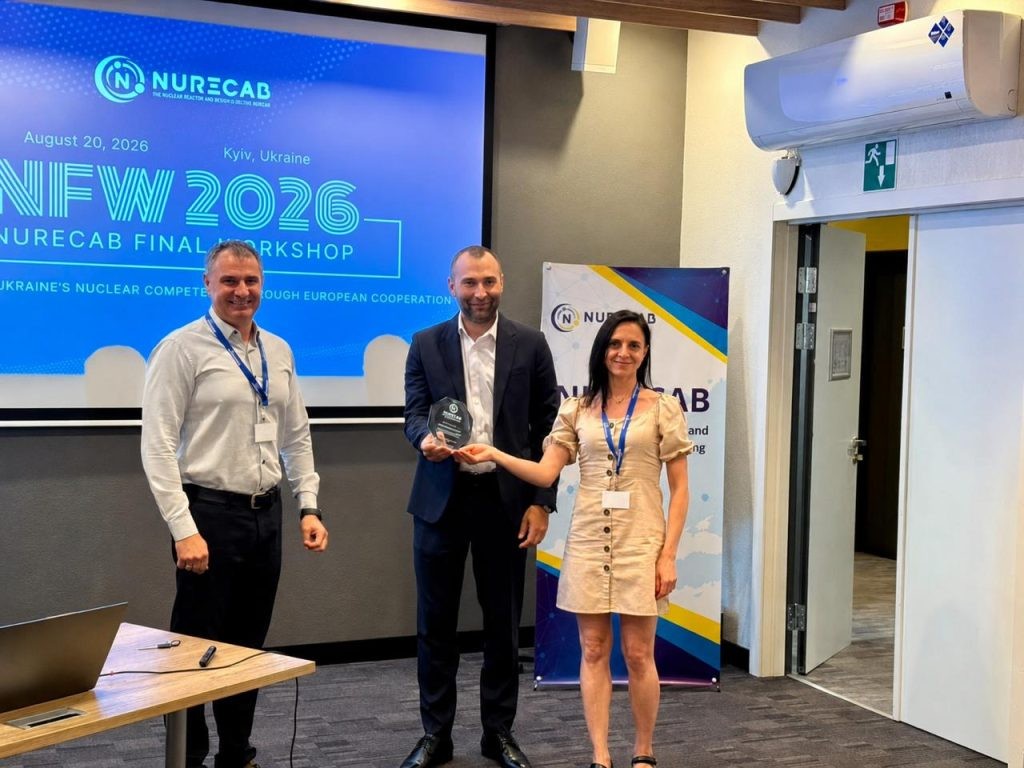
Ukraine's Nurecab Nuclear Capacity Building Project Completes First Implementation Cycle
On August 20, 2026, the final seminar of the international project Nurecab (Nuclear Capacity Building in Ukraine through European Cooperation) was held in Kyiv. The project is funded by the European Union through the Euratom Research and Training Programme and is incorporated into the Horizon Europe framework. The seminar was held in a hybrid format, with a total of 76 experts, researchers, educators, and representatives of national institutions participating, of whom 26 attended in person in Kyiv and 50 joined via video link. The meeting showcased the project's implementation results and facilitated discussions on nuclear energy education in Ukraine, the development of nuclear science, and...
2026-08-27

DARPA Ships Insect Sterility Technique Irradiator to the United States with Panamanian Cooperation
An insect irradiator used for the sterile insect technique program was recently transshipped to the United States via Panama, where it will support U.S. efforts to address the New World screwworm threat. The equipment was acquired by the U.S. Defense Advanced Research Projects Agency (DARPA) on July 8, 2026, and arrived in Panama, where it was subsequently transferred from the port to the airport with the assistance of Panamanian partners. The New World screwworm is a parasitic pest whose flies lay eggs in warm-blooded animals, with larvae burrowing into tissue and feeding, posing a threat to livestock production. Jon O’Rullian, president of the equipment manufacturer Foss Therapy Services, Incorporated, stated that threats of this kind are significant to all types of livestock producers.
2026-08-26
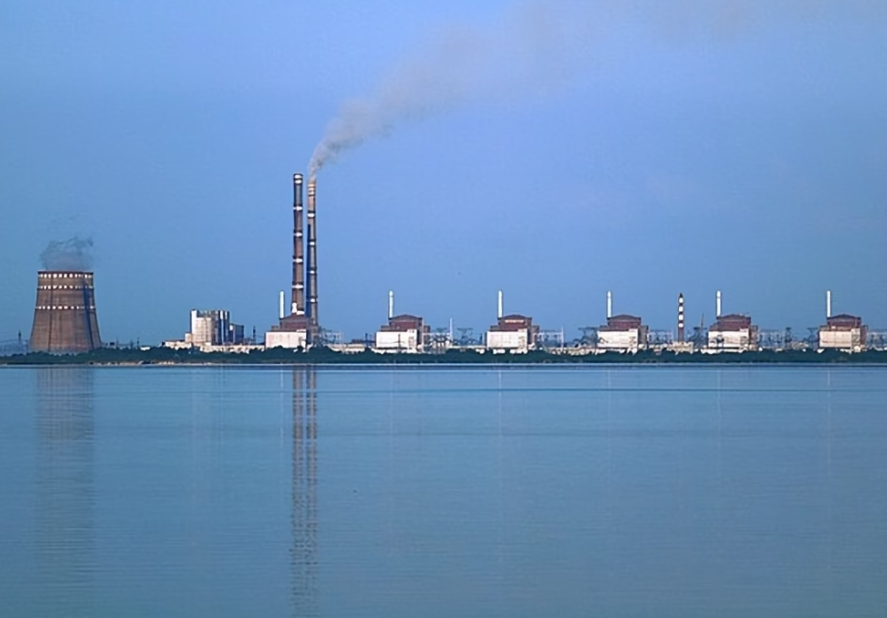
Zaporizhzhia Nuclear Power Plant Loses External Power for Six Days
On August 25 local time, the Zaporizhzhia Nuclear Power Plant (ZNPP) stated that it had lost external power since August 20 and had been relying on backup diesel generators to meet on-site electricity demand for six consecutive days. The plant's existing fuel reserves can still ensure operation, but difficulties in fuel resupply have not yet significantly eased. Yevgeniya Yashina, head of communications at ZNPP, stated that plant staff are monitoring nuclear safety parameters and the operation of backup diesel generator units around the clock. She noted that fuel transportation still faces difficulties due to shelling on roads leading to the plant; to improve the efficiency of existing reserve utilization, the plant has optimized the operation of diesel generators...
2026-08-26
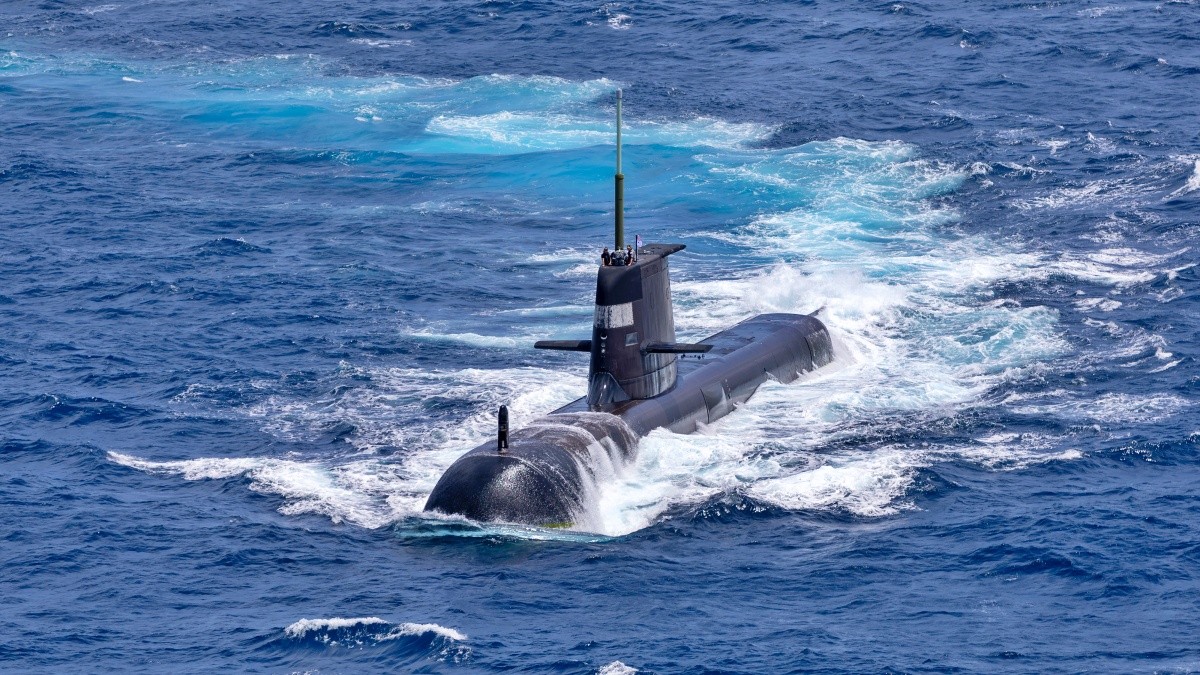
Australia Plans Nuclear Submarine Maintenance Dockyard in Western Australia
Australian Defence Minister Richard Marles said Australia plans to build a dockyard in Western Australia by the early 2030s to maintain U.S. Virginia-class nuclear-powered submarines. Marles said at a joint press conference with Australian Prime Minister Anthony Albanese that Australia needs to complete a backup dockyard by the early 2030s to commence maintenance work on Virginia-class submarines. The Australian government confirmed on August 24 that the new defence complex will be located in Henderson, Western Australia. Under the trilateral security partnership between Australia, the United Kingdom, and the United States...
2026-08-25

Ukrainian Foreign Minister and IAEA Director General Discuss Zaporizhzhia Nuclear Power Plant Safety in Phone Call
Ukrainian Foreign Minister Andrii Sybiha said on August 22 that he had a phone call with International Atomic Energy Agency (IAEA) Director General Rafael Grossi, during which the two sides focused on the current nuclear safety situation in Ukraine, particularly the safety status of the Zaporizhzhia Nuclear Power Plant. Sybiha stated that the Zaporizhzhia Nuclear Power Plant is currently under Russian control, and the related military presence remains a major source of nuclear safety risk. The two sides exchanged views on issues related to the plant and emphasized the need for close coordination based on respect for Ukraine's sovereignty and international law. Sybiha also noted that he values Grossi's personal engagement in relevant matters, as well as...
2026-08-24

Portal Inspection and Screening System Tested at Chernyshevskoye Border Crossing on Russia-Lithuania Border
On August 20, the customs authorities of the Kaliningrad region of Russia, together with the equipment manufacturer, conducted functional tests of the portal inspection and screening system at the Chernyshevskoye border crossing on the Russia-Lithuania border, focusing on verifying equipment operational status and vehicle inspection capabilities. According to reports, among all Russian border crossings in the Kaliningrad region, only the Chernyshevskoye international road crossing is currently equipped with portal inspection and screening devices. A total of two systems have been installed at this crossing, used respectively for inspecting vehicles entering Russia and those departing, with both units installed and put into operation in December 2025. The inspection and demonstration were carried out with the participation of government regulatory authorities and supplier representatives. The relevant equipment is planned to be...
2026-08-22
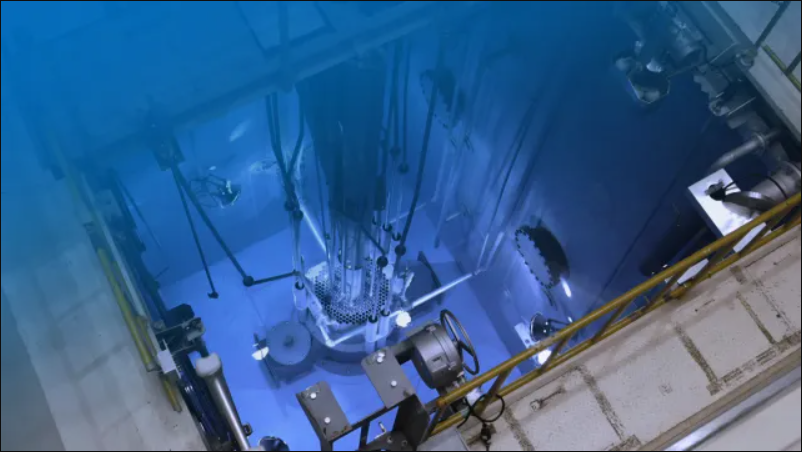
Research reactors provide critical support for global medical, scientific, and industrial innovation
The International Atomic Energy Agency recently reported that research reactors continue to play a vital role in medical, scientific, industrial innovation, and nuclear workforce development, serving as key infrastructure for many countries to build their nuclear science and technology capabilities. Currently, 228 research reactors are in operation across 54 countries worldwide, with another 23 under construction or in the planning stage. Unlike nuclear power reactors used for electricity generation, research reactors primarily produce neutrons for applications in medicine, industry, agriculture, geological sciences, forensics, and other fields. With capabilities such as neutron irradiation, neutron imaging, elemental analysis, and radioisotope production, research reactors have become important platforms for advancing peaceful nuclear technology applications. In the medical field, research...
2026-08-23
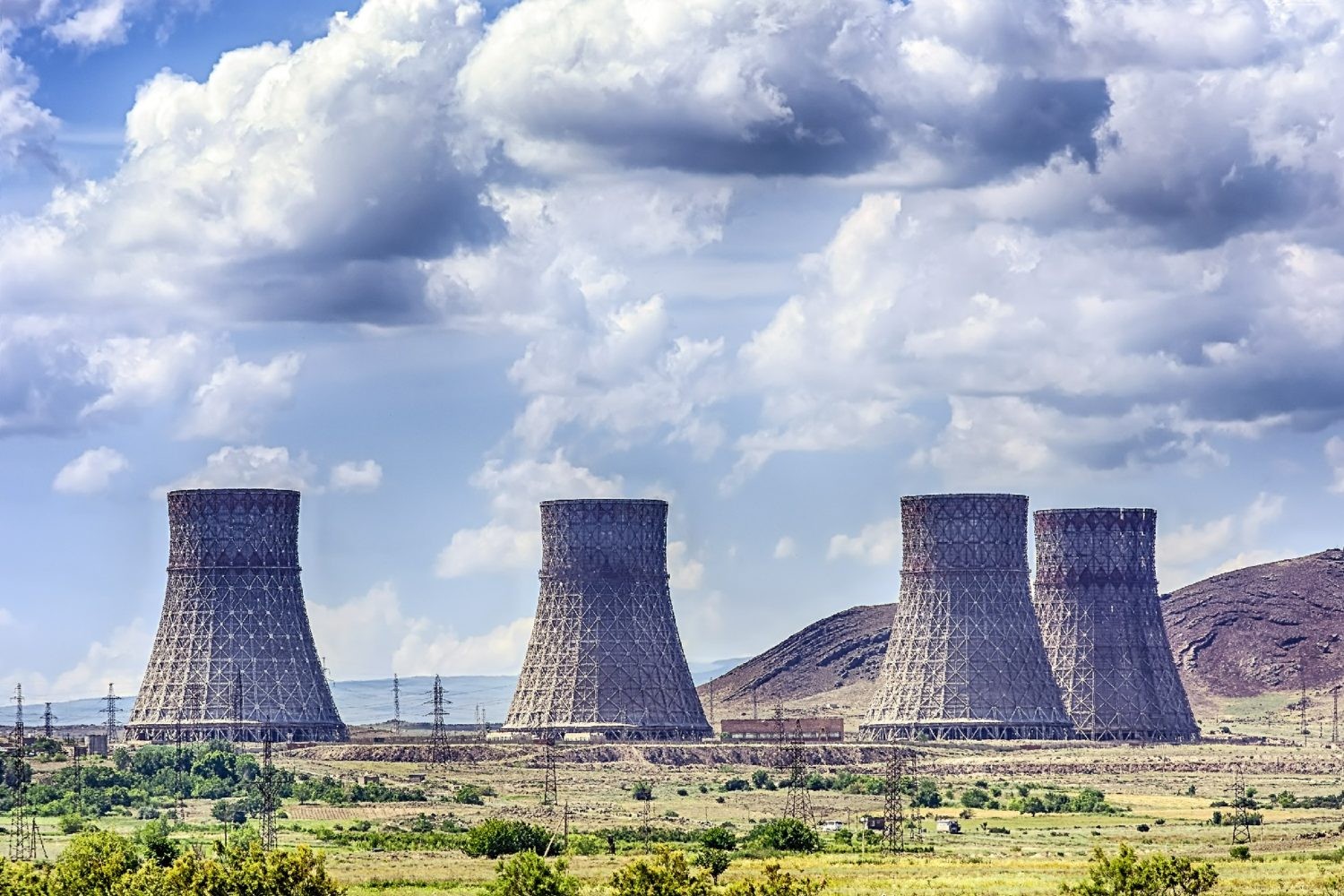
Armenia to Select Technology Solution for New Nuclear Power Plant by End of 2027
The Armenian government has set the end of 2027 as the deadline for selecting the technology solution for a new nuclear power plant. The project will eventually replace the existing Metsamor Nuclear Power Plant and has been incorporated into Armenia's government program for 2026 to 2031. According to the program, Armenia will advance the construction project for the new nuclear power plant and complete the reactor technology selection by at least the end of 2027. At present, the government has not yet disclosed the installed capacity, reactor type, or potential contractor for the new plant. Armenia has been evaluating nuclear power options from multiple countries in recent years, including both traditional large- or medium-sized nuclear units and small modular reactors (SMRs). Armenian officials have previously stated that units of relatively smaller scale, which are easier to connect to the national grid, are one of the key areas of focus for the government.
2026-08-23

Six nuclear power units in operation in Ukraine, three under planned maintenance
Ukraine's First Deputy Prime Minister and Minister of Energy Denys Shmyhal stated on August 21 during the government question time at the Verkhovna Rada that Ukraine's power system is currently operating stably, with no planned power cuts implemented for the time being. However, he also pointed out that the future power supply situation will still depend on the intensity of attacks on energy facilities and the progress of repairs. Shmyhal noted that Ukraine's current available power supply capacity is approximately 15 GW, including combined heat and power units and imported electricity. Among this, nuclear power contributes over 40%, thermal power accounts for about 25%, and hydropower about 15%. Of the 9 nuclear power units under Ukrainian control, 6 are currently generating electricity, and 3 are under planned...
2026-08-23
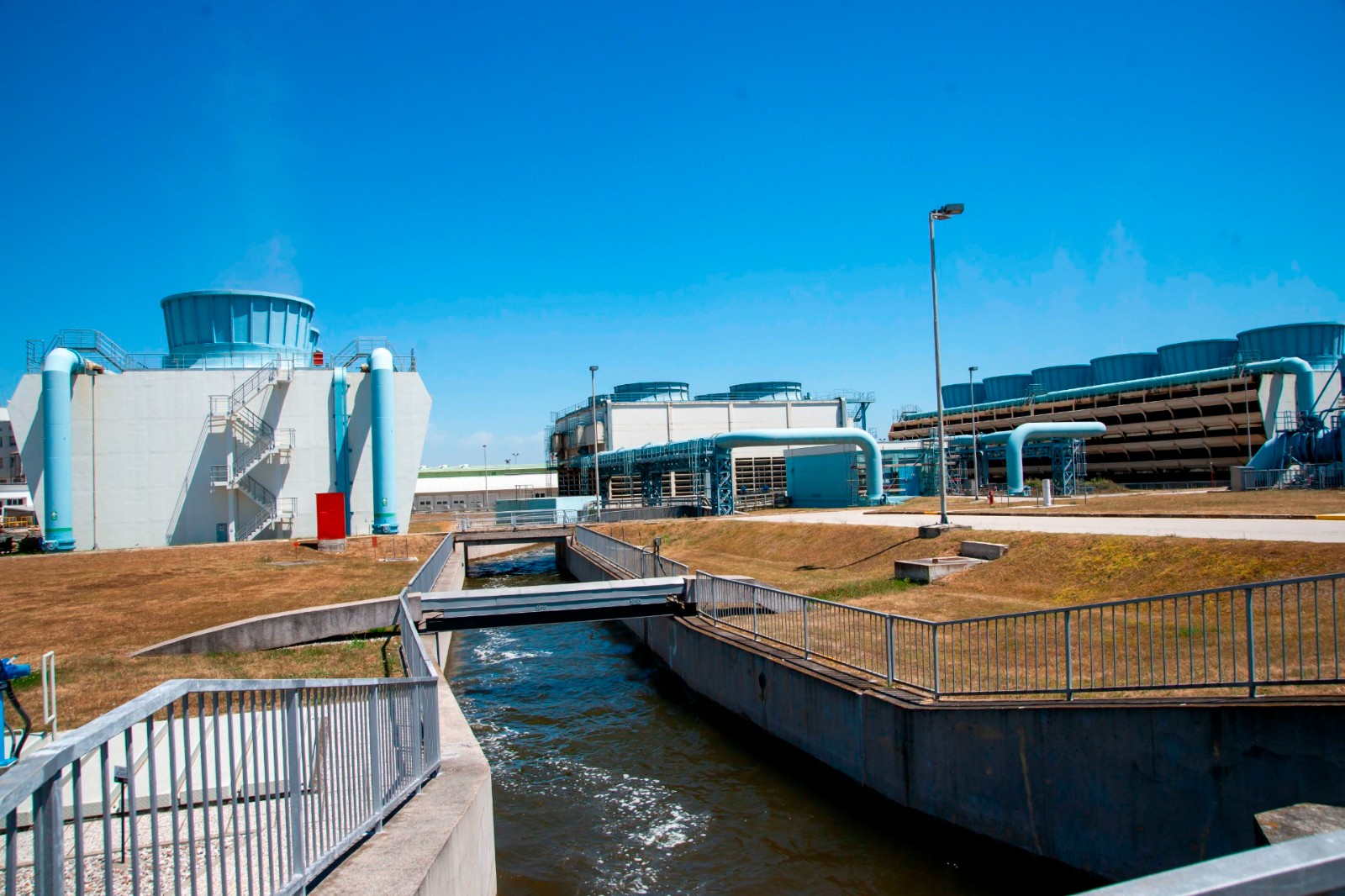
Slovenia's Krško Nuclear Power Plant Returns to Full Power Operation
On the evening of August 18, 2026, as meteorological conditions further improved, temperatures dropped, and river water temperatures declined, the Krško Nuclear Power Plant (NEK) increased reactor power to 100%, resuming full-load operation. During full-power operation, the plant will keep the entire cooling tower system in service to ensure compliance with relevant environmental limits and reduce the need for water withdrawal from the Sava River for cooling the plant's tertiary circuit. Previously, due to environmental restrictions related to the Sava River, the Krško Nuclear Power Plant reduced unit power to 80% on August 6, 2026. On August 14, following preliminary improvements in meteorological conditions, plant power was increased to 90%. Under the special operating conditions of this summer, when...
2026-08-20
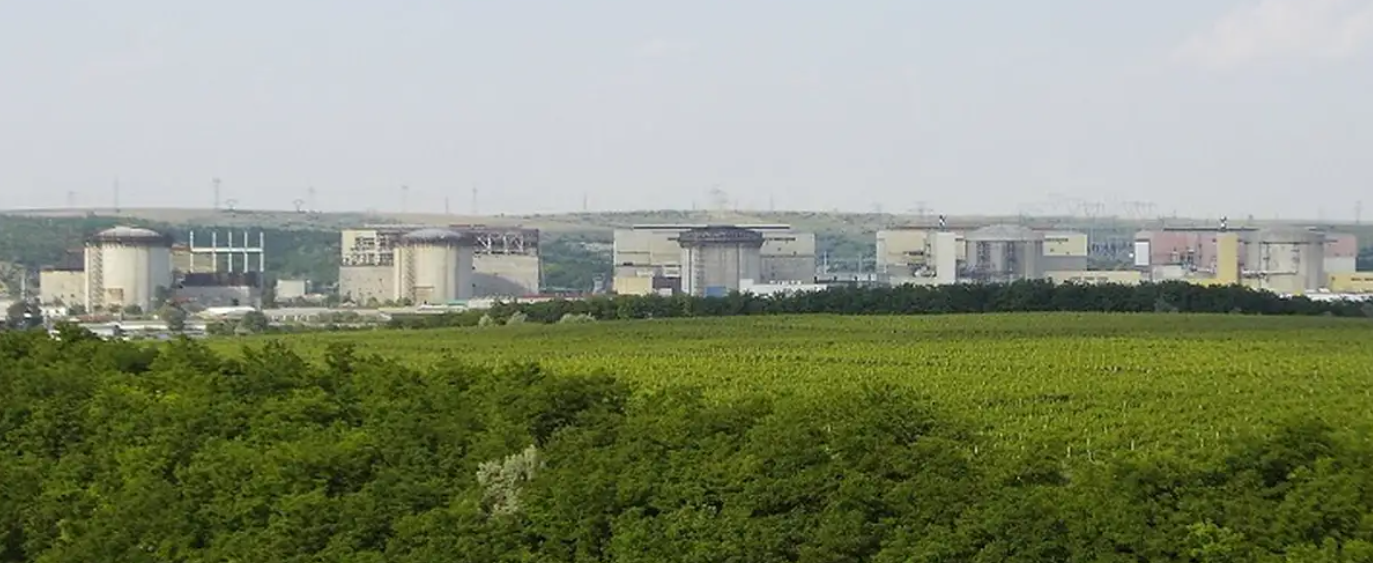
Cernavoda Nuclear Power Plant Fully Shut Down Due to Falling Danube River Water Levels
Due to the continuous decline of the Danube River water level, the two units of Romania's only nuclear power plant, the Cernavoda Nuclear Power Plant, have been successively shut down. To alleviate the pressure on electricity supply, Unit 4 of the Rovinari coal-fired cogeneration plant has been put into operation, adding approximately 330 megawatts of generating capacity to Romania's power system. Romania's nuclear power company (Nuclearelectrica) previously reported that due to the sharp decline in the Danube River water level, which affected the assurance of cooling water for the reactor, Unit 2 of the Cernavoda Nuclear Power Plant was shut down in a controlled manner on the morning of August 13. The company stated that the shutdown process was carried out in accordance with procedures. At the end of July this year, Unit 1 of the Cernavoda Nuclear Power Plant had already been shut down for the same reason...
2026-08-19
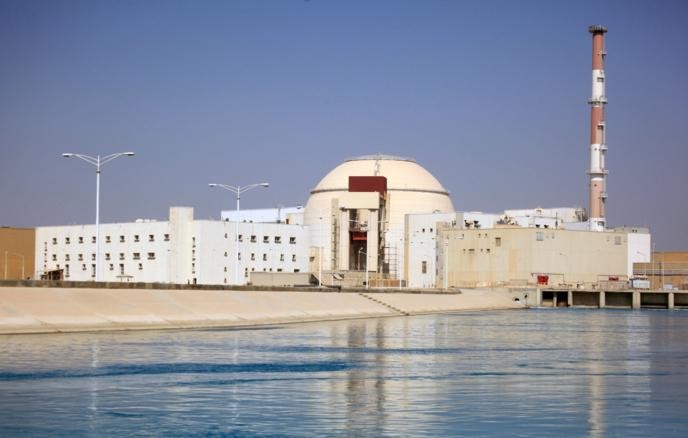
Rosatom Plans to Send Additional Experts to Iran's Bushehr Nuclear Power Plant in September
Alexey Likhachev, CEO of Rosatom, said on August 18 that the company plans to send dozens of additional experts to Iran's Bushehr Nuclear Power Plant in September. At that time, the total number of Rosatom staff on site at the nuclear power plant will exceed 100. Likhachev stated that the company plans to dispatch several dozen more personnel in September, bringing its on-site workforce at the Bushehr plant to nearly 100. He also noted that this does not mean the project has fully resumed construction, but it will create conditions for the continued construction of the project and avoid work stoppages. According to reports, the Russian experts currently working at the Bushehr Nuclear Power Plant...
2026-08-19

World's first laser plasma accelerator-driven high-resolution muon imaging experiment to launch in Romania
Ideon Technologies, a global subsurface detection muon tomography company, is participating in an international research consortium to conduct the world's first high-resolution muon imaging experiment driven entirely by a laser plasma accelerator. The experiment aims to use a compact accelerator to produce muon beams on demand for non-destructive high-resolution imaging, with applications targeting mineral production, critical infrastructure, cargo inspection, medical imaging, semiconductors, nuclear security, and space radiation testing. Consortium members include the University of Texas at Austin, the Extreme Light Infrastructure - Nuclear Physics (ELI-NP) facility team, Heinrich Heine University Düsseldorf, Helmholtz-Zentrum Dresden-Rossendorf, ELI-Beamlines, and Tau Systems.
2026-08-18