
Search Results
Keyword:NIA

Danube Water Levels Recover, Hungary Restarts Second Turbine at Paks Nuclear Power Plant
On August 10, as the Danube River's water levels recovered, Hungary began restarting a previously constrained turbine at the Paks Nuclear Power Plant. The Paks plant uses Danube water for cooling and normally supplies nearly half of Hungary's electricity. Due to heatwaves and persistent drought, the Danube's water levels fell to historic lows in recent weeks, reducing the plant's generating capacity to about 10%, with only one of its eight turbines remaining operational. According to available information, Hungarian Prime Minister Péter Magyar stated on the 10th that the Danube's water level had risen 19 centimeters from the low point recorded last week, and that restart work on the second turbine at the Paks plant had begun, with power generation expected to resume by Monday evening. He also previously mentioned...
2026-08-11
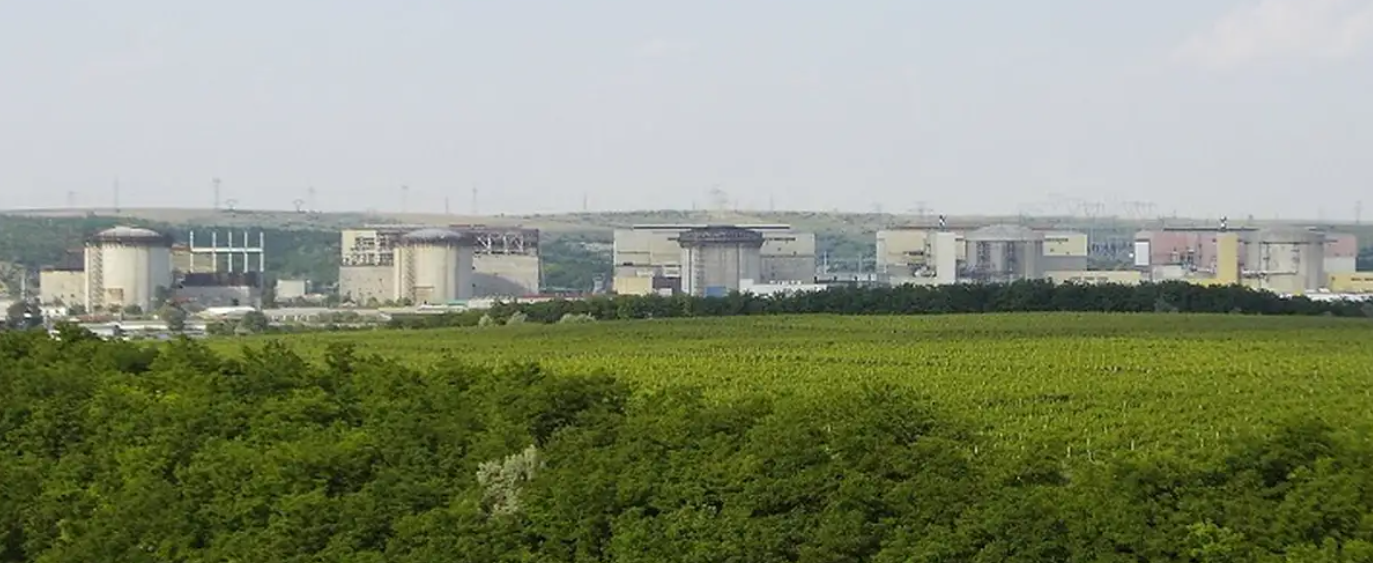
Unit 2 of Romania's Cernavoda Nuclear Power Plant Still at Risk of Shutdown
Ionel Scrioșteanu, State Secretary of Romania's Ministry of Transport and Infrastructure, stated that Unit 2 of the Cernavoda Nuclear Power Plant is currently still in operation, but the risk of shutdown has not been eliminated. On August 8, Romanian authorities took emergency measures by sinking four fully loaded barges into the Danube River to raise local water levels, increasing the water intake into the plant's cooling water system to ensure the cooling needs of the reactor units. Scrioșteanu said on social media that the related actions have achieved positive results, allowing Unit 2 of the Cernavoda Nuclear Power Plant to continue operating...
2026-08-11
Romania in Talks to Purchase 300 Tons of Uranium from Niger, Nuclear Fuel Supply Diversification Faces Legal Uncertainties
Romania's state-owned nuclear power company Nuclearelectrica has initiated negotiations to purchase 300 tons of uranium from Niger, against the backdrop of Romania's push to diversify its external nuclear fuel sources. The talks began on April 13, 2026, with Niger's Minister of Mines Ousmane Abarchi responding positively, after which the Romanian delegation continued engagement with the Nigerien side. The transaction is valued at approximately $40 million, but Nuclearelectrica has emphasized that no final agreement has been reached yet. The potential appeal of this uranium supply lies in Romania's expanding nuclear power development plans, while domestic large-scale uranium mining has ceased. As the operator of the Cernavodă nuclear power plant...
2026-08-10
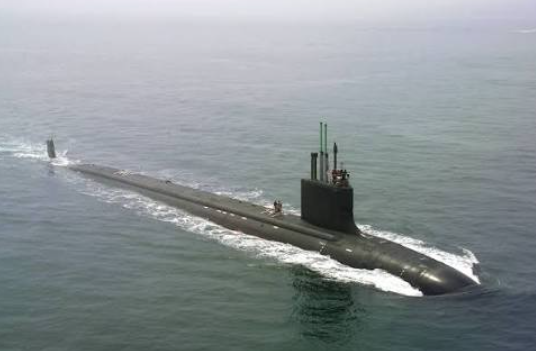
U.S. Enhances Virginia-Class Nuclear Submarines
The recent U.S. efforts to enhance and reposition the Virginia-class nuclear submarines have focused primarily on expanding the platform's own capabilities. Certain batches of Virginia-class submarines are being reclassified from attack submarines (SSN) toward cruise missile submarines (SSGN), with the addition of the Virginia Payload Module (VPM) extending the hull and adding large-diameter vertical launch tubes, increasing the per-boat Tomahawk cruise missile payload from 12 to approximately 40, while also accommodating Conventional Prompt Strike hypersonic missiles and unmanned underwater vehicles. This modification directly fills the firepower gap left by the retiring Ohio-class SSGNs, positioning this submarine class as a covert, long-range conventional precision-strike node at sea. As nuclear-powered submarines, the Virgini...
2026-08-10
Unit 2 of Romania's Cernavoda Nuclear Power Plant to Operate for at Least 9 More Days
Unit 2 of Romania's Cernavoda Nuclear Power Plant is expected to continue operating for at least 9 more days. Romania's Acting Minister of Defense and Transport, Radu Miruță, stated that after blasting operations and the removal of underwater obstacles in the Danube River, the water level in the Cernavoda area rose by 4 centimeters over the past 24 hours. The previous day, the water level in the area had dropped by 3 centimeters. Recently, due to persistent drought, the Danube River's water level has fallen to historic lows, putting pressure on the plant's water intake and reactor cooling. To increase water supply in the river section near the Cernavoda Nuclear Power Plant, Romania last week implemented unconventional engineering measures, including blasting a rock formation in the Danube and sinking barges loaded with cargo to alter...
2026-08-10
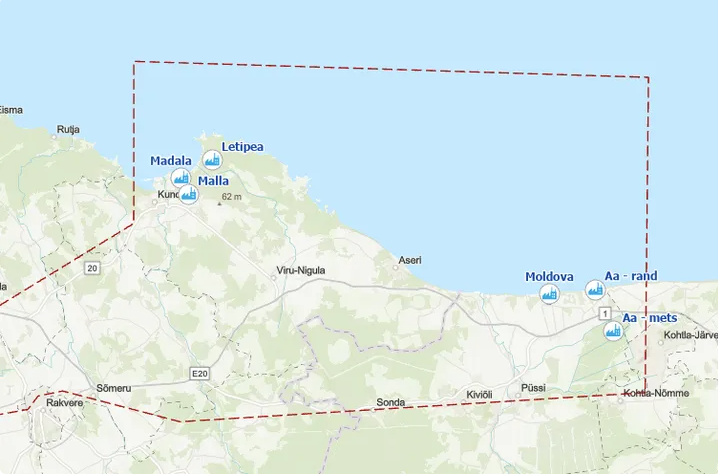
Estonia's Nuclear Power Plant Site Selection Enters New Phase, with All Six Candidate Locations on the Northern Coast
Estonia's special plan for building a nuclear power plant has entered a critical screening phase. Following the government's decision launched last spring, six potential sites have been identified, all located on Estonia's northern coast. Three of the sites are in Lääne-Viru County, and the other three are in Ida-Virumaa County, indicating that the northern coastal region has become a key focus area for nuclear power project development. The planning is being organized by Estonia's Ministry of Economic Affairs and Communications, with Fermi Energia AS being the company interested in the plan and its implementation. The two parties will introduce the candidate sites and the criteria for final site selection through public events in early August. Relevant information was already presented on Wednesday in Rakvere, indicating the project is moving from internal assessment toward public engagement.
2026-08-09
Drought Lowers Danube Water Levels, Romania Plans to Restrict Industrial Power Use if Necessary
Romania's Acting Prime Minister Ilie Bolojan said after a cabinet meeting on August 6 that the government has developed a comprehensive risk prevention plan covering multiple risk scenarios, including earthquakes, public health events, and the current drought, with corresponding response measures clearly defined. Under the plan, Romania will establish a national operations center in the energy sector. Bolojan stated that the government will approve on August 7 measures by Transelectrica to take action when necessary: with 24 hours' prior notice, certain industrial users may be disconnected from the national grid. He also emphasized that power supply to ordinary citizens, apartments, and residential users will not be...
2026-08-07
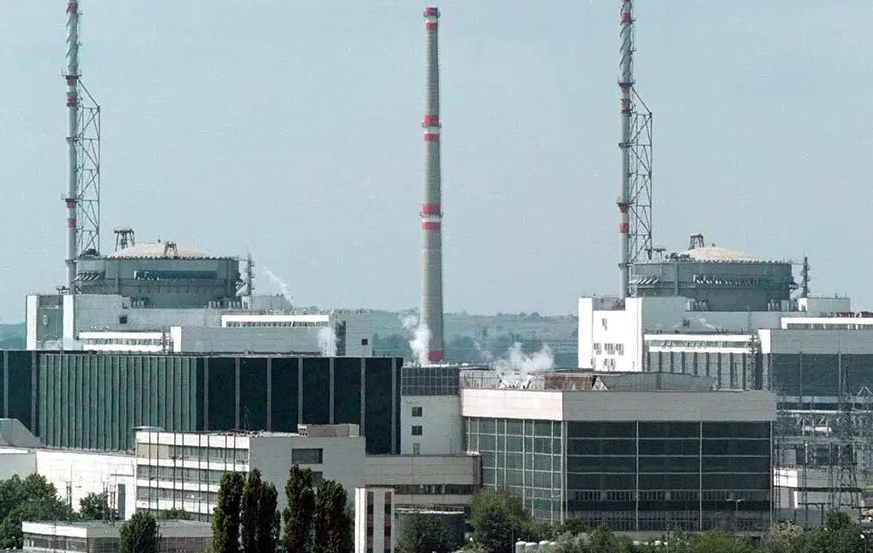
Bulgaria's Kozloduy Units 5 and 6 VVER-1000 Continue Stable Power Generation
Bulgaria's Ministry of Energy confirmed on August 4 that Units 5 and 6 (both VVER-1000) at the Kozloduy Nuclear Power Plant remain stably connected to the grid despite record-low Danube River water levels and an ongoing heatwave. Professional assessments indicate that even if the river level continues to decline at the current rate, no power reduction will be required for the next three weeks. Bulgarian authorities have confirmed that they maintain continuous contact with relevant institutions in Serbia and Romania to coordinate and monitor the situation on the Danube waterway. The stable operation of the Kozloduy Nuclear Power Plant comes at a time when neighboring operators along the Danube have been forced to reduce output or cease operations. Due to the sharp drop in water levels and rising river water temperatures, Hungary has had to significantly reduce power output and shut down the Paks Nuclear Power Plant, which supplies more than 40% of the country's electricity.
2026-08-06
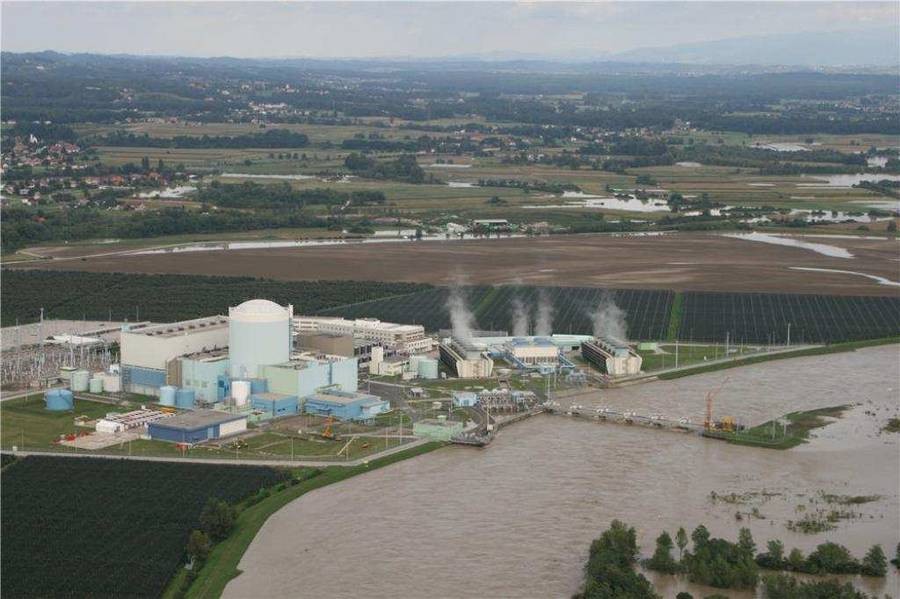
Krško Nuclear Power Plant to Reduce Power Output Due to Sava River Water Temperature Pressure
The Krško Nuclear Power Plant (Krško NPP) announced that, due to persistent abnormal hydrological and meteorological conditions in the Sava River, it will begin gradually reducing reactor power from the evening of August 6 to prevent river water temperatures from exceeding environmental standards. In the first phase, the unit's power output will be reduced to 80% of its maximum generating capacity. The plant stated that this power reduction is a planned, controlled, and temporary measure aimed at ensuring the Sava River water temperature remains within permissible limits. Relevant environmental standards stipulate that the daily average water temperature must not exceed 28 degrees Celsius, and the temperature increase of the river water caused by the plant's operation must not exceed 3 degrees Celsius. The management of the Krško Nuclear Power Plant also stated...
2026-08-06
Romania postpones sinking barges to guide water flow, safeguarding cooling water supply for Cernavodă Nuclear Power Plant
Romania has recently taken emergency measures to address the impact of the persistently declining Danube River water level on the water supply to its nuclear power plant. On August 5 local time, Romanian authorities stated that four barges would be sunk in the Danube River to guide water flow into the water intake channel related to the cooling water supply of the Cernavodă Nuclear Power Plant. Cernavodă is Romania's only nuclear power plant. Affected by drought and the low water level of the Danube, the plant's water intake conditions are under pressure. On August 3, the Romanian military used approximately 180 kilograms of explosives to blast and clear a rock formation in the Danube riverbed, aiming to improve the water flow channel, ensure the cooling water source for units in operation, and prevent the nuclear units from being forced to shut down due to insufficient water supply...
2026-08-06

Low Danube Water Levels Impact Nuclear Power Plant Operations in Romania and Hungary
On August 4, amid persistently low Danube River water levels, Romania was rushing to build temporary dikes to divert more river water toward the Cernavodă Nuclear Power Plant to secure cooling water for its remaining operational reactor. Meanwhile, Hungary stated that the only still-operating turbine unit at the Paks Nuclear Power Plant was running in a safe condition. Both Hungary's Paks Nuclear Power Plant and Romania's Cernavodă Nuclear Power Plant rely on Danube River water for cooling. Recently, the Danube's water level dropped to historic lows, leading to a significant decline in nuclear power output in both countries. Budapest and Bucharest have had to increase electricity imports and call on residents and businesses to reduce consumption to ease grid pressure...
2026-08-05
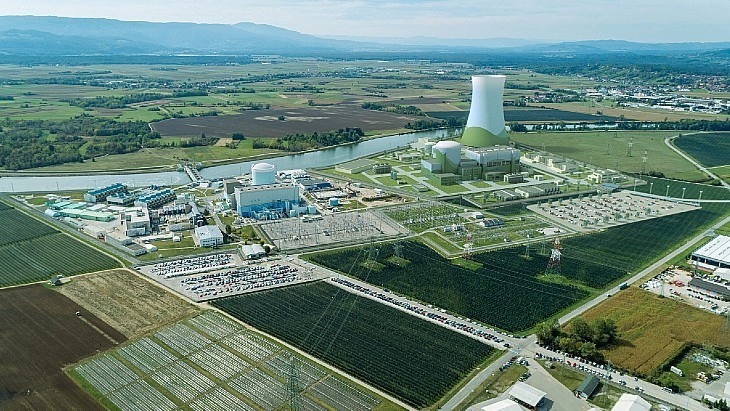
Krško Nuclear Power Plant Operates at Full Capacity; Low Sava River Water Level May Affect Unit Output
Slovenia's Krško Nuclear Power Plant continues to operate at full capacity, but due to low water levels and elevated water temperatures in the nearby Sava River, a reduction in reactor power cannot be ruled out in the future. The plant stated that it is utilizing its cooling tower system and operating in compliance with environmental restrictions related to the Sava River. Due to insufficient recent precipitation, the Sava River's water level remains low, and river water temperatures are also staying in a higher range. Plant management also noted that increased cooling demands have already had a certain impact on the unit's power generation efficiency. Krško Nuclear Power Plant has notified relevant authorities in Slovenia and Croatia that if environmental restrictions are further tightened, it may be necessary to...
2026-08-05
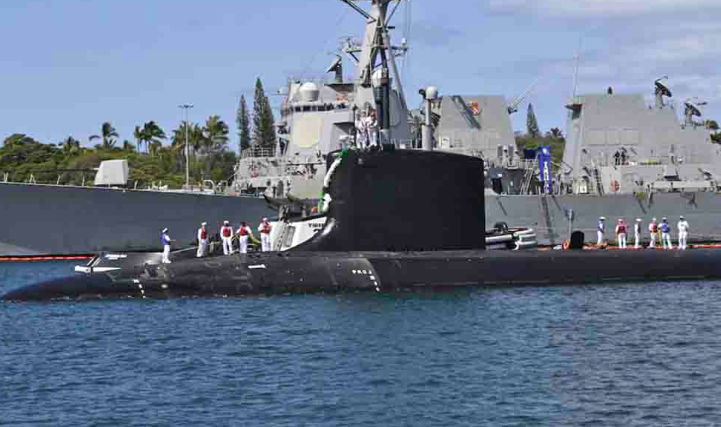
U.S. Navy Virginia-class nuclear submarine USS Vermont departs Yokosuka on August 1
The U.S. Virginia-class nuclear submarine USS Vermont departed Yokosuka Port on August 1. The city of Yokosuka disclosed the information on August 3. It is reported that USS Vermont entered Yokosuka Port on July 24 and departed at 1:49 p.m. on August 1. This port call was for crew rest, resupply, and maintenance. USS Vermont is one of the Virginia-class nuclear submarines, with hull number SSN-792. This was the second time USS Vermont entered Yokosuka Port. The first visit was on December 9, 2024. The previous port call also focused on rest, resupply, and maintenance. Since the beginning of this year, seven U.S. nuclear-powered vessels have visited Yokosuka Port...
2026-08-04
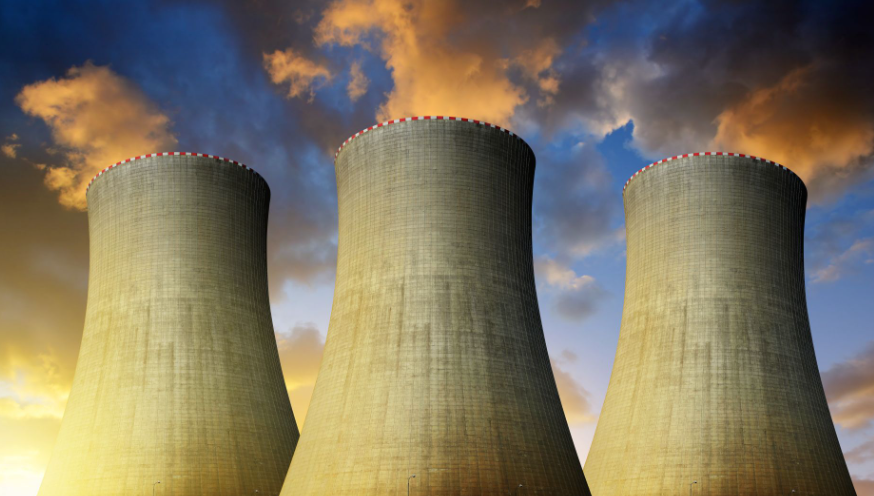
Romania purchases nuclear electricity from Ukraine via Moldova to fill gap left by Cernavoda Unit 1 outage
Romanian state-owned nuclear power company Nuclearelectrica announced on August 3 that it purchased electricity from Ukraine, using Moldova's state-owned power supplier Energocom as an intermediary. Although the specific transaction amount is confidential, the price will be determined at market rates. This purchase is intended to compensate for the power gap caused by the shutdown of Unit 1 at the Cernavoda Nuclear Power Plant, thereby mitigating the impact on Romania's energy market. According to the statement, the purchase price will reference official prices on regional spot exchanges, particularly during peak demand hours from 7 PM to 10 PM. Given the widespread heatwave and tight electricity demand currently affecting Romania and Europe, the market...
2026-08-04
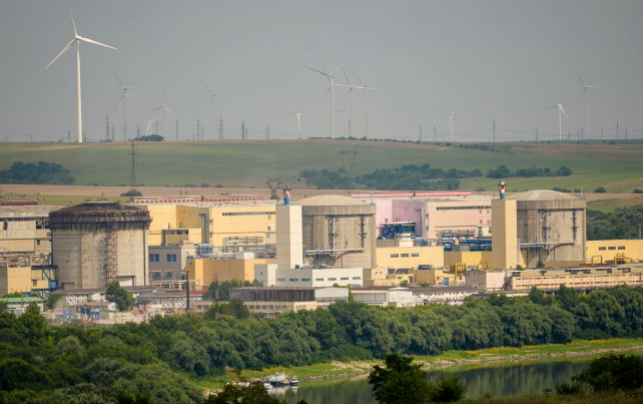
Unit 2 of Romania's Cernavoda Nuclear Power Plant can only operate for about 5 more days due to the continuously declining water level of the Danube River
Unit 2 of Romania's Cernavoda Nuclear Power Plant is expected to operate for only about five days due to the declining water level of the Danube River. Romeo Urjan, the plant's director, stated that if the Danube's water level continues to drop at a rate of 2 to 3 centimeters per day, Unit 2 will soon cease operation. Unit 1 has already been shut down due to insufficient water flow. Urjan emphasized that despite this, Unit 2 continues to operate within normal parameters, and nuclear safety is not under any threat. To alleviate the situation, relevant authorities are preparing to deploy four barges to divert more water to the plant, hoping to raise the water level by 7 to 8 centimeters, thereby extending the plant's operating time. Related...
2026-08-04