
Search Results
Keyword:NTS
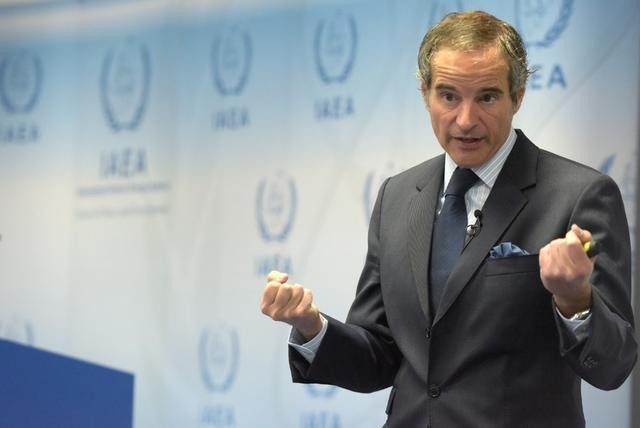
IAEA Director General Unveils Upcoming New Initiative on Maritime Nuclear Energy
Rafael Grossi, Director General of the International Atomic Energy Agency (IAEA), recently stated that the Agency is preparing to launch a new initiative to promote the application of civilian nuclear technology in maritime settings. The initiative, named Atomic Technology Licensing for Maritime Applications (ATLAS), will be officially unveiled at an IAEA ministerial event scheduled for August 26-27 in Washington, D.C., United States. The initiative aims to support the deployment of maritime civilian nuclear applications such as nuclear-powered ships and floating nuclear power plants, while facilitating alignment in licensing and regulatory efforts. Grossi stated that the ATLAS initiative could support global trade and help provide energy to remote communities and industrial users...
2026-08-26
IAEA 70th General Conference to Host Nuclear Energy Side Events
The International Atomic Energy Agency (IAEA) Department of Nuclear Energy will hold its regular Nuclear Power Plant Operators Forum and three nuclear energy-related side events during the 70th IAEA General Conference, to be held from 14 to 18 September 2026 in Vienna, Austria. The schedule of the side events will be announced once confirmed. The Nuclear Power Plant Operators Forum, themed "Microreactors: Shaping New Operational Landscapes and Applications," is scheduled to take place from 10:30 to 12:30 on 17 September 2026 in Meeting Room CR3, 7th Floor, Building C. The forum will feature panel discussions with industry and technical experts, presenting international progress in microreactor development and deployment, covering topics such as key design features, emerging technologies, fuel and deployment options, as well as practical considerations in installation and operation, and experience from projects under construction. The session will also address the diversification of microreactor designs, the evolving research and development landscape, and the impact of practical applications, societal factors, and market expectations on technology selection.
2026-08-26
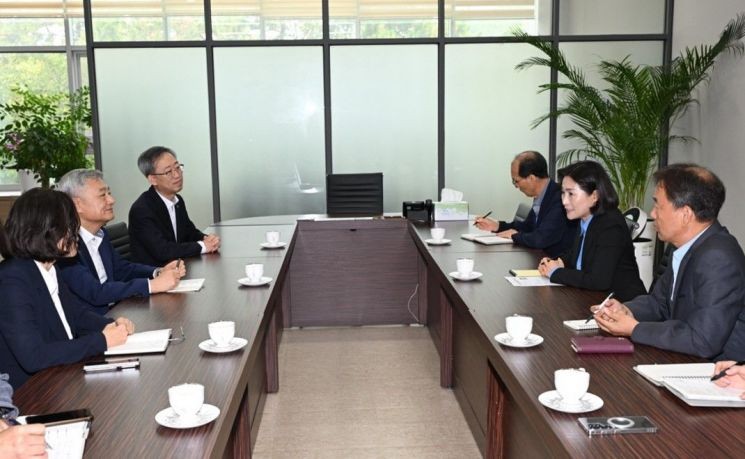
South Korea's Gijang County and KHNP Discuss Communication Issues with Residents near Kori Nuclear Power Plant
Gijang County, Busan, South Korea, said on August 25 that it held talks with Korea Hydro & Nuclear Power (KHNP) that day on pending issues related to the Kori Nuclear Power Plant, focusing on resident communication, allocation of co-prosperity support funds, dry cask storage facilities for spent fuel, and the small modular reactor project. According to Gijang County, KHNP President Kim Hoe-cheon visited the Gijang County government that day and met with County Governor Woo Sung-bin. Since taking office on March 18, Kim Hoe-cheon has been visiting nuclear power plant sites to understand local concerns, and this visit to Gijang County, the site of the Kori Nuclear Power Plant, is part of that ongoing communication effort...
2026-08-26

Netherlands advances front-end engineering design for two new nuclear power plants
The Netherlands Nuclear Organization (NEO NL) has awarded contracts to Électricité de France (EDF) and Westinghouse Electric Company (Westinghouse) to conduct design studies for two proposed new nuclear power plants in the Netherlands. The work is seen as the next step in the construction preparation phase, with both companies set to launch the first phase of studies after the summer. These design studies, internationally referred to as Front-End Engineering Design Phase 1 (FEED 1), will be implemented in two stages. The first stage, FEED 1a, is independent of specific plant site selection, allowing work to proceed while the Dutch government advances its siting process...
2026-08-26
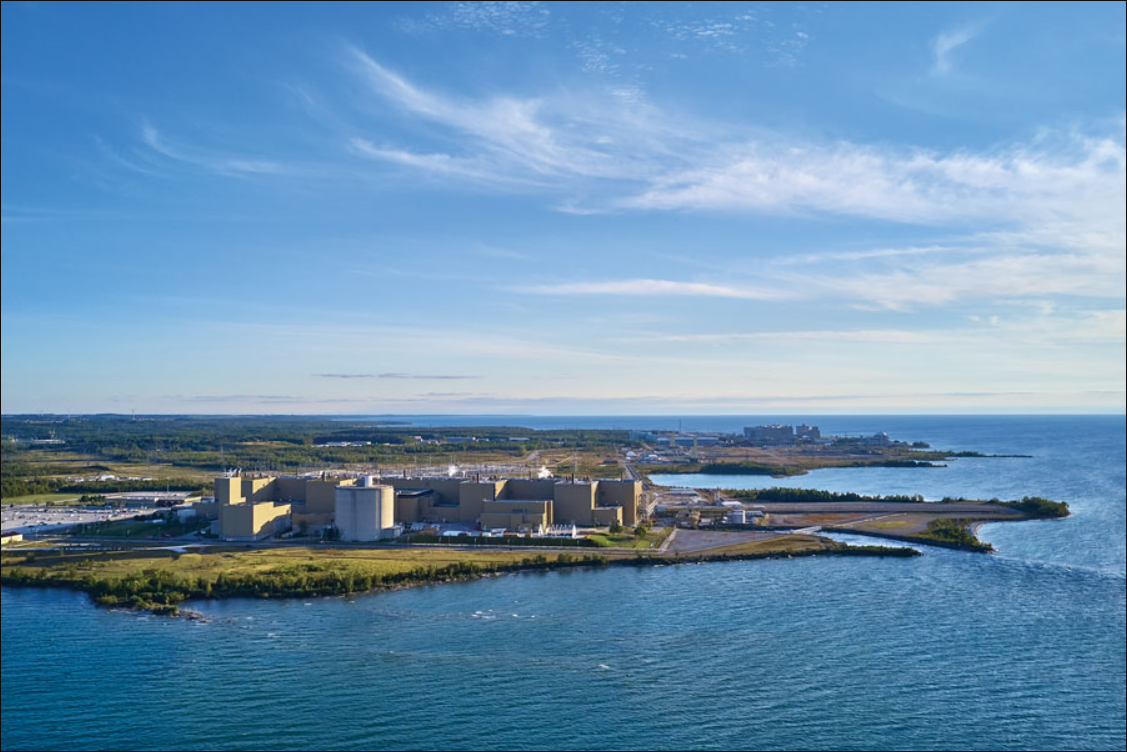
Canada Approves Power Uprate for Bruce A and B Nuclear Power Plants
The Canadian Nuclear Safety Commission (CNSC) announced on August 24 that it has decided to amend the licensing basis for the Bruce A and B nuclear power plants, approving an increase in the intermediate power operating levels of the two plants. The Bruce A and B nuclear power plants are located in Kincardine, Ontario, Canada, on the eastern shore of Lake Huron, and are operated by Bruce Power. Under the revised licensing basis, Bruce Power may increase the maximum operating power of the Bruce A plant to 95.5% of full power and the Bruce B plant to 96% of full power. Previously, the Bruce A plant was authorized to operate at a maximum power of...
2026-08-26
South Korea's Ulju County Seeks to Streamline Procedures for Support Projects Around Nuclear Power Plants
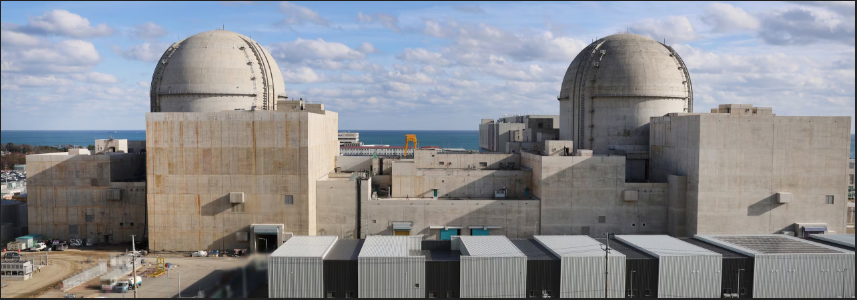
Ulju County, Ulsan Metropolitan City, South Korea, announced on August 26 that it will propose simplifying the procedures for implementing support projects in areas around power plants at the administrative meeting of local governments hosting nuclear power plants to be held next month, and will push for institutional adjustments to expand the scope of support for electricity bill subsidy projects. According to the Enforcement Decree of South Korea's Act on Support for Areas Around Power Plants, basic support projects for areas around power plants include profit-generating projects, public and social welfare projects, education projects, resident welfare support projects, investment attraction support projects, electricity bill subsidy projects, and other support projects. The first institutional improvement proposal put forward by Ulju County this time is to simplify the procedures for using basic support funds generated during the construction of small-capacity power plants.
2026-08-26
Russia has manufactured 15 RITM-200 reactors
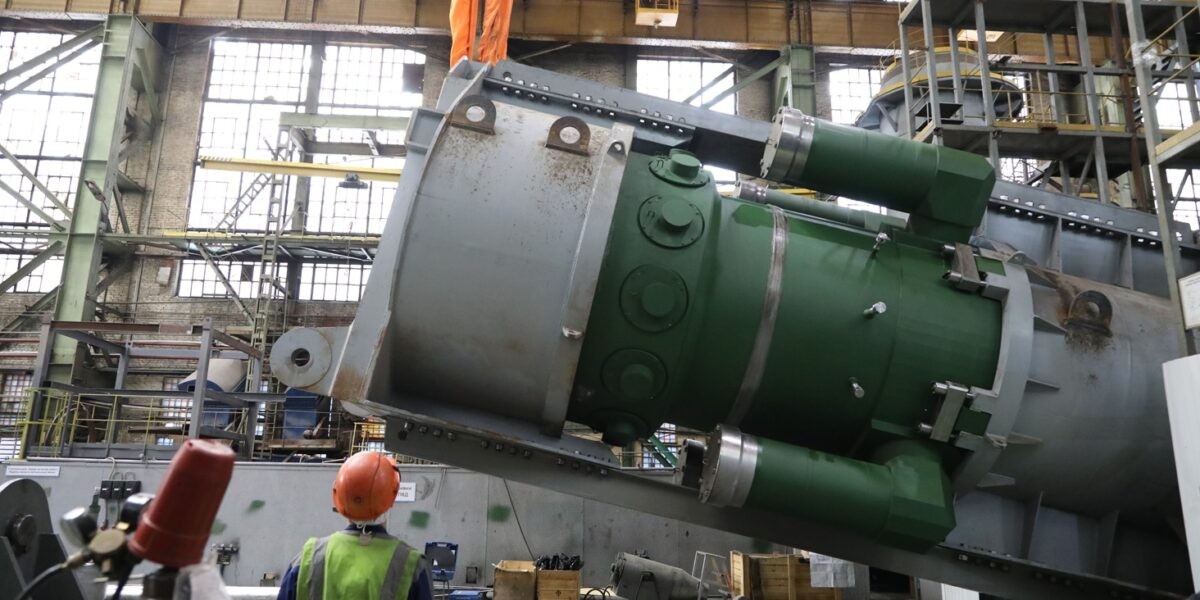
Alexey Likhachev, CEO of Rosatom, presented plans for constructing nuclear power plants of various capacities at a nuclear energy development meeting, with small-capacity nuclear power systems being one of the key topics. According to the presentation, Russia has manufactured 15 RITM-200 reactors to date, with another 13 under construction. The RITM-200 is Russia's new-generation marine reactor, primarily used in Project 22220 nuclear-powered icebreakers. The most recent reactor equipment has been delivered to the nuclear-powered icebreaker Leningrad. Rosatom is developing small nuclear power plant solutions based on the RITM-200, covering both land-based and marine applications...
2026-08-25
Russia Plans to Update Regulatory Framework for Advanced Nuclear Technologies
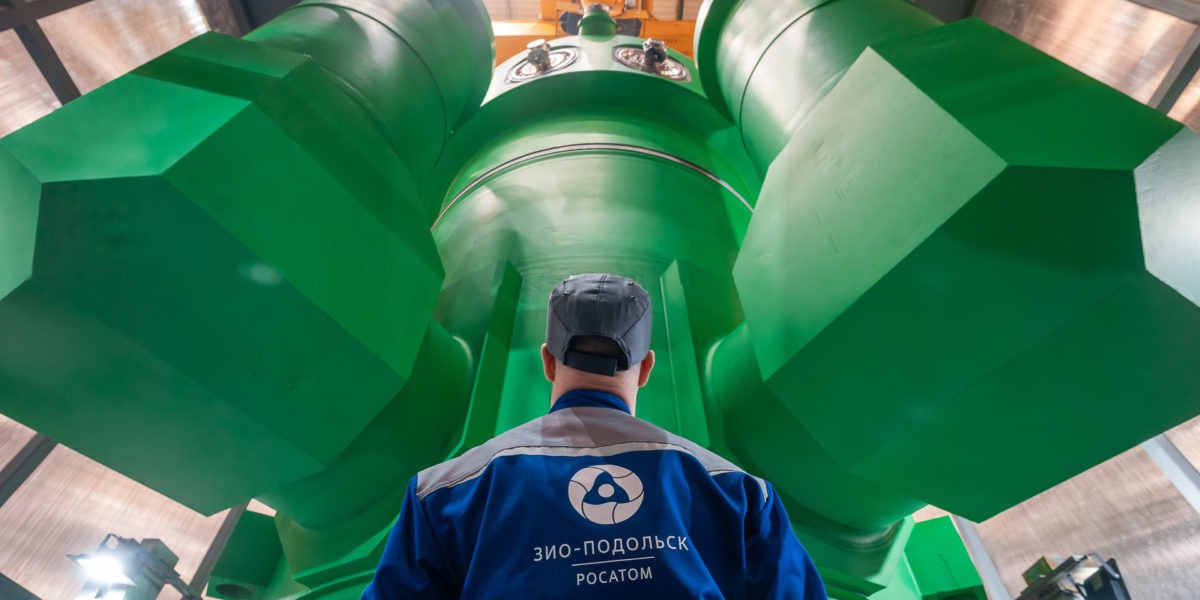
Alexey Likhachev, Director General of Rosatom, stated at a presidential meeting that the pace of nuclear technology development is outpacing the adaptability of the existing technical regulatory system, making it necessary to update relevant federal laws and regulations. Likhachev believes that regulatory adjustments should align with the development of advanced nuclear technologies, but without compromising regulatory independence or introducing additional safety risks. He proposed drawing on internationally accepted practices by conducting regulatory assessments at an early stage of projects, meaning regulators would engage in communication with developers before formal license applications are submitted, so as to resolve potential disputes before project construction begins...
2026-08-25

South Korea Reviews Plans for New Nuclear Units and 20-Year License Extensions
The South Korean government is reviewing plans to build new nuclear power units and extend the operating license periods of existing nuclear plants to address mid- to long-term electricity demand growth driven by semiconductor industry clusters in Yongin and the Honam region. The Ministry of Climate, Energy and Environment submitted a written response to the National Assembly on the 24th, stating that during the revision of the 12th Basic Plan for Electricity Supply and Demand, it will review whether to include new nuclear power plants in the plan, taking into account factors such as electricity supply-demand necessity, construction schedules, regional acceptance, and suitability of nuclear plant sites. The ministry stated that after the draft of the relevant work is published, it will also undergo procedures including National Assembly deliberation, public hearings, strategic environmental impact assessment, and climate change impact assessment.
2026-08-25

Iran Says Its Atomic Energy Organization's Medical Products Serve Over 1.5 Million Patients Annually
Mohammad Eslami, head of the Atomic Energy Organization of Iran, recently stated that more than 1.5 million patients in Iran use diagnostic and therapeutic products developed by the organization each year, and related medical products have also been exported to multiple countries. Eslami made these remarks at a ceremony held by Iran's nuclear industry to celebrate Physicians' Day. He said that promoting the application of advanced treatment methods is one of the key directions of Iran's scientific and technological development. The progress made by Iranian researchers in cold plasma technology has opened up a "brand-new and promising path" for medical applications. He stated that plasma technology has not only achieved notable results in the research field but has also played a role in healthcare settings.
2026-08-24
Russian Scientists Propose New Scheme for Measuring Proton and Deuteron Electric Dipole Moments in a Single Storage Ring
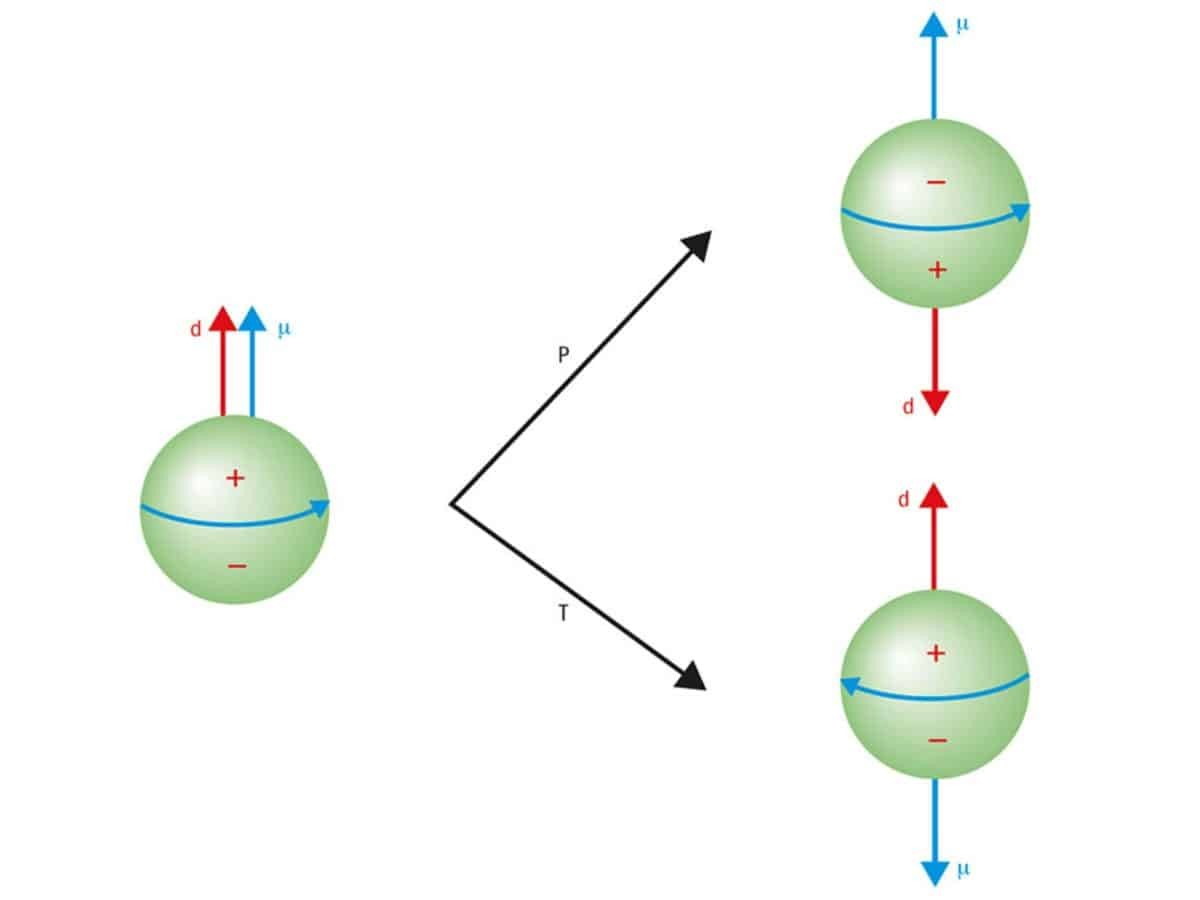
August 21 news, researchers from the Moscow Institute of Physics and Technology, the Institute for Nuclear Research of the Russian Academy of Sciences, the National Research Nuclear University MEPhI, and the Landau Institute for Theoretical Physics of the Russian Academy of Sciences have proposed a new experimental scheme to study the electric dipole moments of protons and deuterons in a single storage ring. The scheme can be implemented both in specially constructed new facilities and, potentially, in upgraded existing accelerator complexes. The electric dipole moments of protons and deuterons reflect the asymmetry of the internal charge distribution relative to the spin direction. According to Standard Model predictions, their values are non-zero but extremely small, on the order of 10⁻³¹ e·cm, far below current experimental sensitivity...
2026-08-24
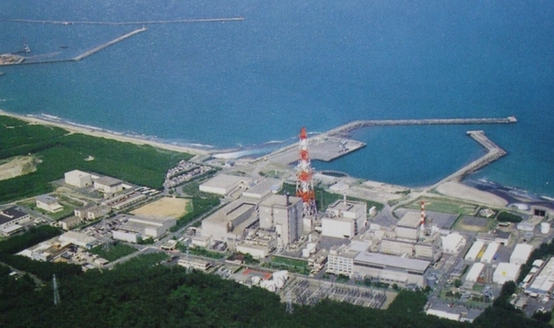
No abnormalities detected at multiple nuclear power plants after earthquake in Ibaraki Prefecture, Japan
At around 2 a.m. on August 23, an earthquake struck the southern part of Ibaraki Prefecture, Japan, with a maximum seismic intensity of 5-lower observed in parts of Ibaraki Prefecture, Tokyo Metropolis, Saitama Prefecture, and Chiba Prefecture. The Japanese government subsequently established a liaison office at the Crisis Management Center of the Prime Minister's Official Residence. Japanese Prime Minister Sanae Takaichi stated that relevant departments have been instructed to verify the damage situation and promptly release accurate information to the public. The earthquake posed no risk of tsunami. Japan Atomic Power Company (JAPC) stated that a seismic intensity of 3 was observed in the area where the Tokai Daini Nuclear Power Plant is located in Tokai Village, Ibaraki Prefecture. The unit is currently shut down, and as of now...
2026-08-24

Li Qiang Chairs State Council Executive Meeting, Approves the "Regulations on Emergency Response and Investigation Handling of Electric Power Safety Accidents (Revised Draft)" and Others
On August 21, Premier Li Qiang of the State Council chaired an executive meeting of the State Council, which heard a report on the construction of the new-generation communication network, made arrangements for further clearing overdue payments owed to enterprises, studied efforts to continuously improve air quality, and reviewed and approved the "Regulations on Emergency Response and Investigation Handling of Electric Power Safety Accidents (Revised Draft)" and the "Regulations on Market Supervision and Administration Offices (Draft)". The meeting noted that it is necessary to actively adapt to the trends of the new round of technological revolution and industrial transformation, firmly seize the opportunities presented by the construction of the new-generation communication network, adhere to application-driven and appropriately forward-looking development, coordinate the construction of basic networks, space networks, international networks, and integrated networks, and consolidate and enhance the competitive advantages of China's information and communication industry. It is necessary to...
2026-08-22
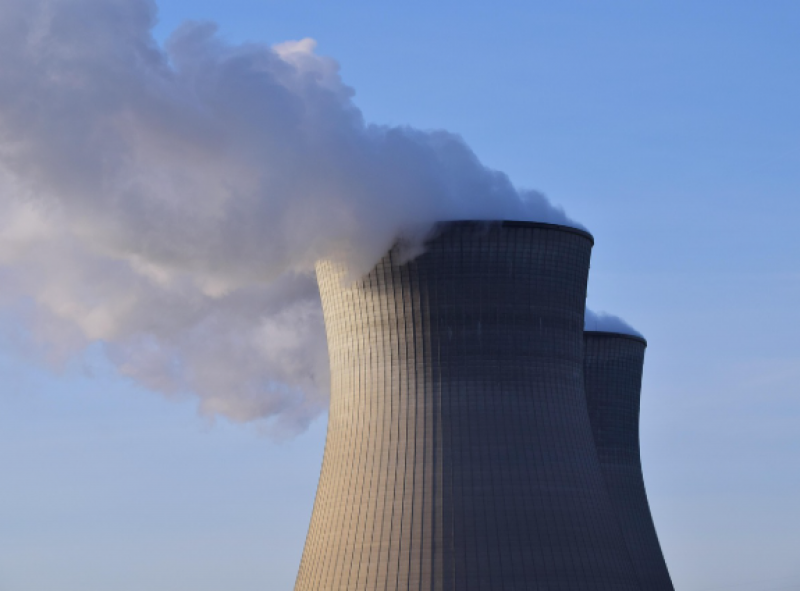
Uzbekistan Approves Radiation Accident Emergency Procedures for Nuclear Power Plants
Uzbekistan has approved radiation accident emergency procedures for nuclear power plants, specifying the handling procedures when nuclear power plants face the threat of or actually experience radiation accidents. The document was approved by the Industrial, Radiation and Nuclear Safety Committee under the Cabinet of Ministers, registered with the Ministry of Justice, and entered into force on August 20. The procedures apply to the siting, design, construction and operation stages of nuclear power plants, covering the conditions for activating emergency states, radiation dose rate criteria, operational information reporting processes, and requirements for emergency rescue organizations. According to the procedures, the emergency states of nuclear power plants are divided into two levels: emergency preparedness and emergency condition. When the former is activated, it generally means that the safe operation limits or conditions of the nuclear power plant have been exceeded, while the ionizing radiation dose rate has reached the corresponding threshold. If external natural or man-made events such as earthquakes, explosions, fires, or floods occur at the site and affect safety-related systems or safe operating conditions, an "emergency preparedness" state may also be declared.
2026-08-22
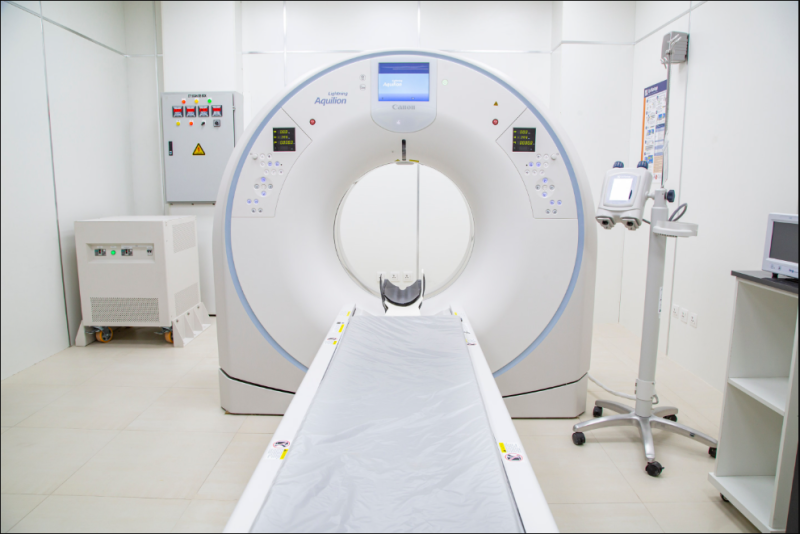
South Korea's National Assembly Passes Amendments on Radiation Disaster Response, Strengthening the Treatment System for Radiation Victims
The South Korean National Assembly held a plenary session on the 20th and passed two livelihood bills proposed by Rep. Yoon Jun-byeong, a member of the Parliamentary Agriculture, Food, Rural Affairs and Fisheries Committee. The bills concern the establishment of a radiation disaster response system and adjustments to the support system for surviving family members of national meritorious persons. Under the amendments passed, the Korea Atomic Energy Research Institute will be granted the qualification to operate as a specialized hospital for treating radiation victims. This arrangement aims to further improve the national medical safety net, enabling industrial radiation workers and victims of accidental radiation incidents to receive faster and more systematic treatment and rehabilitation support. Meanwhile, another amendment was also passed. This amendment, in accordance with the Constitutional Court's ruling of nonconformity, abolishes the provision that prioritized age as the sole criterion in the payment of survivor benefits to families of national meritorious persons of the same rank. After the relevant institutional adjustment, greater emphasis will be placed on safeguarding the rights of low-income households to reduce blind spots in welfare support.
2026-08-21