
Search Results
Keyword:NTS
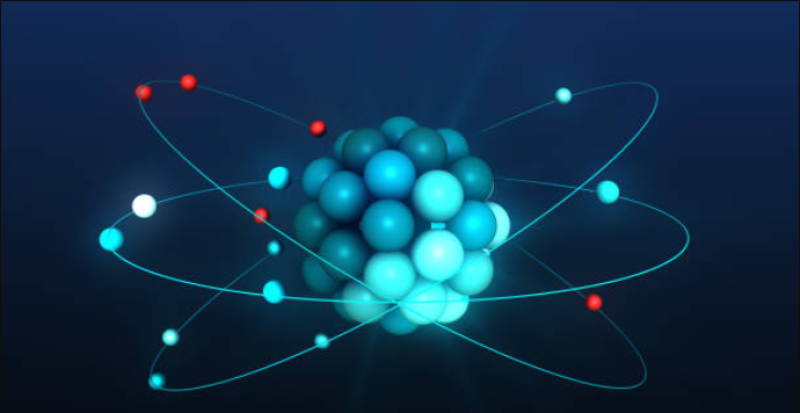
Large Hadron Collider experiments reveal neon nucleus may be bowling-pin shaped
A recent experimental result from the Large Hadron Collider at CERN suggests that the internal structure of the neon-20 nucleus may not be approximately spherical as commonly depicted in traditional textbooks, but rather closer to a "bowling pin" shape. This finding provides new experimental clues for studying deformation of light atomic nuclei and collective behavior in high-energy nuclear collisions. Atomic nuclei are composed of protons and neutrons, determining the elemental identity of atoms and carrying most of their mass. Although nuclei are often simplistically depicted as spherical, nuclear physics research has shown that some nuclei exhibit pronounced non-spherical deformation, such as the pear-shaped nuclei mentioned in previous studies. Accurately understanding these shapes helps physicists...
2026-08-21

Indonesia Holds Meeting with Russia on Regulatory Framework for Floating Nuclear Power Plants
On August 18-19, Russian and Indonesian agencies held working meetings in Jakarta to discuss the development of a regulatory framework for Indonesia's nuclear energy program, covering licensing, regulatory, and safety requirements for the implementation of floating nuclear power plant projects. Deputy Chairman of the Federal Service for Environmental, Technological and Nuclear Supervision (Rostekhnadzor) Alexey Ferapontov, the head of Indonesia's Nuclear Energy Regulatory Agency (BAPETEN), representatives of Rosatom, and representatives of Indonesia's Ministry of Transportation attended the meetings. The discussions focused on cooperation prospects between the two countries' regulatory bodies in the context of developing Indonesia's nuclear energy program...
2026-08-21
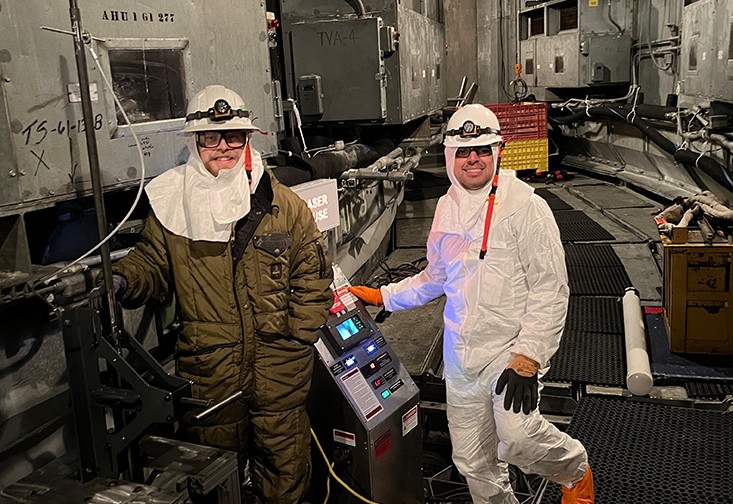
U.S. University Develops Laser De-icing Technology for Nuclear Power Plant Safety System Maintenance
An engineering team at the University of South Florida has developed a customized laser de-icing technology to address the issue of ice basket adhesion in the maintenance of critical safety systems at nuclear power plants. After four years of research, design, and testing, the technology has completed field testing at two nuclear power plants operated by the Tennessee Valley Authority (TVA). Developed jointly by Ahmed Vaselbehagh, Professor of Mechanical and Aerospace Engineering at the University of South Florida, and postdoctoral researcher Ty Hagan, the technology is primarily aimed at ice condenser systems used in certain nuclear power plants in the United States, Japan, and Finland...
2026-08-21
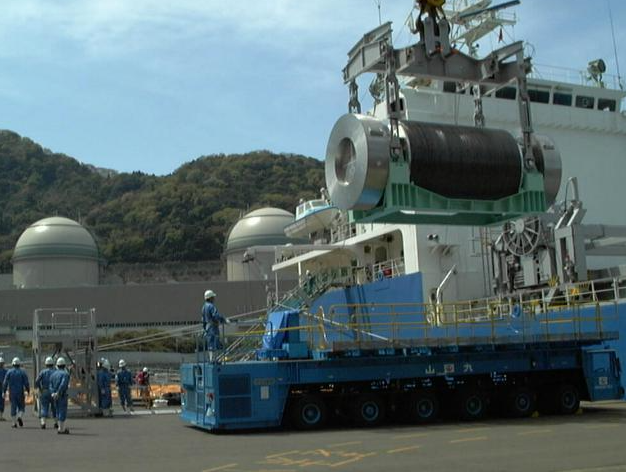
Kansai Electric's Dry Cask Storage Project for Spent Fuel at Three Fukui Nuclear Plants Accelerates
Kansai Electric Power Company (KEPCO) plans to construct dry cask storage facilities for spent fuel at the sites of its three nuclear power plants in Takahama, Oi, and Mihama in Fukui Prefecture, Japan, and the local approval process for the project has recently accelerated. According to local arrangements, in addition to regulatory review, the project requires prior consent from the Fukui Prefectural Government and the towns where the nuclear plants are located. The Nuclear Regulation Authority (NRA) of Japan has completed safety reviews of the dry cask storage facility plans for the Takahama and Mihama nuclear power plants, while the plan for the Oi plant remains under review. Takahama Town Mayor Hisakatsu Nishijima...
2026-08-20
Atomic Canyon, in partnership with EPRI, INPO, and NEI, Launches NIVA, a Virtual Assistant for the North American Nuclear Industry
Atomic Canyon, a company developing artificial intelligence tools for the nuclear energy industry, announced on August 18 that the Nuclear Industry Virtual Assistant (NIVA) has transitioned from the pilot phase to full deployment and will be rolled out to nuclear power plants across North America. The platform was developed by Atomic Canyon in collaboration with the Institute of Nuclear Power Operations (INPO), the Electric Power Research Institute (EPRI), and the Nuclear Energy Institute (NEI), and is available to commercial nuclear power plants that are members of these organizations. NIVA is positioned as an AI platform dedicated to the nuclear power industry, primarily designed to help nuclear professionals find, integrate, and apply industry knowledge more quickly across complex workflows involving technical, regulatory, and operational management tasks.
2026-08-19
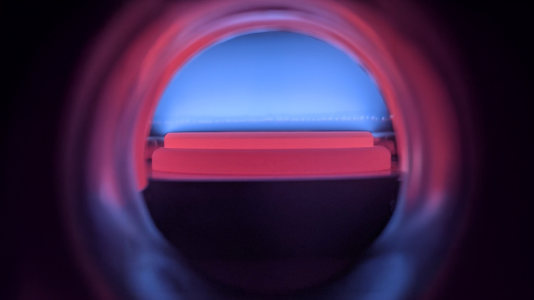
Argonne National Laboratory Launches Diamond Quantum Sensor Project to Serve High-Energy Physics Electromagnetic Field Measurements
The U.S. Department of Energy's Argonne National Laboratory recently launched a new three-year, $1 million research project that plans to combine quantum information science with high-energy physics research to develop a new generation of quantum sensors based on diamond materials for higher-precision measurement and mapping of electromagnetic fields. Inside this plasma-filled vacuum chamber is the diamond substrate used to fabricate the diamond thin film (not shown in the image), within which the nitrogen-vacancy qubits are located. (Image courtesy of Nazar Delegan/Argonne National Laboratory.) In high-energy physics experiments, the precision of electromagnetic field measurements directly affects the reliability of experimental results. Whether analyzing the momentum of debris produced after particle collisions...
2026-08-18
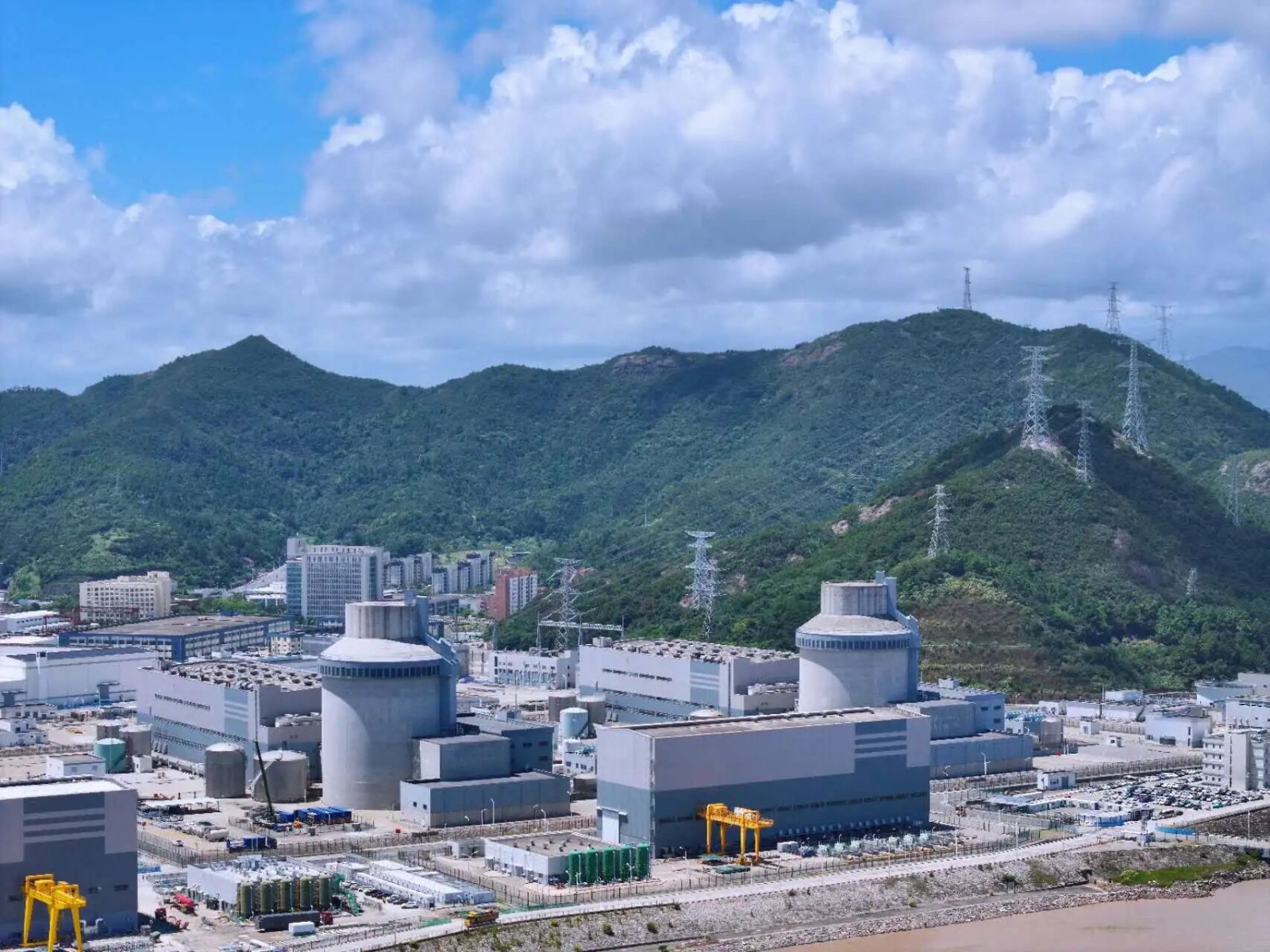
What "Hardcore" Technologies Lie Behind the Nuclear Power Plants Inspected by the Minister of Ecology and Environment?
From August 14 to 15, Huang Runqiu, Minister of Ecology and Environment, conducted a research tour on ecological and environmental protection work in Lishui, Taizhou, and Ningbo cities of Zhejiang Province. Actively, safely, and orderly developing nuclear power is an important measure for building a clean, low-carbon, safe, and efficient energy system and for achieving carbon peak and carbon neutrality. Huang Runqiu visited the Sanmen Nuclear Power Plant in Taizhou, going deep into the main control room of the operating unit and the nuclear island building of the unit under construction, to learn in detail about the operating status and construction progress of the nuclear power units, and to express gratitude to the on-site supervision personnel of the East China Nuclear and Radiation Safety Supervision Station. Ensuring the construction quality of nuclear power units is crucial to enhancing the safety level of nuclear power plants. Huang Runqiu then visited the Jinqimen Nuclear Power Plant in Ningbo, where he inspected the nuclear island foundation area to review the construction progress of the plant and engaged in on-site exchanges with nuclear safety supervision personnel.
2026-08-18
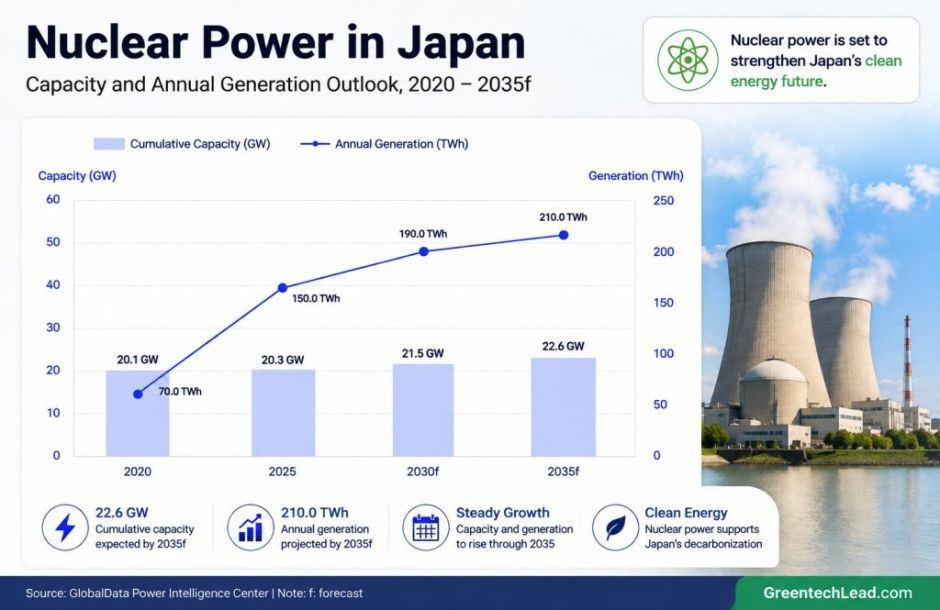
Japan's Nuclear Power Revival Enters Supply Chain Rebuilding Phase, with Spent Fuel and Engineering Capacity as Key Constraints
As Japan advances energy security, reduces dependence on fossil fuel imports, and expands low-carbon electricity supply, the focus of the country's nuclear power market is shifting from mere reactor restarts to a comprehensive supply chain rebuild covering manufacturing, operations and maintenance, life extension, fuel cycle, and waste management. GlobalData estimates Japan's nuclear power generation at 101.0 TWh in 2025 and projects it to increase to 123.3 TWh by 2035. Japan's policy target is to maintain nuclear power at approximately 20% to 22% of the electricity generation mix. Based on total annual electricity demand of approximately 1,050 TWh, a 20% nuclear share corresponds to about 210 TWh, while a 22% share corresponds to about 231 TWh. Compared with the 2025 nuclear generation figure of 101.0 TWh, the estimated gap is approximately 109 TWh to 130 TWh.
2026-08-18
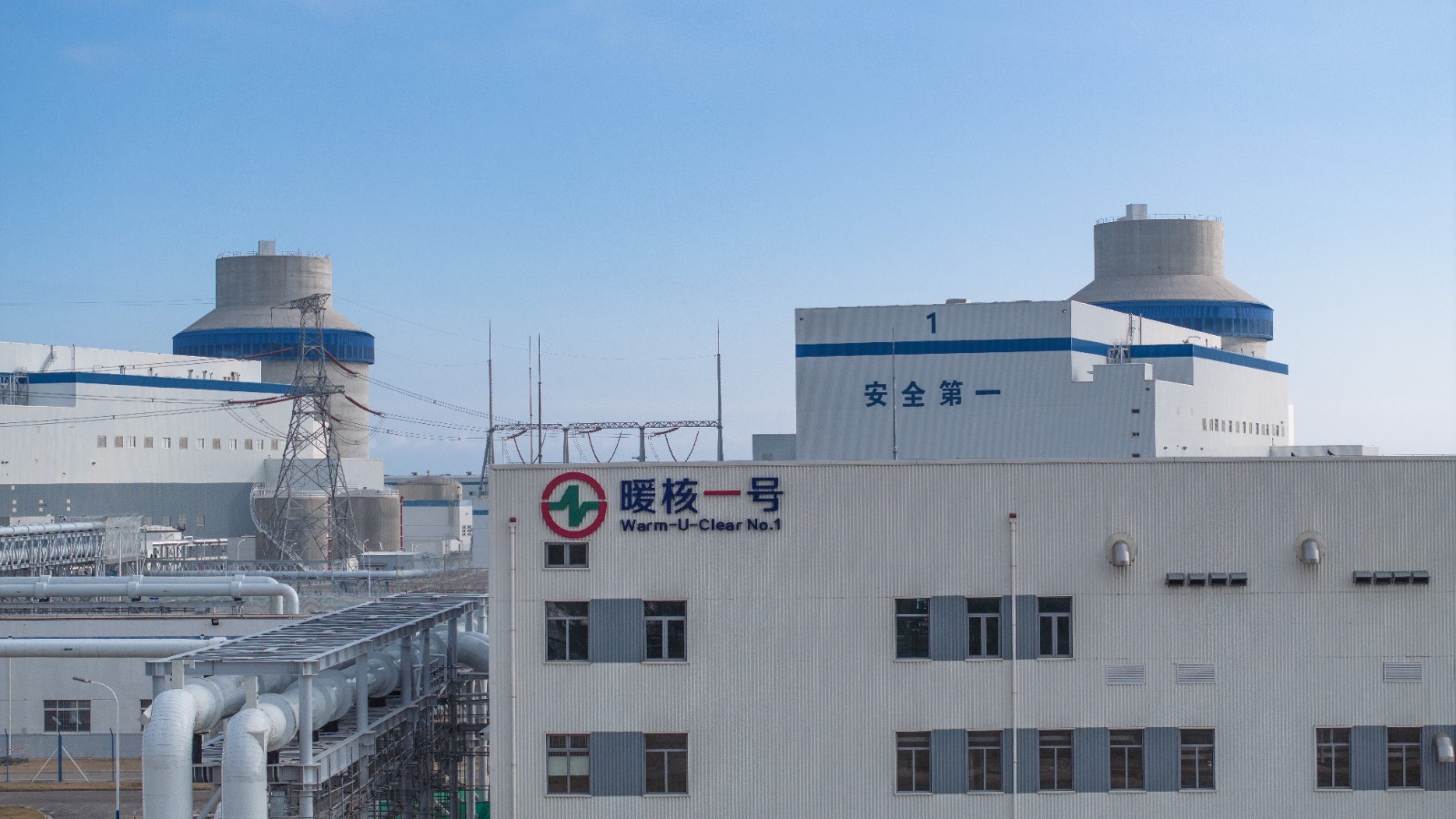
SPIC Shandong Nuclear Power's Total Intellectual Property Achievements Surpass 1,000
Recently, the total intellectual property achievements of SPIC Group Shandong Nuclear Power surpassed 1,000, and the company was also recognized as a "Yantai Intellectual Property Advantage Enterprise." It is reported that these 1,000 achievements include over 800 patents (including 5 international patents), 194 software copyrights and work copyrights, and 3 registered trademarks. Focusing on the new scenario of nuclear energy heating, Shandong Nuclear Power has formed over 100 patent achievements covering key areas such as system design, equipment optimization, and operation control, promoting clean nuclear energy's transition from power generation to heating, and creating China's first nuclear energy comprehensive utilization brand, "Nuanhe No.1." Focusing on the technical breakthrough of reheat control valves in the conventional island under the large-scale heating scenario of AP/CAP1000 pressurized water reactor nuclear power plants, the company has overcome key technical challenges and formed a series of patent achievements, supporting the innovative development of nuclear power equipment. The main pump frequency converter is known as the "heart" of nuclear power operation. Around its technical breakthroughs, the company has established a patent portfolio, driving control optimization and equipment reliability improvement, providing strong support for innovation in nuclear power equipment.
2026-08-17
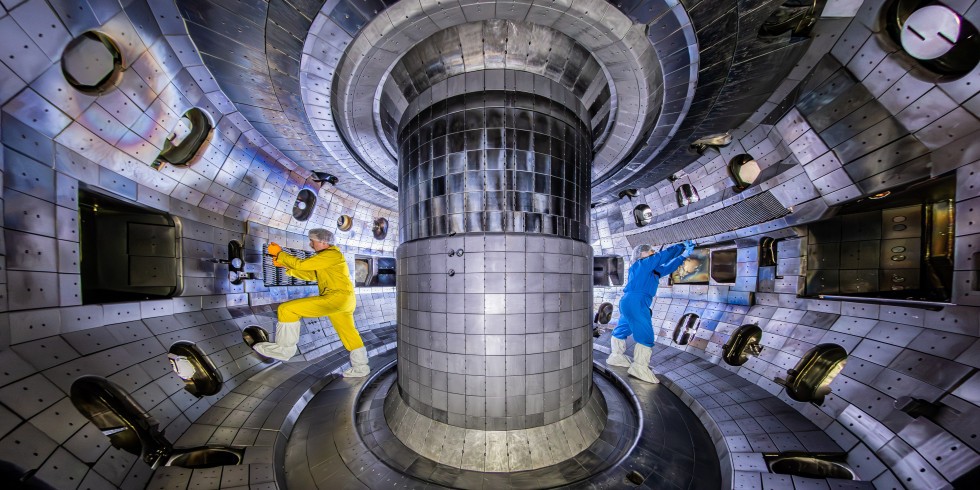
Machine learning framework predicts micro-displacements of DIII-D fusion device coils
Researchers at the U.S. Department of Energy's (DOE) Thomas Jefferson National Accelerator Facility (Jefferson Lab) and collaborating teams have developed a machine learning framework that can predict subtle changes in critical fusion device hardware before the next experiment begins. The method targets the DIII-D National Fusion Facility in San Diego, and the findings have been published in the journal Machine Learning with Applications. Interior of the DIII-D National Fusion Facility tokamak. (Image courtesy of General Atomics) DIII-D is a tokam...
2026-08-17
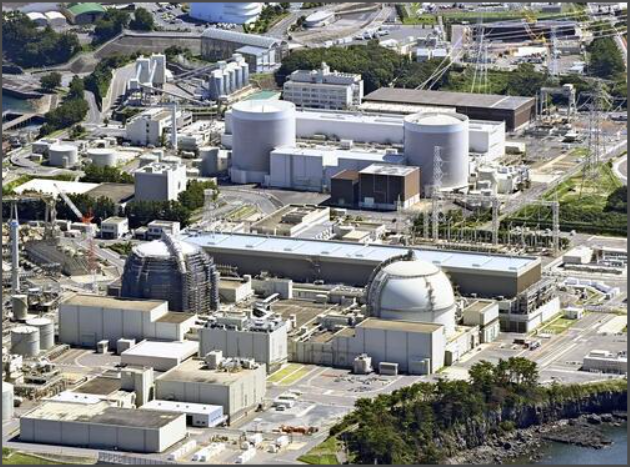
4.4-Magnitude Earthquake Hits Fukuoka Area; Kyushu Electric Says No Abnormalities at Genkai and Sendai Nuclear Plants
At around 6:37 a.m. on August 17, an earthquake struck the Fukuoka area of Fukuoka Prefecture, Japan, with a maximum seismic intensity of 4, a focal depth of approximately 10 kilometers, and a magnitude of 4.4. Kyushu Electric Power Co. (KEPCO) subsequently announced that the operational status of its Genkai and Sendai nuclear power plants was unaffected, with no abnormalities detected in the relevant units. According to Kyushu Electric Power, Unit 4 of the Genkai Nuclear Power Plant in Saga Prefecture continued normal operation, while Unit 3 was undergoing periodic inspection; Units 1 and 2 of the Sendai Nuclear Power Plant in Kagoshima Prefecture continued normal operation. The company stated that no impact on power supply had been confirmed. During the earthquake, Itoshima City in Fukuoka Prefecture...
2026-08-17
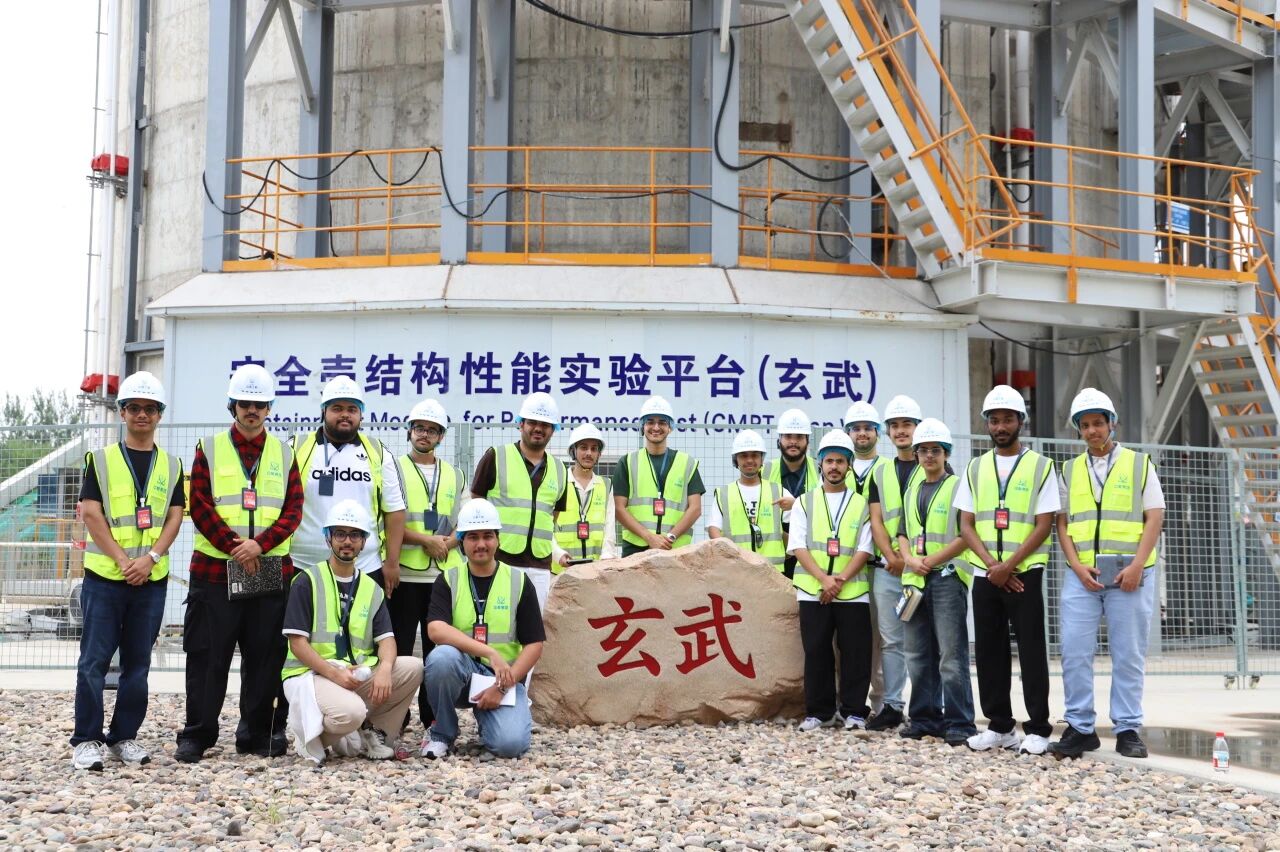
Faculty and Students from King Abdulaziz University Visit CNECC Langfang Base
On August 12, 2026, a delegation of faculty and students from King Abdulaziz University in Saudi Arabia visited the CNECC Langfang R&D Base for an on-site tour and academic exchange. Yuan Yidan, Chief Expert of the company, received the visiting delegation. This event promoted talent exchange between China and Saudi Arabia in the nuclear energy sector, further deepened mutual connectivity in areas such as nuclear energy technology R&D, talent cultivation, and scientific research innovation, and contributed to win-win international cooperation in nuclear energy. During the exchange, technical experts at the base warmly received the Saudi delegation and provided detailed introductions to CNECC's achievements and core strengths in nuclear power engineering design, advanced nuclear energy technology R&D, nuclear safety system development, and the implementation of overseas nuclear power projects...
2026-08-15
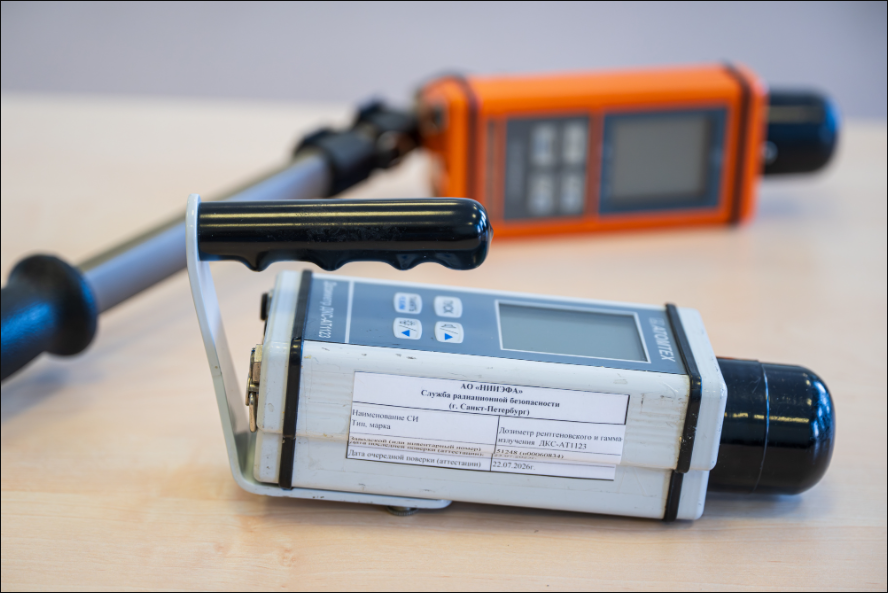
Russia to Conduct Comparative Measurements in Radiation Monitoring and Individual Dose Monitoring
In September, NIIEFA (D.V. Efremov Scientific Research Institute of Electrophysical Apparatus), a subsidiary of Rosatom, will jointly conduct comparative measurements in the fields of radiation monitoring (RM) and individual dose monitoring (IDM) with Ritverts JSC and the A.M. Nikiforov All-Russian Center for Emergency and Radiation Medicine. The work will be carried out under the supervision and support of experts from the D.I. Mendeleev All-Russian Research Institute for Metrology. The focus of these comparative measurements is to verify the accuracy, reliability, and consistency of measurement results obtained by different radiation safety monitoring methods and equipment. Through unified comparison, the performance of various instruments in workplace radiation level assessment, surface contamination monitoring, and individual exposure dose recording can be further confirmed, thereby enhancing the credibility of final radiation dose assessments.
2026-08-15
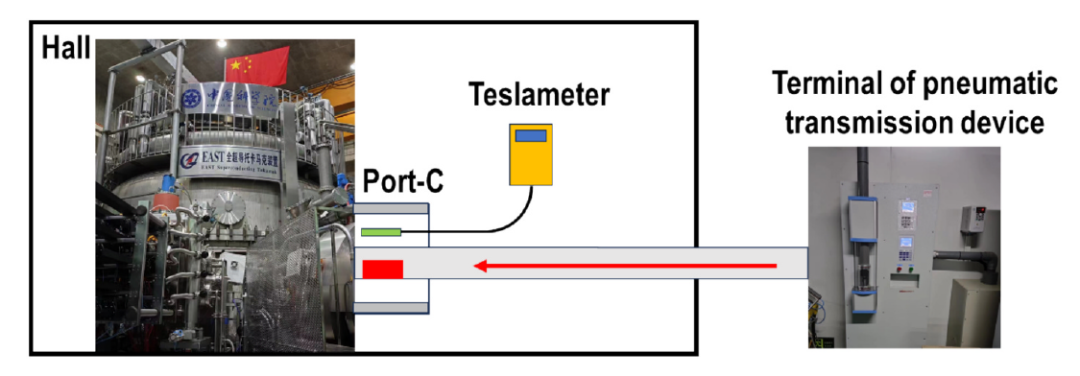
The Energy Research Institute of Hefei Comprehensive National Science Center Achieves a Series of New Progress in Safety Assessment of Activated Corrosion Products under Magnetic Field Environments in Fusion Reactors
Recently, the Radiation Protection and Safety Research Center of the Energy Research Institute of Hefei Comprehensive National Science Center has made a series of significant progress in the field of safety assessment of activated corrosion products under magnetic field environments in fusion reactors. The research team conducted systematic studies on the corrosion behavior of China's low-activation ferritic/martensitic steel CLF-1 in magnetic field environments, from three dimensions: water corrosion characteristics, migration patterns of corrosion products, and the influence of surface roughness. The relevant results have been published as three papers in the journal *Nuclear Materials and Energy*, which is ranked in Zone 1 of the emerging journal classification table. This series of research outcomes provides key scientific evidence for the radiological safety assessment of cooling water systems in fusion reactors...
2026-08-15
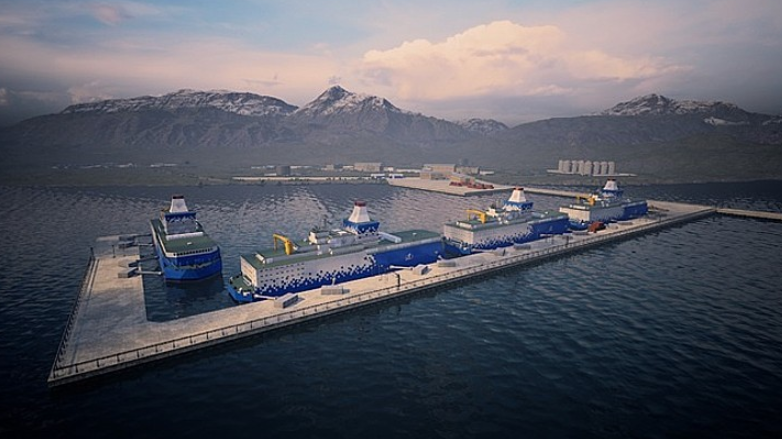
Rosatom Plans Four More Floating Nuclear Power Plants to Strengthen Energy Layout in the Arctic and Far East
Rosatom plans to build four additional floating nuclear power plants. This move indicates that Russia continues to regard small-scale nuclear energy and offshore floating nuclear power platforms as key solutions for energy supply in remote areas, particularly for the Arctic, the Far East, and resource development zones that are difficult to cover with traditional power grids. The core advantage of floating nuclear power plants lies in their deployment flexibility, providing relatively stable electricity and heat to coastal towns, port facilities, mining projects, and industrial bases. Compared with reliance on diesel, coal, or long-distance power transmission, floating nuclear power plants can reduce fuel transportation pressure and enhance energy security for large projects in remote areas. For...
2026-08-14