
Search Results
Keyword:NTS
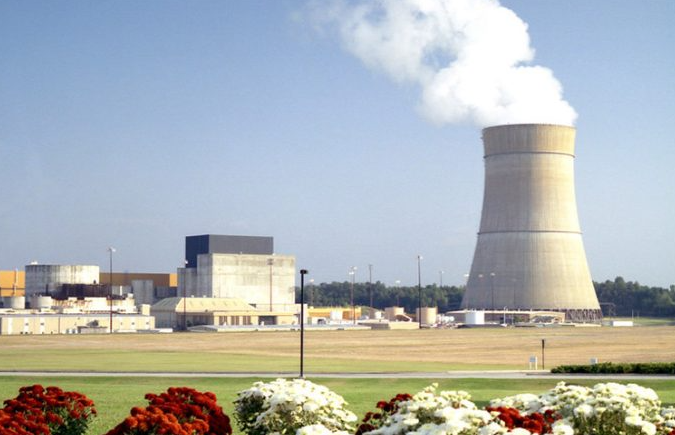
U.S. NRC Proposes Radiation Protection Rule Changes, Removal of ALARA Requirements Sparks Safety Controversy
The U.S. Nuclear Regulatory Commission (NRC) plans to hold an online public meeting on August 10 to discuss its proposed rule titled "Reforming and Modernizing the NRC's Radiation Protection Framework." The proposal, published on July 15, centers on reexamining the use of the linear no-threshold model in assessing radiation health effects, as well as the as low as reasonably achievable principle—the ALARA principle—derived from that model. Under the proposal, the NRC intends to remove ALARA-related requirements from its regulations and instead adopt a graded dose management framework. This framework would be based on explicit radiation protection thresholds, dose management methods, and acceptable dose measurement approaches. The regulator stated that this move is not about changing exposure standards for workers and...
2026-08-08
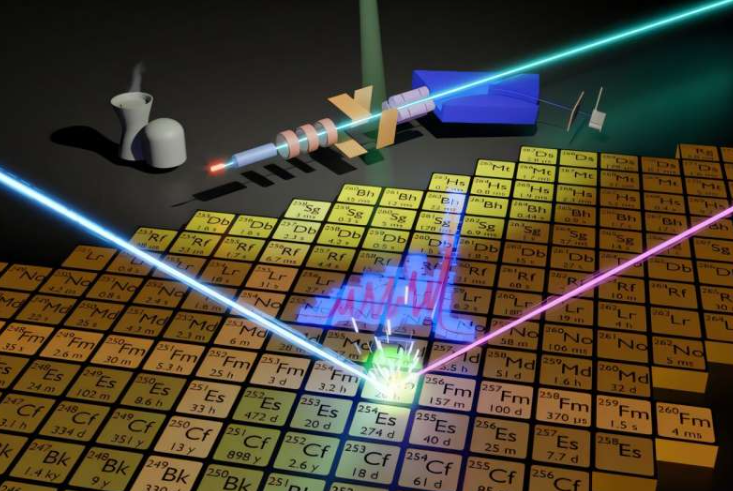
Laser spectroscopy reveals for the first time the precise nuclear shape of fermium-255, offering new clues in the search for superheavy elements
An international research team has, for the first time, precisely determined the nuclear structure of the actinide fermium-255, confirming that its nucleus exhibits a pronounced prolate deformation, similar to a rugby ball. The study, published in *Physical Review Letters*, was conducted in collaboration with 18 institutions, including Johannes Gutenberg University Mainz in Germany, the Helmholtz Institute Mainz, and the University of Gothenburg in Sweden. The findings not only correct several unreasonable nuclear property values in previous standard data tables but also provide crucial experimental validation for modern nuclear theory models. Fermium is a synthetic heavy element that does not exist in nature. Fermium-255 contains 100 protons and 155 neutrons, making its experimental production extremely challenging. The research team...
2026-08-08
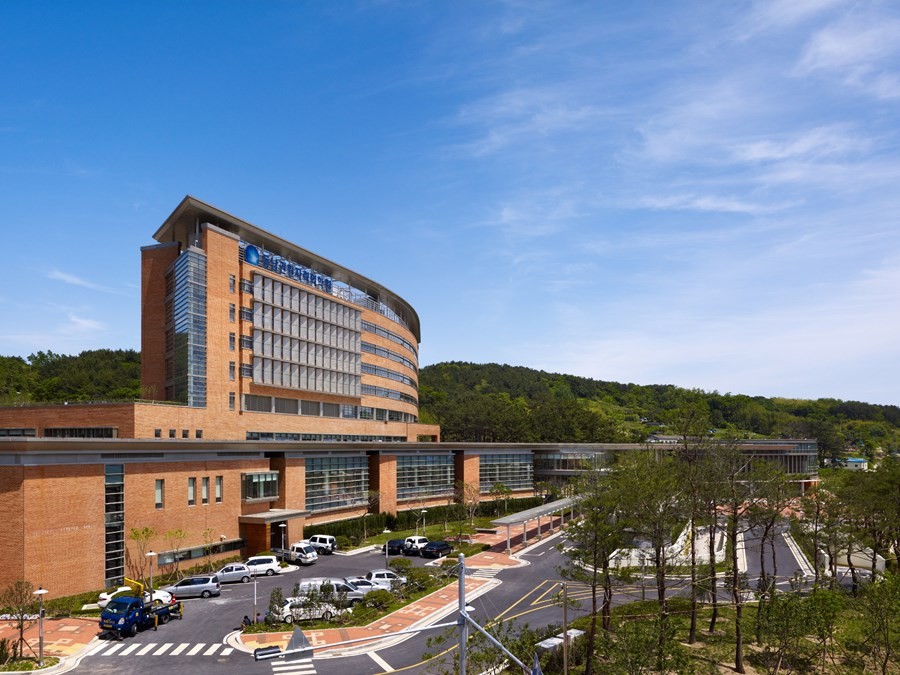
Cancer Cryoablation Treatments at Southeast Region Nuclear Medicine Center in Korea Exceed 100 Cases
The Southeast Region Nuclear Medicine Center announced on August 8 that since introducing cancer cryoablation in 2024, the center has completed over 100 related procedures, providing treatment to a total of 104 cancer patients. Cryoablation is a minimally invasive tumor treatment method. During the procedure, doctors insert a thin treatment needle precisely into the tumor site under CT or ultrasound imaging guidance, freezing the lesion at ultra-low temperatures of minus 40 degrees Celsius or lower to cause cancer cell necrosis. As the low-temperature freezing itself has a certain anesthetic effect, this technique helps reduce patient pain, minimize damage to surrounding normal tissues, and promote faster postoperative recovery. According to the center, among the patients treated so far, there are 58 cases of liver cancer and liver metastases, 17 cases of primary lung cancer, recurrent lung cancer, and lung metastases, and 29 cases of renal cancer. Among them, 8 patients underwent treatment for two lesions simultaneously in a single procedure. Liver...
2026-08-08

Russian nuclear power plants generate 129.6 billion kWh of electricity this year
Alexey Likhachev, CEO of Rosatom, recently stated that since the beginning of this year, Russian nuclear power plants have generated a cumulative total of 129.6 billion kWh of electricity, exceeding the target set by the Federal Antimonopoly Service of the Russian Federation by 7.8%. Likhachev noted that Russia is currently in its summer peak electricity consumption period, and nuclear power plants across the country are operating normally overall, with stable power generation and all safety requirements being met. He stated that hot weather does require operating entities to pay greater attention to cooling and heat reduction measures, but this is a seasonal factor that must be addressed in nuclear power plant operations. He pointed out that Russian nuclear power plants have fully considered different climatic conditions during their design and operation phases...
2026-08-08
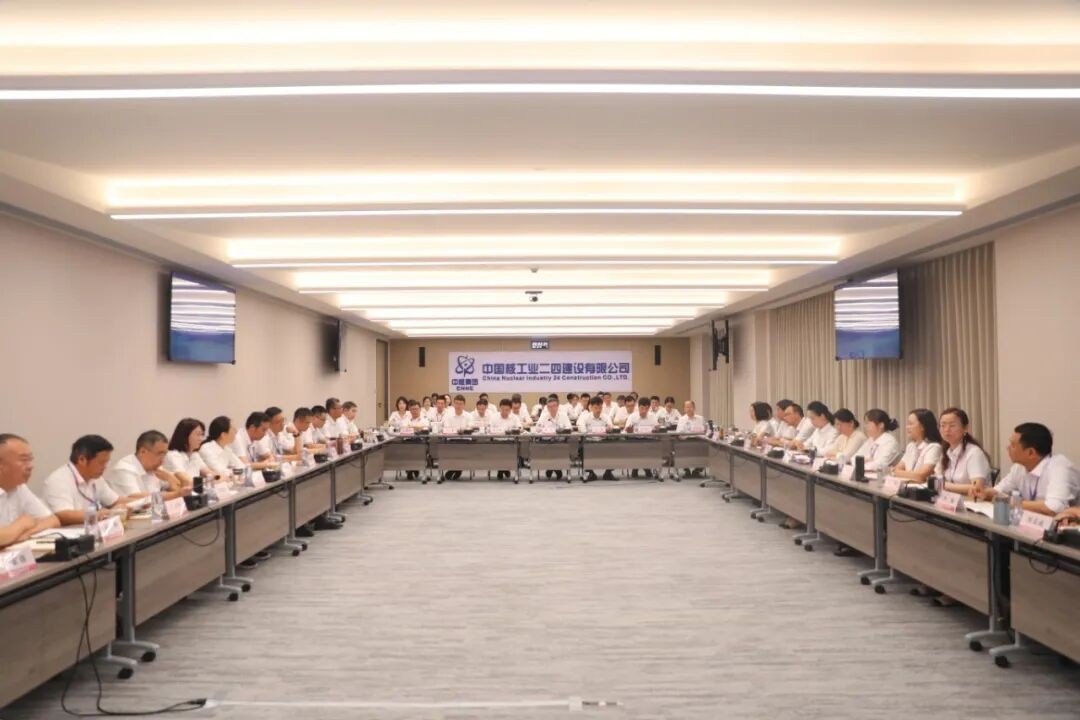
CNNC 24 Held a Meeting to Announce Leadership Team Adjustments
On August 7, CNNC 24 held a meeting to announce leadership team adjustments. Dai Xiongbiao, General Manager and Deputy Secretary of the Party Committee of China Nuclear Engineering Group (CNEC), attended the meeting and delivered a speech. Li Bing, Secretary of the Company's Party Committee and Chairman, presided over the meeting. Wang Linsen, General Manager of CNEC's Human Resources Department (Organization Department of the Party Committee), read out the appointment and removal decision: Wu Min was recommended as General Manager of CNNC 24 and appointed Deputy Secretary of the Party Committee of CNNC 24. Dai Xiongbiao emphasized that this adjustment is a major event in the leadership team building of CNNC 24, fully reflecting the care and support of the Group Company's Party Group for the Company's reform and development. It is necessary to deeply practice the requirements of "transforming concepts, strengthening capabilities, and improving quality and efficiency," make good use of the "Working Methods of the Party Committee," and continuously improve operational efficiency and management effectiveness...
2026-08-08
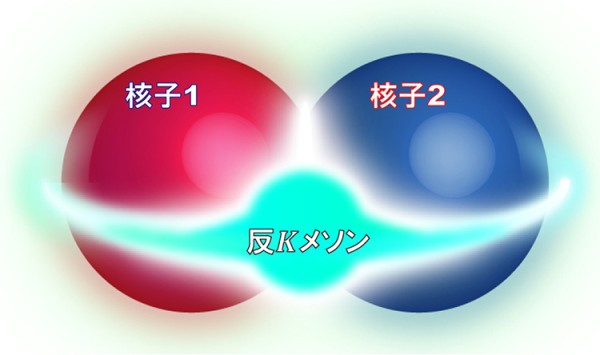
First Observation of Anti-Kaonic Nuclei in Photon Beam Experiments
The LEPS2/Solenoid collaboration, composed of researchers from the Research Center for Nuclear Physics at Osaka University, Kyoto Sangyo University, the Research Center for Advanced Quantum Beam Science at Tohoku University, Korea University, Gifu University, the Institute of Modern Physics of the Chinese Academy of Sciences, RIKEN, Kyoto University, the Institute of Physics at Academia Sinica in Taiwan, and the University of Saskatchewan in Canada, has for the first time observed nuclei containing anti-kaons in a photon beam experiment. This achievement provides new experimental evidence confirming the existence of anti-kaonic nuclei and offers important clues for understanding high-density nuclear matter and the internal structure of neutron stars. The research team conducted the experiment at the LEPS2 laser-electron photon facility at the large synchrotron radiation facility SPring-8 in Hyogo Prefecture, Japan...
2026-08-07
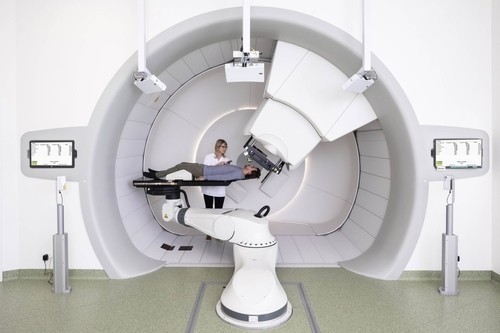
Construction of Proton Therapy Center in Ulsan, South Korea Faces Hurdles: Government Funding Allocation Adjustments Impact Project Progress
The proton therapy center construction project in Ulsan, South Korea, has recently encountered obstacles to progress. The project was once regarded as a key component in improving the regional cancer treatment system in southeastern South Korea, but due to shifts in government medical financial support priorities, the difficulty of securing large-scale national funding independently has increased significantly. According to information from Ulsan City on August 6, Ulsan City completed the feasibility study and basic planning services for the proton therapy center construction in March of last year and began seeking national funding. However, the Ministry of Health and Welfare responded that it would be difficult to provide large-scale project funding to Ulsan City alone. Previously, Ulsan City had planned to establish a proton therapy center to build a system enabling cancer patients to undergo surgery...
2026-08-07
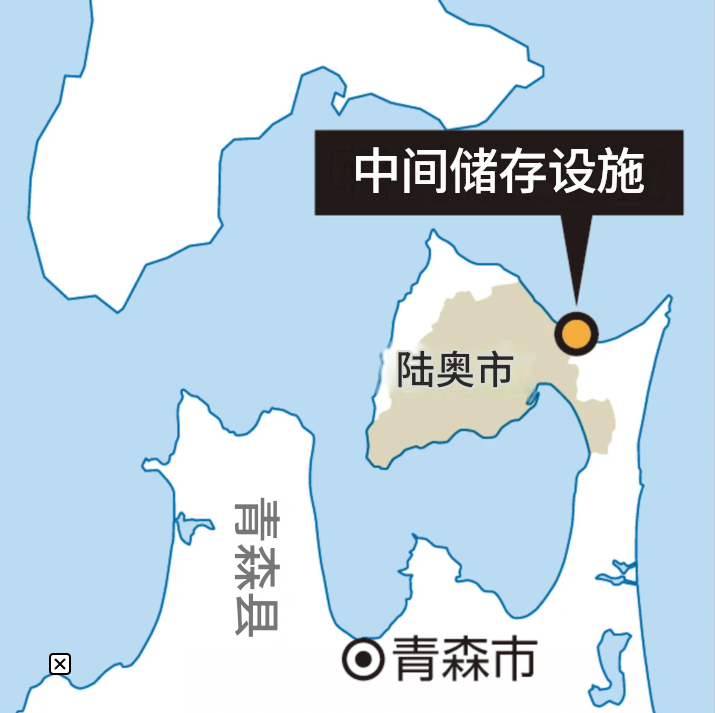
Mutsu City in Japan agrees to study receiving fuel from other companies at interim spent fuel storage facility
On August 7, Mutsu City in Aomori Prefecture, Japan, notified Tokyo Electric Power Company Holdings (TEPCO Holdings) and Japan Atomic Power Company (JAPC) that it agreed to allow the two companies to study a plan to receive spent nuclear fuel from other electric power companies at the local interim spent fuel storage facility. The facility, promoted and constructed by entities related to the two companies, is the only facility in Japan located outside nuclear power plant sites for interim storage of spent nuclear fuel. Under the current arrangement, the facility only accepts spent nuclear fuel from TEPCO Holdings and JAPC, and spent nuclear fuel from other companies is not permitted to be transported in. On the same day, Mutsu City Mayor Tomoya Yamamoto met with senior executives of the two companies at City Hall...
2026-08-07
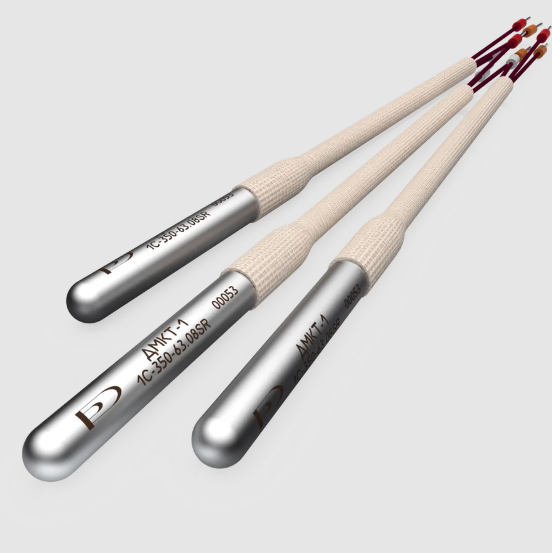
Rostec's RosEl Delivers First Batch of Vulkan Magnetic Contact Sensors
RosEl Holding Company (RosEl), a subsidiary of Rostec, has delivered the first batch of Vulkan magnetic contact sensors to customers. The product is designed for high-pressure steam pipeline applications and can be used in automation and signaling systems, including those at nuclear power plants. According to reports, Vulkan sensors are installed inside steam pipeline valves and are primarily used to monitor and control the valve closing process. The device can operate at temperatures up to 350 degrees Celsius, withstand mechanical shock acceleration of 150g, and achieve seismic category 1 rating, maintaining operational capability under strong earthquake conditions. The sensor features a stainless steel housing and has a design service life of up to 12 years. Its core reed switch...
2026-08-07
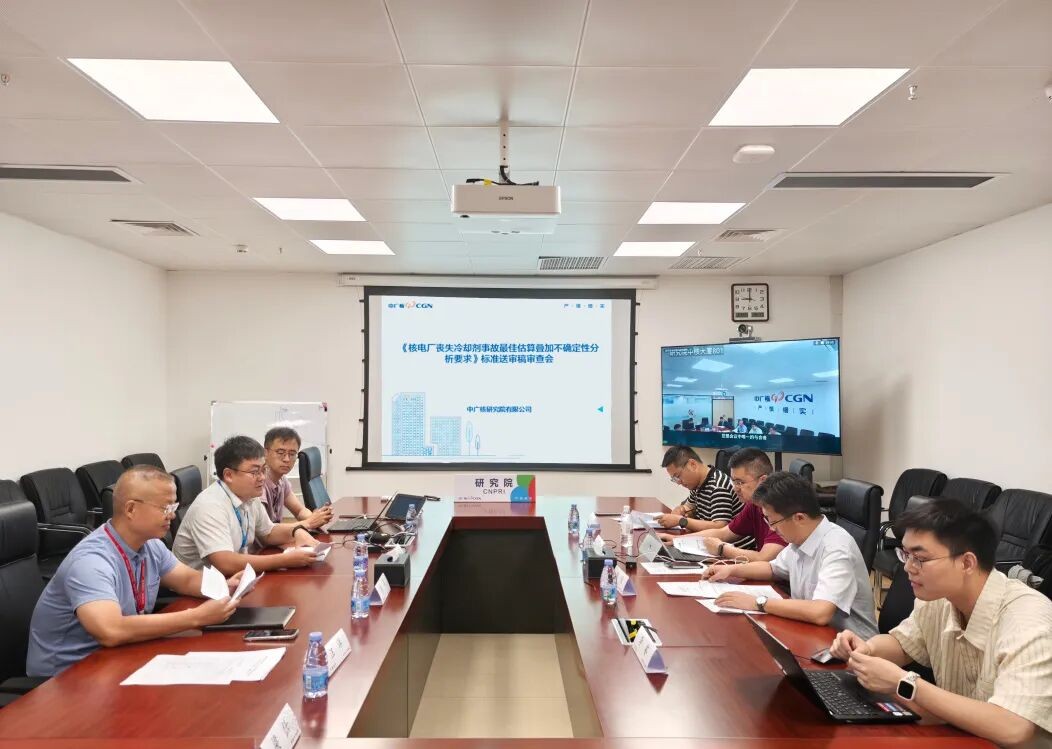
China's First Industry Standard for LOCA BEPU Analysis, Led by CGN Research Institute, Officially Released
Recently, approved by the National Energy Administration, the energy industry standard "Technical Requirements for Best Estimate Plus Uncertainty Analysis of Loss of Coolant Accident in Pressurized Water Reactor Nuclear Power Plants" (NB/T 20751-2026), led by CGN Research Institute, was officially released. The standard was developed under the leadership of the Research Institute, in collaboration with the Nuclear and Radiation Safety Center of the Ministry of Ecology and Environment, China Nuclear Power Research and Design Institute, Shanghai Nuclear Engineering Research and Design Institute, Hualong Nuclear Power Technology Co., Ltd., and China Nuclear Power Engineering Co., Ltd., among other organizations. It will come into effect on December 26, 2026. This standard is China's first BEPU analysis...
2026-08-06
Germany Establishes Three Fusion Centers, HZDR Contributes to Advancing Key Technologies for Fusion Power Plants
The German Federal Ministry for Research, Technology and Space (BMFTR) recently established three fusion centers under the German High-Tech Agenda (HTAD), aiming to pool the efforts of research institutions and industry to advance technology development for future fusion power plants. The German federal government will provide €125 million in initial funding for the related work, with a focus on laser fusion, magnetic confinement fusion, and cross-cutting areas such as fuel cycle and materials development. The Helmholtz-Zentrum Dresden-Rossendorf (HZDR) will participate in the construction of the relevant centers leveraging its research infrastructure, contributing capabilities in high-power lasers, materials research, simulation and data analysis. The SAXFUSION capability network, jointly coordinated by HZDR and the Fraunhofer Institute for Material and Beam Technology (Fraunhofer IWS), will also take on tasks of exchange, cooperation and knowledge transfer.
2026-08-06
South Korean Scholar Patents Fusion Reactor Optimization Design Method
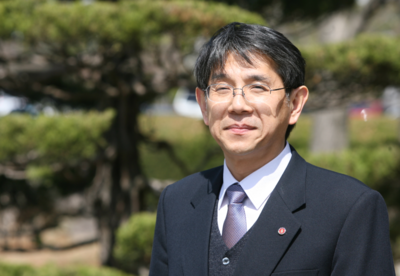
Professor Bonggeun Hong (transliteration) of the Department of Quantum System Engineering at the College of Engineering, Jeonbuk National University, South Korea, has recently registered a patent for a fusion reactor optimization design method, aimed at supporting the engineering design and commercialization of next-generation fusion technology. [Image source: Jeonbuk National University] The design method proposed in the patent can evaluate the performance of fusion reactors in various application scenarios—including power generation, thermal energy utilization, and use as a neutron source for nuclear transmutation—while optimizing device dimensions and key component structures. Its core approach is to simultaneously consider fusion system performance and economic feasibility during the initial design phase, thereby deriving more optimal design solutions.
2026-08-06
Vietnam Issues 470 International Nuclear Energy Standards Covering the Full Chain of Nuclear Power Plants, Research Reactors, SMRs, and Radiation Protection
Vietnam is preparing for nuclear energy development, with the Ministry of Science and Technology recently issuing a list of 470 international and foreign standards directly applicable to the atomic energy sector. These standards cover multiple aspects including safety, design, operation, equipment, personnel, radiation protection, nuclear security, and accident response, aiming to ensure the safe and reliable operation of nuclear facilities throughout their entire lifecycle. The list encompasses requirements across a wide range of fields, from nuclear power plants and research reactors to fuel technology, monitoring systems, radioactive waste management, and nuclear security. For nuclear power plants, the standards cover analysis, safety assessment, design, commissioning, equipment classification, accident management, aging management, maintenance...
2026-08-06
US Firm Standard Nuclear's Two New TRISO Fuel Plants to Enter Production by 2026, Expanding Independent US Capacity
US nuclear fuel manufacturer Standard Nuclear announced that "major construction is substantially complete" at its two TRISO fuel production facilities, SN-TN in Tennessee and SN-ID in Idaho, and that the US Department of Energy has approved the Preliminary Documented Safety Analysis (PDSA) for both plants. The two facilities share an identical design and are expected to sequentially commence commissioning and licensing before the end of 2026. Authorized under the DOE's "Fuel Line Pilot Program," each plant will initially produce up to 1 metric ton of uranium (MTU) per year of TRISO fuel, with a combined ramp-up target of 5 MTU/year in the long term, forming a tiered supply alongside the company's existing SN-0 facility (0.5 MTU/year) operating in Oak Ridge. Standard Nuclear describes itself as "the only independent TRISO fuel manufacturer in the US," having been restructured from the fuel business of Ultra Safe Nuclear following its bankruptcy in 2024 (with USNC's reactor business acquired by Nano Nuclear). Its operations cover power reactor fuel as well as space and defense radioisotope power sources. The company also participates in the DOE's Fuel Line Pilot and Surplus Plutonium Disposition programs, has been allocated HALEU by the DOE for fuel fabrication, and has established a joint-venture TRISO line at Framatome's NRC-licensed fuel facility in Richland, Washington.
2026-08-06
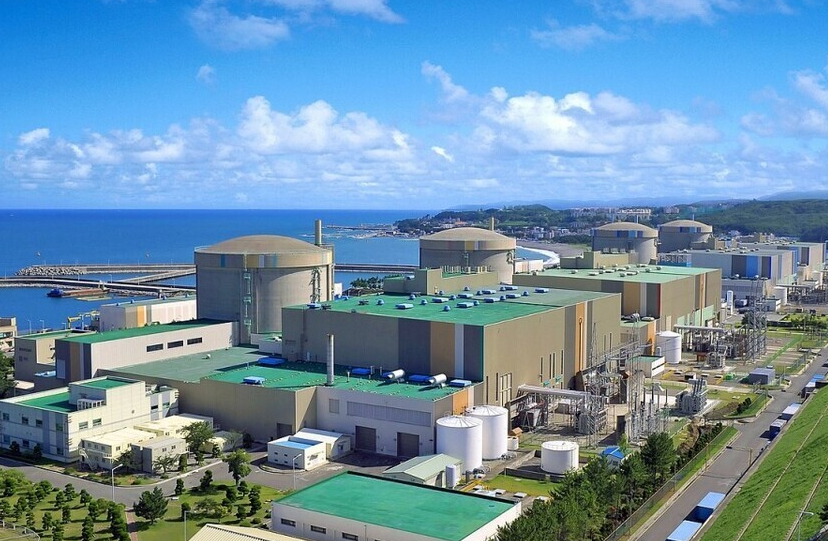
South Korea advances plan to produce medical isotopes using nuclear power plants, with lutetium-177 targeted for commercial production in 2031
South Korea is advancing plans to industrialize the production of radioisotopes using nuclear power plants, with the medical isotope lutetium-177 (Lu-177) designated as the first commercial target product. Korea Hydro & Nuclear Power stated that it plans to prioritize the commercialization of Lu-177 production, with the potential to later expand the product range to include isotopes such as cobalt-60, tritium-3, and helium-3. Lu-177 is a therapeutic radioisotope widely used in the global radiopharmaceutical market, applicable in radiopharmaceuticals for diseases such as prostate cancer and neuroendocrine tumors. Previously, South Korea relied entirely on imports for its Lu-177 supply. Due to its half-life of approximately 6.6 days, the entire process from production and transportation to drug preparation and patient administration...
2026-08-06