
Search Results
Keyword:Nuclear
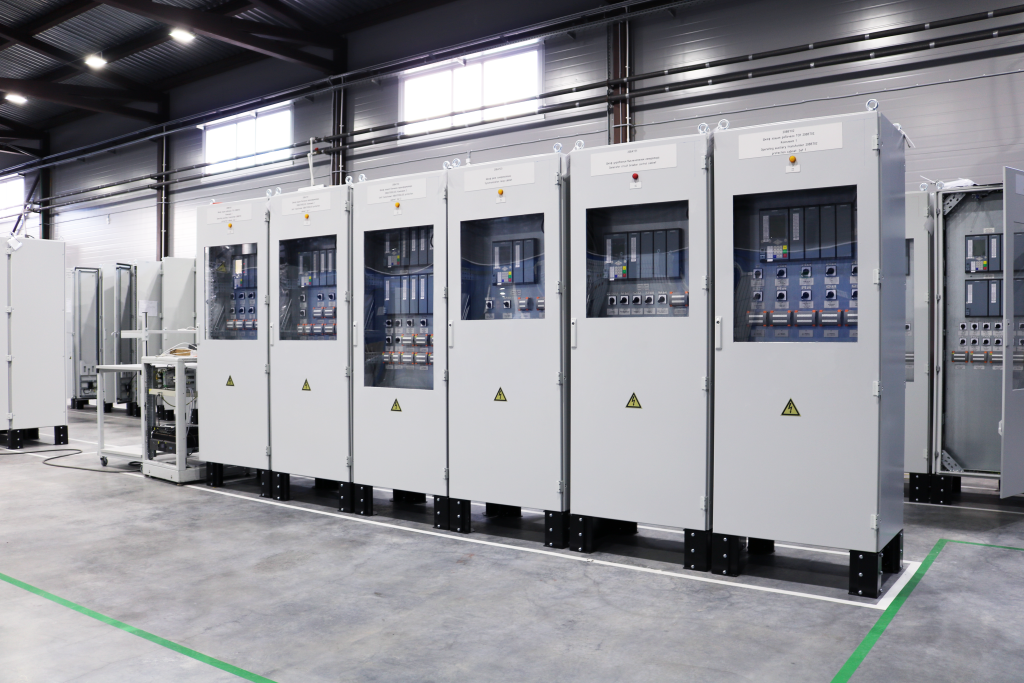
West Engineering Delivers 30 Relay Protection and Automation Cabinets for Unit 2 of Akkuyu NPP
West Engineering has completed the next stage of equipment delivery for Unit 2 of the Akkuyu Nuclear Power Plant in Türkiye, shipping 30 relay protection and automation cabinets to the project site. The equipment will be used for the protection, monitoring, and control of critical electrical components of the power unit. The delivered equipment includes AZ-PZ cabinets for generating analog and discrete information, power supply unit protection device cabinets, power unit measurement device cabinets, synchronizing relay cabinets, generator switch control cabinets, electrical process recording cabinets, and control current distribution cabinets, among others. According to reports, this batch of nuclear facility equipment has been designed with high safety margins and fault tolerance in mind. The supplied relay protection and automation systems comply with relevant international standards, with a safety class of 3H/N, meeting the NP-001-15 standard; the quality assurance category is QA3, and the equipment has undergone multi-stage quality control from material and component selection to acceptance testing.
2026-08-20
Energy Fuels' Utah Plant's Terbium Oxide Certified by Japanese Rare Earth Permanent Magnet Manufacturer
On August 19, U.S. critical materials producer Energy Fuels Inc. announced that the terbium oxide produced at its White Mesa plant in Utah has passed all certifications from a Japanese rare earth permanent magnet manufacturer, enabling its use in commercial rare earth permanent magnet production without further qualification or verification. According to the company, this Japanese manufacturer is one of the world's largest rare earth permanent magnet producers outside China. Energy Fuels stated that the certification of its terbium oxide demonstrates that its heavy rare earth product quality and rare earth processing capabilities have been recognized by downstream users. The company's previously produced neodymium-praseodymium oxide and dysprosium oxide have also obtained qualification certifications for use in rare earth permanent magnet manufacturing. Terbium is one of the important heavy rare earth elements, primarily used to enhance the heat resistance and performance of high-strength neodymium-iron-boron permanent magnets. Neodymium-iron-boron permanent magnets are widely used in automotive, advanced electronics, robotics, aerospace, and other sectors. According to Benchmark Mineral Intelligence's European CIF price data, the current market price of terbium oxide is approximately $5.5 million per metric ton.
2026-08-20
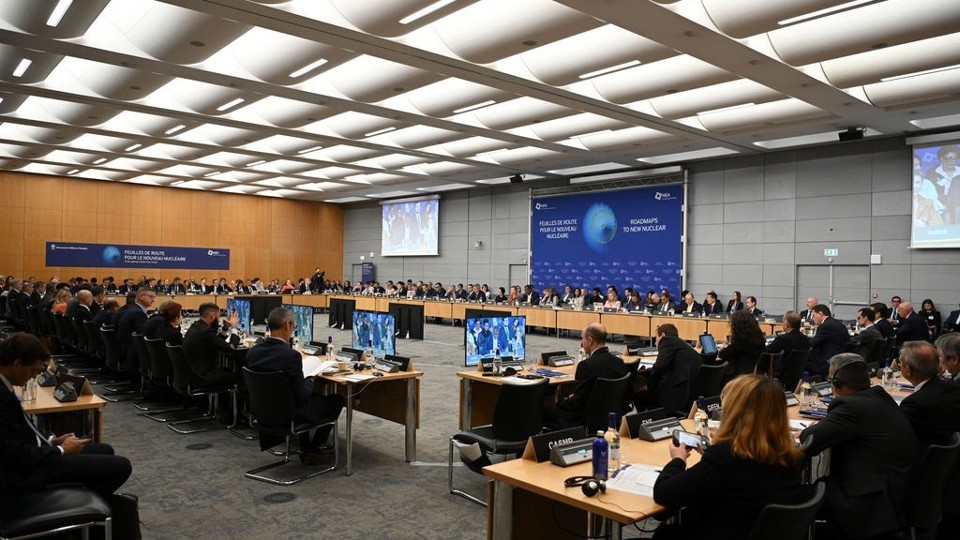
OECD Nuclear Energy Agency and the United States to Co-Host "New Nuclear Roadmap 2026" Conference
The OECD Nuclear Energy Agency (NEA) and the United States will co-host the New Nuclear Roadmap 2026 conference on September 17-18, 2026, in Paris, France. The conference will bring together ministers, senior government representatives, industry leaders, investors, experts, and relevant stakeholders to discuss the policy, industrial, and financial conditions required for the large-scale deployment of new nuclear capacity. U.S. Secretary of Energy Chris Wright stated that the world needs more energy and that nuclear energy will play an important role in addressing this demand. The U.S. Department of Energy will co-host the conference with partners to advance nuclear innovation, strengthen international cooperation, and continue to promote global nuclear energy development...
2026-08-20

South Korea plans to build an innovative self-developed fusion reactor by 2035
Yang Hyeong-ryeol, head of the fusion sector of the K-Moonshot project at the Korea Institute of Fusion Energy (KFE), recently stated that South Korea plans to complete the construction of an independently developed innovative fusion reactor by 2035 and strives to complete power generation demonstration by 2039. He said that nuclear fusion is an extremely challenging technical endeavor, but once a breakthrough is achieved, it will have broad driving effects on the energy, industrial, and technological systems. Yang Hyeong-ryeol, project director of South Korea's Moonshot program, said nuclear fusion is often called an artificial sun because it generates energy by simulating the energy production process inside the sun. Against the backdrop of rapid expansion of AI applications, rising electricity demand, and increasing global pressure for carbon reduction, the commercialization of fusion energy is attracting growing attention from more countries and enterprises. The South Korean government has listed nuclear fusion, along with small modular reactors and renewable energy, as key future technology directions, and hopes to advance the commercialization of fusion energy through public-private partnerships.
2026-08-20
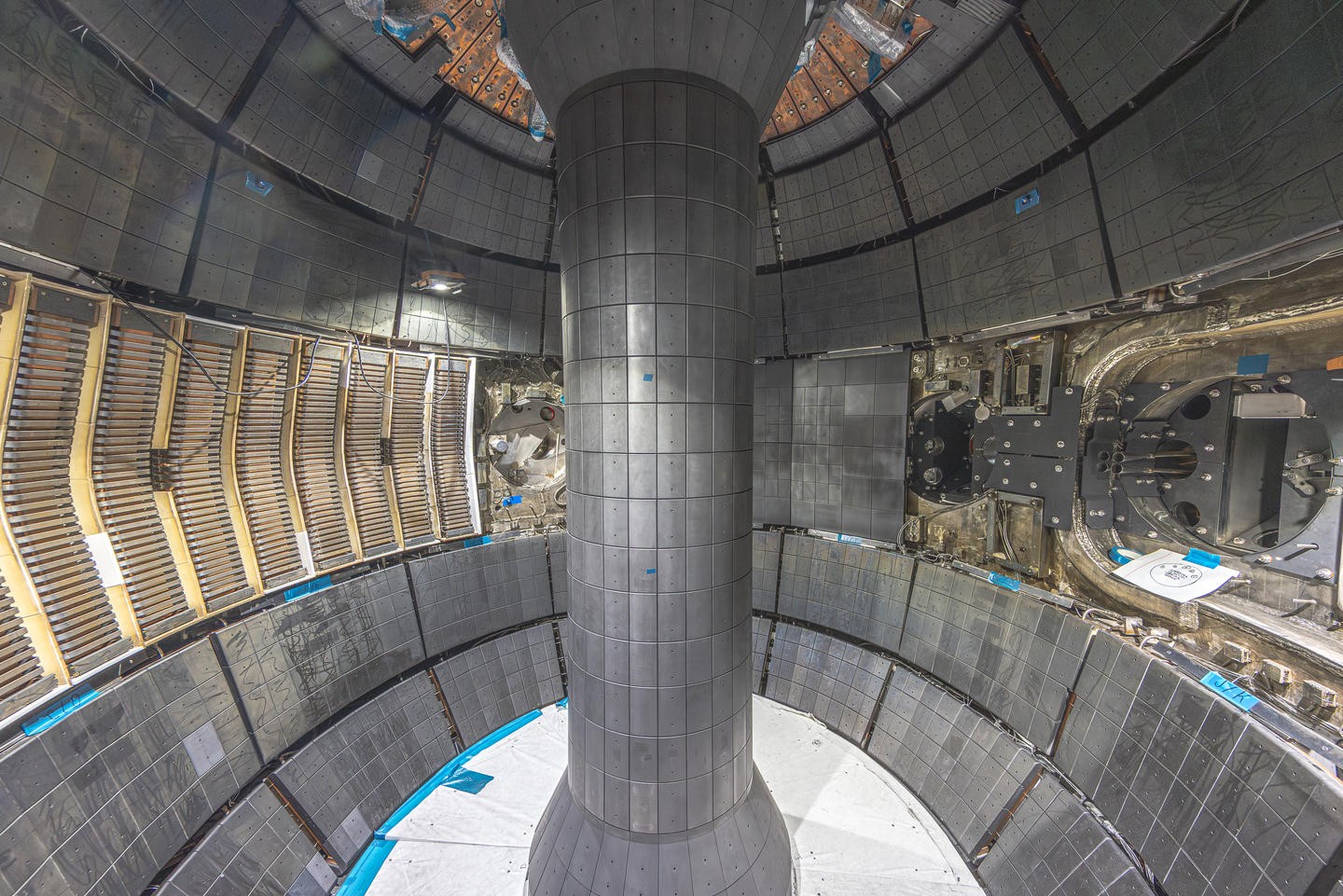
Princeton Plasma Physics Laboratory to Validate Spherical Tokamak Fusion Path with NSTX-U
The Princeton Plasma Physics Laboratory (PPPL) is advancing research on the National Spherical Torus Experiment-Upgrade (NSTX-U), planning to use this largest spherical tokamak in the United States to assess the potential of compact tokamak configurations for future fusion power plants. The device is designed to become one of the most powerful spherical tokamaks in the world and will be used to study key issues such as high-temperature plasma confinement, heat transport, material performance, and real-time control. The image above shows the vacuum vessel and center column of the NSTX-U at the Princeton Plasma Physics Laboratory (PPPL). This device will help scientists determine the optimal shape for future fusion power plants...
2026-08-20
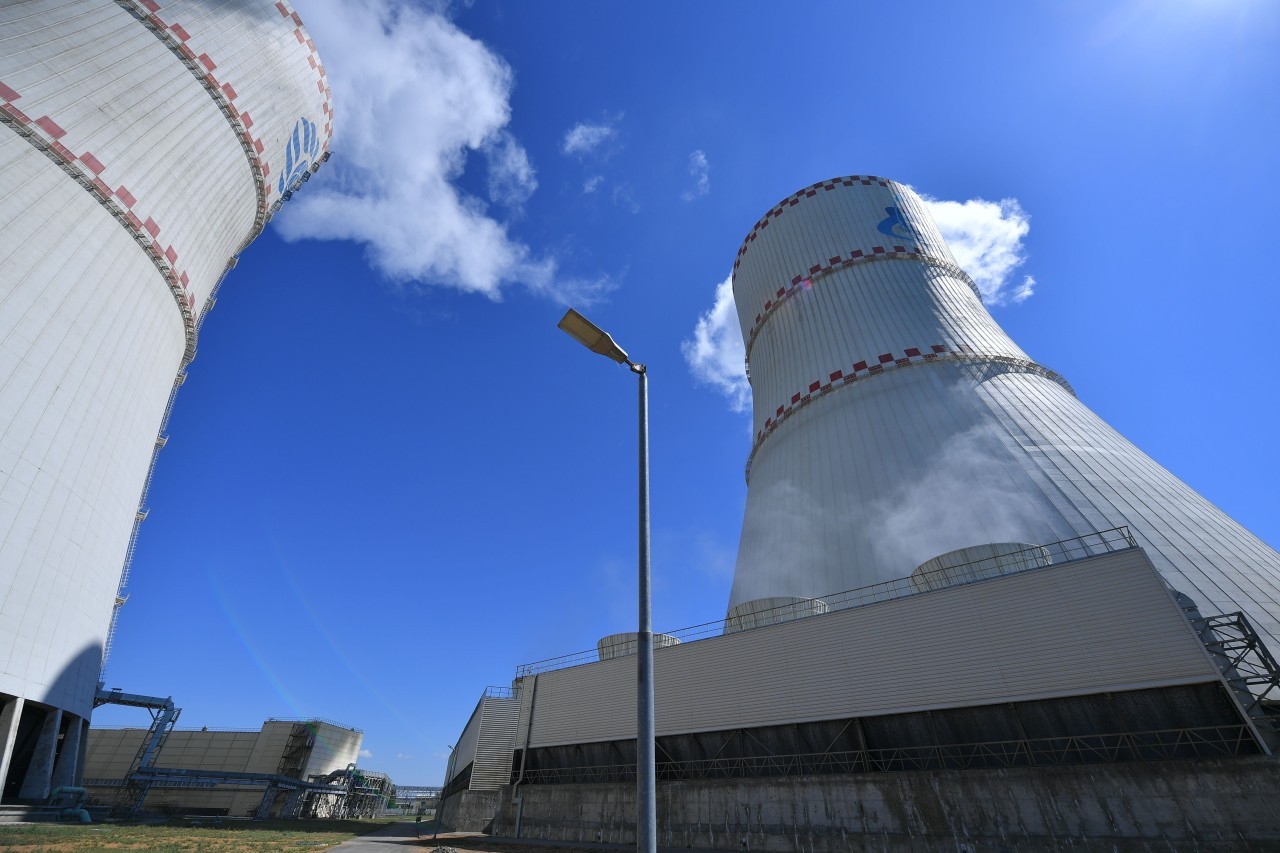
Installation of Cooling Tower Basins Completed at Rostov NPP Unit 4
The mechanical draft cooling tower project at Unit 4 of Russia's Rostov Nuclear Power Plant has recently completed the installation of all four basins, bringing the overall civil and installation readiness of the project to 80%. The facility will provide supplementary cooling capacity for Unit 4 during summer high temperatures and peak electricity demand in southern Russia. Rostov NPP is part of Rosenergoatom, the operator of Russian nuclear power plants, which is a member of the electric power division of Rosatom, Russia's state atomic energy corporation. Under the project plan, the new mechanical draft cooling tower will operate in conjunction with the existing natural draft evaporative cooling towers to enhance the unit's operational stability under high-temperature conditions. Rostov NPP's capital construction...
2026-08-20
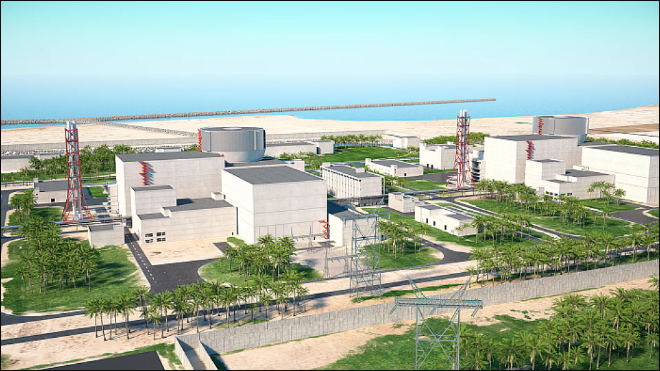
Egypt plans to add two more units at El Dabaa nuclear power plant
Egypt is planning to add two more nuclear power units at the Dabaa nuclear power plant on its Mediterranean coast. Currently, four units provided by Russia's State Atomic Energy Corporation (Rosatom) for the project are already under construction. Egypt's Minister of Electricity and Renewable Energy, Mahmoud Esmat, stated that the expansion plans will be discussed with Rosatom. According to Egyptian sources, no timeline has been set for the negotiations, and no final decision has been made on the expansion plan. The expansion concept is part of Egypt's efforts to increase the share of nuclear and renewable energy in power generation and reduce dependence on traditional fuels. Egypt is particularly seeking to reduce its reliance on natural gas. According to the U.S. Energy Information...
2026-08-20
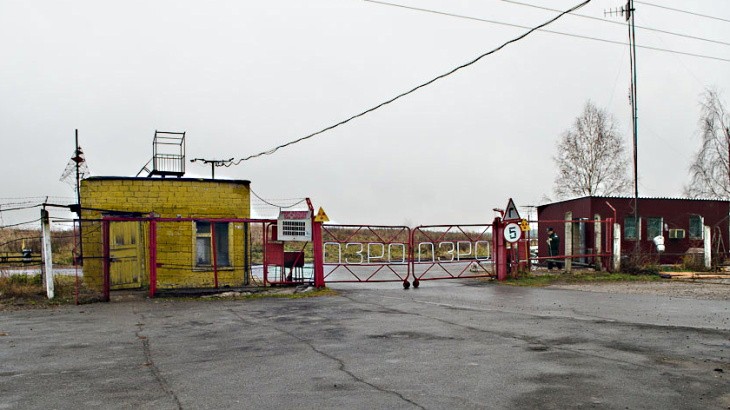
Ukraine Approves Expansion of Buryakivka Radioactive Waste Disposal Facility
The State Nuclear Regulatory Inspectorate of Ukraine (SNRIU) has approved the construction of a new disposal facility at the Buryakivka radioactive waste disposal site for the disposal of low- and intermediate-level radioactive waste generated during the cleanup of the Chernobyl nuclear accident. The Buryakivka radioactive waste disposal facility is located within the Chernobyl Exclusion Zone and is one of Ukraine's key facilities for managing radioactive waste associated with the Chernobyl accident. Built as part of priority emergency measures following the accident, the facility was commissioned in 1987 and primarily receives low- and intermediate-level radioactive waste from the Chernobyl region. Currently, the facility is operated by the Central...
2026-08-20
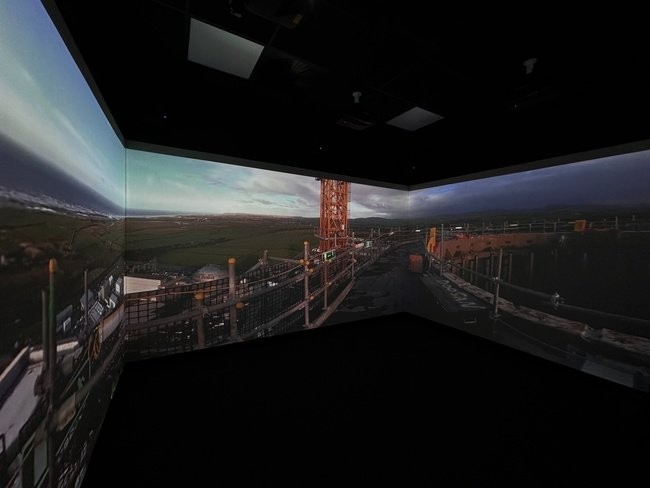
Immersive environment launched in West Cumbria to support nuclear decommissioning
AtkinsRéalis has recently supported Sellafield Ltd in establishing a new immersive environment at the Robotics and Artificial Intelligence Collaboration facility (RAICo1) in West Cumbria, UK, to support the planning, rehearsal, and execution of nuclear decommissioning work. The project was developed in partnership between Sellafield Ltd and immersive technology company Igloo Vision. The new Robotics and Artificial Intelligence Collaboration (RAICo1) facility in West Cumbria (Image courtesy of Sellafield Ltd) The 360-degree visualisation environment can accommodate up to 10 users and can integrate remotely operated robotic systems, live data streams, and visual information within a single interactive space...
2026-08-20
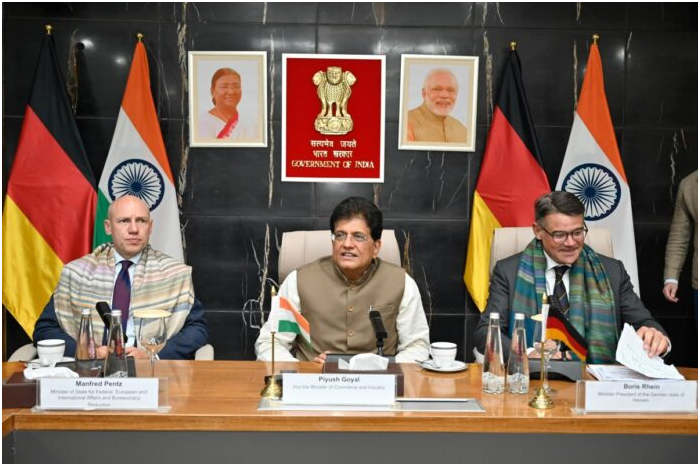
India and Germany's Hesse Explore Clean Energy Cooperation, with Discussions Covering Laser-Based Nuclear Fusion Research
On August 19, India's Minister of Commerce and Industry Piyush Goyal held talks with Boris Rhein, Minister-President of the German state of Hesse, to discuss strengthening economic and technological cooperation between India and Hesse. Manfred Pentz, Minister for Federal and European Affairs, International Affairs and Deregulation, along with a German business delegation, attended the meeting. The talks covered several emerging and high-growth sectors, with energy-related discussions focusing on clean energy and future technologies. The two sides discussed Hesse's initiatives in next-generation energy technologies, including laser-based...
2026-08-20
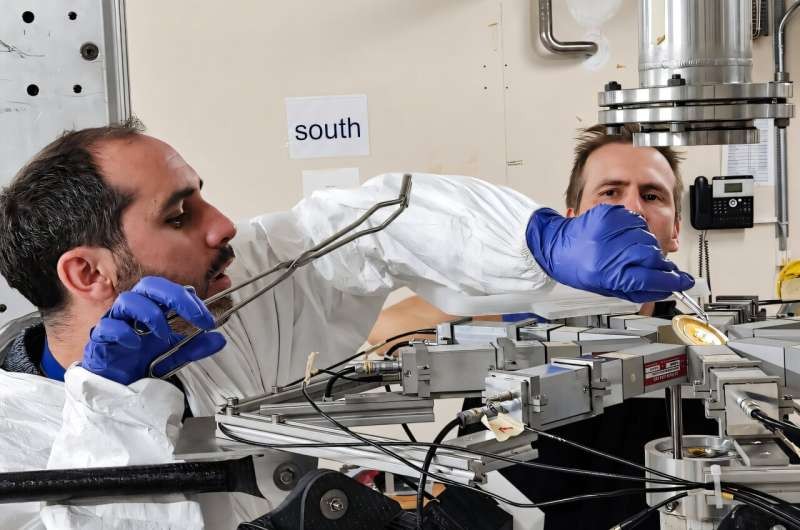
CERN measures niobium-94 neutron capture for the first time, shedding new light on the mystery of molybdenum abundance in ancient stardust
The n_TOF collaboration at CERN recently reported that researchers have for the first time measured the probability of neutron capture by niobium-94. The results, published in Physical Review Letters, provide new experimental evidence for explaining the anomalous abundance of molybdenum-94 in presolar grains. The EAR2 facility in the n_TOF experiment at CERN produces intense neutron beams, opening new possibilities for nuclear research. Credit: CERN Niobium-94 is a niobium isotope containing 41 protons and 53 neutrons, occupying a critical juncture in the nuclear reaction chain that produces heavy elements in dying stars. Researchers are interested in it because niobium-94 is very close to molybdenum-94, differing by just one fewer proton and one more neutron. Under the high-temperature, high-pressure conditions inside stars, niobium-94 may either transform into molybdenum-94 through beta decay or form niobium-95 through neutron capture. The competition between these two reaction pathways directly affects scientists' understanding of the origin of molybdenum-94.
2026-08-20
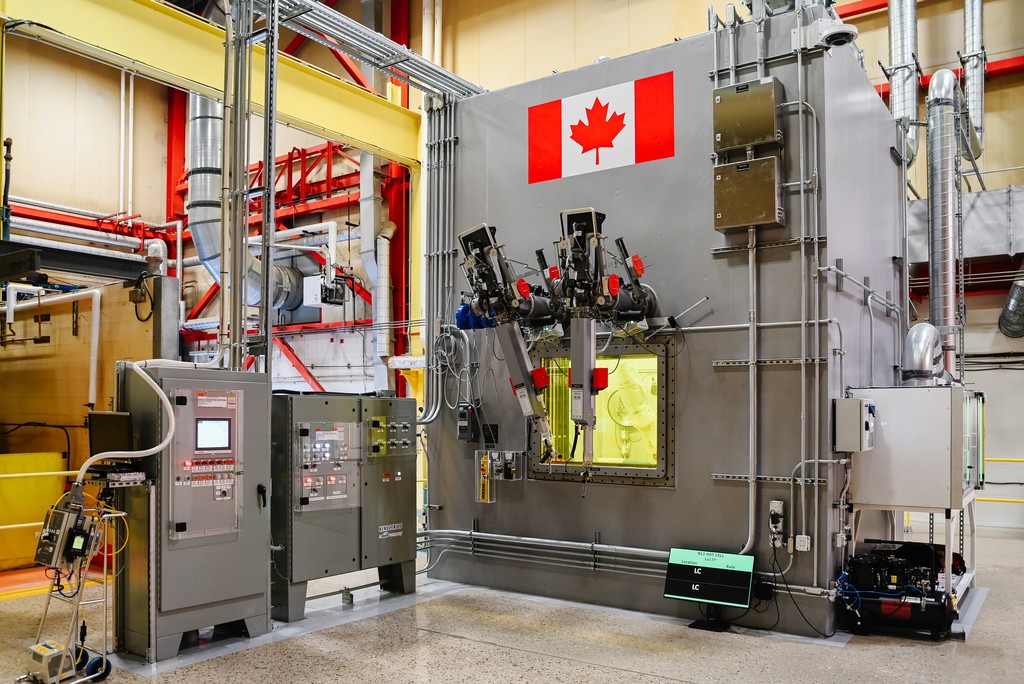
Canada Approves Bruce Power Hot Cell Facility Operations, Strengthening Lutetium-177 Medical Isotope Supply Chain
Bruce Power has recently received approval from the Canadian Nuclear Safety Commission to operate its on-site hot cell facility for target carrier removal (TCR) work, a critical step in the production process of the medical isotope lutetium-177 (Lu-177). Lu-177 is used in the treatment of prostate cancer and is increasingly applied in targeted therapies for precision medicine. Under the approval, Bruce Power can perform the relevant processing steps on site, further streamlining the isotope production process, reducing transportation requirements, while helping to enhance operational safety, lower emissions, and strengthen Ontario's capabilities in the global medical isotope supply chain. The hot cell facility was completed earlier this year...
2026-08-20
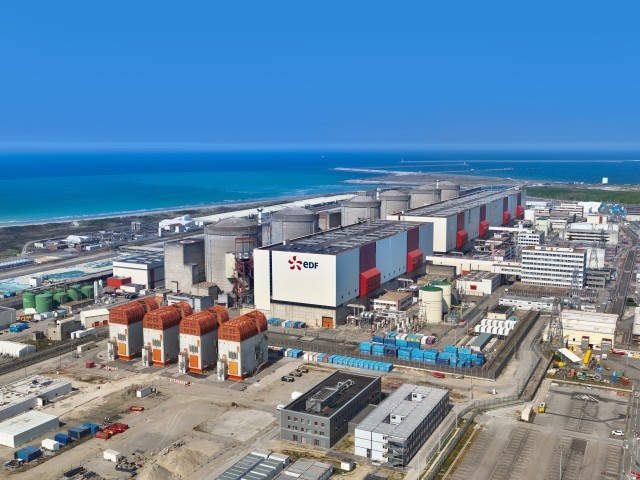
Unit 3 of France's Gravelines Nuclear Power Plant Reconnected to Grid, Unit 4 Remains Shut Down
According to EDF on August 18, Unit 3 of the Gravelines Nuclear Power Plant in northern France was reconnected to the national grid at 3:55 a.m. local time on August 18. The unit had been automatically shut down at 7:43 p.m. on August 10 in accordance with established safety protection procedures due to a large influx of jellyfish into the seawater pump station filtration system. The Gravelines Nuclear Power Plant has a total of six units. On August 10, a large number of jellyfish entered the pump station used to draw seawater for cooling nuclear facilities, affecting equipment such as pre-filters and filter drums. In accordance with operating procedures, Units 3 and 4 were automatically shut down; the operating team also shut down Unit 2 and reduced Unit 1's power to 50% to adapt to changing site conditions. Unit 5 was...
2026-08-20
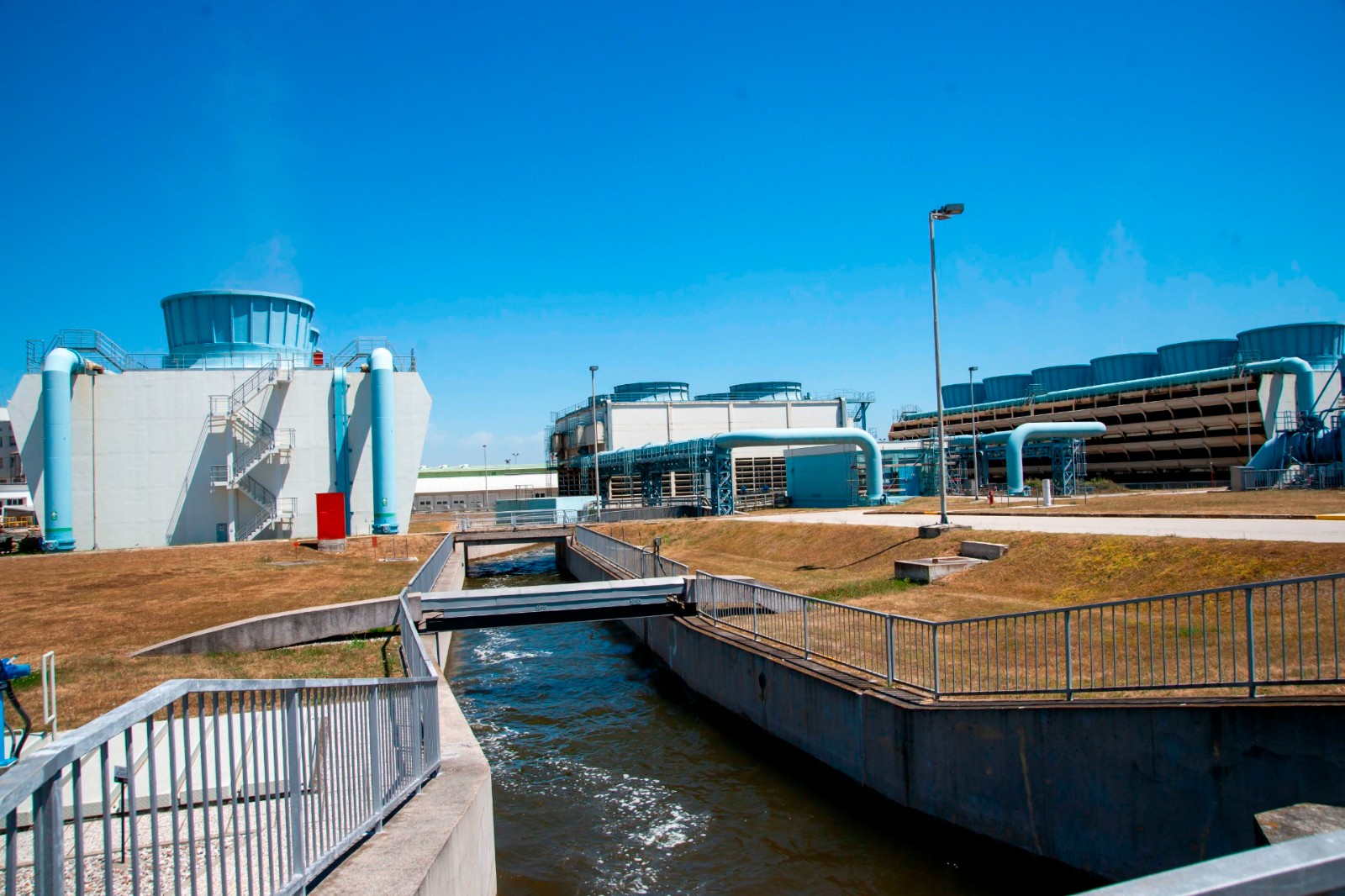
Slovenia's Krško Nuclear Power Plant Returns to Full Power Operation
On the evening of August 18, 2026, as meteorological conditions further improved, temperatures dropped, and river water temperatures declined, the Krško Nuclear Power Plant (NEK) increased reactor power to 100%, resuming full-load operation. During full-power operation, the plant will keep the entire cooling tower system in service to ensure compliance with relevant environmental limits and reduce the need for water withdrawal from the Sava River for cooling the plant's tertiary circuit. Previously, due to environmental restrictions related to the Sava River, the Krško Nuclear Power Plant reduced unit power to 80% on August 6, 2026. On August 14, following preliminary improvements in meteorological conditions, plant power was increased to 90%. Under the special operating conditions of this summer, when...
2026-08-20
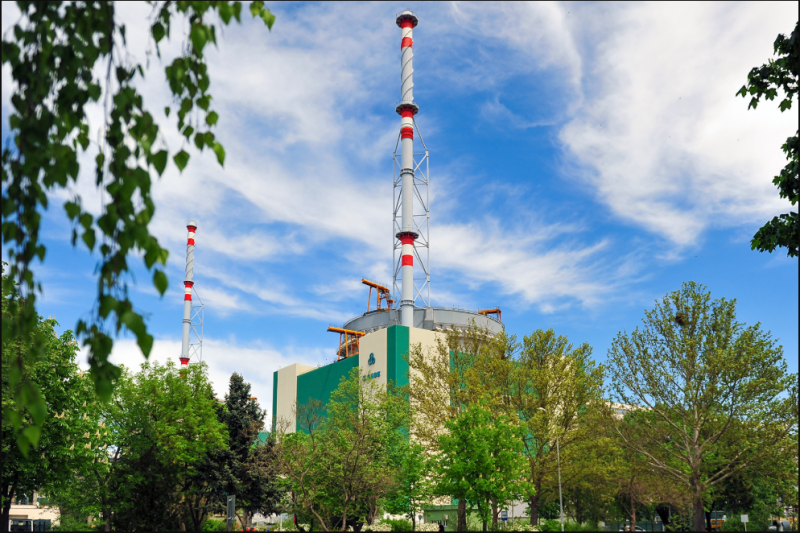
Danube Water Levels Recover, Paks Nuclear Power Plant Expected to Resume Full-Capacity Operation
According to Hungarian sources on August 19, Peter Magyar stated that due to the recovery of Danube water levels, the Paks Nuclear Power Plant is expected to resume full-capacity operation by next weekend. Magyar noted that starting from Friday, August 28, the Paks Nuclear Power Plant will be ready for full-capacity operation. The recent rise of 15 to 20 centimeters in Danube water levels has created conditions for the plant to restore its output and has also eliminated the need for operators to shut down turbines again. Relevant experts plan to restart the turbines that have not yet resumed operation as soon as possible. Previously, due to historically low Danube water levels, the operation of the Paks Nuclear Power Plant, which relies on river water for cooling, was affected, and the plant's output once dropped to approximately 10% of full capacity.
2026-08-20