
Search Results
Keyword:Nuclear
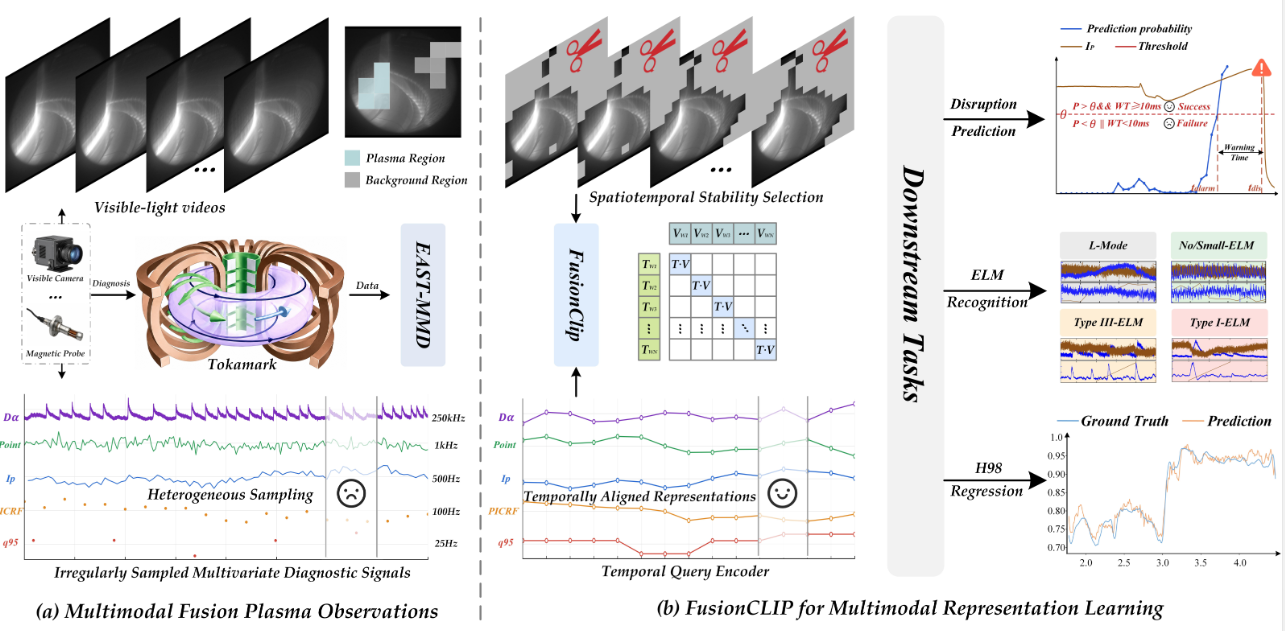
Chinese Research Team Evaluates Fusion Diagnostic Model Using EAST Discharge Data
Recently, a joint team from Anhui University and the Institute of Plasma Physics of the Chinese Academy of Sciences proposed a fusion diagnostic model called FusionCLIP. The research team constructed the EAST-MMD dataset using 1,307 discharge records from the Experimental Advanced Superconducting Tokamak (EAST), pairing visible-light videos with multiple diagnostic signals from the same discharge period for model training and evaluation. The visible-light videos record the plasma radiation structure and its spatial variations, while the multiple diagnostic signals record the temporal evolution of different physical quantities. FusionCLIP screens regions in the videos relevant to plasma changes and preserves the original sampling times of each variable when processing diagnostic signals. Through...
2026-11-10

The Cost Threshold for Nuclear-Powered Container Ships: Who Pays the $354 Million Gap Between the First-of-a-Kind and Mass-Produced Ships?
In the quotation for a large container ship, the reactor line item can be $92.7 million or $447.3 million. The two ships have the same speed and the same installed electrical power, and the $354.6 million difference comes from two estimates of reactor manufacturing cost. For shipowners, the cheaper tier is only expected to be achievable after repeated manufacturing and a mature supply chain, while the expensive tier is closer to the cost scenario that first-of-a-kind projects must face. Ships have already demonstrated historically that they can sail on nuclear energy. For modern container ships to make money on nuclear power, someone still has to pay for the journey from first-of-a-kind to mass production. University College Lond...
2026-11-10
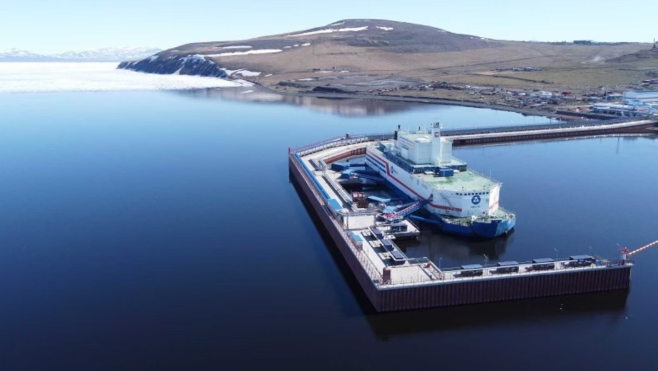
Russia's Akademik Lomonosov Floating Nuclear Power Plant Achieves Significant Emission Reductions
Recently, in the Russian Arctic city of Pevek, after most of the heating load was transferred to the floating nuclear power plant, the total atmospheric pollutant emissions in the area dropped significantly from the original 11.64 tons to 2.281 tons, a reduction of nearly 80%, with all environmental monitoring results fully meeting standards. As the world's only floating nuclear power plant in operation, the Akademik Lomonosov continues to provide clean and stable heat and electricity supply to the region. As an important part of the project's strict environmental monitoring system, a total of 15 automated radiation monitoring stations have been deployed locally, of which 11 are used for regional ecological monitoring and 4 are located in the city of Pevek, which has a population of about 5,000 ...
2026-11-10

Russian Tomsk Polytechnic University Develops Fast Power Supply for Synchrotron Radiation
Recently, the engineering team at Tomsk Polytechnic University in Russia has made important progress in the development of core equipment for large-scale scientific facilities, successfully developing a prototype high-precision programmable current source (FC current source) for fast correction magnets for the new SILA synchrotron radiation and free electron laser complex, and has fully launched the next stage of comprehensive testing. As an important support for the SILA project, the FC current source is designed to achieve fast current regulation over a wide range and high-precision output. Compared with conventional power supplies, this device not only needs to achieve current formation accuracy of up to 200 ppm, but must also operate within -5 to +5 A ...
2026-11-10
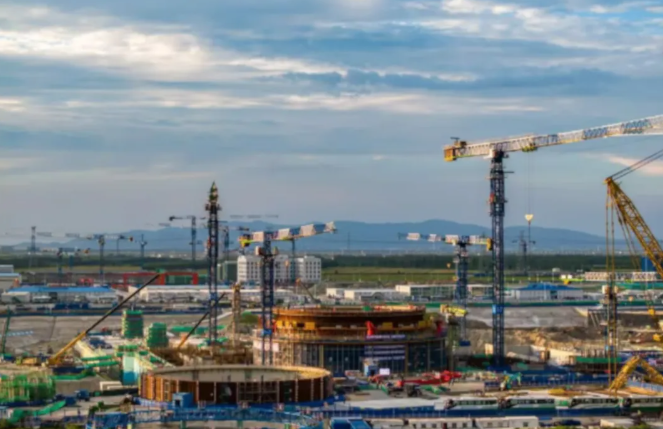
Construction of Nuclear Island of China's First Commercial High-Temperature Gas-Cooled Reactor Nuclear Power Unit Begins
Recently, China's first commercial nuclear power unit adopting the HTR-PM600S reactor facility officially reached a key construction milestone at the Xuwei Nuclear Power Plant in Lianyungang, Jiangsu Province, with the first concrete pour for its nuclear island foundation successfully completed. The project belongs to China's independently developed High-Temperature Gas-Cooled Reactor (HTGR) series, known by the brand name Chilong One, marking a substantive step forward in the large-scale commercial application of China's fourth-generation nuclear power technology. Chilong One was jointly developed by China National Nuclear Corporation (CNNC) and Tsinghua University, with fully independent intellectual property rights. The HTR-PM600S project unit...
2026-11-10

South China Regional Office conducts nuclear safety inspection on Changjiang Nuclear Power Unit 3
Recently, the South China Regional Office of Nuclear and Radiation Safety Inspection of the Ministry of Ecology and Environment organized an inspection team to conduct a routine nuclear safety inspection on the commissioning results and the implementation of the operational quality assurance program at Unit 3 of the Changjiang Nuclear Power Plant, the first Hualong One nuclear power unit of Huaneng Hainan Changjiang Nuclear Power Co., Ltd. As the unit completed its 168-hour full-power trial operation and officially entered the commercial operation phase, a comprehensive verification of the commissioning quality of the new unit and the management level of the new team has become a key measure to consolidate the primary responsibility of the operating organization. During the verification of commissioning results, the inspection team focused on the final acceptance of performance verification. As the "health check report" for the unit's handover to operation, the completeness...
2026-11-10

The Three Commercial Hurdles for Floating Nuclear Power: Shipyards Can Deliver Power Plants, but How Do Ports Take On Decades of Operation?
At the Russian Arctic port of Pevek, the Akademik Lomonosov supplies power to the Chukotka regional grid and provides district heating to the local town through onshore facilities. This floating nuclear power plant was first connected to the grid in December 2019 and entered commercial operation in May 2020. It carries two KLT-40S pressurized water reactors (PWRs), with a total gross electrical output of 70 MW. This case turned the basic concept of floating nuclear power into an operating reality, and it also makes the next question concrete. If another port were to introduce a similar plant, what exactly could be replicated: a shipyard manufacturing scheme, or an industrial system that operates together with the port, fuel, and emergency response systems...
2026-11-10
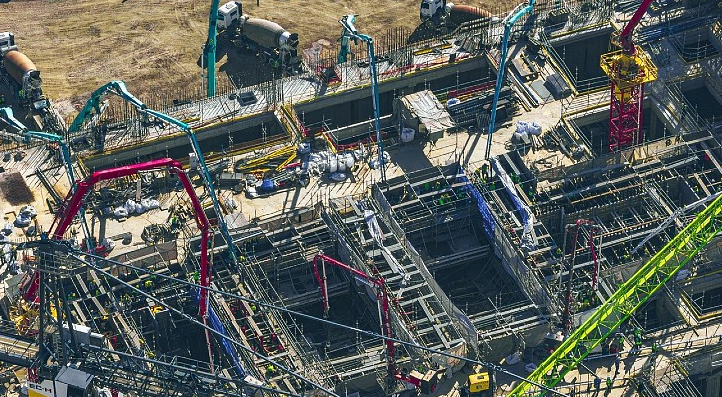
Foundation of the turbine for Unit 4 of the Akkuyu Nuclear Power Plant in Turkey completed
Recently, Unit 4 of the Akkuyu Nuclear Power Plant in Turkey reached a key construction milestone, with the concrete pouring of the foundation slab of the turbine building declared successfully completed. This continuous pouring operation lasted more than one day, with a cumulative use of more than 2,240 cubic meters of high-quality concrete, and more than 308 tons of high-strength rebar properly installed within the foundation pit prior to construction, demonstrating stringent civil engineering construction standards. According to engineering specifications, the foundation structure is expected to require a curing period of approximately 60 days to fully reach its design strength. Before the formal commencement of the installation procedures for the core components of the turbine generator set, the Turkish Nuclear Regulatory Authority (Nuclear Regulatory Authority) will conduct a comprehensive on-site inspection and compliance acceptance signing procedure for the foundation slab.
2026-11-10
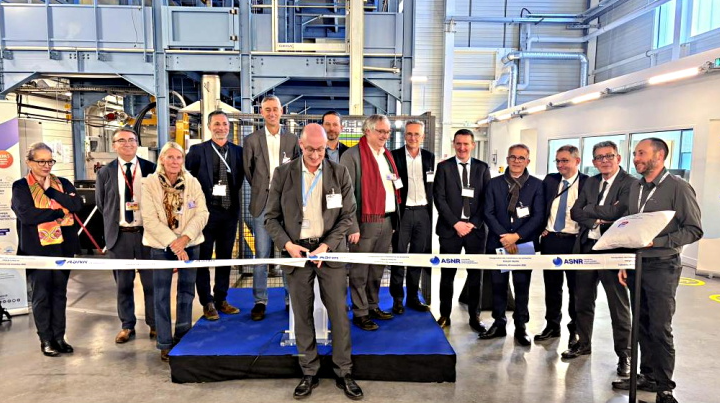
France's ASNR Inaugurates Cadarache Passive Safety Testing Facility
Recently, the French Nuclear Safety and Radiation Protection Authority (Autorité de Sûreté Nucléaire et de Radioprotection, ASNR) officially inaugurated and commissioned a new passive safety system research infrastructure at the Cadarache Research Center. The core objective of this project is to provide essential scientific data and technical support for the independent safety review of innovative reactors and small modular reactors (SMRs). Passive safety systems are designed to safely shut down the reactor and maintain a safe state over the long term without human intervention and with minimal reliance on external support functions. Integrated passive...
2026-11-10

Canada Unveils 2026 Budget with Major Nuclear Energy Investment
Recently, the Canadian government officially released its 2026 budget entitled "Mastering Our Fate." The budget provides strong financial support for a national strategy aimed at doubling grid capacity by 2050, and makes large-scale strategic investments in nuclear energy development and critical minerals, comprehensively consolidating Canada's position as a global energy power. Finance Minister François-Philippe Champagne noted that the 2026 budget builds on the significant progress achieved in the 2025 budget. The new budget sets out a total of more than CAD 50 billion (...
2026-11-10
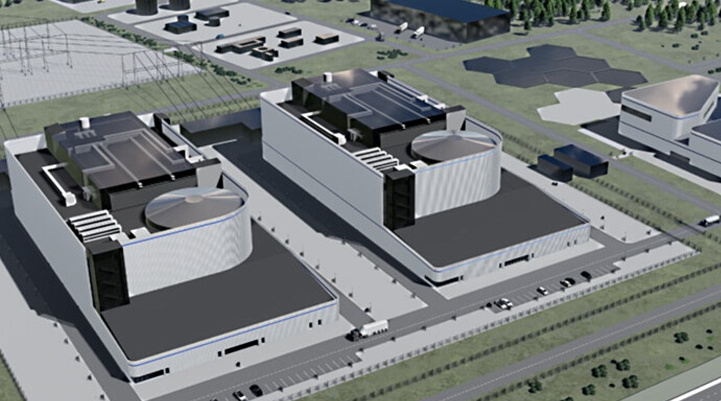
Estonia's Fermi Energia Narrows Down Site Selection for First Nuclear Power Plant
Recently, the Estonian government and Fermi Energia announced that the site selection range for the country's first nuclear power plant has been further optimized. Based on safety and other multidimensional considerations, three candidate locations in the municipality of Lüganuse have been formally excluded, and future site selection efforts will be fully concentrated on three designated locations within the municipality of Viru-Nigula. At the request of Fermi Energia, the Estonian government officially launched the national spatial planning process for the nuclear power plant in May 2025. Although the total planned area covers approximately 1,285 square kilometers, encompassing multiple municipalities and surrounding waters, after the first-phase site selection pre-assessment and opinions from various competent authorities...
2026-11-10

U.S. House of Representatives Passes Amendment to Spent Fuel Reprocessing Licensing
Recently, the U.S. House of Representatives overwhelmingly passed, by a vote of 397 to 2, the revised text of H.R. 3978, the Nuclear Fuel Recycling Act (Nuclear REFUEL Act). The bill proposes major adjustments to the definition of production facility in the U.S. Atomic Energy Act of 1954, thereby clarifying the regulatory classification of specific spent fuel reprocessing equipment and devices. According to the revised text, whether a process separates plutonium from other transuranic elements constitutes the core condition for classification. The proposed provisions explicitly stipulate that if the relevant equipment or devices are capable of reprocessing spent fuel and the process they employ...
2026-11-10
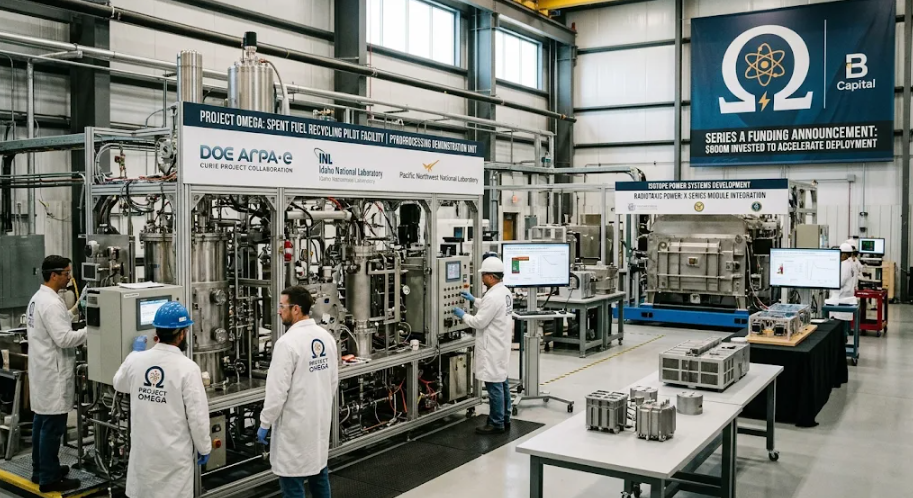
US Company Project Omega Secures $800 Million in Financing to Accelerate Spent Fuel Recycling
Recently, US nuclear innovation company Project Omega announced the successful completion of an $800 million Series A financing round, led by B Capital. The funds will be primarily used to initiate construction of the company's first spent fuel recycling pilot facility and to comprehensively advance the development and manufacturing of long-life, high-reliability power systems, marking a key step forward for its core technology from laboratory-scale validation to industrial application. The pilot facility planned by Project Omega aims to validate its core high-temperature non-aqueous process, namely the efficient recovery of high-value radioactive isotopes from spent fuel generated by nuclear power plants, while simultaneously preparing novel fuel feedstock for advanced reactors...
2026-11-10
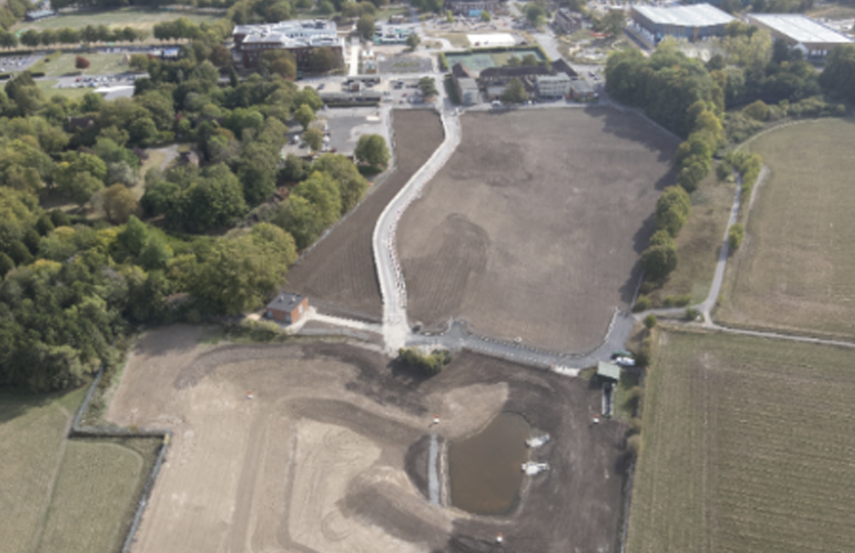
Land Remediation Completed at Harwell Nuclear Research Site in the UK
Recently, the Harwell nuclear research site in Oxfordshire, UK, has officially completed the physical remediation of 4.2 hectares of land. The remediation scope mainly covered the former Liquid Effluent Treatment Plant (LETP) and the adjacent former sewage treatment area. Nuclear Restoration Services (NRS) removed a cumulative total of over 97,000 tonnes of material during the project, making it the largest land remediation project the company has implemented to date. The former Liquid Effluent Treatment Plant was originally built in 1948 and had long provided liquid effluent treatment services...
2026-11-10
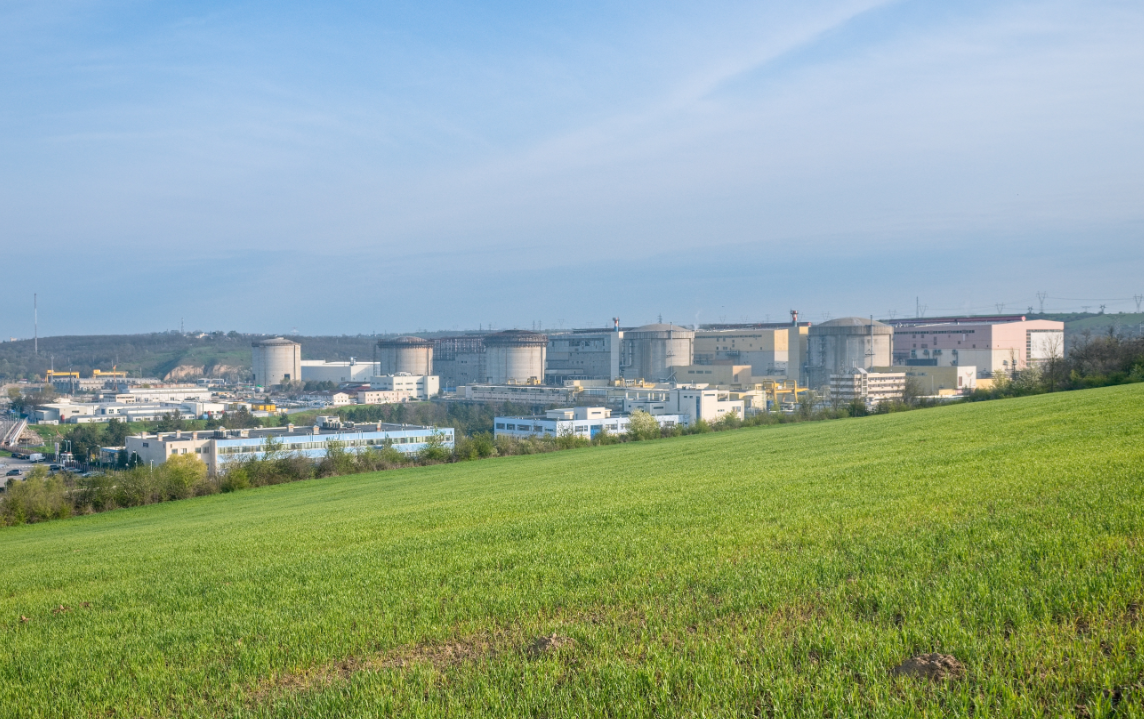
Unit 2 of Romania's Cernavodă Nuclear Power Plant Restarts and Reconnects to the Grid
Recently, Unit 2 of Romania's Cernavodă Nuclear Power Plant officially initiated the procedure to resume operation and reconnect to the national power system after the water intake level successfully met the restart requirements. The restart plan formulated by Nuclearelectrica, Romania's state nuclear power company, is divided into two key milestones: first, completing the synchronization of the unit with the national grid, and then gradually raising output until rated power is reached. Previously, due to low Danube River flow, the Cernavodă Nuclear Power Plant was forced to shut down two units successively. Among them, Unit 1 was restored and reconnected to the grid first, while Unit 2 continued to wait for a comprehensive improvement in water intake conditions....
2026-11-10