
Search Results
Keyword:Nuclear Safety
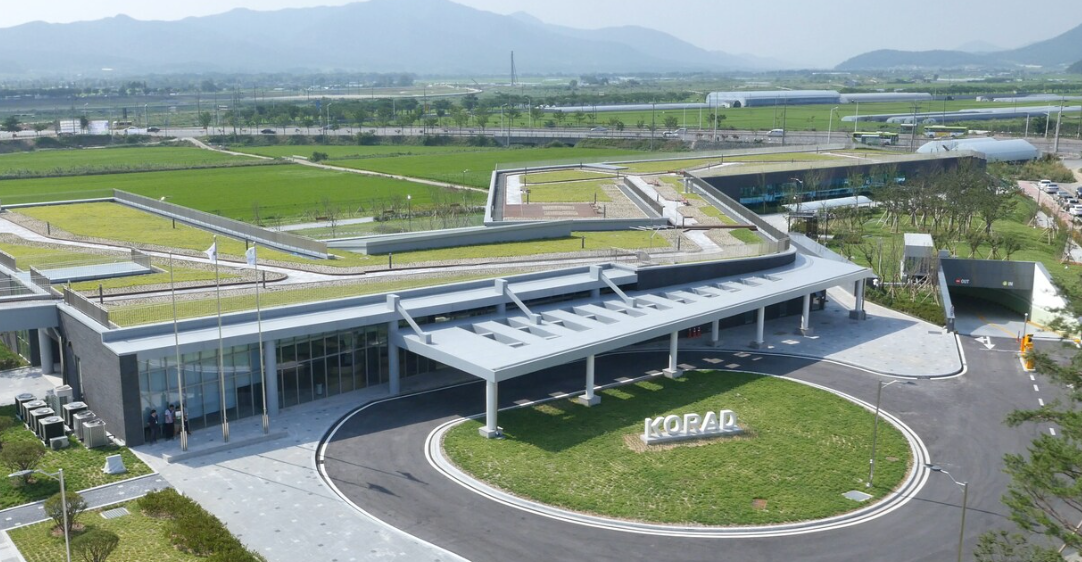
A batch of radioactive waste from the Korea Atomic Energy Research Institute deemed unsuitable for disposal due to documentation discrepancies
According to disclosures by relevant parties on August 5, a batch of radioactive waste shipped last year by the Korea Atomic Energy Research Institute (KAERI) to the low- and intermediate-level radioactive waste disposal facility (RWDF) in Gyeongju, North Gyeongsang Province, was deemed unsuitable for batch disposal due to inconsistencies between the declared documentation and actual contents. The Korea Radioactive Waste Agency (KORAD) conducted inspections after receiving the waste. KAERI shipped a total of 694 drums of radioactive waste to the disposal facility last year, of which 69 drums were inspected, and 32 were found to be non-compliant. The primary reason for non-compliance was discrepancies between the contents of the documents submitted by the institute and the actual inspection results after receipt. As a result, this batch of waste from the Korea Atomic Energy Research Institute...
2026-08-06
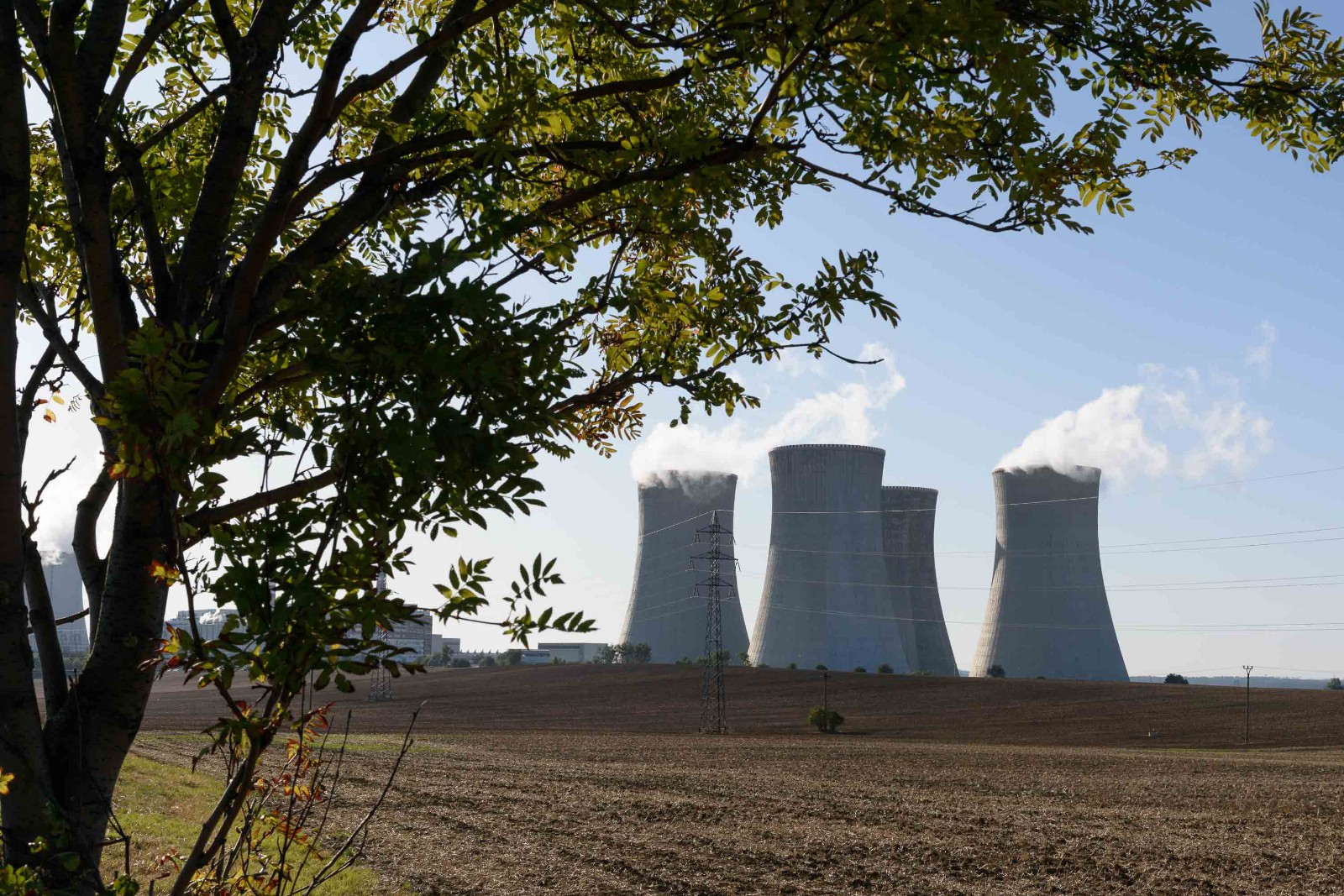
Czech nuclear safety officials say domestic nuclear power plants have sufficient cooling water for both existing and new units
Droughts across parts of Europe are affecting the operation of some nuclear power plants. Due to low water levels and flow rates in the Danube River, two reactors at Romania's Cernavodă Nuclear Power Plant have been shut down, and Hungary's Paks Nuclear Power Plant also faces the risk of a complete shutdown. Štěpán Kochánek, Chairman of the Czech State Office for Nuclear Safety (SÚJB), stated that plant operators should not be allowed to continue operating units at full power when cooling water is insufficient, and that related shutdown measures are conservative actions predefined in operating procedures. Kochánek explained that reactor shutdowns are not an unusually rare operation. Unit shutdown typically involves gradually reducing reactor power, inserting control rods, and bringing fission reactions to a minimal level or complete cessation. After shutdown, the reactor still requires cooling, but the demand for cooling water volume and capacity is significantly lower than during full-power operation. He noted that this process shares similarities with planned outages such as refueling overhauls and is a standardized procedure that operators should master.
2026-08-05
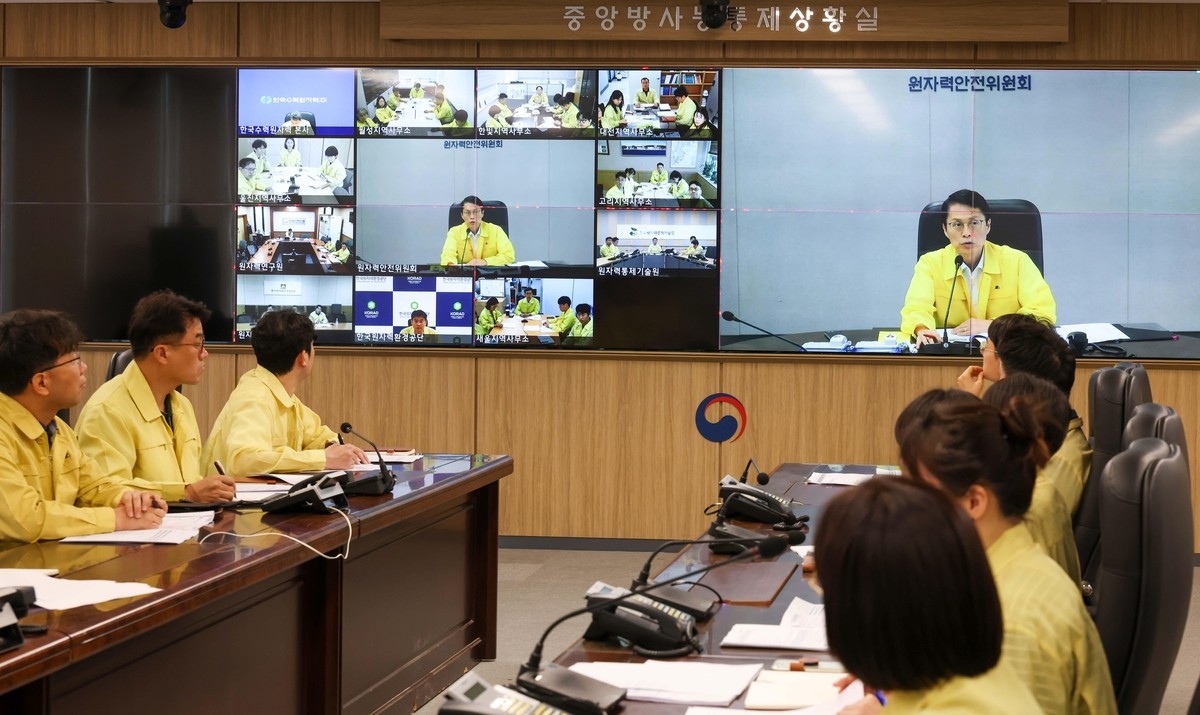
South Korea Launches Emergency Safety Inspection of Nuclear Facilities Amid Heatwave
The Nuclear Safety and Security Commission (NSSC) of South Korea announced on August 5 that, due to the ongoing nationwide heatwave, it will conduct an emergency inspection of the safety status and emergency response preparedness of nuclear facilities, including nuclear power plants. The inspection was conducted via video conference, with participation from personnel of the NSSC's six regional offices, safety regulatory agencies, and Korea Hydro & Nuclear Power (KHNP). The inspection focused on the potential impact of rising seawater temperatures used for cooling nuclear power plants. The NSSC verified the performance of relevant measuring instruments and heat exchangers, and examined KHNP's on-site emergency response status and handling procedures. The design temperature limits for seawater intake at South Korea's nuclear power plants range from 31 to 36.1 degrees Celsius. Due to climate change, the risk of high seawater temperatures is gradually emerging. In 2024, seawater temperatures in the waters off all South Korean nuclear power plants, except for the area around Shin-Hanul Units 1 and 2, reached record highs.
2026-08-05
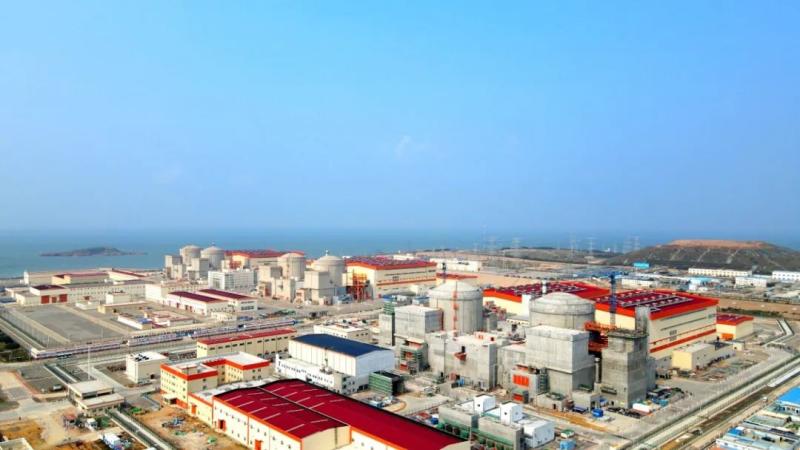
Hongyanhe Nuclear Power's Cold Source Management Experience Featured on WANO Official Website
Recently, the World Association of Nuclear Operators (WANO) published a feature report on its official website titled "Operational Excellence in Action: Hongyanhe transforms its Cold Source Resilience," introducing Hongyanhe Company's practical progress in ensuring cold source water intake to nuclear power peers worldwide. Cold source safety is a critical component of the nuclear defense-in-depth system. Coastal nuclear power plants generally pay close attention to the impact of seasonal marine organism accumulation on plant water intake safety, a natural environmental challenge commonly faced by coastal nuclear power plants globally. As the first nuclear power plant in Northeast China...
2026-08-05
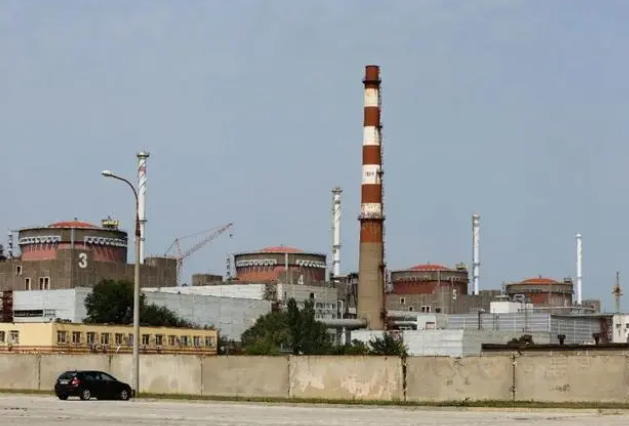
Zaporizhzhia Nuclear Power Plant Briefly Loses External Power, Restored via 330 kV Line
The International Atomic Energy Agency (IAEA) reported on August 4 that the Zaporizhzhia Nuclear Power Plant briefly lost external power supply that day. This marked the 24th occurrence of external power interruption at the plant since the outbreak of the related conflict. According to the report, the plant lost connection with the Ferrosplavnaya-1 transmission line, currently the only one still in service, in the afternoon, and emergency diesel generators provided backup power thereafter. The IAEA stated that the cause of the incident remains unclear. The plant management said the brief external power interruption was related to a technical fault in the automatic control system, and power supply was restored in less than an hour. Currently, the plant's auxiliary power is supplied by the 330 kV Fer...
2026-08-05

South Korea Accelerates Safety Reviews of Long-Term Operating Nuclear Reactors and Advances Licensing of First Spent Fuel Dry Storage Facility
The Nuclear Safety and Security Commission (NSSC) of South Korea stated at its second-half work report meeting on August 4 that it will accelerate safety reviews of long-term operating nuclear reactors while simultaneously advancing regulatory efforts such as licensing systems for spent fuel dry storage facilities and small modular reactors. Under the plan, the NSSC will conduct safety inspections on nine reactors applying for continued operation, with review standards referencing newly built nuclear power plants and confirming safety margins in consideration of the characteristics of long-term unit operation. Among these, whether Kori Nuclear Power Plant Units 3 and 4 will be approved for continued operation in the second half of this year, and whether Hanbit Nuclear Power Plant Units 1 and 2 will be approved for continued operation in the first half of next year, are the near-term review priorities...
2026-08-05
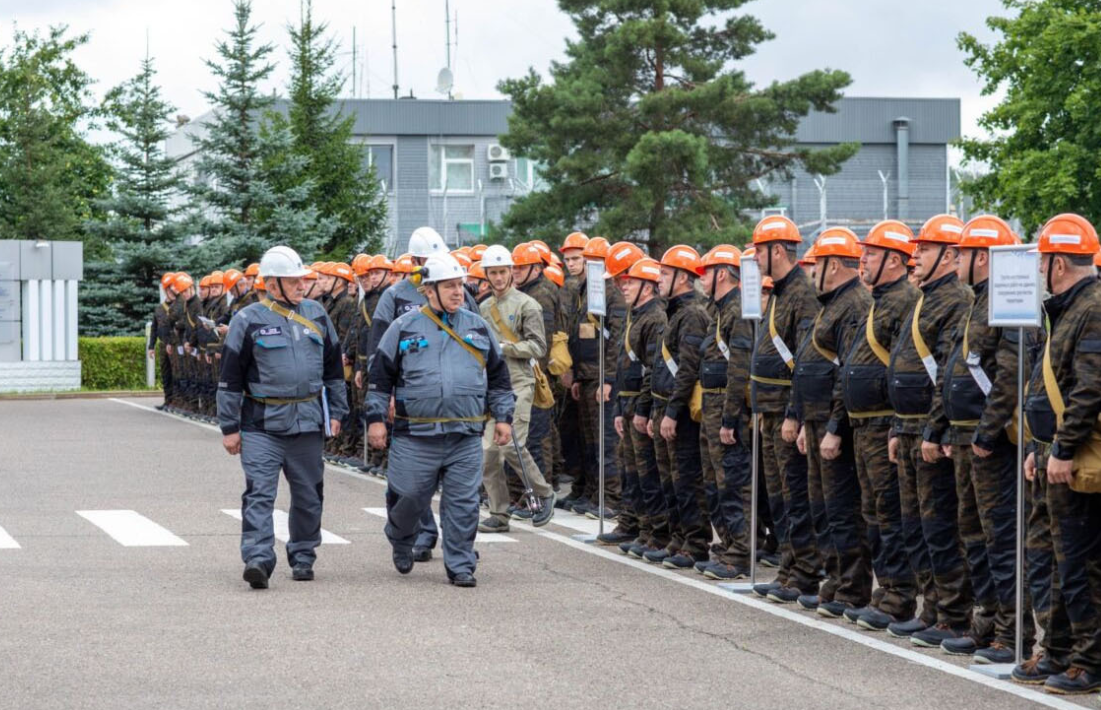
Smolensk NPP Successfully Conducts Emergency Drill Multi-Agency Coordination Tests Response Capabilities
On August 3, the Smolensk Nuclear Power Plant successfully conducted an accident response drill, with the participation of the Nuclear Power Plant Emergency Assistance Team (OPAS) of Rosenergoatom and emergency service departments. The drill brought together nuclear power plant staff, the crisis center team of Rosatom, local fire departments, medical institutions, and government representatives from the city of Smolensk and the Yelnya district. During the drill, all parties focused on practicing key tasks such as the alert and preparation of emergency response forces under non-routine conditions, organizing protective measures for personnel and local residents, and monitoring unit status and safety levels. The drill also included simulated fire...
2026-08-04
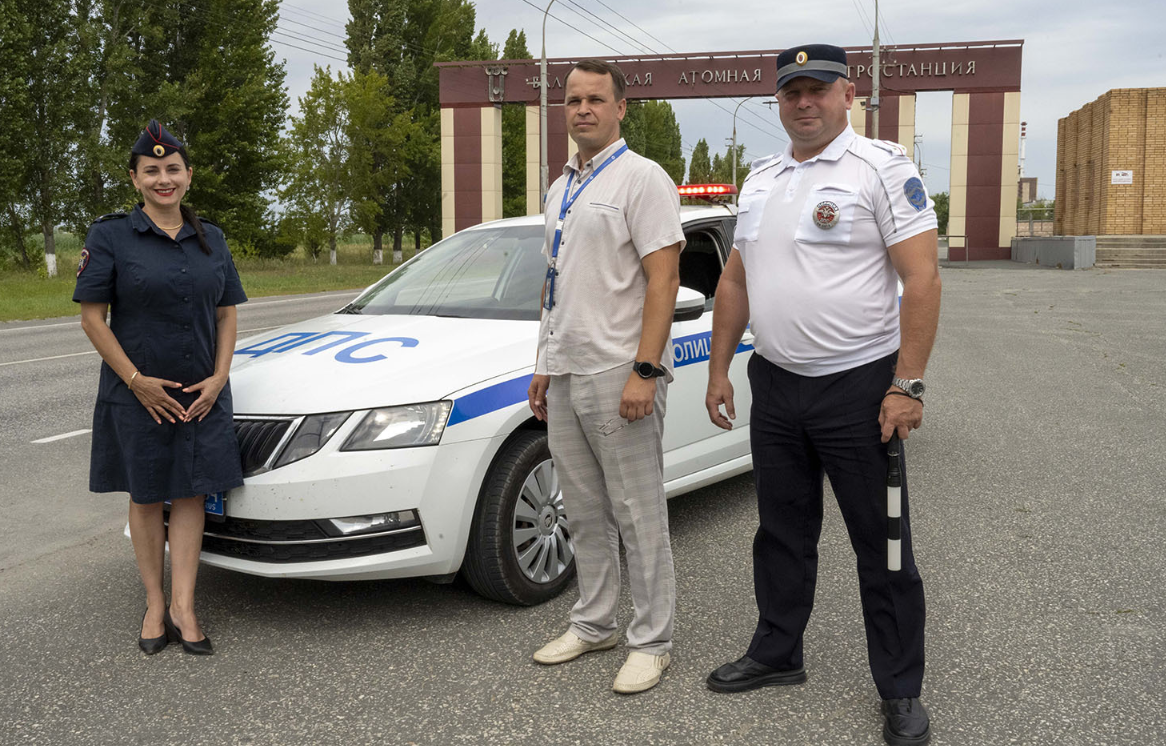
Balakovo NPP Conducts Special Traffic Safety Inspection Jointly with State Traffic Police
Balakovo NPP and the traffic administration recently conducted a joint preventive inspection aimed at improving road safety in the station area and preventing traffic accidents. The operation was carried out by experts from the NPP's transport workshop together with traffic police officers from the Balakovo City Police Department, as part of the annual safety inspection campaign. During the inspection, inspectors carefully checked compliance with traffic rules by vehicle drivers and pedestrians within the NPP premises. The results showed that no violations were detected, which fully reflects the high level of discipline and responsible attitude toward safety requirements demonstrated by Balakovo NPP employees and those of its contractors. The traffic police department stated that the main objective of such inspections is...
2026-08-04
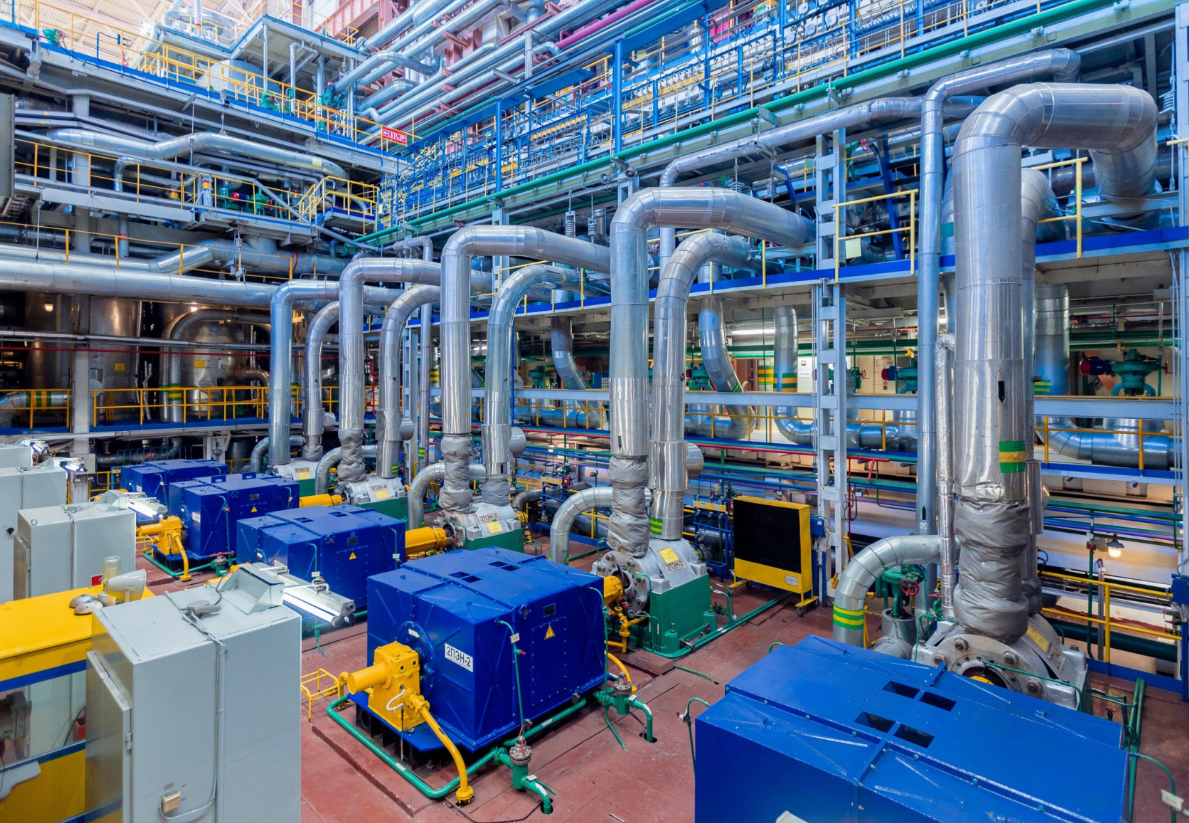
Unit 2 of Kola NPP begins 30-day scheduled preventive maintenance
On August 2, 2026, Unit 2 of the Kola Nuclear Power Plant launched scheduled preventive maintenance (SPM) incorporating modernization elements, expected to last approximately 30 days. During this mid-cycle overhaul, specialists will carry out extensive work on critical equipment. In the reactor shop, major repairs will be performed on part of the steam generators, main circulation pumps, and primary circuit piping. Plans also include disassembly and reassembly of the reactor plant, nuclear fuel replacement, and repair of the reactor internals and safety system equipment. In the turbine shop, turbine units, turbogenerators, circulation pumps, low-pressure heaters, and separators-superheaters will be repaired. On the electrical side, transformers and diesel generators will undergo maintenance. Additionally, upgrades are planned for the automatic chemical control system of the primary coolant and the DC power distribution panels for the entire station and individual units.
2026-08-04
Czech Republic Leads EU Project to Assess Application of Commercial-Grade Items in VVER Nuclear Power Plants
The Czech State Office for Nuclear Safety (SÚJB) has launched a two-year EU project focused on assessment methodologies for the application of high-quality commercial-grade items in nuclear power plants equipped with VVER reactors. The project aims to establish a unified, expert-judgment-based evaluation process that provides methodological support for nuclear facilities when introducing relevant items, while ensuring that nuclear safety requirements are not compromised. As the nuclear power supply chain landscape evolves, certain plant-specific components may face the need to be replaced by commercial-grade products. In response, regulatory authorities need to establish clear rules to review the suitability, quality assurance, and safety implications of substitute items. The project will focus on evaluating...
2026-08-04
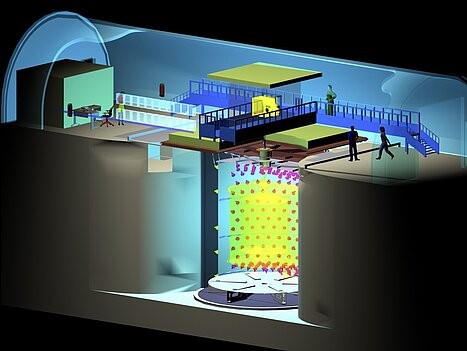
Antineutrinos Detected for the First Time in Spent Fuel Elements
Even after a nuclear reactor has been shut down, the radioactive fuel continues to emit a faint stream of antineutrinos. The Double Chooz collaboration, led by scientists from the Max Planck Institute for Nuclear Physics (MPIK), has succeeded for the first time in measuring this elusive signal, opening up new prospects for reactor monitoring, nuclear safety, and control procedures. The Double Chooz detector. Image credit: Double Chooz collaboration. The research team conducted these measurements at the Chooz nuclear power plant in northern France. The Double Chooz detector is located approximately 400 meters underground, in close proximity to two reactor cores. Inside, the detector contains more than 30 cubic meters of liquid scintillator material...
2026-08-04
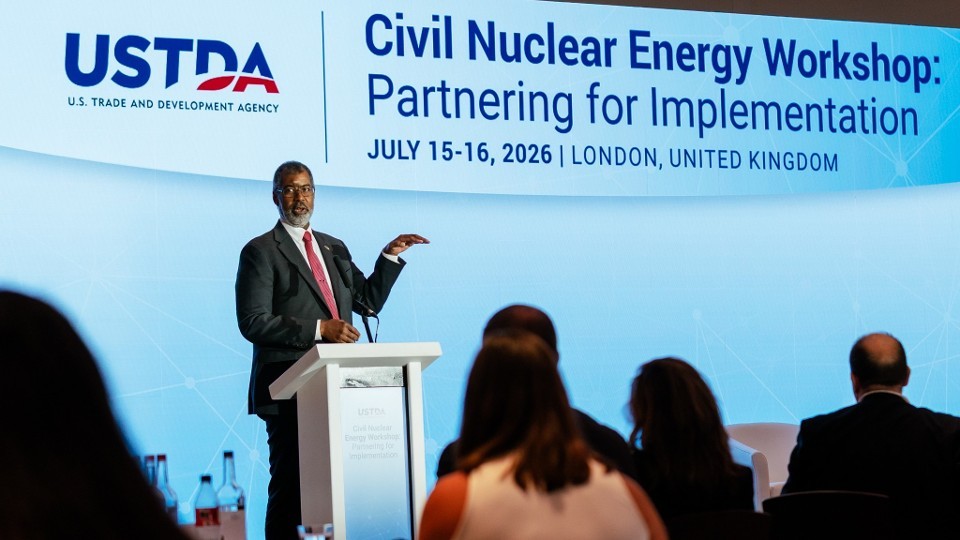
OECD Nuclear Energy Agency Director-General Attends Civil Nuclear Energy Workshop in London
William D. Magwood IV, Director-General of the OECD Nuclear Energy Agency (NEA), attended the U.S. Trade and Development Agency (USTDA) Civil Nuclear Energy Workshop held in London, United Kingdom, on July 15-16. Themed "Collaborative Advancement of Implementation," the workshop brought together government officials, industry representatives, and international stakeholders from Europe, Eurasia, and beyond to discuss how international cooperation can support the delivery of nuclear energy projects. Magwood delivered a keynote address at the opening ceremony and subsequently engaged in a conversation with Maria Korsnick, President and Chief Executive Officer of the Nuclear Energy Institute (NEI)...
2026-08-04
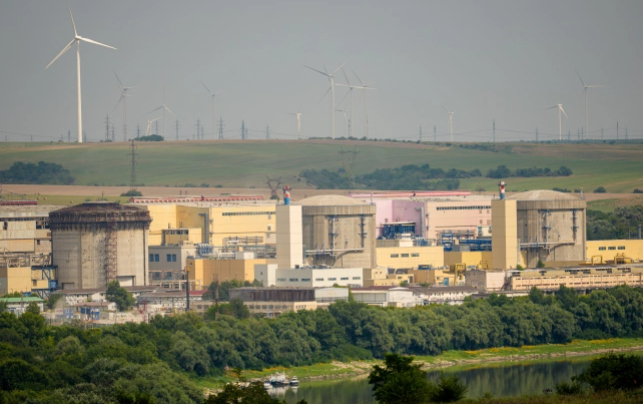
Unit 2 of Romania's Cernavoda Nuclear Power Plant can only operate for about 5 more days due to the continuously declining water level of the Danube River
Unit 2 of Romania's Cernavoda Nuclear Power Plant is expected to operate for only about five days due to the declining water level of the Danube River. Romeo Urjan, the plant's director, stated that if the Danube's water level continues to drop at a rate of 2 to 3 centimeters per day, Unit 2 will soon cease operation. Unit 1 has already been shut down due to insufficient water flow. Urjan emphasized that despite this, Unit 2 continues to operate within normal parameters, and nuclear safety is not under any threat. To alleviate the situation, relevant authorities are preparing to deploy four barges to divert more water to the plant, hoping to raise the water level by 7 to 8 centimeters, thereby extending the plant's operating time. Related...
2026-08-04
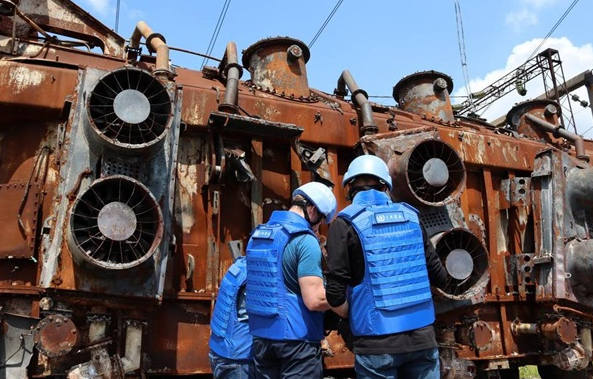
IAEA Inspects Ukrainian Energy Company Substations
On August 3, the International Atomic Energy Agency (IAEA) completed its latest inspection of key substations belonging to a Ukrainian energy company. The inspection aimed to assess energy infrastructure, particularly critical facilities affecting the safe operation of Ukraine's nuclear power plants. The Ukrainian side granted the IAEA delegation access to critical high-voltage substation systems for comprehensive monitoring. This comprehensive monitoring of substations was made possible by the expansion of the IAEA's mandate in September 2024. Under the new mandate, international inspectors can monitor not only the safety status of nuclear power plants but also the critical transmission system facilities that ensure their stable operation. Notably...
2026-08-04
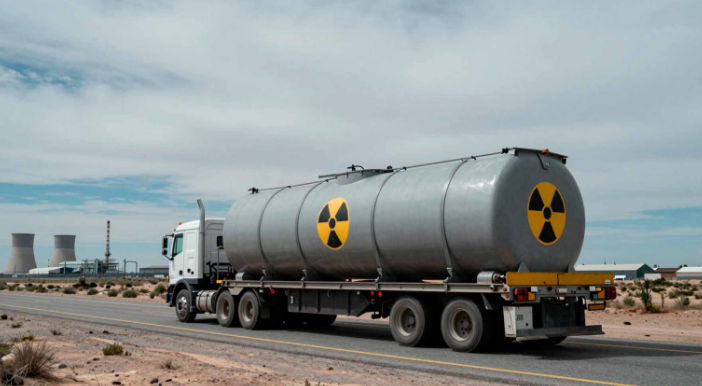
U.S. Nuclear Regulatory Commission (NRC) Proposed Rule to Update Radioactive Material Transport Regulations for New Reactor Technologies
The U.S. Nuclear Regulatory Commission (NRC) has issued a proposed rule aimed at updating regulations for the transport of radioactive material to accommodate the development of new reactor technologies. The existing regulatory framework has not fully kept pace with advances in nuclear technology, particularly as microreactors and other advanced reactor types present new challenges to current rules. Approximately three million packages containing radioactive material are transported across the United States each year, and this vast logistics operation has been managed by federal agencies for decades. The NRC's proposed rule addresses a specific issue: how to safely transport new types of nuclear reactors and their associated radioactive materials. Microreactors are compact, factory-manufactured...
2026-08-03