
Search Results
Keyword:Nuclear Safety
Vietnam's Nuclear and Radiation Safety Inspectorate Accelerates Year-End Efforts: Surprise Inspections + 20 National Standards + Institutional Closure
Vietnam's Radiation Protection and Nuclear Safety Inspectorate (ATBXHN) entered an accelerated implementation phase for key tasks in the final months of 2026, with work priorities including completing the annual inspection plan, strengthening surprise inspections of facilities showing signs of violations, strictly handling violations in accordance with the law, and promptly completing the legal framework for inspection, review, and supervision in the field of radiation protection and nuclear safety. Pham Xuan Linh, Chief Inspector of Nuclear Safety and Security of Vietnam, stated that the relevant inspections are not only aimed at detecting and handling violations but also at enhancing legal compliance awareness among organizations and individuals engaged in atomic energy activities, ensuring nuclear and radiation safety, and protecting public health and the environment. According to the year-end work arrangements, the inspectorate will concentrate...
2026-08-10

"Nuclear Levee" Intelligent Foundation Empowers Wuhan Nuclear Technology Utilization Intelligent Review System Officially Launched
Recently, the Nuclear and Radiation Safety Center of the Ministry of Ecology and Environment, in collaboration with software development enterprises, leveraged its independently developed nuclear safety regulatory "Nuclear Levee" intelligent review technology foundation to address the intelligent construction needs of radiation-related construction project environmental impact assessment (EIA) review at the Wuhan Ecological Environment Safety Center. The customized development of the Wuhan Nuclear Technology Utilization Intelligent Review System was successfully completed and officially deployed. The system carried out full-process technical research around three core directions: scenario adaptation, model iteration, and large-scale deployment. Key technical optimizations were completed for the EIA business scenarios, including dedicated parameter tuning and joint model training of the "Nuclear Levee" intelligent review foundation, successfully building an intelligent review system covering the entire EIA process. The system...
2026-08-10
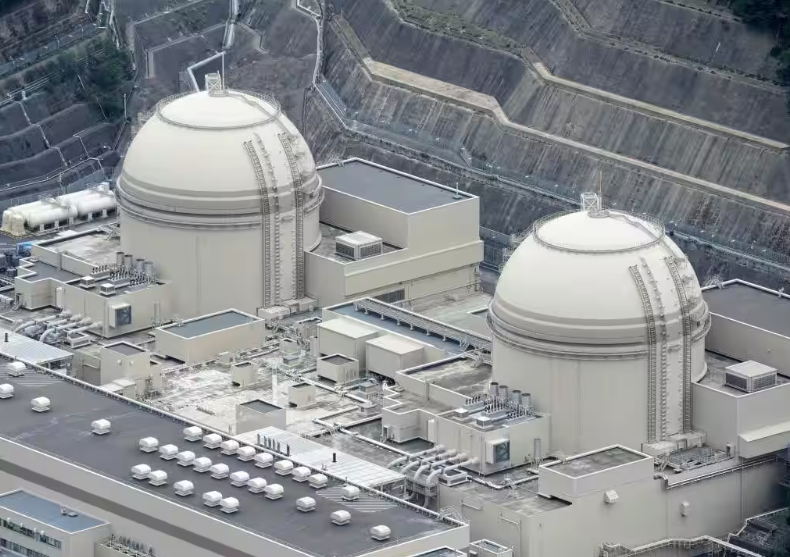
Unit 3 of Japan's Ohi Nuclear Power Plant Automatically Shuts Down
Kansai Electric Power Co. announced in the early hours of the 9th that Unit 3 of the Ohi Nuclear Power Plant, located in Ohi Town, Fukui Prefecture, Japan, automatically shut down during operation. The unit has a generating capacity of 1.18 million kilowatts. According to Kansai Electric Power, at around 23:56 on the 8th, an alarm was triggered at the unit, indicating that the generator had lost the conditions required to produce a magnetic field. Subsequently, the generator automatically stopped operating, and the reactor also automatically shut down. Preliminary information suggests that the anomaly may involve the exciter, a device used to establish the magnetic field for the generator. Kansai Electric Power stated that no radioactive material leakage occurred as a result of this incident, and there was no radiological impact on nearby personnel or the environment. The cause of the malfunction...
2026-08-10

Research Reactors Support Kazakhstan's Safe Nuclear Energy Development
Against the backdrop of growing demand for low-carbon electricity, nuclear energy is being regarded by many countries as a key energy option. Kazakhstan is also advancing its own nuclear energy development. Equally critical to the construction of nuclear power plants is the long-term research, testing, and validation of nuclear fuel, structural materials, reactor operating conditions, and safety systems. Research reactors and experimental facilities are precisely the core platforms undertaking such work. Unlike power reactors, which primarily target electricity generation, research reactors are closer to specialized nuclear science laboratories. Researchers can study the behavior of nuclear fuel and structural materials, simulate different reactor operating states, including off-normal conditions, test new technologies, and validate engineering solutions subsequently used in nuclear...
2026-08-09
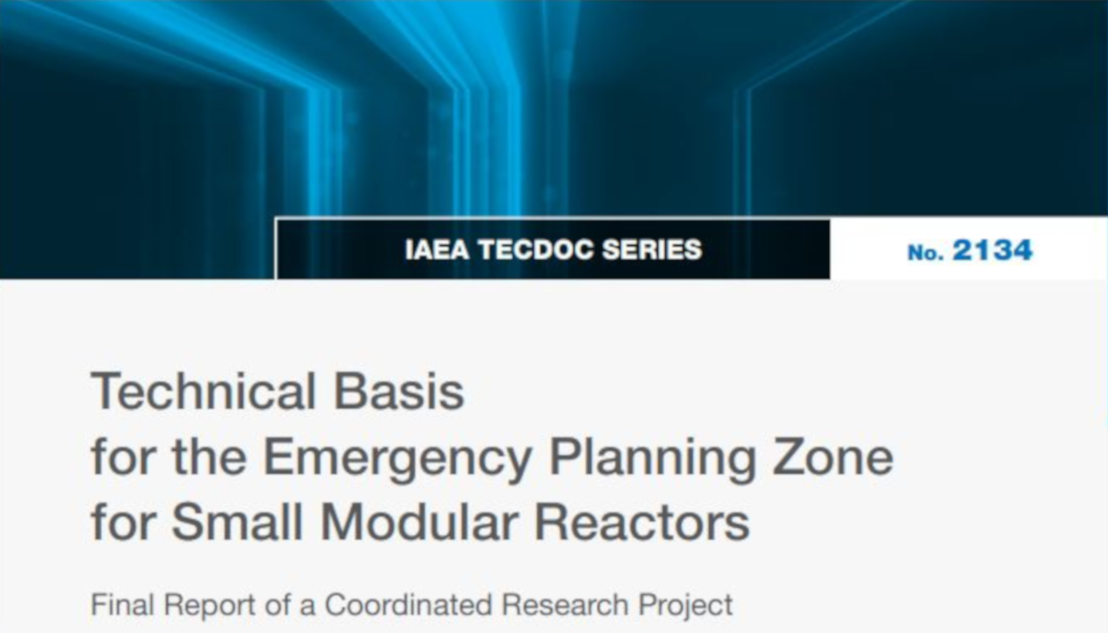
IAEA Publishes Technical Document on Emergency Planning Zones for Small Modular Reactors
The International Atomic Energy Agency (IAEA) recently released the technical document "Technical Basis for Emergency Planning Zones for Small Modular Reactors," designated as TECDOC-2134, published in Vienna in 2026. The document comprises 132 pages, includes 11 illustrations, is written in English, and is now available for download. This marks the first time the Agency has systematically documented, in publication form, the outcomes of a coordinated research project related to protective action planning zones in the deployment of small modular reactors. The document focuses on the technical basis for emergency preparedness and response for small modular reactors, with particular attention to determining the size of protective action planning zones. A protective action planning zone is an area surrounding a nuclear facility where protective measures are pre-planned in response to potential accidents...
2026-08-09
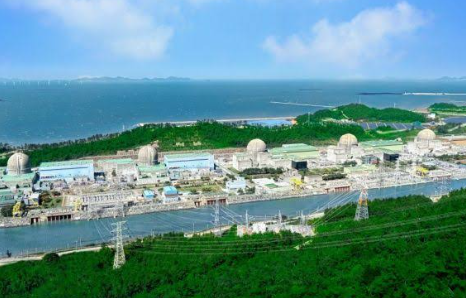
Hanbit Nuclear Power Plant launches 24-hour drone monitoring and strengthens no-fly zone publicity
The Hanbit Nuclear Power Headquarters of Korea Hydro & Nuclear Power (KHNP) recently conducted a special no-fly zone publicity campaign regarding illegal drone flights around the nuclear power plant. The campaign was held on July 27-28 at Gamame and Gusipo beaches near the Hanbit Nuclear Power Plant, focusing on educating summer tourists and drone users about flight control regulations around the plant. The publicity was jointly promoted by the Hanbit Nuclear Power Headquarters together with Yeonggwang Police Station, Gochang Police Station, Mokpo Maritime Police Station, Buan Coast Guard Station, volunteer fire brigades, and beach operators. Personnel at the site explained to visitors the drone flight restrictions around the nuclear power plant, consequences of violations, and precautions...
2026-08-08
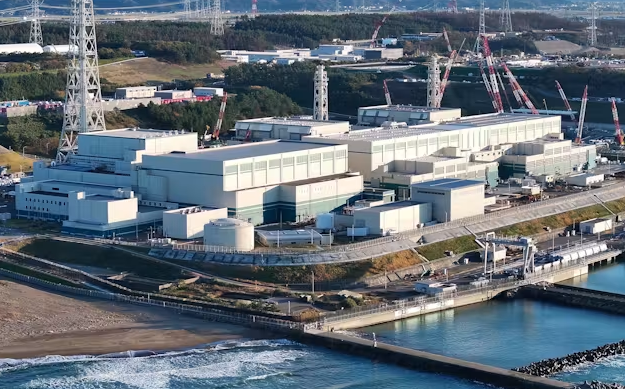
Rising Seawater Temperatures Prompt New Nuclear Safety Rules: TEPCO Sets Temporary Shutdown Criteria for Kashiwazaki-Kariwa Plant
Tokyo Electric Power Company Holdings announced on August 7 that it has established a set of self-determined criteria for evaluating whether to temporarily halt nuclear reactor operations at the Kashiwazaki-Kariwa Nuclear Power Plant in Niigata Prefecture, in response to rising seawater temperatures in the surrounding area. These criteria are not mandatory requirements directly imposed by external regulatory authorities, but rather proactive measures voluntarily implemented by TEPCO based on safe operational needs. According to the conditions announced by TEPCO, the company will consider temporarily shutting down the relevant nuclear facilities when the 7-day average seawater temperature in the waters surrounding the plant exceeds 31 degrees Celsius, when water temperatures above 34 degrees Celsius are observed, or when water temperatures above 33 degrees Celsius persist for 12 hours. These numerical thresholds indicate that seawater temperature has been incorporated as a key variable in nuclear power plant operational risk management.
2026-08-08
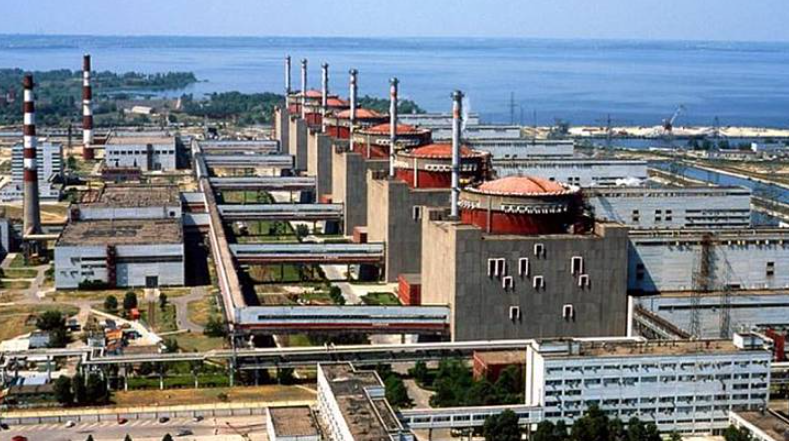
Zaporizhzhia Nuclear Power Plant to Raise Spent Fuel Pool Water Levels to Mitigate Power Outage Risks
The International Atomic Energy Agency (IAEA) stated that the operator of the Zaporizhzhia Nuclear Power Plant has decided to raise the water levels in the spent fuel pools on site to enhance safety buffer capacity in the event of a prolonged loss of external power. The primary purpose of raising the water levels is to extend the time before water in the spent fuel pools begins to boil and evaporate under extreme conditions where external power to the plant is interrupted for an extended period, diesel reserves are depleted, and emergency diesel generators can no longer supply power to the cooling systems. Spent fuel pools are used to store used nuclear fuel underwater, typically for at least five years, allowing its radioactivity and residual heat to gradually decay, making continuous cooling a critical element of nuclear safety. All six units at the Zaporizhzhia Nuclear Power Plant...
2026-08-08
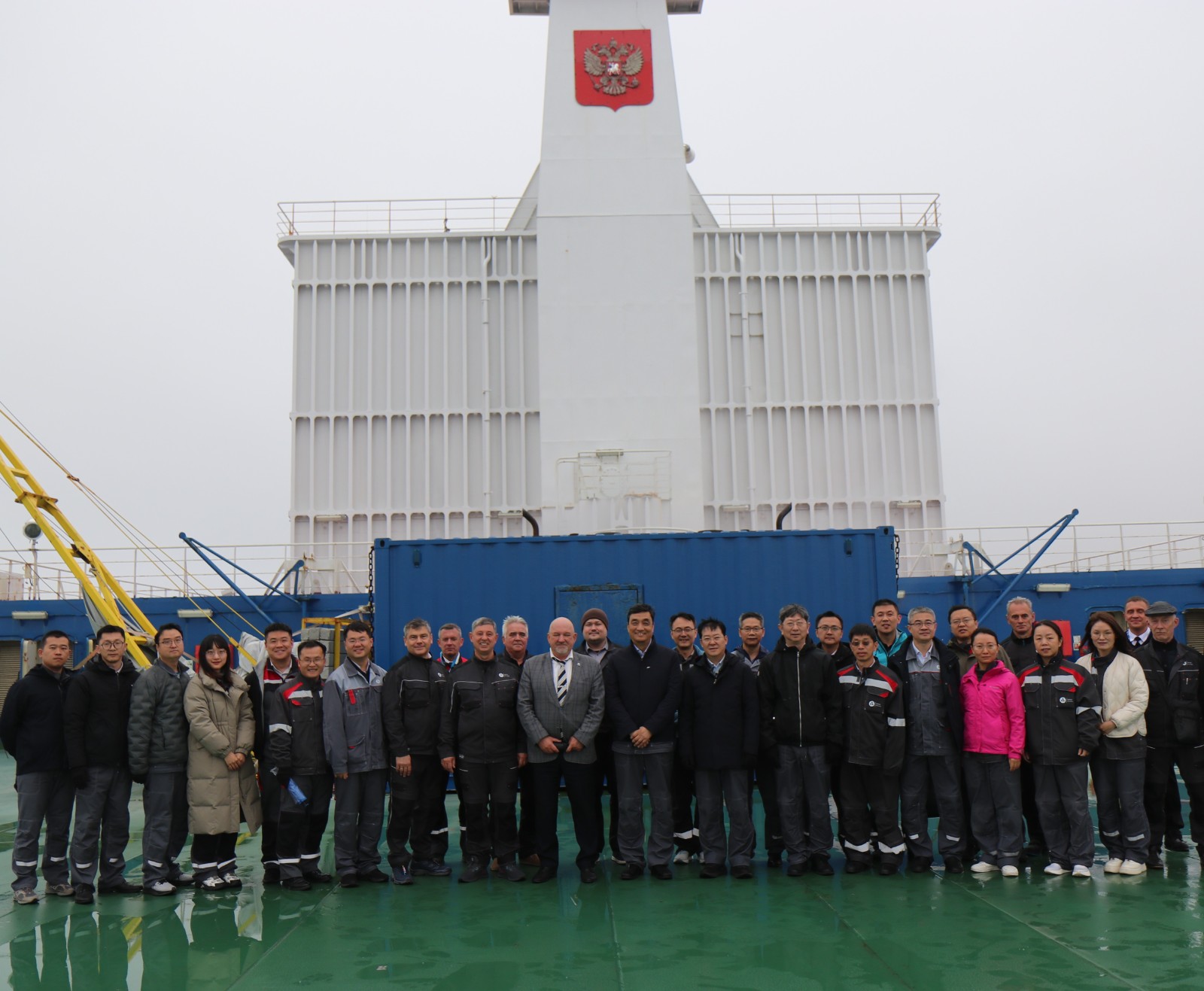
Chinese Nuclear Safety and Nuclear Industry Delegation Visits Russian Floating Nuclear Thermal Power Plant
From July 28 to 30, representatives from China's National Nuclear Safety Administration, China National Nuclear Corporation (CNNC), and the Chinese Embassy in Russia, together with officials from the Federal Service for Environmental, Technological and Nuclear Supervision of the Russian Federation (Rostechnadzor), jointly visited the floating nuclear thermal power plant located in Pevek, Chukotka Autonomous Okrug. The plant is operated by Rosenergoatom, the power generation division of Rosatom. During the visit, the delegation inspected the floating power unit and onshore facilities, and learned about the operation of key equipment. Chinese experts focused on spent fuel storage, refueling procedures, and related equipment configurations...
2026-08-07
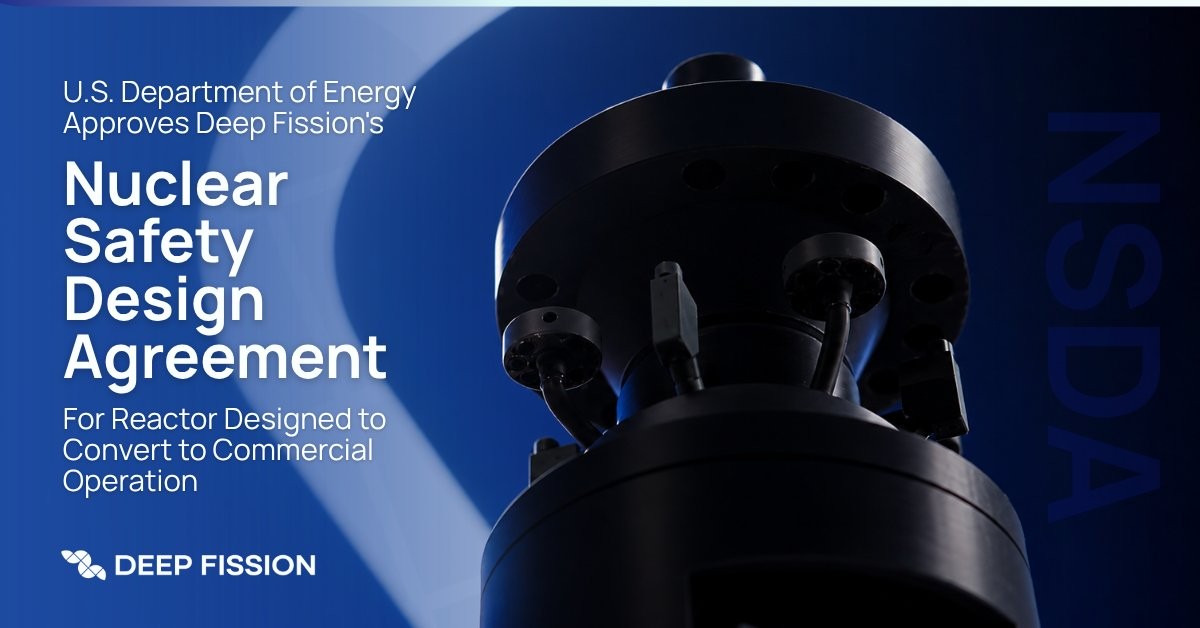
US DOE Approves Nuclear Safety Design Agreement for Deep Fission Underground SMR
Deep Fission, a US advanced nuclear energy company, announced on August 6 that the US Department of Energy (DOE) has approved the Nuclear Safety Design Agreement (NSDA) for its Gravity reactor. The company stated that this milestone means its reactor design meets the requirements for continued advancement under the DOE's Reactor Pilot Program. Deep Fission is developing a small modular pressurized water reactor concept, with plans to place the reactor in a borehole approximately 1 mile, or about 1.6 kilometers, underground. The approved Nuclear Safety Design Agreement will serve as the safety framework for subsequent reactor development work. According to the company's plans, the project will proceed into the DOE authorization process...
2026-08-07
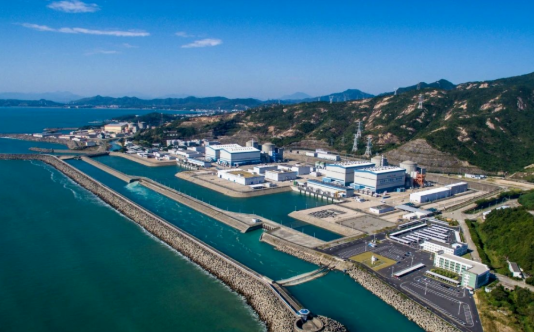
South China Regional Office of the Ministry of Ecology and Environment Conducts Unannounced Special Inspection on Typhoon and Flood Prevention at Daya Bay Nuclear Power Base
To effectively strengthen the safety production defense line during the flood season, reinforce the primary responsibility of operating entities for typhoon and flood prevention, and prevent and mitigate nuclear safety risks posed by extreme weather such as typhoons and heavy rainfall, the South China Regional Office of Nuclear and Radiation Safety Supervision under the Ministry of Ecology and Environment (hereinafter referred to as the South China Regional Office) recently conducted an unannounced special inspection on typhoon and flood prevention at the Daya Bay Nuclear Power Base. After Typhoon Hongxia, some buildings at the Daya Bay Nuclear Power Base experienced issues such as roof leakage and water seepage. This inspection focused on the aforementioned weak links, conducting on-site verification of key critical points including the diesel generator buildings, the open intake channel for the cold source, and the combined pump house one by one. The inspection team went deep into the production frontline, meticulously examining equipment operating conditions,...
2026-08-06
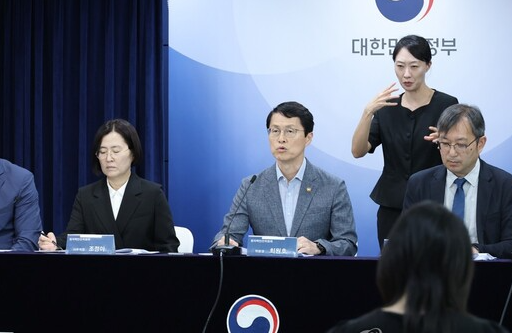
Korea's Nuclear Safety and Security Commission Conducts Safety Inspection at Hanul Nuclear Power Plant
Amid the ongoing heatwave, Korea's Nuclear Safety and Security Commission is closely monitoring safety inspections at domestic nuclear power plants. On August 6, Commission Chairman Choi Won-ho visited the Hanul Nuclear Power Plant in Uljin, North Gyeongsang Province, for an on-site inspection. The primary purpose of this inspection was to verify whether the plant's safety systems can operate properly under continuously rising seawater temperatures. As rising seawater temperature is a factor that directly affects the cooling system, the Hanul plant conducted detailed checks on heat exchanger performance and thermometer conditions. Chairman Choi also held prior discussions via video conference with relevant nuclear agencies on response measures to high temperatures. During the subsequent on-site inspection, he reviewed...
2026-08-06

Rosatom selects SNIIP as chief design organization for radiation control systems, overseeing standardization of radiological instrumentation and import substitution assurance at nuclear facilities
Rosatom has selected the Research Institute of Scientific Instruments (SNIIP) as the chief design organization for radiation control systems. The institute, which is part of Rosatom's automation control and electrical equipment division, has been granted this status for a range of similar products in radiation control equipment and systems, including automated radiation control systems and radiation environment monitoring. SNIIP's status as chief design organization means it will be responsible for ensuring Russia's technological autonomy in this field and for developing radiation control instruments and systems. SNIIP General Director Alexey Nikitin stated that this recognition is a testament to the years of work, experience, and professional expertise of the institute's employees...
2026-08-06
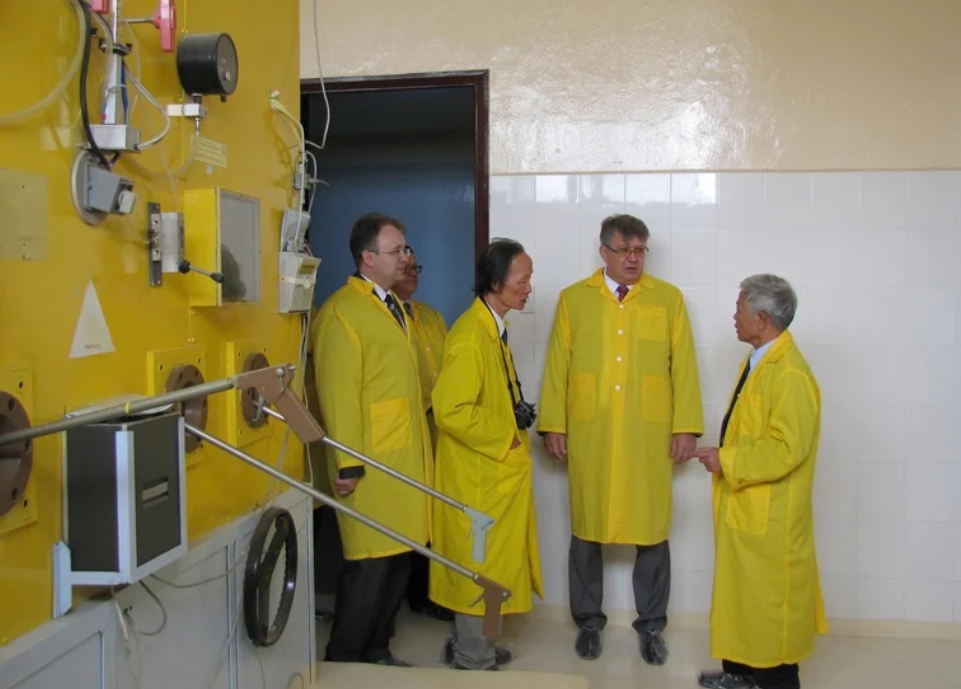
Vietnam Issues 470 International Nuclear Energy Standards Covering the Full Chain of Nuclear Power Plants, Research Reactors, SMRs, and Radiation Protection
Vietnam is preparing for nuclear energy development, with the Ministry of Science and Technology recently issuing a list of 470 international and foreign standards directly applicable to the atomic energy sector. These standards cover multiple aspects including safety, design, operation, equipment, personnel, radiation protection, nuclear security, and accident response, aiming to ensure the safe and reliable operation of nuclear facilities throughout their entire lifecycle. The list encompasses requirements across a wide range of fields, from nuclear power plants and research reactors to fuel technology, monitoring systems, radioactive waste management, and nuclear security. For nuclear power plants, the standards cover analysis, safety assessment, design, commissioning, equipment classification, accident management, aging management, maintenance...
2026-08-06
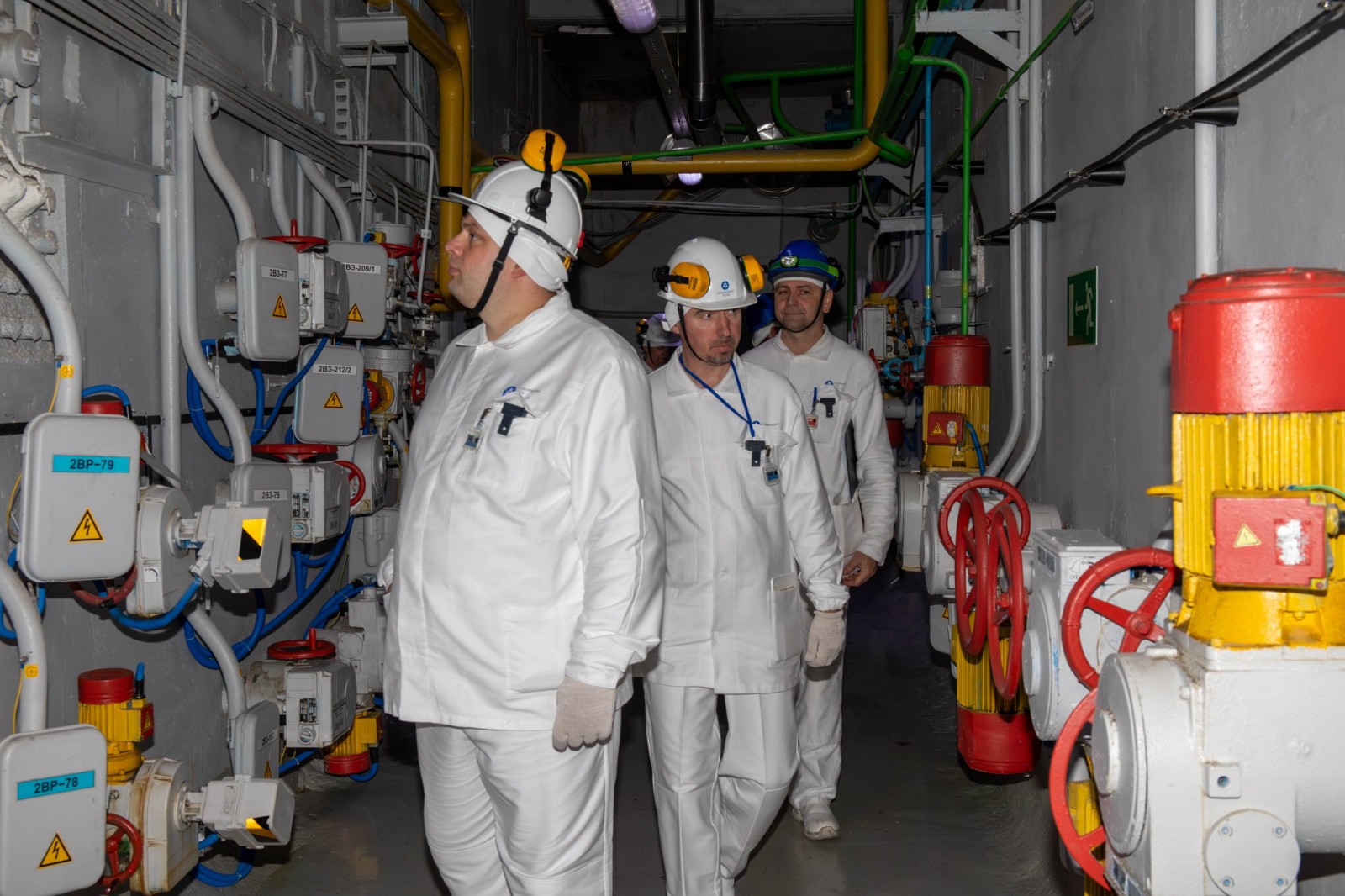
Smolensk NPP Passes Special Safety Inspection by Rosenergoatom
A team of experts from Rosenergoatom has recently completed a special safety inspection at the Smolensk Nuclear Power Plant. The inspection results will be used to further enhance safety management at the plant and at other NPPs operated by the company. The inspection was carried out by a commission comprising representatives from Rosenergoatom's headquarters and the Leningrad, Rostov, and Balakovo NPPs. Similar special inspections are conducted at Russian nuclear power plants on a regular basis, with methodologies referencing the relevant standards of the International Atomic Energy Agency (IAEA) and the World Association of Nuclear Operators (WANO), to assess compliance of the plants with domestic and international safety requirements...
2026-08-06