
Search Results
Keyword:Nuclear medicine

Grand Pharma's FAP-targeted diagnostic radiopharmaceutical GPN01530-2 receives FDA Fast Track designation
On August 9, 2026, Grand Pharmaceutical issued a voluntary announcement stating that its self-developed global innovative radionuclide drug conjugate GPN01530-2 has recently been granted Fast Track designation by the U.S. Food and Drug Administration (FDA) for the diagnosis of solid tumors. Previously, the product had already been approved by the FDA to conduct Phase I/II clinical studies for the diagnosis of solid tumors. GPN01530-2 is a small-molecule radionuclide drug conjugate (RDC) targeting fibroblast activation protein (FAP). Data shows that FAP is not expressed or is lowly expressed in normal tissues, but is highly expressed in tumor-associated fibroblasts within the tumor microenvironment of various cancers, and is considered a novel specific target in the field of tumor diagnosis and treatment...
2026-08-10
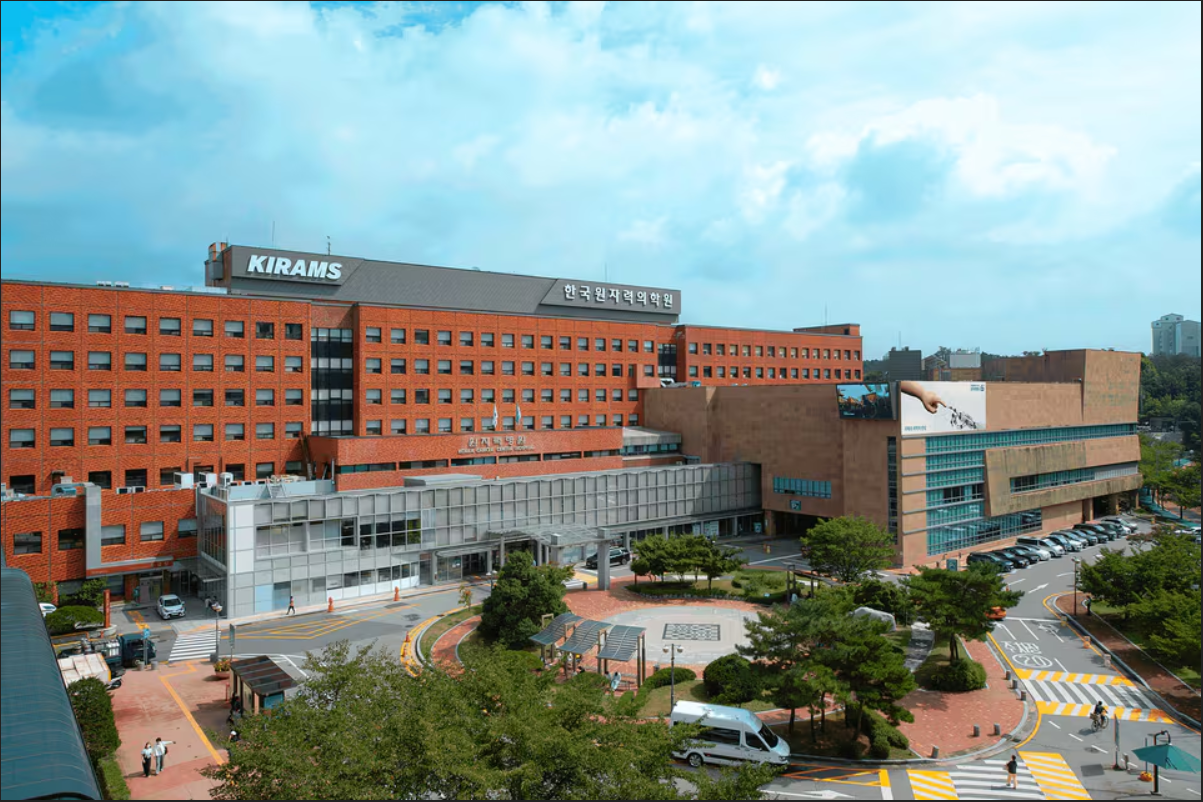
South Korea to Resume Actinium-225 Production Next Year to Ease Shortage of Raw Materials for Anti-Cancer Radiopharmaceuticals
South Korea's domestic production project for actinium-225 (Ac-225), a radioisotope used in next-generation cancer treatment, is expected to resume next year after being stalled for more than a year. Funding was secured in the first half of this year, and the Korea Institute of Radiological & Medical Sciences (KIRAMS) plans to complete facility construction and trial production before launching full-scale production in the second half of next year, aiming to alleviate the raw material shortage facing domestic clinical research and radiopharmaceutical development. KIRAMS is affiliated with the Ministry of Science and ICT. The institute received approval from the Nuclear Safety and Security Commission in May last year to produce Ac-225 using a cyclotron. The project first entered the review process in 2018 and took seven years to gain approval, with initial production originally planned by the end of last year. However, work on upgrading production facilities and procuring equipment was suspended after approximately 2 billion KRW in budget was not approved during parliamentary review.
2026-08-10
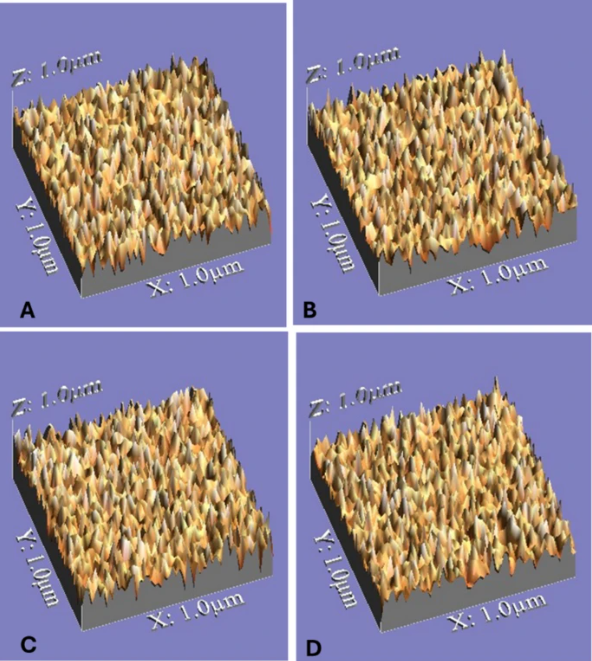
Fractionated radiotherapy did not significantly alter surface properties of two types of dental restorative composites
On August 5, a recently published in vitro study showed that under a simulated clinical head and neck cancer radiotherapy regimen, the surface microhardness and roughness of two modern dental restorative composites did not change significantly. The study focused on the effects of therapeutic ionizing radiation on the durability of dental restorative materials. After head and neck cancer patients receive radiotherapy, the oral environment may change, including reduced saliva secretion, mucositis, radiation caries, and other issues, which may affect the surface condition and long-term performance of restorations. To this end, the research team selected Giomer resin composite based on glass ionomer technology and Or...
2026-08-10
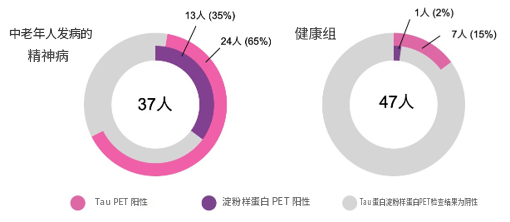
Japanese research team uses PET imaging to find tau protein pathology may be involved in onset of hallucinations and delusions in middle-aged and elderly
A research team comprising the National Institutes for Quantum Science and Technology (QST), Keio University, Kyoto University, Tokyo University of Science, and other institutions recently announced that researchers used PET imaging to observe tau protein pathology in the living brains of middle-aged and elderly psychiatric patients, and believe that such pathology may be related to psychiatric symptoms such as hallucinations and delusions that first appear after age 40. Proportion of positive tau PET and amyloid PET results Middle-aged and elderly psychosis generally refers to diseases in which psychiatric symptoms such as hallucinations and delusions first appear after age 40. Previous epidemiological studies and postmortem brain tissue studies have suggested that such symptoms may be related to neurodegenerative changes associated with dementia, but due to limited techniques for precise visualization and quantification of abnormal proteins in living brains, relevant evidence has long been insufficient.
2026-08-10
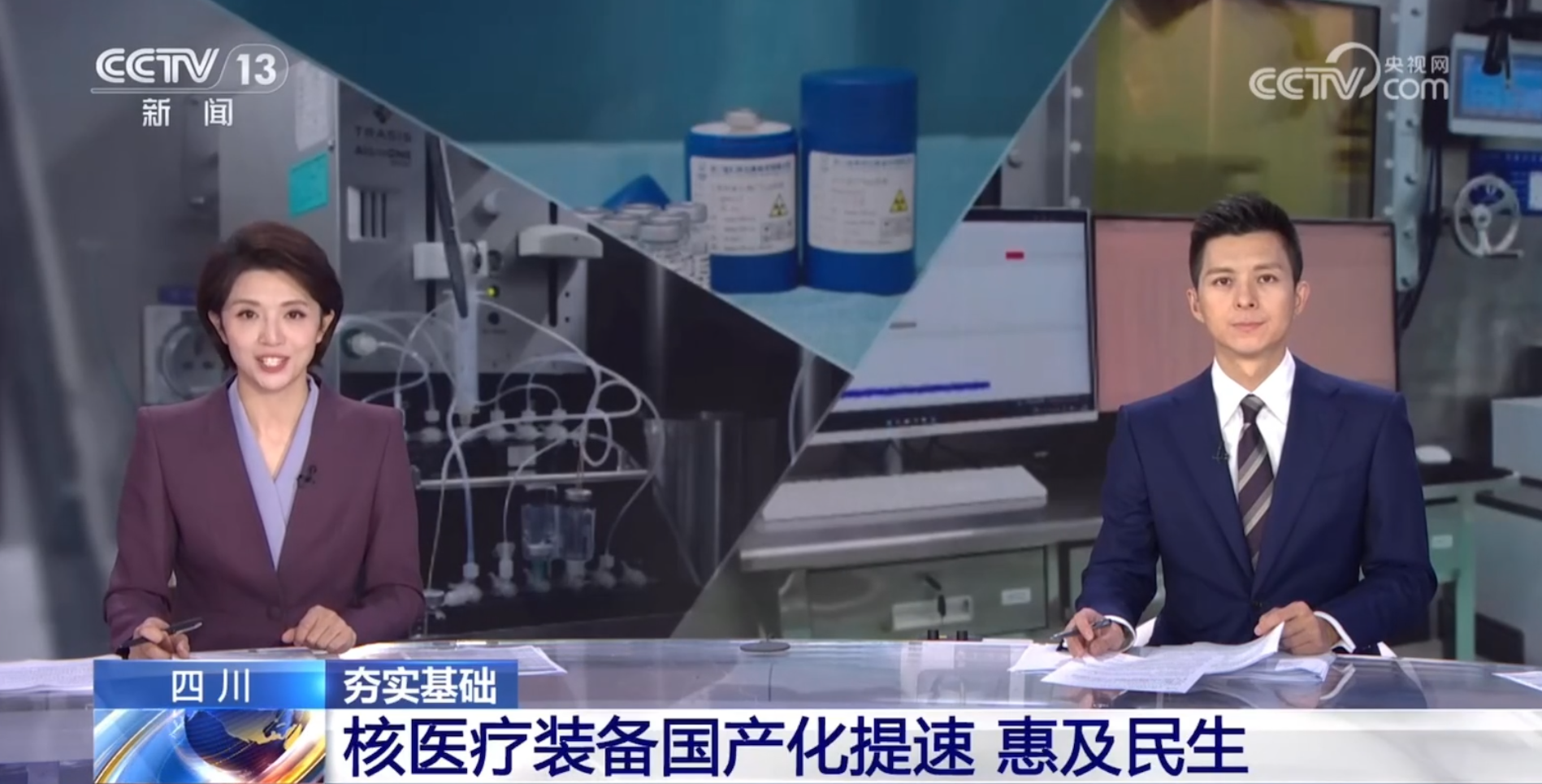
Consolidating Foundations·Sichuan: Accelerated Localization of Nuclear Medical Equipment Benefits the Public
On August 9, 2026, CCTV's "Morning News" program aired a feature titled "Consolidating Foundations·Sichuan: Accelerated Localization of Nuclear Medical Equipment Benefits the Public," reporting on Jiuyiyuan Company. Founded in February 2017, Sichuan Jiuyiyuan Particle Technology Co., Ltd. is a national high-tech enterprise integrating R&D, production, and services of high-end nuclear medical equipment, committed to providing overall solutions for radiopharmaceuticals. A cyclotron is a device that uses magnetic and electric fields to drive charged particles in a circular motion, repeatedly accelerating them via high-frequency electric fields during their movement. Low- and medium-energy cyclotrons applied in the medical field are devices that produce positron-emitting radionuclides, generating a variety of radionuclides that not only meet clinical PET/CT examination needs but also support the clinical positron drug and new drug development demands of the molecular imaging and precision medicine era. The report noted that core nuclear medicine equipment has long relied on imports, which is a key bottleneck constraining the development of nuclear medicine in China. In 2021, Jiuyiyuan successfully developed the first domestically produced medical cyclotron, breaking foreign technological monopoly. In June this year, the company launched the first domestically produced 30MeV multi-particle medium-to-high-energy cyclotron with fully independent intellectual property rights, with mass production planned for September, achieving internationally advanced product performance.
2026-08-10

UAB startup LifeNuclear launches TheraGuide, a radiation safety guidance platform for radiopharmaceutical therapy
On August 7, LifeNuclear, a medical technology startup incubated by the University of Alabama at Birmingham (UAB), announced the launch of TheraGuide, a digital platform designed to help patients undergoing radiopharmaceutical cancer treatment understand and follow radiation safety guidance after discharge. Radiopharmaceutical therapy uses radioactive drugs to target cancer cells while minimizing damage to surrounding healthy tissue. As the therapy's applications expand, patients are typically required to read and follow complex written instructions after treatment, which can be difficult for some patients and caregivers to understand and execute. Dr. Remo George LifeNuclear was founded by UAB...
2026-08-08
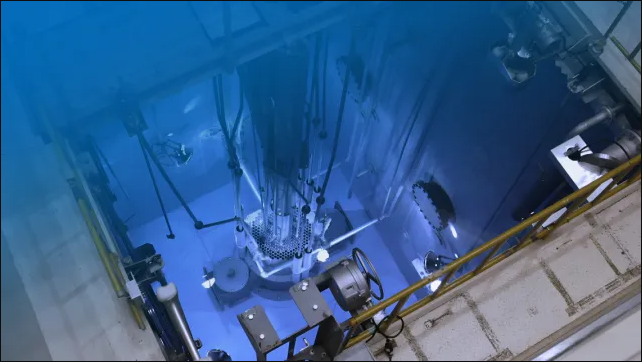
228 Research Reactors Worldwide in Operation, Supporting Medical Isotope Production and Neutron Science Innovation
According to the International Atomic Energy Agency on August 7, research reactors continue to drive innovation in science, medicine, and industry worldwide. Currently, 228 research reactors are in operation across 54 countries, with another 23 under construction or in the planning stage. Unlike nuclear reactors used for power generation, these reactors primarily produce neutrons to support medical, industrial, agricultural, geological, forensic, and nuclear science research. A research reactor pool photographed from above. (Photo: IAEA) In the medical field, research reactors are a vital source of medical radioisotopes. Among them, technetium-99m is widely used for diagnosing cancer and diseases of the heart, brain, and bones; a large number of medical diagnostic and therapeutic procedures worldwide rely on this isotope. Other radioisotopes such as iodine-131 are also used in the treatment of cancer and thyroid diseases. The IAEA states that radioisotopes produced by research reactors serve millions of patients globally and are an essential component of modern nuclear medicine systems.
2026-08-09

Cancer Cryoablation Treatments at Southeast Region Nuclear Medicine Center in Korea Exceed 100 Cases
The Southeast Region Nuclear Medicine Center announced on August 8 that since introducing cancer cryoablation in 2024, the center has completed over 100 related procedures, providing treatment to a total of 104 cancer patients. Cryoablation is a minimally invasive tumor treatment method. During the procedure, doctors insert a thin treatment needle precisely into the tumor site under CT or ultrasound imaging guidance, freezing the lesion at ultra-low temperatures of minus 40 degrees Celsius or lower to cause cancer cell necrosis. As the low-temperature freezing itself has a certain anesthetic effect, this technique helps reduce patient pain, minimize damage to surrounding normal tissues, and promote faster postoperative recovery. According to the center, among the patients treated so far, there are 58 cases of liver cancer and liver metastases, 17 cases of primary lung cancer, recurrent lung cancer, and lung metastases, and 29 cases of renal cancer. Among them, 8 patients underwent treatment for two lesions simultaneously in a single procedure. Liver...
2026-08-08

CNNC Fuzhi Officially Established, CNNC Isotope Holds 90% Stake to Integrate the Full Nuclear Medicine Industry Chain
On August 6, 2026, CNNC Fuzhi (Beijing) Technology Co., Ltd. (hereinafter referred to as "CNNC Fuzhi") was officially established. The company was jointly funded by CNNC Isotope Co., Ltd. (hereinafter referred to as "CNNC Isotope") and CNNC (Zhejiang) Innovation Co., Ltd. (hereinafter referred to as "CNNC Zhejiang Innovation"), with CNNC Isotope holding 90% of the shares and CNNC Zhejiang Innovation holding 10%. CNNC Fuzhi will take over the business of CNNC Isotope's Nuclear Medicine Development Center, focusing on deep cultivation in the smart nuclear medicine sector. With the smart nuclear medicine IoT system as its core carrier, the company aims to integrate the entire nuclear medicine industry chain, build a synergistic development model of "smart nuclear medicine system + nuclear drugs + equipment + services," and drive the business transition from single product supply to full value chain integration...
2026-08-08
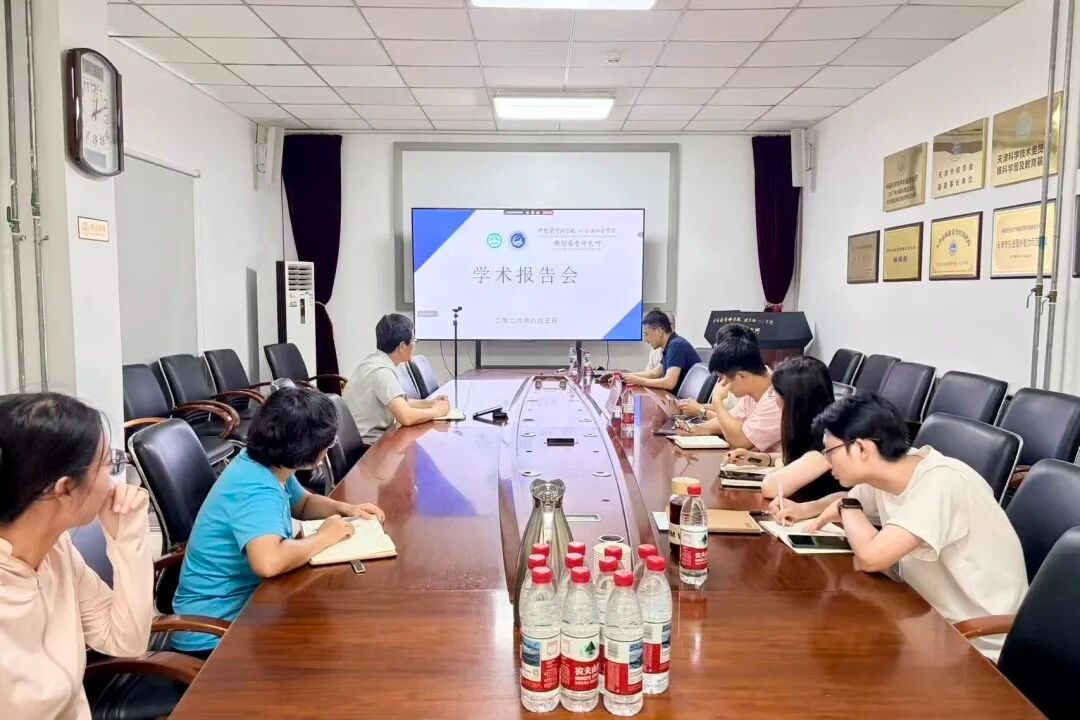
Institute of Radiation Medicine, Chinese Academy of Medical Sciences Hosts Academic Seminar on PSMA-Targeted Radiopharmaceuticals
On August 3, the Institute of Radiation Medicine, Chinese Academy of Medical Sciences held an academic seminar, inviting Professor Lin Guoxian from the BC Cancer Agency in Vancouver, Canada, to deliver a lecture titled "Development of Prostate-Specific Membrane Antigen-Targeted Radiopharmaceuticals for the Diagnosis and Treatment of Prostate Cancer." The seminar was held in a hybrid format, with some researchers and graduate students from the institute attending in person. Professor Lin Guoxian has long been engaged in the development of targeted radiopharmaceuticals for cancer diagnosis and therapy, having led or contributed to the publication of over 135 peer-reviewed journal articles, filed more than 30 patent applications related to radiopharmaceuticals, and completed clinical translation of 7 self-developed radiopharmaceuticals applied in...
2026-08-07
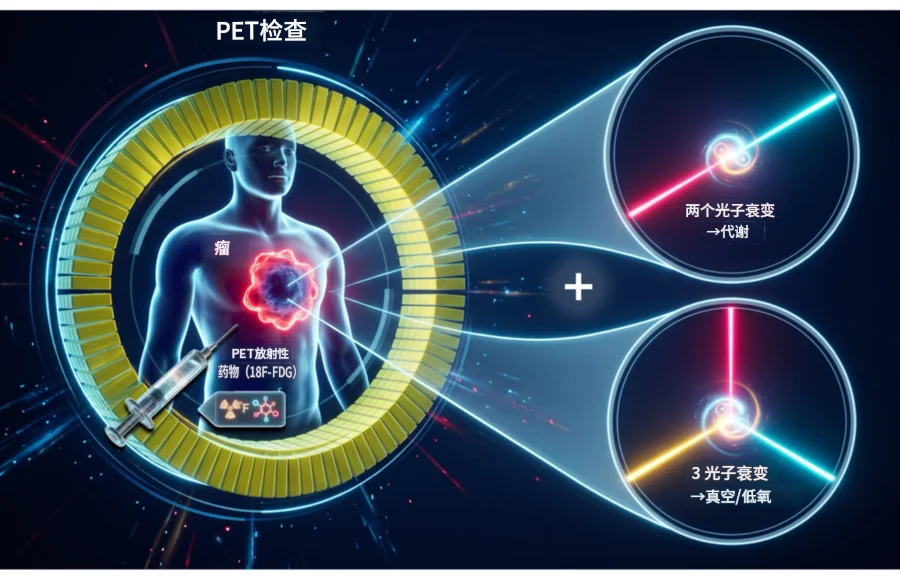
First Validation of Novel PRI Technology: Existing PET Tracers Can Image Tissue Microenvironment
August 6, 2026 - A joint research team from the Graduate School of Engineering at the University of Tokyo and the University of York in the UK announced that they have established a novel geometric imaging principle utilizing positron three-photon decay and successfully validated Positronium Ratio Imaging (PRI) technology for the first time. This method can be used in conjunction with existing clinical PET tracers and is expected to provide a new means of observing tissue microenvironments in nuclear medicine imaging. Conceptual diagram of next-generation nuclear medicine imaging utilizing positron-3-photon decay. Current clinical PET scans primarily rely on the positron two-photon annihilation process to visualize the distribution and accumulation of tracers in the body, but they provide limited information on microenvironmental factors such as tissue hypoxia that are associated with disease malignancy...
2026-08-07
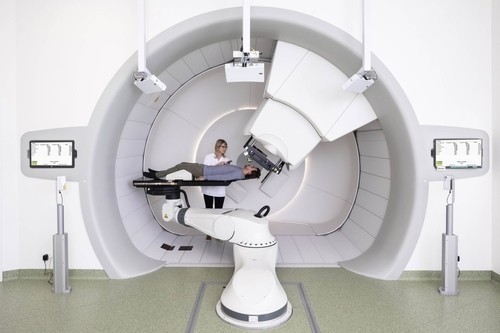
Construction of Proton Therapy Center in Ulsan, South Korea Faces Hurdles: Government Funding Allocation Adjustments Impact Project Progress
The proton therapy center construction project in Ulsan, South Korea, has recently encountered obstacles to progress. The project was once regarded as a key component in improving the regional cancer treatment system in southeastern South Korea, but due to shifts in government medical financial support priorities, the difficulty of securing large-scale national funding independently has increased significantly. According to information from Ulsan City on August 6, Ulsan City completed the feasibility study and basic planning services for the proton therapy center construction in March of last year and began seeking national funding. However, the Ministry of Health and Welfare responded that it would be difficult to provide large-scale project funding to Ulsan City alone. Previously, Ulsan City had planned to establish a proton therapy center to build a system enabling cancer patients to undergo surgery...
2026-08-07

Japanese PET Study Suggests Late-Onset Psychosis May Be Linked to Neurodegenerative Pathology
A nuclear medicine imaging study conducted by a Japanese research team has shown that many adults who experience psychotic symptoms such as hallucinations and delusions for the first time after age 40 have abnormal protein deposits in the brain associated with Alzheimer's disease and other neurodegenerative disorders. The study included 37 patients with late-onset psychosis and 47 age-matched healthy controls. The researchers used the amyloid PET tracer ^11C-PiB and the tau protein PET tracer ^18F-florzolotau to assess the accumulation of β-amyloid and tau proteins in the participants' brains. The results showed that among patients with late-onset psychosis, β-amyloid positivity...
2026-08-06
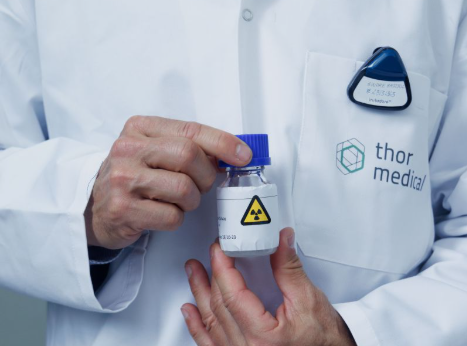
Thor Medical Commences Commercial Supply with First Delivery of High-Purity Thorium-228 from AlphaOne
Thor Medical ASA announced on August 5 that it has completed the first customer delivery of high-purity thorium-228 (Th-228) from its AlphaOne production facility at the Herøya industrial park. This marks the first customer shipment following the facility's production start announced last week, and signifies AlphaOne's entry into the commercial supply phase. Thor Medical CEO Jasper Kurth stated that commercial production represents the beginning of the company's industrial-scale manufacturing, and the first customer delivery demonstrates the company's transition from capacity building to serving customers through its first industrial-scale facility. The company stated that as production capacity gradually ramps up, it will continue to meet the growing demand for high-purity isotopes in the targeted alpha therapy field...
2026-08-06

Quantum X Labs Advances Quantum Computing for Nuclear Particle Transport Predictive Simulations
Quantum X Labs Inc. recently announced that its subsidiary, Nuclear Quantum, has proposed a new solution to a bottleneck in computational simulations for the nuclear industry, attempting to introduce quantum computing into nuclear particle transport prediction to support compute-intensive scenarios such as nuclear medicine system design. According to reports, traditional particle transport simulations play an important role in nuclear medicine system design, but they often require substantial computational resources and involve long runtimes, impacting R&D and optimization efficiency. The technology proposed by Nuclear Quantum aims to transform physical transport models into quantum circuits, enabling particle propagation and random walk dynamics to be directly represented and simulated within a quantum computing framework...
2026-08-06