
Search Results
Keyword:Powe
Japan to Allocate Funds to Accelerate Preparations for Next-Generation Nuclear Reactor Reviews
The Nuclear Regulation Authority (NRA) of Japan has decided to include funding in its budget request for the next fiscal year to investigate the effectiveness of safety measures for next-generation nuclear reactors and to make advance preparations for future review work. The Japanese government is promoting the development of next-generation nuclear reactors, including innovative light-water reactors that enhance safety design based on existing light-water reactor technology. Since November last year, Kansai Electric Power Co. has been conducting geological surveys at the Mihama Nuclear Power Station in Fukui Prefecture as part of preliminary preparations for potentially replacing existing units with next-generation reactors in the future. It has been reported that the NRA plans to include in its budget request for the next fiscal year...
2026-08-27
TEPCO replaces faulty motor of robotic arm at Fukushima Daiichi Unit 2
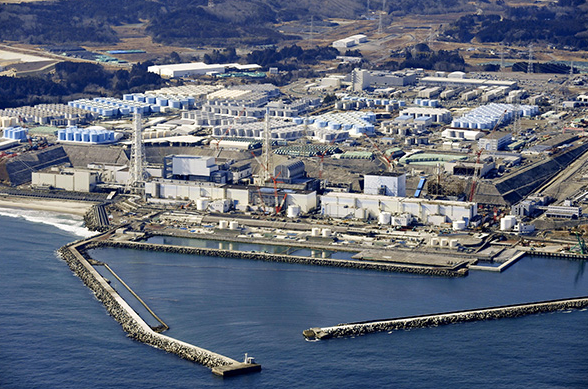
Tokyo Electric Power Company (TEPCO) began replacing the faulty motor of the robotic arm used for fuel debris retrieval trials at Unit 2 of the Fukushima Daiichi Nuclear Power Station on August 26. The robotic arm, approximately 22 meters long, is planned for use in the third fuel debris retrieval trial. During a previous operational inspection inside the reactor building of Unit 2, TEPCO found that the motor driving the robotic arm had malfunctioned, preventing the brake from releasing and the arm from extending. As the robotic arm is already installed on site, workers will enter the "front chamber" in front of the containment vessel to perform the replacement manually. The company stated that radiation levels in the work area will be strictly controlled to prevent workers from receiving excessive exposure. After this replacement, TEPCO will...
2026-08-27
Japan Extends Deadline for Mandatory Anti-Terrorism Facility Installation at Nuclear Power Plants
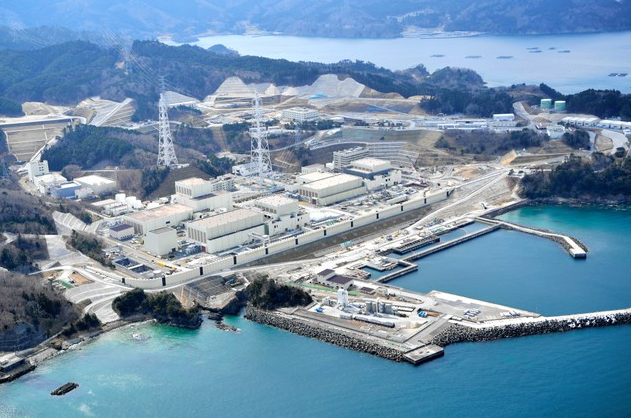
The Nuclear Regulation Authority (NRA) of Japan formally decided at its regular meeting on August 26 to revise relevant regulations, extending the deadline for the mandatory installation of anti-terrorism facilities at nuclear power plants. The revised system is expected to be implemented in September. Under Japan's current regulatory requirements, nuclear power plants must be equipped with "specified severe accident response facilities" to address serious accidents that could potentially be triggered by extreme scenarios such as terrorist attacks. This revision shifts the starting point of the 5-year grace period from the date of approval of the detailed design and construction plan for the nuclear power plant to the date the plant officially commences commercial operation. This adjustment effectively relaxes the installation deadline requirements. The new rules will apply to nuclear power units that have not yet reached their installation deadlines. East...
2026-08-27
Chubu Electric Power Suspected of Falsifying Decommissioning Progress at Hamaoka Nuclear Power Plant
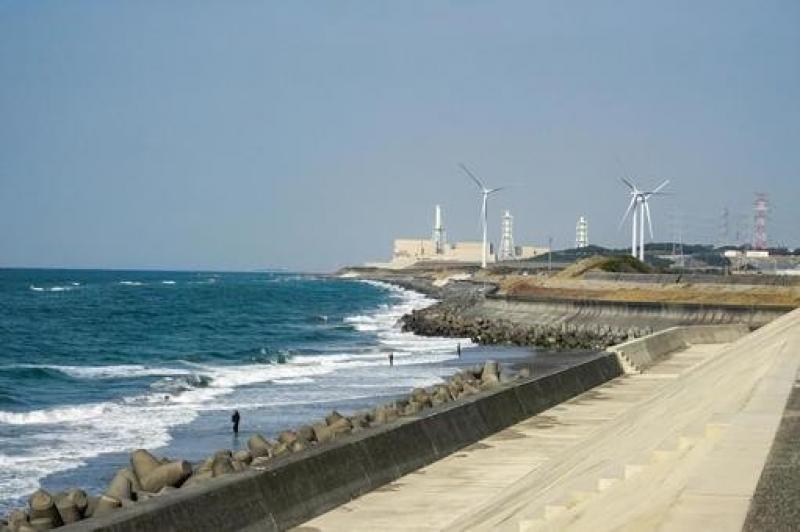
According to disclosures, Japan's Chubu Electric Power Company (CEPCO) is suspected of submitting improper reports to the Japan Spent Fuel Reprocessing and Decommissioning Promotion Organization (NuRO), which manages decommissioning funds, during the cost declaration process for the decommissioning of Units 1 and 2 at the Hamaoka Nuclear Power Plant, overstating project progress and settling related costs accordingly. The Hamaoka Nuclear Power Plant is located in Omaezaki City, Shizuoka Prefecture, Japan. Chubu Electric Power decided to shut down Units 1 and 2 of the plant in 2008, with related decommissioning work commencing in 2009. Sources say that when declaring decommissioning project costs, the company is suspected of reporting project progress as faster than actual conditions and using inaccurate data in documents submitted to the fund management organization...
2026-08-27
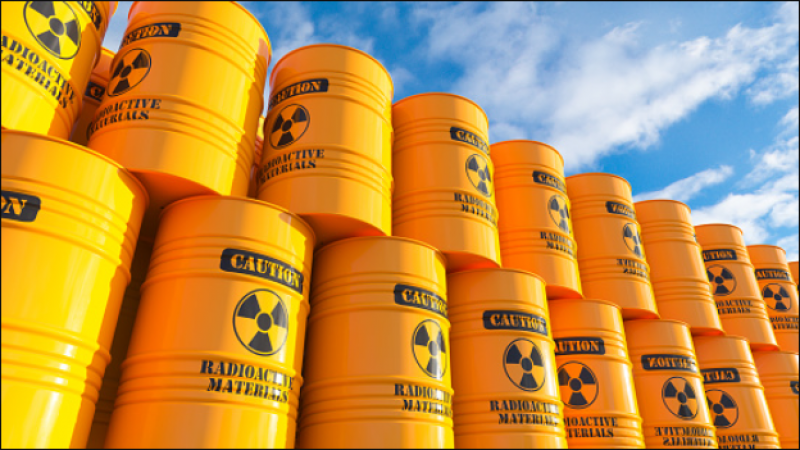
Belarus Advances Preparations for Radioactive Waste Disposal Facility
Belarus is advancing preliminary work on the construction of a centralized radioactive waste disposal facility. Mikhail Kisel, Director of the Belarusian Radioactive Waste Management Organization, recently stated at a public discussion on the environmental impact assessment report held in Mstsislaw that, according to the country's radioactive waste management strategy through 2050, existing storage facilities will need to be decommissioned in the future, and the new radioactive waste disposal facility is planned to be completed by 2030. Kisel noted that the sources of radioactive waste are not limited to the nuclear energy sector, but also include healthcare, industrial, and scientific research activities. Currently, centralized long-term storage of such waste is handled by the specialized enterprise Ekores. Belarusian radioactive waste...
2026-08-27
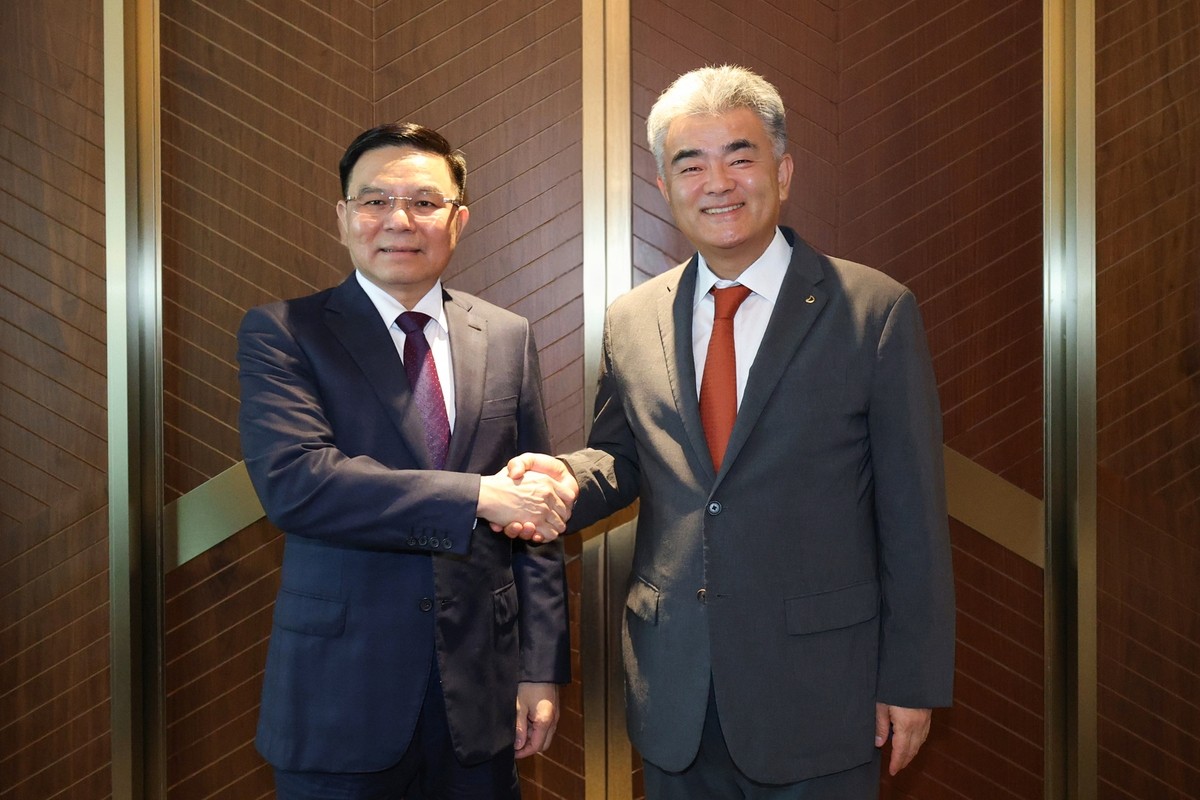
Korea's Daewoo E&C Discusses Nuclear Power Project Cooperation with Vietnam's Ministry of Industry and Trade
Daewoo Engineering & Construction (Daewoo E&C) said on August 27 that its Chairman Jung Won-ju met with Le Manh Hung, Minister of Industry and Trade of Vietnam, who was visiting South Korea. The two sides exchanged views on Daewoo E&C's participation in Vietnam's energy infrastructure projects, with topics including nuclear power plant construction and liquefied natural gas (LNG) receiving terminals. The meeting was held on August 26. Jung Won-ju stated that Daewoo E&C has been operating in Vietnam for over 30 years, participating in various types of projects and accumulating local project experience and...
2026-08-27

South Korea Joins IAEA-Facilitated International Framework ATLAS for Maritime Nuclear Energy Cooperation
The international cooperation framework for maritime nuclear energy, ATLAS, led by the International Atomic Energy Agency (IAEA), has recently been launched. The framework aims to promote international discussions on safety, security, safeguards, and legal and regulatory standards concerning nuclear applications in the maritime sector, including nuclear-powered ships and floating nuclear power plants. A South Korean government delegation attended the launch event held in Washington, D.C., on August 26-27 (local time). South Korea's Ministry of Science and ICT (MSIT) stated that with the development of next-generation nuclear technologies such as small modular reactors, the international shipping industry is increasingly focusing on utilizing nuclear energy for ship propulsion and offshore power supply, with a view to exploring new technological pathways toward carbon neutrality.
2026-08-27

U.S. Army Plans to Deploy Over 20 Micro Nuclear Reactors at Military Bases
The U.S. Army has signed contracts with five companies to develop, build, and operate micro nuclear power plants at military bases, with a total contract value of up to $2.2 billion. According to relevant information, the U.S. Department of Defense requires the companies to construct, own, and operate more than 20 micro nuclear reactors at military installations by 2028. The plan is intended to enhance energy security for critical defense facilities and reduce dependence on the external power grid. The deployment is incorporated into the framework of the Janus Project, which the U.S. Army launched in 2025. The project aims to establish a power supply network composed of compact micro nuclear reactors at military bases, providing continuous and stable electricity to vital defense facilities....
2026-08-27
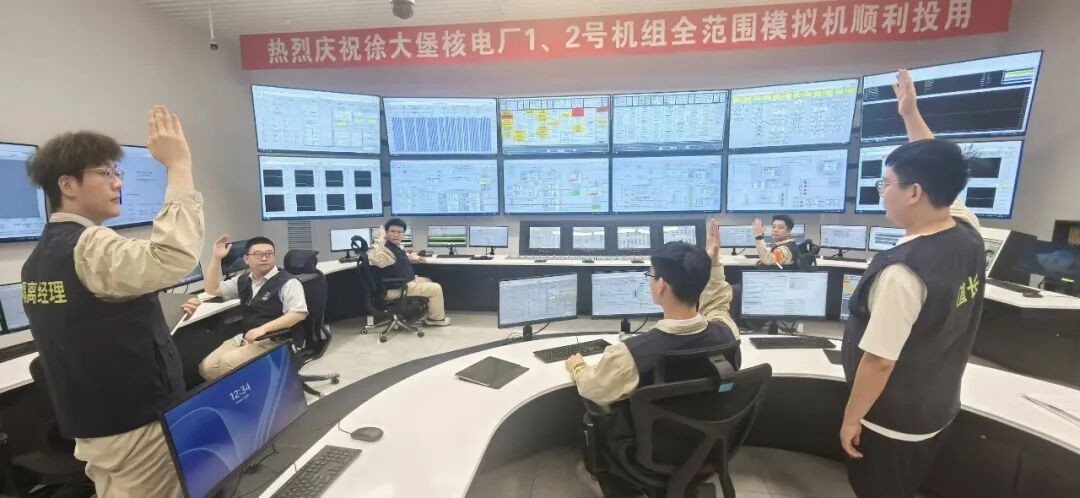
Training Launch for First Batch of Operators for Units 1 and 2 of Xudabao Nuclear Power Plant on Full-Scope Simulator
Recently, the first batch of operator training on the full-scope simulator for Units 1 and 2 of Xudabao Nuclear Power Plant was officially launched. The training program lasts 6 months, with 48 candidate Reactor Operators (ROs) and 24 candidate Senior Reactor Operators (SROs) participating. Centering on the five fundamental operator skills, the training conducts systematic hands-on exercises on the simulator platform, building a reserve of operations personnel for subsequent project construction and safe unit operation. The simulator for Units 1 and 2 can highly replicate the real working environment of the main control room and covers various operating conditions, making it an important platform for operations personnel to enhance their practical capabilities. The training is structured around five fundamental skills—close monitoring, precise control, conservative decision-making, teamwork, and knowledge mastery—integrating job conduct standards and team...
2026-08-27
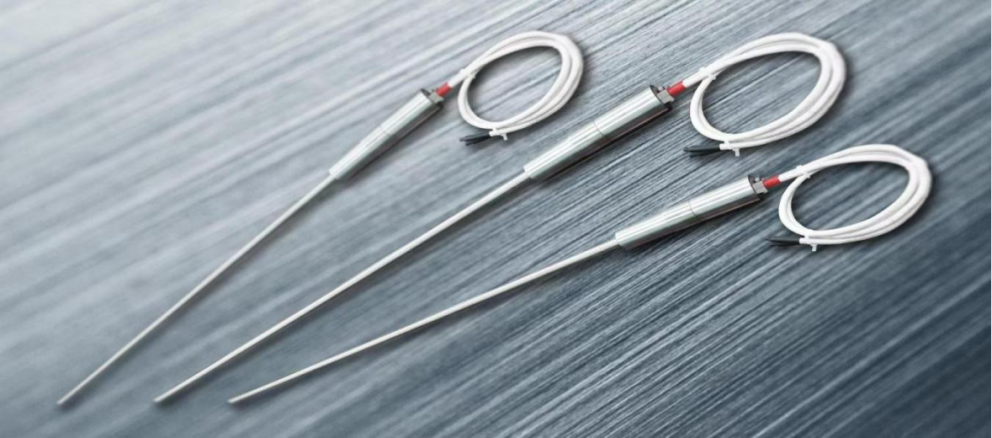
Hualong One Pressurizer Electric Heaters Achieve Coverage of Two Major Technical Routes
The pressurizer electric heater is an important safety-class component of the reactor coolant system (primary loop) in pressurized water reactor nuclear power plants, directly affecting unit pressure regulation and safe, stable operation. The localized pressurizer electric heater developed by Chuanyi Instrument Co., Ltd., a subsidiary of SINOMACH Instrumentation Group under SINOMACH Group, has been applied to China's self-developed Generation III nuclear power units such as "Hualong One." The photo shows the qualification prototype of the Hualong One pressurizer electric heater. With the batch construction of Hualong One units advancing, units adopting different technical routes have imposed new customized operating condition requirements on pressurizer electric heaters. In October 2019, Chuanyi Instrument, together with China General Nuclear Power Engineering Co., Ltd., initiated the development of the CGN-version Hualong One pressurizer electric heater...
2026-08-27
Construction of Access Tunnels Commences for Phase III of Taipingling Nuclear Power Project
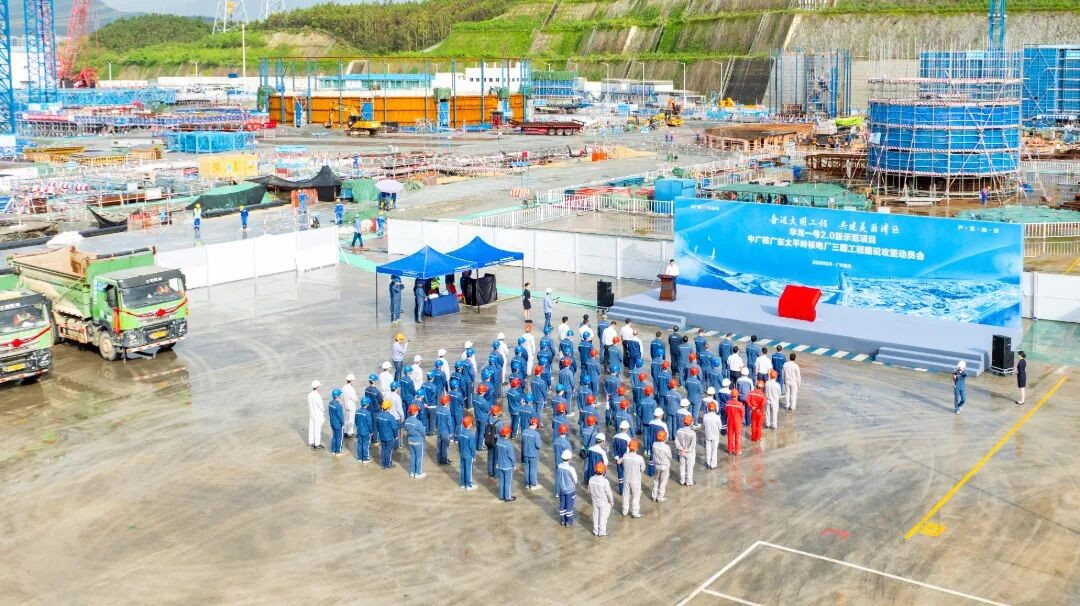
On August 26, 2026, CGN's Guangdong Taipingling Nuclear Power Plant held a mobilization meeting for the construction of its Phase III project. At the meeting, the "Safety and Quality Responsibility Agreement for the Construction and Operation of CGN Guangdong Taipingling Nuclear Power Plant Phase III Project" was unveiled, aiming to further consolidate safety and quality responsibilities in nuclear power engineering construction, strengthen project quality management, and ensure the safe and orderly progress of project construction. At the mobilization meeting, Zhang Guoqiang, Secretary of the Party Committee and Chairman of CGN Huizhou Nuclear Power Co., Ltd., announced the official commencement of access tunnel construction for the Phase III project. Upon completion of the access tunnel construction, it will help improve the organizational efficiency of project construction in areas such as material transportation and module hoisting, and create conditions for the subsequent pouring of the first batch of nuclear island concrete.
2026-08-27

US Advances Preparations for High-Burnup Spent Fuel Shipment to Idaho for Research
The U.S. Department of Energy (DOE) recently stated that the Idaho Cleanup Project (ICP) is participating in preparations for transporting a high-burnup spent nuclear fuel research cask. The cask is planned to be shipped from Dominion Energy's North Anna Nuclear Power Station in Virginia to the Idaho National Laboratory (INL) for subsequent spent fuel-related research. INL was selected as the receiving site primarily because it possesses the specialized facilities, equipment, and personnel expertise required for handling spent nuclear fuel. The DOE noted that these capabilities are typically not part of routine commercial nuclear power plant configurations. High-burnup fuel refers to nuclear fuel that remains in the reactor for a longer period to increase energy output...
2026-08-26
Japan's JT-60SA Experimental Team Advances Preparations for Next Operation Phase
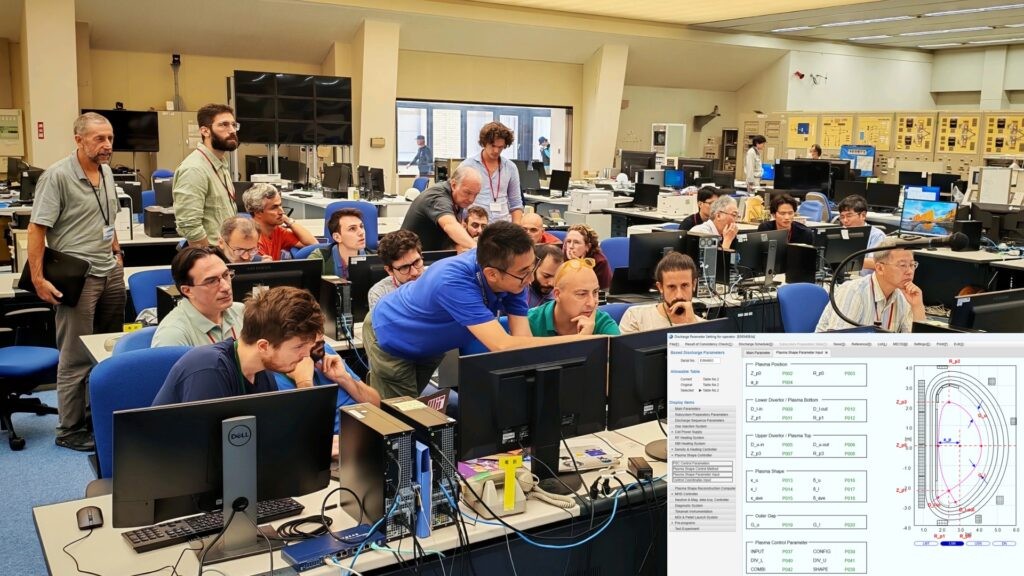
Preparations for the next phase of JT-60SA experimental activities are underway. The technical team is carrying out integrated commissioning as planned, while the experimental team is simultaneously refining related tools and software to enhance scientific output capabilities for the next operation phase. During a training course organized by QST, EUROfusion participants are learning how to configure discharge settings using the Human-Machine Interface (HMI) in preparation for the next JT-60SA campaign. Image credit: QST. The Third JT-60SA Experimental Team Workshop was held from July 27 to 31, 2026, at the Naka Institute of the National Institutes for Quantum Science and Technology (QST) in Japan. Approximately 50 experts attended, including 20 representatives from Europe...
2026-08-26
U.S. Research Reveals Diamond Melting Mechanism at High Pressure, Potentially Enhancing Inertial Confinement Fusion Performance
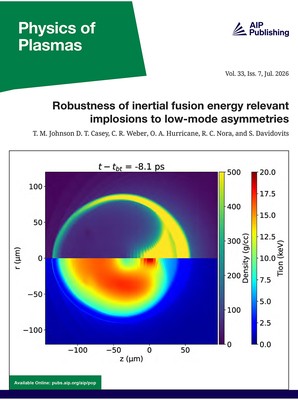
A research team at Lawrence Livermore National Laboratory (LLNL) in the U.S. recently published a study in Nature Physics reporting that the latest dynamic compression experiments have, for the first time, directly recorded atomic structural changes during diamond melting under extreme high pressure. The experiments showed that under high-pressure conditions, solid diamond can float in liquid metallic carbon, similar to ice floating on water. Diamond is not only a high-hardness carbon material but is also used as the fuel target capsule shell in inertial confinement fusion experiments. When intense lasers drive the capsule implosion, the compression and melting behavior of the diamond shell can affect whether the fusion fuel reaches the required high-temperature, high-pressure state. Meanwhile, the planetary science community has long focused on the high-pressure behavior of carbon in the deep interiors of ice giant planets...
2026-08-26
Bitumen Solidification Facility at Unit 2 of Japan's Ikata Nuclear Power Plant Returns to Normal
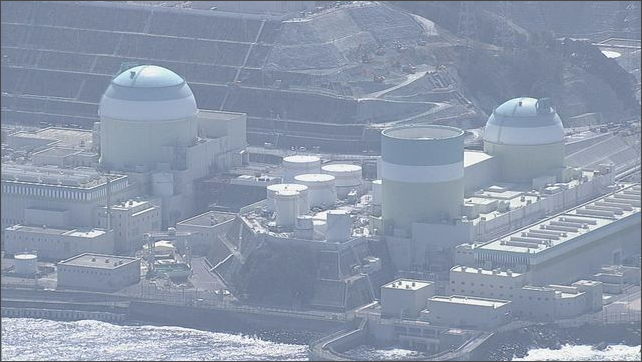
Shikoku Electric Power Co. reported on August 25, 2026, that the bitumen solidification facility at Unit 2 of Japan's Ikata Nuclear Power Plant, currently in a decommissioned state, had returned to normal operation at 10:45 a.m. that day. The gasket at the joint of the mixer top cover, where the earlier abnormality had been detected, had been replaced, and trial operation results showed no abnormalities. The incident occurred on April 28. On that day, when operators started the bitumen solidification facility in the controlled area of the reactor auxiliary building, they observed a steam-like phenomenon near the mixer thermometer, which subsequently disappeared on its own. Maintenance personnel later inspected and confirmed at 3:05 p.m. that the steam-like gas originated from inside the mixer and had escaped through the joint of the mixer top cover; at 5:06 p.m., the bitumen solidification facility was shut down.
2026-08-26