
Search Results
Keyword:Powe
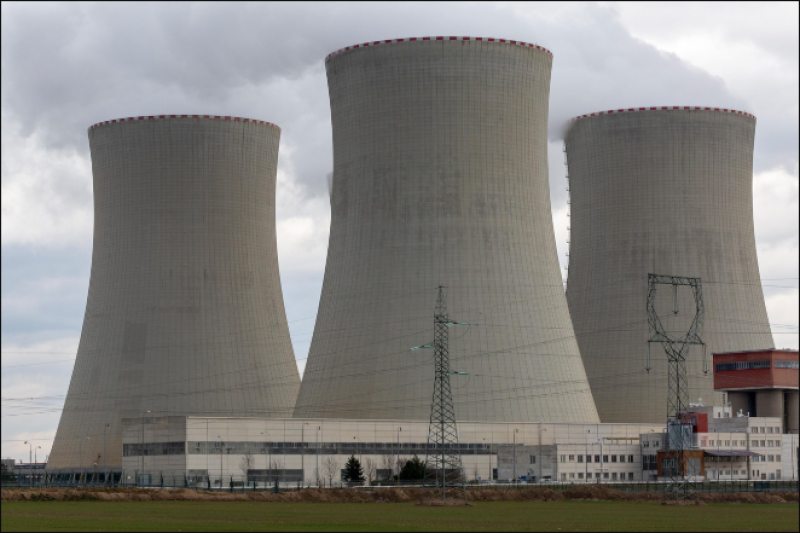
Ontario Allocates Funding for Community Consultation on Lambton Nuclear Power Proposal
The Government of Ontario will invest CAD 500,000 to conduct further consultation with the Corunna community in Lambton County, southwestern Ontario, regarding a new power generation project. The project is proposed for the site of the decommissioned Lambton coal-fired power station, where future energy options will be compared and discussed between nuclear and natural gas. Under the arrangement, these funds will support local municipalities, Indigenous communities, and affected residents in participating in the consultation. Ontario Energy Minister Stephen Lecce stated that the province favors the development of clean energy and high-output power generation...
2026-08-26
U.S. NRIC Selects 13 Nuclear Energy Launch Pad Projects
The U.S. Department of Energy (DOE)'s National Reactor Innovation Center (NRIC) announced on August 24 that 13 new projects have been selected for the Nuclear Energy Launch Pad program. NRIC is based at Idaho National Laboratory (INL). NRIC Director Brad Tomer stated that this round of selections reflects developers' growing commitment to advancing related technologies. The program will provide companies with a priority pathway to DOE authorization, as well as access to expert resources, facility conditions, and targeted regulatory support to adv...
2026-08-26
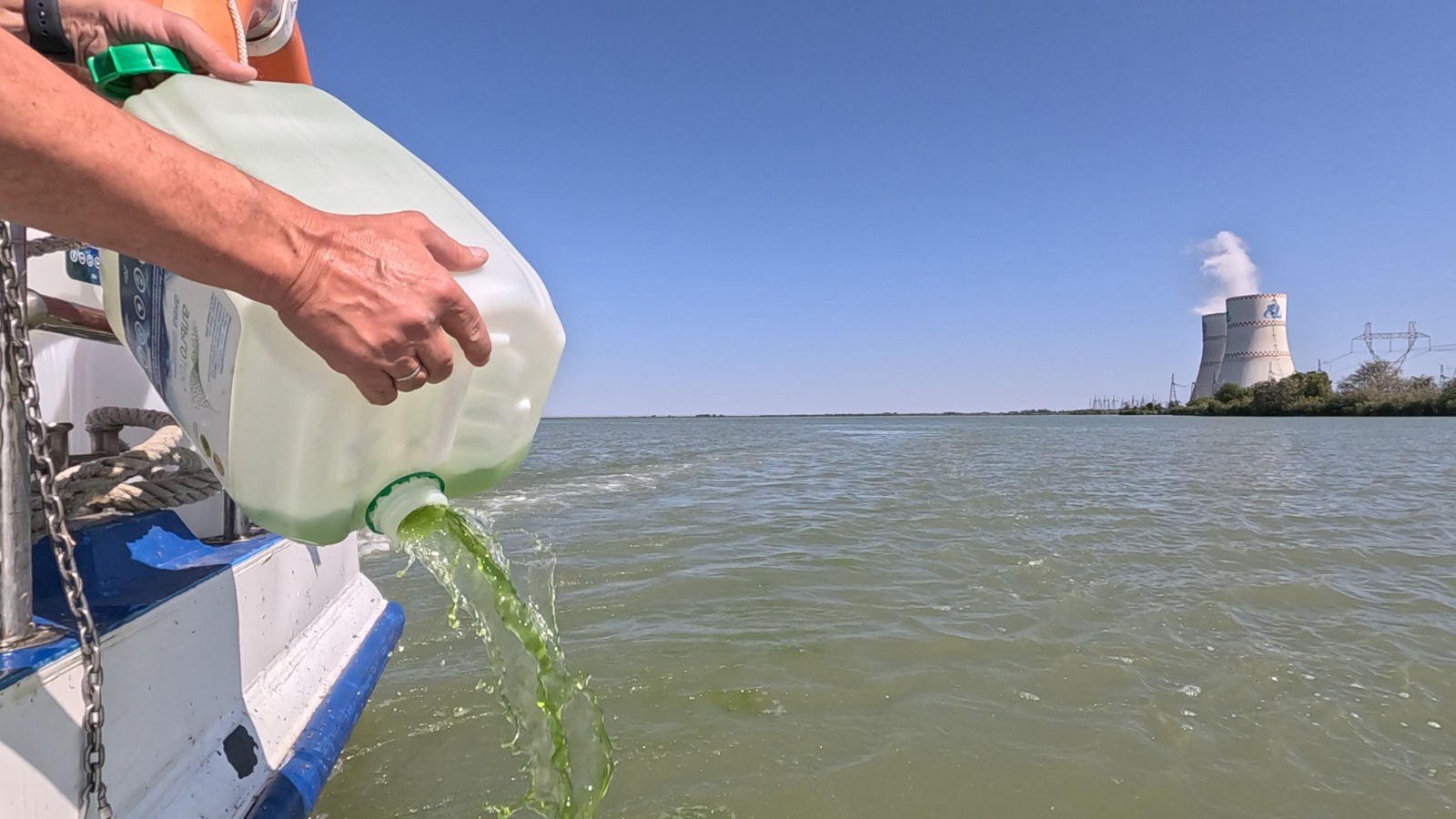
Russia's Rostov NPP Releases Chlorella into Cooling Pond to Strengthen Ecological Control
Russia's Rostov NPP recently carried out its annual ecological control operation at the plant's technical reservoir, releasing 3.6 tonnes of a bioactivator based on the planktonic algae chlorella into the water to suppress the risk of algal blooms and maintain the ecological balance of the cooling pond. Rostov NPP is part of Rosenergoatom, the power generation division of Russia's State Atomic Energy Corporation (Rosatom). The operation is part of the plant's long-standing algae management measures, primarily aimed at stabilizing water conditions under climate change and abnormally high temperatures, ensuring the smooth operation of related equipment. Chlorella acts as a natural biofilter, capable of suppressing...
2026-08-26
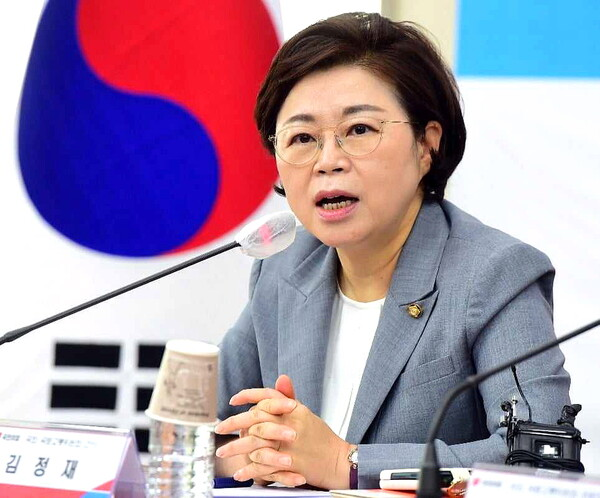
South Korean Lawmaker Proposes Designating SMRs as National Strategic Technology
Kim Jung-jae, a lawmaker from South Korea's People Power Party, recently proposed an amendment to the Special Tax Limitation Act, calling for small modular reactors (SMRs) to be included in the category of national strategic technologies, thereby supporting related R&D, talent development, and facility investment through tax credits. Kim believes that SMRs are a next-generation nuclear technology that balances carbon neutrality goals with stable energy supply. As global technological and industrial competition in the SMR market intensifies, South Korea needs to further improve its institutional foundation to promote the development of the related industry. According to the proposal's explanation, the commercialization and export competitiveness of SMRs depend not only on R&D outcomes but also on the facility level of the manufacturing supply chain, workforce capabilities, and international quality standards and certification...
2026-08-26
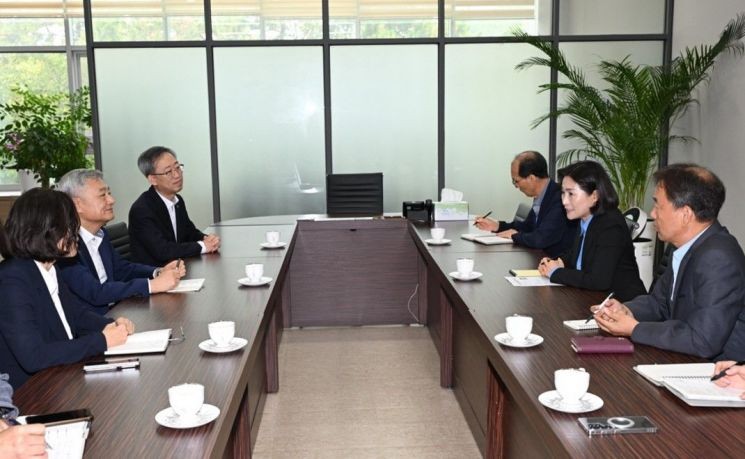
South Korea's Gijang County and KHNP Discuss Communication Issues with Residents near Kori Nuclear Power Plant
Gijang County, Busan, South Korea, said on August 25 that it held talks with Korea Hydro & Nuclear Power (KHNP) that day on pending issues related to the Kori Nuclear Power Plant, focusing on resident communication, allocation of co-prosperity support funds, dry cask storage facilities for spent fuel, and the small modular reactor project. According to Gijang County, KHNP President Kim Hoe-cheon visited the Gijang County government that day and met with County Governor Woo Sung-bin. Since taking office on March 18, Kim Hoe-cheon has been visiting nuclear power plant sites to understand local concerns, and this visit to Gijang County, the site of the Kori Nuclear Power Plant, is part of that ongoing communication effort...
2026-08-26
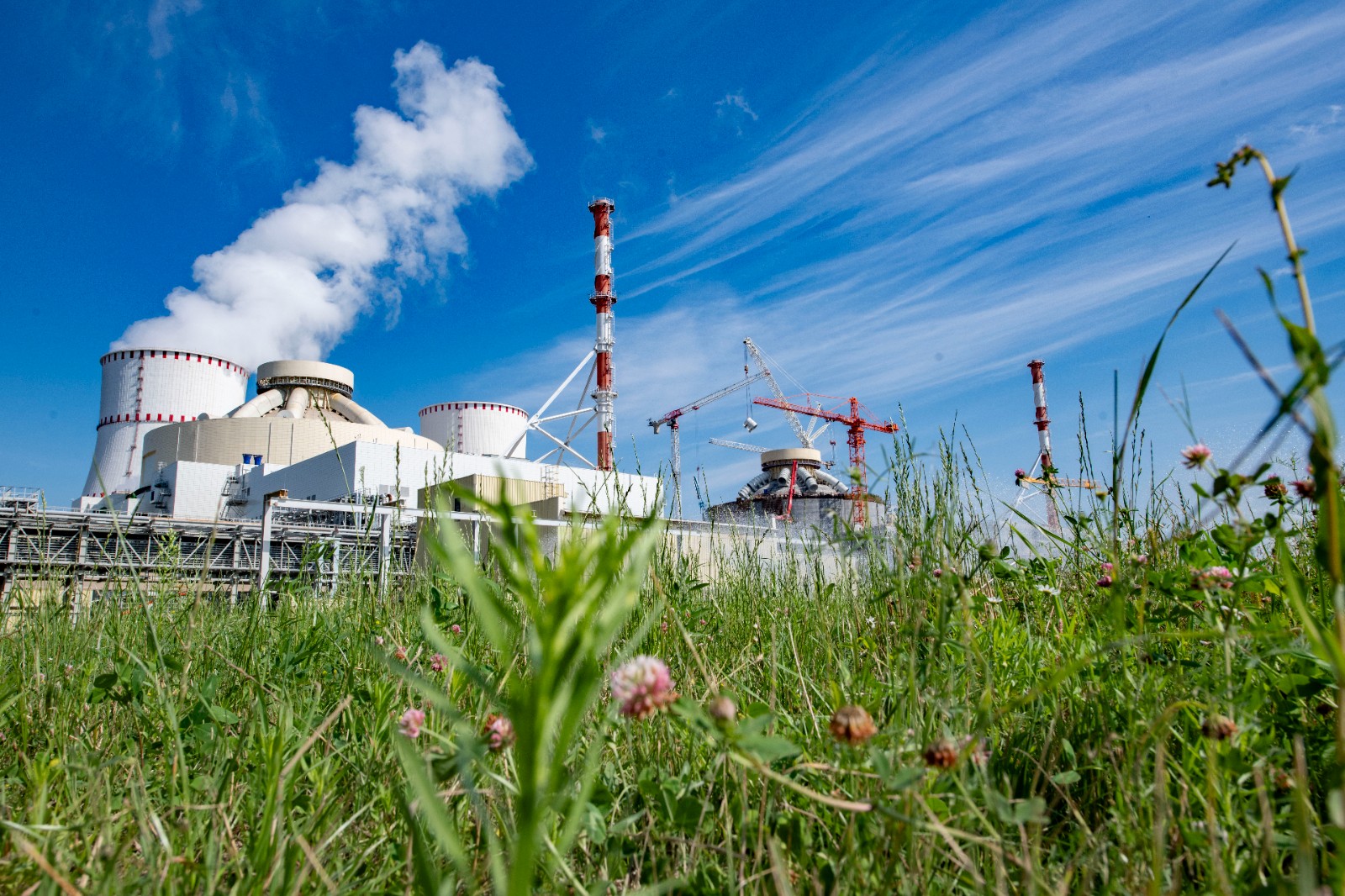
Russian Kursk NPP VVER-TOI Unit Completes Annual Power Generation Plan Ahead of Schedule
The new VVER-TOI unit at Russia's Kursk Nuclear Power Plant has completed its annual power generation plan four months ahead of schedule. As of August 25, the unit had delivered over 4.46 billion kWh to Russia's Unified Energy System, bringing the plant's total generation nearly 50% above the national plan target. The unit is the most powerful innovative VVER-TOI unit under Rosatom, and is a Generation III+ nuclear power unit. According to Kursk NPP, its output is equivalent to approximately two years of electricity demand for the residents of the city of Kursk. The new unit was first connected to the grid on December 31, 2025, and entered the electricity and capacity market on May 1, 2026...
2026-08-26

U.S. Submits Civil Nuclear Agreement with Saudi Arabia to Congress for Review
U.S. government officials said on August 25 that President Donald Trump has submitted a proposed civil nuclear energy agreement with Saudi Arabia to Congress for review. The agreement, reached in July this year, includes provisions allowing U.S. companies to export civil nuclear technology to Saudi Arabia. Under the relevant procedures, Congress will have 90 session days to review the agreement. Two congressional sources said the agreement has been submitted to congressional leadership and is expected to be referred to relevant committees for consideration. If Congress raises no objections within the specified period, the agreement will enter into effect; if Congress rejects the agreement, Trump may still exercise his veto power, and Congress would need a two-thirds majority to override the presidential veto...
2026-08-26

Netherlands advances front-end engineering design for two new nuclear power plants
The Netherlands Nuclear Organization (NEO NL) has awarded contracts to Électricité de France (EDF) and Westinghouse Electric Company (Westinghouse) to conduct design studies for two proposed new nuclear power plants in the Netherlands. The work is seen as the next step in the construction preparation phase, with both companies set to launch the first phase of studies after the summer. These design studies, internationally referred to as Front-End Engineering Design Phase 1 (FEED 1), will be implemented in two stages. The first stage, FEED 1a, is independent of specific plant site selection, allowing work to proceed while the Dutch government advances its siting process...
2026-08-26

U.S. Fusion Roadmap Targets Early Power Plant Deployment by Mid-2030s
The U.S. Department of Energy (DOE) recently released the "Fusion Science and Technology Roadmap," proposing to accelerate the deployment of early fusion power plants by the mid-2030s. The roadmap represents a key federal-level arrangement to advance fusion technology from experimental research toward engineering and commercialization, coordinated by the Office of Fusion established in November 2025. Unlike existing nuclear power plants that release energy through fission reactions, fusion devices attempt to fuse light atomic nuclei together, with an energy source principle identical to that of the Sun. Fusion power is regarded as a potential low-carbon energy direction, but the industry remains in the experimental and demonstration stage, with private developers yet to achieve commercial-scale net energy gain, i.e...
2026-08-26
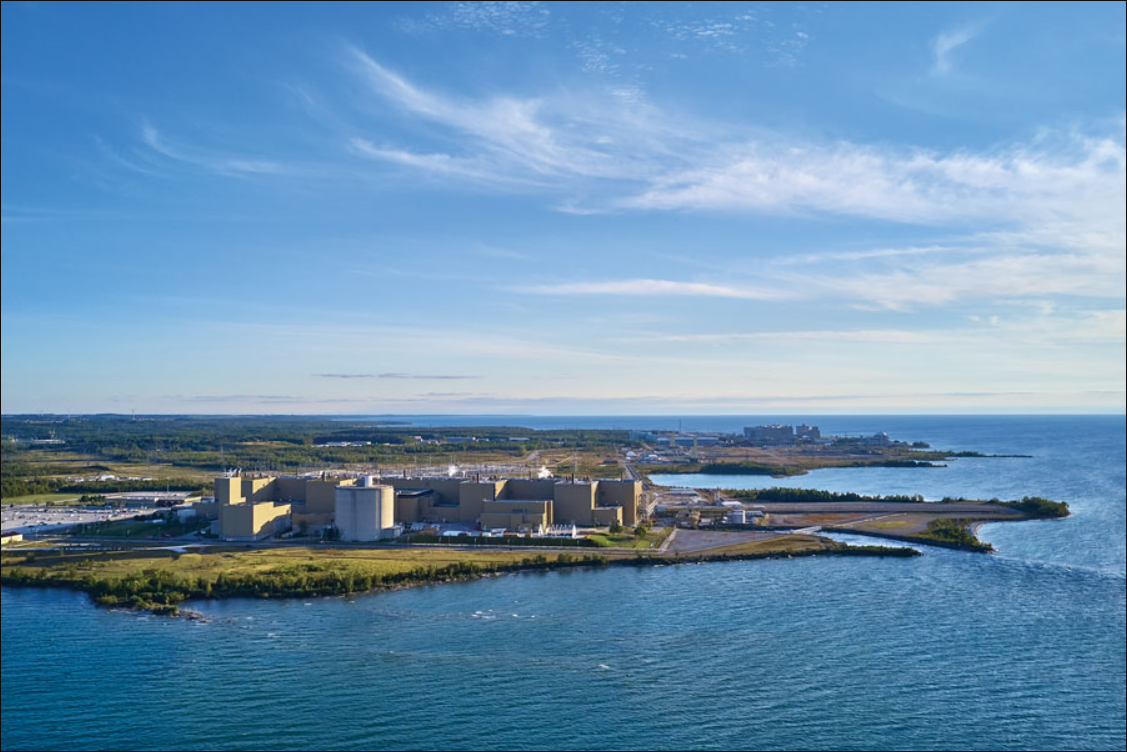
Canada Approves Power Uprate for Bruce A and B Nuclear Power Plants
The Canadian Nuclear Safety Commission (CNSC) announced on August 24 that it has decided to amend the licensing basis for the Bruce A and B nuclear power plants, approving an increase in the intermediate power operating levels of the two plants. The Bruce A and B nuclear power plants are located in Kincardine, Ontario, Canada, on the eastern shore of Lake Huron, and are operated by Bruce Power. Under the revised licensing basis, Bruce Power may increase the maximum operating power of the Bruce A plant to 95.5% of full power and the Bruce B plant to 96% of full power. Previously, the Bruce A plant was authorized to operate at a maximum power of...
2026-08-26
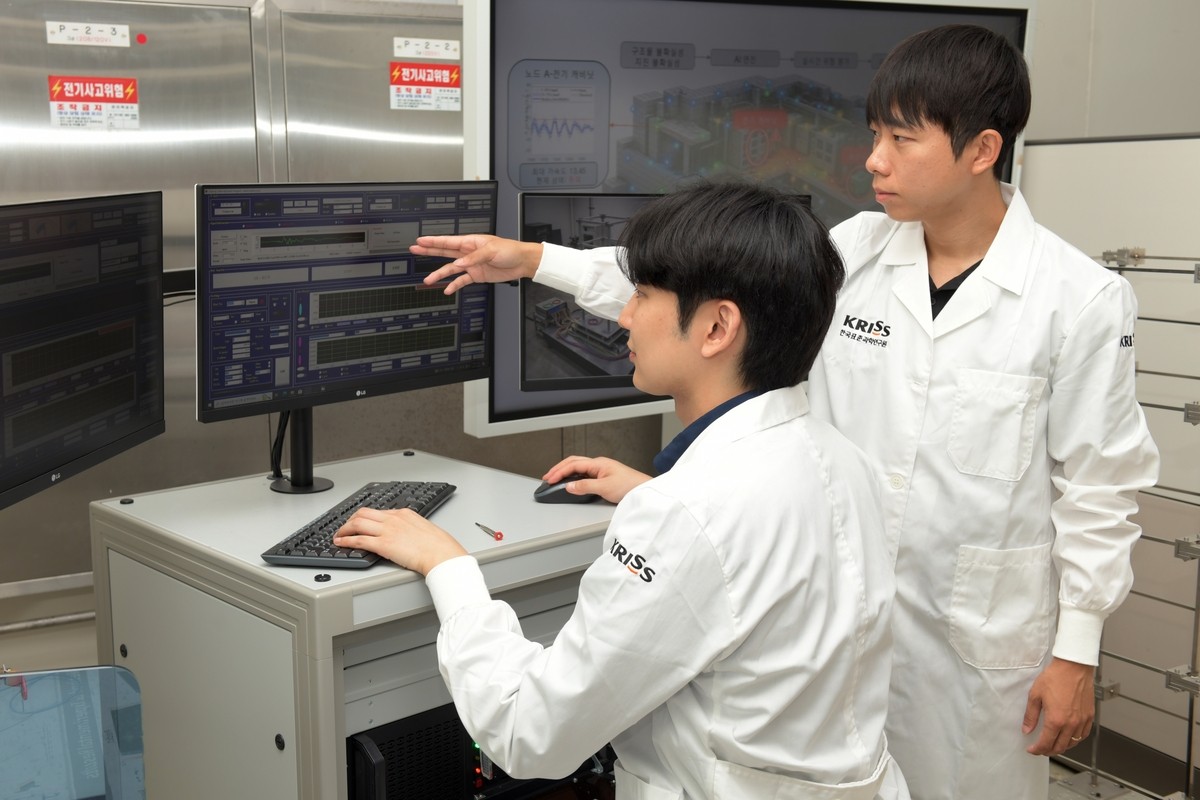
South Korea Develops AI Model for Prioritizing Post-Earthquake Inspections at Nuclear Facilities
A joint research team from the Korea Research Institute of Standards and Science (KRISS) and Ulsan National Institute of Science and Technology (UNIST) has developed a deep learning model that can assist nuclear facilities in rapidly identifying priority inspection areas after an earthquake. The model uses seismic wave signals collected from a single seismometer to predict in real time the vibration responses at multiple locations within a nuclear power plant and quantitatively ranks potential risks. The research was jointly conducted by the team of Jae-Beom Lee, senior researcher at KRISS, and Young-Ju Lee, professor at UNIST. The researchers stated that this technology can, without installing sensors at every critical location...
2026-08-26
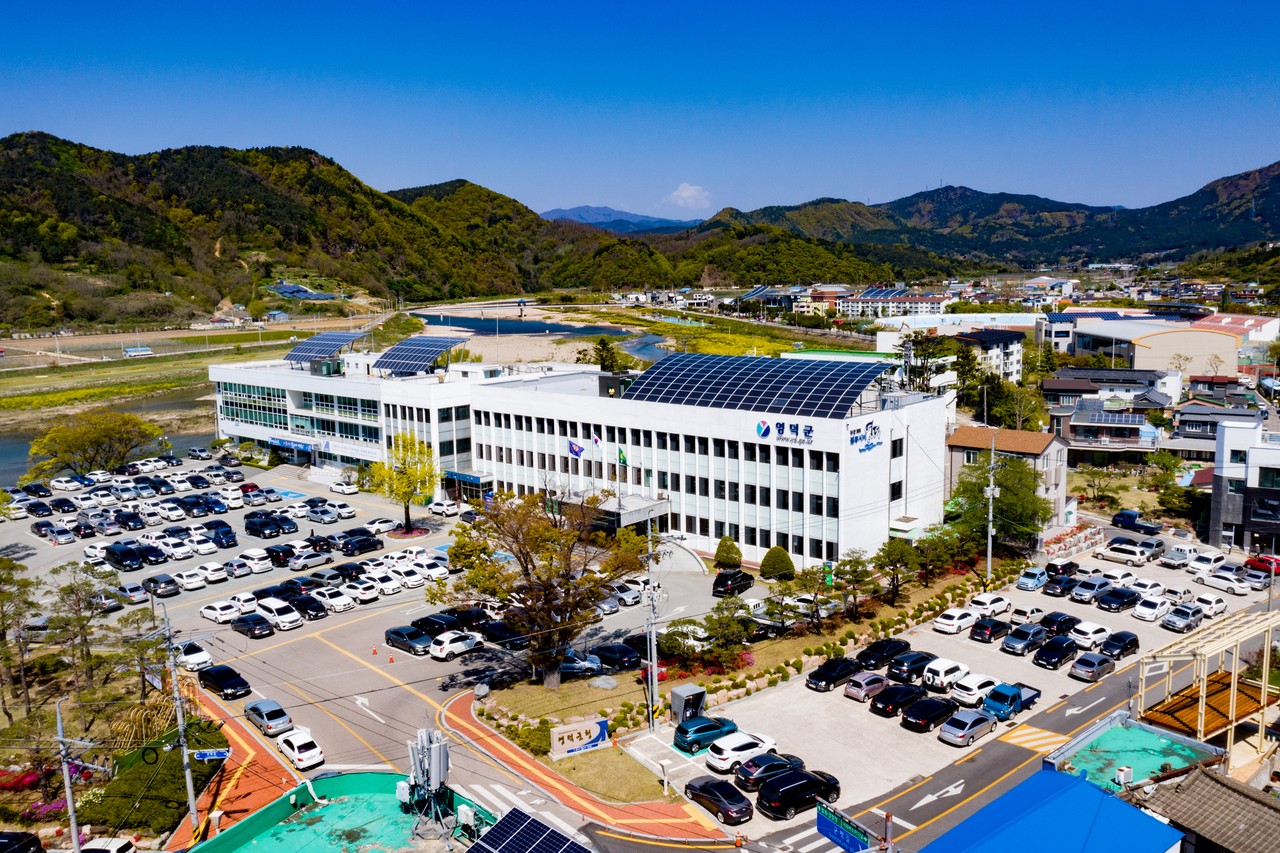
Yeongdeok County Launches Naming Contest for New Nuclear Power Plant
Yeongdeok County in North Gyeongsang Province, South Korea, is holding a naming contest for a new nuclear power plant to be built in the region. The county announced on August 26 that the contest is open to Yeongdeok County residents and will run for two weeks from the 27th of this month to the 10th of next month. The county stated that proposed names should carry symbolic meaning, reflecting both the plant's role as a power generation facility and the county's future development vision, as well as residents' expectations for regional growth. Final judging and awards for all entries will be completed in October. In July, the candidate site for the new nuclear power plant in Yeongdeok County was confirmed, and the county subsequently signed a cooperation agreement with Korea Hydro & Nuclear Power (KHNP). The naming contest is seen as part of the project's preparatory work, which also includes job training for future energy strategy projects and screening of new projects.
2026-08-26
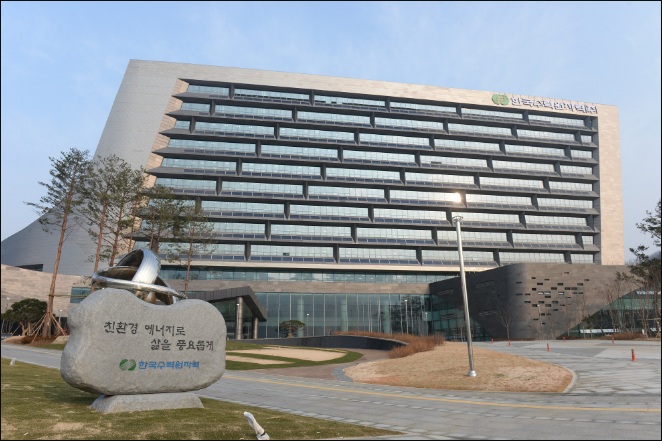
South Korean 3D-Printed Nuclear Power Plant Component Operates Continuously for 18 Months
Korea Hydro & Nuclear Power (KHNP) announced on August 26 that a nuclear power plant component manufactured using 3D printing technology has been in continuous operation for 18 months on a reactor unit. This marks the first time South Korea has completed long-term operational validation of a 3D-printed nuclear power plant component in actual service. The component is a multi-blade impeller used to cool the generator circuit breaker of a nuclear power plant. Traditional impellers typically consist of multiple blades mounted on a fixed plate, and the connection points between the fixed plate and blades are at risk of damage during long-term operation. KHNP completed the development of this impeller in 2024, switching to 3D printing to manufacture an integrated one-piece structure, thereby reducing weak connection points and improving component durability. Before being put into service, this 3D-printed impeller underwent...
2026-08-26
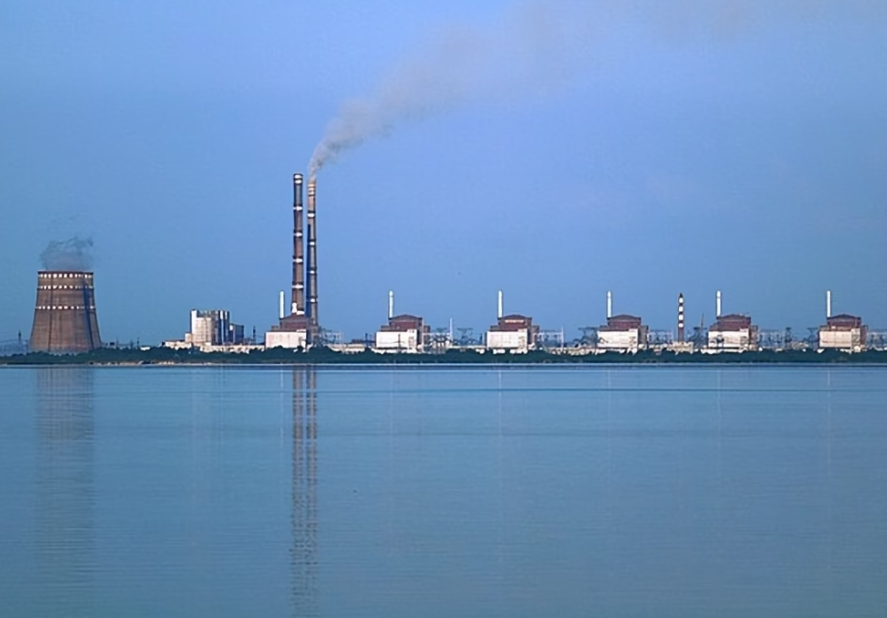
Zaporizhzhia Nuclear Power Plant Loses External Power for Six Days
On August 25 local time, the Zaporizhzhia Nuclear Power Plant (ZNPP) stated that it had lost external power since August 20 and had been relying on backup diesel generators to meet on-site electricity demand for six consecutive days. The plant's existing fuel reserves can still ensure operation, but difficulties in fuel resupply have not yet significantly eased. Yevgeniya Yashina, head of communications at ZNPP, stated that plant staff are monitoring nuclear safety parameters and the operation of backup diesel generator units around the clock. She noted that fuel transportation still faces difficulties due to shelling on roads leading to the plant; to improve the efficiency of existing reserve utilization, the plant has optimized the operation of diesel generators...
2026-08-26
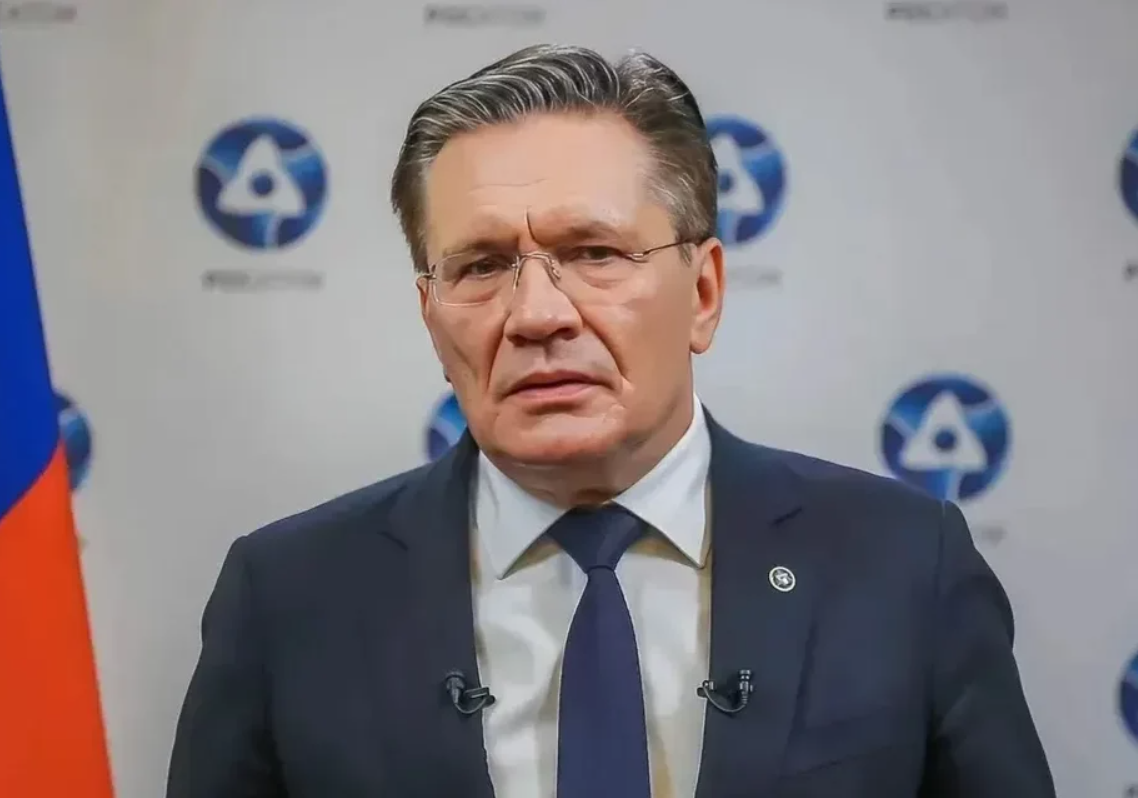
Egypt and Rosatom Consult on Expanding Nuclear Energy Cooperation
Egypt's Minister of Electricity and Renewable Energy, Mahmoud Mostafa Esmat, stated that Egypt will hold regular consultations with Russia's Rosatom on cooperation in nuclear energy and related fields, with meetings potentially taking place in either Egypt or Russia. Esmat said he would maintain regular meetings with Rosatom Director General Alexey Likhachev to exchange updates on the construction and commissioning progress of the El Dabaa nuclear power plant project and discuss directions for expanding cooperation. Currently, both sides are studying the addition of new units at the El Dabaa nuclear power plant, the construction of seawater desalination facilities, and the expansion of other areas of cooperation...
2026-08-26