
Search Results
Keyword:Powe
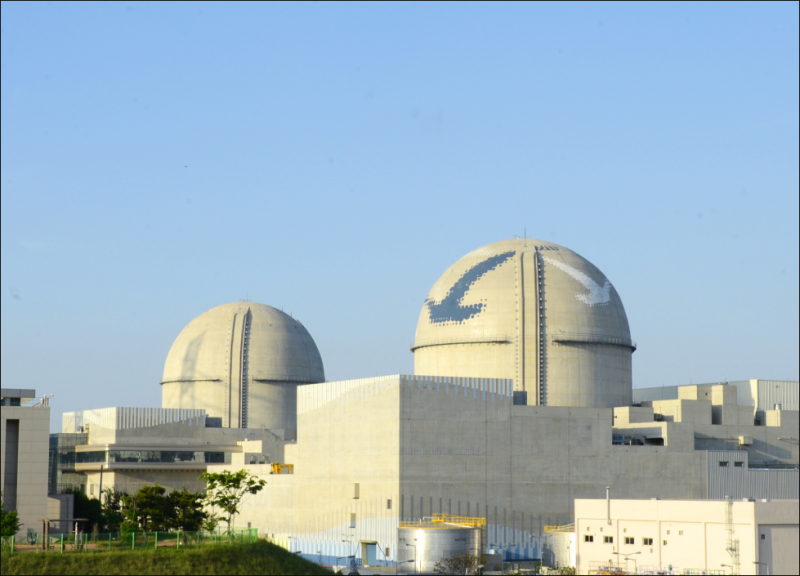
Korea's Shin-Kori Unit 1 Reaches Full Power After Scheduled Maintenance
Korea Hydro & Nuclear Power (KHNP) announced that Shin-Kori Unit 1 reached 100% rated power at approximately 3:07 a.m. on the 26th. The unit is a 1,400 MW-class pressurized water reactor. Shin-Kori Unit 1 began its sixth scheduled preventive maintenance on July 2 and resumed power generation on July 23. During the maintenance period, the unit underwent statutory inspections as required by Korea's Nuclear Safety Act. Shin-Kori nuclear power plant stated that this maintenance included nuclear fuel replacement, as well as maintenance and inspection of major equipment and facilities to enhance the safety and reliability of the power generation facility....
2026-08-26
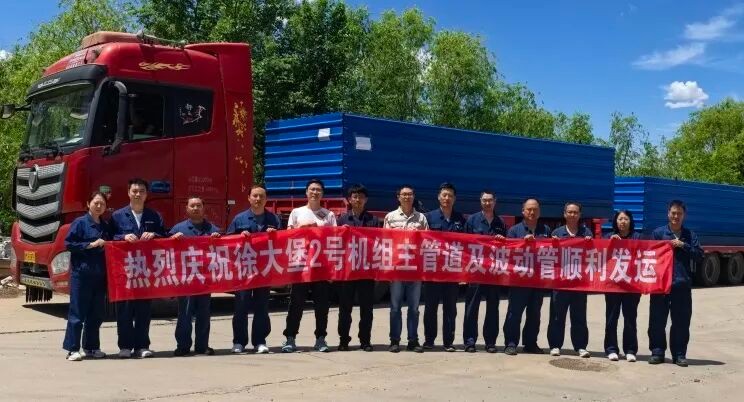
Main Piping and Surge Lines for Unit 2 of Xudabao Nuclear Power Plant Arrived at Site
On August 22, the main piping and surge lines for Unit 2 of Xudabao Nuclear Power Plant were successfully delivered to the site, laying a solid foundation for the commencement of main piping welding, a Level-1 milestone. The main piping serves as the aorta of the reactor coolant system. Together with the reactor pressure vessel, steam generators, and reactor coolant pumps, it forms a closed loop and pressure boundary. It is not only the core pipeline carrying the circulation and transfer of the reactor coolant but also a critical safety barrier for the nuclear island, making it an essential component of the nuclear island's core equipment. To ensure high-quality and on-time delivery of the equipment, Liaoning Nuclear Power took the lead in coordinating with the general contractor, procurement party, and equipment manufacturers, establishing a three-tier coordination mechanism of "daily reports + weekly meetings + monthly executive meetings" to fully streamline the information chain. Through measures such as optimizing production processes, mobilizing superior production capacity, and implementing continuous operations, all tasks were completed on schedule, ensuring the equipment was shipped and delivered to the site as planned.
2026-08-26
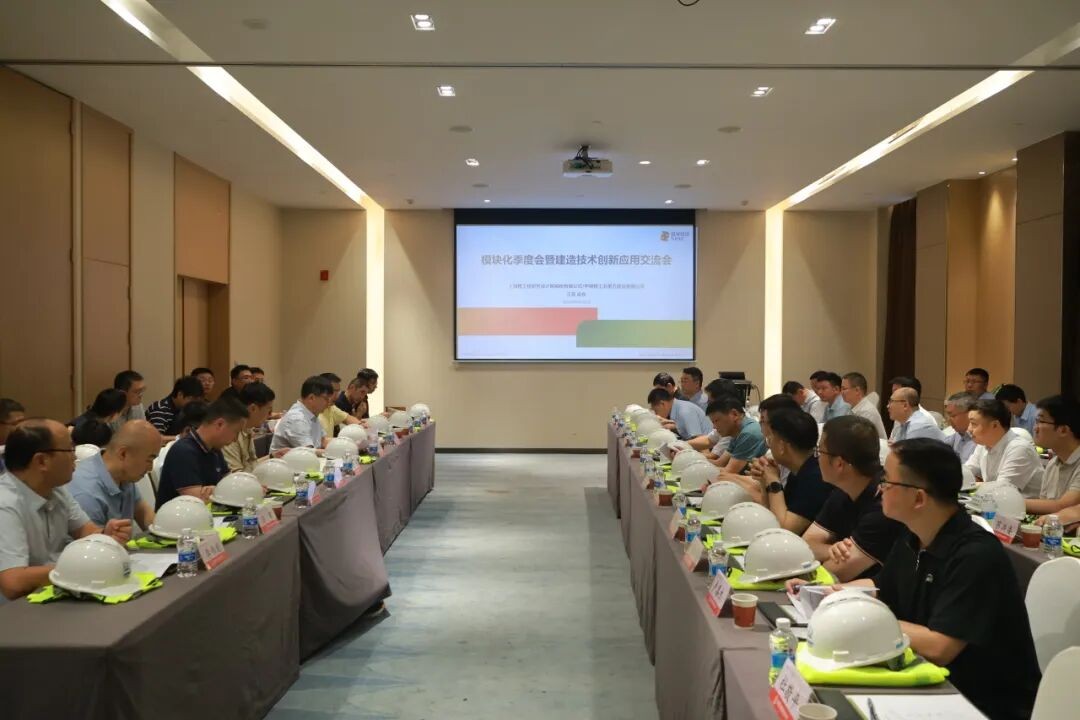
Guohe Series Nuclear Power Engineering Modular Quarterly Meeting and Construction Technology Innovation Application Exchange Conference Successfully Held in Qidong
On August 21, the Guohe Series Nuclear Power Engineering Modular Quarterly Meeting and Construction Technology Innovation Application Exchange Conference, hosted by Shanghai Nuclear Engineering Research and Design Institute (SNERDI) and organized by China Nuclear Industry Fifth Construction Co., Ltd. (CNF), was successfully held in Qidong, Jiangsu Province. Zhang Shoulong, Deputy General Manager and Safety Director of SNERDI, Li Jun, Deputy General Manager of China Nuclear Engineering Corporation (CNEC), and Liu Weihua, Chief Engineer of CNF, attended the meeting. More than 50 representatives from various nuclear power construction participating units gathered to discuss the innovation and practical application of nuclear power modular construction technology. At the meeting, the implementation of action items from the previous quarter was first reviewed, followed by progress reports on key work items including dry construction, plugging modularization, module design guidance manual, and multi-discipline shared rack design optimization. Each nuclear power project department then reported on quarterly work progress and subsequent work plans in turn; participating construction units including China Nuclear Industry 22nd Construction Co., Ltd., China Nuclear Industry 23rd Construction Co., Ltd., and CNF conducted thematic exchanges on modular construction, automatic welding technology, implementation of innovative technologies, and the "7050" plan (70% of all plant welding joints as prefabricated joints, and 50% of all plant prefabricated joints welded by automatic welding). Departments of SNERDI and participating partner units conducted in-depth discussions, exchanging views on key challenges in nuclear power modular construction and building consensus on technical breakthroughs. During the meeting, all attending representatives visited the Jiangsu Heneng Qidong Intelligent Manufacturing Base for on-site inspection, observing the intelligent manufacturing production line construction and gaining direct insight into the practical achievements of modular prefabrication and intelligent manufacturing processes. The meeting fully affirmed the phased achievements made by all participating units in the field of Guohe series nuclear power modular construction, pointed out that modular construction is a key driver for improving quality and efficiency in nuclear power engineering, and made arrangements for the next phase of work, emphasizing that all participating units should continue to deepen EC (Engineering-Construction) collaboration and integrated construction-installation development, and strengthen collaborative coordination to fully guarantee the high-quality construction of Guohe series nuclear power projects.
2026-08-26
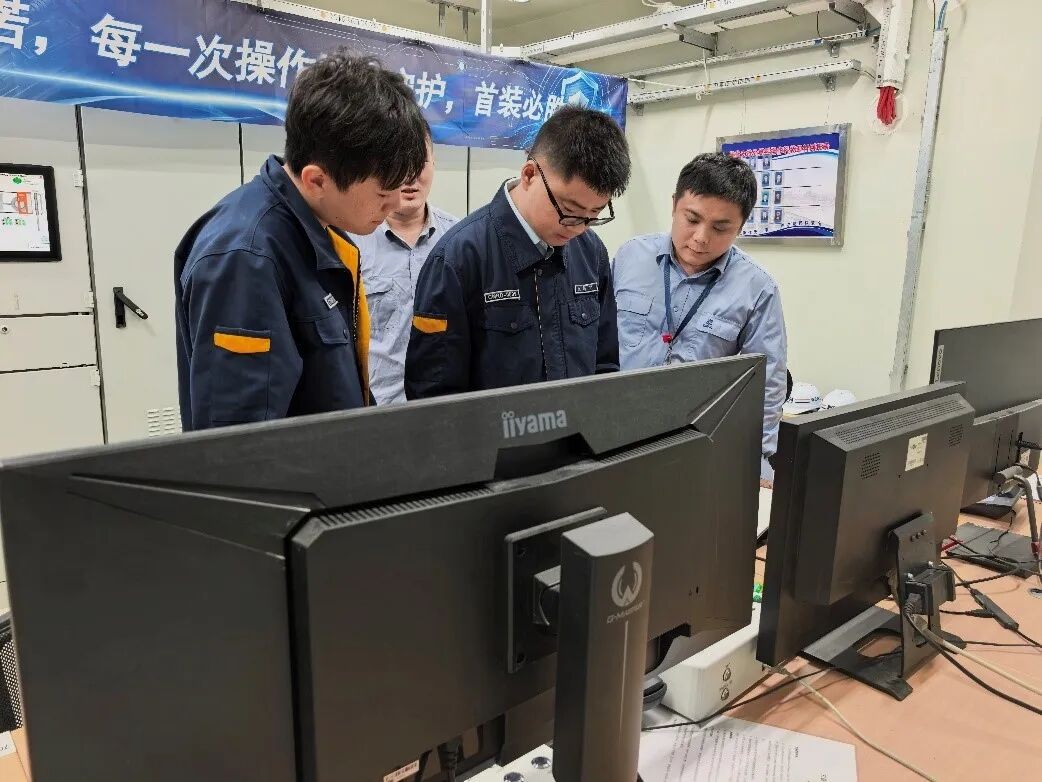
Ministry of Ecology and Environment North China Regional Office of Nuclear and Radiation Safety Supervision Conducts Supervision of First Fuel Loading at Tianwan Nuclear Power Plant Unit 7
Recently, the first fuel loading of Unit 7 at Tianwan Nuclear Power Plant was officially initiated, with the first fuel assembly successfully loaded into the reactor core, marking the unit's formal transition into the commissioning phase with nuclear operation. This unit is a key cooperative project witnessed by the heads of state of China and Russia via video link at its groundbreaking ceremony. This fuel loading marks a significant milestone achievement in the largest strategic cooperation project in China-Russia nuclear energy cooperation. As a core and critical procedure in nuclear power engineering, the first fuel loading serves as a comprehensive and holistic verification of the unit's engineering construction quality, system commissioning effectiveness, and safety control capabilities, and is of decisive significance to the subsequent safe and stable operation of the unit. The Ministry of Ecology and Environment North China Regional Office of Nuclear and Radiation Safety Supervision (hereinafter referred to as the North China Regional Office) has consistently upheld the nuclear safety regulatory work style of "rigorous, prudent, meticulous, and practical," closely focusing on the core and critical aspects of the first fuel loading, and implementing full-coverage, full-chain, and whole-process supervision and control over this fuel loading operation, effectively safeguarding the safety and quality defense line of the loading operation.
2026-08-26
Japan Completes Cryogenic Test of World's Largest Superconducting Toroidal Field Coil for ITER
Japan's National Institutes for Quantum Science and Technology (QST) and Toshiba Corporation announced on August 25 that they had successfully completed the first cryogenic current test of the world's largest superconducting toroidal field coil at the construction site of the International Thermonuclear Experimental Reactor (ITER). The test was conducted at an operating temperature of approximately minus 269 degrees Celsius, marking a critical technical milestone before ITER's commissioning. The superconducting toroidal field coil, also known as the TF coil, installed in the test facility is a key component of ITER's superconducting magnet system, used to generate the strong magnetic field required to confine plasma. During the test, the team cooled the coil from room temperature to cryogenic conditions, confirmed its transition to the superconducting state, and for the first time achieved stable conduction of 10,000 amperes of current while the coil was in the superconducting state.
2026-08-25
Japan to Use Fukushima Decontaminated Soil at Government Office Buildings in Sendai and Saitama
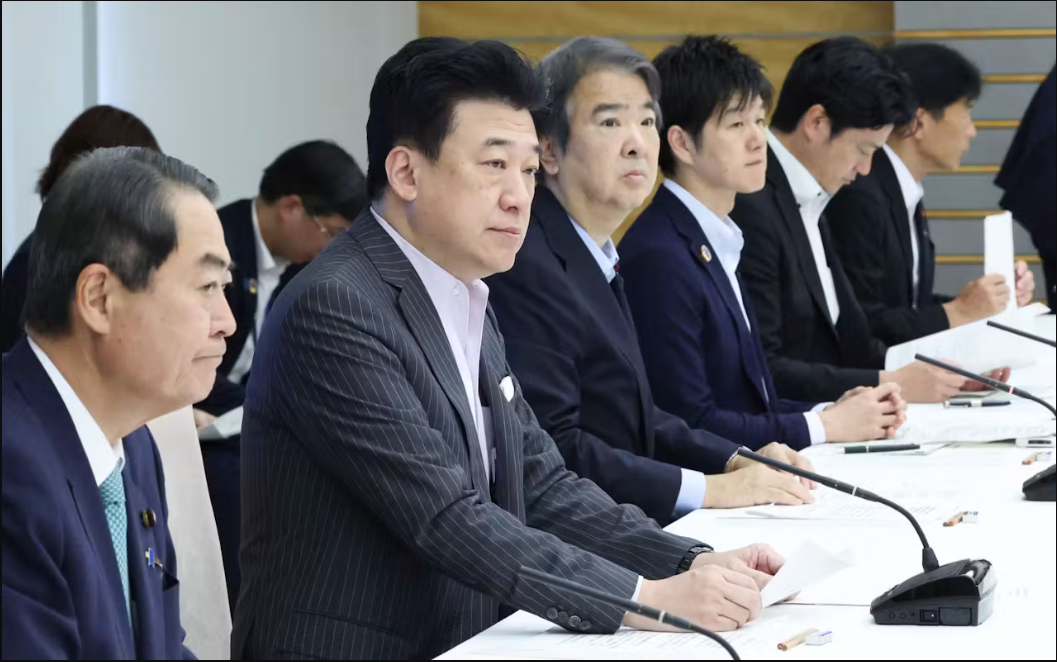
At a Cabinet meeting held at the Prime Minister's Office on August 25, the Japanese government decided to use decontaminated soil generated from the Tokyo Electric Power Company (TEPCO) Fukushima Daiichi Nuclear Power Station accident for flower beds and other areas at joint government office buildings in Sendai City and Saitama City. This will mark the first use of such recycled soil outside Tokyo. According to the plan, the relevant office buildings will use a total of approximately 2 cubic meters of low-radioactivity "reconstruction recycled soil," with the specific construction schedule still being coordinated. The usage site in Saitama City is located at the government joint office building in the Saitama New Urban Center area, and Sendai City will also implement similar arrangements at its joint government office building. Under Japanese law, soil decontaminated after the Fukushima Daiichi Nuclear Power Station accident must be transported outside Fukushima Prefecture for final disposal by March 2045. The Japanese government hopes that by first using such soil in public facilities, it can promote the final disposal work outside Fukushima Prefecture and enhance public understanding of the safety and necessity of such soil.
2026-08-25
North Gyeongsang Provincial Council Establishes Special Committee on Nuclear Power
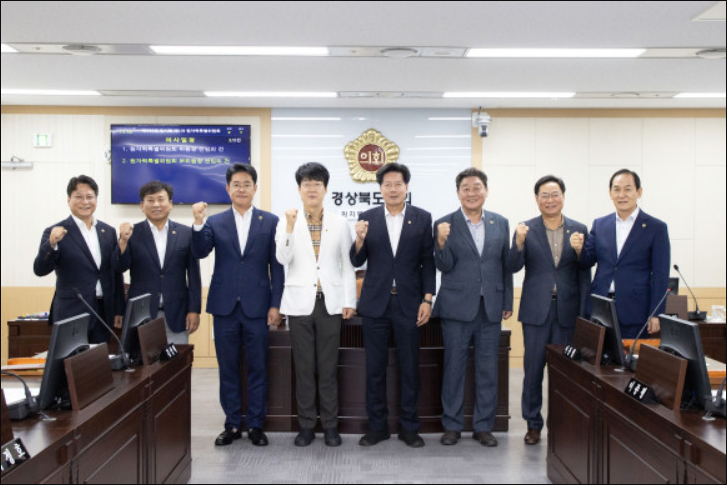
On August 25, the North Gyeongsang Provincial Council in South Korea established a Special Committee on Nuclear Power on the first day of its 365th special session, electing provincial council member Kim Jae-jun as committee chairman and Lee Dong-hyeop as vice chairman. According to reports, the committee will focus on addressing major nuclear power-related issues in the region, while also working to enhance the competitiveness of the nuclear power industry in North Gyeongsang Province and safeguard the safety and rights of provincial residents. North Gyeongsang Province is one of the regions in South Korea with a relatively high concentration of nuclear power facilities, having already developed a certain base of nuclear institutions and industrial infrastructure. With the recent confirmation of two new nuclear reactor projects in Yeongdeok County, the committee plans to strengthen on-site investigations and legislative activities to promote the nuclear power industry as a new growth driver for the region's underdeveloped areas.
2026-08-25
South Korea Launches Next-Generation Energy Leader Training Program in Nuclear Energy
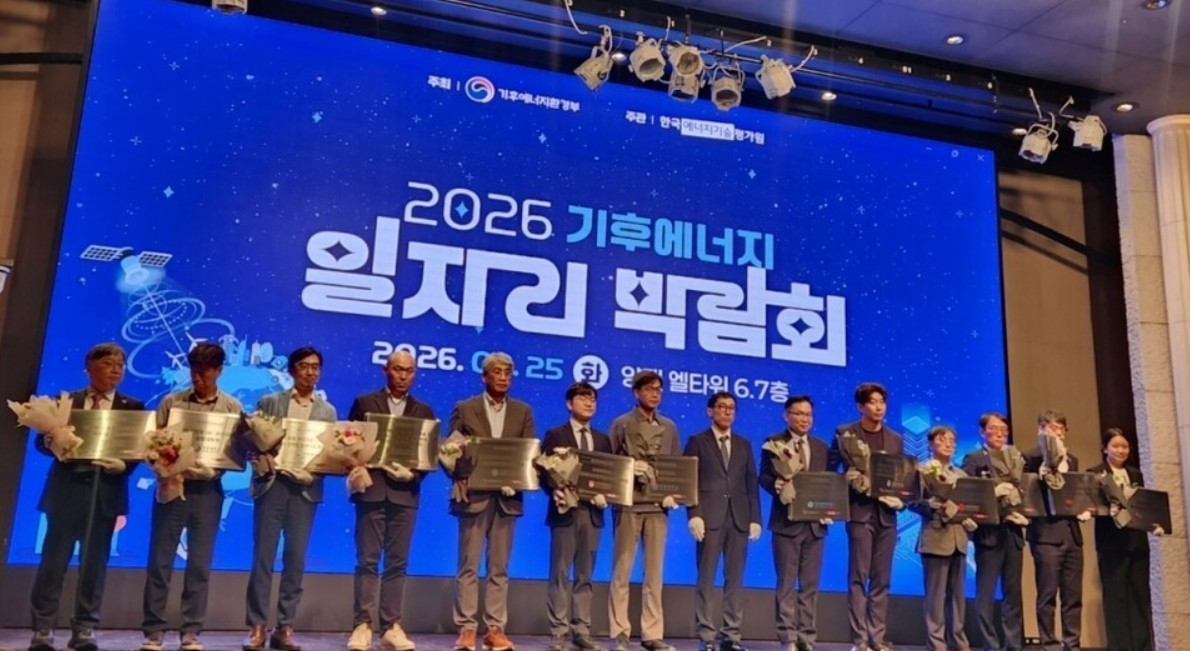
The Next-Generation Energy Leader Training Program in the nuclear energy sector, supported by the Ministry of Climate, Energy and Environment and the Korea Energy Technology Evaluation and Planning Institute (KETEP) and implemented by the Korea Association for Radiation Promotion (KARA), has been officially launched. On August 25, the association held an inauguration ceremony at the 2026 Climate and Energy Job Fair held in Changwon, marking the program's entry into the implementation phase. The program targets young researchers who have recently obtained doctoral degrees, focusing on enhancing their research capabilities and industrial adaptability in the nuclear energy field, while promoting closer talent cultivation linkage mechanisms among universities, enterprises, and research institutions...
2026-08-25

Singapore Plans "Western Island"; Experts Say It Could Serve as a Study Subject for Future Nuclear Power Siting
Singapore plans to integrate several outlying islands south of Jurong Island over the coming decades to build the Western Island, which will support the development of new power generation infrastructure and other projects. Several experts interviewed believe that if Singapore decides to deploy nuclear energy in the future, the Western Island could become one of the potential sites requiring focused study, but it cannot yet be directly equated with a "nuclear island." Singapore Prime Minister Lawrence Wong announced at the National Day Rally on August 23 that Singapore plans to consolidate the small islands south of Jurong Island, including Semakau, Pulau Bukom, and Pulau Sudong, into the Western Island to meet future energy and industrial development needs. Dr. Nian Jiakang, co-founding chairman of an independent energy think tank, believes that Singapore's limited land and dense population make the integration of outlying islands conducive to expanding the research space for future nuclear siting. He said that if Singapore decides to develop nuclear energy, the Western Island should be included as a serious evaluation option, but this does not mean a conclusion has been reached on such deployment.
2026-08-25
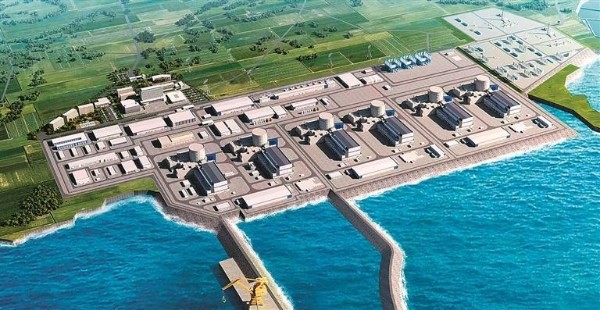
Liaoning Zhuanghe Nuclear Power Enters Construction Preparation Phase, Expected to Complete 2 Billion Yuan in Project Investment by Year-End
On August 22, 85 heavy and light engineering machinery units entered the site simultaneously to carry out topsoil clearing work on 179,000 square meters of land, marking the official entry of the Liaoning Zhuanghe nuclear power project into the construction preparation phase. Rendering of the Liaoning Zhuanghe nuclear power project. The Liaoning Zhuanghe nuclear power project is the first nuclear power project in Northeast China to adopt the Hualong One, China's self-developed third-generation nuclear power technology. The project plans to build six million-kilowatt-class nuclear power units in three phases, with a total investment of approximately 125 billion yuan. The first phase will construct two units with a total investment of approximately 44.56 billion yuan. It was approved at the executive meeting of the State Council on July 31, received formal approval from the National Development and Reform Commission on August 13, and obtained the advance land use approval from the Liaoning Provincial Department of Natural Resources on August 20, meeting the legal conditions for land construction.
2026-08-25
US Study Shows Inertial Fusion Implosions Can Tolerate Certain Asymmetries
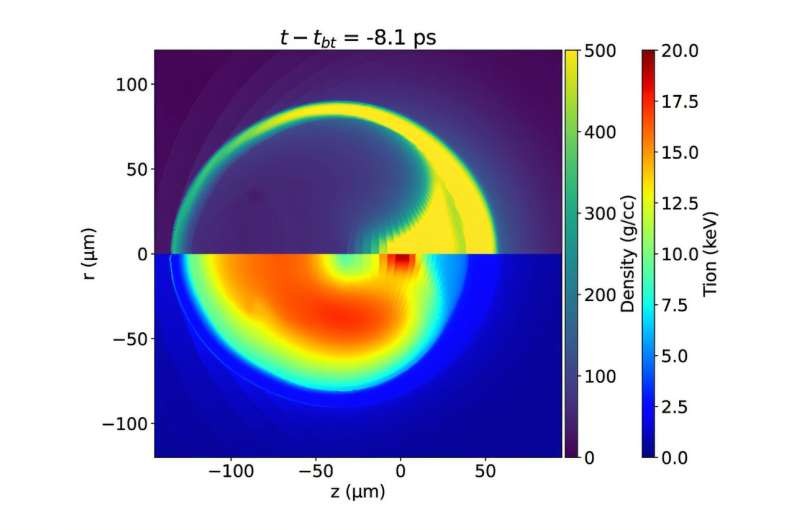
Researchers at the Lawrence Livermore National Laboratory (LLNL) in the US have recently found that implosion designs for inertial fusion energy (IFE) can withstand considerable imperfections before performance degrades sharply. This result aids in the design of fuel targets for future fusion power plants, particularly in assessing the tolerance of target capsules to errors under high-frequency injection and laser-driven conditions. The study's simulation results show the density (top) and temperature (bottom) at the instant just before fusion reactions peak in an asymmetric implosion. The hottest spot coincides with the point of highest fuel density, indicating direct ignition of high-density fuel jets driven by asymmetry. The image was recently selected for the cover of Physics of Plasmas...
2026-08-25
U.S. Department of Energy Extends Princeton University Contract to Operate PPPL
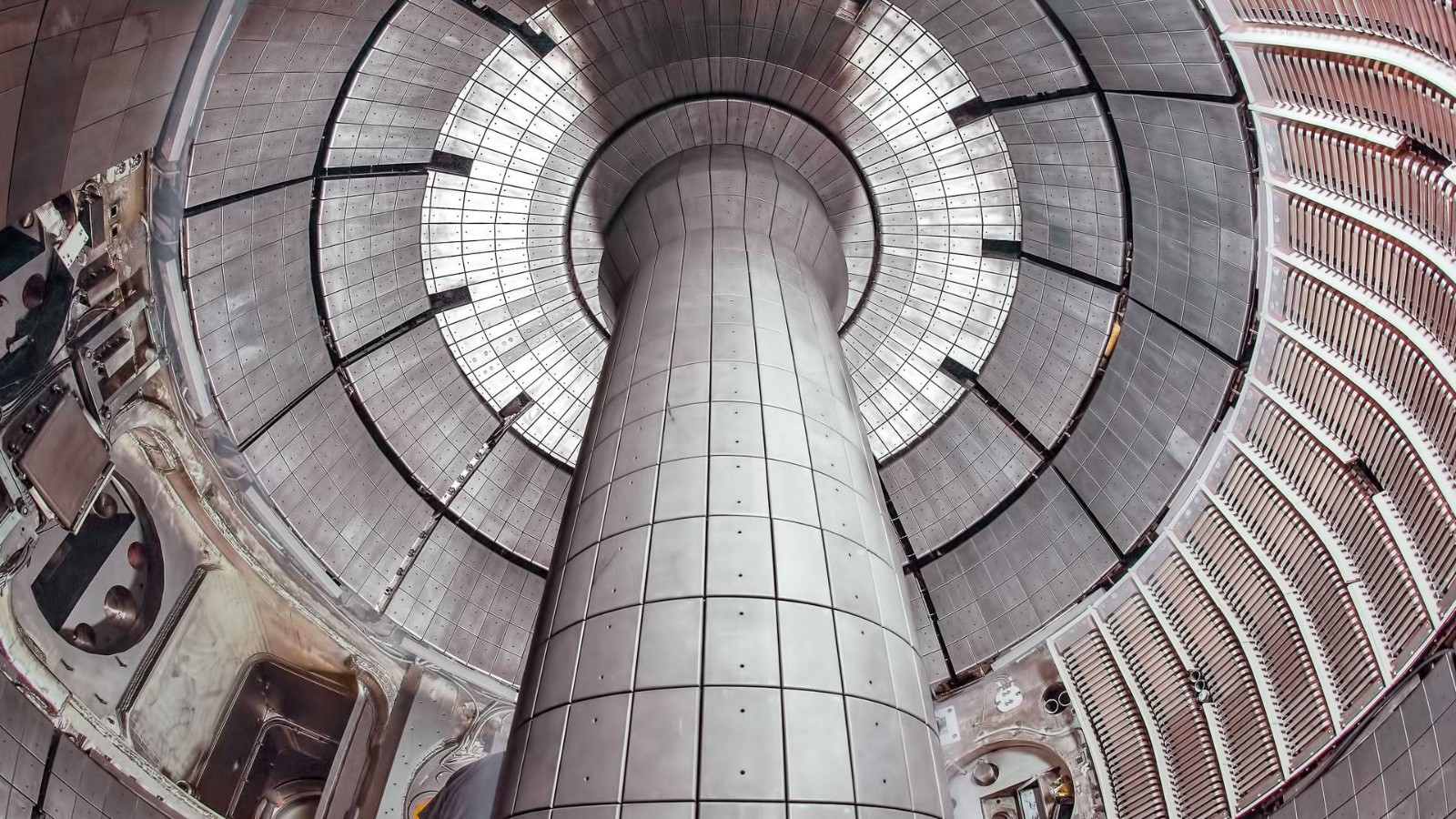
The U.S. Department of Energy (DOE) and Princeton University have extended the contract under which Princeton University manages and operates the Princeton Plasma Physics Laboratory (PPPL). The laboratory is located on Princeton University's Forrestal Campus in Plainsboro, New Jersey. Under the new extension, the contract will be renewed for five years starting April 1, 2027. Princeton University expects to strengthen collaboration with faculty and research teams on campus during the contract period, explore next-generation fusion energy research facilities, and enhance laboratory infrastructure and safety to support ongoing operational needs. Princeton University's office for research affairs...
2026-08-25

China's Nuclear Power Installed Capacity Up 8.5% Year-on-Year by End of July
On August 25, the National Energy Administration released national electricity statistics for January-July. By the end of July, the country's cumulative installed power generation capacity reached 4.08 billion kilowatts, up 11.0% year-on-year. Among this, nuclear power installed capacity stood at 66.14 million kilowatts, up 8.5% year-on-year. During January-July, the country added 3.62 million kilowatts of new nuclear power installed capacity. In the same period, the cumulative average utilization hours of power generation equipment nationwide were 1,671 hours, down 135 hours from the same period last year. The data also showed that by the end of July, thermal power installed capacity was 1.58 billion kilowatts, up 6.3% year-on-year; hydropower installed capacity was 456 million kilowatts, up 3.4% year-on-year; wind power installed capacity was 687 million kilowatts, up 19.5% year-on-year; solar power installed capacity was 1.288 billion kilowatts, up year-on-year...
2026-08-25

Russia and India to Advance Cooperation in Nuclear Energy and Other Fields
Russian President Vladimir Putin said at a meeting with Indian Foreign Minister Subrahmanyam Jaishankar in Moscow on August 24 that Russia has identified energy, nuclear energy, and high-tech as key areas of bilateral cooperation with India, with relevant topics steadily advancing on the bilateral agenda. Putin stated that Russia and India maintain cooperation across multiple fields, and bilateral trade volume has grown this year. During the talks, he mentioned that issues such as energy, fertilizer supply, nuclear energy, and high-tech cooperation have been discussed under the India-Russia intergovernmental mechanism. Earlier that day, Jaishankar co-chaired the 27th session of the India-Russia Intergovernmental Commission on Trade, Economic, Scientific, Technological and Cultural Cooperation (IRIGC-TEC) with Russian First Deputy Prime Minister Denis M...
2026-08-25

Russia and Algeria Advance Cooperation in Peaceful Uses of Nuclear Energy
August 22 news, Russian Ambassador to Algeria Alexey Solomatin said in an interview that Russia and Algeria are advancing cooperation in the field of peaceful uses of nuclear energy, with direct working contacts established between the relevant agencies of the two countries. Solomatin stated that cooperation between the two countries in this field is expanding. The basis for bilateral cooperation is the Intergovernmental Agreement on Cooperation in the Peaceful Uses of Nuclear Energy signed in 2014. In addition, Russia and Algeria signed the Roadmap for Cooperation in the Peaceful Uses of Nuclear Energy during the 2024 International Atomic Energy Expo (Atomexpo), outlining the main directions of bilateral cooperation. He noted that the practical implementation of the agreements will begin in 2...
2026-08-25