
Search Results
Keyword:Powe
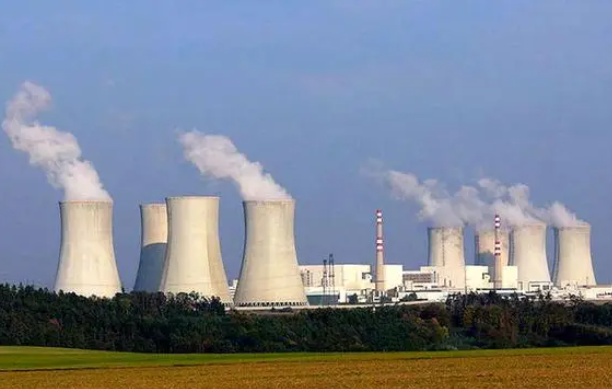
Czech nuclear power plants largely unaffected by summer heat and drought
The Czech State Office for Nuclear Safety (SÚJB) stated on August 26 that this summer's heat waves and drought only caused a slight decline in electricity generation at the Temelín and Dukovany nuclear power plants, without leading to reactor power reduction or raising nuclear safety concerns. Currently, both plants meet the conditions for safe operation, including adequate cooling and water supply guarantees. SÚJB noted that some European nuclear power plants reduced output or temporarily shut down during high-temperature periods, mainly due to their cooling methods. Some plants use once-through cooling, making their operation directly affected by river water temperature and flow rate. When water temperatures rise and river flows are low, plants may reduce output due to environmental discharge limits...
2026-08-27
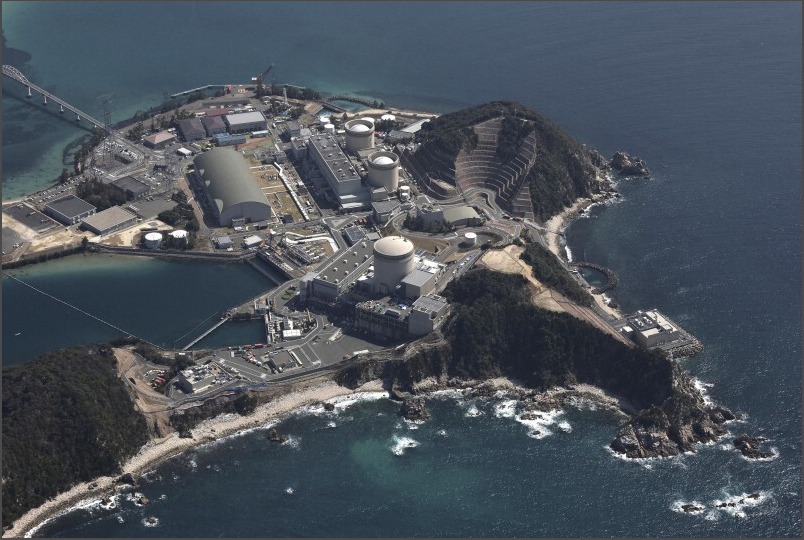
Kansai Electric Power Revises Nuclear Emergency Disaster Prevention Business Plans for Three Nuclear Power Plants
Kansai Electric Power Co., Inc. announced on August 27 that it has revised the nuclear operator disaster prevention business plans for the Mihama, Takahama, and Oi nuclear power plants in accordance with Japan's Act on Special Measures Concerning Nuclear Emergency Preparedness, and filed them with the Prime Minister and the Nuclear Regulation Authority on the same day. The revisions pertain to nuclear emergency disaster prevention arrangements at the three nuclear power plants. Kansai Electric Power stated that it will continue to ensure the safety of the nuclear power plants and enhance nuclear emergency disaster prevention measures in accordance with the relevant plans. According to the documents, the consultation period prior to the revisions was from May 13 to July 30, 2026, totaling 79 days. The consultation parties included the local governments where the nuclear power plants are located and related neighboring local governments.
2026-08-27
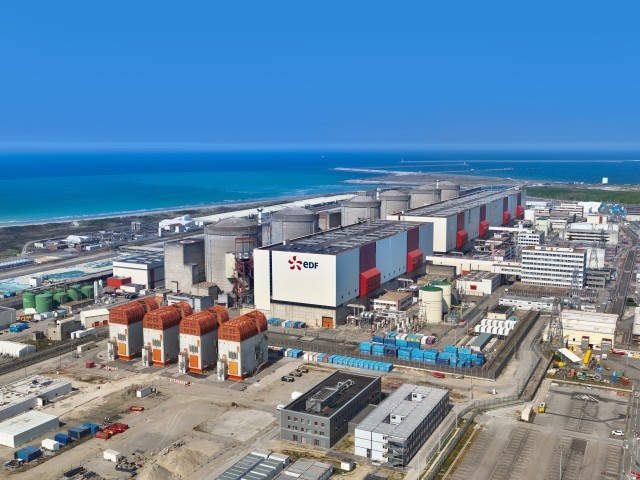
France's Gravelines Nuclear Power Plant Reports Multiple INES Level 0 Events
France's Gravelines nuclear power plant recently disclosed significant events reported to the French Nuclear Safety and Radiation Protection Authority (ASNR). The events cover safety, operations, and radiation protection, and were all rated as Level 0 on the International Nuclear and Radiological Event Scale (INES), i.e., below the scale threshold, with no actual impact on facility safety, personnel health, or the environment. In a generic safety event involving EDF's 900 MWe-class nuclear reactor units, EDF discovered during inspections at the Cruas nuclear power plant that certain commercially supplied electric servomechanisms had been installed in functional positions requiring higher qualification levels, K3 or K3ad. K3 corresponds to seismic requirements, while K3ad involves both seismic and harsh environmental conditions, including radiation environments. Subsequently, EDF conducted checks on related equipment at the Blayais, Chinon, Cruas, Dampierre, Gravelines, Saint-Laurent, and Tricastin nuclear power plants and confirmed that a batch of equipment had model suitability issues.
2026-08-27
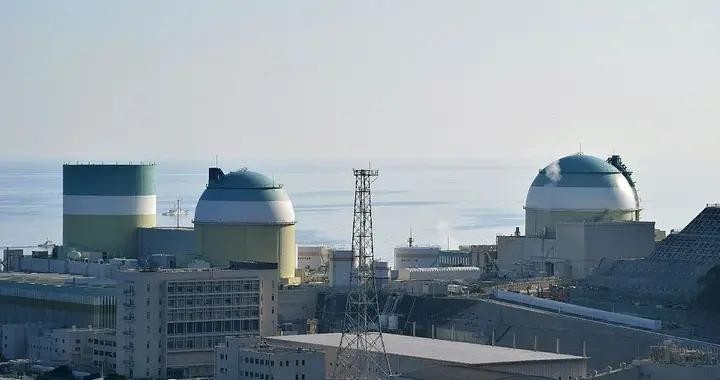
Ikata Nuclear Power Station Unit 3 in Japan briefly deviated from operational limits due to abnormal signals in protection system instrumentation
Shikoku Electric Power Co. reported on August 27 that abnormal signals from safety protection system instrumentation appeared in the central control room of Ikata Nuclear Power Station Unit 3, which was in normal operation, indicating that one channel of the overtemperature ΔT related instrumentation was unreliable. The operator determined at 22:10 on August 26 that the unit had deviated from the operational limits stipulated in the Reactor Facility Security Regulations. On-site confirmation showed that the unreliable signal originated from 1 of the 4 channels of the overtemperature ΔT protection function. Overtemperature ΔT is one of the reactor automatic trip elements, used to protect in-core fuel; its limit value is calculated based on parameters such as reactor power, pressurizer pressure, and...
2026-08-27

Canada's Nuclear Energy Strategy Focuses on Project Financing and Risk Sharing
The Canadian federal government recently unveiled a new nuclear energy strategy, explicitly committing to advancing new nuclear power projects nationwide, strengthening domestic supply chains, expanding uranium resources and nuclear fuel supply, and continuing to support nuclear technology innovation in fission and fusion. The strategy also states that nuclear deployment requires more modern financing tools, more efficient regulatory processes, and closer collaboration among governments, Indigenous communities, and industry. The goal of this strategy is to serve Canada's economic, social, and climate objectives through nuclear energy projects, enhancing national energy security while creating jobs and fostering innovation. As the strategic direction becomes clearer, how to translate policy goals into projects that are financeable and ready for construction has become the key question for the next phase.
2026-08-27

Test vacuum established in turbine condenser of Unit 1 at Turkey's Akkuyu NPP
On August 25, test vacuum was established in the turbine condenser of Unit 1 at Turkey's Akkuyu Nuclear Power Plant. This operation verified the readiness of the main systems of the turbine unit, creating conditions for subsequent commissioning work. Specialists from TITAN-2 Holding (TITAN-2) established the required vacuum in the condenser and checked the tightness of the vacuum system as well as the thermal and mechanical condition of the turbine. During the test, technical personnel continuously monitored key parameters such as steam pressure, bearing temperatures, thermal expansion of cylinders and rotors, and condenser vacuum level. While the turbine was rotated by the turning gear, experts also verified the operational condition of the turbine flow path. This...
2026-08-27

Europe Advances Space Nuclear Power Research, Targeting Lunar and Mars Missions
The European Space Agency (ESA) is accelerating its assessment of nuclear energy applications in deep-space missions, focusing on using small nuclear reactors to power spacecraft electric propulsion systems, as well as providing stable energy for future fixed lunar surface facilities and subsequent Mars missions. Existing space missions primarily rely on chemical fuels and solar panels. The former is limited by the amount of propellant that can be carried, while the latter suffers from declining power generation efficiency as spacecraft move farther from the Sun. ESA believes that nuclear power systems could compensate for the shortcomings of both approaches, particularly in long-duration lunar operations and deeper space exploration. ESA completed a nuclear thermal propulsion study last year. In March this year, the agency...
2026-08-27
Japan's Helical Fusion and Tohoku University Launch Social Communication Research on Fusion Energy
Helical Fusion recently announced that it has launched a joint research project with the Takahashi-Kariwara Laboratory of the Graduate School of Engineering at Tohoku University in August 2026, focusing on ideal communication methods for the social implementation of fusion energy. The project is planned to last approximately one year, with a focus on exploring the communication methods, dialogue mechanisms, and decision-making pathways required for fusion energy to move toward social application. According to the project plan, both parties will examine cases of existing advanced technologies in areas such as social acceptance and risk perception to study communication strategies needed for the stable application of fusion energy in future society. The research also plans to introduce...
2026-08-27

South Korea's POSCO Group Invests in Japanese Fusion Company Kyoto Fusion Engineering
South Korea's POSCO Group has invested in Japanese fusion energy company Kyoto Fusion Engineering (KF) to establish an early presence in the global fusion energy market and explore new business opportunities in future steel, specialty materials, and energy infrastructure. According to industry sources on the 27th, POSCO Group participated in Kyoto Fusion Engineering's Series D funding round. The investment was made through the Korea-Japan Fusion Fund, established by IMM Investment Japan (IMMJ) together with Korean and Japanese investors. POSCO Holdings and POSCO International also contributed to the fund...
2026-08-27
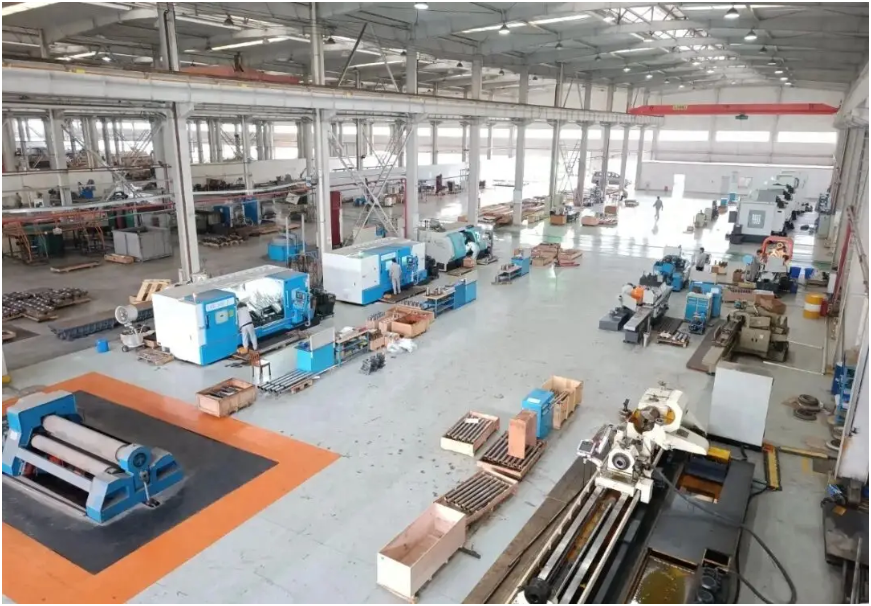
Sichuan Huadu Nuclear Energy Wins Control Rod Drive Mechanism Orders for 4 Nuclear Power Units
On August 24, news came from Sichuan Huadu Nuclear Equipment Manufacturing Co., Ltd., located in Dujiangyan, Chengdu, Sichuan, that the company has won the orders for control rod drive mechanisms for 4 units among the first batch of nuclear power units approved for construction during the 15th Five-Year Plan period in China, with a total new contract value of 504 million yuan. The winning projects include Units 3 and 4 of Zhejiang Jinqimen Nuclear Power Plant, as well as Units 1 and 2 of Phase I of Liaoning Zhuanghe Nuclear Power. According to the previous approval arrangement by the State Council Executive Meeting, the new batch of nuclear power projects involves a total of 4 projects and 8 units, including Phase II of Zhejiang Jinqimen Nuclear Power, Phase III of Guangdong Taipingling Nuclear Power, Phase I of Liaoning Zhuanghe Nuclear Power, and Phase I of Shandong Laiyang Nuclear Power, all adopting China's self-developed third-generation nuclear power technology...
2026-08-27
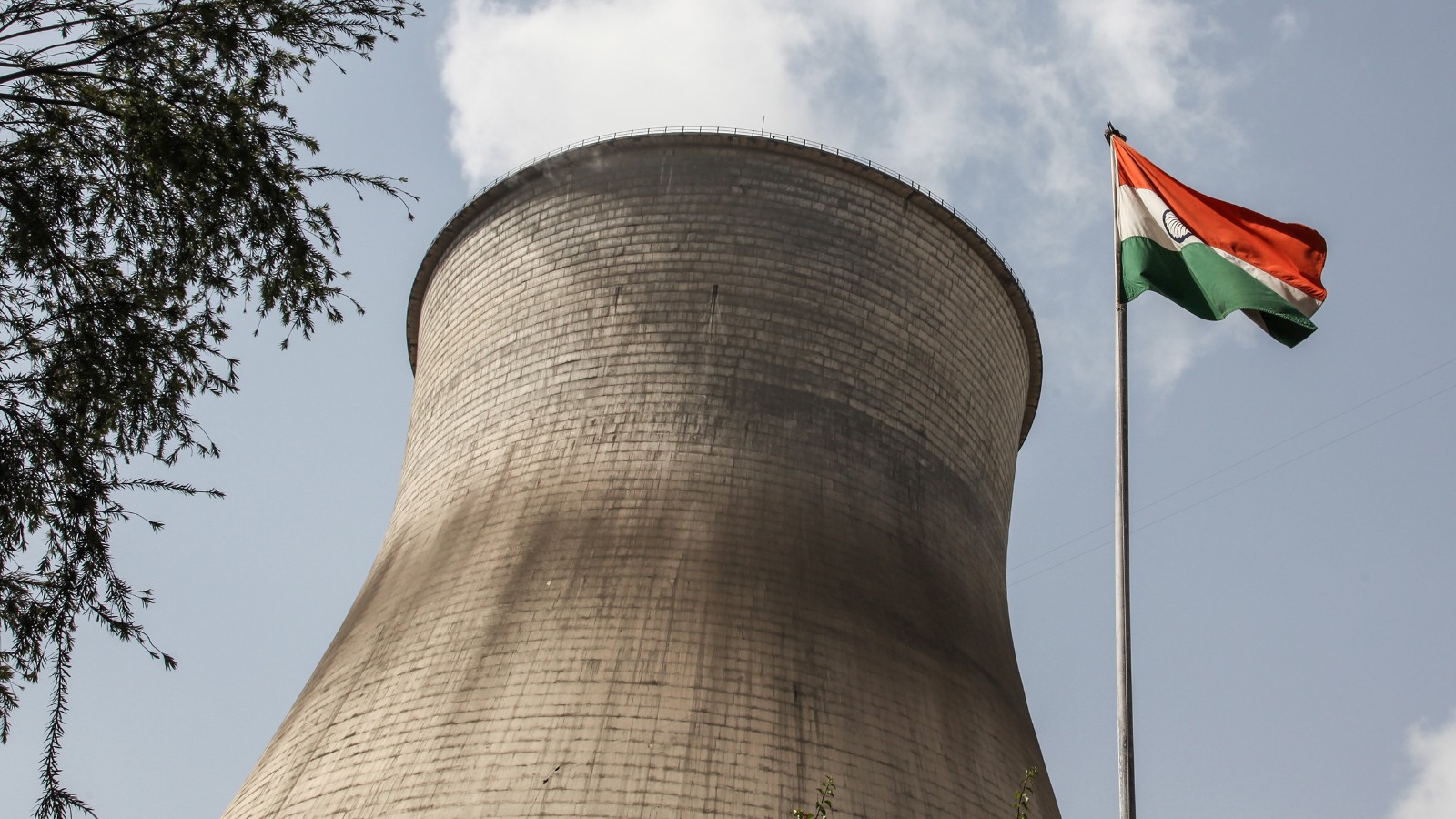
NPCIL plans new design unit to support indigenous PHWR deployment
Months after India's tightly regulated nuclear power sector opened up to private capital, Nuclear Power Corporation of India Limited (NPCIL) plans to establish a new design unit to provide technical support to private companies and state governments interested in adopting indigenous nuclear reactor technology. The proposal for this business segment is still under approval. Under the plan, the new unit will offer technical support, design review, and quality assurance services to entities seeking access to Pressurized Heavy Water Reactor (PHWR) technology and related engineering expertise. With the release of draft rules under the Sustainable Harmonious Advancement of Nuclear Technology in India (SHANTI) Act, the legal framework for licensing new nuclear projects in India is expected to be further clarified, and NPCIL also hopes to reorganize its internal functions accordingly.
2026-08-27
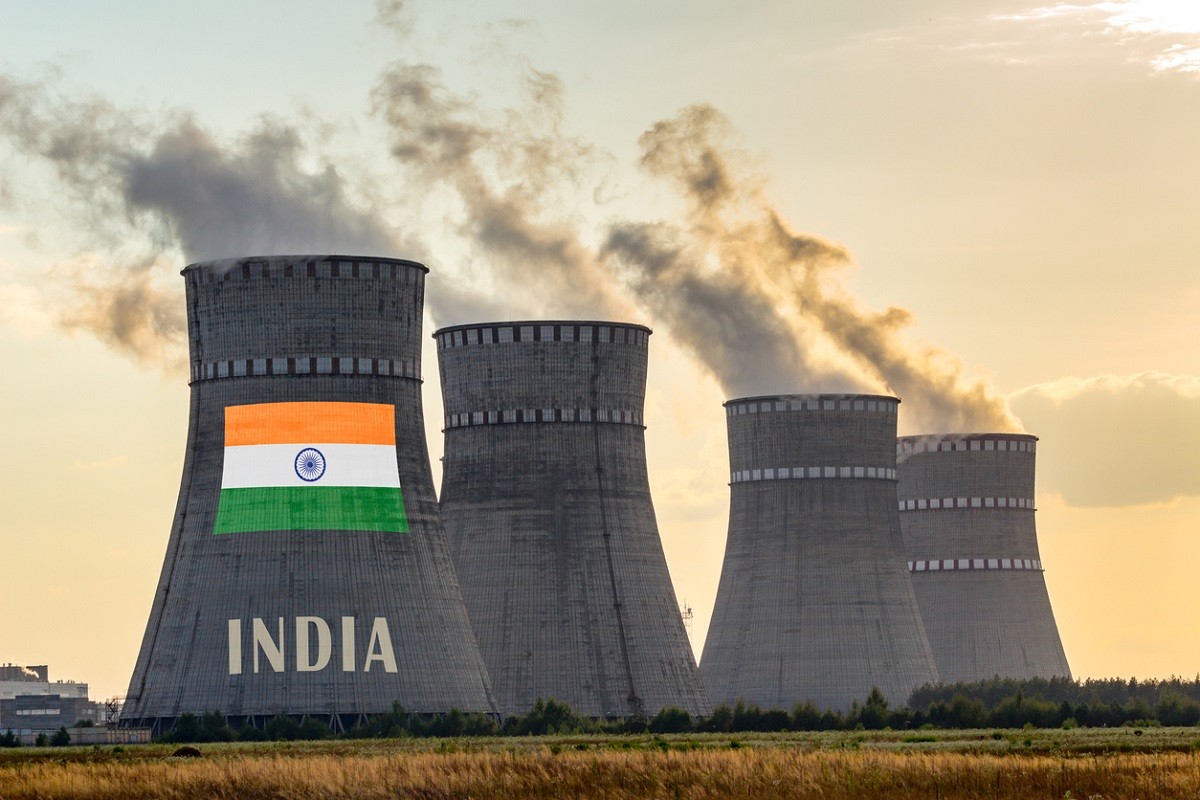
Gujarat Plans Large Nuclear Power Project at Dhuvaran
The Gujarat state government is in discussions with the central government of India to build a large nuclear power project at Dhuvaran in Anand district. The project is proposed to be developed through a joint venture with 50% equity participation from each side, with a planned installed capacity of either 4,200 MW or 7,000 MW, with the final configuration still under high-level deliberation. Based on an estimated investment of approximately 35 million rupees per MW, the total project investment could range between 1.25 trillion rupees and 2.25 trillion rupees. If approved and implemented, the project would become one of the larger investments in Gujarat's power sector. Local government officials stated that approximately 1,100 hectares of land have been secured for the project, and a central government team has conducted a site visit, including...
2026-08-27

Bangladesh Highlights Potential of Nuclear Technology for Maritime Applications at ATLAS Ministerial Meeting
On August 26, local time, Bangladesh's Minister of Science and Technology, Faqrul Mahbub Anam, stated at the 2026 Ministerial Launch of the Licensing of Atomic Technology for Marine Applications (ATLAS) held in Washington, D.C., USA, that Bangladesh is committed to responsible participation in the global nuclear dialogue and believes that emerging nuclear technologies hold significant potential in the field of maritime applications. Anam stated that in the face of challenges such as climate change, energy security, and growing energy demand, the importance of nuclear energy in reducing emissions and ensuring reliable energy supply is rising. Advanced nuclear technologies, including Small Modular Reactors (SMRs), can provide stable low-carbon electricity and support economic growth, poverty reduction...
2026-08-27
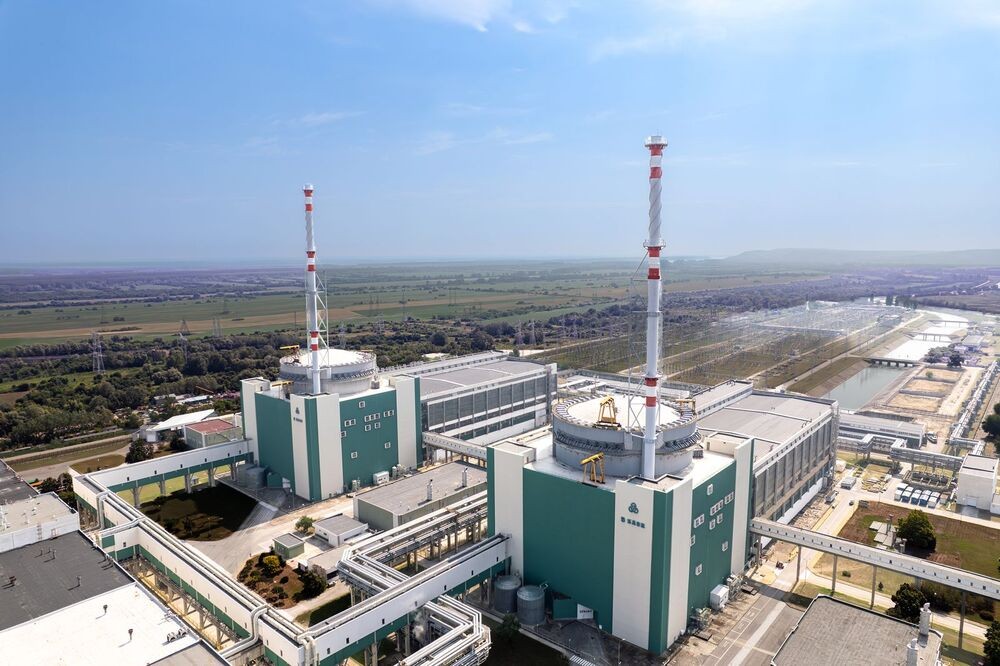
Bulgarian Environmental Groups Demand Public Review of Water Engineering Project Near Kozloduy Nuclear Power Plant
WWF Bulgaria has called for the prompt public disclosure of the technical plans and final design selection for the proposed hydraulic structures near the Kozloduy Nuclear Power Plant, as well as for public discussions to be organized before construction work begins in the Danube riverbed. The organization stated that the purpose of the proposed project is to raise local water levels during prolonged droughts and historically low Danube water levels, ensuring the stable operation of the Kozloduy Nuclear Power Plant's cooling system. The organization has sent an open letter to Bulgaria's Minister of Energy, Minister of Transport and Communications, and Minister of Environment and Water, raising these demands. WWF Bulgaria noted that the Danube is an international waterway, and any engineering intervention involving the riverbed requires careful assessment of environmental, socio-economic, hydro-morphological, and transboundary impacts. Given the complexity of the factors involved in the project, relevant analyses, model results, and design justifications should be made public in a timely manner and subjected to transparent public discussion.
2026-08-27
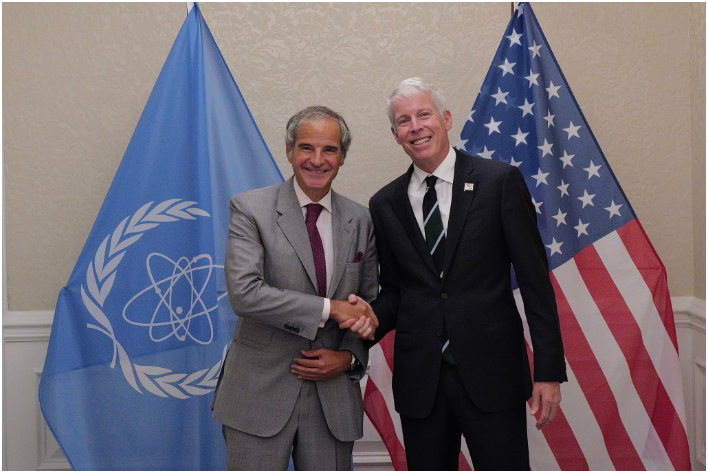
IAEA Launches ATLAS Initiative to Advance Nuclear Energy Maritime Applications
The International Atomic Energy Agency (IAEA) launched the Atomic Technology for Maritime Applications Licensing Scheme (ATLAS) on August 26 in Washington, D.C., United States, aiming to support the safe, reliable, and peaceful use of nuclear energy in civilian vessels and floating nuclear power plants. The two-day ATLAS ministerial launch event, hosted by the United States, attracted approximately 600 delegates from over 50 countries, including international organizations, nuclear and maritime industry enterprises, port authorities, and relevant regulatory and policy departments. The IAEA stated that as nuclear-powered ships and floating nuclear power plants gain increasing attention, closer coordination mechanisms between the nuclear and maritime communities are needed. Maritime shipping carries approximately 80% of global trade volume, and maritime trade demand continues to grow at around 2% annually...
2026-08-27