
Search Results
Keyword:RI
Russian Team Proposes Compact "Siberian Snake" Design for NICA Collider to Control Proton Polarization
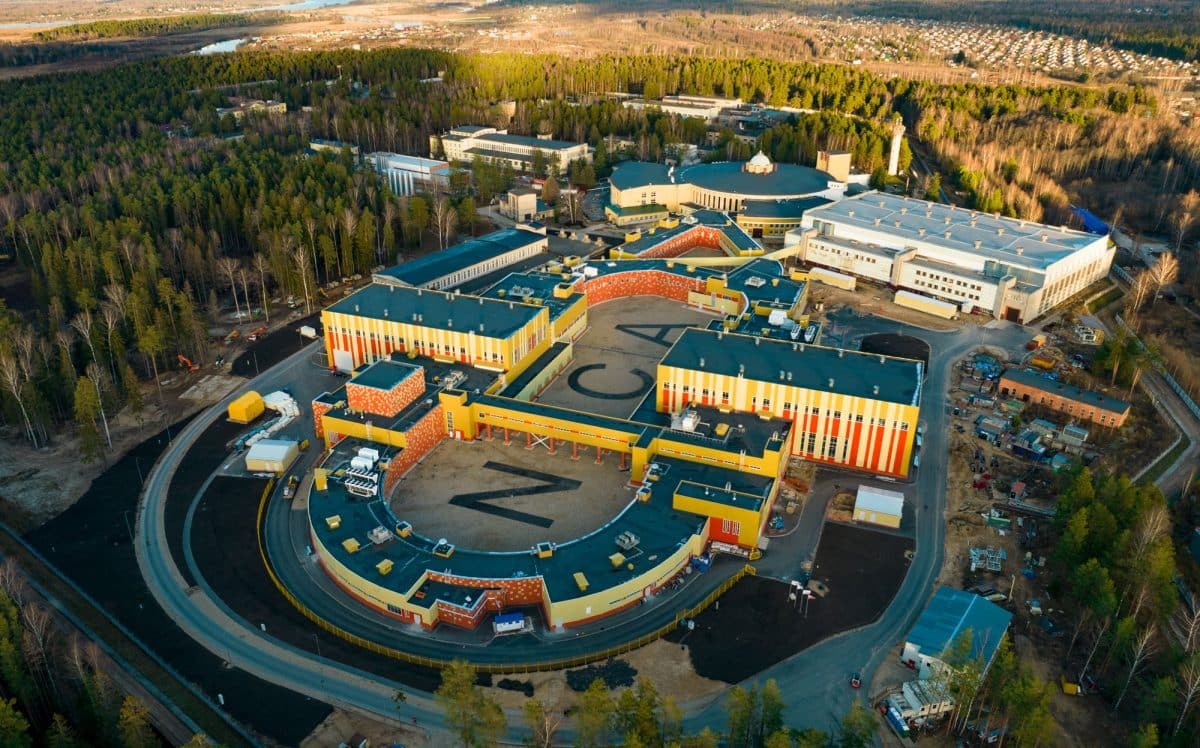
Experts from the Moscow Institute of Physics and Technology and the Joint Institute for Nuclear Research have proposed a compact Siberian snake magnetic field device design for Russia's NICA collider. The device employs a transverse magnetic field, aiming to maintain proton spin direction during acceleration to a maximum of 13.5 GeV and control polarization orientation during experiments. Related numerical simulations of proton polarization show that this design can effectively suppress beam depolarization. Russia's NICA accelerator complex — Moscow Institute of Physics and Technology press office In an accelerator, proton beams travel along a closed orbit, and particle spins precess around a specific rotation axis. When the beam reaches certain energies, spin may resonate with periodic perturbations in the ring structure, causing beam depolarization; without dedicated control measures, the beam polarization state required for experiments would be difficult to maintain.
2026-08-18
China and Singapore Sign Memorandum of Understanding on Cooperation in Peaceful Uses of Nuclear Technology
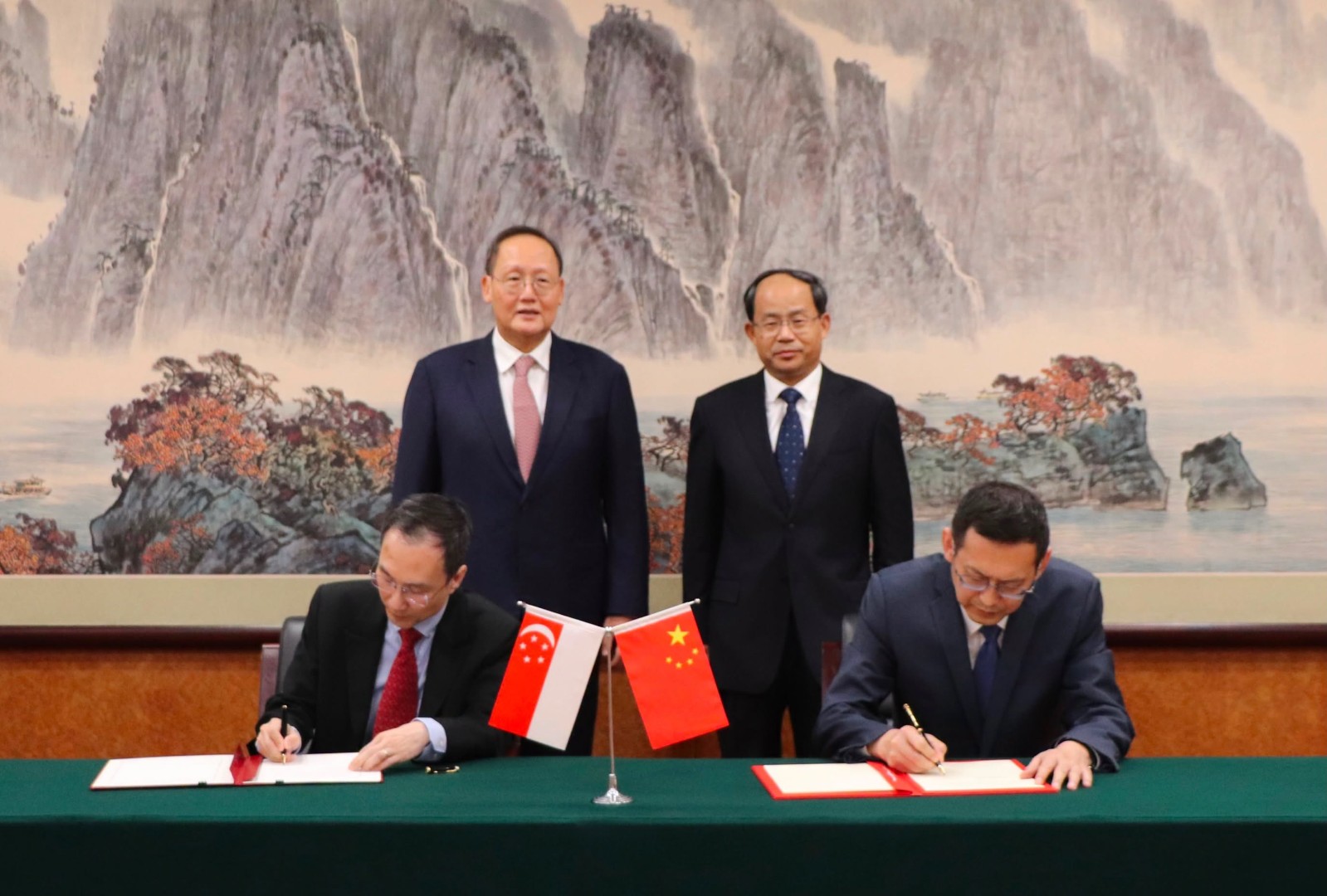
Singapore's Ministry of Trade and Industry and the China Atomic Energy Authority recently signed a Memorandum of Understanding on cooperation in the peaceful uses of nuclear technology, with cooperation priorities including capacity building for assessing potential nuclear energy deployment, safety assessment of nuclear reactor technology, personnel training, and nuclear technology applications. The signing ceremony was held on August 17. Singapore's Permanent Secretary for Energy and Trade at the Ministry of Trade and Industry, Augustin Lee, and Liu Jing, Deputy Director of the China Atomic Energy Authority, signed the document on behalf of their respective sides. Singapore's Minister for Trade and Industry (Energy and Industry), Tan See Leng, and Shan Zhongde, Director of the China Atomic Energy Authority, witnessed the signing...
2026-08-18
South Korea's Nuclear Expansion Faces Fuel Supply Pressure as Enriched Uranium Costs Surge Nearly Sixfold in Seven Years
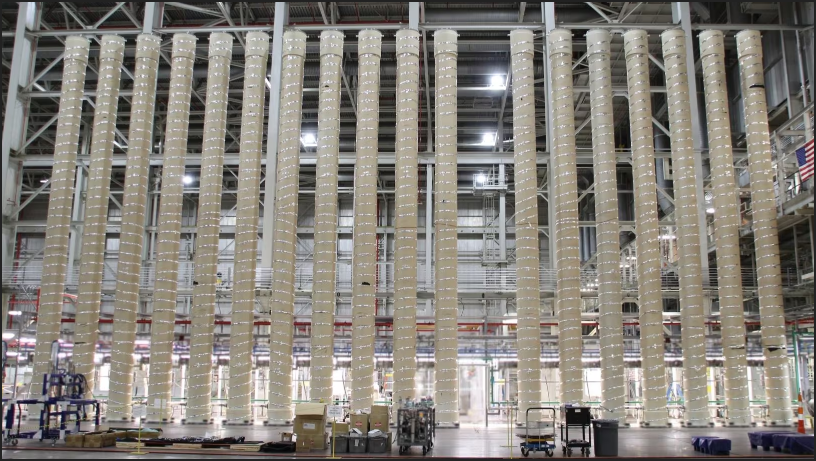
Against the backdrop of accelerating global nuclear power construction and surging electricity demand from AI data centers, the nuclear fuel supply chain is facing new tensions. Due to limited uranium enrichment capacity and sanctions affecting Russian-related supplies, international uranium enrichment prices have risen sharply over the past seven years. South Korea's nuclear expansion plans are consequently facing fuel procurement pressure, with industry experts concerned that if mid- to long-term nuclear fuel security proves insufficient, newly built nuclear units could face operational risks in the future. Korea Hydro & Nuclear Power (KHNP) recently disclosed that South Korea's domestic annual enriched uranium consumption is expected to increase from approximately 460 tons currently to about 540 tons next year. The rising demand mainly stems from the overlap between life-extension operations of some older nuclear units and the commissioning of new units...
2026-08-18
China National Nuclear Power Deeply Studies and Practices the Ecological Environment Code, Undertaking the Historic Mission of Green and Low-Carbon Energy Transition
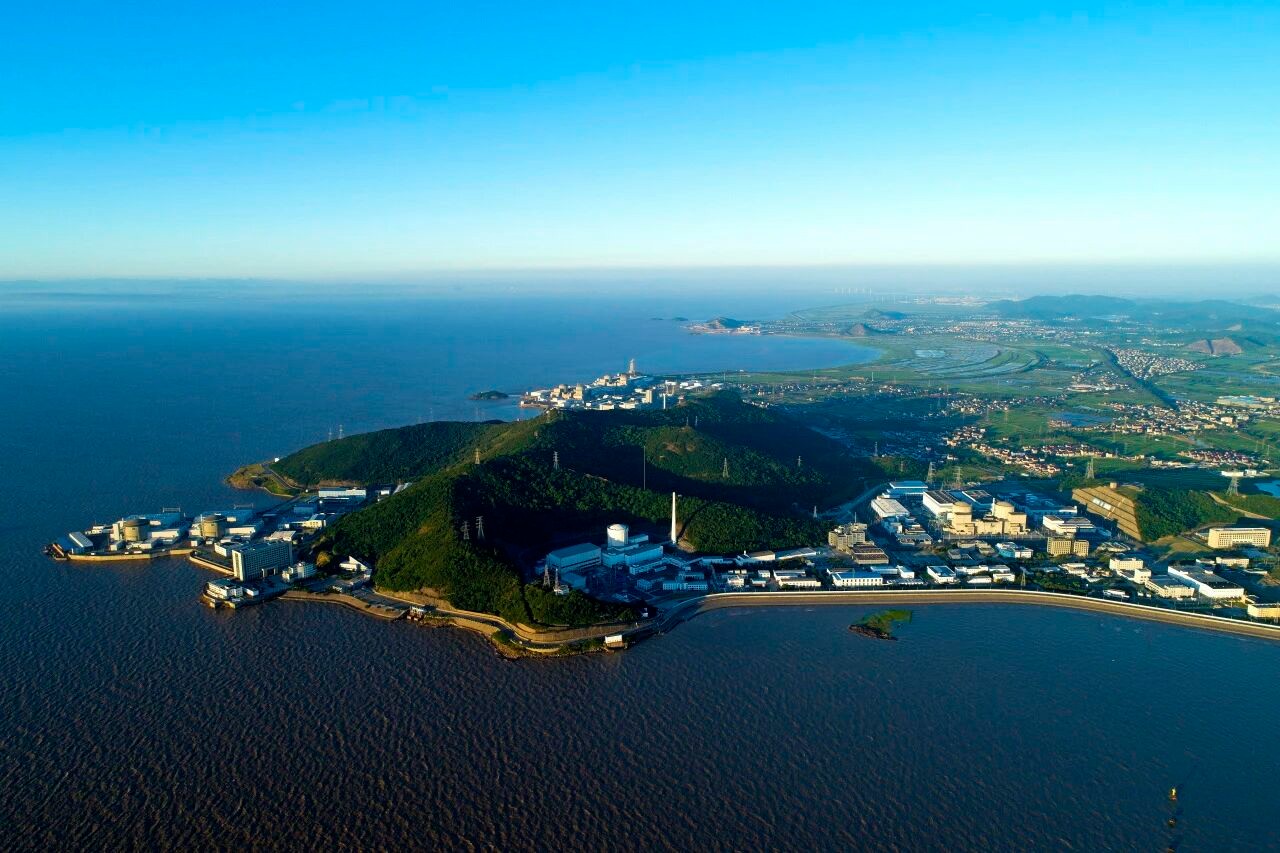
The Ecological Environment Code of the People's Republic of China (hereinafter referred to as the Ecological Environment Code) officially came into effect on August 15, 2026. The Ecological Environment Code is an important achievement in implementing Xi Jinping's Thought on Ecological Civilization and Xi Jinping's Thought on the Rule of Law. It is the second law in China named after a "Code" following the Civil Code of the People's Republic of China, providing solid legal safeguards and fundamental legal guidance for the construction of a Beautiful China. China National Nuclear Power Co., Ltd. (hereinafter referred to as China National Nuclear Power), as a main force in China's nuclear energy development and an important force in achieving the "dual carbon" goals, deeply implements the Ecological Environment Code, practices the concept of green development, contributes safe and clean energy, and empowers the construction of a Beautiful China...
2026-08-18
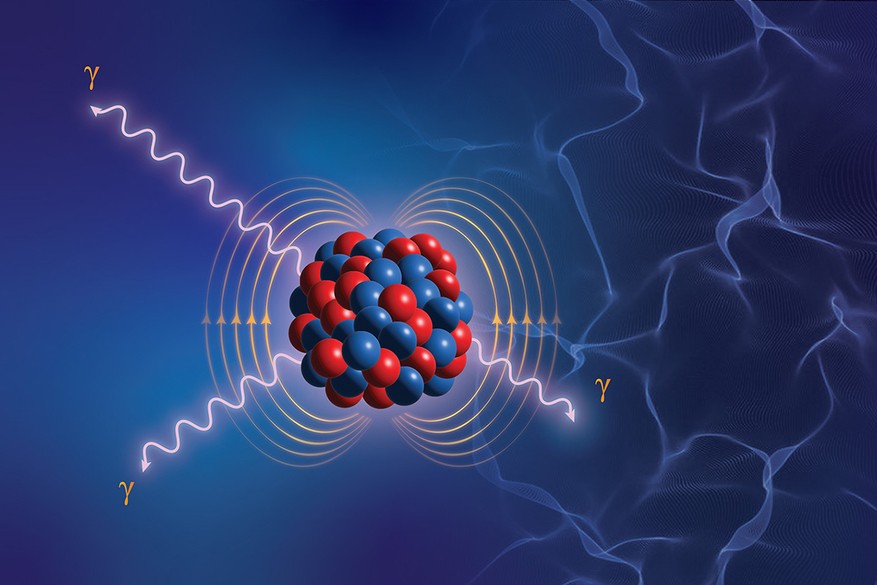
US FRIB Research Reveals Low-Energy Gamma-Ray Enhancement Originates from Nuclear Magnetic Transitions
An international research team led by the US Facility for Rare Isotope Beams (FRIB), with participation from Lawrence Livermore National Laboratory (LLNL) and other institutions, recently published findings in Nature that explain a long-standing question in nuclear physics: why some atomic nuclei emit anomalously high numbers of low-energy gamma rays. Image: FRIB Gamma rays are a type of electromagnetic radiation. Excited atomic nuclei release gamma rays during radioactive decay, gradually returning to lower, more stable energy levels. Over the past few decades, scientists have discovered that certain nuclei exhibit a low-energy enhancement phenomenon, where the number of low-energy gamma rays emitted exceeds expectations. However, this phenomenon is not universal, and its occurrence is theoretically difficult to predict.
2026-08-18
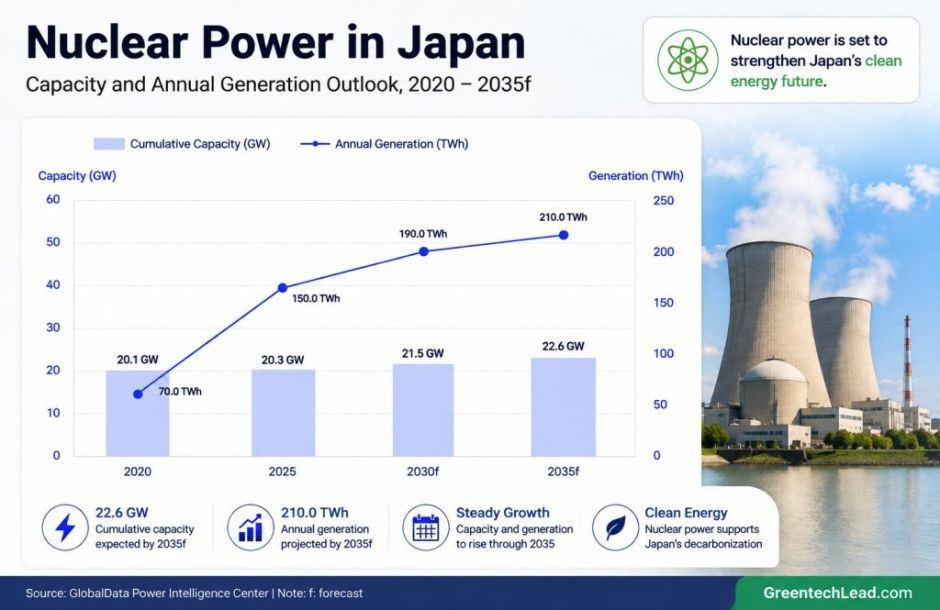
Japan's Nuclear Power Revival Enters Supply Chain Rebuilding Phase, with Spent Fuel and Engineering Capacity as Key Constraints
As Japan advances energy security, reduces dependence on fossil fuel imports, and expands low-carbon electricity supply, the focus of the country's nuclear power market is shifting from mere reactor restarts to a comprehensive supply chain rebuild covering manufacturing, operations and maintenance, life extension, fuel cycle, and waste management. GlobalData estimates Japan's nuclear power generation at 101.0 TWh in 2025 and projects it to increase to 123.3 TWh by 2035. Japan's policy target is to maintain nuclear power at approximately 20% to 22% of the electricity generation mix. Based on total annual electricity demand of approximately 1,050 TWh, a 20% nuclear share corresponds to about 210 TWh, while a 22% share corresponds to about 231 TWh. Compared with the 2025 nuclear generation figure of 101.0 TWh, the estimated gap is approximately 109 TWh to 130 TWh.
2026-08-18
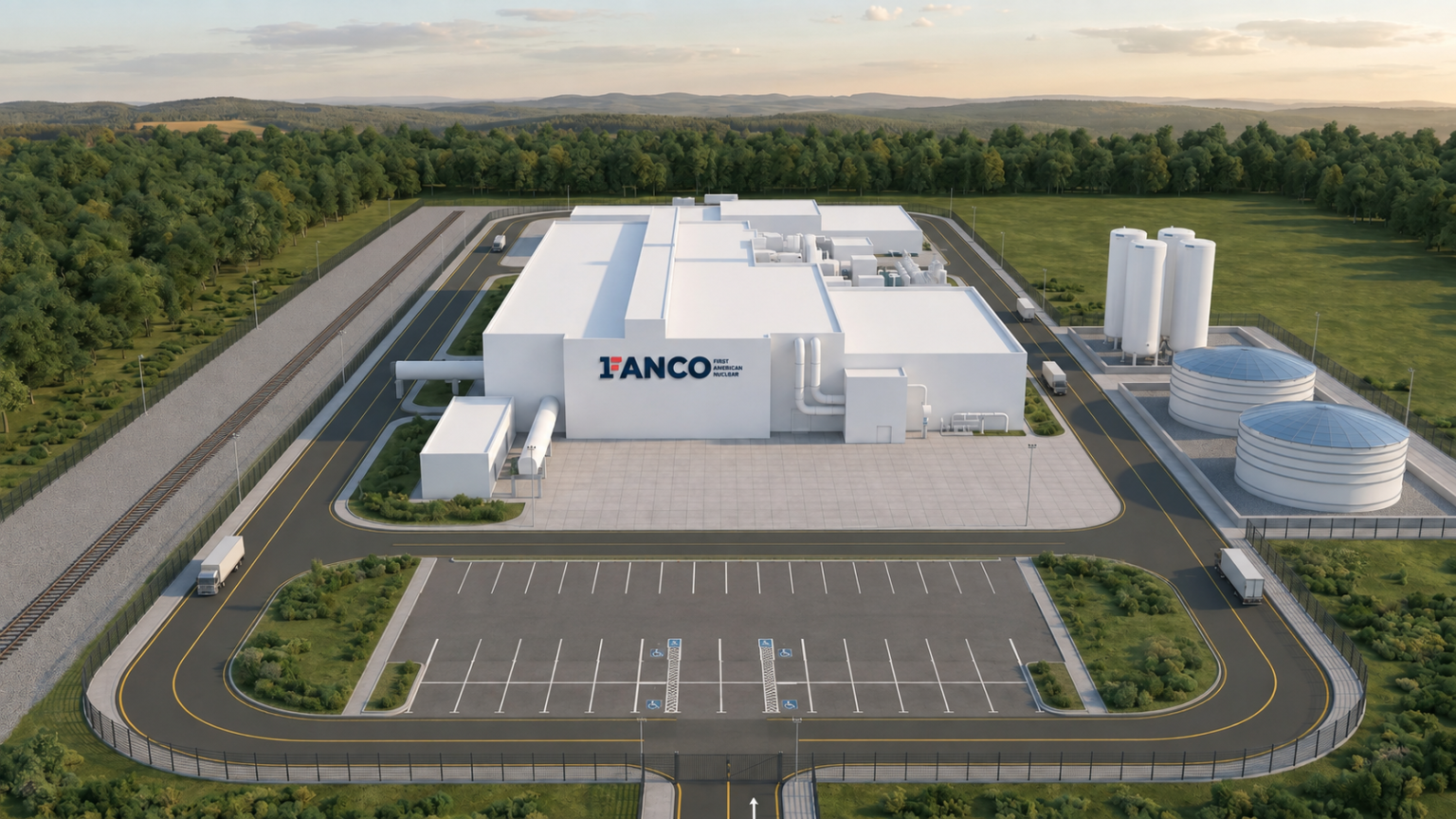
First American Nuclear Company's Regulatory Engagement Plan for Proposed HALEU Fuel Facility Accepted for Docketing by NRC
First American Nuclear Co. (FANCO) announced on August 17 that its regulatory engagement plan for the proposed Class II high-assay low-enriched uranium (HALEU) conversion and fuel fabrication facility has been accepted for docketing by the U.S. Nuclear Regulatory Commission (NRC). The facility will serve the company's EAGL-1 small modular reactor project currently under development. According to the company's disclosure, the NRC ADAMS accession number for the letter of intent is ML26222A181, and the NRC ADAMS accession number for the regulatory engagement plan is ML26222A177. This submission advances the pre-application regulatory engagement between FANCO and the NRC regarding the proposed ceramic fuel fabrication facility. The facility is planned to support the EAGL-1 lead-bismuth...
2026-08-18
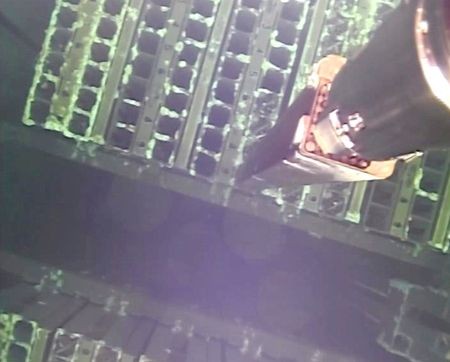
Removal of Highly Radioactive Spent Fuel Begins at Unit 2 of Fukushima Daiichi Nuclear Power Station
Tokyo Electric Power Company Holdings (TEPCO) said on August 17 that it has begun removing spent fuel assemblies with high radiation levels from the spent fuel pool of Unit 2 at the Fukushima Daiichi Nuclear Power Station in northeastern Japan, the site of a severe nuclear accident. Last month, TEPCO removed 28 unused nuclear fuel assemblies from the Unit 2 spent fuel pool. Compared with spent fuel, these unused fuel assemblies pose relatively lower risks. The company plans to complete the removal of spent fuel from Unit 2 by the end of fiscal year 2028. To date, the Unit 2 spent fuel pool contains a total of 587 spent fuel assemblies, of which TEPCO has completed the removal of...
2026-08-18
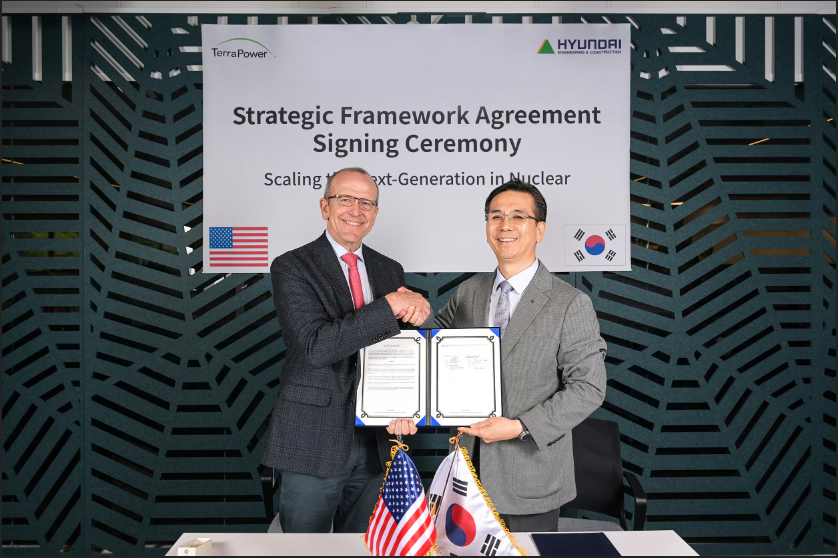
Hyundai E&C Signs Framework Agreement with TerraPower for Natrium Nuclear Power Plant Project
Hyundai Engineering & Construction announced on the 18th that it has signed a framework agreement with U.S. nuclear energy company TerraPower for the execution of the Natrium next-generation nuclear power plant project. Under the agreement, Hyundai E&C has been granted priority status to serve as the engineering, procurement, and construction (EPC) general contractor for up to eight additional Natrium nuclear units developed by TerraPower. The signing ceremony was attended by senior executives from both companies, including Hyundai E&C CEO Lee Han-woo and TerraPower CEO Chris Levesque. The two parties plan to expand cooperation in the nuclear energy sector and jointly explore new business opportunities...
2026-08-18
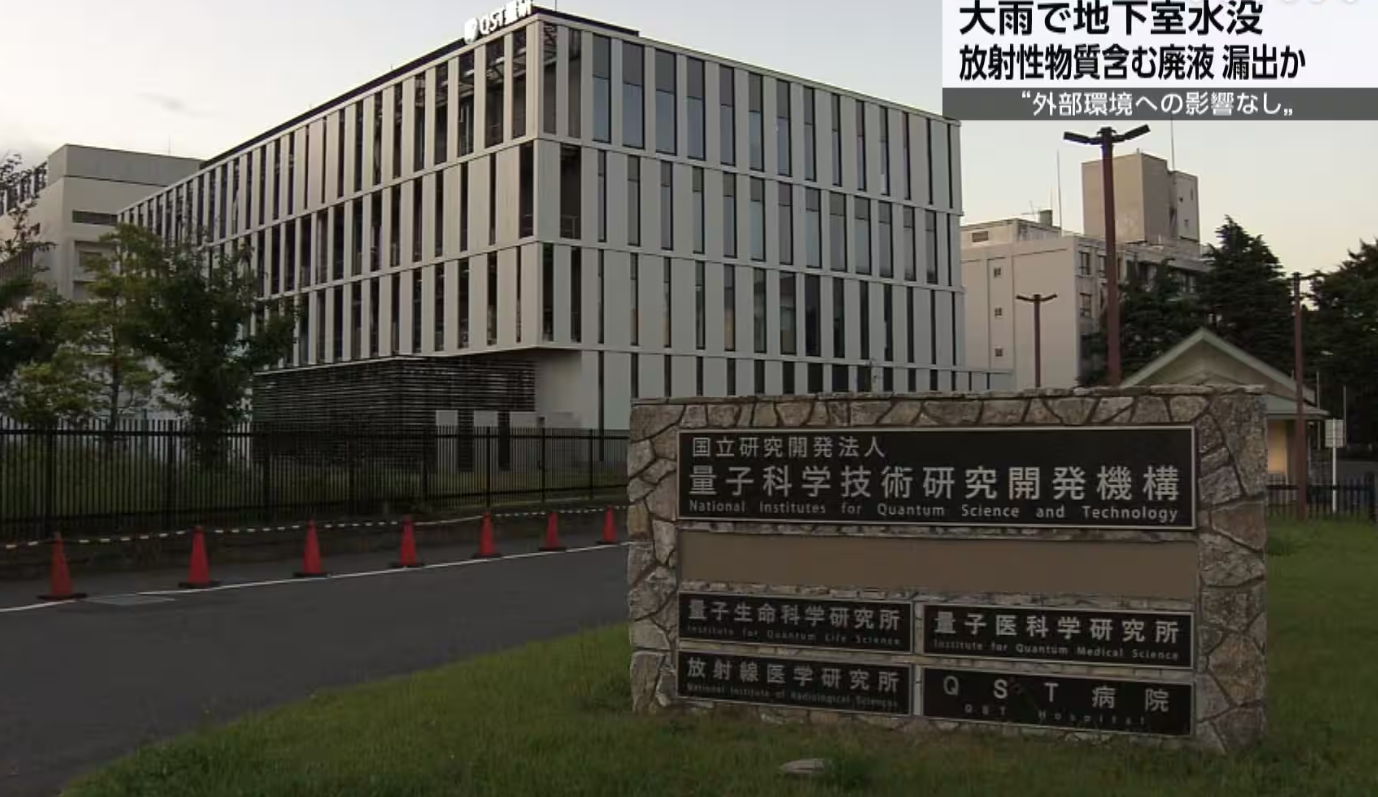
Radioactive liquid waste leak suspected at QST's underground facility in Chiba due to record rainfall
According to Japanese media reports, due to record-breaking rainfall in Chiba Prefecture, an underground facility of the National Institutes for Quantum Science and Technology (QST) in Chiba City was flooded, and radioactive liquid waste in underground storage tanks at the facility may have mixed with rainwater and leaked outdoors. QST stated that as of the 13th, an estimated 2,000 to 3,000 liters of liquid waste had accumulated in the relevant underground storage tanks. After investigating water bodies around the tanks, the institute confirmed that detected radioactive material concentrations were below standard values, and no environmental impact has been indicated so far. QST reported the incident to national and local governments the following day and plans to submit preventive measures to the Nuclear Regulation Authority of Japan.
2026-08-18
Safety measure costs after Japan's nuclear plant accident rise to at least 6.606 trillion yen
A survey of 11 Japanese electric power companies shows that the total cost of safety measures required for nuclear plants to meet new regulatory standards following the Fukushima Daiichi accident has reached at least 6.606 trillion yen. Affected by rising prices, this figure has increased slightly from the previous year. About half of the surveyed companies said that rising costs of materials, equipment, and construction have pushed up related expenses, and the total may continue to rise in the future. After the Fukushima Daiichi accident, Japan implemented new nuclear regulatory standards requiring plants to strengthen earthquake and tsunami protection and improve severe accident response measures. Related costs mainly include seawalls, emergency power supplies, filtered venting equipment, and...
2026-08-18
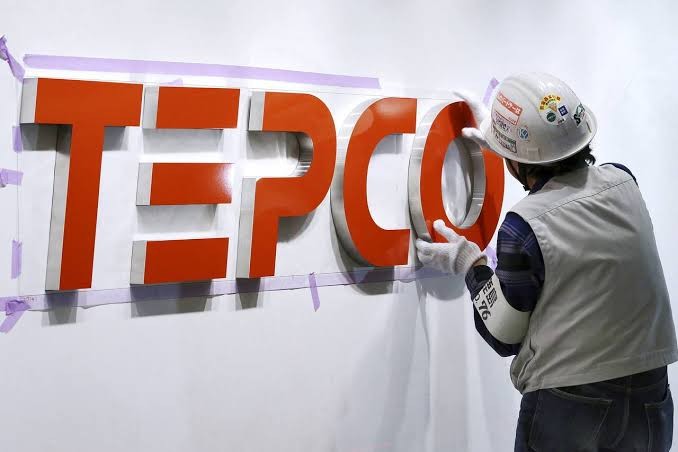
Multiple regions in Japan demand nuclear power operators strengthen safety management and information disclosure
On August 17, Keisuke Yokoo, the new chairman of Tokyo Electric Power Company (TEPCO), visited the Niigata Prefectural Government and met with Niigata Governor Hideyo Hanazumi. Yokoo assumed his post in June, becoming the first chairman of TEPCO to come from a financial institution. The meeting is seen as an arrangement for the new TEPCO management, following its official launch, to communicate with local governments on nuclear safety and trust rebuilding. Yokoo stated that, as the party responsible for the Fukushima Daiichi nuclear accident, TEPCO will always bear in mind that there is no end to safety and will continuously improve the safety level of its nuclear power plants. He also expressed his commitment to ensuring the safe operation of the Kashiwazaki-Kariwa Nuclear Power Plant. Hanazumi said at the meeting...
2026-08-18
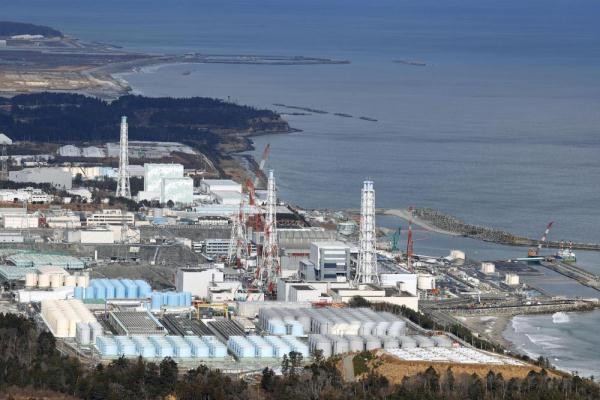
Fire alarm triggered for fifth time at Fukushima Daiichi Nuclear Power Station in August; no fire confirmed on site
At 7:14 a.m. on August 18, a fire alarm was triggered on the first basement floor of the turbine building of Unit 5 at the Fukushima Daiichi Nuclear Power Station. Tokyo Electric Power Company (TEPCO) stated that after fire department personnel arrived and conducted inspections, no fire was confirmed on site at 7:55 a.m. Readings from radiation monitoring stations around the plant showed no significant fluctuations. This was the fifth time a fire alarm had been triggered at the Fukushima Daiichi Nuclear Power Station since the beginning of August. Previously, related alarms had occurred on August 8 at the maintenance building for Units 5 and 6, on August 12 at the emergency diesel generator room for the high-pressure core spray system of Unit 6, on August 13 at the main administration building, and on August 15 at the southwest stairwell of the turbine building of Unit 5. After each of the above alarms was triggered, the fire department confirmed that no fire had occurred...
2026-08-18

Nuclear-powered icebreaker "Leningrad" completes installation of two RITM-200 reactors
United Shipbuilding Corporation (USC) announced that Baltic Shipyard has completed the installation of two RITM-200 nuclear reactors on the Project 22220 nuclear-powered icebreaker "Leningrad". The "Leningrad" is the sixth vessel in the Project 22220 nuclear-powered icebreaker series. The vessel is being built by Baltic Shipyard under an order from Rosatom, and its keel-laying ceremony was held on January 26, 2024. Project 22220 nuclear-powered icebreakers are primarily designed to ensure year-round navigation in the western Arctic waters of Russia. Equipped with nuclear propulsion systems, these vessels can perform icebreaking escort and fairway maintenance missions under complex ice conditions.
2026-08-18
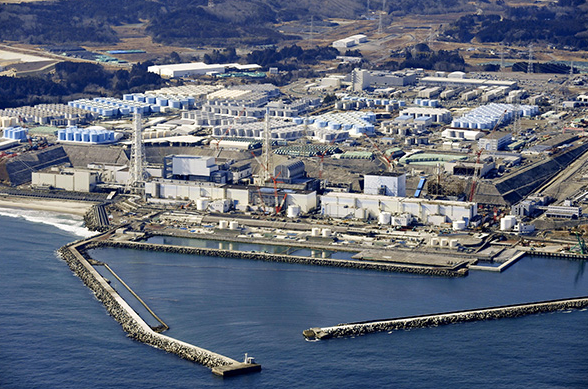
22nd Round of Fukushima Daiichi Nuclear Power Station ALPS Treated Water Discharge Completed
Tokyo Electric Power Company (TEPCO) stated on August 17 that the 22nd round of ALPS treated water discharge from the Fukushima Daiichi Nuclear Power Station had been completed by the afternoon of the same day (local time). This round of discharge began on July 30, with a total of 7,888 tonnes of ALPS treated water released. According to information released by TEPCO, the total amount of radioactive tritium contained in the water discharged in this round was approximately 1.3 trillion becquerels. This is the 4th round of ALPS treated water discharge from the Fukushima Daiichi Nuclear Power Station in Japan's fiscal year 2026. Japan began discharging ALPS treated water from the Fukushima Daiichi Nuclear Power Station in August 2023. To date, 22 rounds of discharge have been carried out, with a cumulative discharge volume of approximately 173,000 tonnes...
2026-08-18