
Search Results
Keyword:STI
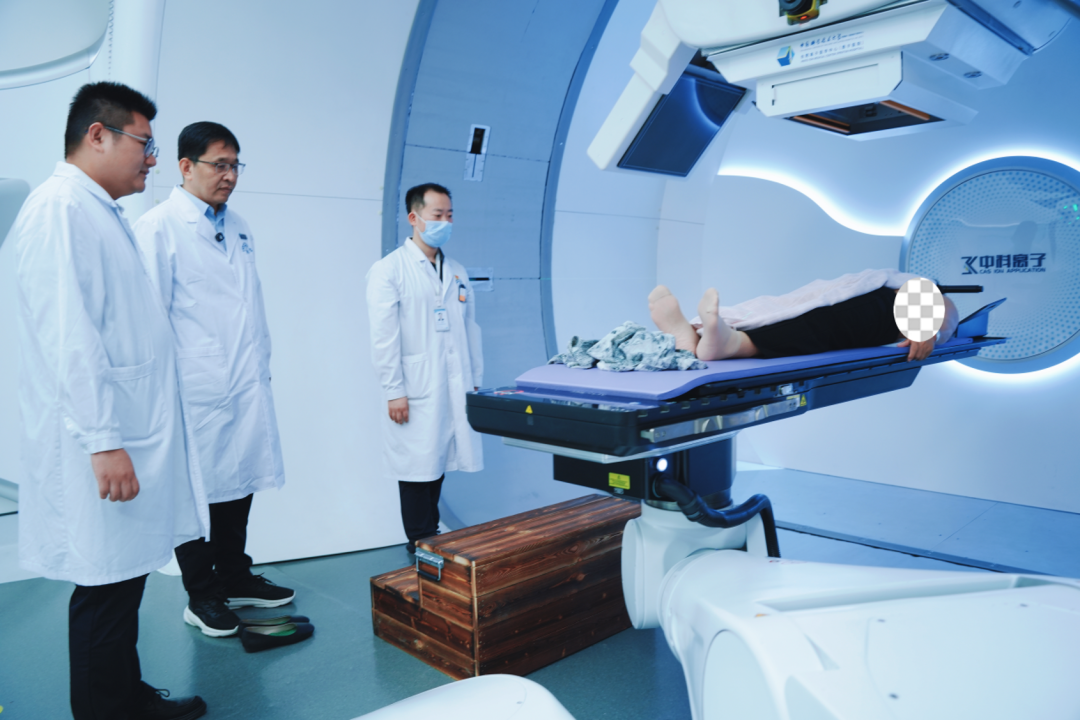
First Clinical Treatment Successfully Completed with China's Domestic Superconducting Cyclotron Proton Therapy System by CYC-Ion
On the morning of August 7, the domestically developed superconducting cyclotron proton therapy system, independently developed by Hefei CYC-Ion Medical Technology Equipment Co., Ltd., completed the first clinical trial treatment of a subject at Hefei Ion Medical Center. This marks a significant breakthrough as the first domestically produced superconducting cyclotron proton radiation therapy system in China. The subject in this case was a lung cancer patient. The superconducting proton therapy system used in the trial is equipped with the SC240 superconducting cyclotron independently developed by CYC-Ion, featuring an ultra-large irradiation field and 360° full-angle beam delivery capability. The entire treatment process relied on multi-modal fusion 4D image-guided precise positioning, enabling dynamic adaptation and precise treatment. The equipment operated smoothly with low noise, and the treatment control software ran...
2026-08-07
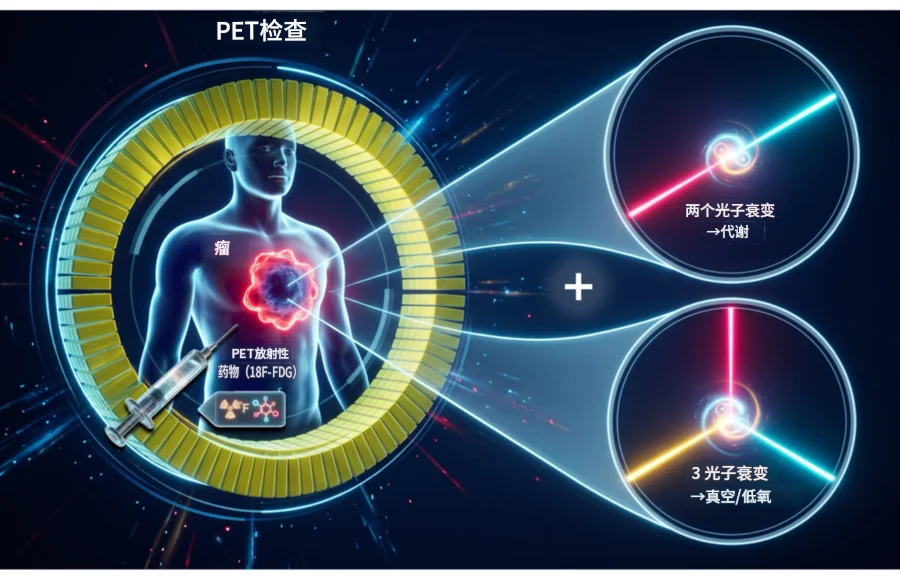
First Validation of Novel PRI Technology: Existing PET Tracers Can Image Tissue Microenvironment
August 6, 2026 - A joint research team from the Graduate School of Engineering at the University of Tokyo and the University of York in the UK announced that they have established a novel geometric imaging principle utilizing positron three-photon decay and successfully validated Positronium Ratio Imaging (PRI) technology for the first time. This method can be used in conjunction with existing clinical PET tracers and is expected to provide a new means of observing tissue microenvironments in nuclear medicine imaging. Conceptual diagram of next-generation nuclear medicine imaging utilizing positron-3-photon decay. Current clinical PET scans primarily rely on the positron two-photon annihilation process to visualize the distribution and accumulation of tracers in the body, but they provide limited information on microenvironmental factors such as tissue hypoxia that are associated with disease malignancy...
2026-08-07
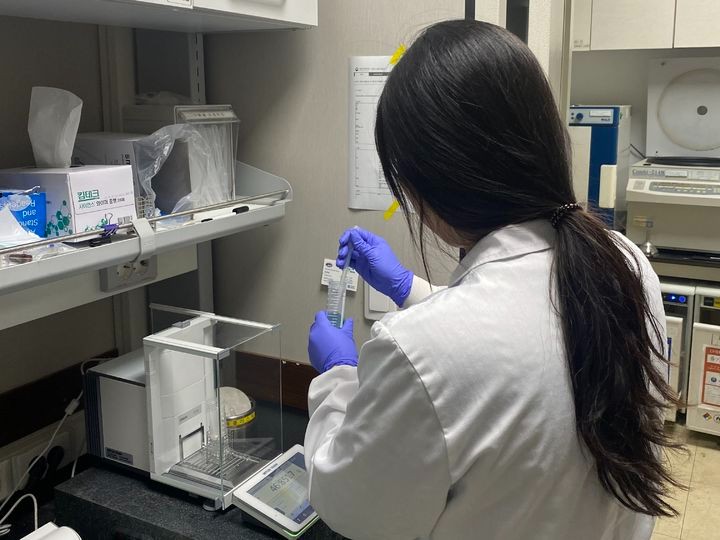
Radioactivity test results for agricultural and fishery products in North Chungcheong Province, South Korea, pass standards in first half of the year
The Chungcheongbuk-do Institute of Health and Environment announced on August 7 that it conducted radioactivity safety testing on agricultural and fishery products sold and used within the province in the first half of this year, and the results showed that all relevant samples met food radioactivity safety standards. The testing covered 119 types of agricultural products and 274 types of fishery products sold at large supermarkets, local food direct-sale stores, or used as ingredients for school meals. Testing items included indicators such as radioactive iodine, radioactive cesium, and tritium. The test results showed that the levels of radioactive iodine and radioactive cesium in the samples did not exceed the permissible limit of 100 Bq/kg for food radioactivity; tritium was not detected in any of the 80 seafood samples. The relevant test results can be found on the Chungcheongbuk-do Institute of Health and Environment website.
2026-08-07
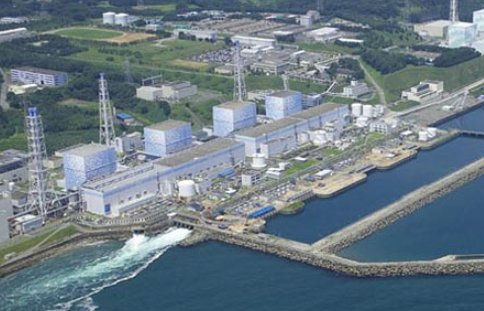
New Decommissioning Plan for Fukushima Daiichi: Priority on Internal Investigation of Unit 3 Before Fuel Debris Retrieval
The Nuclear Damage Compensation and Decommissioning Facilitation Corporation of Japan released on August 6 an outline of the 2026 edition of the "Decommissioning Strategic Plan," proposing technical approaches for the decommissioning of Tokyo Electric Power Company's Fukushima Daiichi Nuclear Power Station. The plan highlights that, for the large-scale retrieval of melted fuel debris at Unit 3, expected to commence in or after fiscal year 2037, priority should currently be given to internal investigations of the reactor building to provide a more reliable basis for subsequent engineering plans. The plan states that the fuel debris retrieval method being studied by TEPCO still requires further improvement in certainty, with the key prerequisite being an understanding of the actual internal conditions of the reactor. Due to the high radiation levels of the water inside the unit following the accident...
2026-08-07
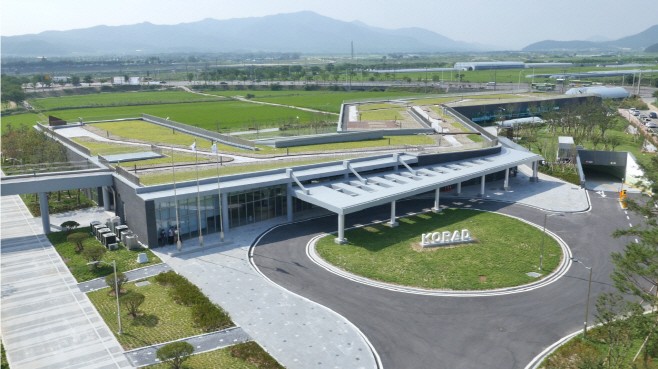
South Korea to Investigate Seawater Radioactivity Levels Along Maritime Transport Routes for Radioactive Waste
The Korea Atomic Energy Environment Corporation (KAEEC) will conduct an investigation this year into seawater radioactivity levels along the maritime transport routes for radioactive waste from nuclear power plants, in order to assess the radiological environmental impact during the transport of radioactive waste to the Gyeongju low- and intermediate-level radioactive waste disposal facility. According to information released on August 6 by the Korea National Electronic Procurement System, KAEEC recently published a public notice regarding radiation analysis services for seawater samples collected along the maritime transport routes for low- and intermediate-level radioactive waste. Once the contractor is selected, the investigation is scheduled to be completed by the end of this year. Under the arrangement, KAEEC will conduct three maritime transport operations of radioactive waste this year, one each from the Gori, Hanul, and Hanbit nuclear power plants to the Gyeongju disposal facility...
2026-08-07
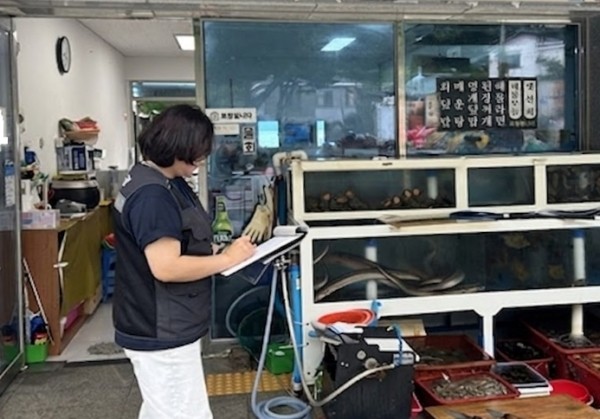
South Gyeongsang Province Completes 380 Food Radioactivity Tests in First Half of Year, All Meeting Standards
The Gyeongsangnam-do Institute of Health and Environment recently announced that in the first half of this year, it conducted radioactivity testing on agricultural products, aquatic products, and processed foods already in circulation, completing tests on 380 samples. Testing items included radioactive iodine, radioactive cesium, and tritium, with all results meeting food radiation-related standards. According to the institute, it continues to conduct radiation monitoring on foods with high market consumption to ensure the daily dietary safety of residents. Of the 380 tests completed in the first half of this year, 338 were for iodine and cesium, and 42 were for tritium, with no samples exceeding permissible levels. In terms of monitoring methods, the institute has established a...
2026-07-27
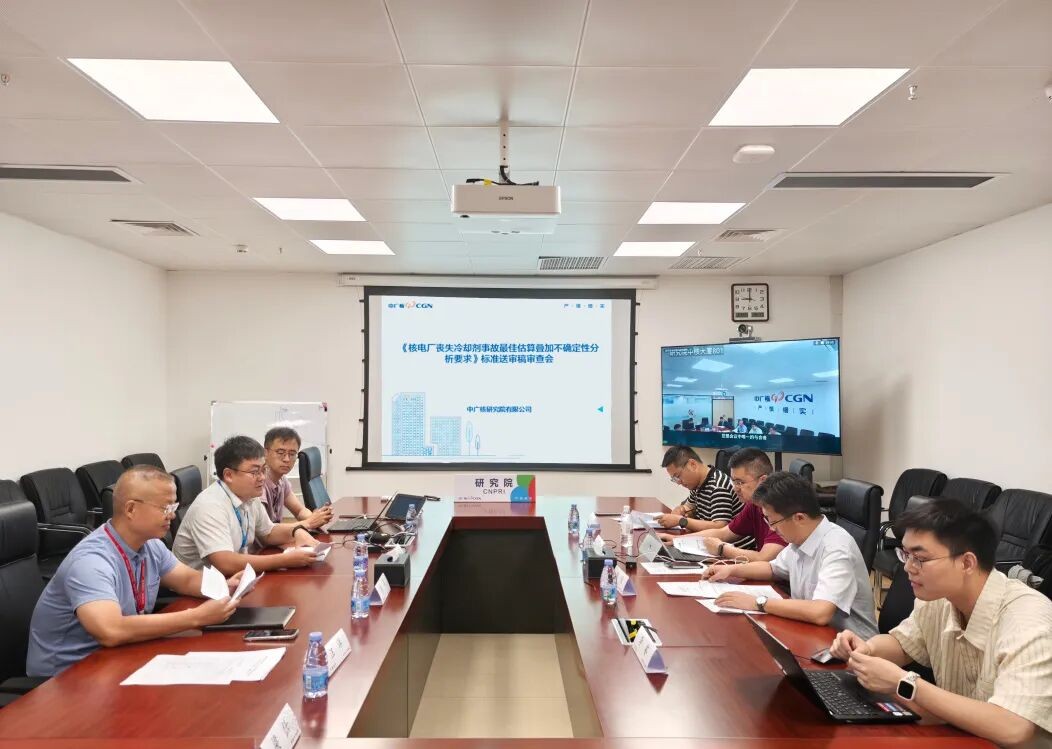
China's First Industry Standard for LOCA BEPU Analysis, Led by CGN Research Institute, Officially Released
Recently, approved by the National Energy Administration, the energy industry standard "Technical Requirements for Best Estimate Plus Uncertainty Analysis of Loss of Coolant Accident in Pressurized Water Reactor Nuclear Power Plants" (NB/T 20751-2026), led by CGN Research Institute, was officially released. The standard was developed under the leadership of the Research Institute, in collaboration with the Nuclear and Radiation Safety Center of the Ministry of Ecology and Environment, China Nuclear Power Research and Design Institute, Shanghai Nuclear Engineering Research and Design Institute, Hualong Nuclear Power Technology Co., Ltd., and China Nuclear Power Engineering Co., Ltd., among other organizations. It will come into effect on December 26, 2026. This standard is China's first BEPU analysis...
2026-08-06
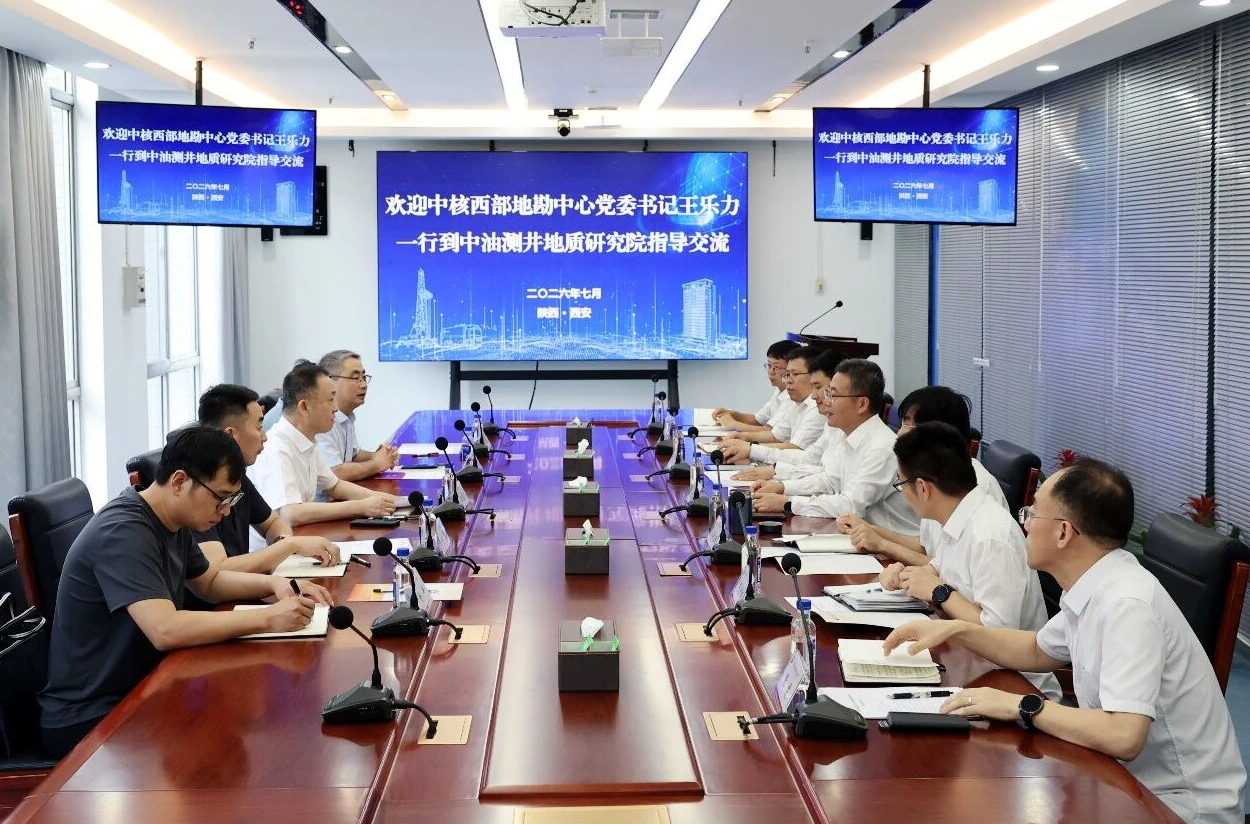
CNNC Western Geological Survey Center Conducts Business Exchange with CNPC Logging Geological Research Institute
To thoroughly implement the national strategy for energy and resource security, promote the integration and mutual enhancement of oil and gas logging and uranium ore geological survey technologies, facilitate cross-industry research resource sharing and joint tackling of key technologies, recently, Wang Leli, Party Secretary of CNNC Western Geological Survey Center, led a team to CNPC Logging Geological Research Institute for a special technical exchange and discussion. At the meeting, Wan Jinbin, Party Secretary of CNPC Logging Geological Research Institute, systematically introduced mature technology systems including domestic integrated oil and gas logging equipment, downhole detection, petrophysical experiments, intelligent logging interpretation, deep well detection, and multi-source geological data analysis, and shared uranium exploration experience in oil- and gas-bearing basins through practical case studies. Wang Leli introduced the reform and development overview of the Western Center, its uranium exploration history, major achievements, and research directions such as technical difficulties and metallogenic prediction in uranium exploration of key northwestern basins.
2026-08-06
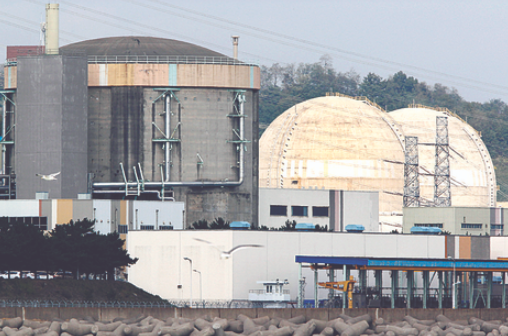
South Korea Advances First Domestic Commercial Production of Lu-177 Using Wolsong Heavy Water Reactors
Korea Hydro & Nuclear Power (KHNP) plans to use the heavy water reactors at the Wolsong Nuclear Power Plant to produce, for the first time domestically, the radioisotope lutetium-177 (Lu-177) for cancer treatment. Currently, South Korea relies entirely on imports for this material, which imposes cost pressures and supply instability on local radiopharmaceutical companies such as Cellbion and FutureChem. Industry experts generally believe that domestic production will help build a diversified supply chain and shorten transportation times. The primary goal of this plan is to achieve commercial production of Lu-177, with pilot production expected in 2028 and full-scale production commencing in 2031. Subsequently, KHNP will expand production to include cobalt...
2026-08-06
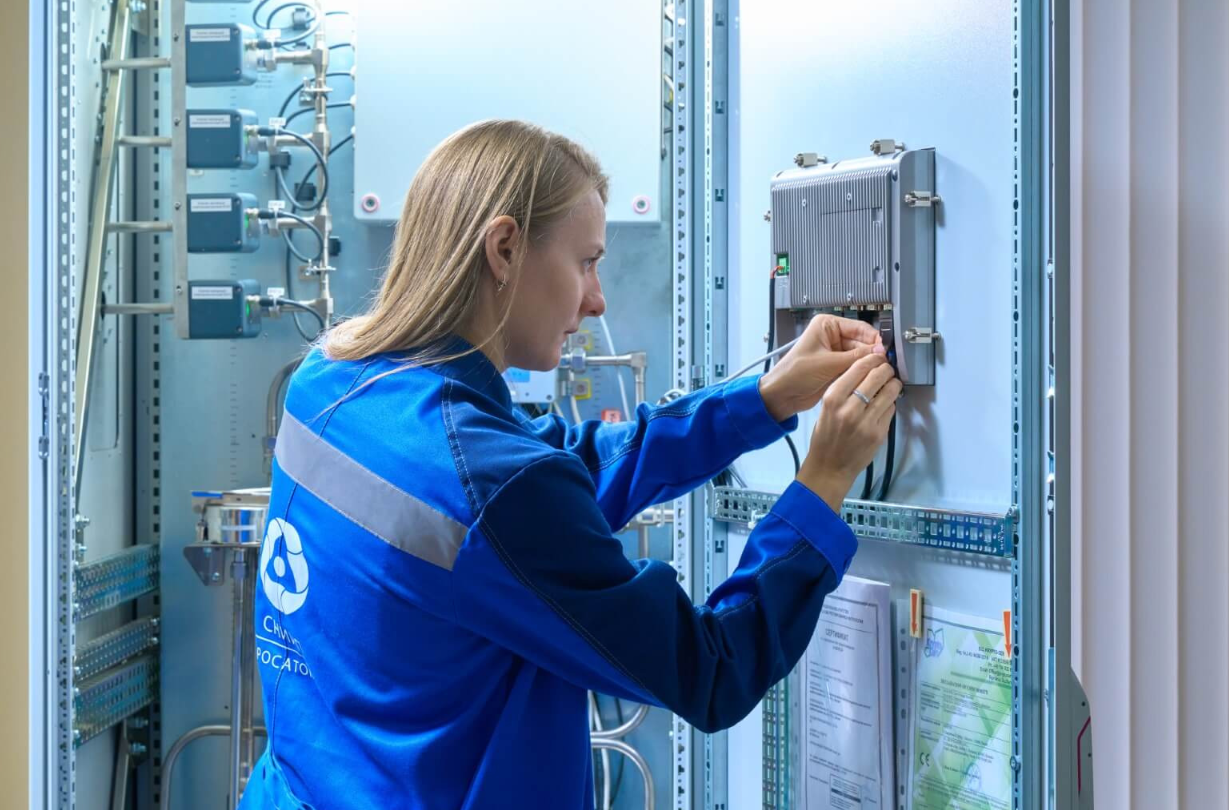
Rosatom selects SNIIP as chief design organization for radiation control systems, overseeing standardization of radiological instrumentation and import substitution assurance at nuclear facilities
Rosatom has selected the Research Institute of Scientific Instruments (SNIIP) as the chief design organization for radiation control systems. The institute, which is part of Rosatom's automation control and electrical equipment division, has been granted this status for a range of similar products in radiation control equipment and systems, including automated radiation control systems and radiation environment monitoring. SNIIP's status as chief design organization means it will be responsible for ensuring Russia's technological autonomy in this field and for developing radiation control instruments and systems. SNIIP General Director Alexey Nikitin stated that this recognition is a testament to the years of work, experience, and professional expertise of the institute's employees...
2026-08-06
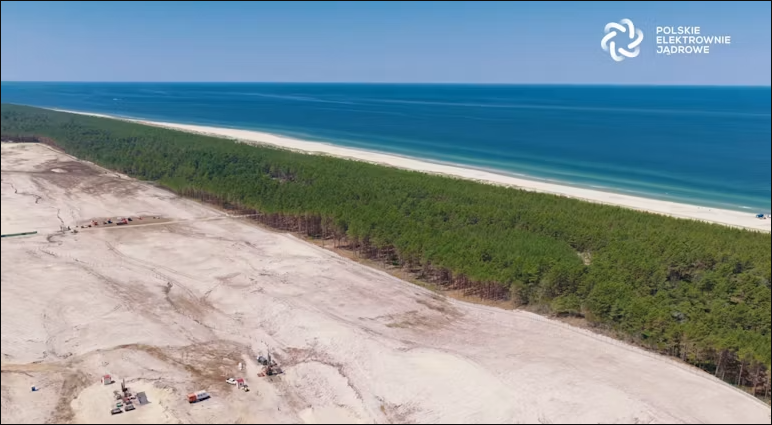
Site Handover for Poland's First Commercial Nuclear Power Plant to Bechtel
New progress has been made in the construction of Poland's first commercial nuclear power plant. The Lubiatowo-Kopalino site in the Pomerania region of northern Poland has been handed over to Bechtel of the United States, and earthworks at the project site are underway. Polskie Elektrownie Jądrowe (PEJ), Poland's state-owned project company, stated that Bechtel has replaced PEJ as the site coordinator for the project. Under the Polish government's earlier arrangement, the nuclear power plant will feature three Westinghouse Electric Company AP1000 pressurized water reactor units. In 2023, Westinghouse Electric Company and Bechtel formed a consortium to jointly advance project implementation. The nuclear power plant is sited in the Lubiatowo-Kopalino area along the Baltic Sea coast in Poland.
2026-08-06
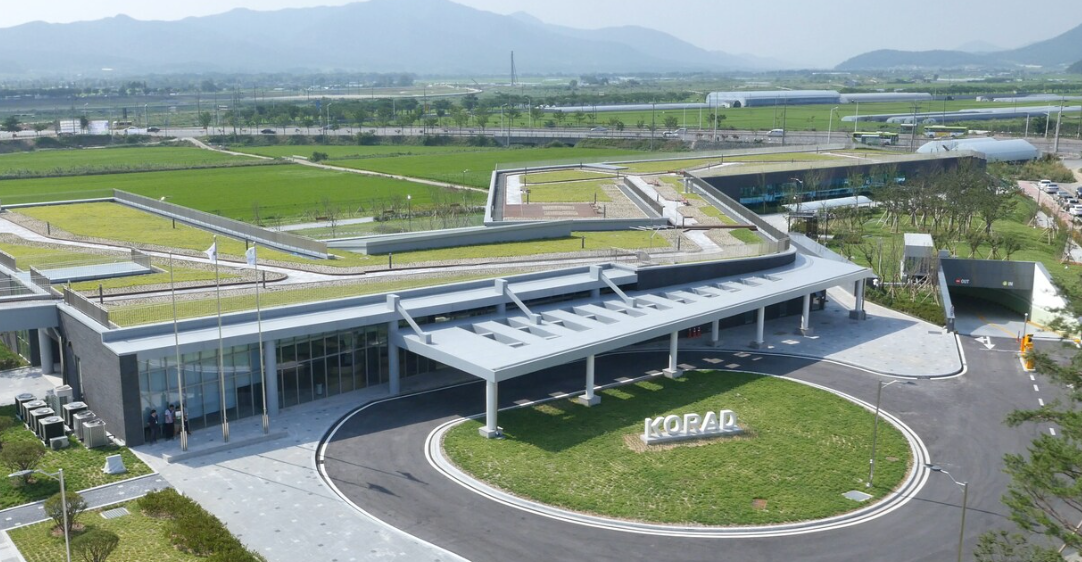
A batch of radioactive waste from the Korea Atomic Energy Research Institute deemed unsuitable for disposal due to documentation discrepancies
According to disclosures by relevant parties on August 5, a batch of radioactive waste shipped last year by the Korea Atomic Energy Research Institute (KAERI) to the low- and intermediate-level radioactive waste disposal facility (RWDF) in Gyeongju, North Gyeongsang Province, was deemed unsuitable for batch disposal due to inconsistencies between the declared documentation and actual contents. The Korea Radioactive Waste Agency (KORAD) conducted inspections after receiving the waste. KAERI shipped a total of 694 drums of radioactive waste to the disposal facility last year, of which 69 drums were inspected, and 32 were found to be non-compliant. The primary reason for non-compliance was discrepancies between the contents of the documents submitted by the institute and the actual inspection results after receipt. As a result, this batch of waste from the Korea Atomic Energy Research Institute...
2026-08-06
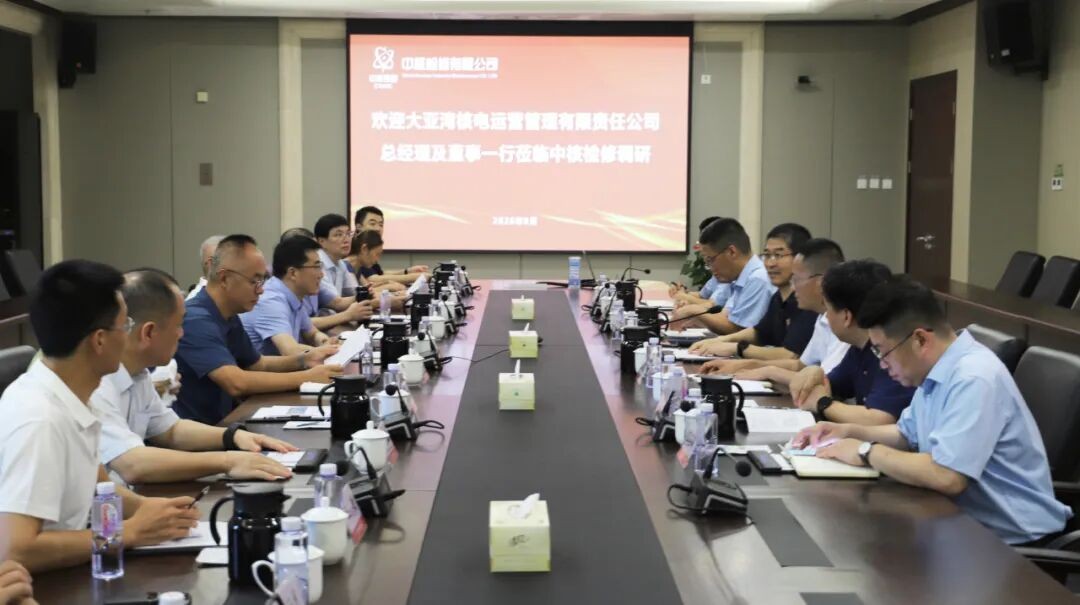
He Liuyi, Deputy Secretary of the Party Committee and General Manager of Daya Bay Nuclear Power Operations and Management Co., Ltd., along with Board Directors, Visits CGN Nuclear Maintenance for Investigation
On August 4, He Liuyi, Deputy Secretary of the Party Committee and General Manager of Daya Bay Nuclear Power Operations and Management Co., Ltd., along with Directors Wu Zijian, Cao Dongqing, and Huang Yong, visited the Qingdao base of CGN Nuclear Maintenance for investigation. Ouyang Wu, Member of the Party Committee, Chief Accountant, and Secretary to the Board of Directors of Daya Bay Nuclear Power Operations and Management Co., Ltd., Li Xiaowei, Member of the Party Committee and Deputy General Manager, and Ma Gang, Director of Guangdong Nuclear Power Joint Venture Co., Ltd., accompanied the visit. Dong Juncheng, Secretary of the Party Committee and Chairman of the Company, presided over the meeting. At the meeting, Dong Juncheng provided a detailed introduction to the company's products and services, mission and honors, Party building, industrial layout, core nuclear power maintenance technologies, achievements in building the national nuclear emergency response team, and the...
2026-08-06
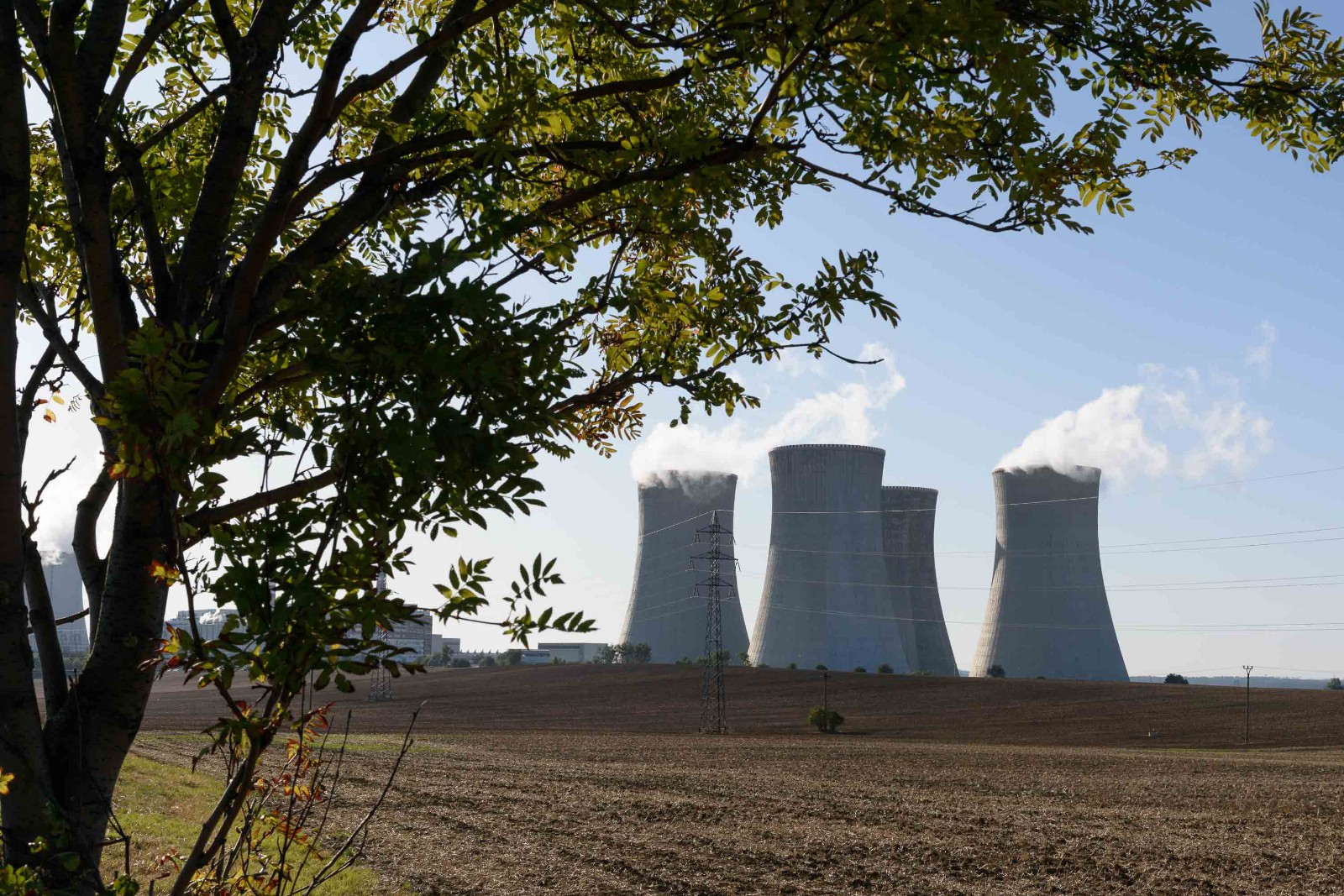
Czech nuclear safety officials say domestic nuclear power plants have sufficient cooling water for both existing and new units
Droughts across parts of Europe are affecting the operation of some nuclear power plants. Due to low water levels and flow rates in the Danube River, two reactors at Romania's Cernavodă Nuclear Power Plant have been shut down, and Hungary's Paks Nuclear Power Plant also faces the risk of a complete shutdown. Štěpán Kochánek, Chairman of the Czech State Office for Nuclear Safety (SÚJB), stated that plant operators should not be allowed to continue operating units at full power when cooling water is insufficient, and that related shutdown measures are conservative actions predefined in operating procedures. Kochánek explained that reactor shutdowns are not an unusually rare operation. Unit shutdown typically involves gradually reducing reactor power, inserting control rods, and bringing fission reactions to a minimal level or complete cessation. After shutdown, the reactor still requires cooling, but the demand for cooling water volume and capacity is significantly lower than during full-power operation. He noted that this process shares similarities with planned outages such as refueling overhauls and is a standardized procedure that operators should master.
2026-08-05
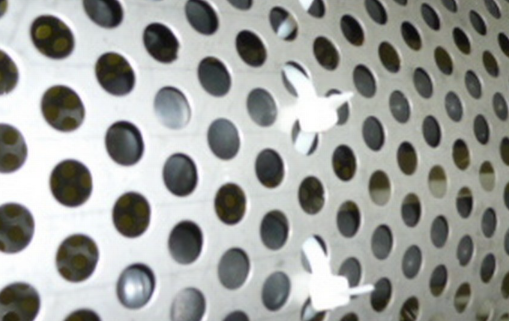
ÚJV Řež completes irradiation testing of cable samples for CERN, verifying material radiation resistance
On August 3, the Radiation Chemistry and Environmental Qualification Department of ÚJV Řež stated that it had completed irradiation testing of cable samples for the European Organization for Nuclear Research (CERN) research team within a relatively short period, and submitted the test results required for subsequent research. The purpose of this testing was to confirm whether the relevant material samples could maintain reliable performance under high-radiation environments. ÚJV Řež has long been engaged in environmental qualification and cable lifetime management, with capabilities in radiation aging, thermal aging simulation, and testing of material mechanical and electrical properties. Through these tests, researchers can assess the tolerance limits of materials in harsh environments, providing a basis for equipment selection, operation and maintenance, and subsequent experiments...
2026-08-05