
Search Results
Keyword:Safe

Balakovo NPP Conducts Special Traffic Safety Inspection Jointly with State Traffic Police
Balakovo NPP and the traffic administration recently conducted a joint preventive inspection aimed at improving road safety in the station area and preventing traffic accidents. The operation was carried out by experts from the NPP's transport workshop together with traffic police officers from the Balakovo City Police Department, as part of the annual safety inspection campaign. During the inspection, inspectors carefully checked compliance with traffic rules by vehicle drivers and pedestrians within the NPP premises. The results showed that no violations were detected, which fully reflects the high level of discipline and responsible attitude toward safety requirements demonstrated by Balakovo NPP employees and those of its contractors. The traffic police department stated that the main objective of such inspections is...
2026-08-04

Unit 2 of Kola NPP begins 30-day scheduled preventive maintenance
On August 2, 2026, Unit 2 of the Kola Nuclear Power Plant launched scheduled preventive maintenance (SPM) incorporating modernization elements, expected to last approximately 30 days. During this mid-cycle overhaul, specialists will carry out extensive work on critical equipment. In the reactor shop, major repairs will be performed on part of the steam generators, main circulation pumps, and primary circuit piping. Plans also include disassembly and reassembly of the reactor plant, nuclear fuel replacement, and repair of the reactor internals and safety system equipment. In the turbine shop, turbine units, turbogenerators, circulation pumps, low-pressure heaters, and separators-superheaters will be repaired. On the electrical side, transformers and diesel generators will undergo maintenance. Additionally, upgrades are planned for the automatic chemical control system of the primary coolant and the DC power distribution panels for the entire station and individual units.
2026-08-04
Czech Republic Leads EU Project to Assess Application of Commercial-Grade Items in VVER Nuclear Power Plants
The Czech State Office for Nuclear Safety (SÚJB) has launched a two-year EU project focused on assessment methodologies for the application of high-quality commercial-grade items in nuclear power plants equipped with VVER reactors. The project aims to establish a unified, expert-judgment-based evaluation process that provides methodological support for nuclear facilities when introducing relevant items, while ensuring that nuclear safety requirements are not compromised. As the nuclear power supply chain landscape evolves, certain plant-specific components may face the need to be replaced by commercial-grade products. In response, regulatory authorities need to establish clear rules to review the suitability, quality assurance, and safety implications of substitute items. The project will focus on evaluating...
2026-08-04
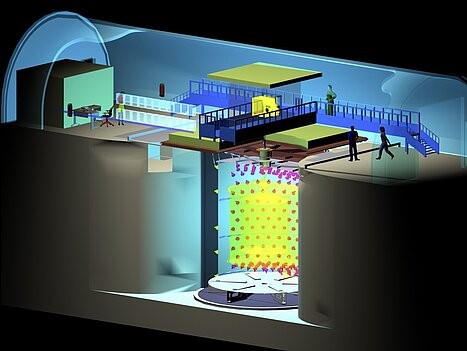
Antineutrinos Detected for the First Time in Spent Fuel Elements
Even after a nuclear reactor has been shut down, the radioactive fuel continues to emit a faint stream of antineutrinos. The Double Chooz collaboration, led by scientists from the Max Planck Institute for Nuclear Physics (MPIK), has succeeded for the first time in measuring this elusive signal, opening up new prospects for reactor monitoring, nuclear safety, and control procedures. The Double Chooz detector. Image credit: Double Chooz collaboration. The research team conducted these measurements at the Chooz nuclear power plant in northern France. The Double Chooz detector is located approximately 400 meters underground, in close proximity to two reactor cores. Inside, the detector contains more than 30 cubic meters of liquid scintillator material...
2026-08-04
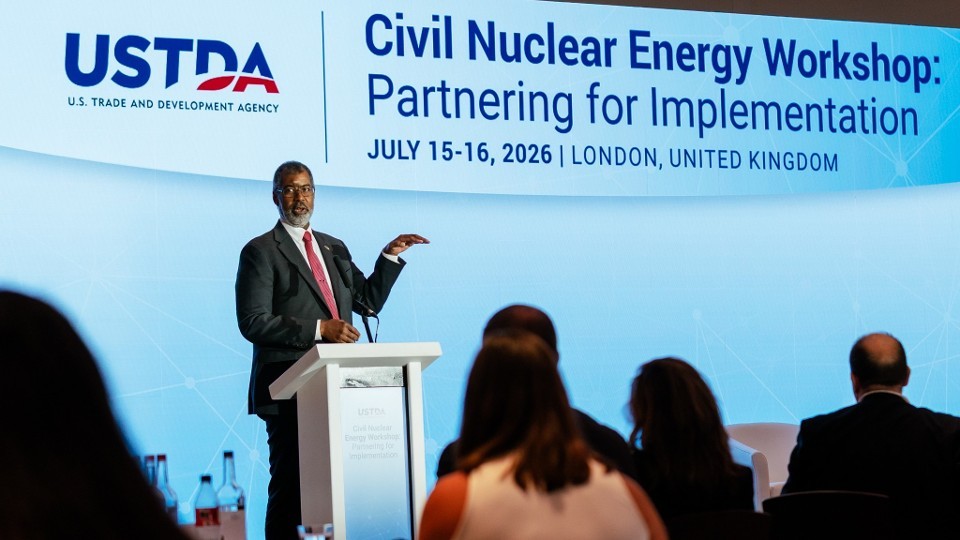
OECD Nuclear Energy Agency Director-General Attends Civil Nuclear Energy Workshop in London
William D. Magwood IV, Director-General of the OECD Nuclear Energy Agency (NEA), attended the U.S. Trade and Development Agency (USTDA) Civil Nuclear Energy Workshop held in London, United Kingdom, on July 15-16. Themed "Collaborative Advancement of Implementation," the workshop brought together government officials, industry representatives, and international stakeholders from Europe, Eurasia, and beyond to discuss how international cooperation can support the delivery of nuclear energy projects. Magwood delivered a keynote address at the opening ceremony and subsequently engaged in a conversation with Maria Korsnick, President and Chief Executive Officer of the Nuclear Energy Institute (NEI)...
2026-08-04
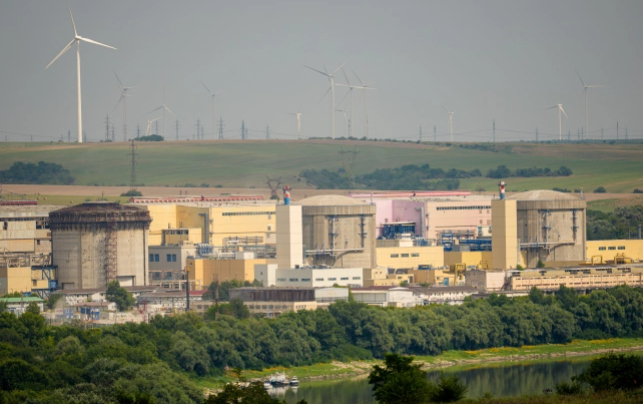
Unit 2 of Romania's Cernavoda Nuclear Power Plant can only operate for about 5 more days due to the continuously declining water level of the Danube River
Unit 2 of Romania's Cernavoda Nuclear Power Plant is expected to operate for only about five days due to the declining water level of the Danube River. Romeo Urjan, the plant's director, stated that if the Danube's water level continues to drop at a rate of 2 to 3 centimeters per day, Unit 2 will soon cease operation. Unit 1 has already been shut down due to insufficient water flow. Urjan emphasized that despite this, Unit 2 continues to operate within normal parameters, and nuclear safety is not under any threat. To alleviate the situation, relevant authorities are preparing to deploy four barges to divert more water to the plant, hoping to raise the water level by 7 to 8 centimeters, thereby extending the plant's operating time. Related...
2026-08-04
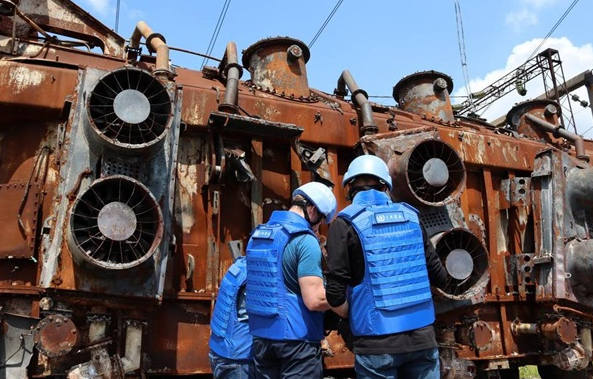
IAEA Inspects Ukrainian Energy Company Substations
On August 3, the International Atomic Energy Agency (IAEA) completed its latest inspection of key substations belonging to a Ukrainian energy company. The inspection aimed to assess energy infrastructure, particularly critical facilities affecting the safe operation of Ukraine's nuclear power plants. The Ukrainian side granted the IAEA delegation access to critical high-voltage substation systems for comprehensive monitoring. This comprehensive monitoring of substations was made possible by the expansion of the IAEA's mandate in September 2024. Under the new mandate, international inspectors can monitor not only the safety status of nuclear power plants but also the critical transmission system facilities that ensure their stable operation. Notably...
2026-08-04

CGN Dasheng Launches Nondestructive Testing Solutions for Power Batteries to Address New Safety Requirements for Electric Vehicle Batteries
The national mandatory safety standard "Safety Requirements for Traction Batteries for Electric Vehicles" officially takes effect on July 1, 2026, further raising the requirements for power battery safety inspection. In response to the needs for internal defect identification, fault tracing, and in-line production testing, CGN Dasheng Accelerator Technology Co., Ltd. has launched multiple nondestructive testing solutions, utilizing X-ray imaging, industrial CT, and electron beam scanning microfocus X-ray source technologies to provide inspection means for power battery quality control. The internal structure of power batteries is complex, with cells typically composed of multiple layers of materials wound or stacked. During production, subtle defects such as electrode plate wrinkles, metal debris contamination, positive-negative electrode misalignment, and welding porosity can...
2026-08-04
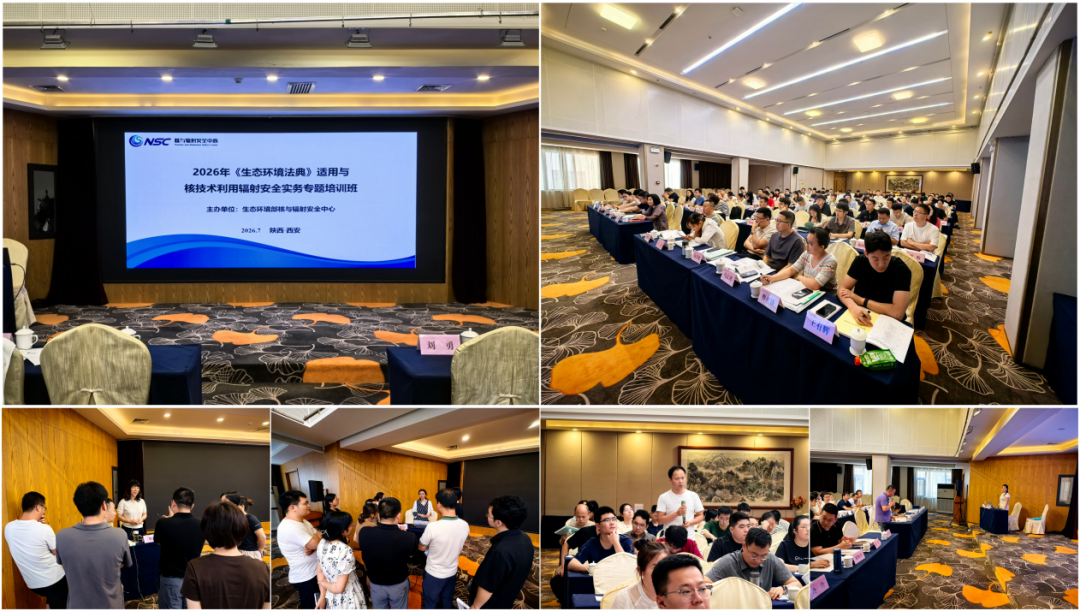
2026 Special Training Course on Radiation Safety Practices for Nuclear Technology Utilization Held in Xi'an
To thoroughly implement the Ecological Environment Code and further enhance radiation safety management in the field of nuclear technology utilization, the 2026 Special Training Course on the Application of the Ecological Environment Code and Radiation Safety Practices for Nuclear Technology Utilization, hosted by the Nuclear and Radiation Safety Center of the Ministry of Ecology and Environment (hereinafter referred to as the Center), was successfully held in Xi'an, Shaanxi Province, from July 27 to 30. Nearly one hundred trainees from 67 institutions nationwide, including ecological environment departments, research institutes, medical facilities, and environmental impact assessment (EIA) compilation agencies, gathered together to study the new regulations and discuss practical matters, empowering the industry's high-quality development. This training closely followed the pulse of industry development, focusing on the new situations and challenges...
2026-08-03
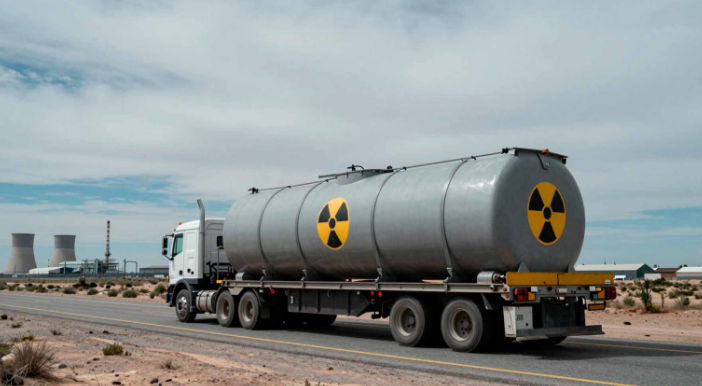
U.S. Nuclear Regulatory Commission (NRC) Proposed Rule to Update Radioactive Material Transport Regulations for New Reactor Technologies
The U.S. Nuclear Regulatory Commission (NRC) has issued a proposed rule aimed at updating regulations for the transport of radioactive material to accommodate the development of new reactor technologies. The existing regulatory framework has not fully kept pace with advances in nuclear technology, particularly as microreactors and other advanced reactor types present new challenges to current rules. Approximately three million packages containing radioactive material are transported across the United States each year, and this vast logistics operation has been managed by federal agencies for decades. The NRC's proposed rule addresses a specific issue: how to safely transport new types of nuclear reactors and their associated radioactive materials. Microreactors are compact, factory-manufactured...
2026-08-03
Uzbekistan Updates Licensing Rules for Nuclear Energy and Ionizing Radiation Sources
The Uzbek government recently approved new licensing procedures for nuclear energy utilization and activities involving ionizing radiation sources, establishing updated safety, radiation monitoring, personnel qualification, and technical requirements as the country advances its nuclear energy industry. According to a resolution adopted by the Cabinet of Ministers of Uzbekistan on July 30, the regulations apply to licensing of nuclear energy utilization activities and matters related to the handling of ionizing radiation sources. The framework was developed pursuant to a presidential decree issued on January 9, 2024, with the aim of reducing mandatory requirements on enterprises and simplifying licensing and approval processes. The new rules will take effect on January 1, 2027. Existing license holders must...
2026-08-03
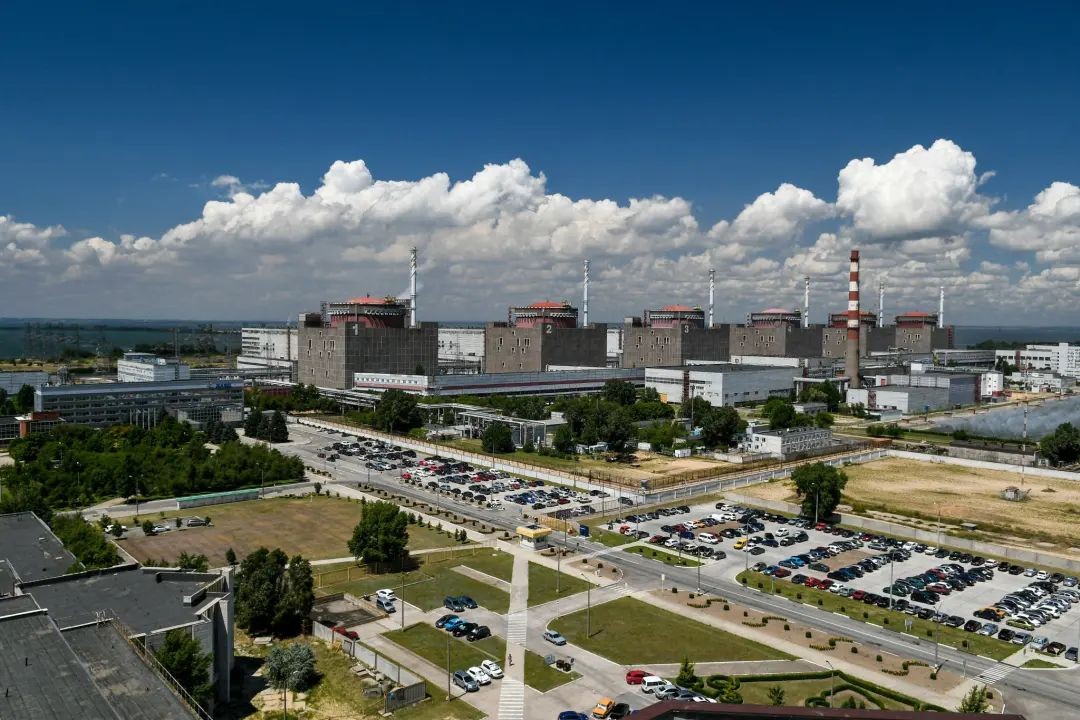
Zaporizhzhia Nuclear Power Plant currently relies on only one external power line for electricity supply
Alexey Likhachev, President of Rosatom, stated that the Zaporizhzhia Nuclear Power Plant currently obtains electricity through only one 330 kV external transmission line—Ferrosplavnaya-1—and that the instability of external power supply remains one of the main safety hazards facing the facility. According to the company's press office, Likhachev noted that the lack of a second operational external transmission line at the Zaporizhzhia NPP increases the risk to the safe operation of the plant's units. Although the plant is in a shutdown state, its safety-critical systems still require a stable power supply to ensure the continued operation of equipment related to nuclear safety...
2026-08-03
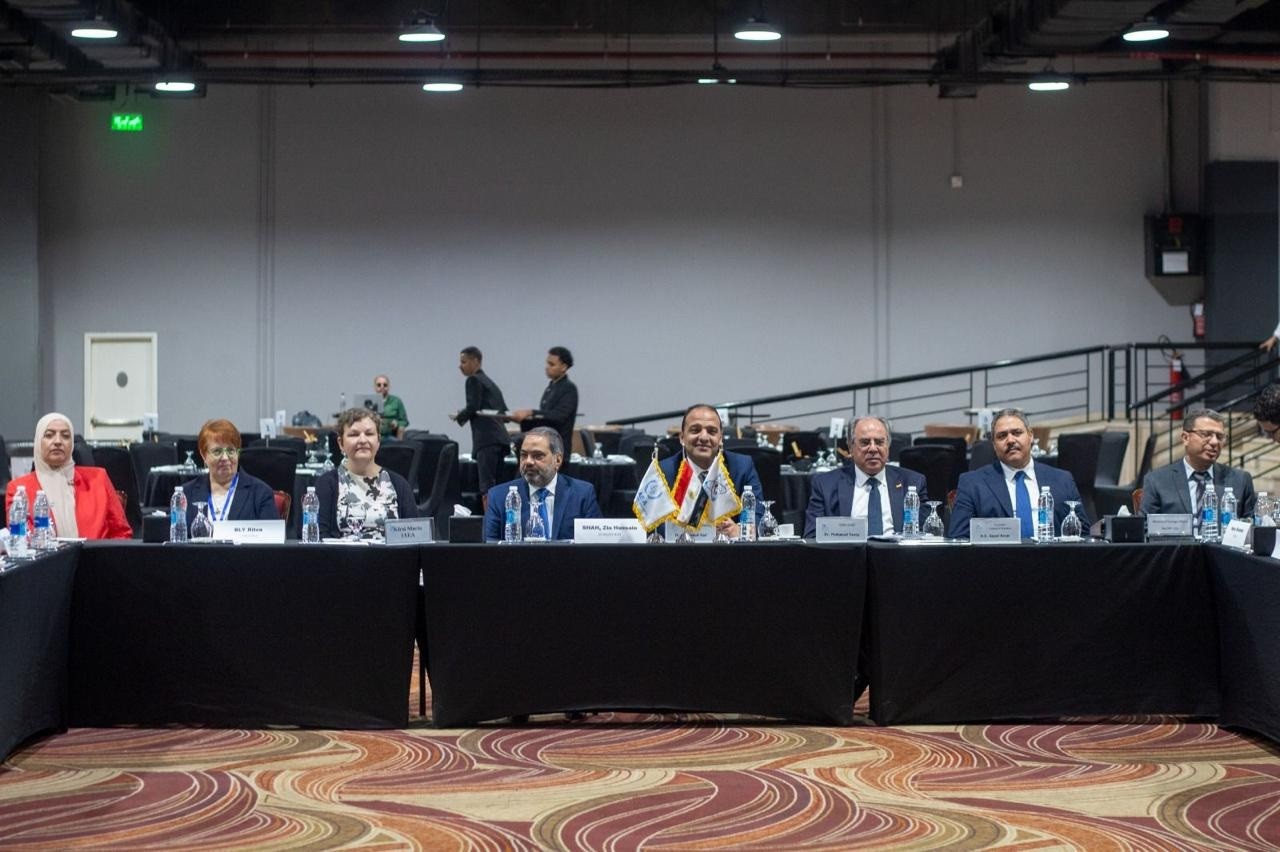
Egypt's Ministry of Health Advances Medical Radiation Safety Regulatory Review in Cooperation with IAEA
On July 31, Egypt's Ministry of Health and Population stated that it reaffirmed its critical role in improving Egypt's national radiation safety system during a 12-day Integrated Regulatory Review Service (IRRS) mission conducted by the International Atomic Energy Agency (IAEA). The IRRS mission, involving a team of international experts and reviewers, was conducted at the invitation of the Egyptian Nuclear and Radiological Regulatory Authority (ENRRA). Egyptian authorities stated that this step is part of the country's ongoing efforts to strengthen its national radiation safety framework and enhance its regulatory infrastructure in line with the latest international standards. The Ministry of Health and Population submitted a topical report through the Radiation Protection Executive Office of the General Department of Radiology, detailing its role in regulating and supervising the use of medical radiation...
2026-08-01

Anambra State, Nigeria Strengthens Cooperation with Nuclear Regulatory Authority to Enhance Safety Management of Medical Radioactive Materials
The Anambra State Government of Nigeria recently stated that it will strengthen cooperation with the Nigerian Nuclear Regulatory Authority (NNRA) to enhance radiation safety across the state and ensure the safe and compliant use of radioactive materials in medical institutions. At a meeting held in Awka, the capital of Anambra State, Dr. Afam Obidike, the State Commissioner for Health, exchanged views on relevant cooperation with a delegation from the NNRA. The delegation was led by Ekene Efenemoku, the NNRA's Southeast Zonal Coordinator. Efenemoku stated that the visit aimed to deepen bilateral cooperation and brief the state government on the NNRA's statutory responsibilities. According to his introduction, the...
2026-08-01

Philippine Lawmaker Says Nuclear Energy Could Ease Power Supply Pressure in Western Visayas
Mark Cojuangco, chair of the House of Representatives Committee on Nuclear Energy and representative of the Second District of Pangasinan, said on July 29 that if the Philippines adopts nuclear energy technology, the Western Visayas region could gain access to lower-cost and more stable electricity supply. Cojuangco noted that Iloilo and other parts of Western Visayas still rely heavily on coal-fired power, and the repeated power supply issues in recent years indicate the region needs more reliable and cost-controllable energy options. He is one of the principal authors of the Philippine National Nuclear Energy Safety Act (Republic Act No. 12305), which establishes a legal framework for the safe use of nuclear energy in the Philippines and provides for...
2026-08-01